SENSING MEANING, ABSTRACT PAINTING
Ruby City
210-227-8400
150 Camp St.
San Antonio, Texas, 78283
Sep 27, 2025 — Aug 30, 2026
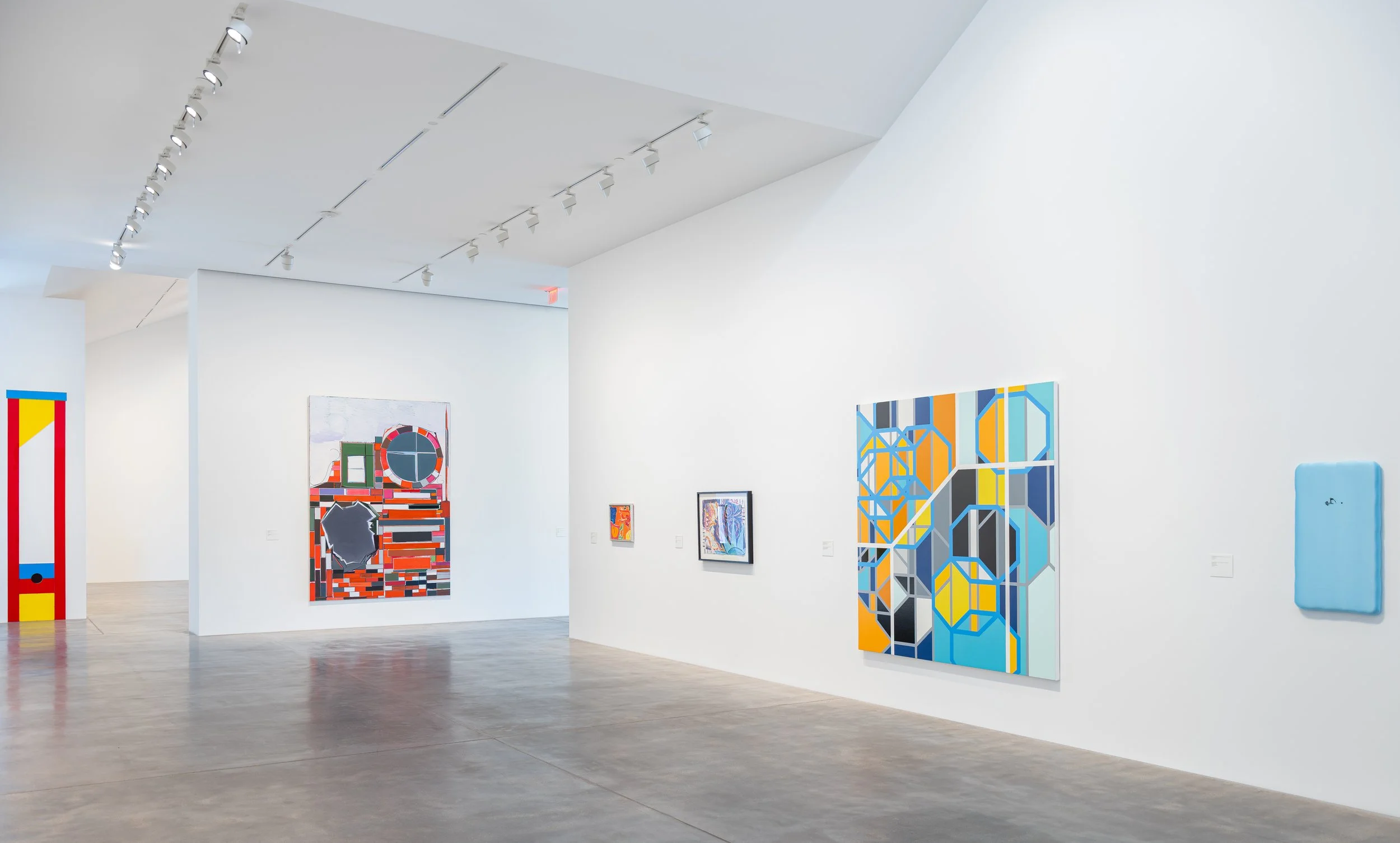
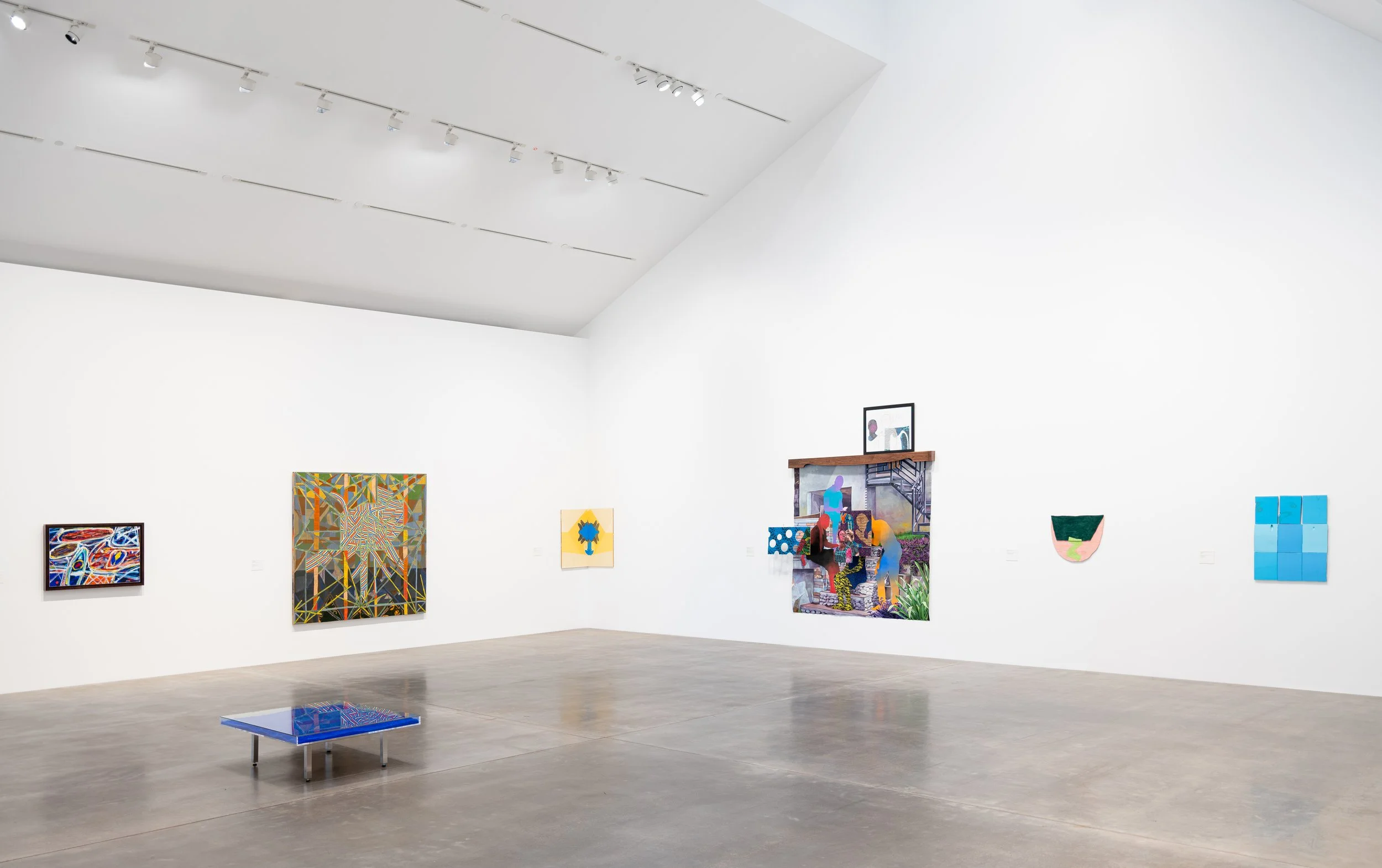
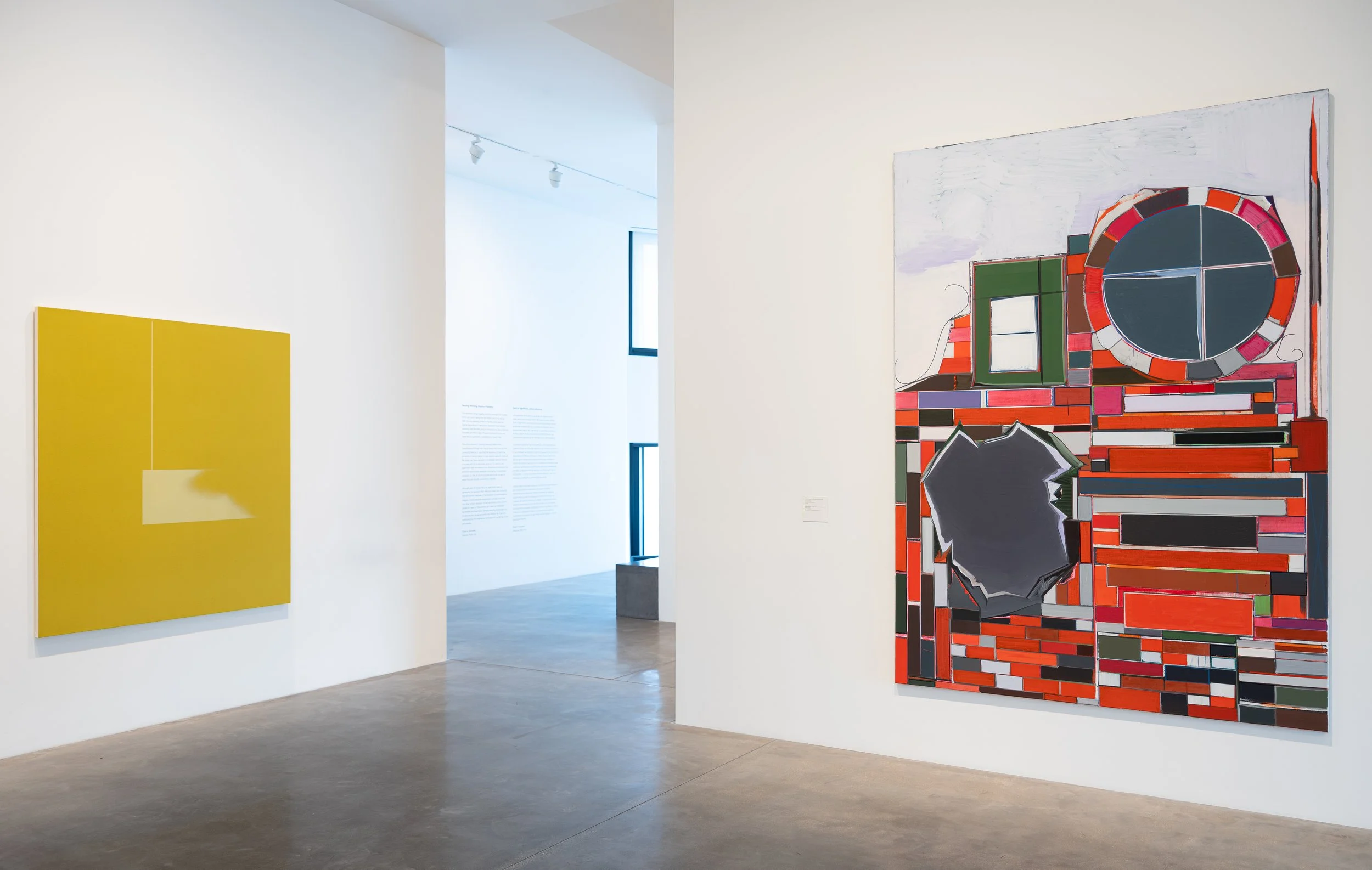
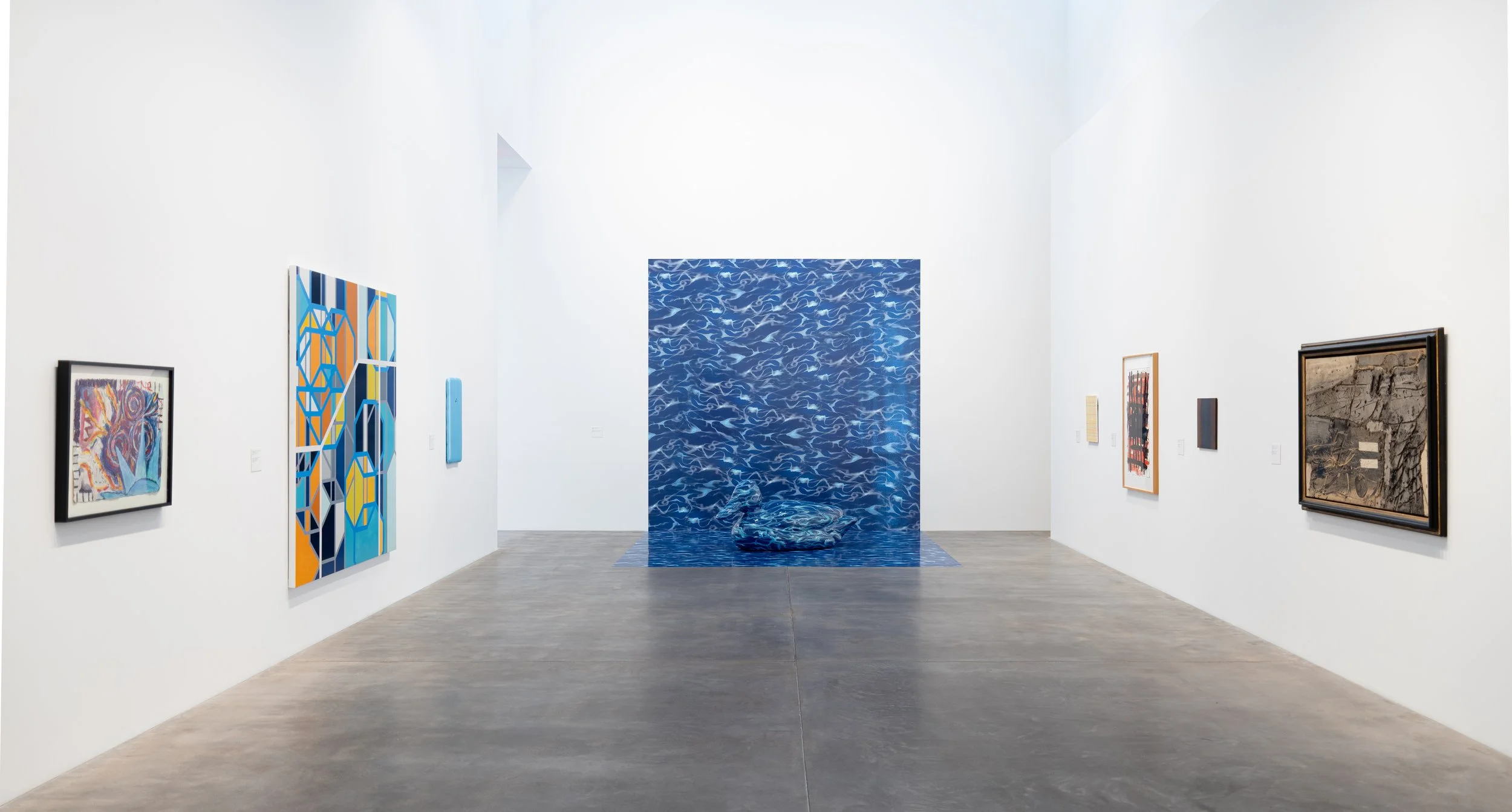
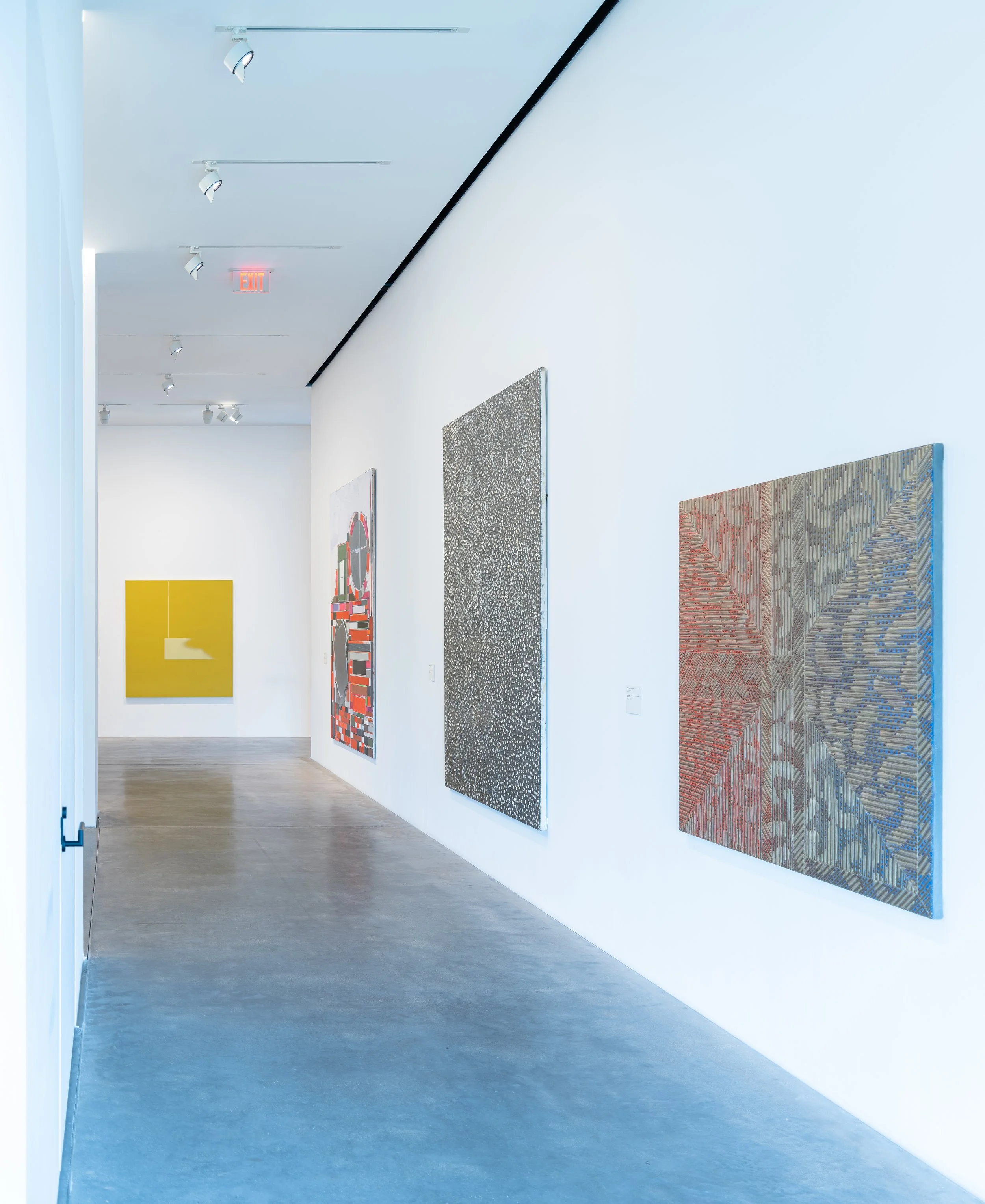
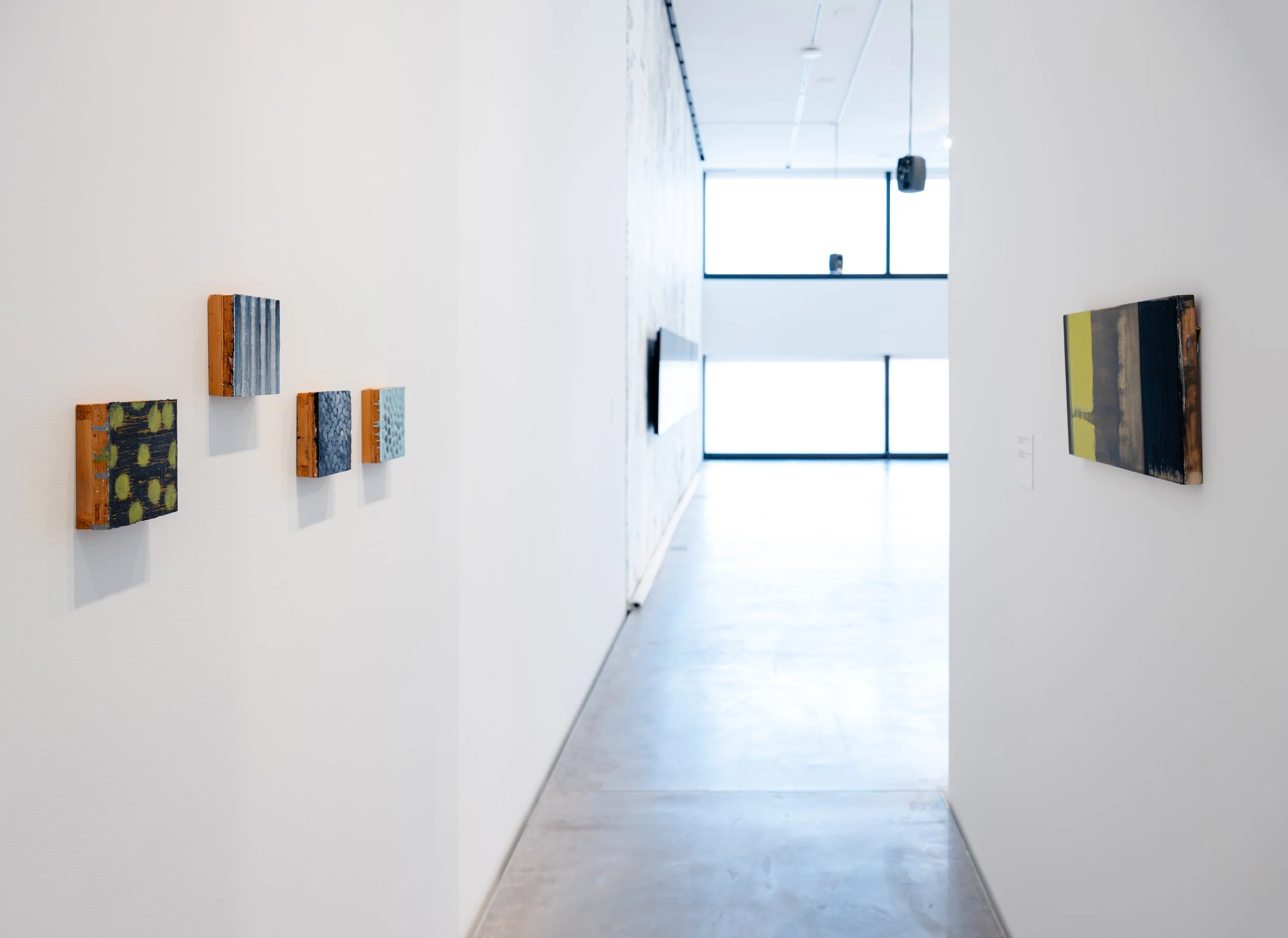
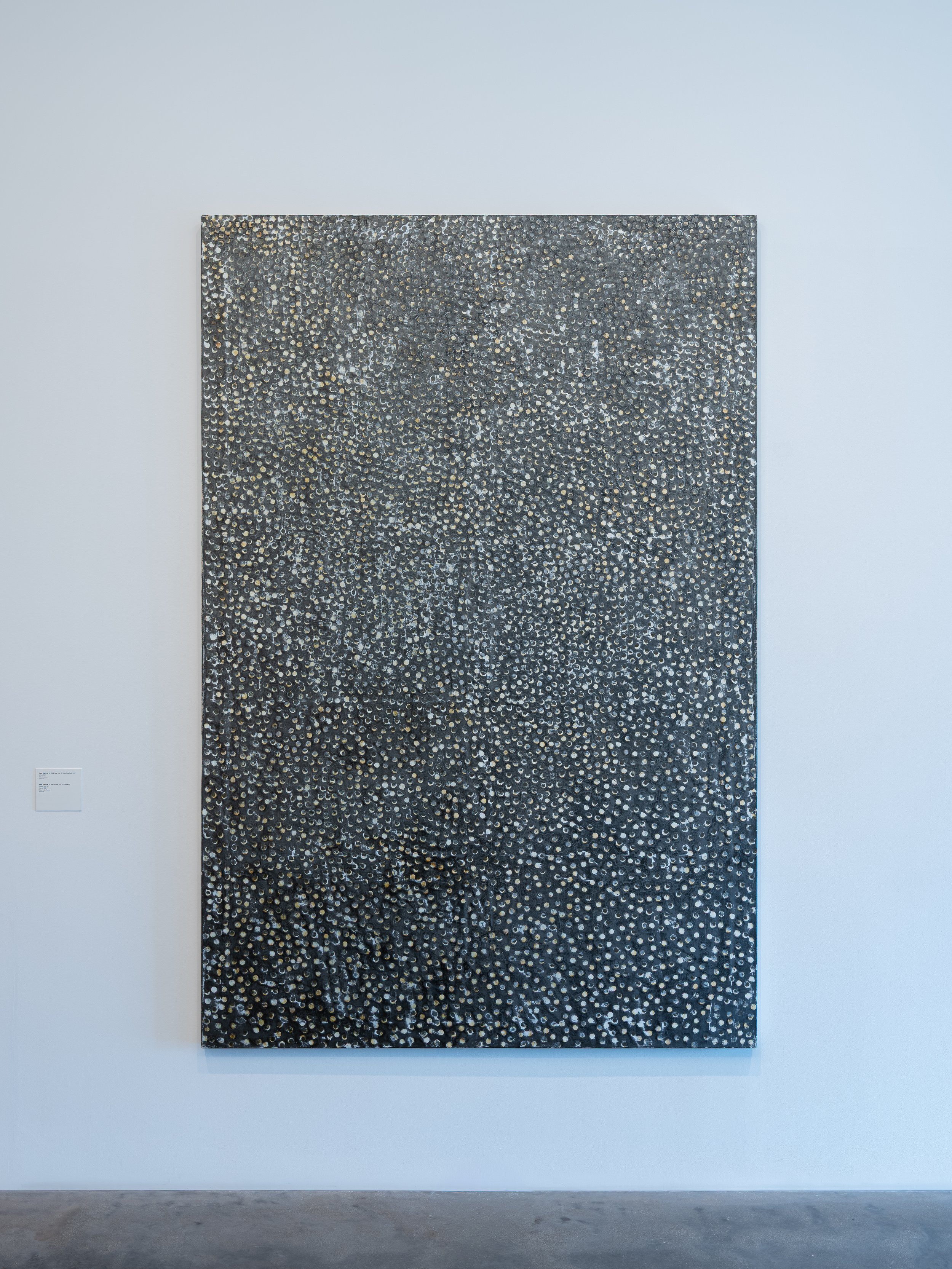
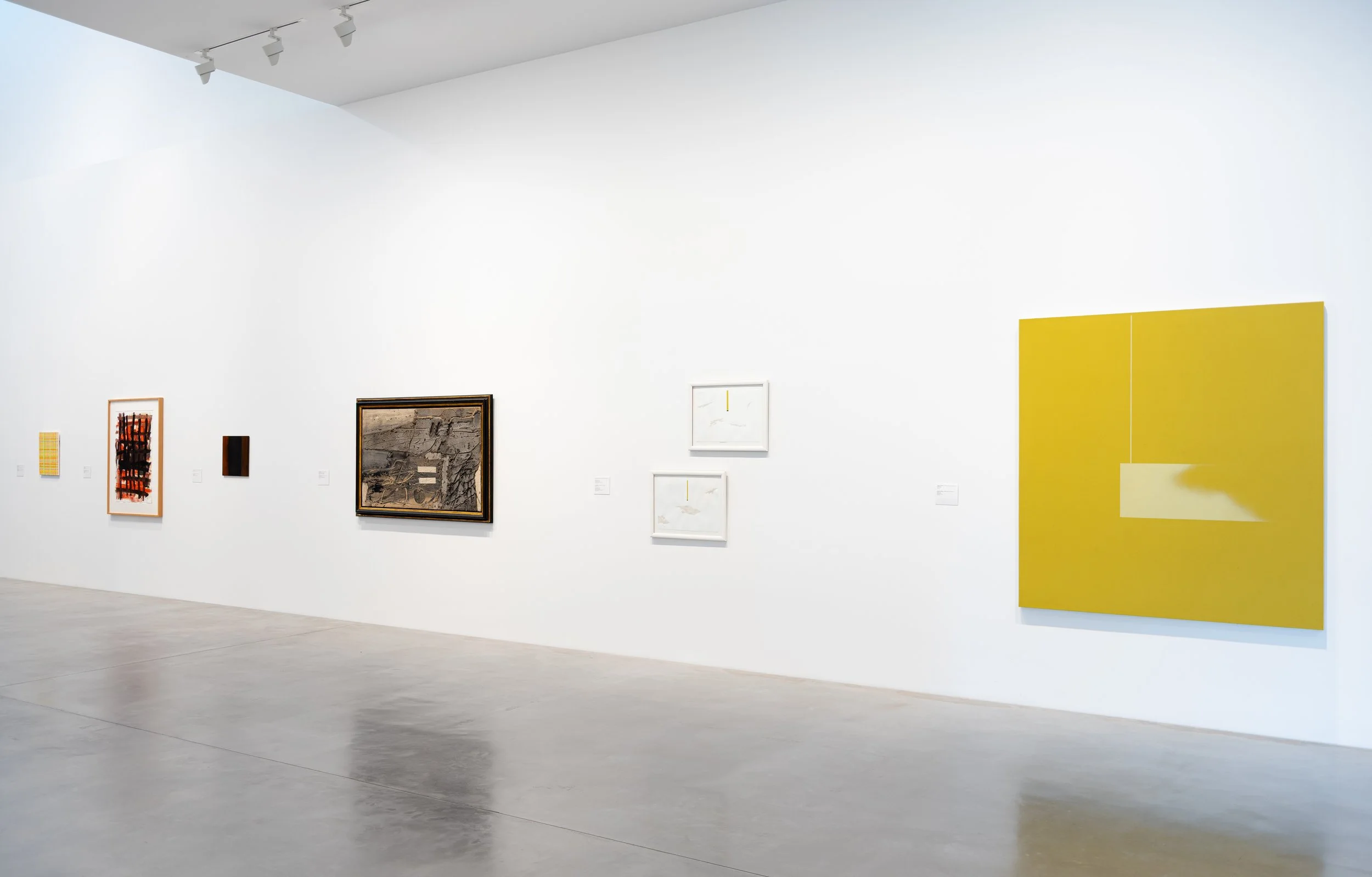
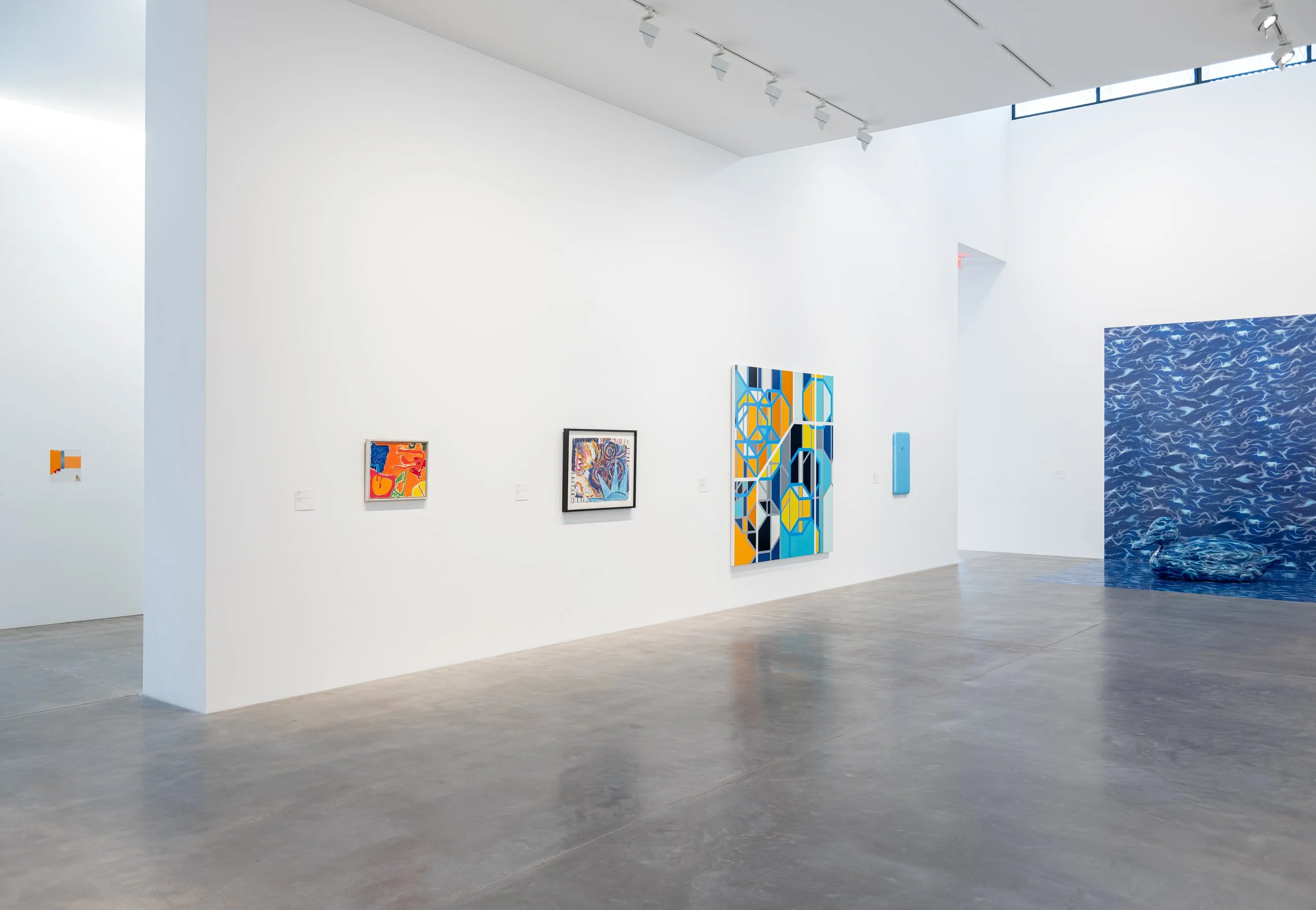
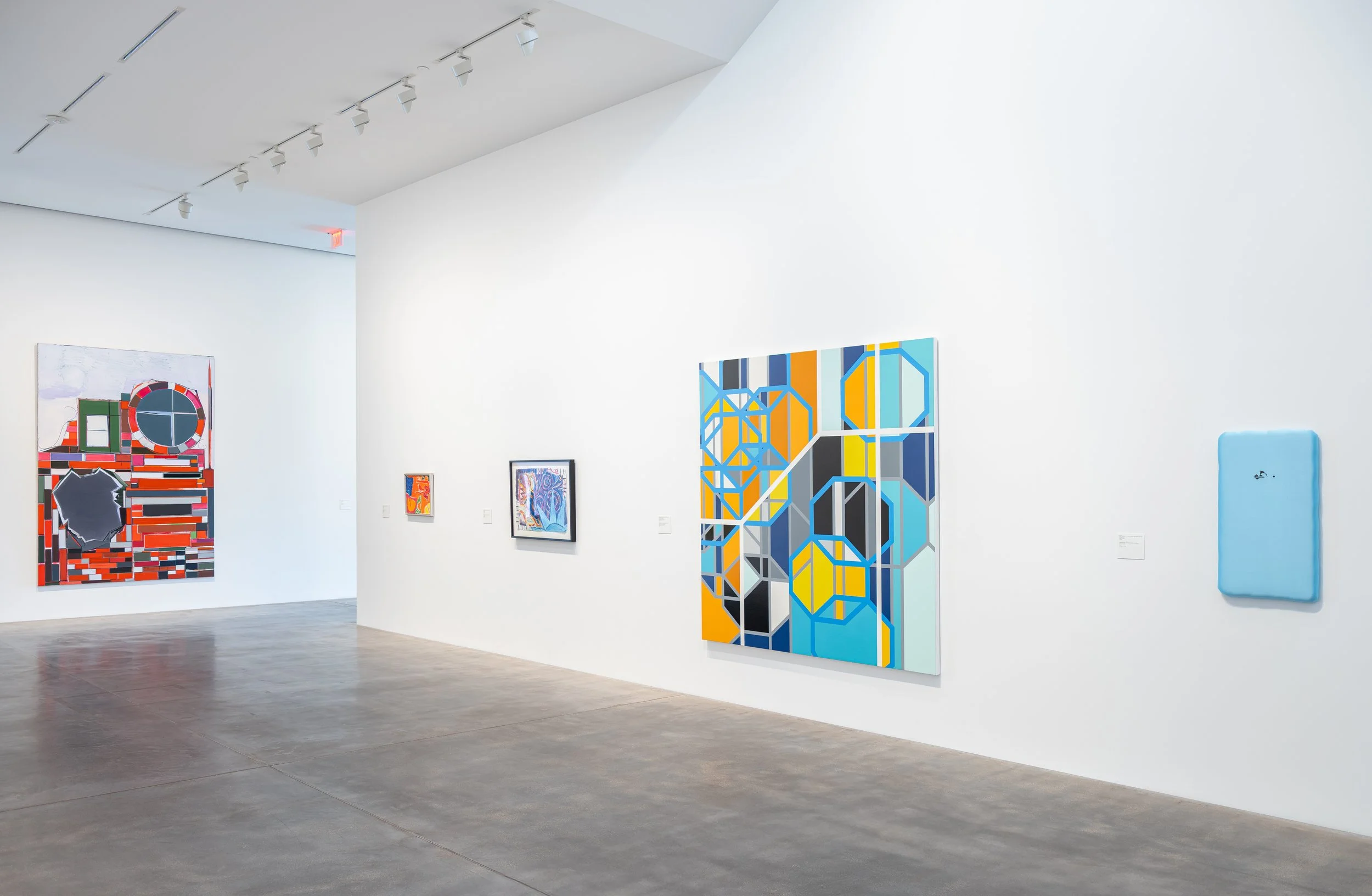
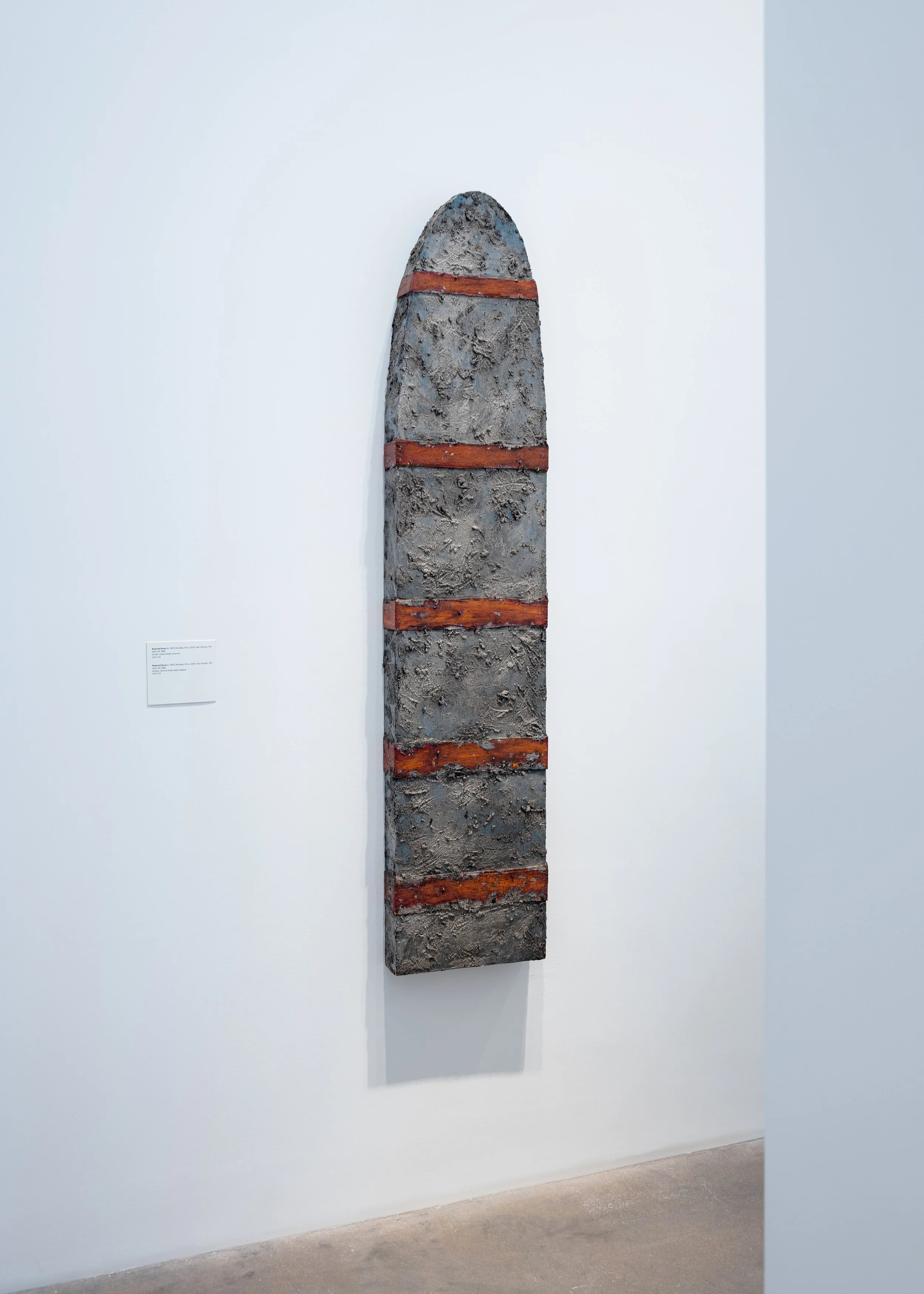
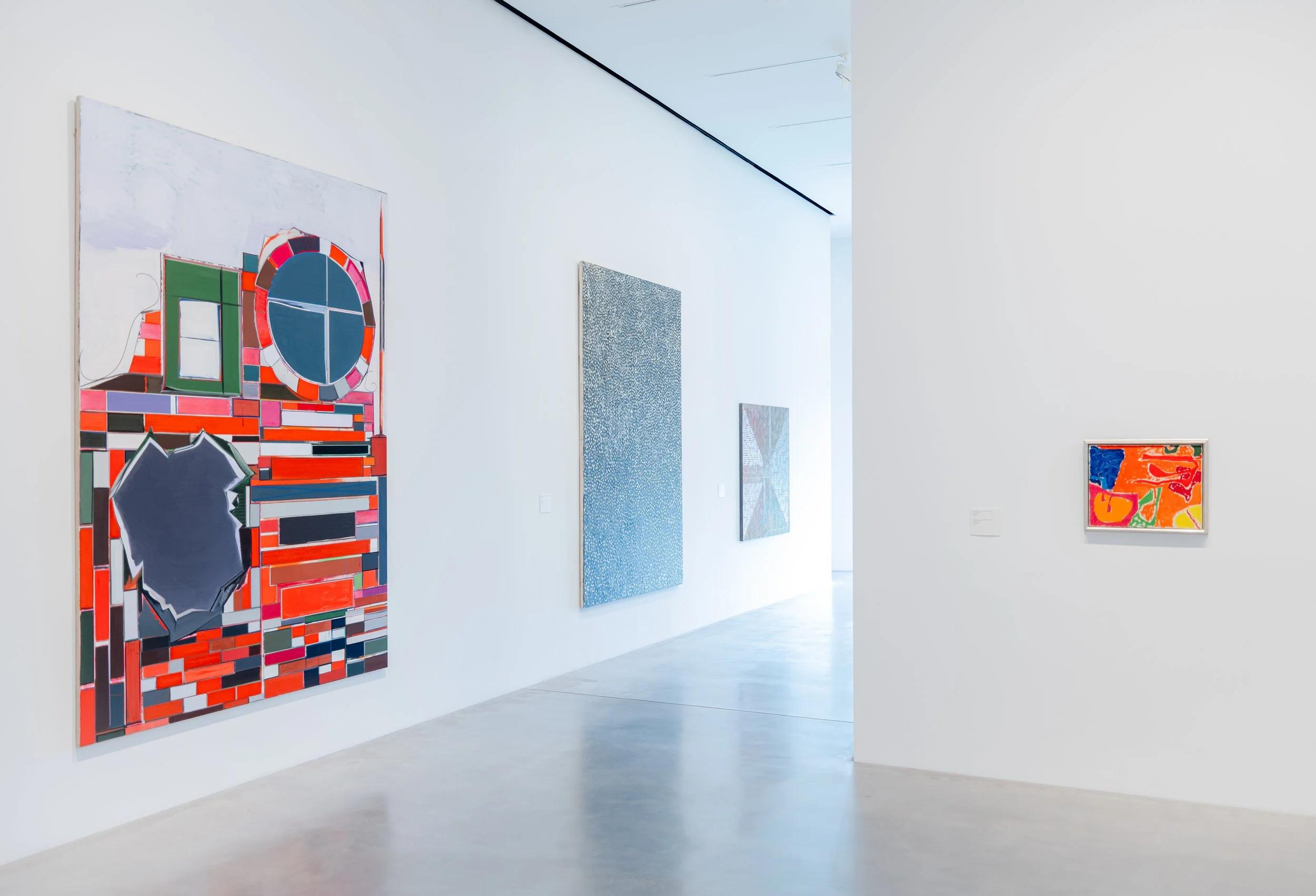
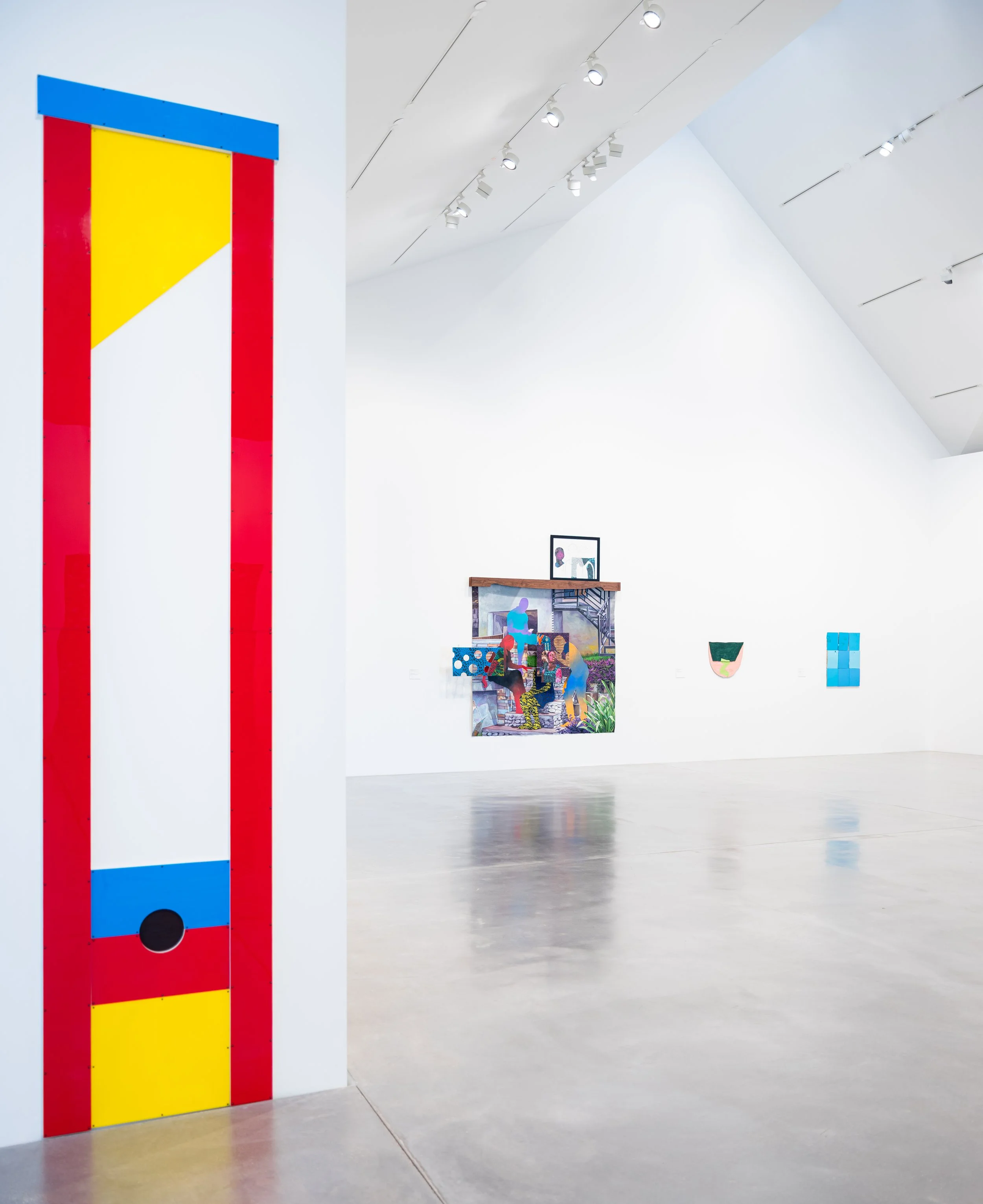
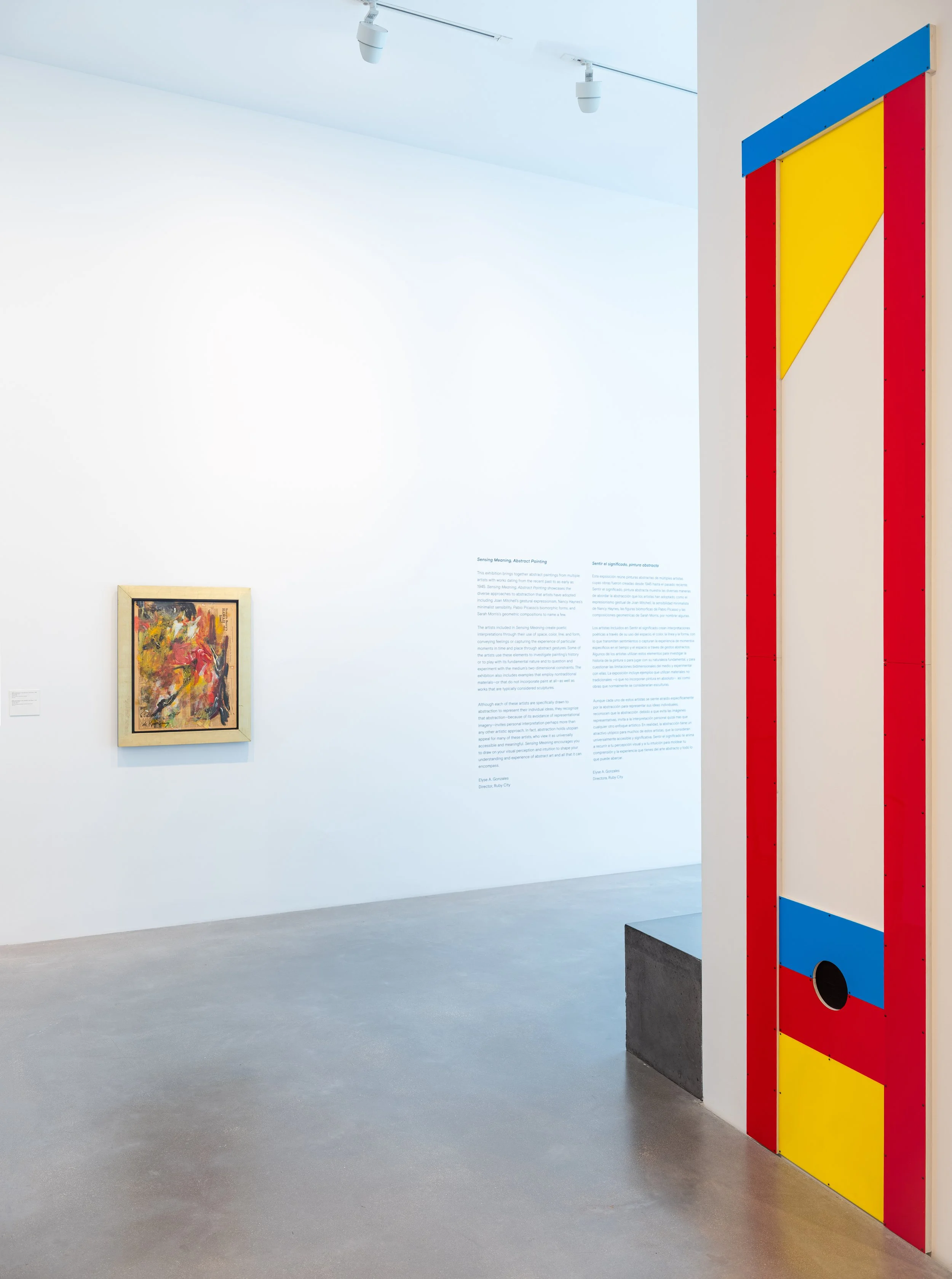
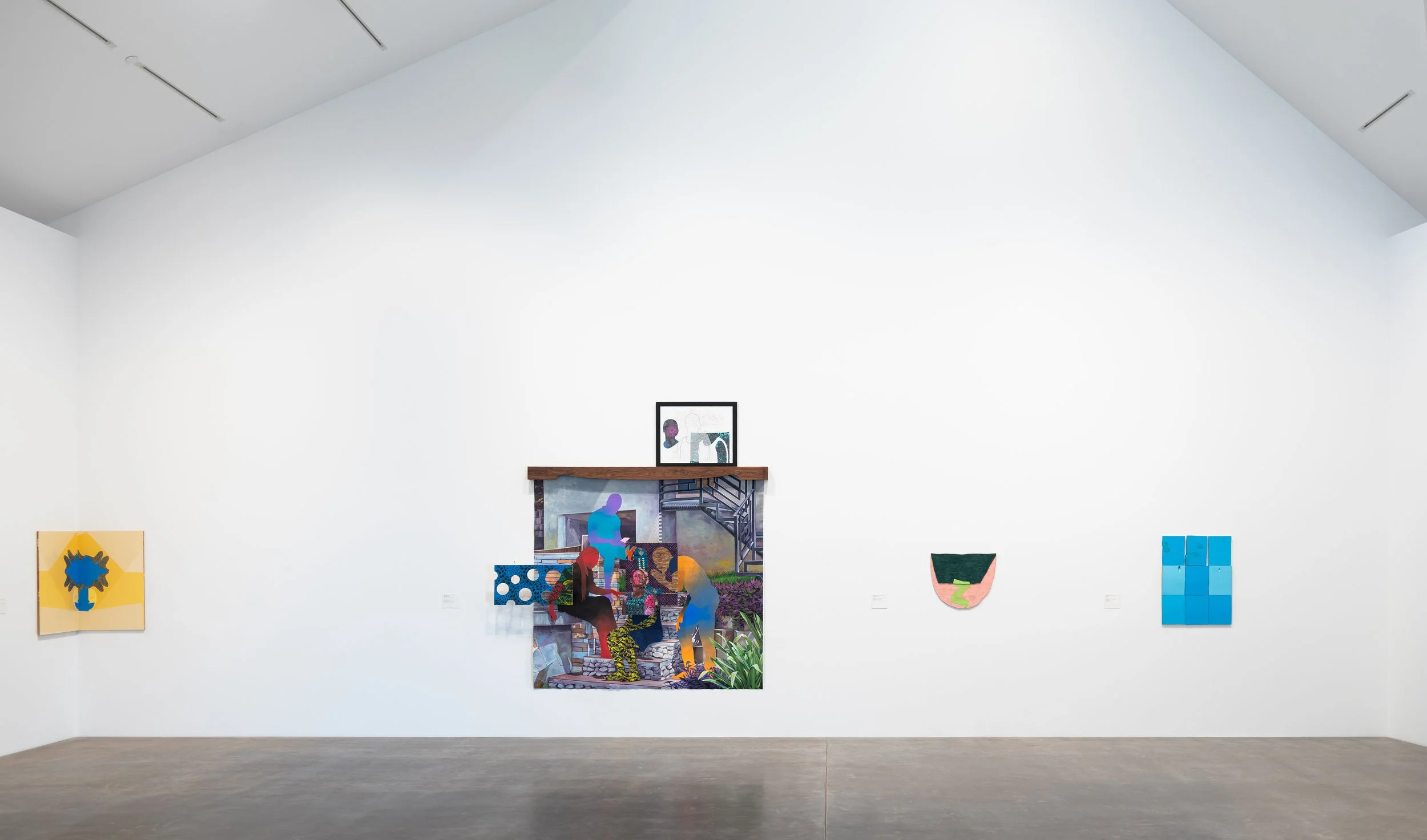
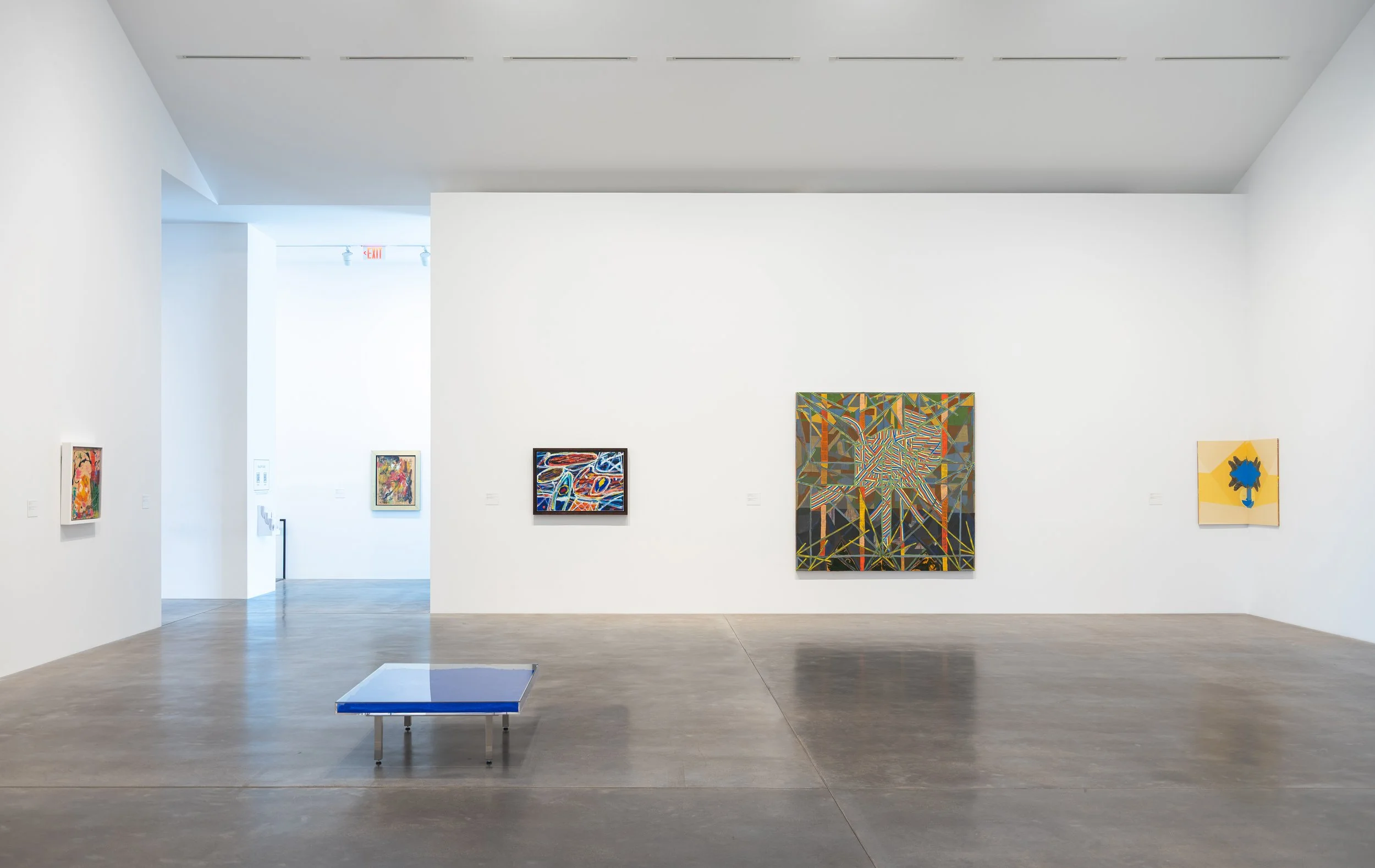
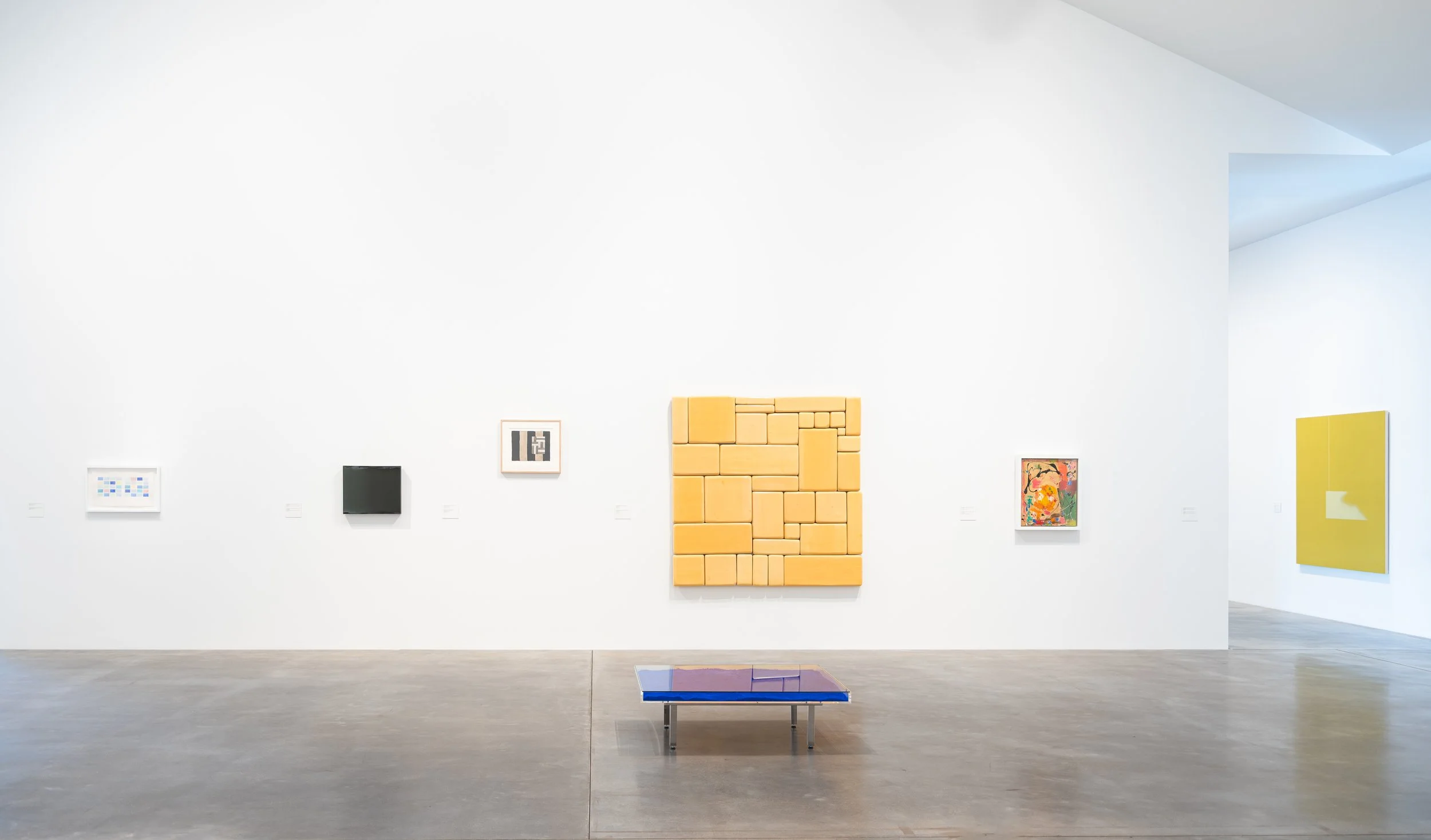
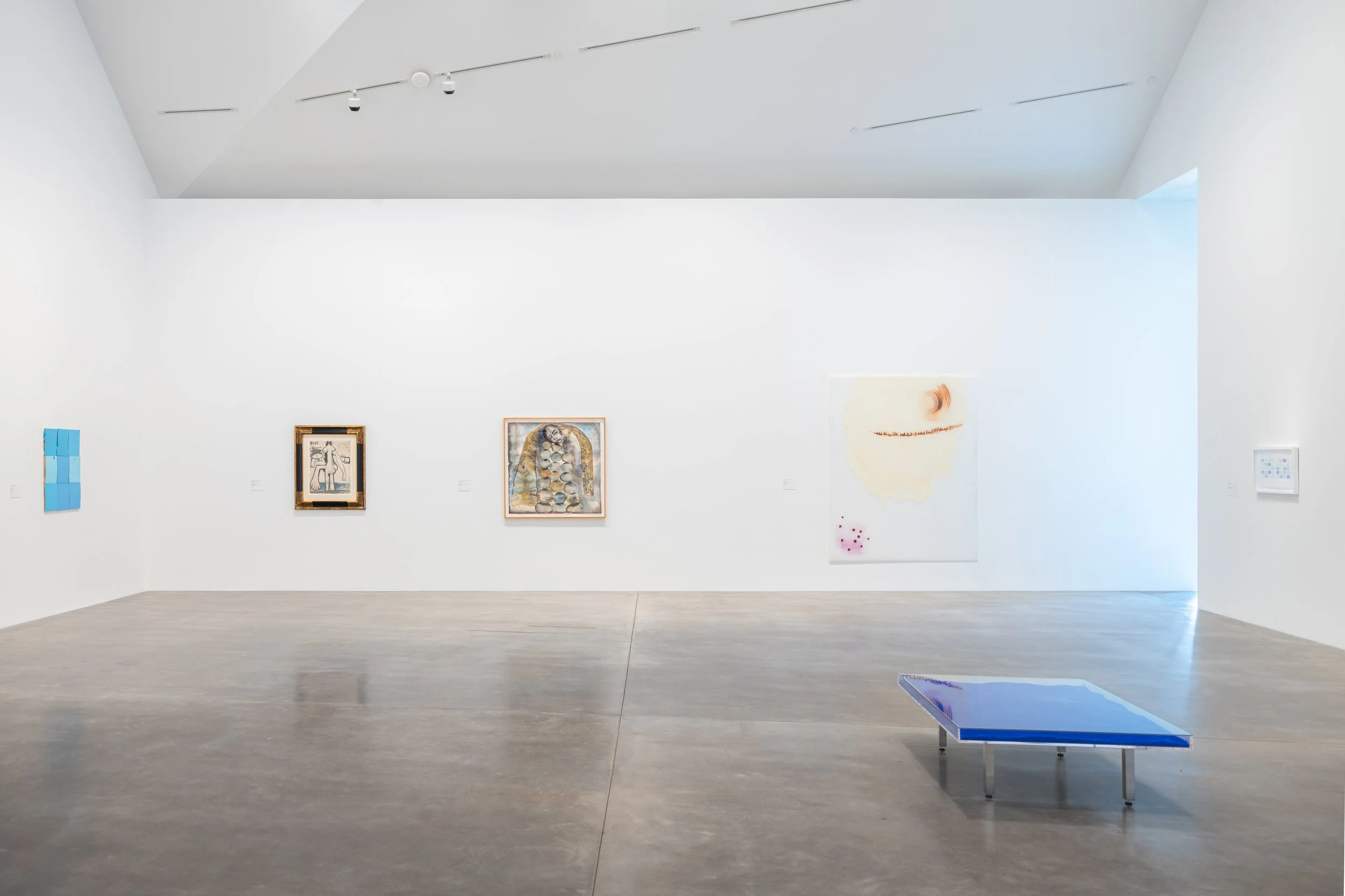
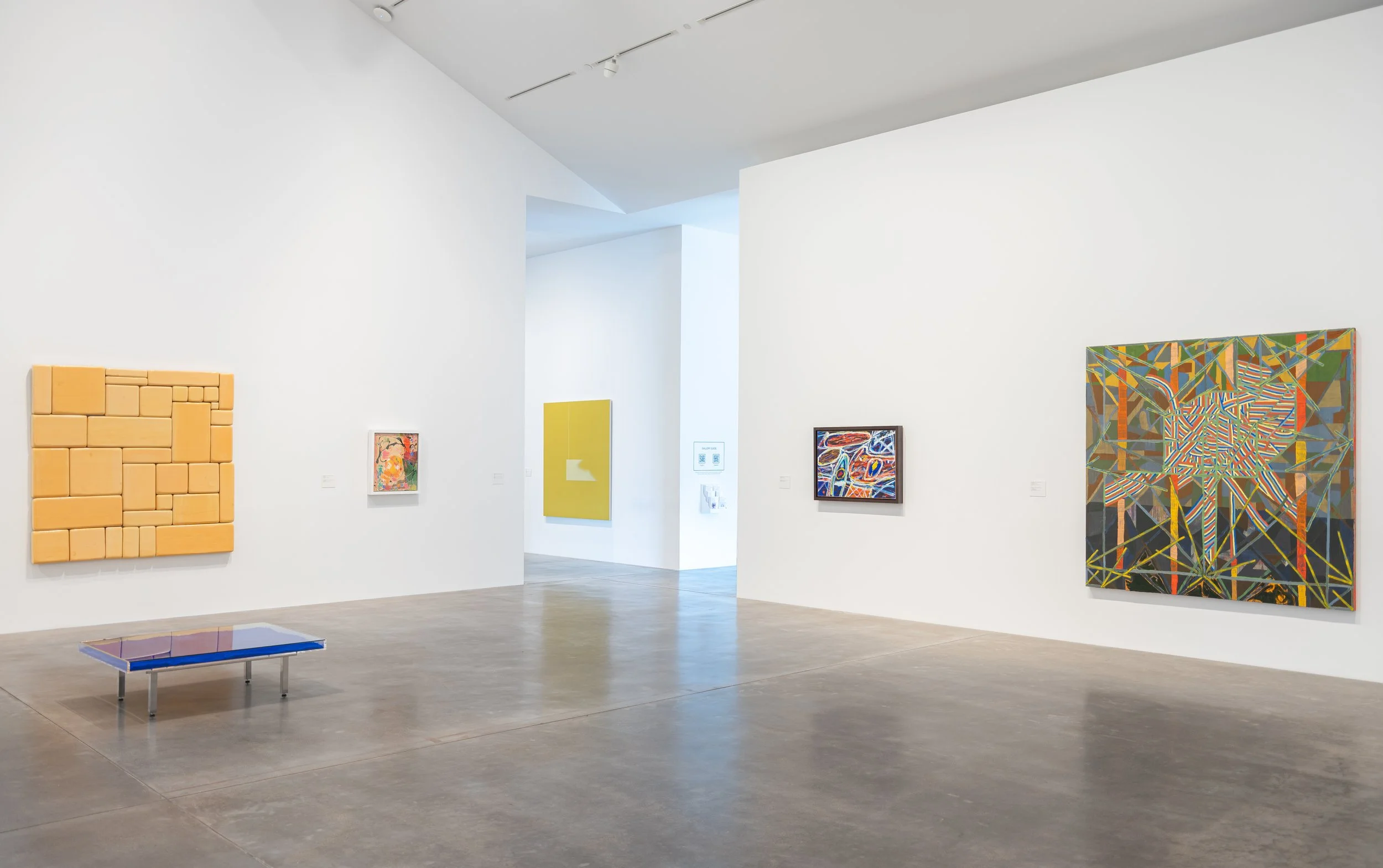
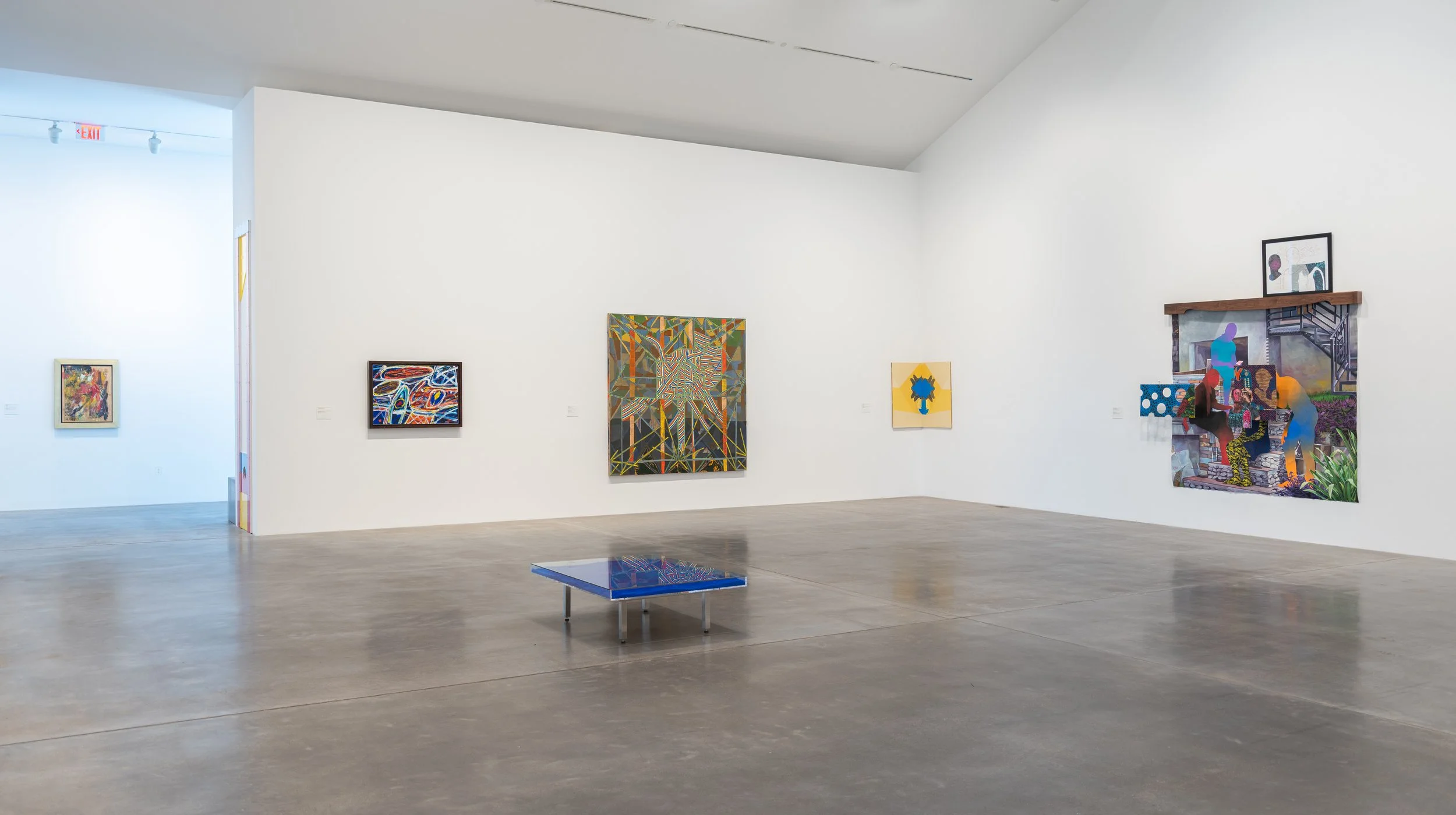
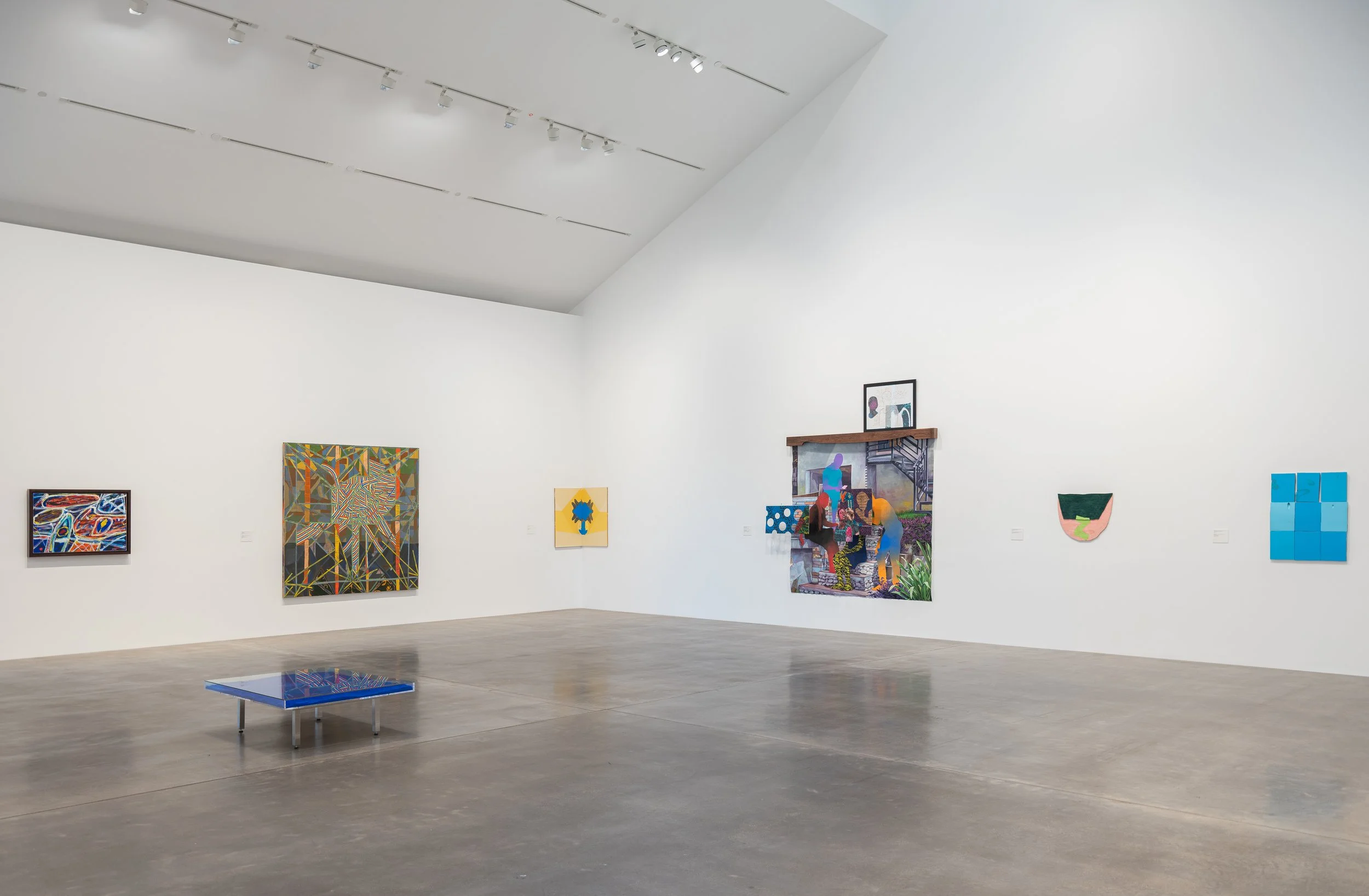
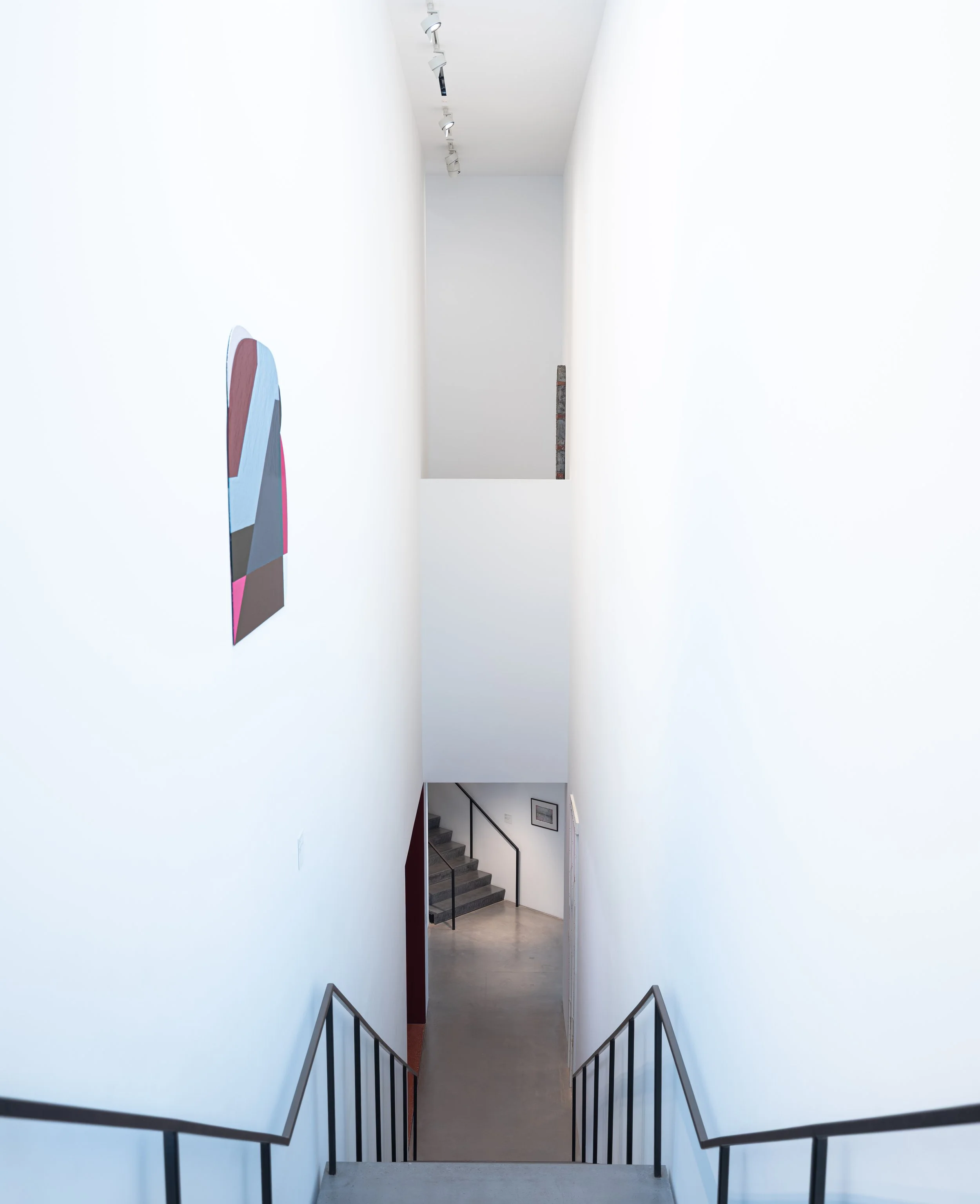
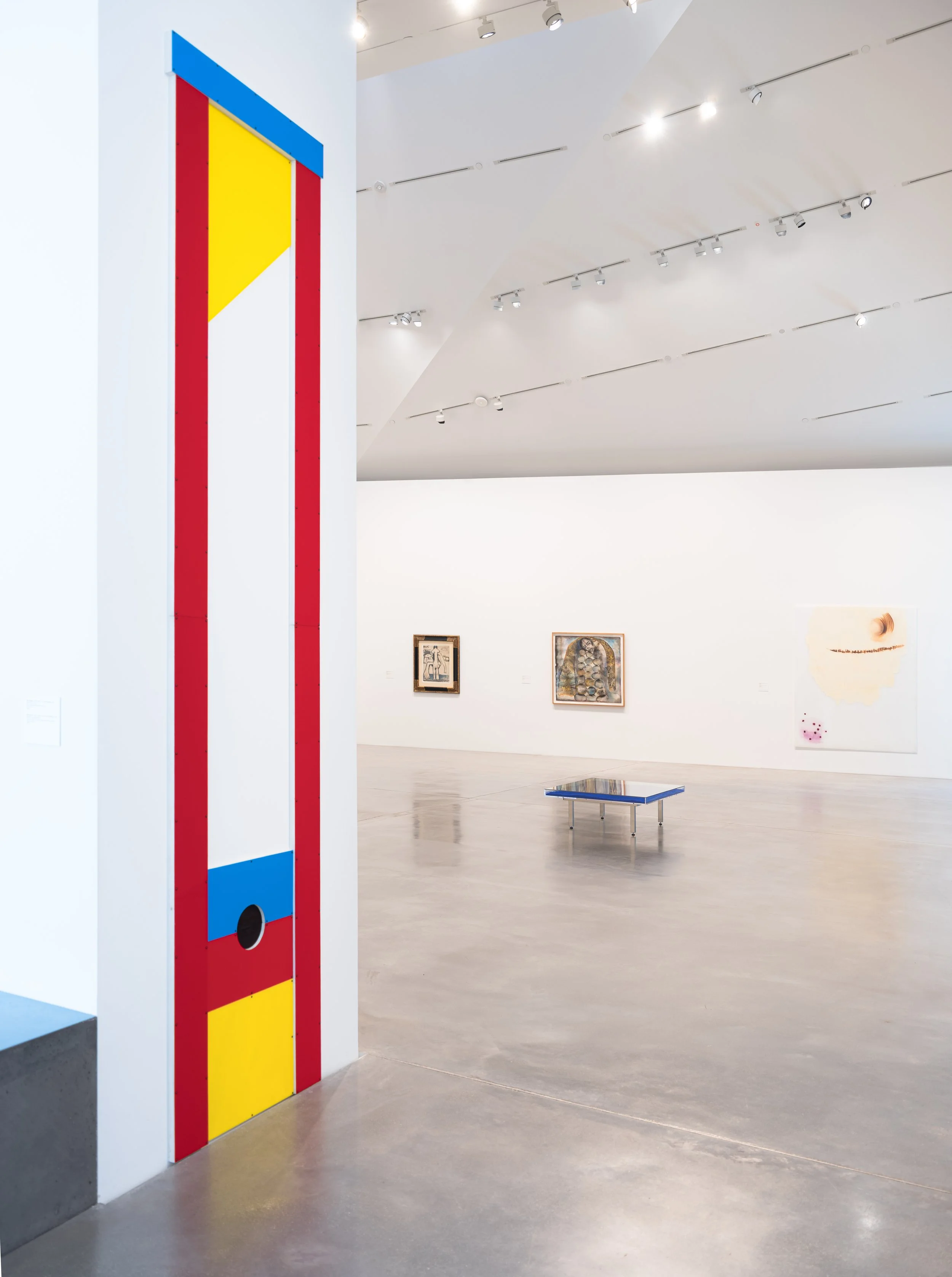
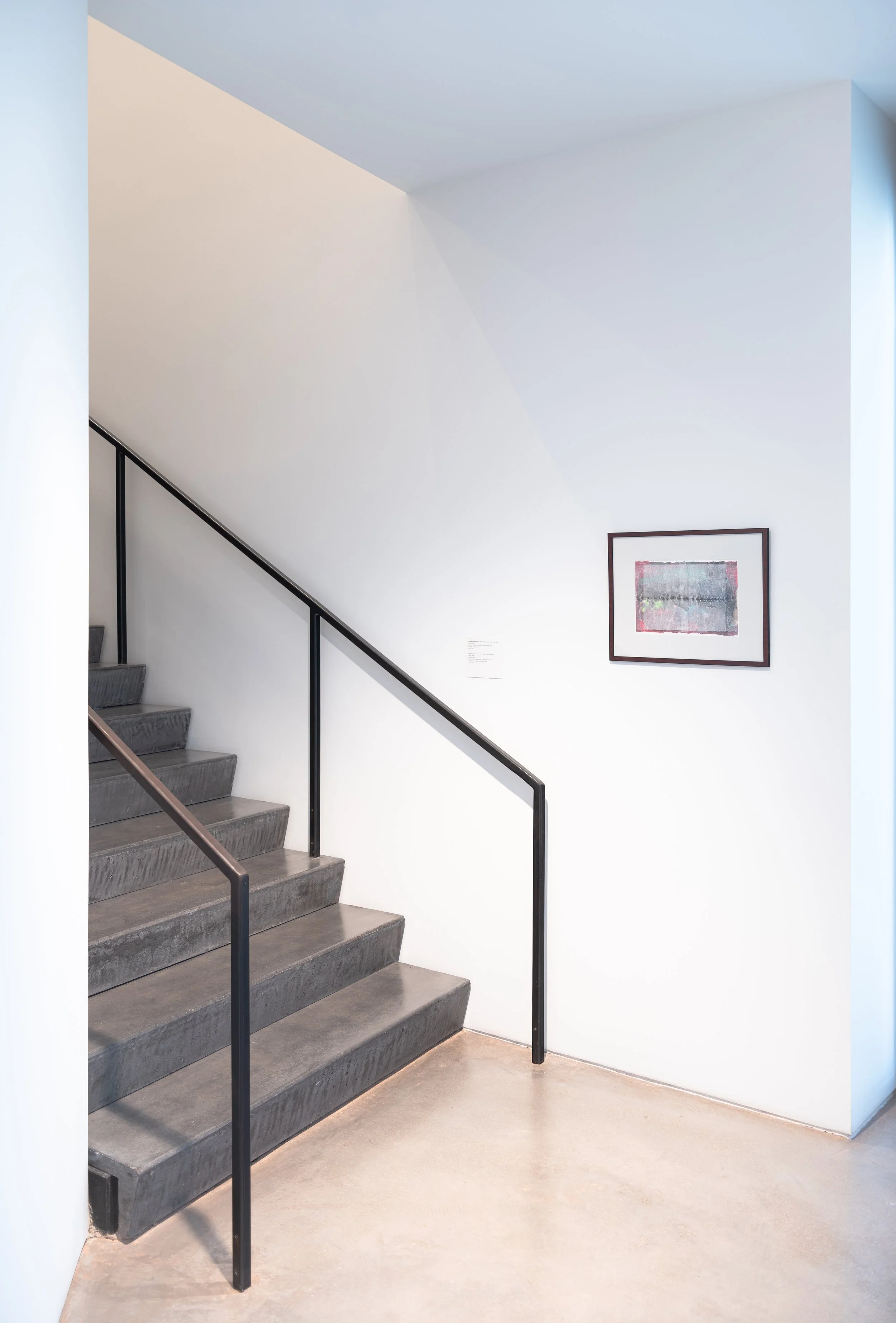
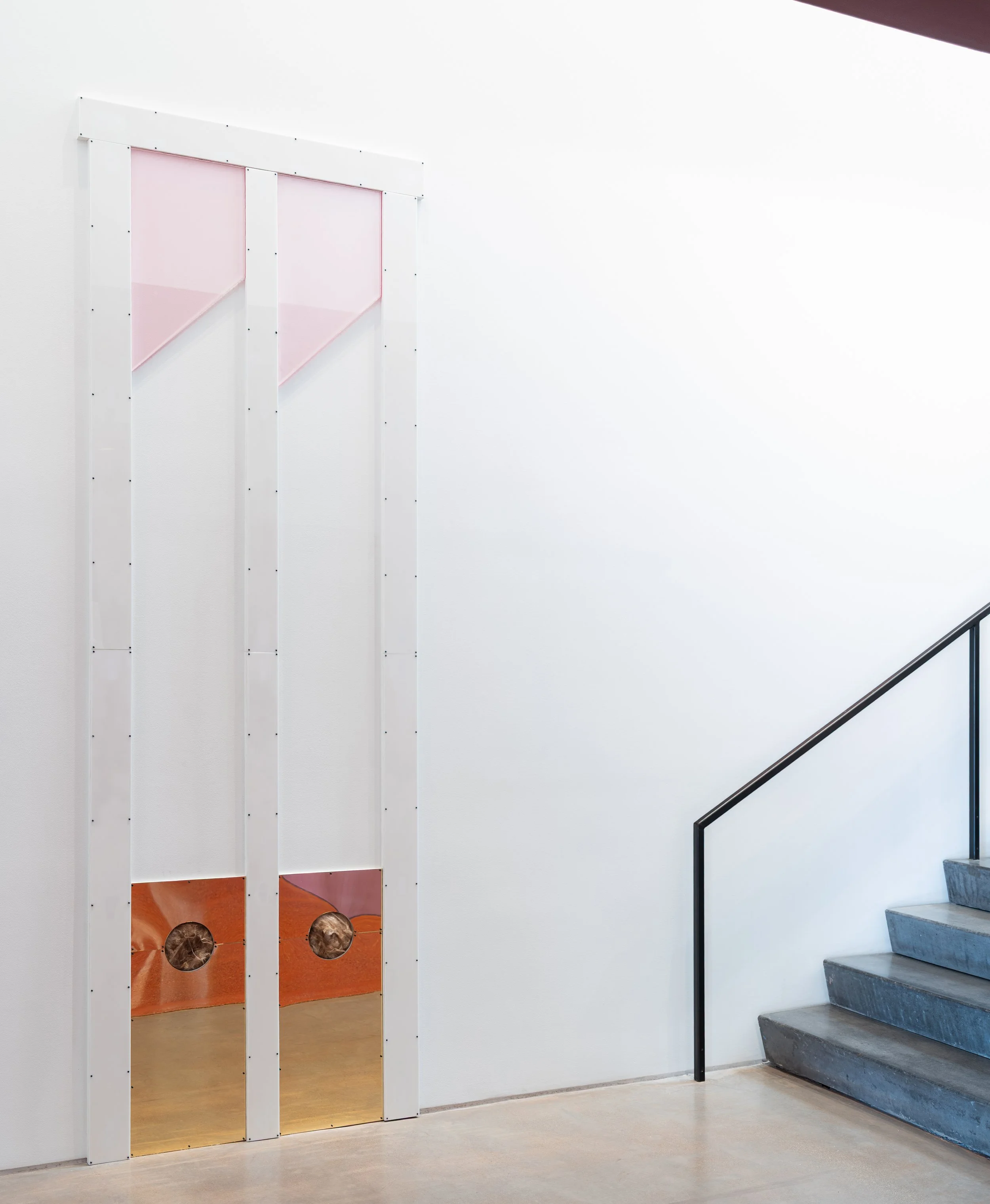
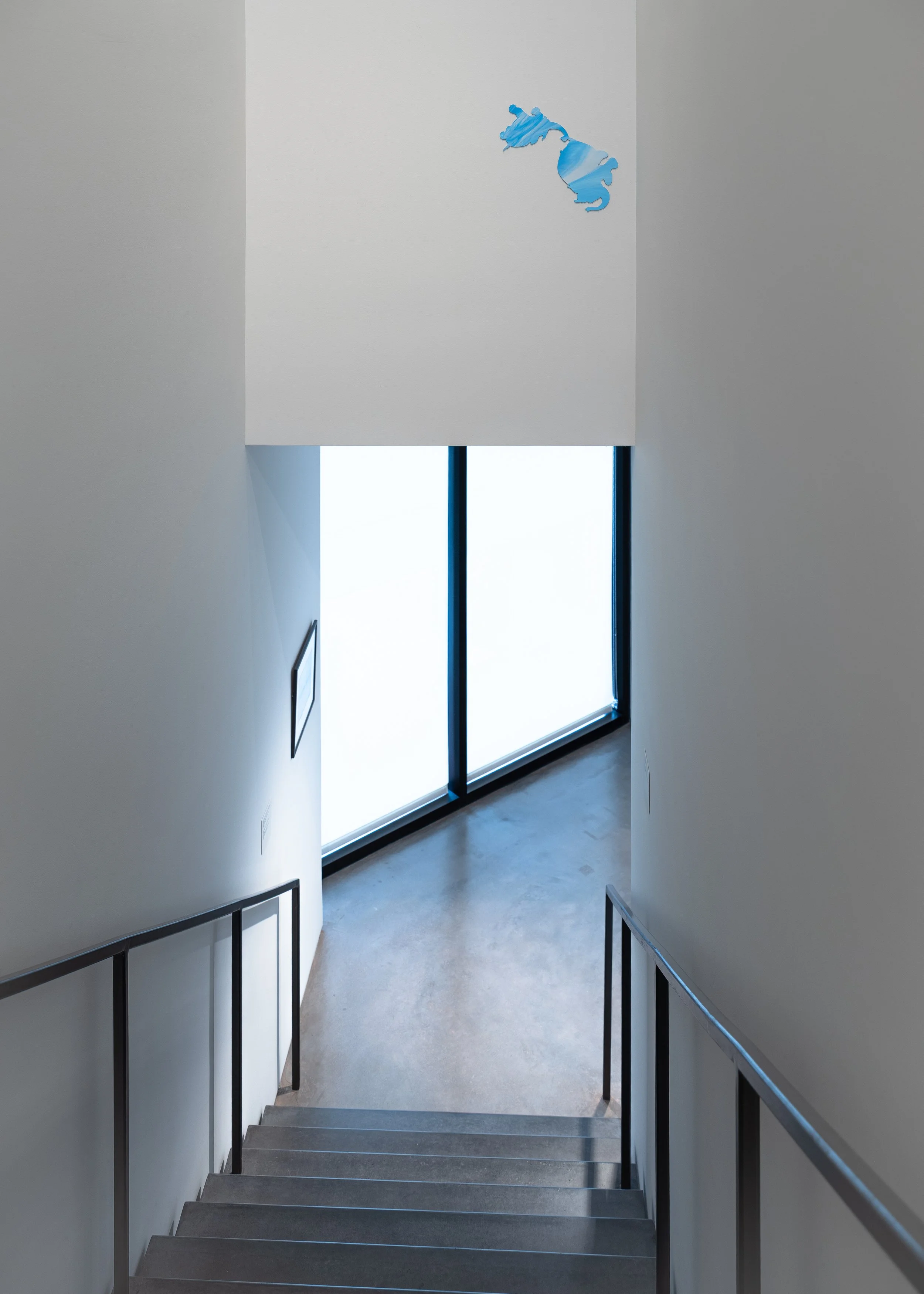
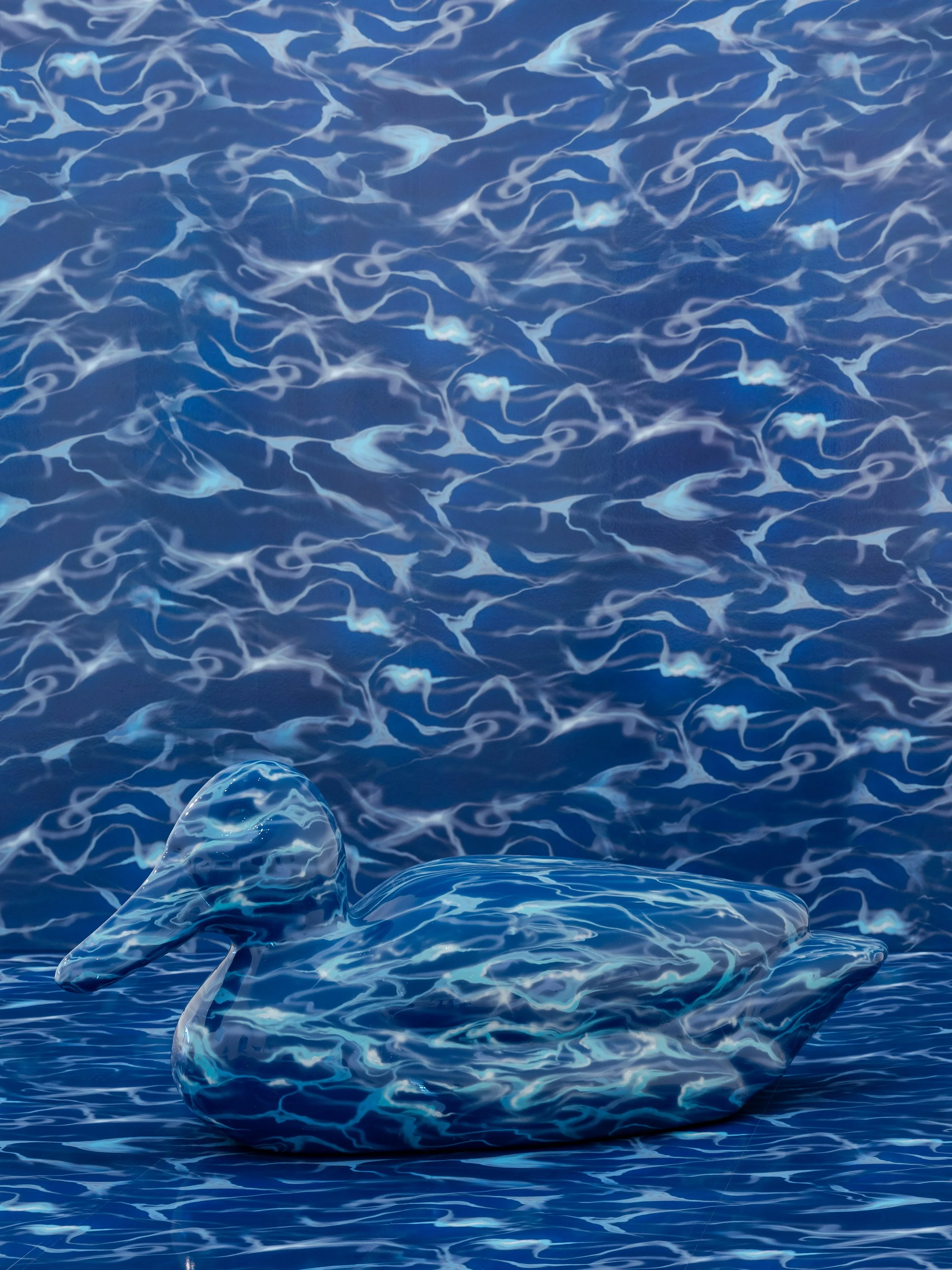
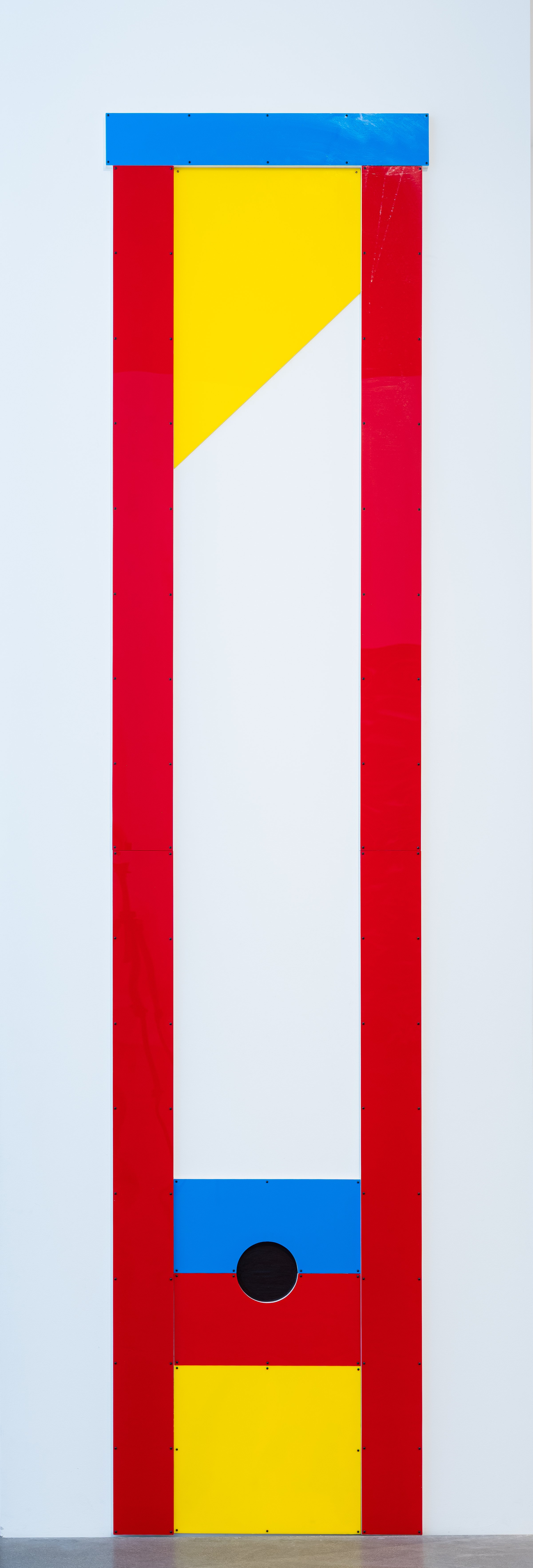
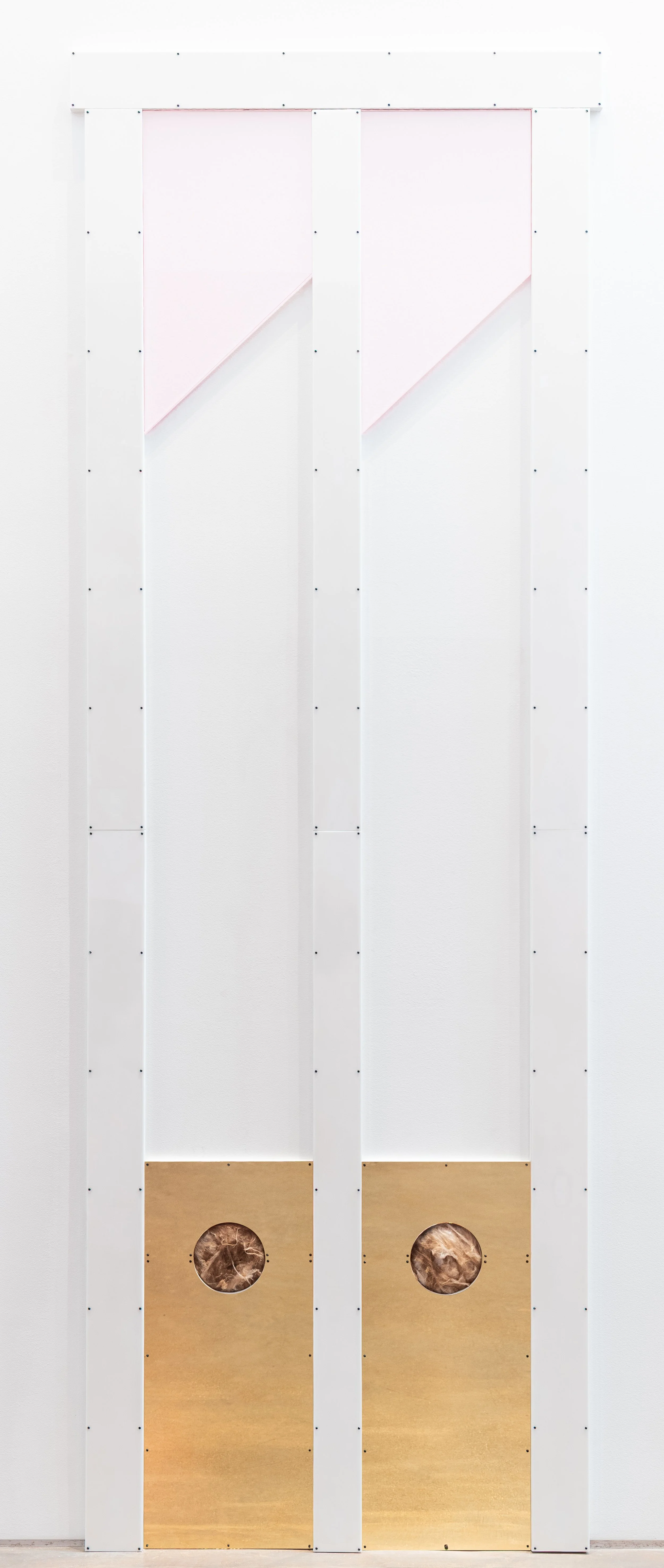
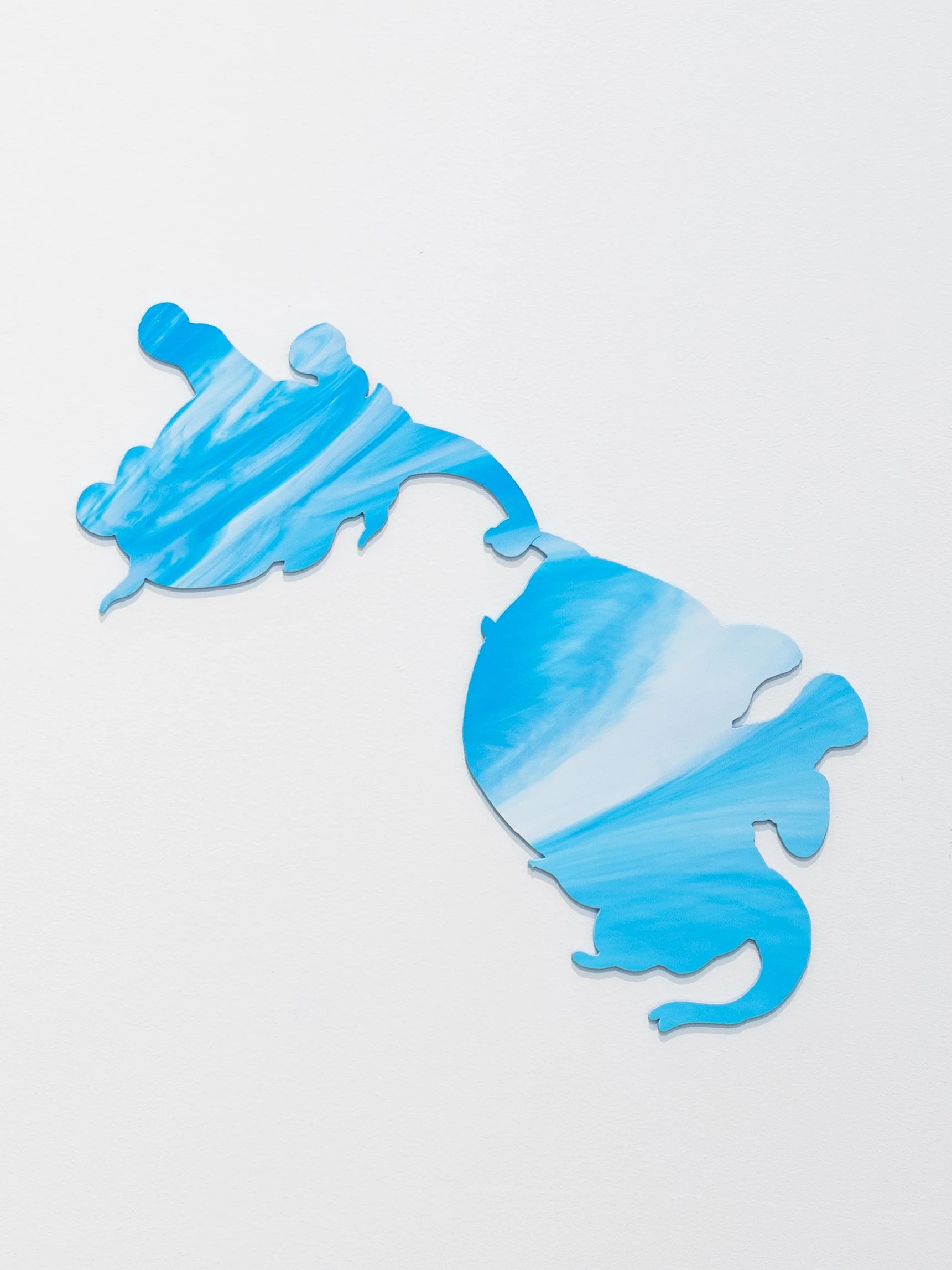
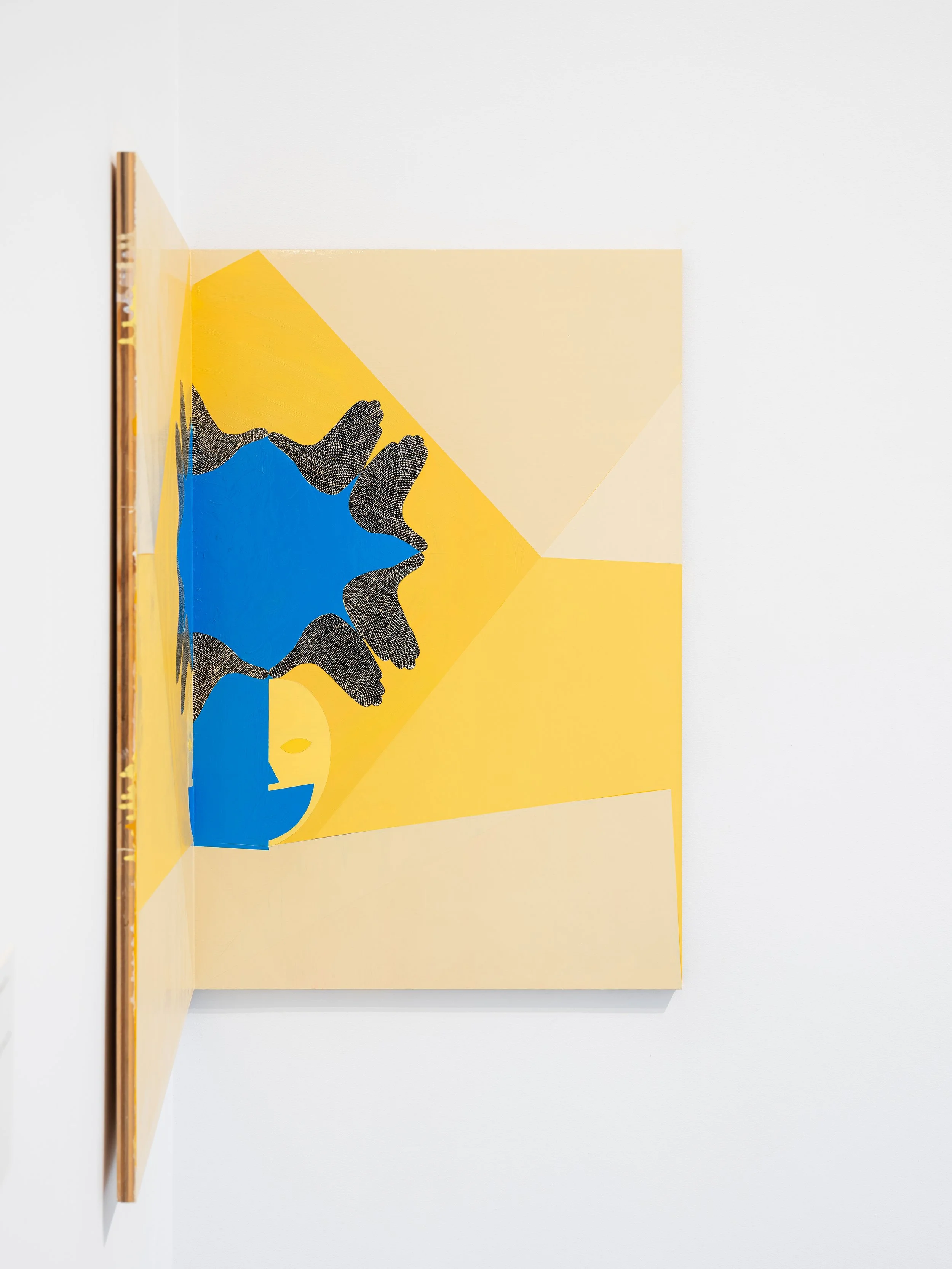
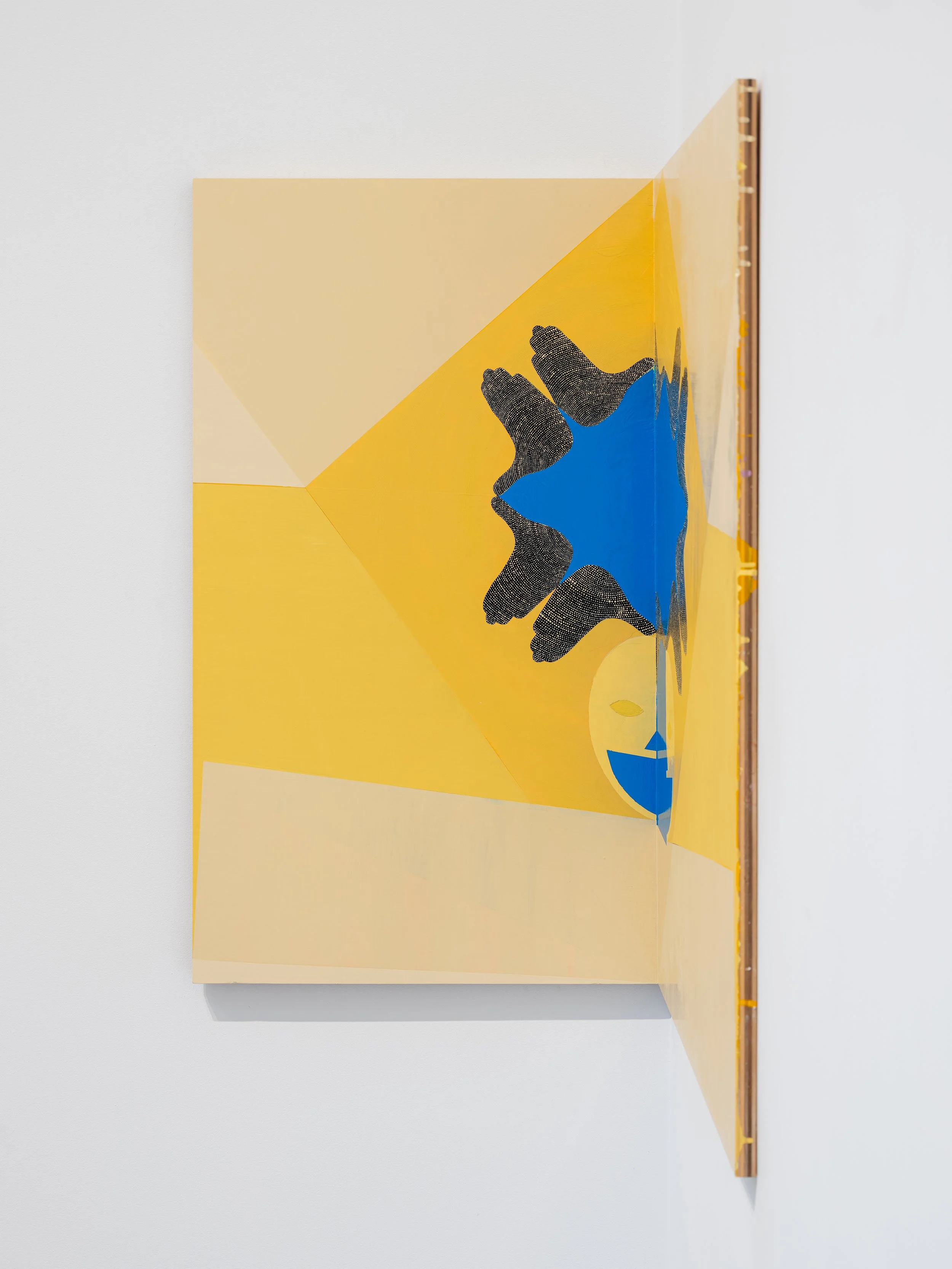
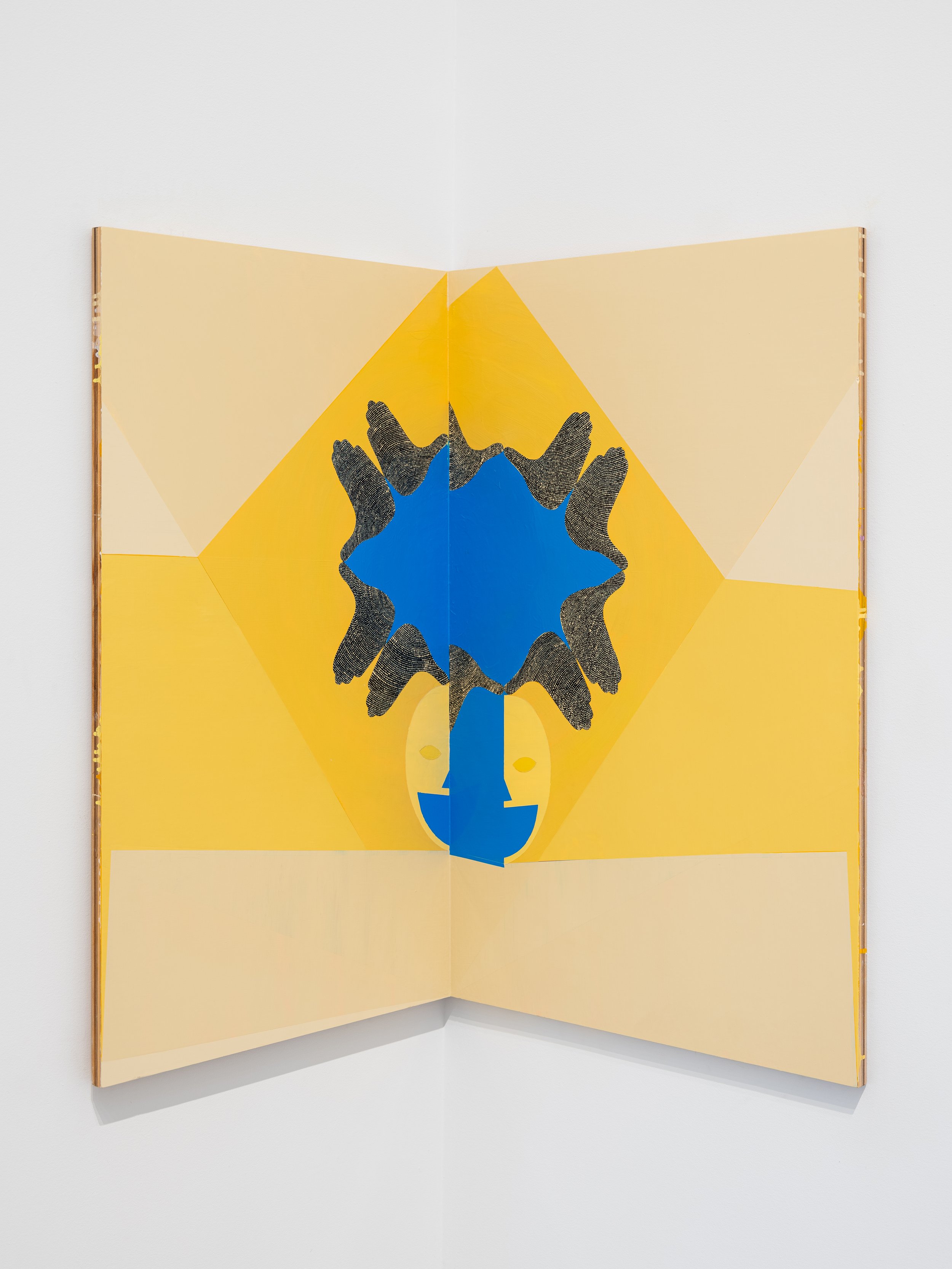
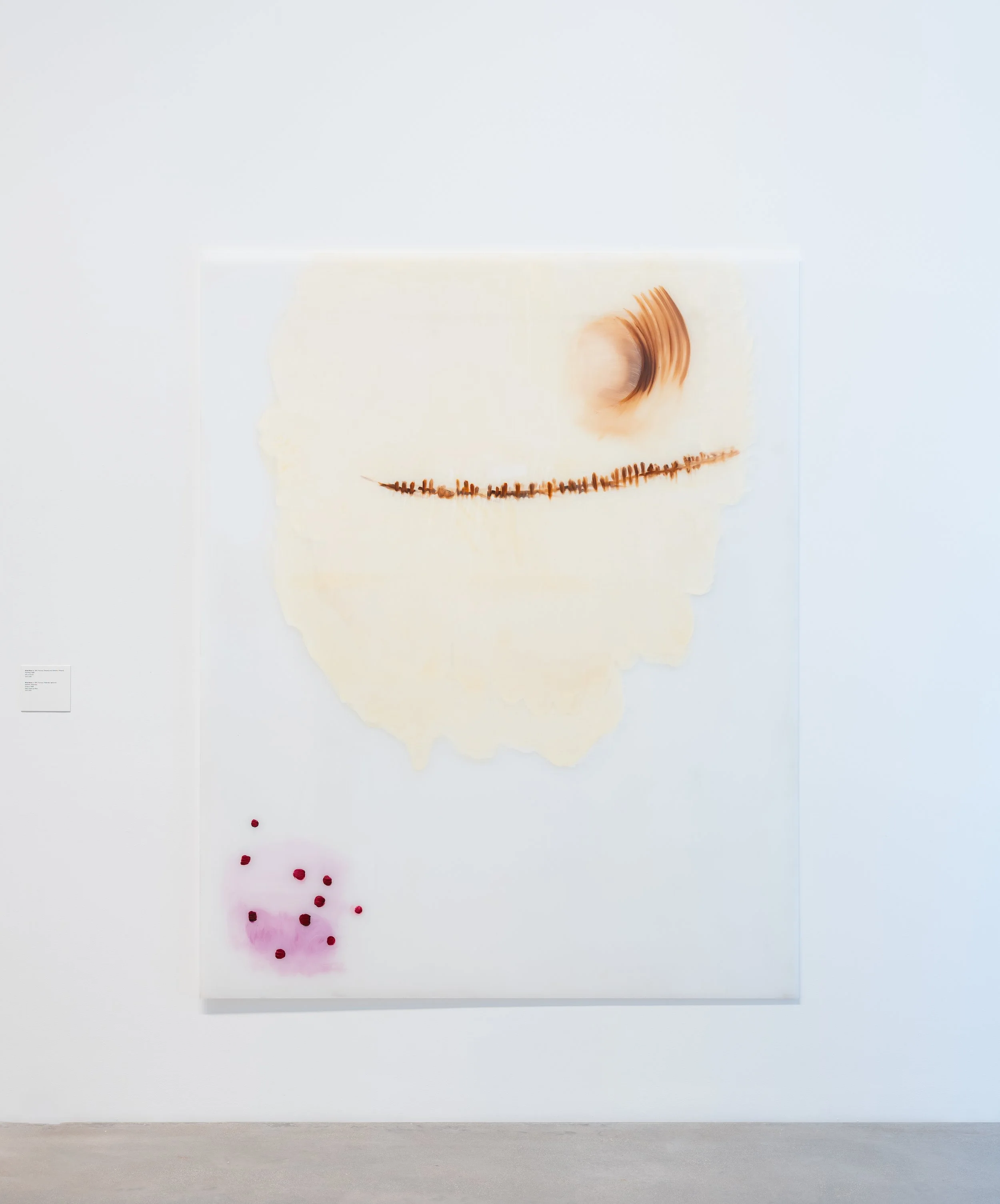
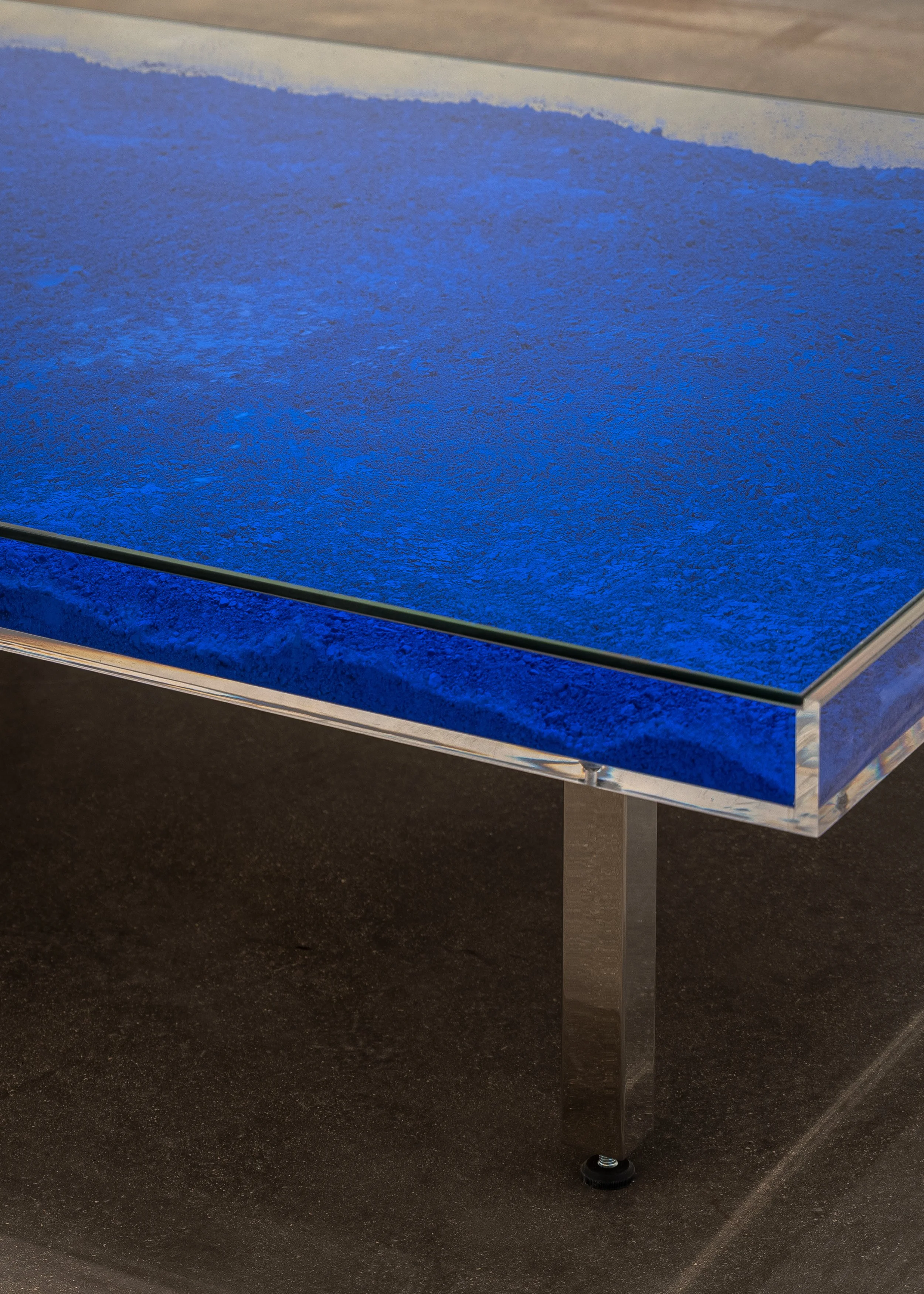
This exhibition brings together abstract paintings from multiple artists with works dating from the recent past to as early as 1945. Sensing Meaning, Abstract Painting showcases the diverse approaches to abstraction that artists have adopted including Joan Mitchell’s gestural expressionism, Nancy Haynes’s minimalist sensibility, Pablo Picasso’s biomorphic forms, and Sarah Morris’s geometric compositions to name a few.
The artists included in Sensing Meaning, Abstract Painting create poetic interpretations through their use of space, color, line, and form, conveying feelings or capturing the experience of particular moments in time and place through abstract gestures. Some of the artists use these elements to investigate painting’s history or to play with its fundamental nature and to question and experiment with the medium’s two-dimensional constraints. The exhibition includes examples that employ nontraditional materials—or that do not incorporate paint at all—as well as works that are typically considered sculptures.
Although each of these artists are specifically drawn to abstraction to represent their individual ideas, they recognize that abstraction—because of its avoidance of representational imagery—invites personal interpretation perhaps more than any other artistic approach. In fact, abstraction holds utopian appeal for many of these artists, who view it as universally accessible and meaningful. Sensing Meaning encourages you to draw on your visual perception and intuition to shape your understanding and experience of abstract art and all that it can encompass.
JOEY FAUERSO: BEDROOM PAINTINGS
Ruby City
210-227-8400
150 Camp St.
San Antonio, Texas, 78283
Jun 07, 2025 — May 10, 2026
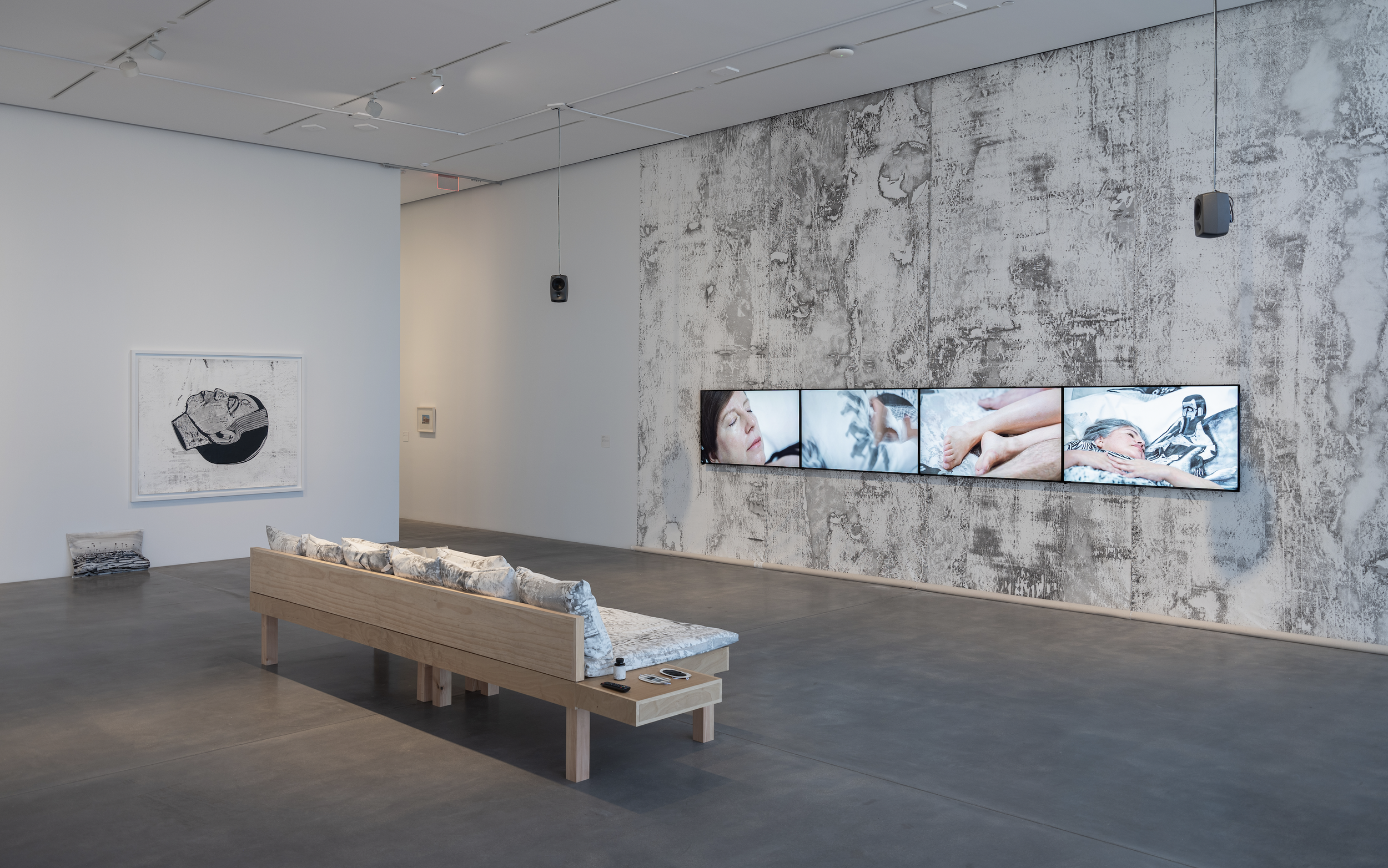
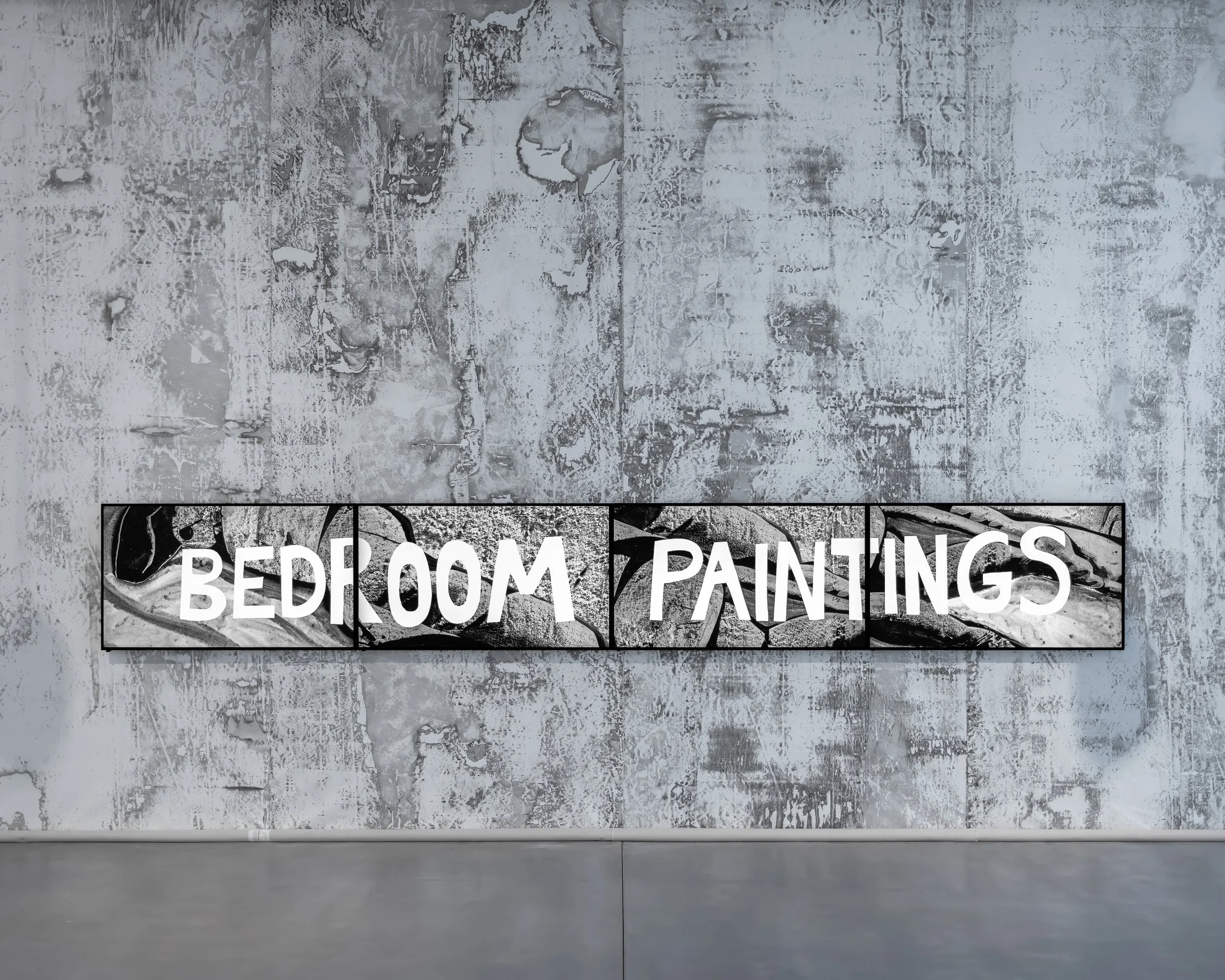
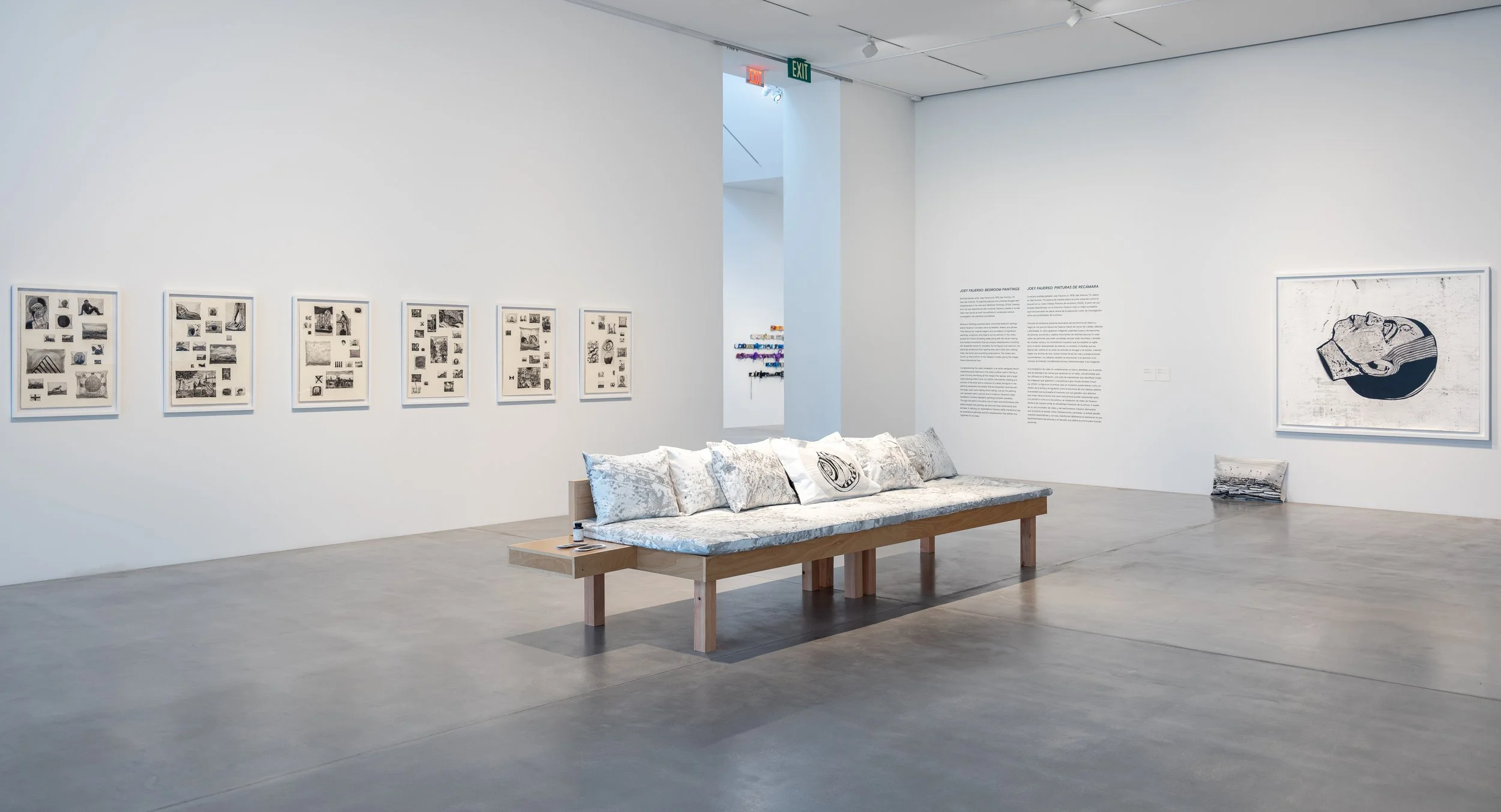
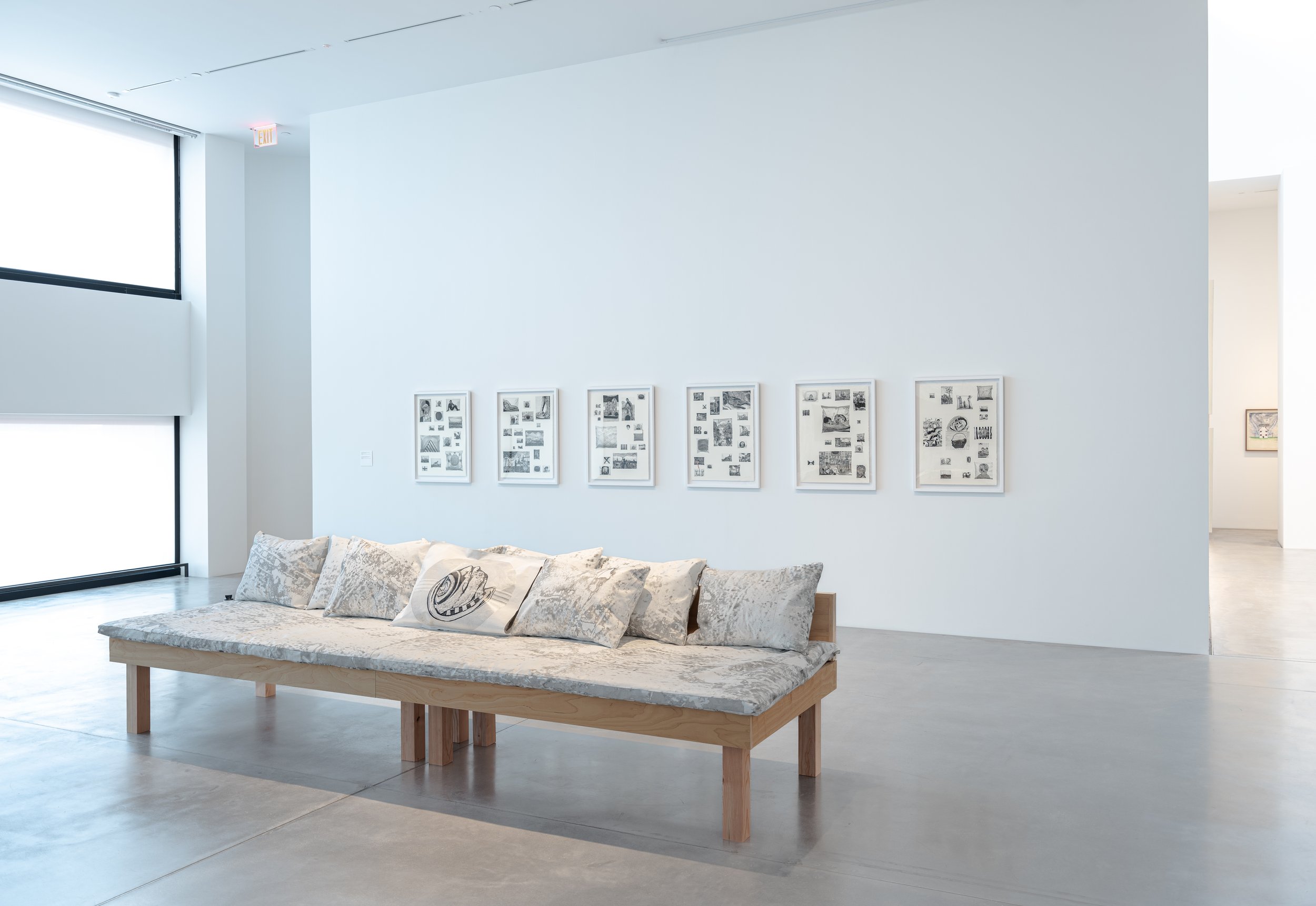
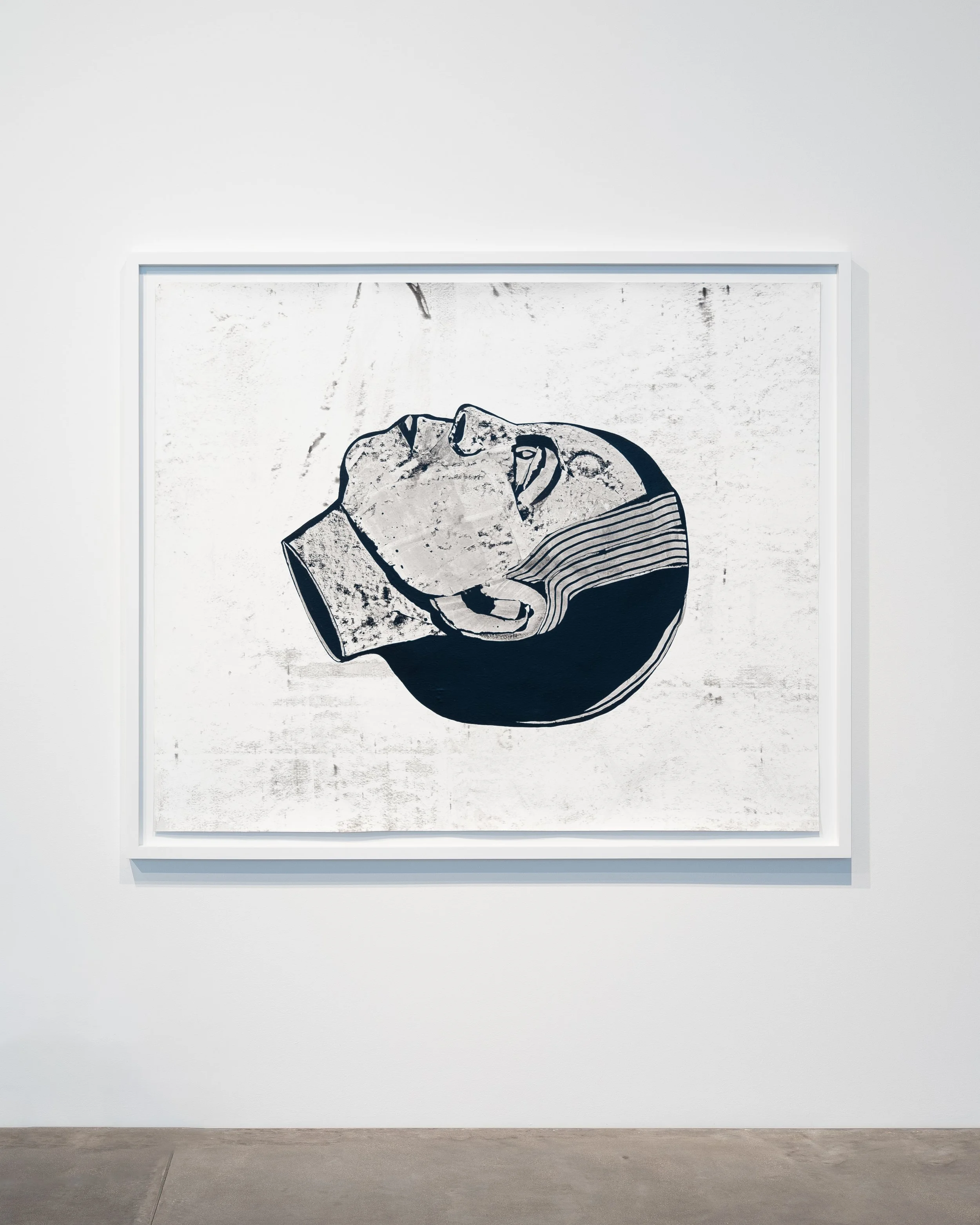
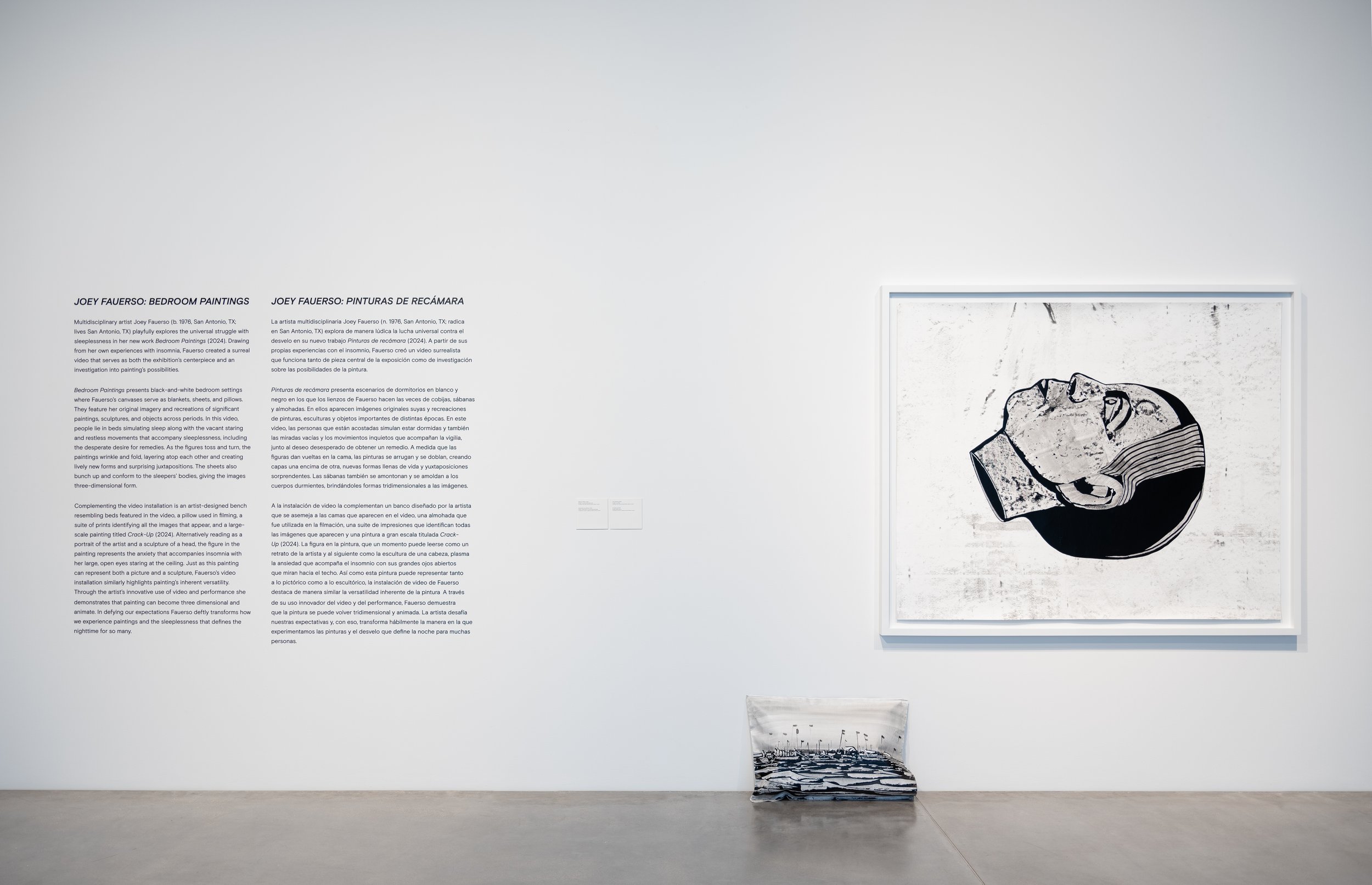
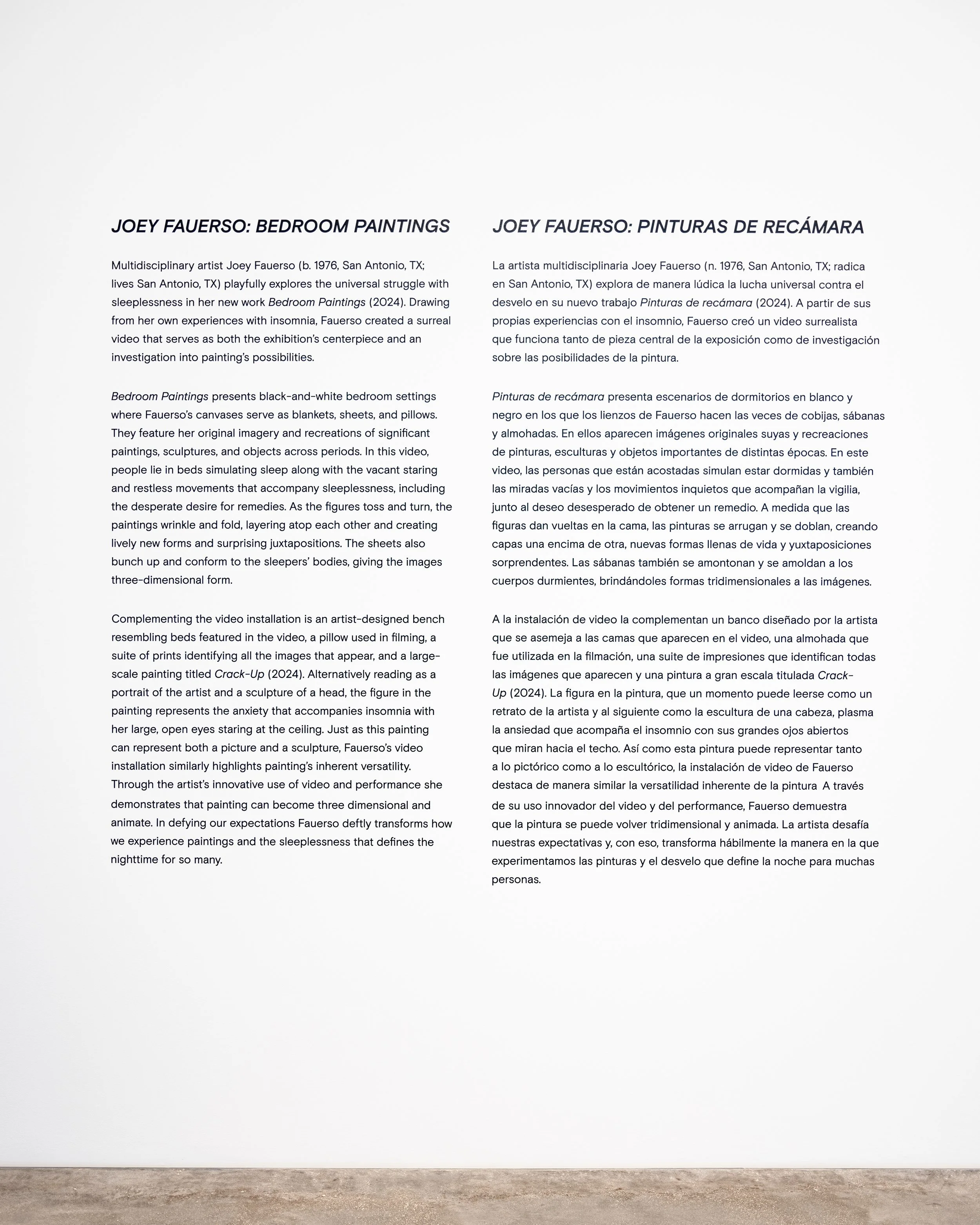
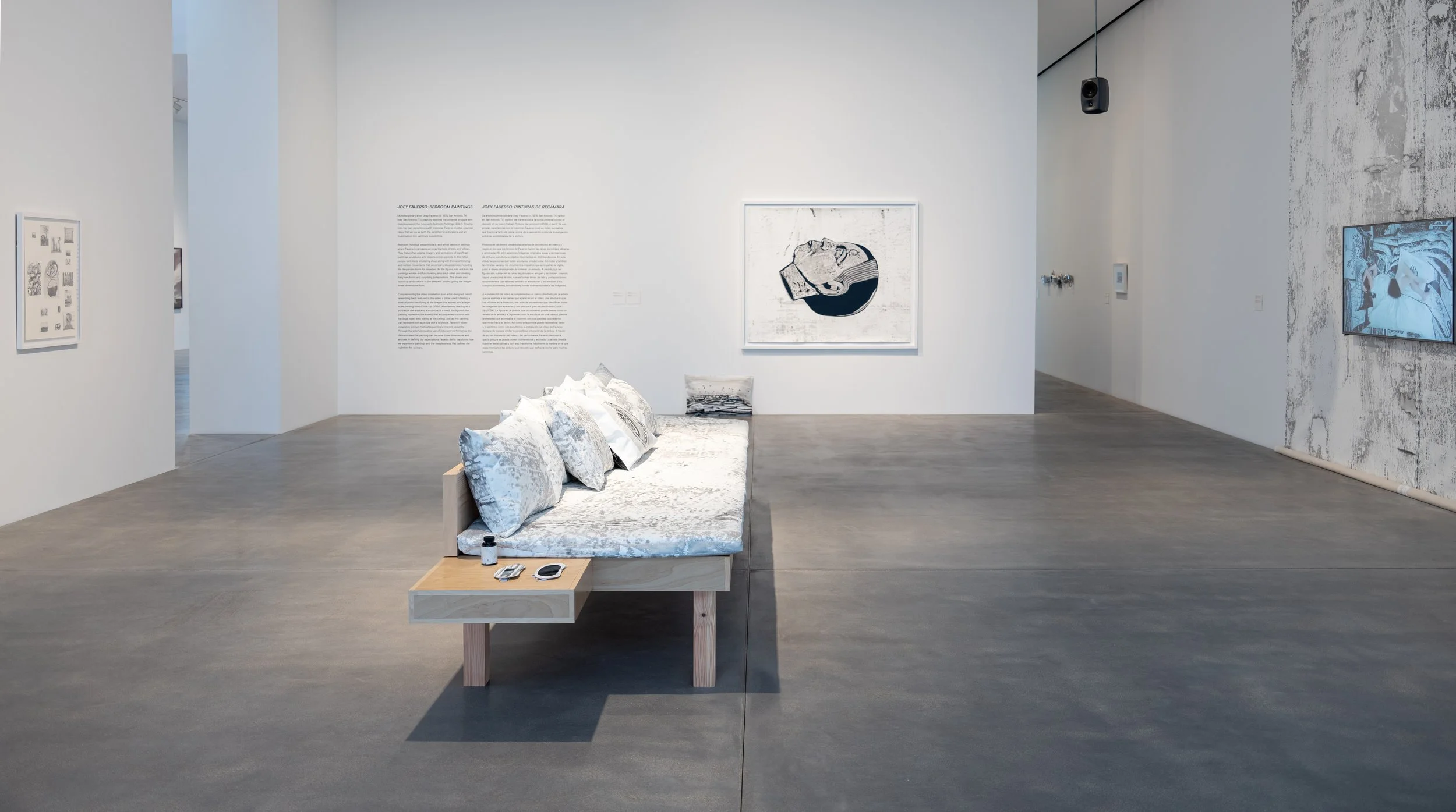
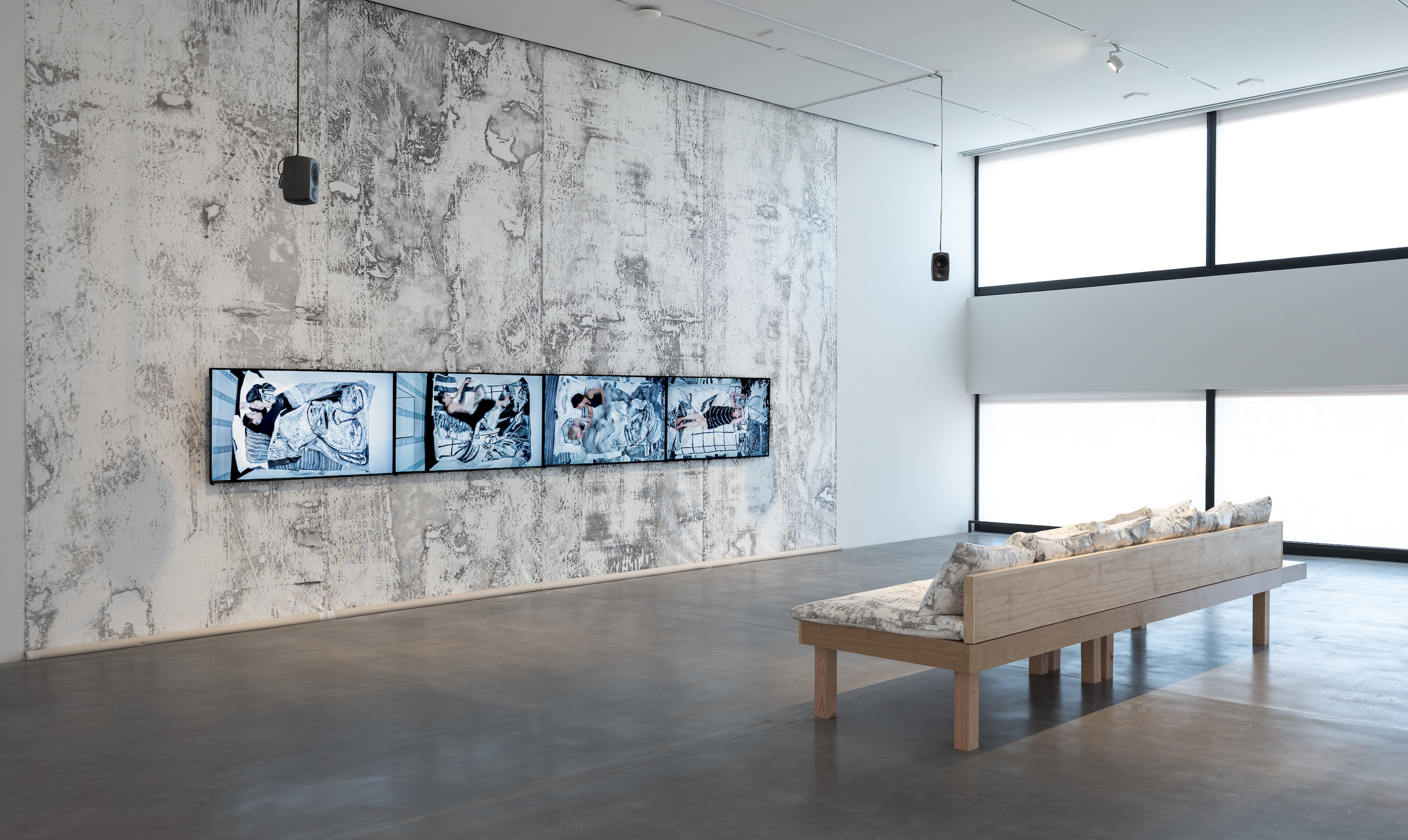
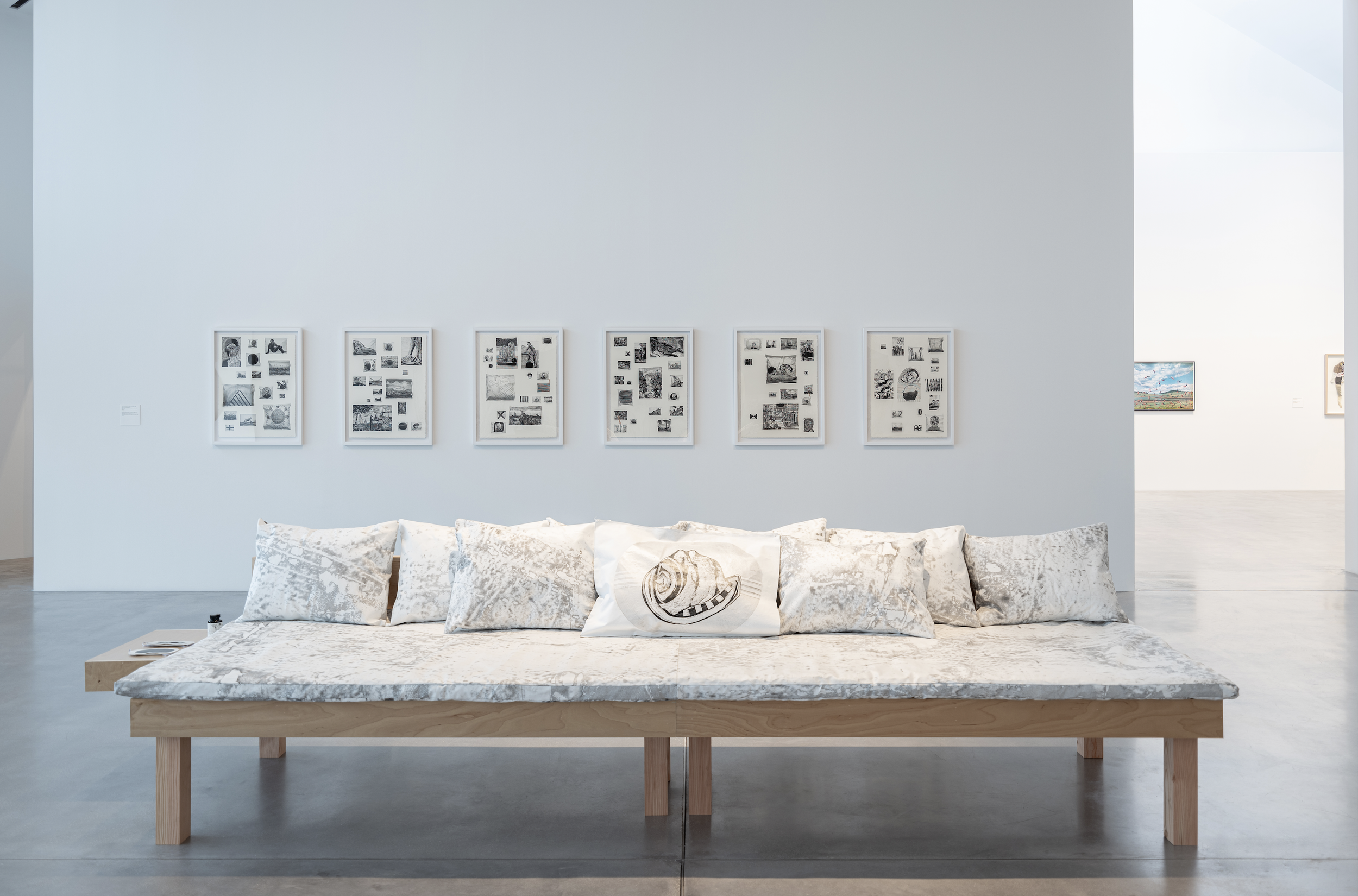
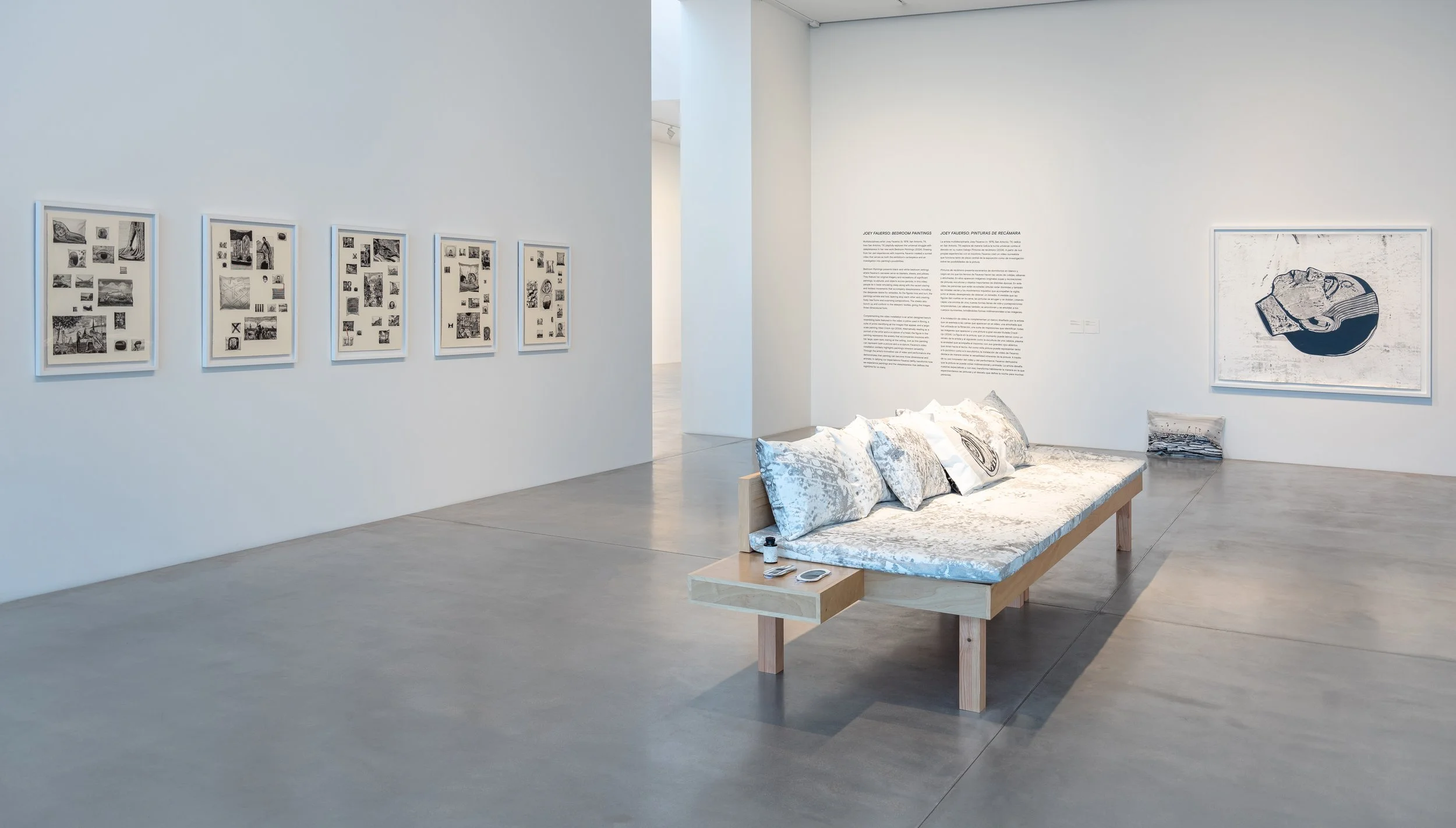
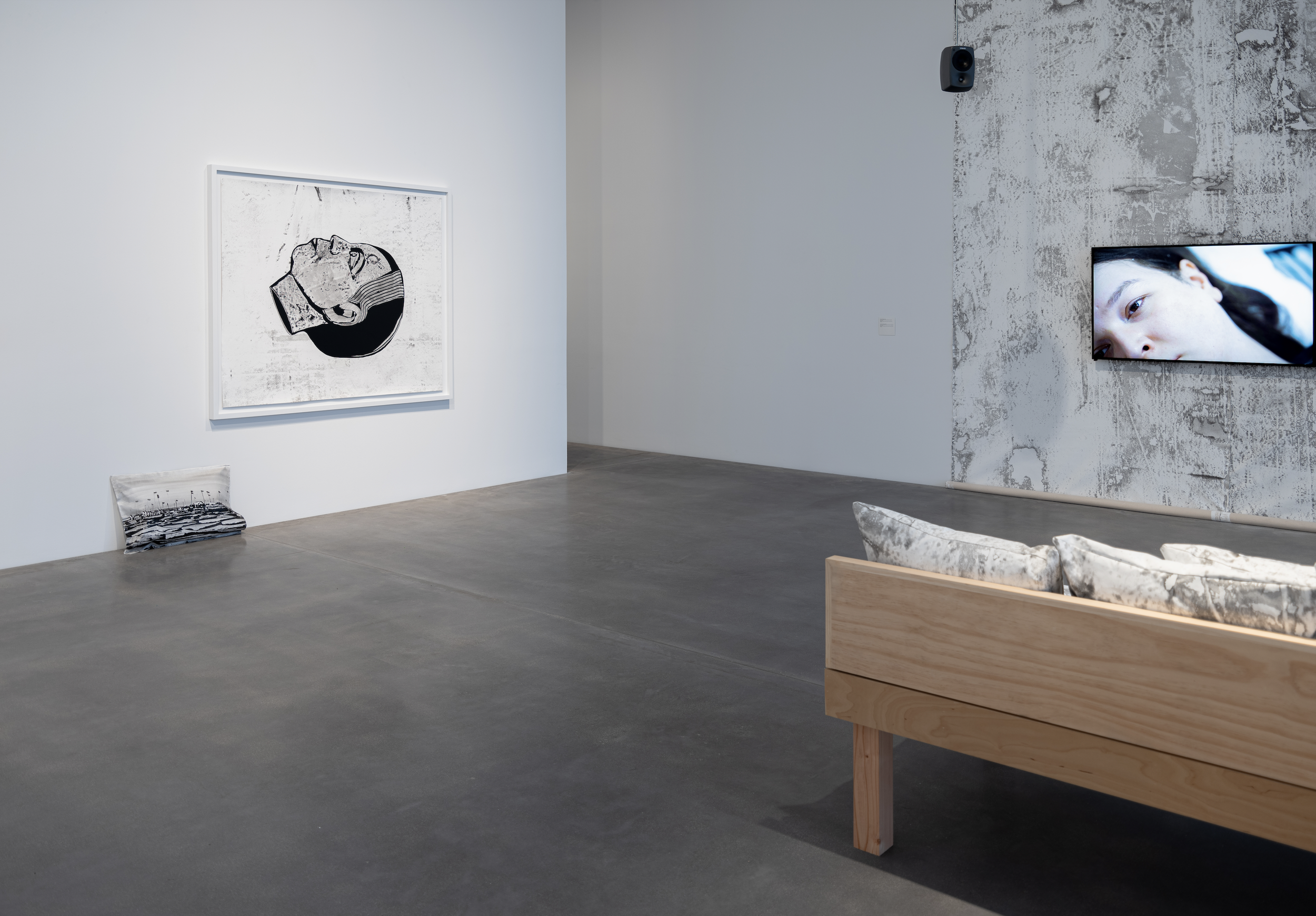
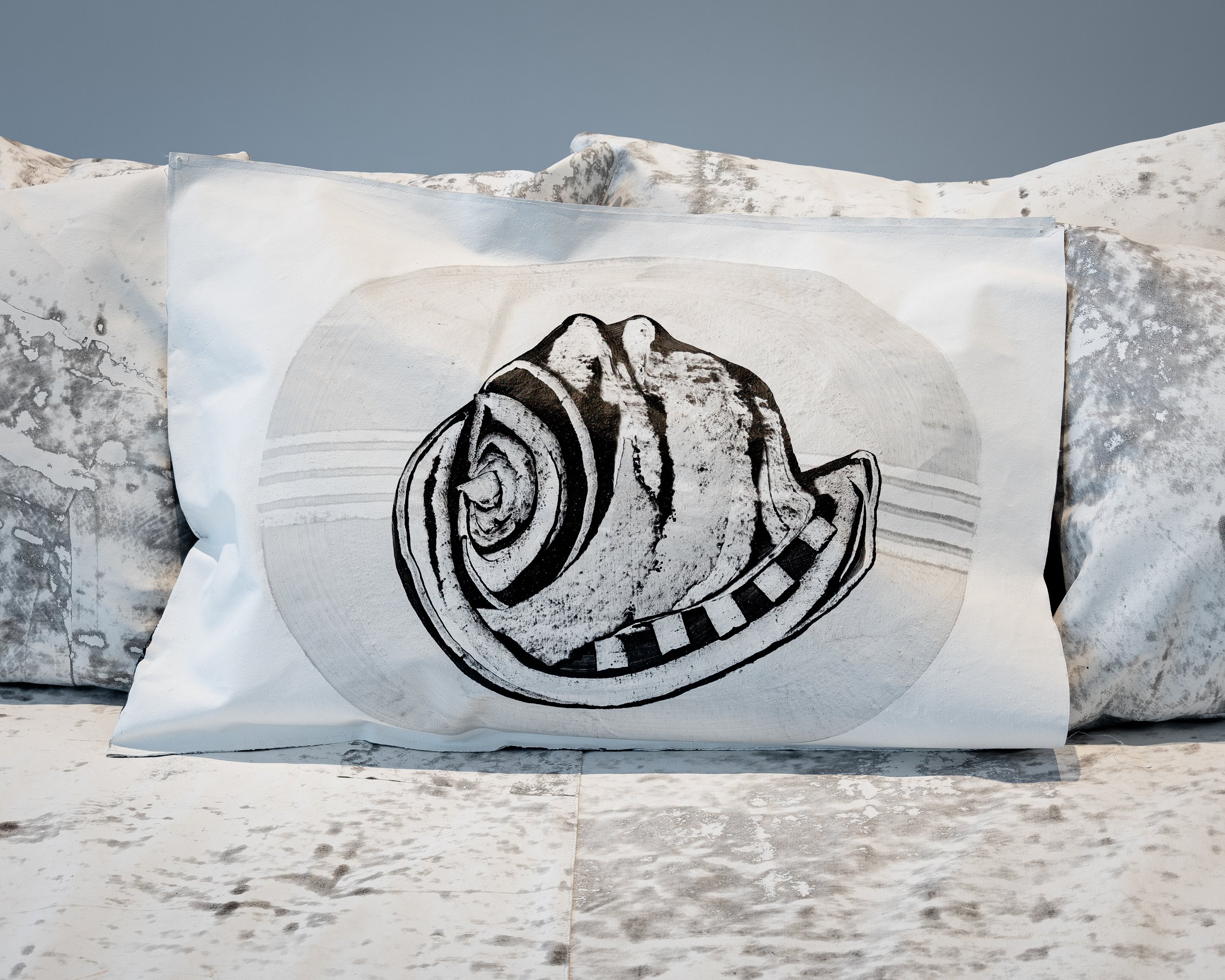
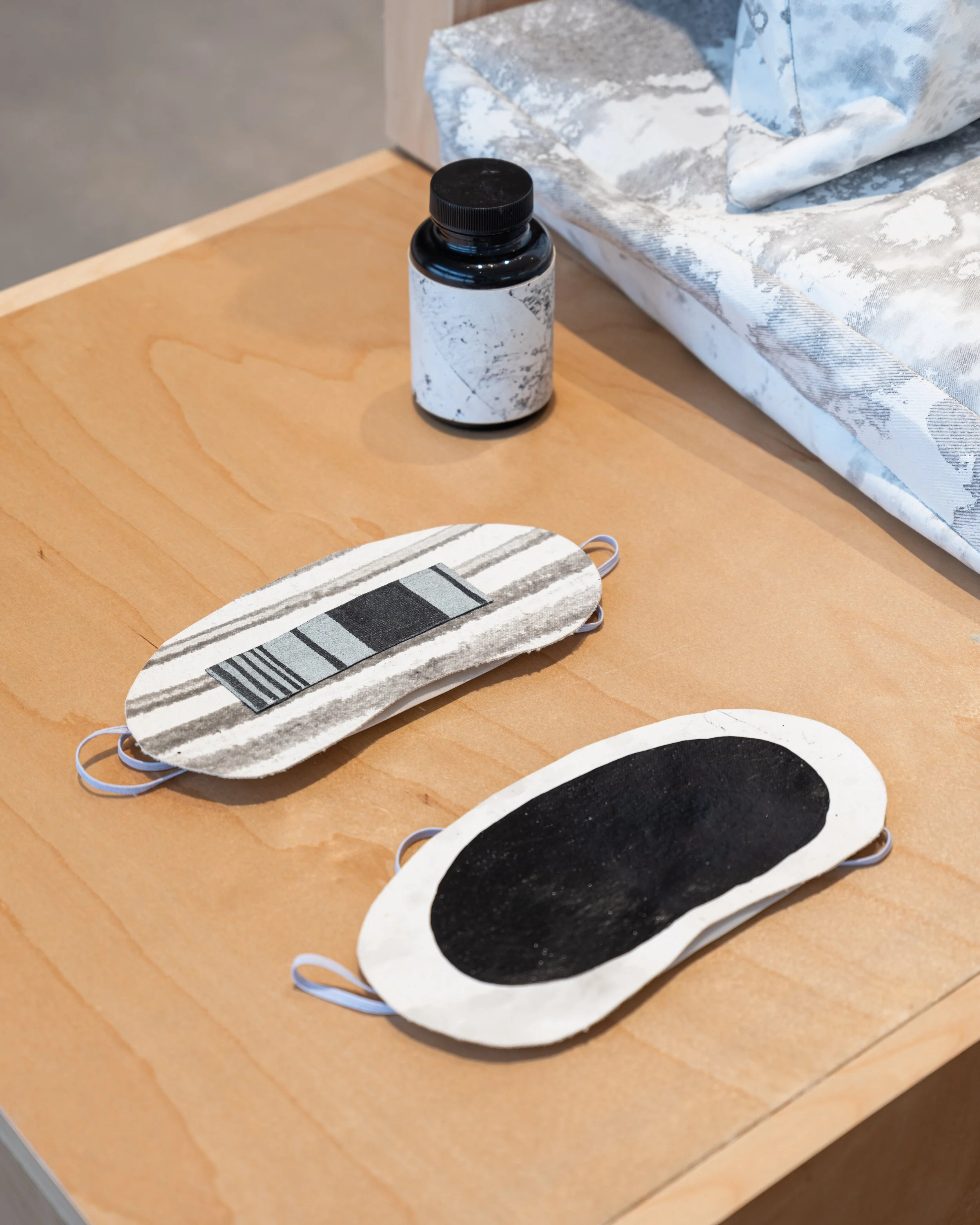
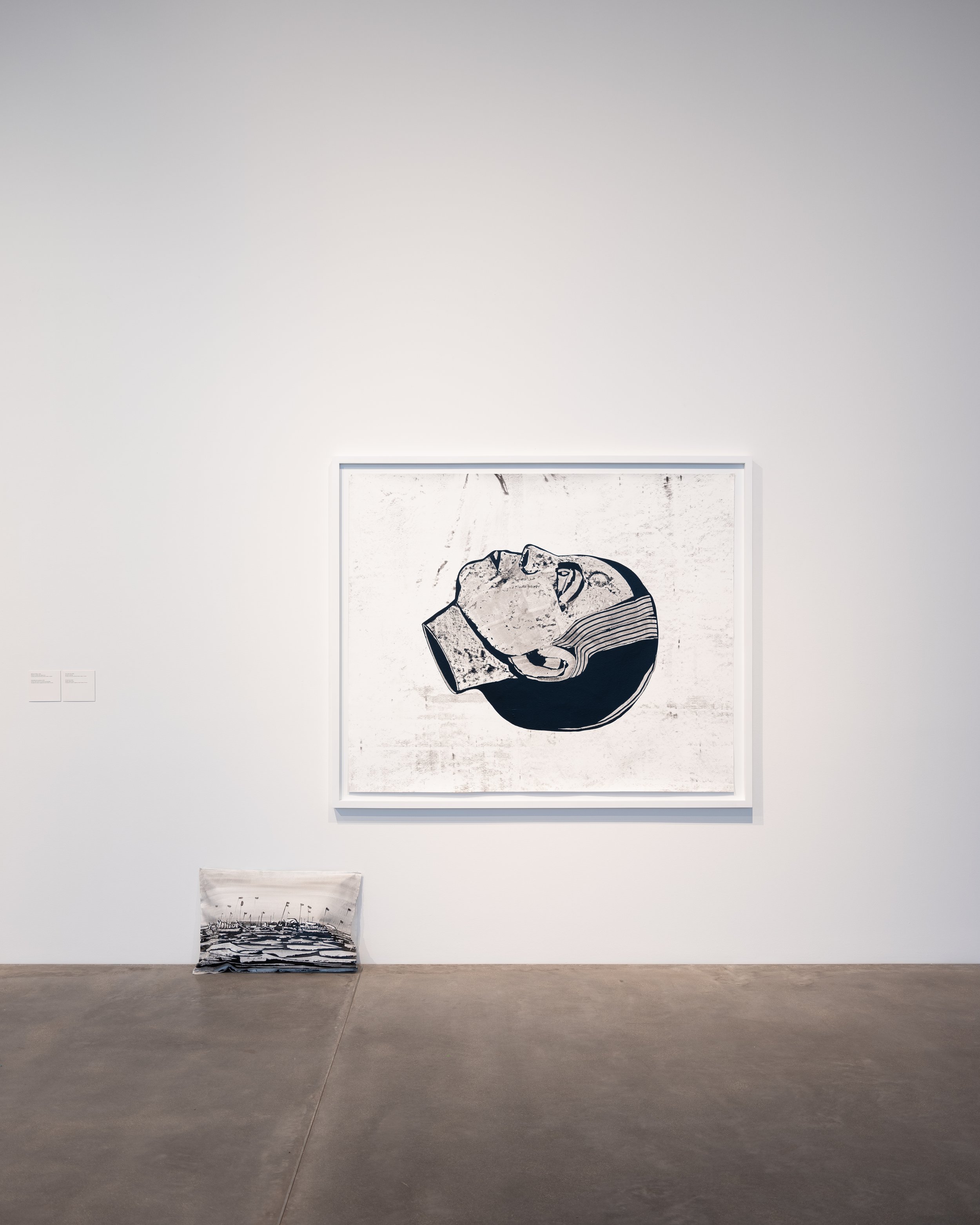
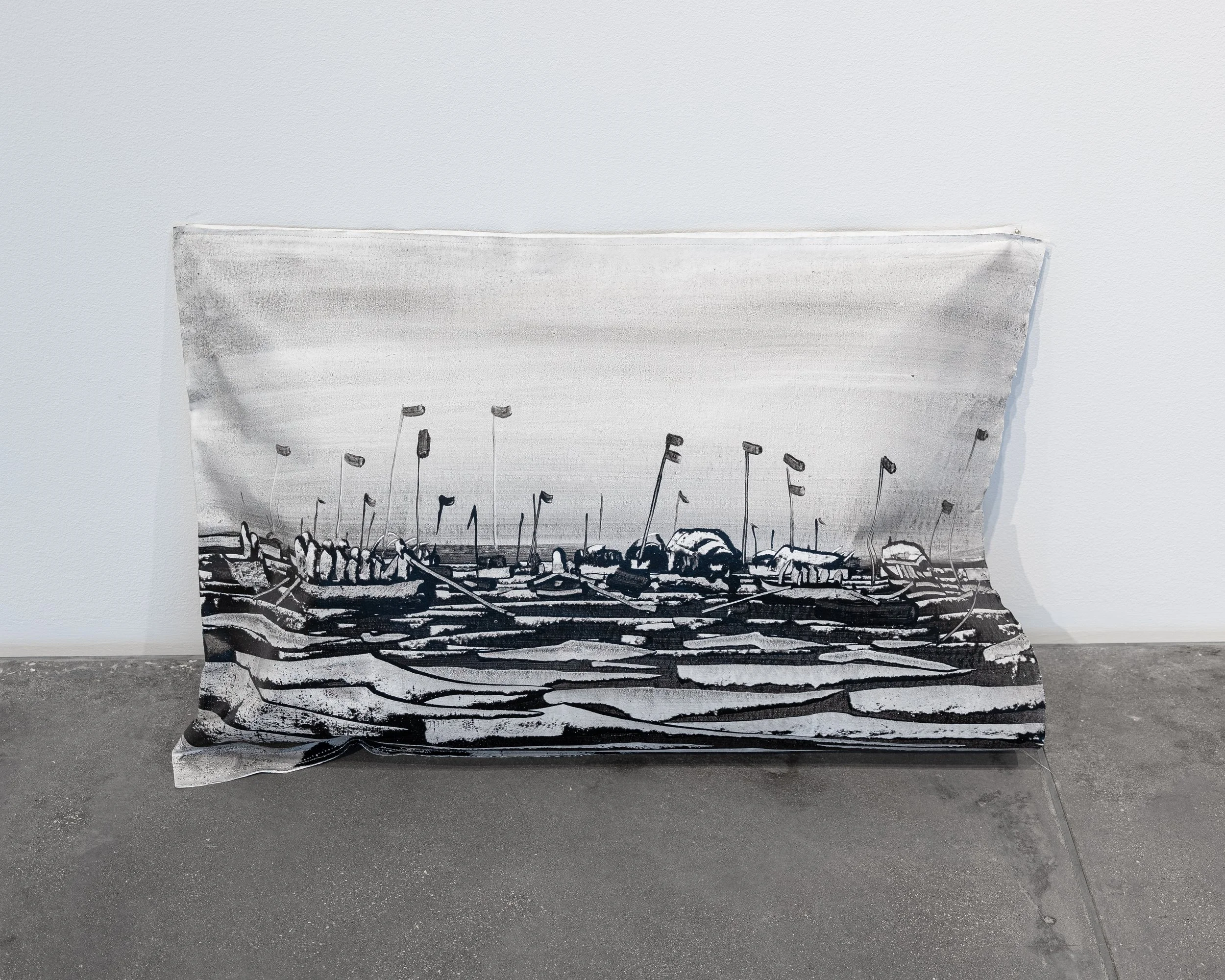
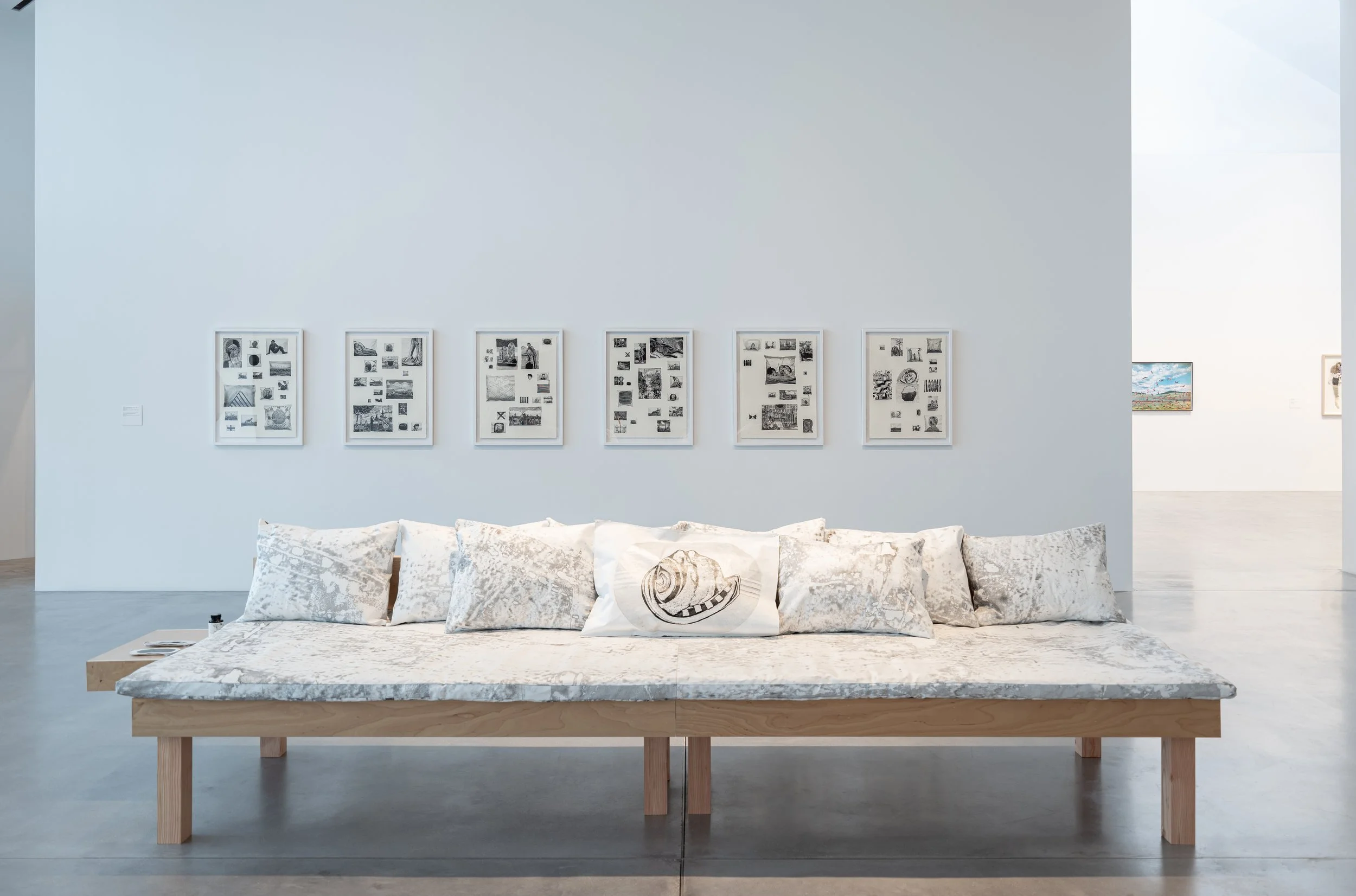
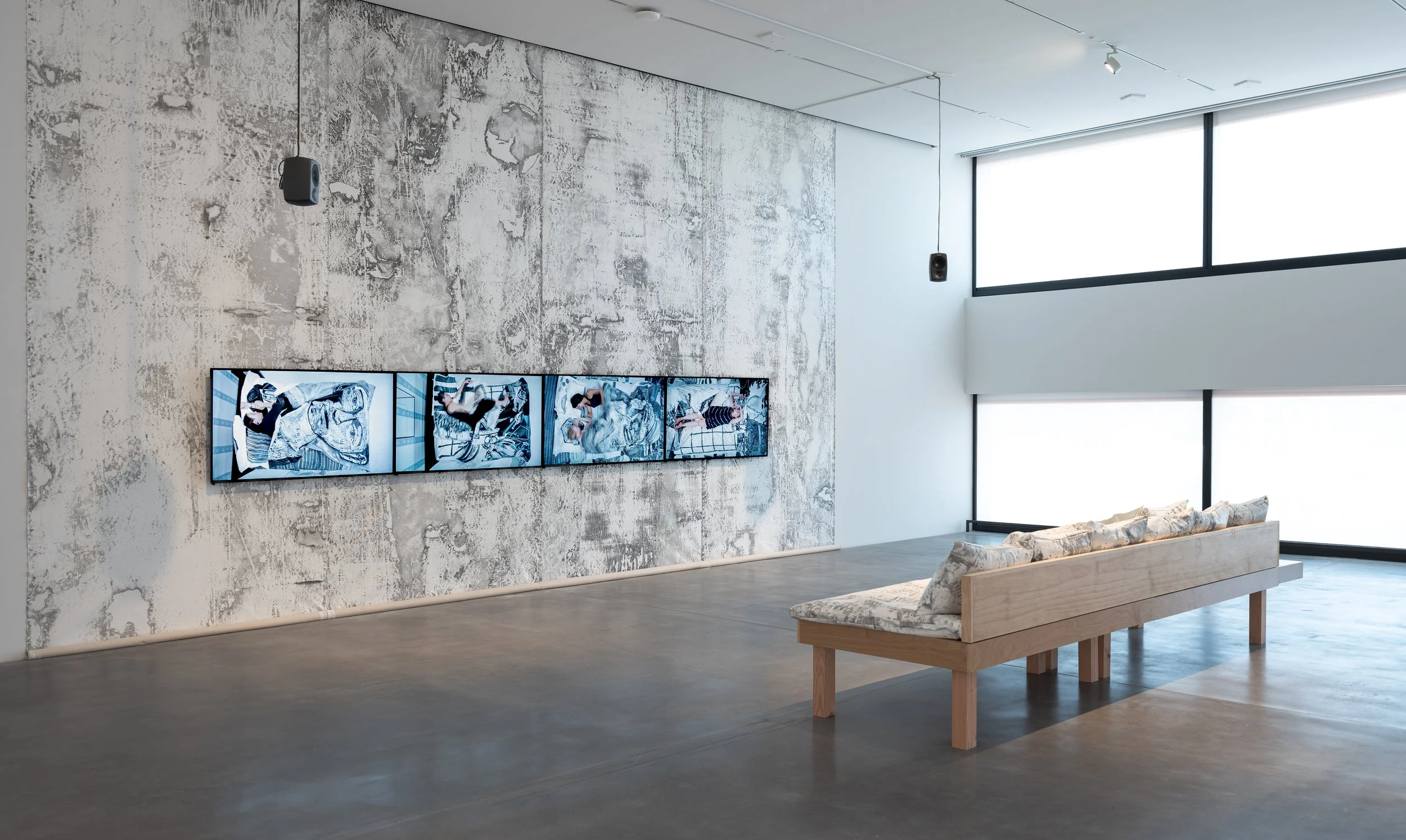
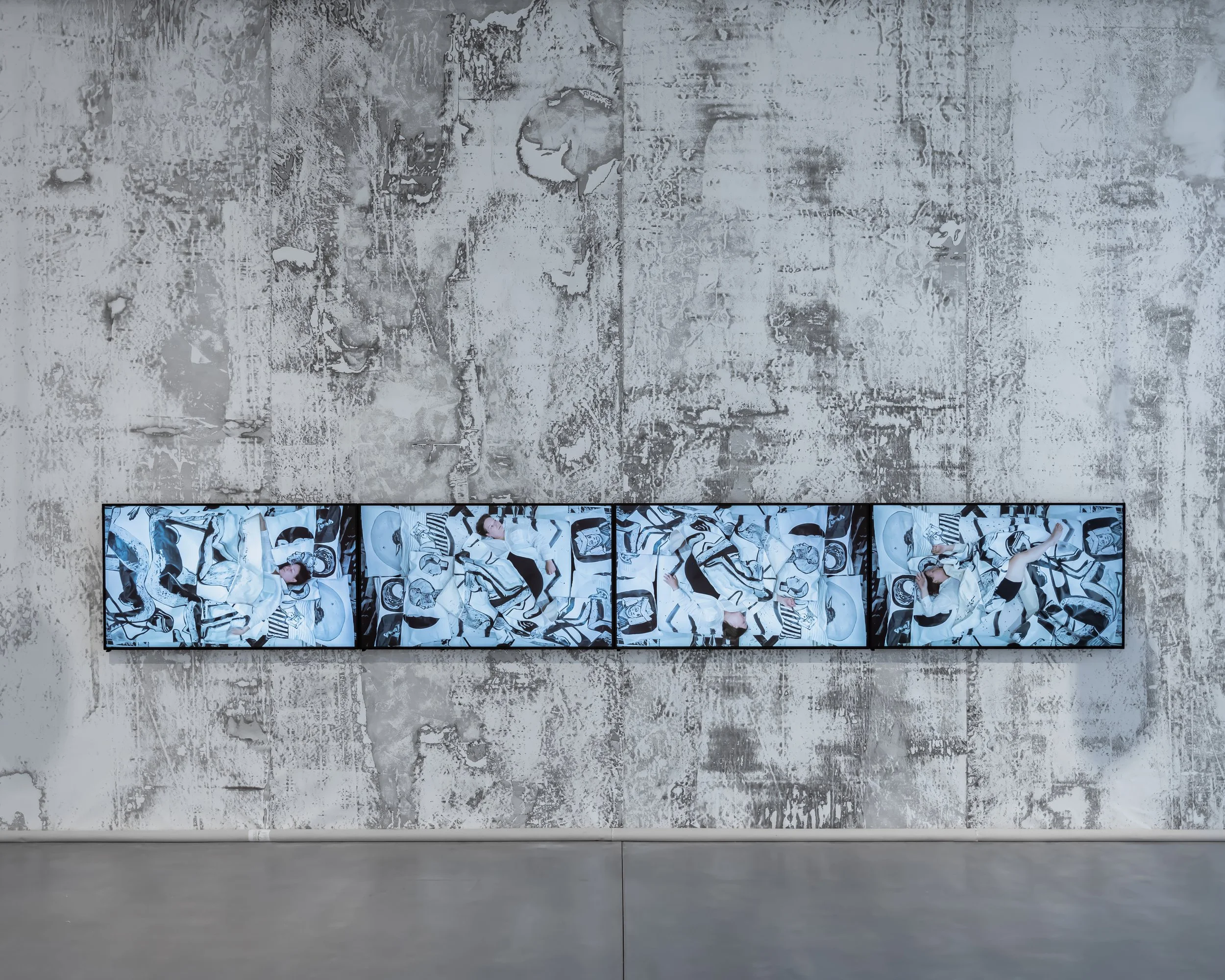
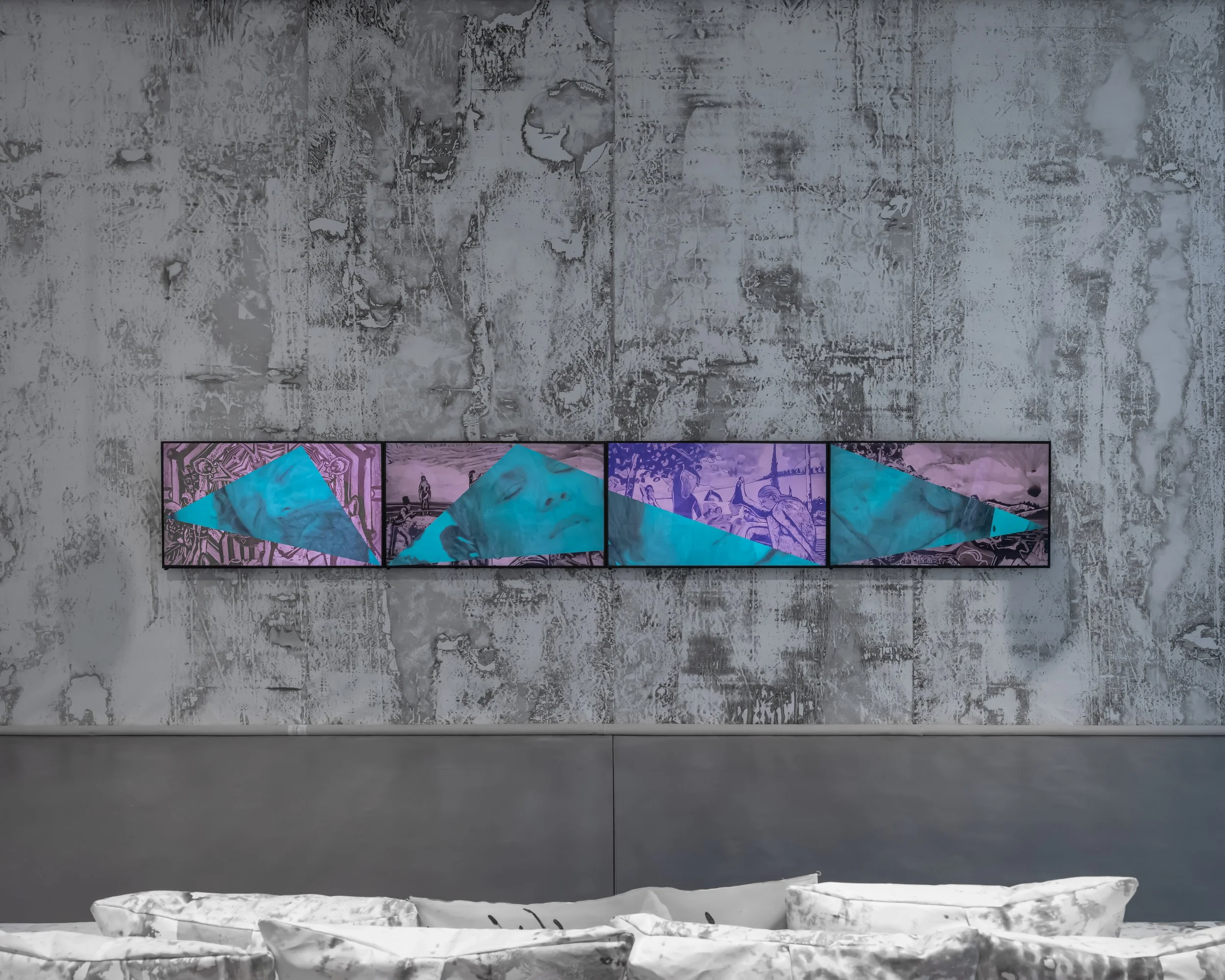
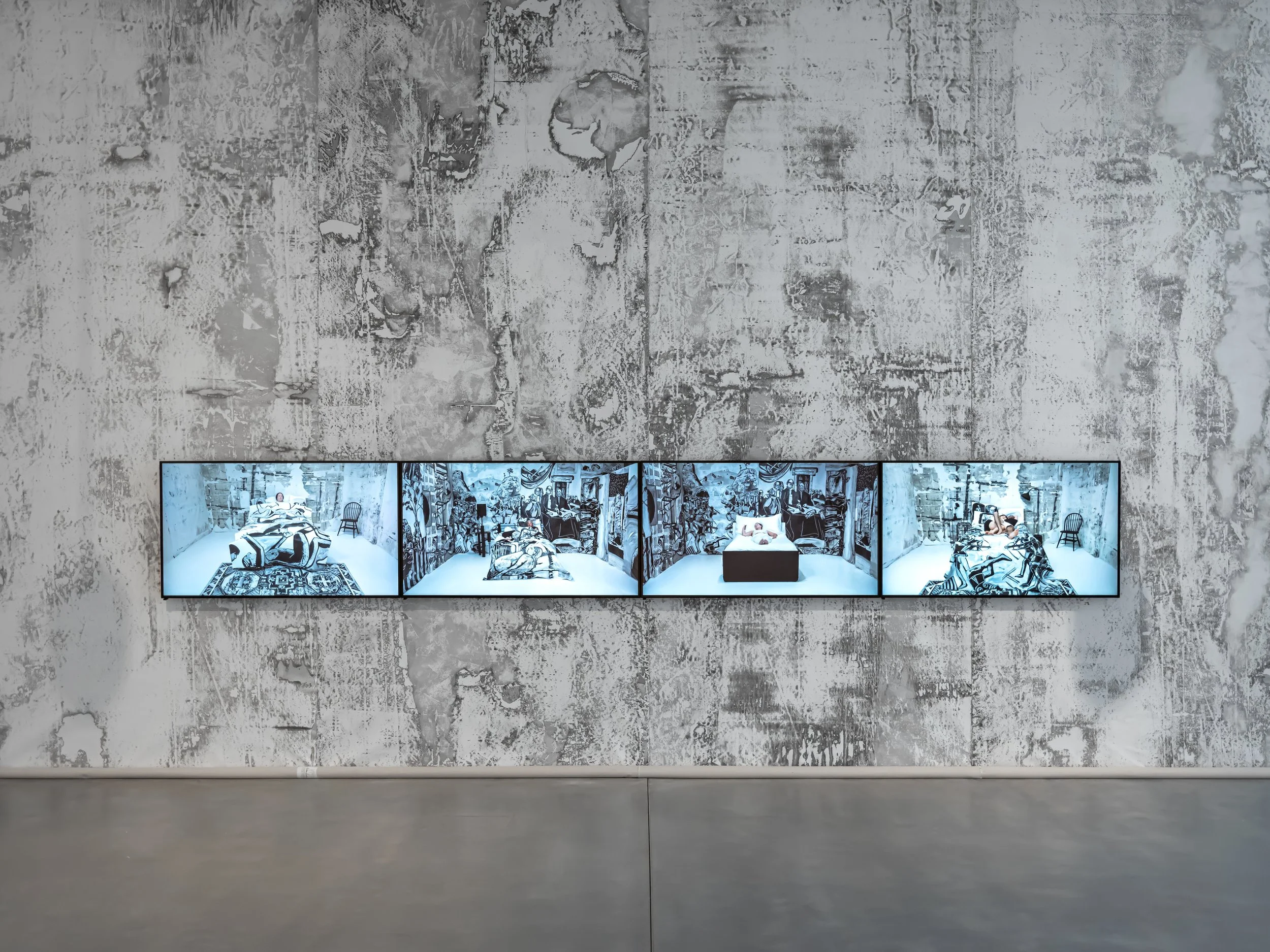
Bedroom Paintings, a new multimedia installation by San Antonio–based artist Joey Fauerso. Known for her deeply personal and politically engaged practice, Fauerso explores the intersection of domestic life and artistic expression through video, painting, printmaking, and artist-designed furniture.
At the heart of the exhibition is a four-channel video, Bedroom Paintings (2024), in which 18 of the artist’s friends and family members perform nightly rituals of sleep, restlessness, and insomnia. Set entirely in and around beds made with Fauerso’s black-and-white painted canvases, the video transforms acts of tossing, turning, and dreaming into a dynamic, painterly experience. As the linens fold and shift with each movement, the paintings take on new, abstract forms. Organized around four themes—sleeping, thrashing, pill-taking & water-drinking, and dreaming—the piece invites viewers into an intimate, layered narrative shaped by collaboration, family, and memory.
The soundtrack is equally rich: the opening lullaby features music by the artist’s father, lyrics by her brother, and text from F. Scott Fitzgerald’s essay The Crack-Up. Fauerso composed and recorded the remainder of the video’s sound, creating a textured audio landscape that underscores the emotional depth of the work.
Complementing the video are additional pieces that extend its themes. A series of six prints, Bedroom Paintings (every pillow and blanket)(2024), created in collaboration with Hare & Hound Press, offers a catalog of the imagery and references embedded in the video—from historical artworks to personal portraits. Also included is a bench designed by Fauerso to resemble the beds featured onscreen, inviting visitors to sit, reflect, and immerse themselves in the installation.
Fauerso’s subtractive painting technique—where paint is applied and then scraped away using everyday tools—gives her surfaces a carved, tactile quality. This approach blurs the lines between painting and sculpture, abstraction and figuration, echoing her broader interest in collapsing traditional artistic boundaries.
Shaped by her early experiences in an experimental utopian community in Iowa, Fauerso’s work is grounded in performance, collaboration, and community. With Bedroom Paintings, she turns the private space of the bedroom into a site of creative transformation—where vulnerability, restlessness, and memory are given visual form.
Leo Barrios: The Human Condition
Auxiliary Red Dot 2025 program
leopoldo@leobarrios.com
210-573-6744
1420 S. Alamo Ste. 147, building B
Oct 2, 2025 – Jan 4, 2026
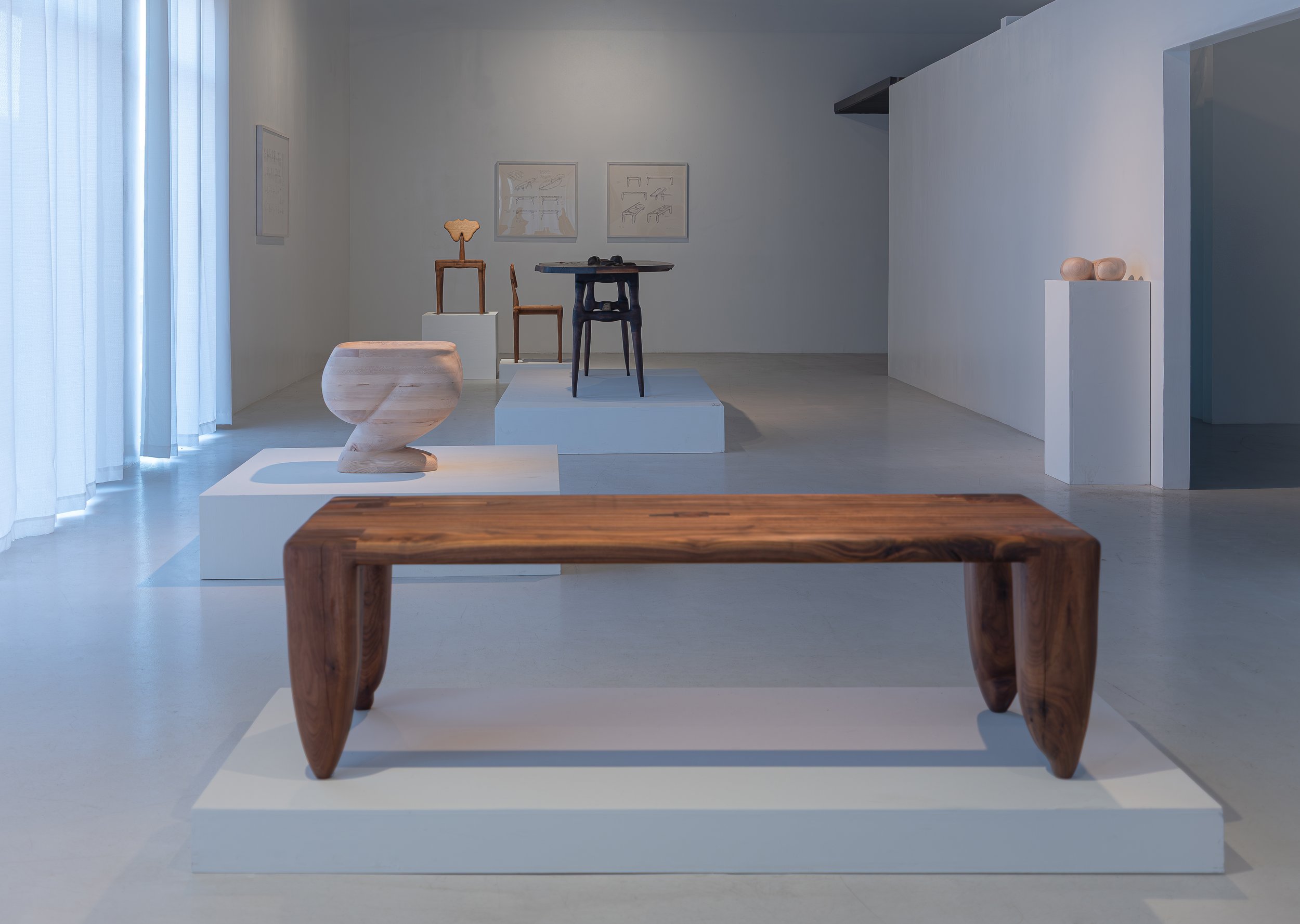
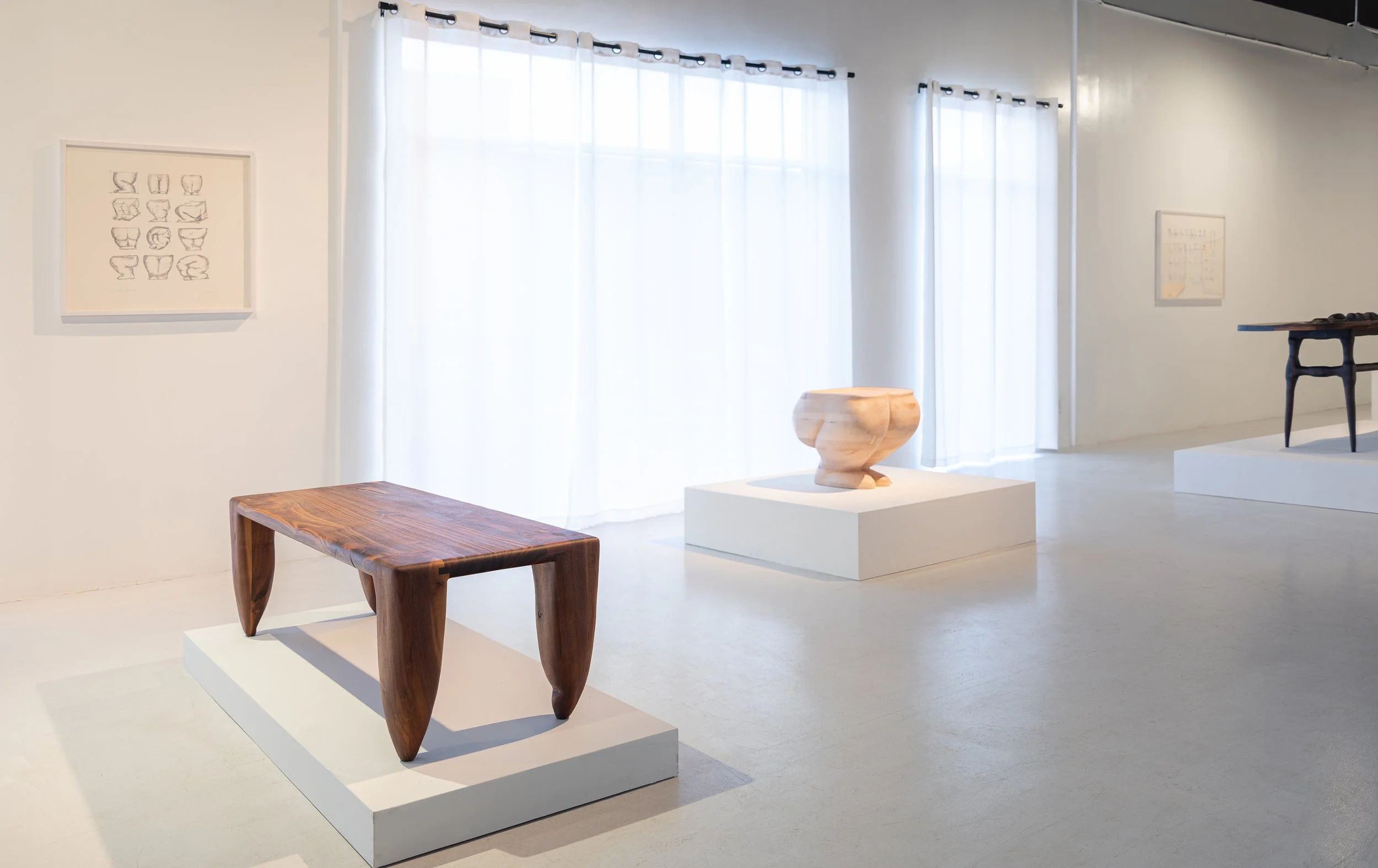
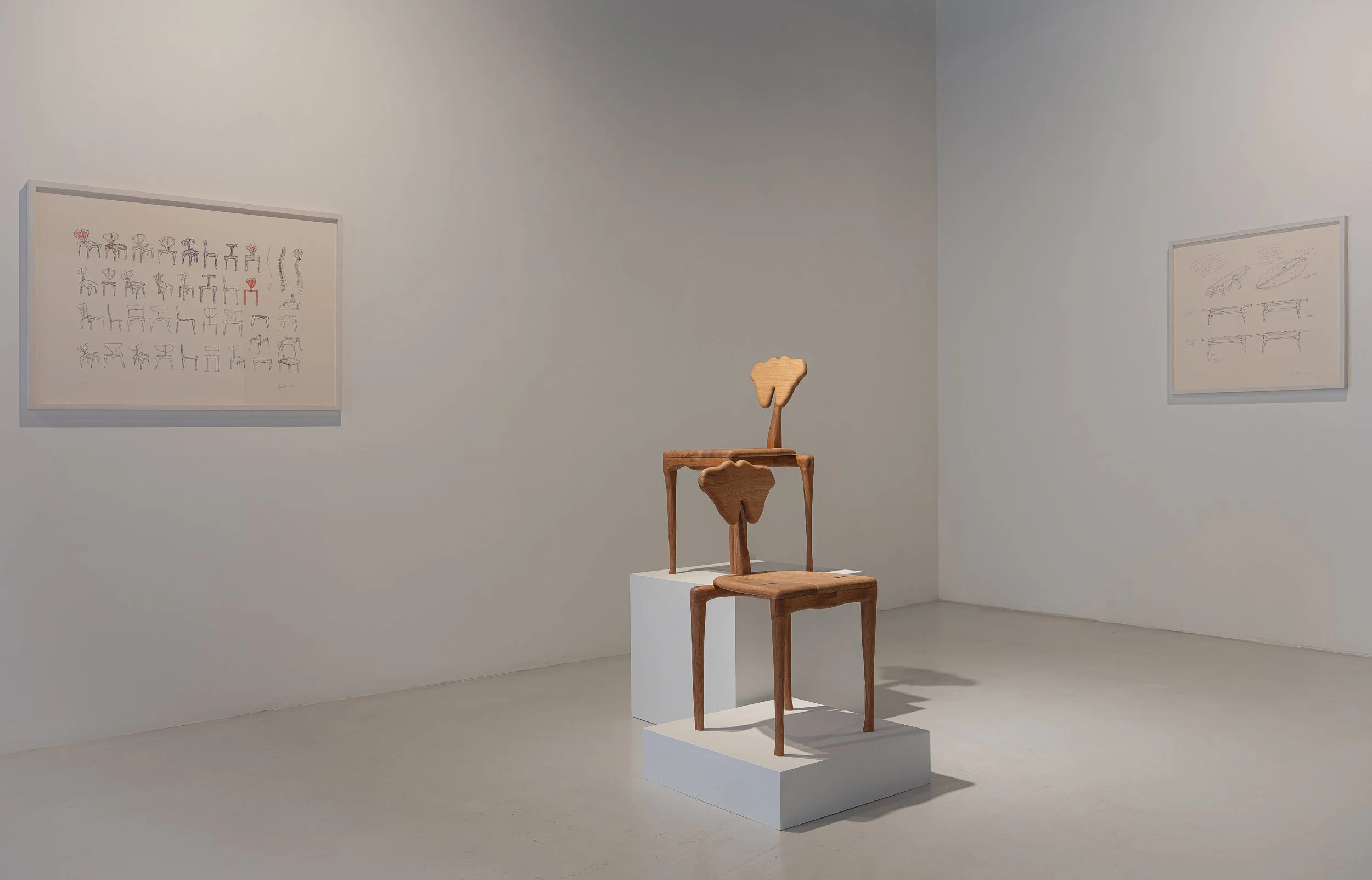
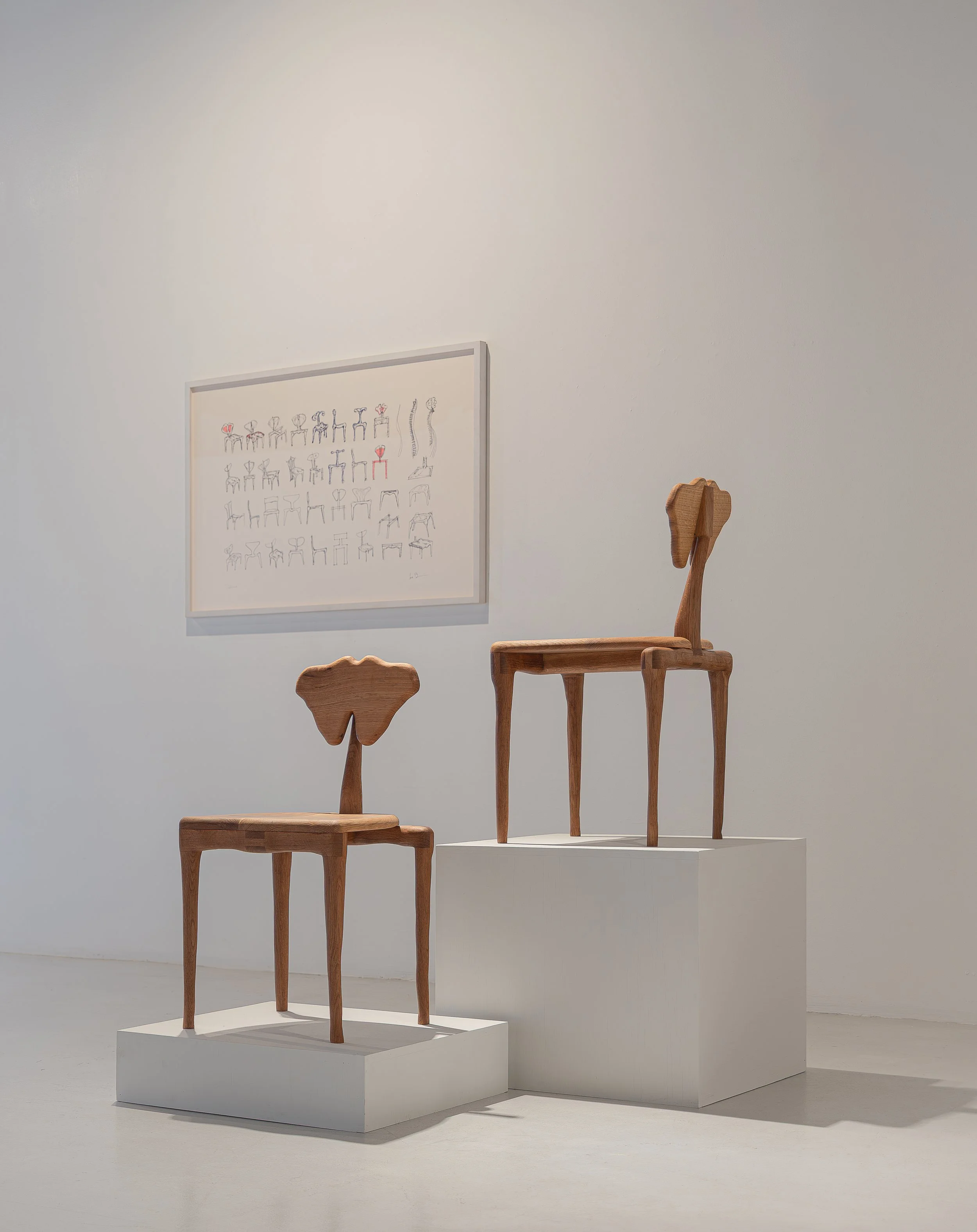
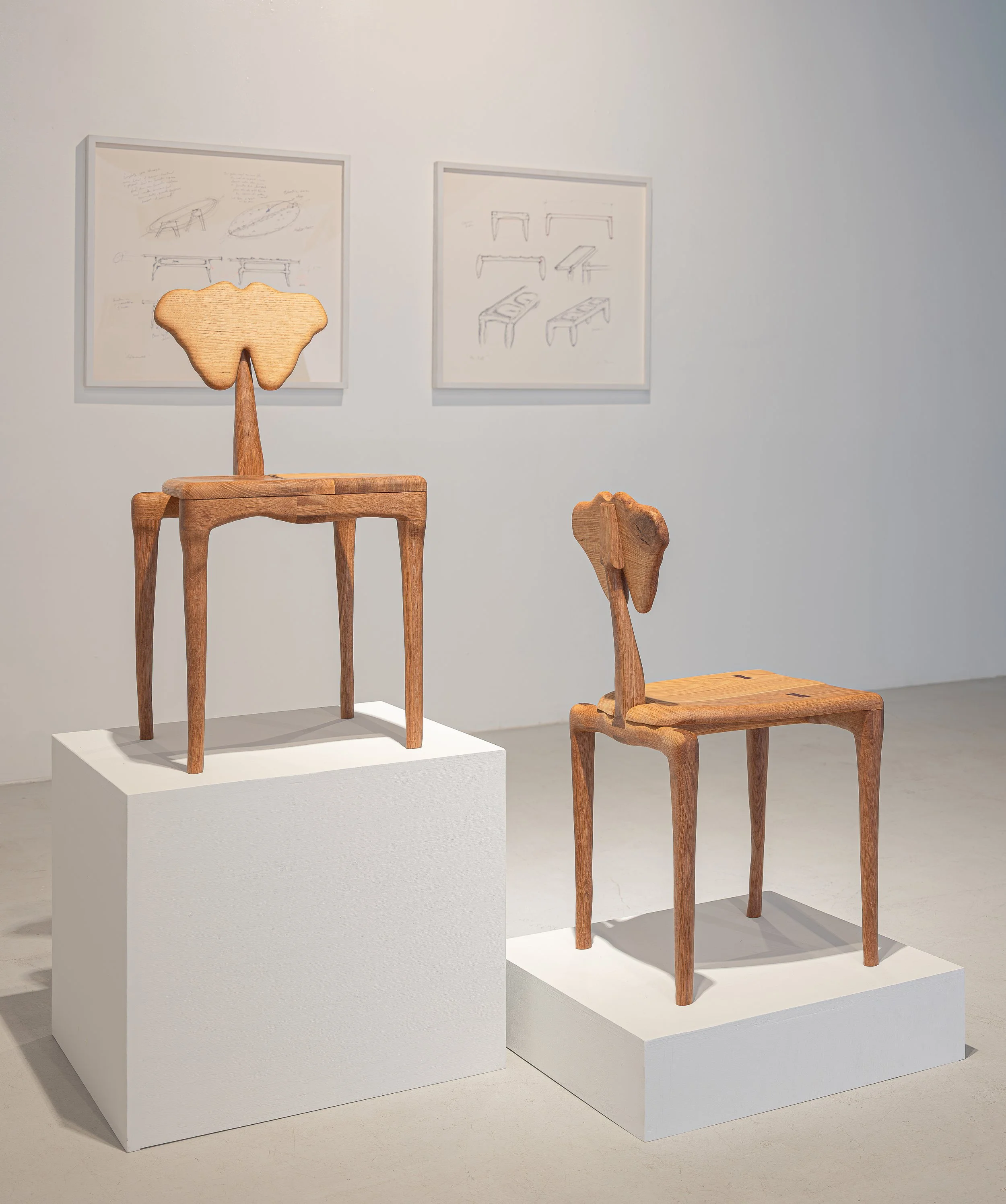
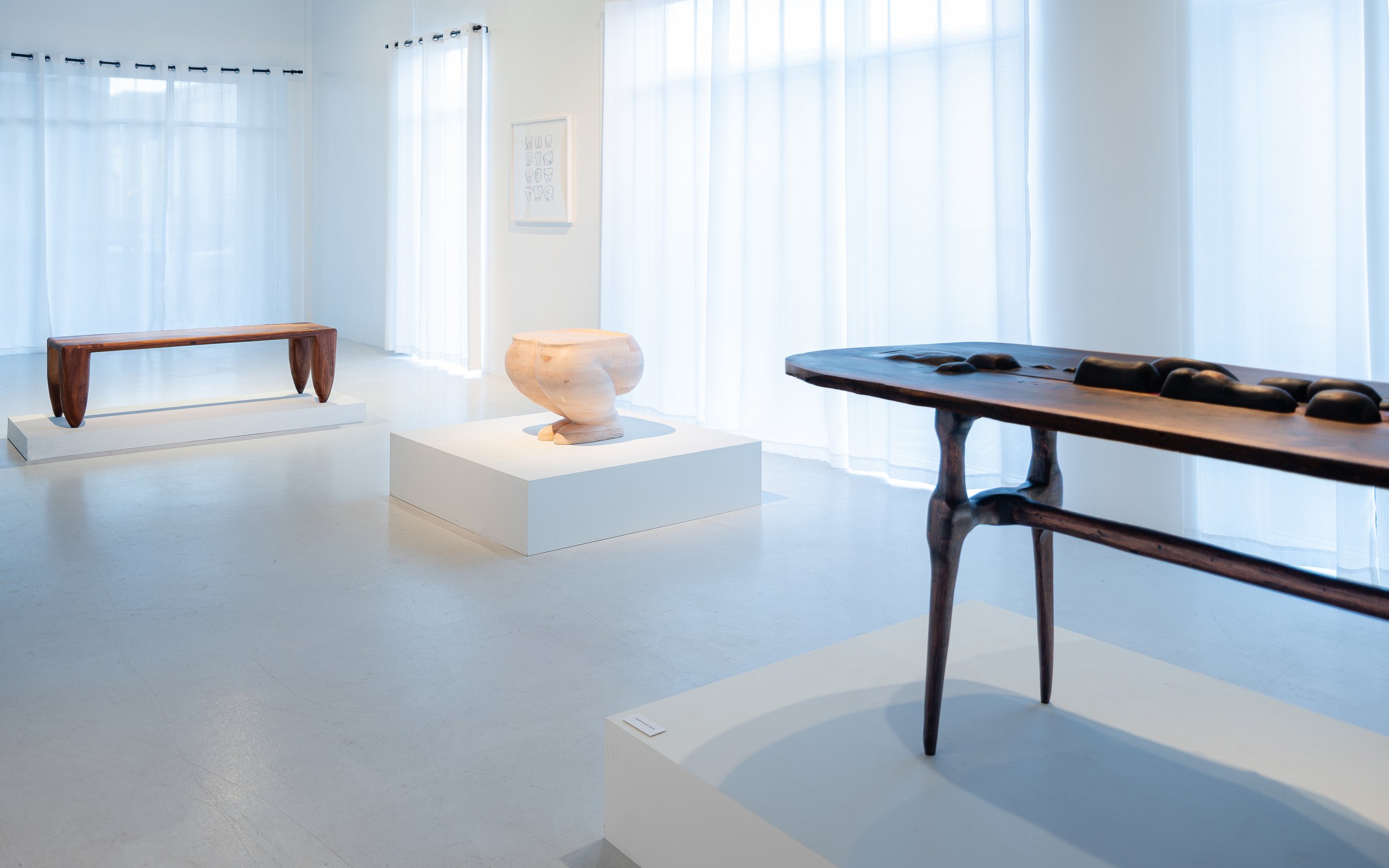
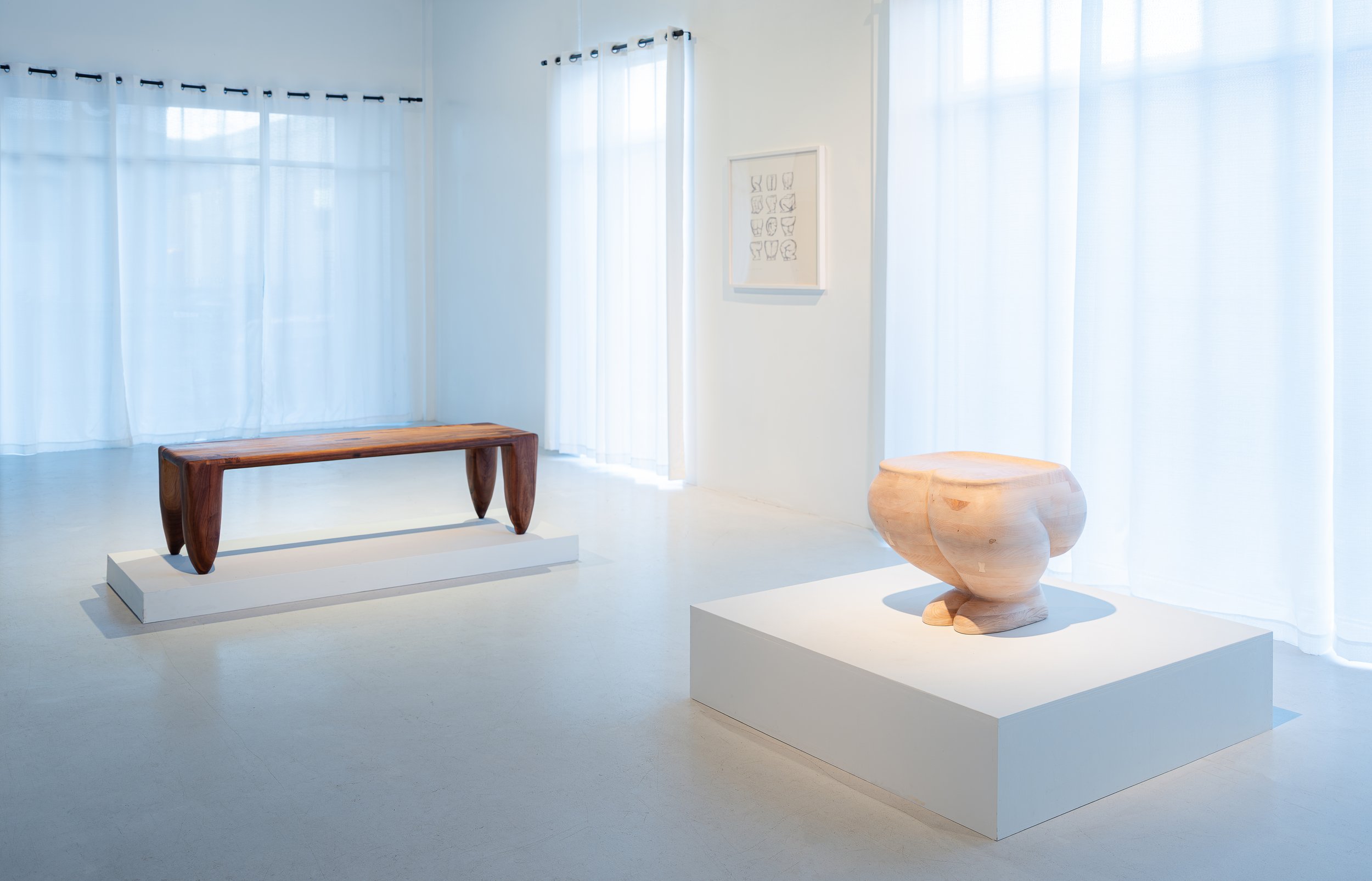
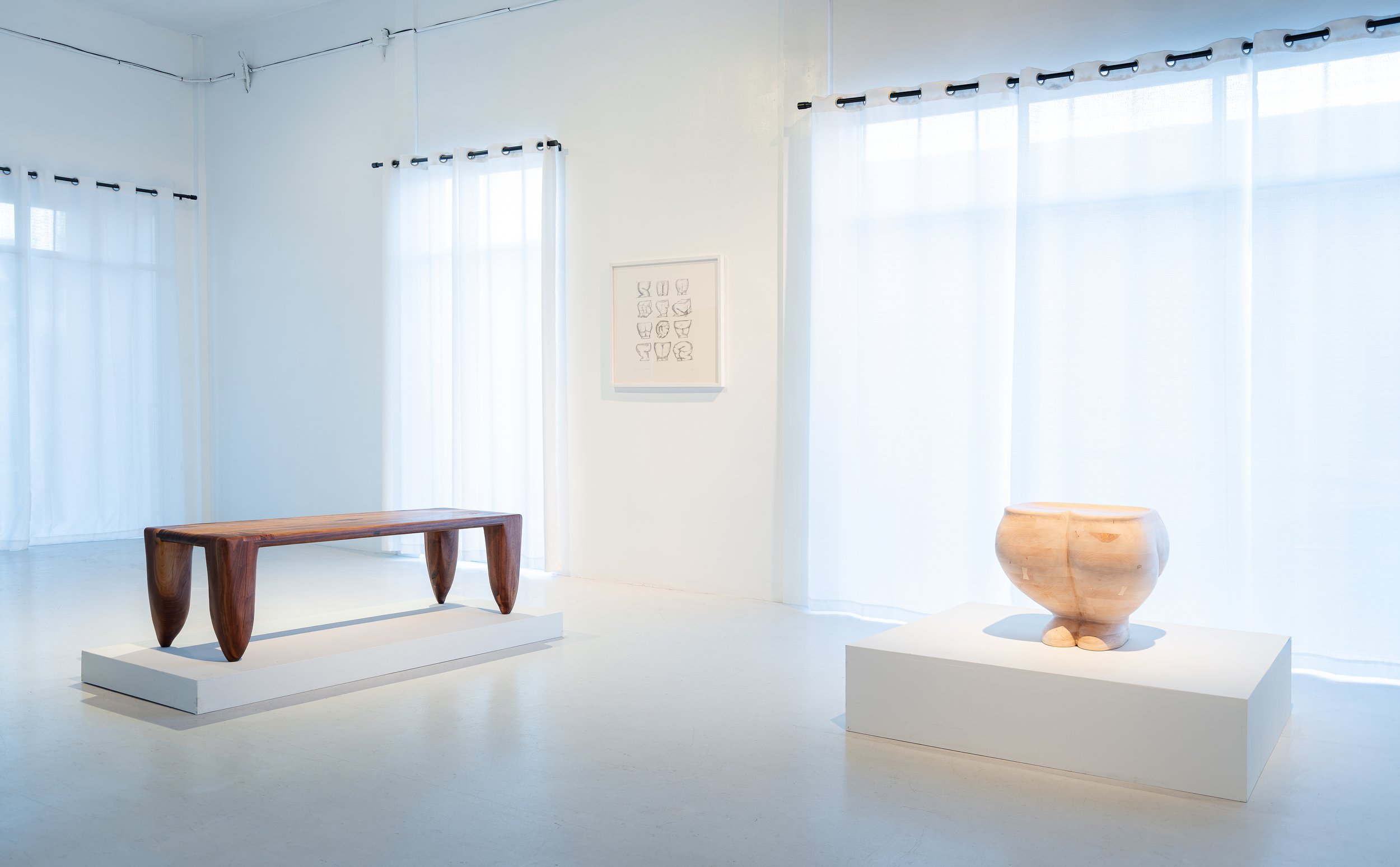
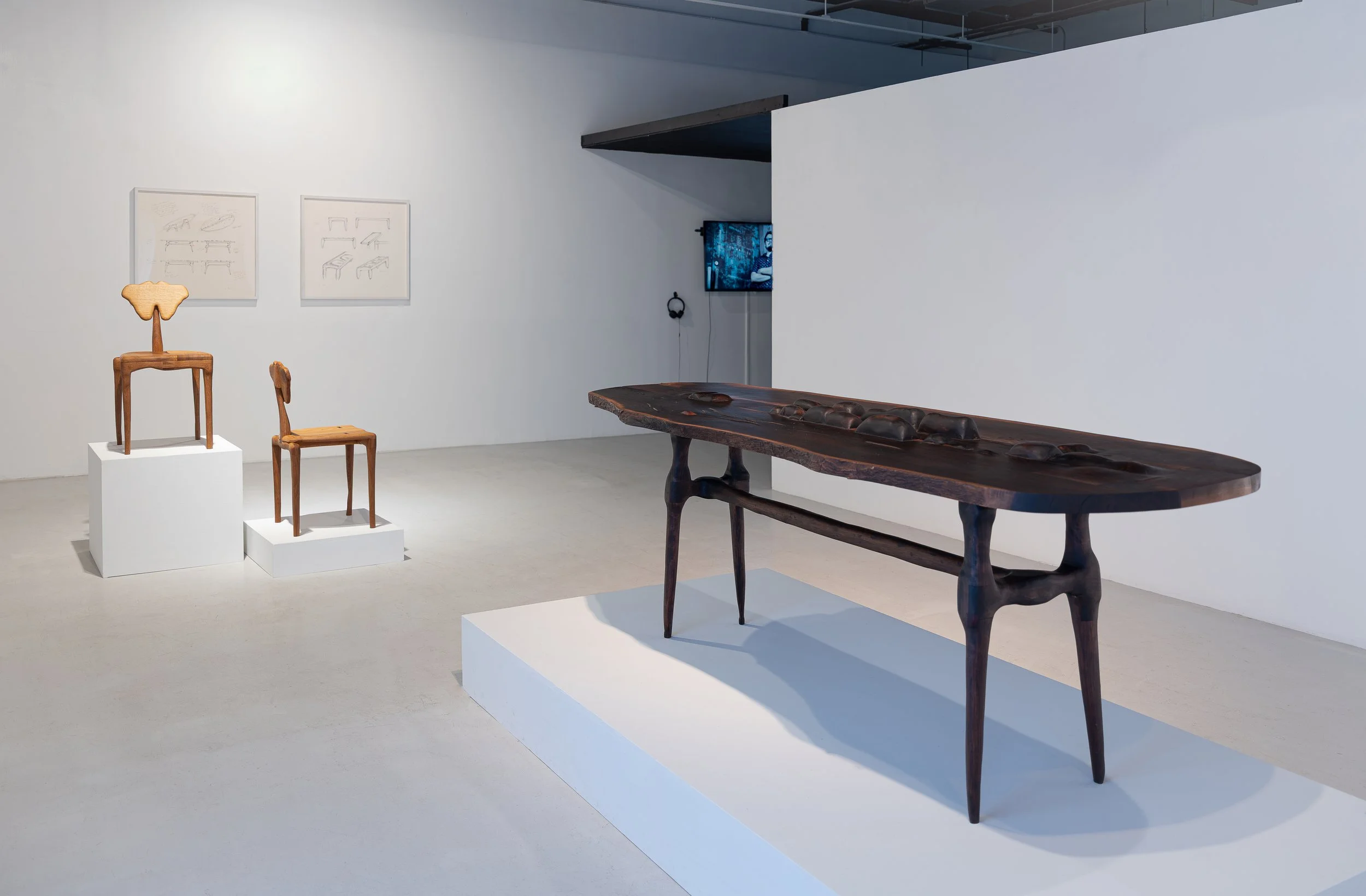
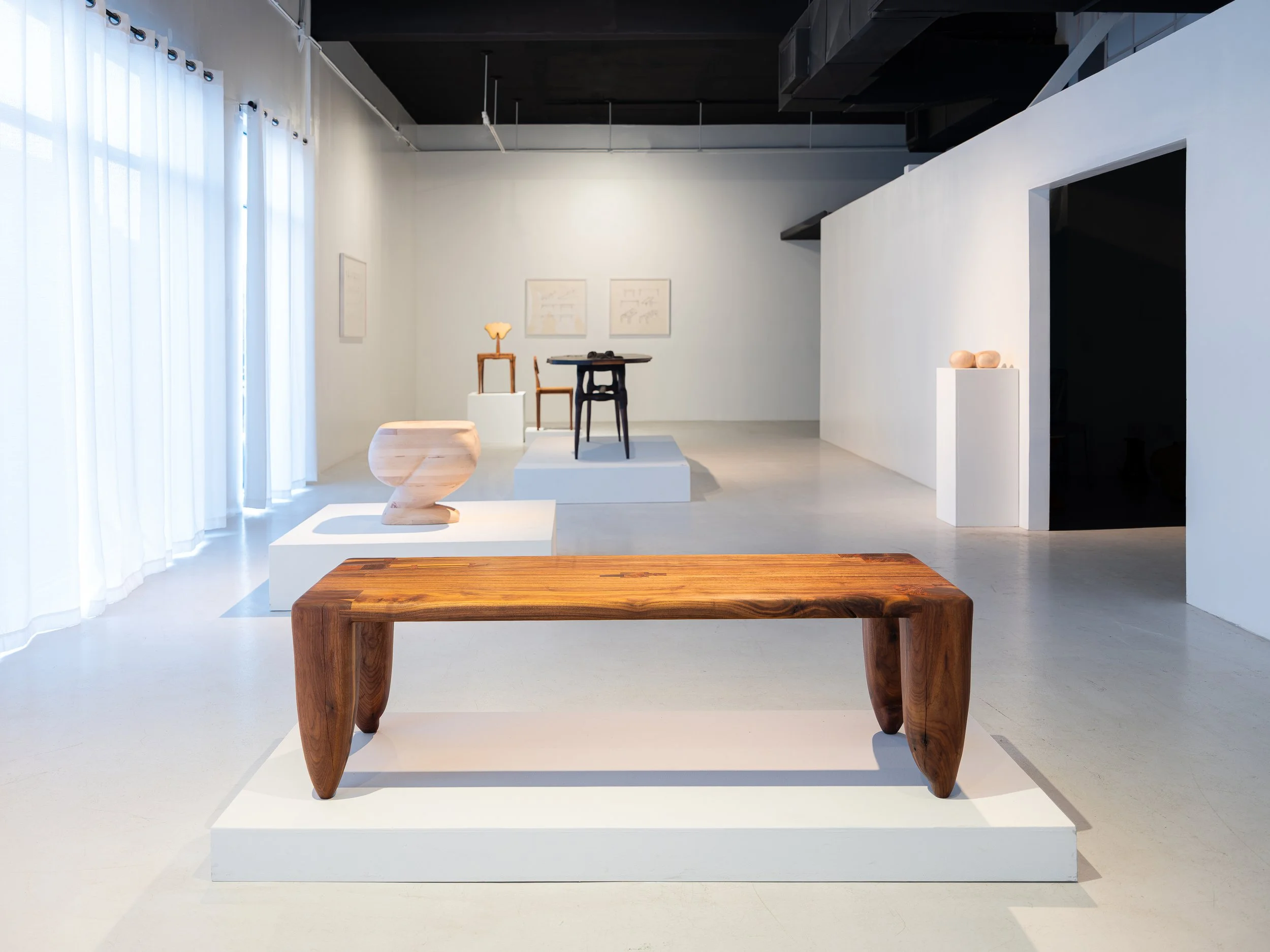
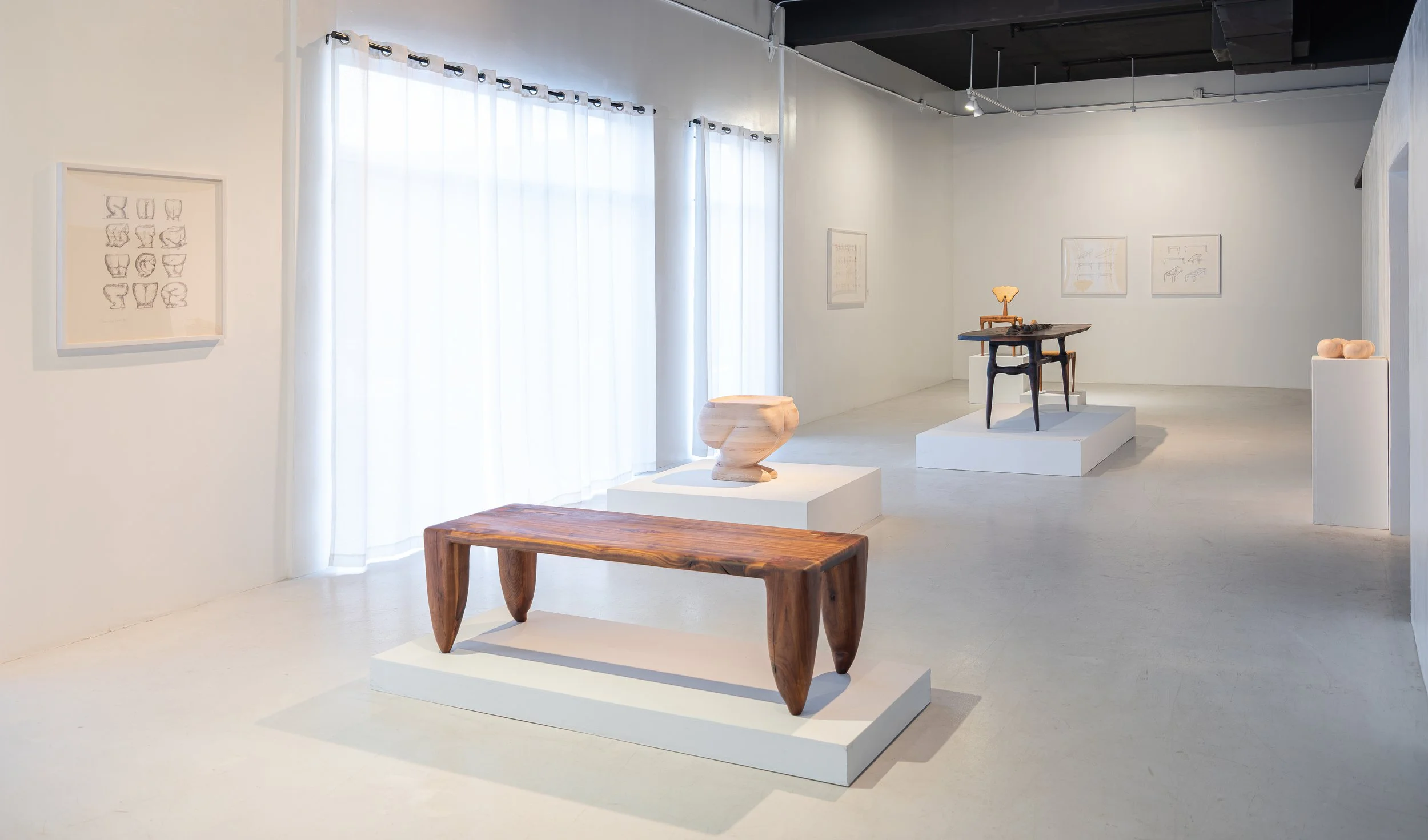
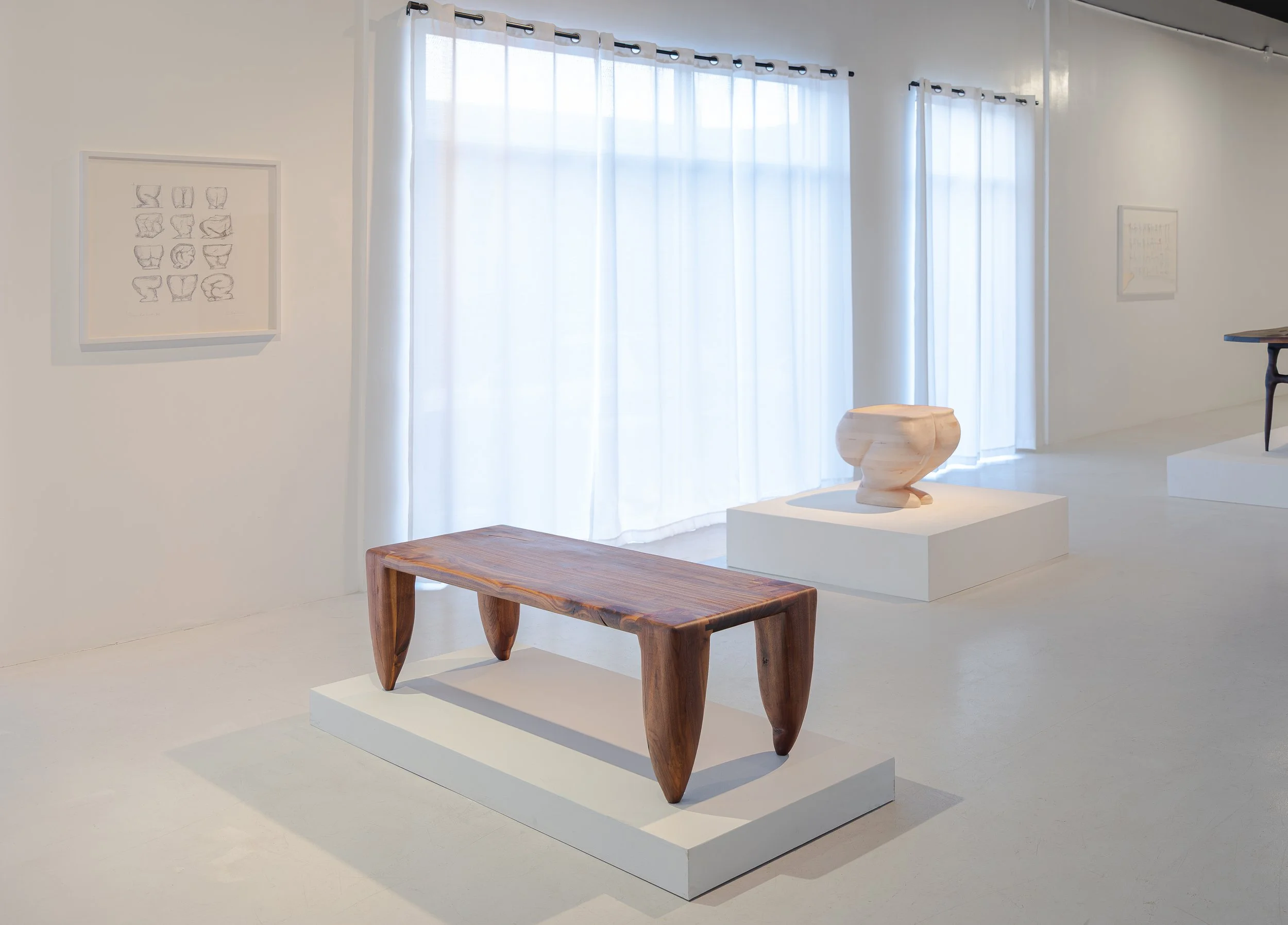
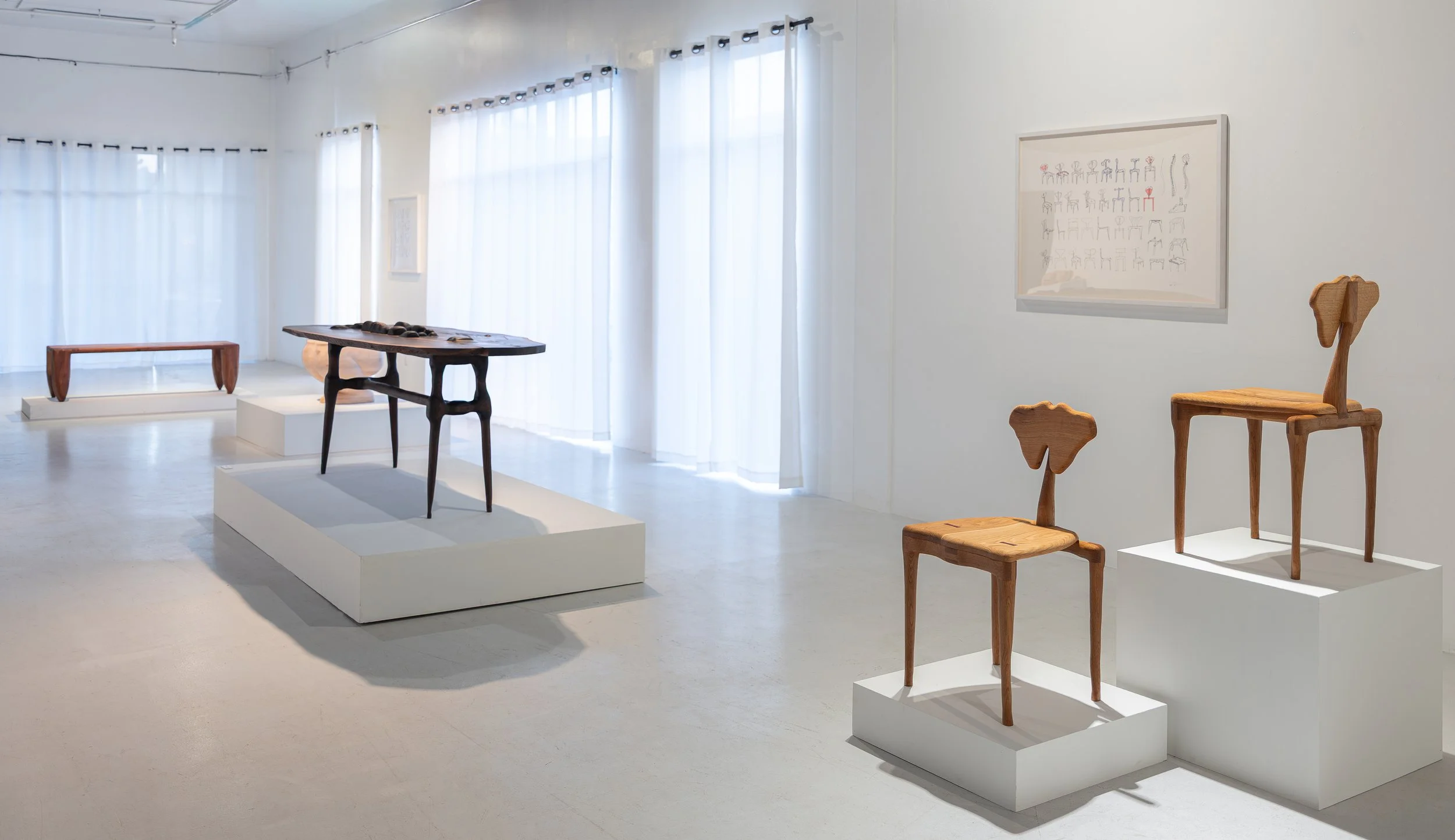
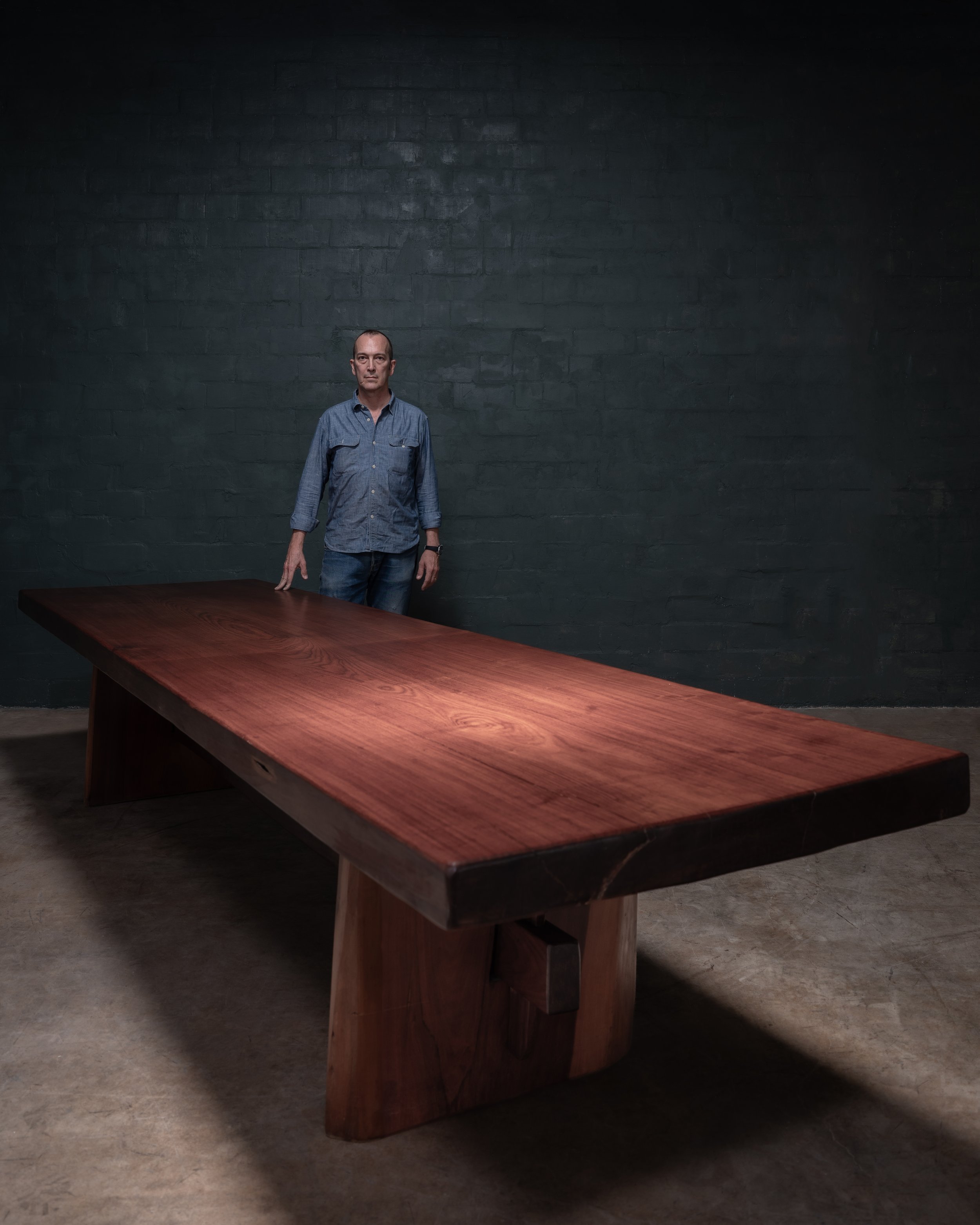
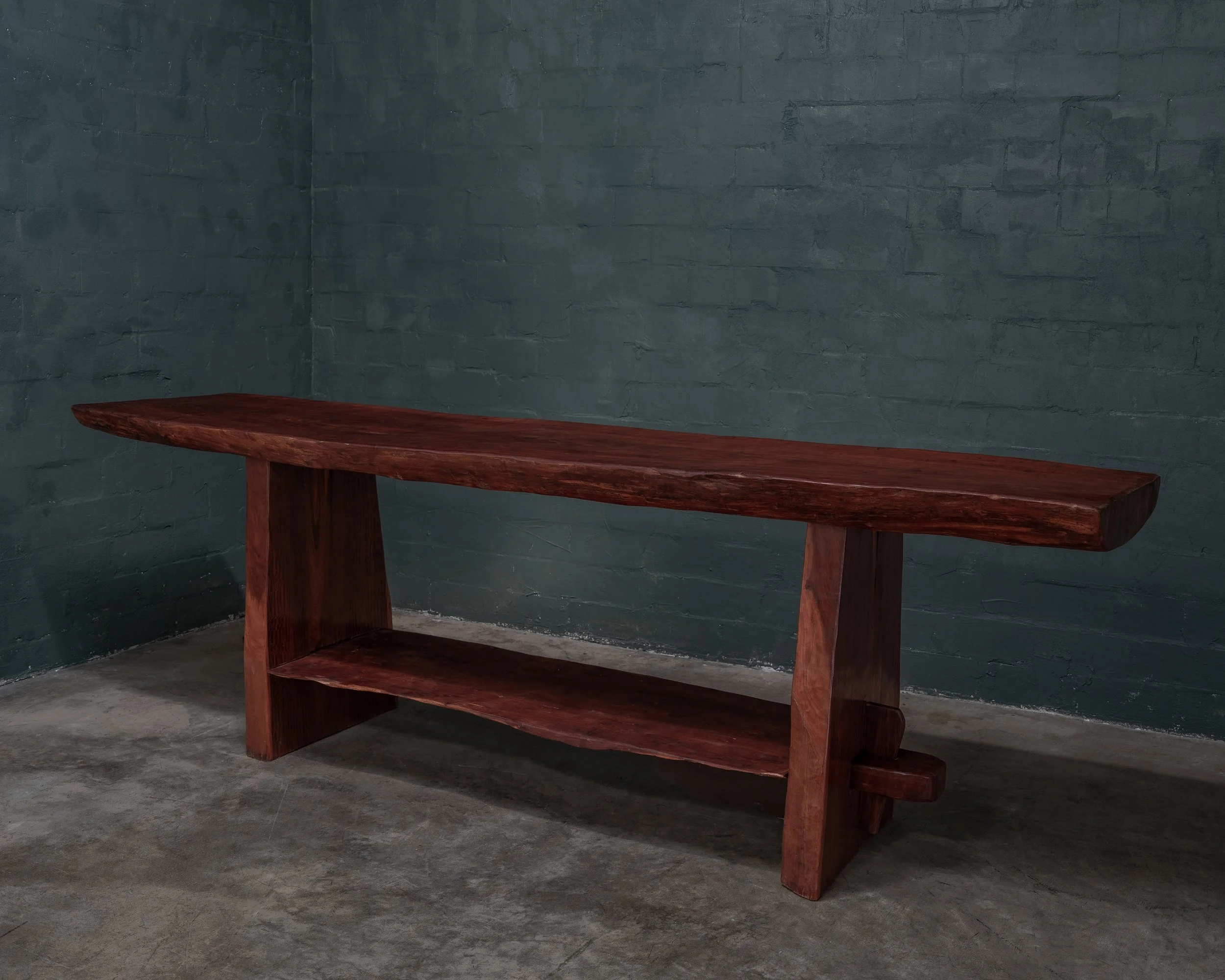
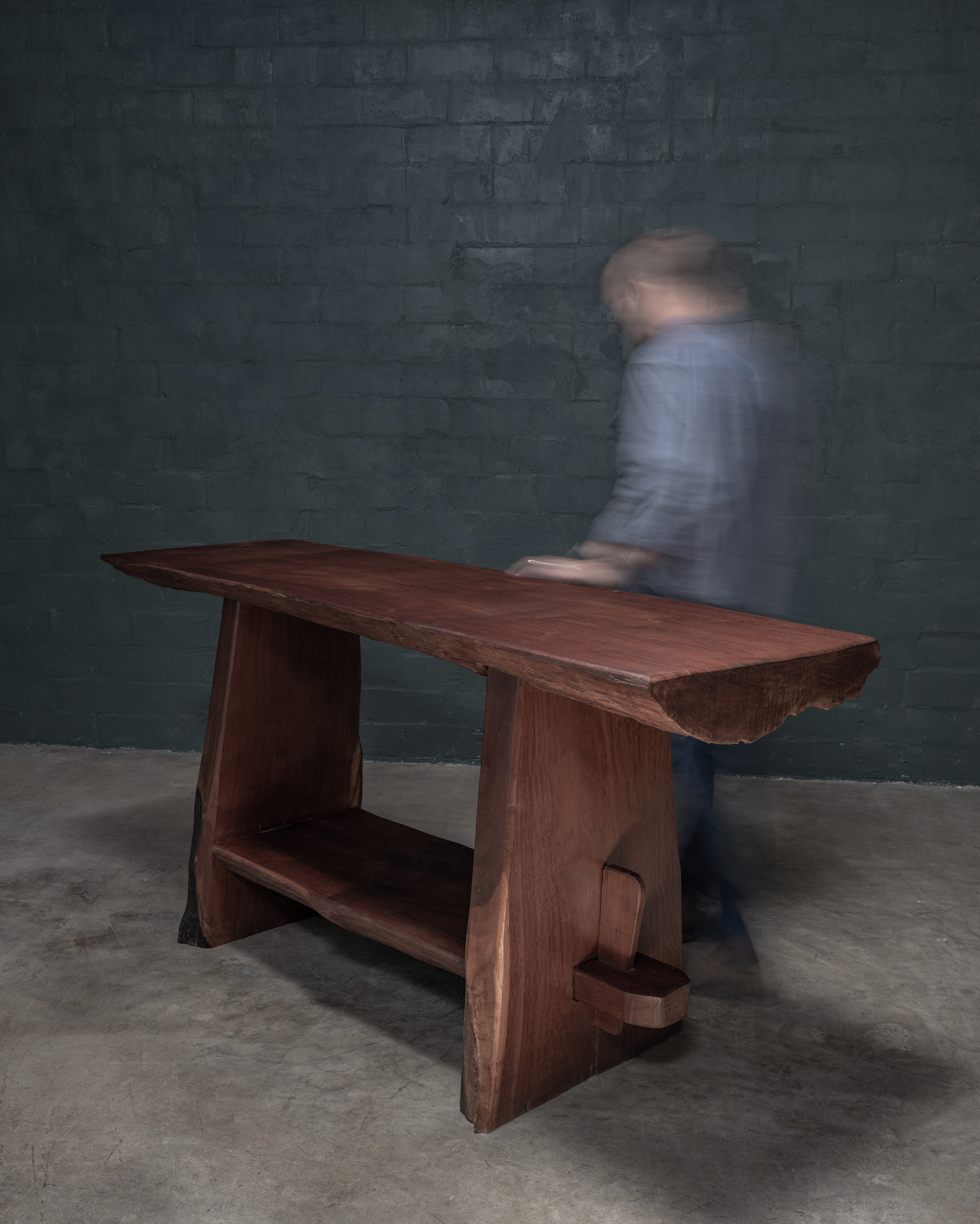
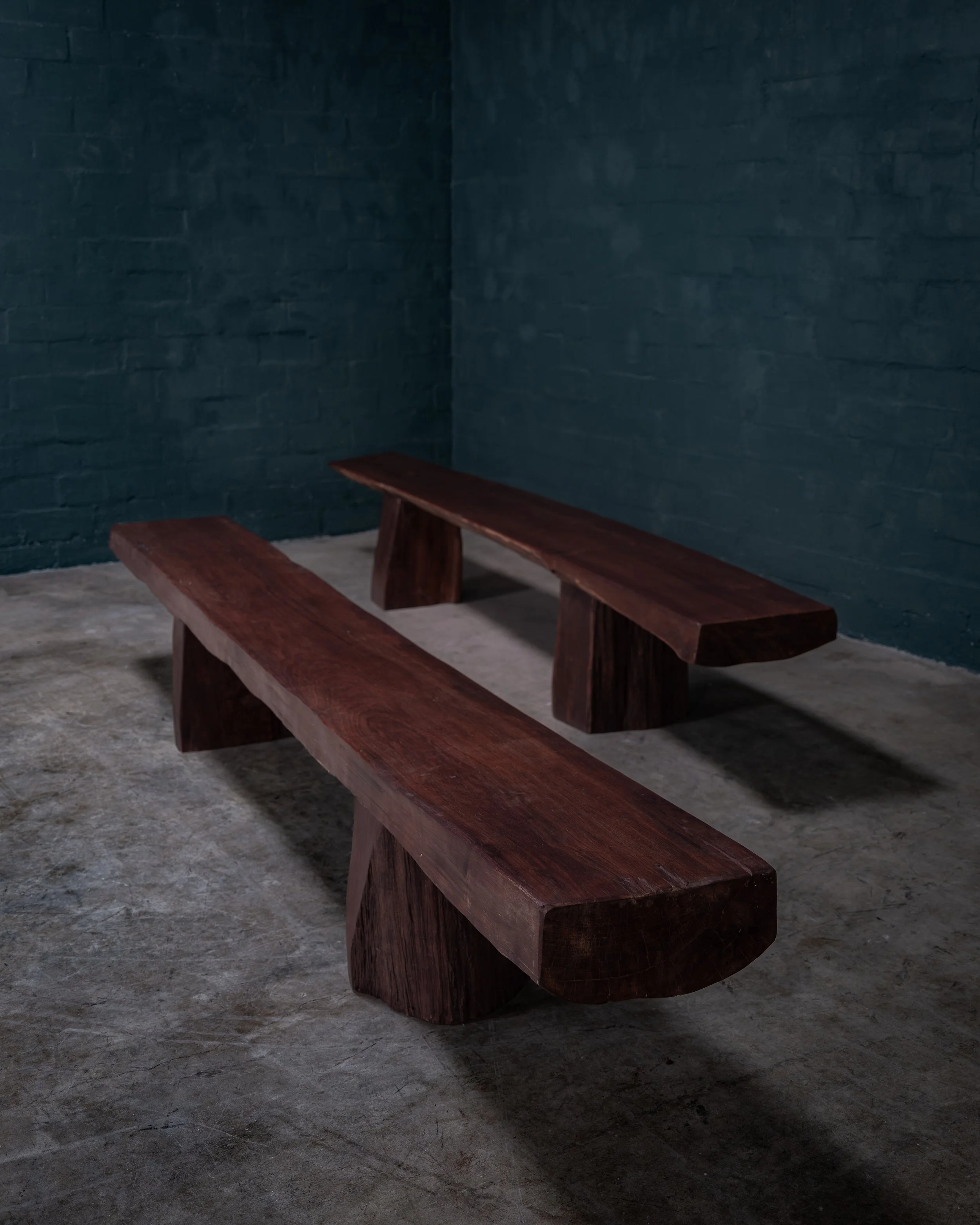
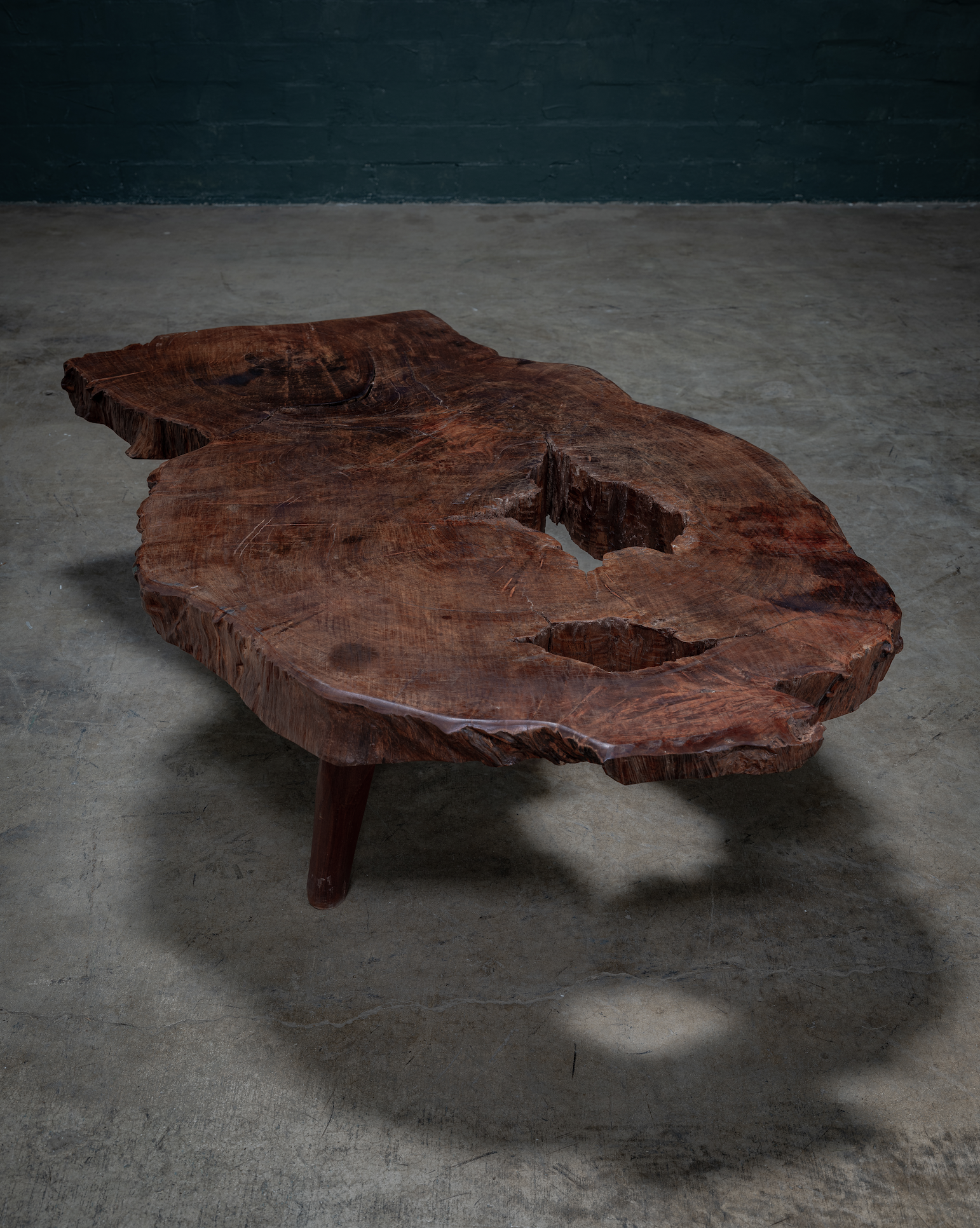
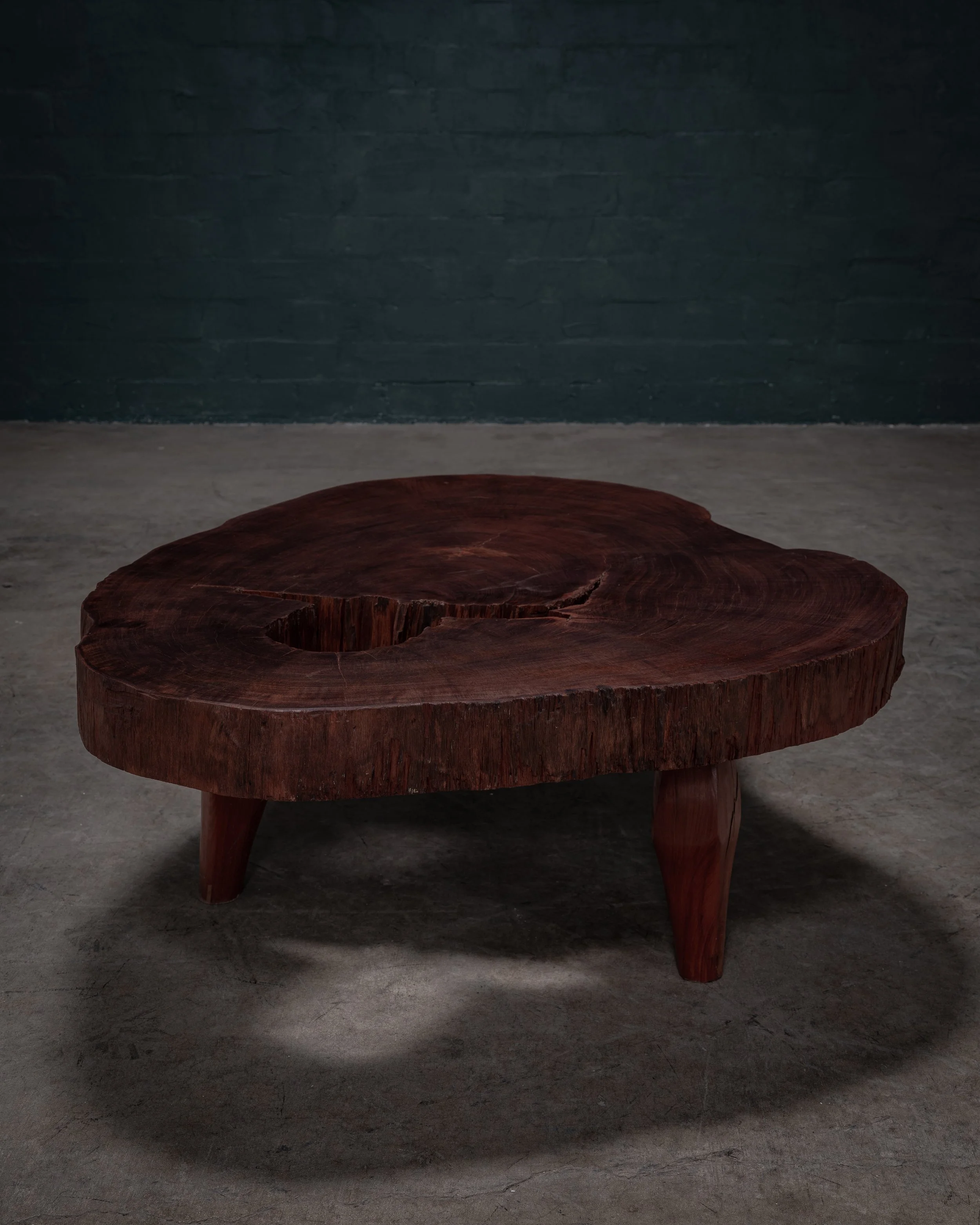
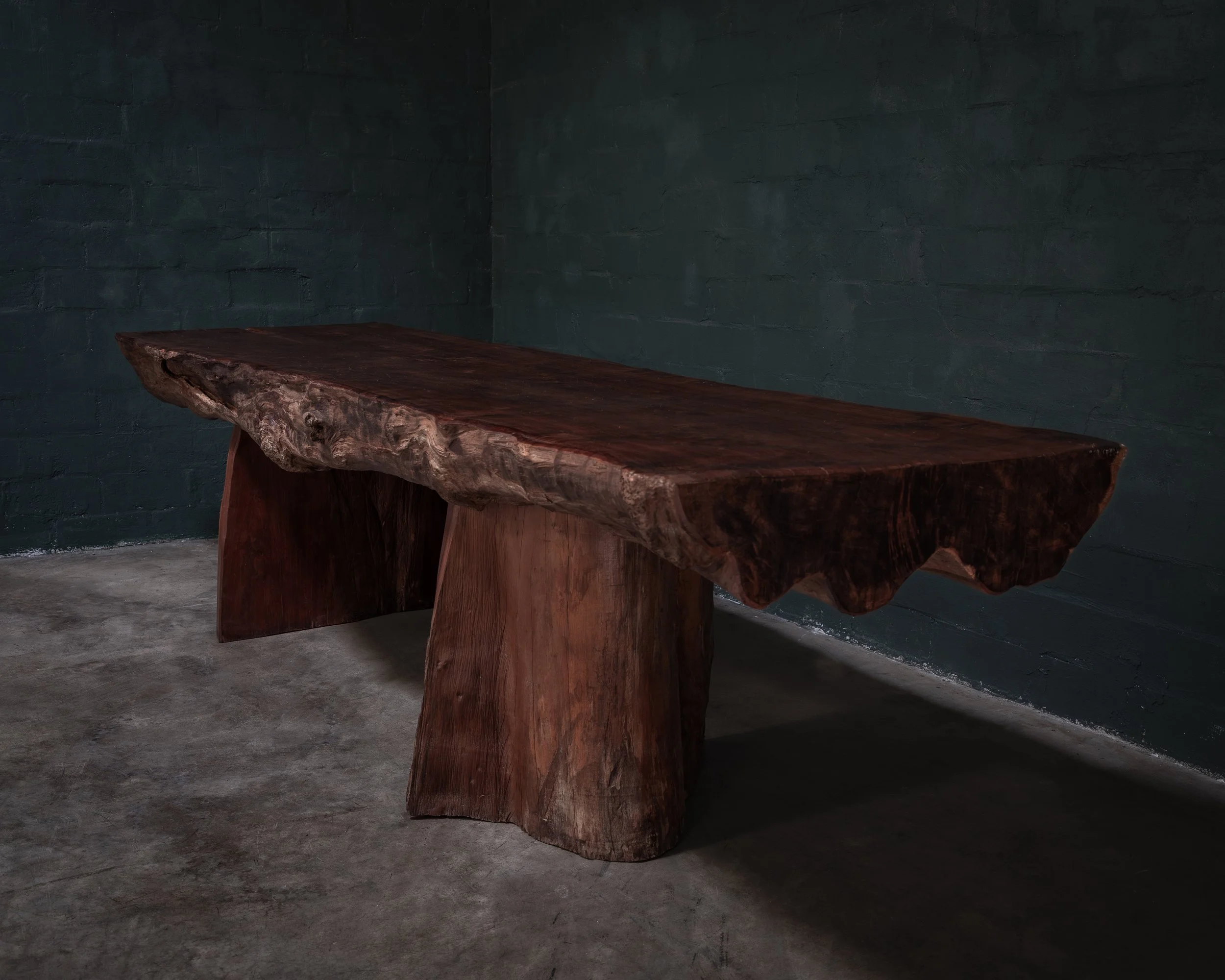
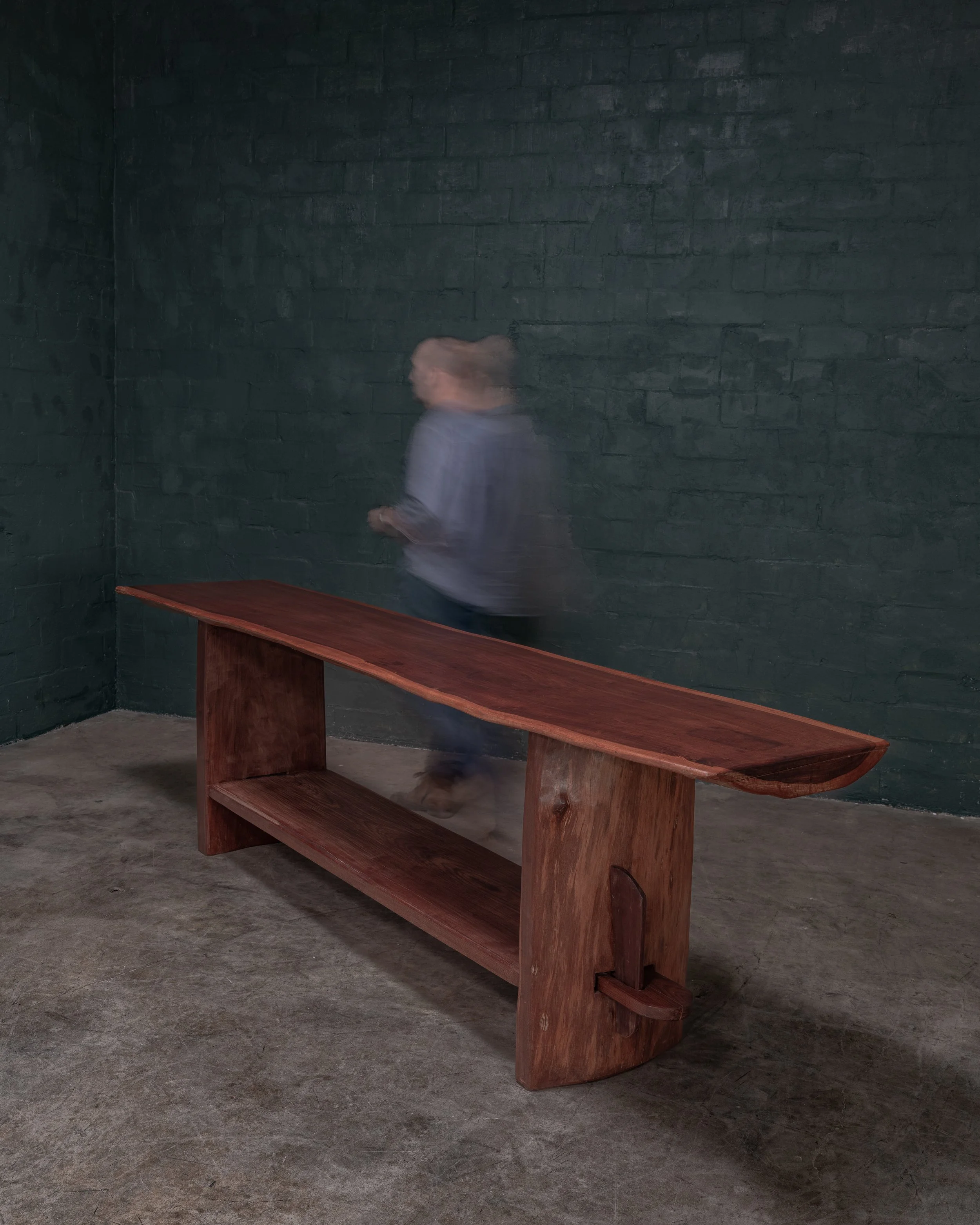
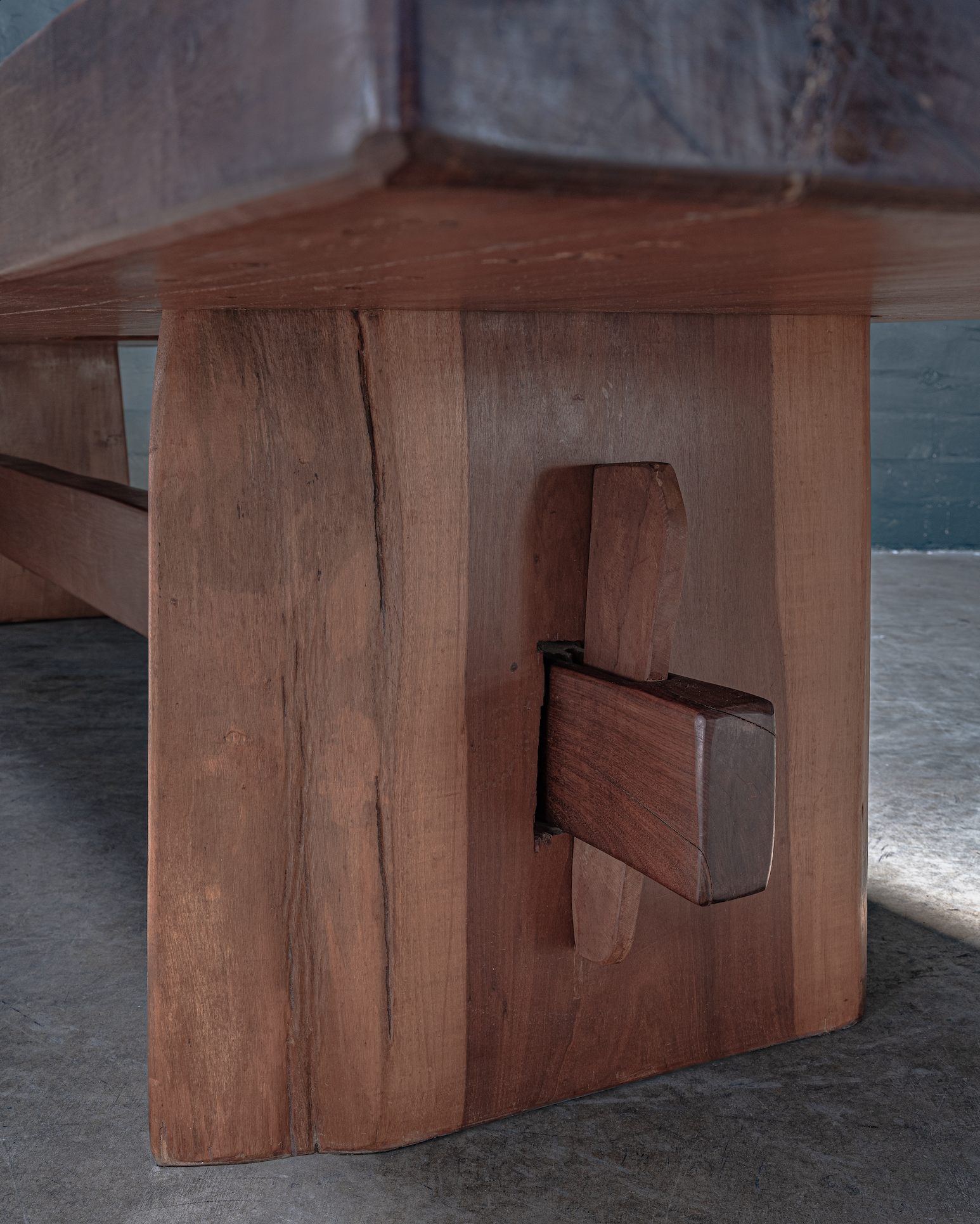
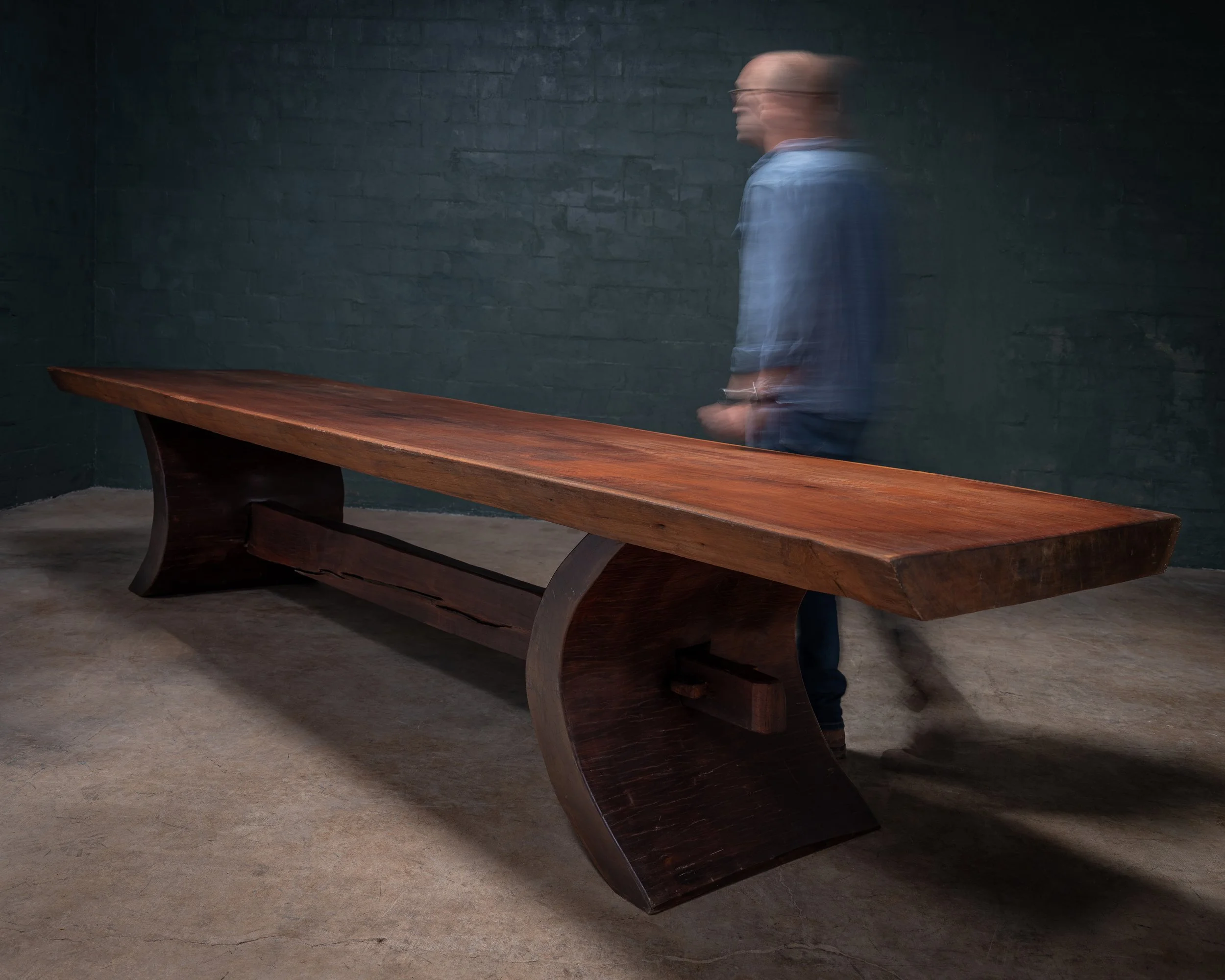
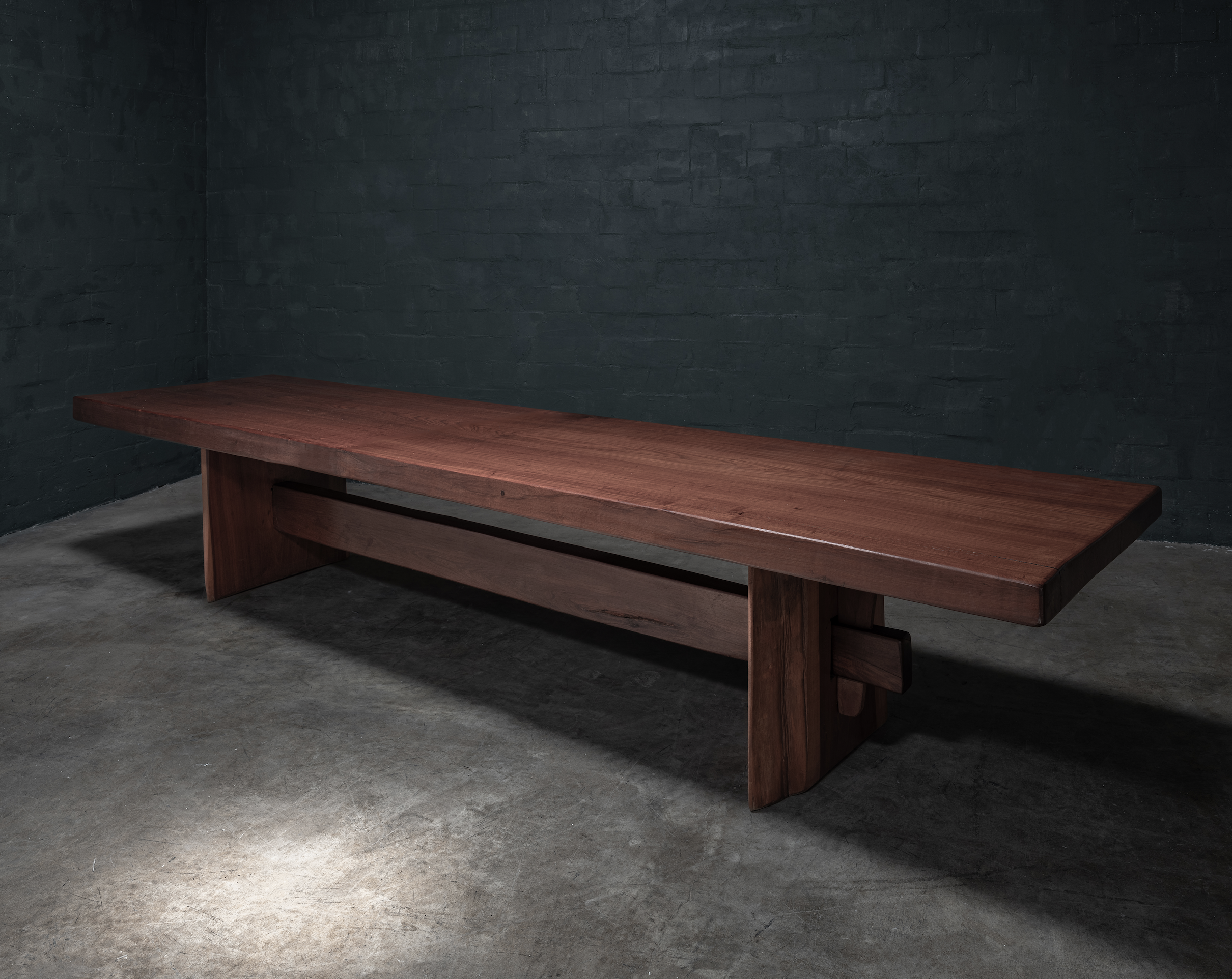
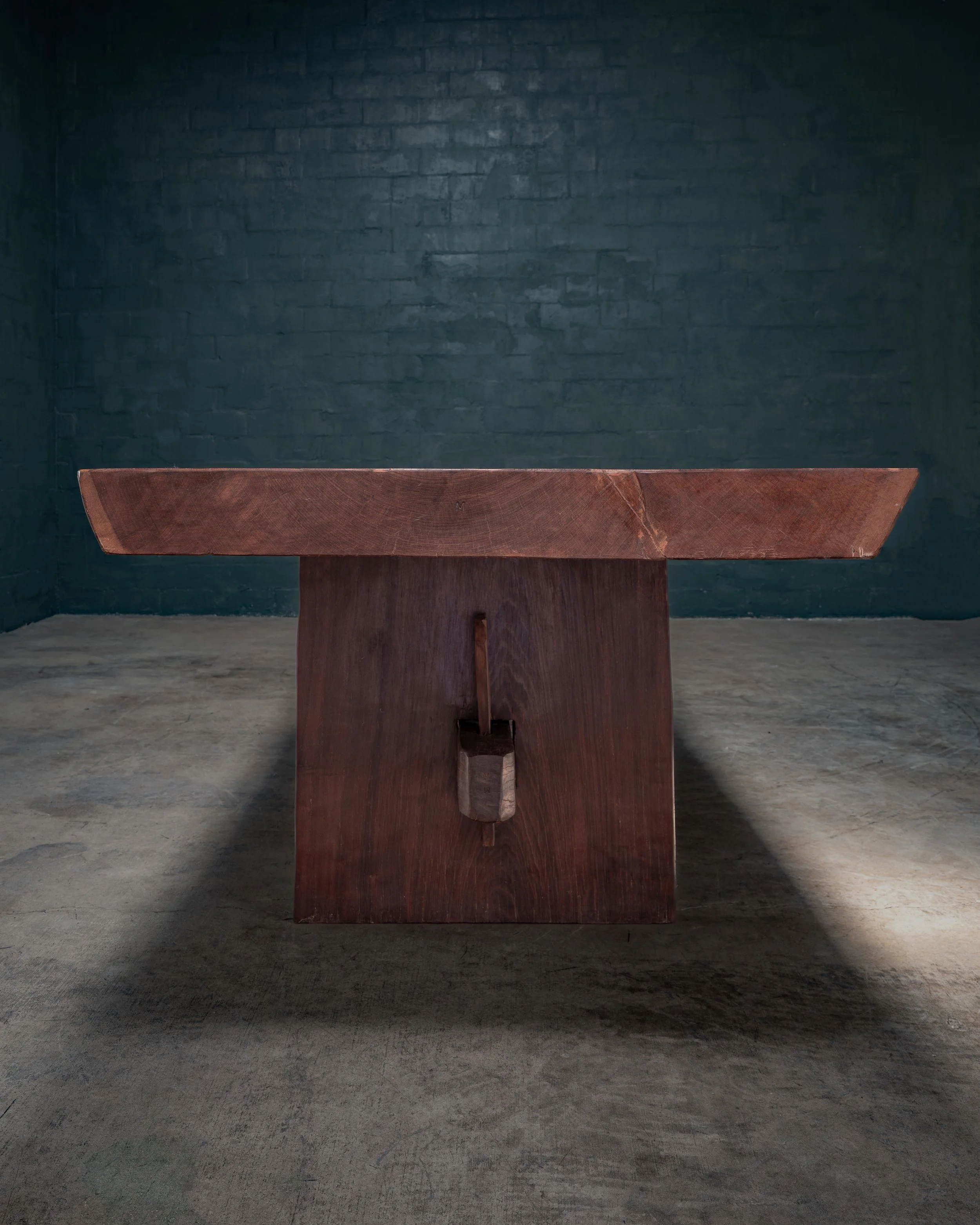
The Human Condition by Leo Barrios presents a collection of five sculptural furniture pieces. This new series marks a shift in his practice, exploring a new relation between function and form. It is inspired by human forms, the materiality of the body, and the ways volumes, surfaces, and structure tell stories. Here, furniture expresses how shared worlds are made. Barrios embraces the variations in shape and color and the imperfections and uneven textures of wood to create new shapes and experiences. They suggest how we may live with differences and disabilities, the healing of wounds and trauma, and the uncertainties of our human form and condition. Each piece asks us to consider the radical beauty in our differences.
Other Works
DANIEL RIOS RODRIGUEZ: OPEN THIS WALL
Studio at Ruby City
210-227-8400
150 Camp St.
San Antonio, Texas, 78283
Oct 25, 2025 — Oct 04, 2026
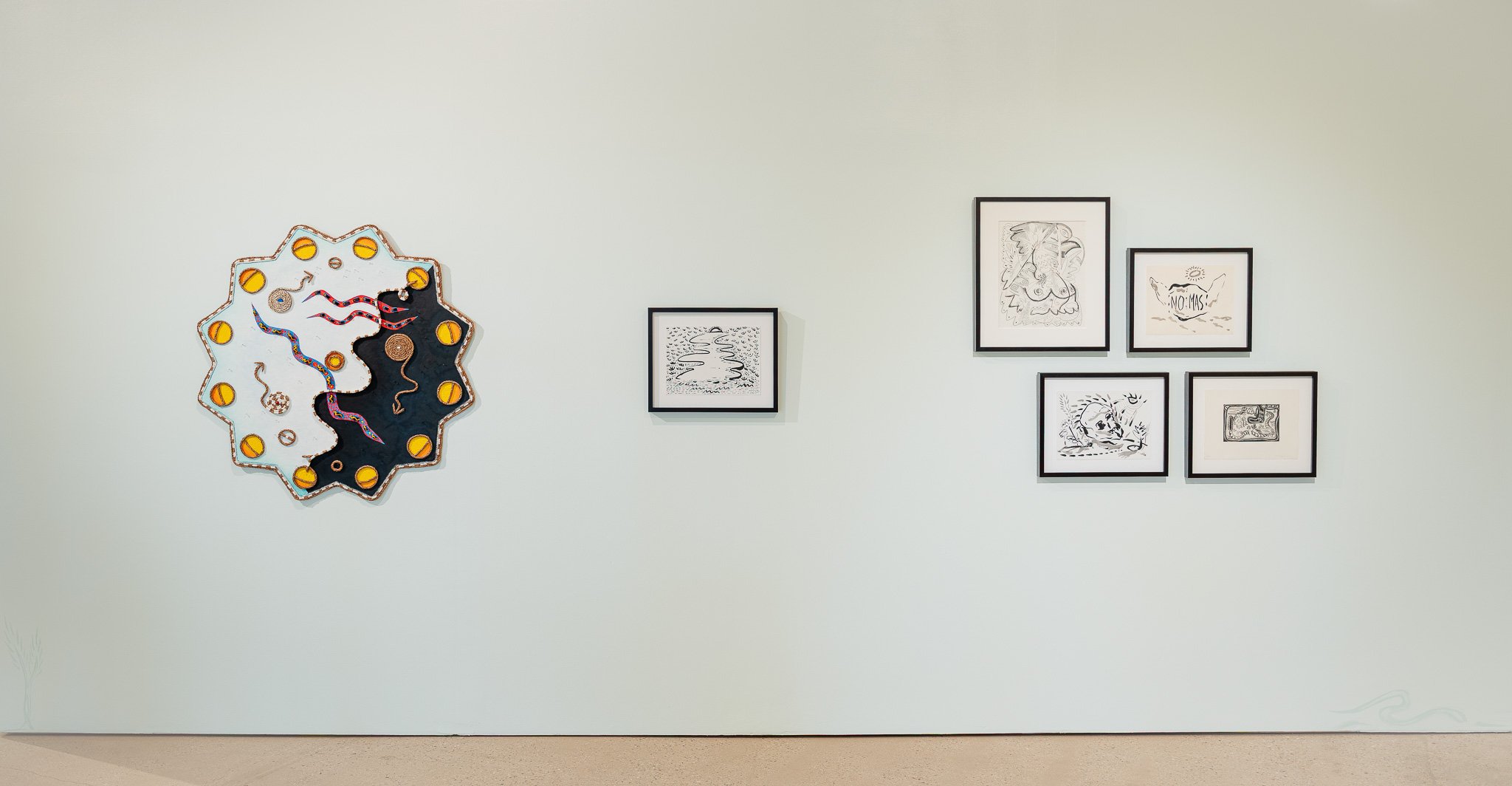
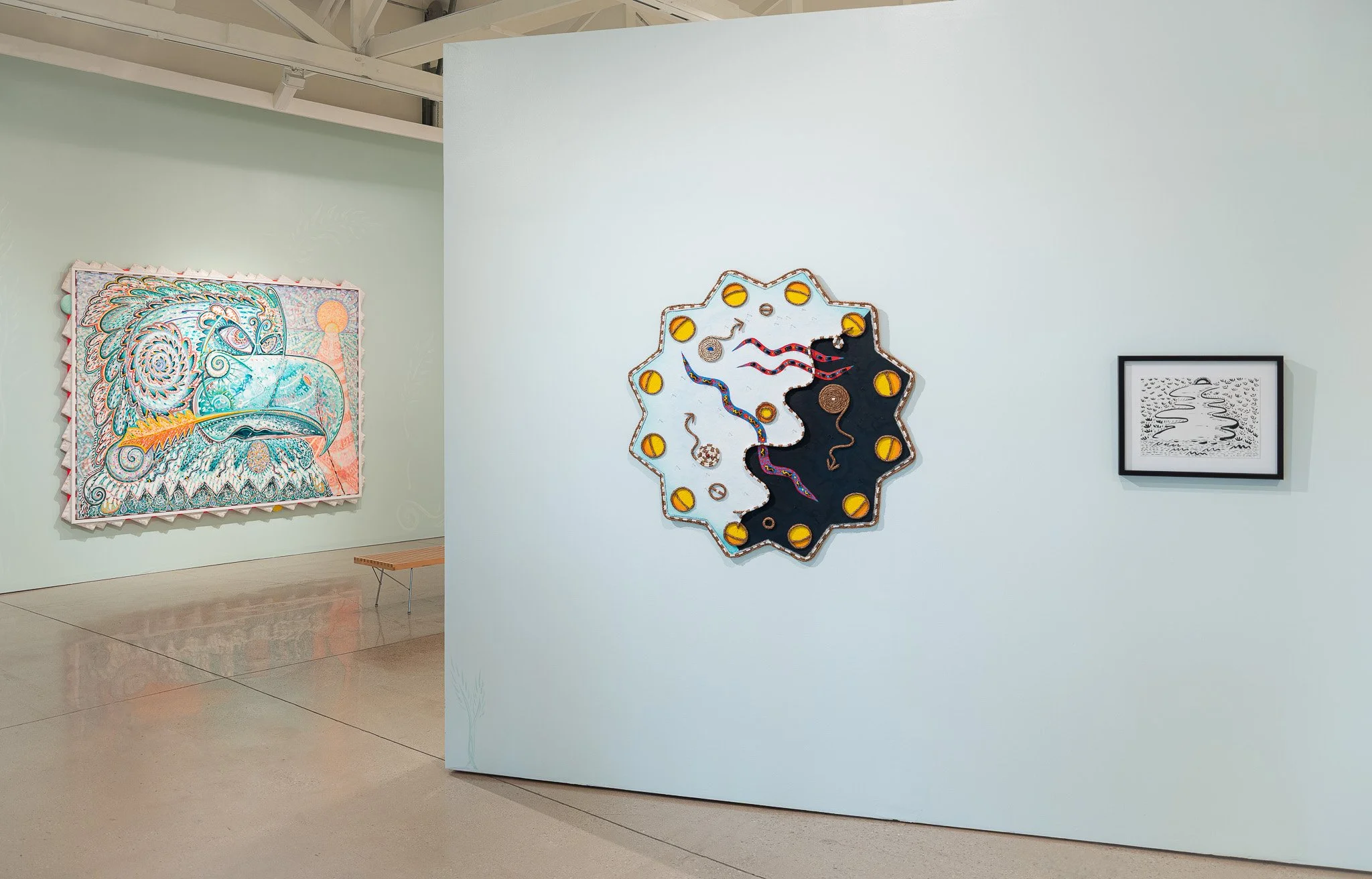
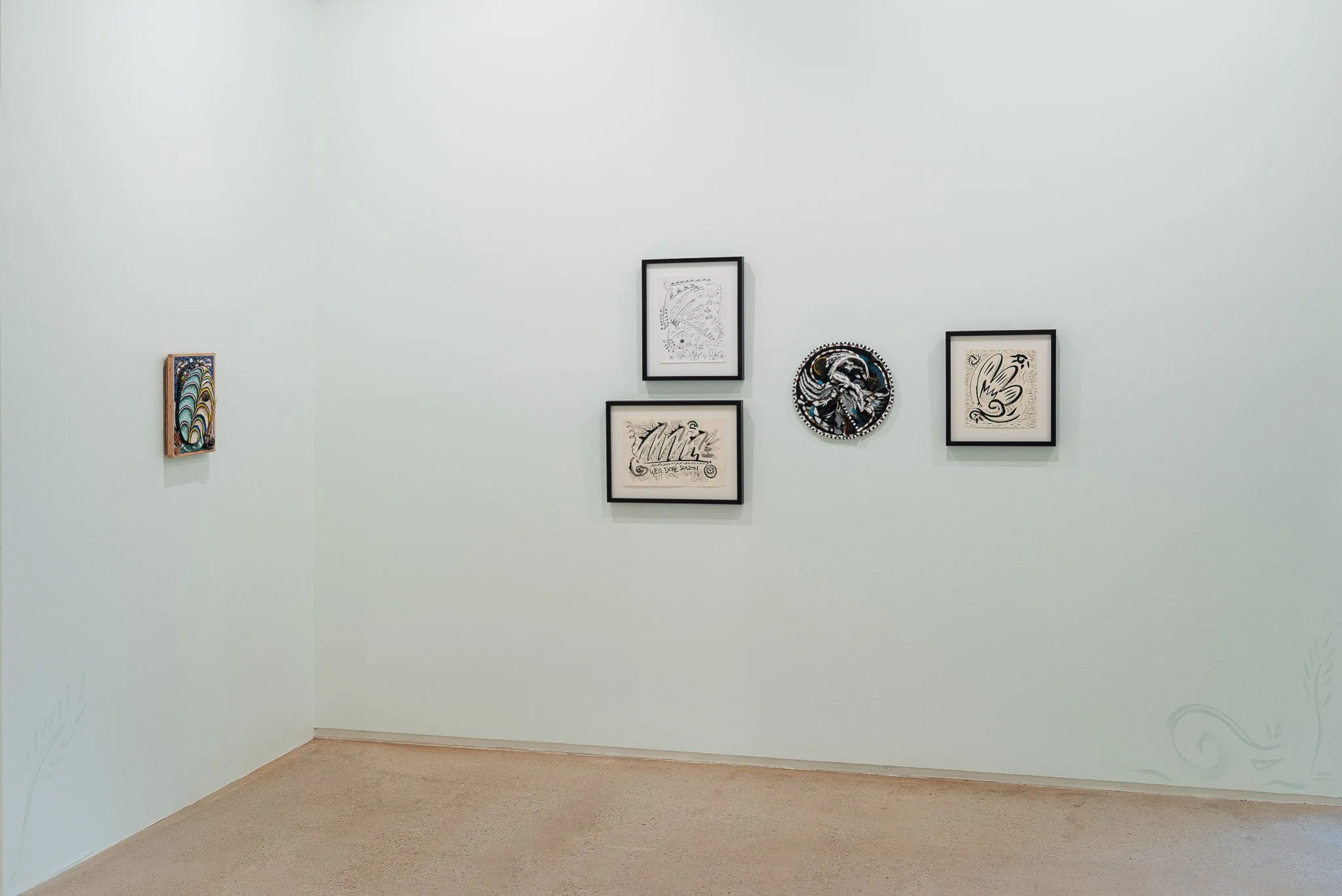
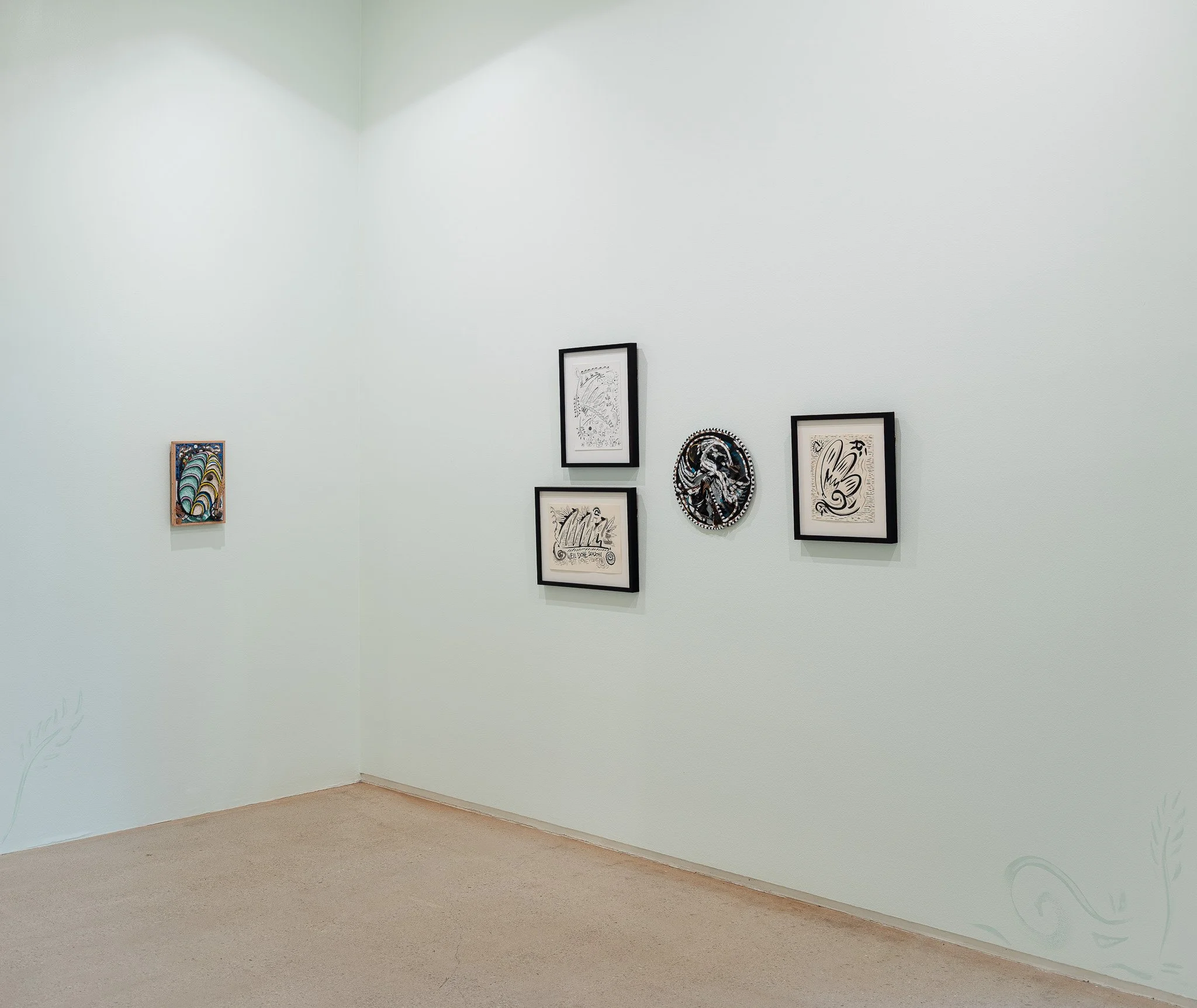
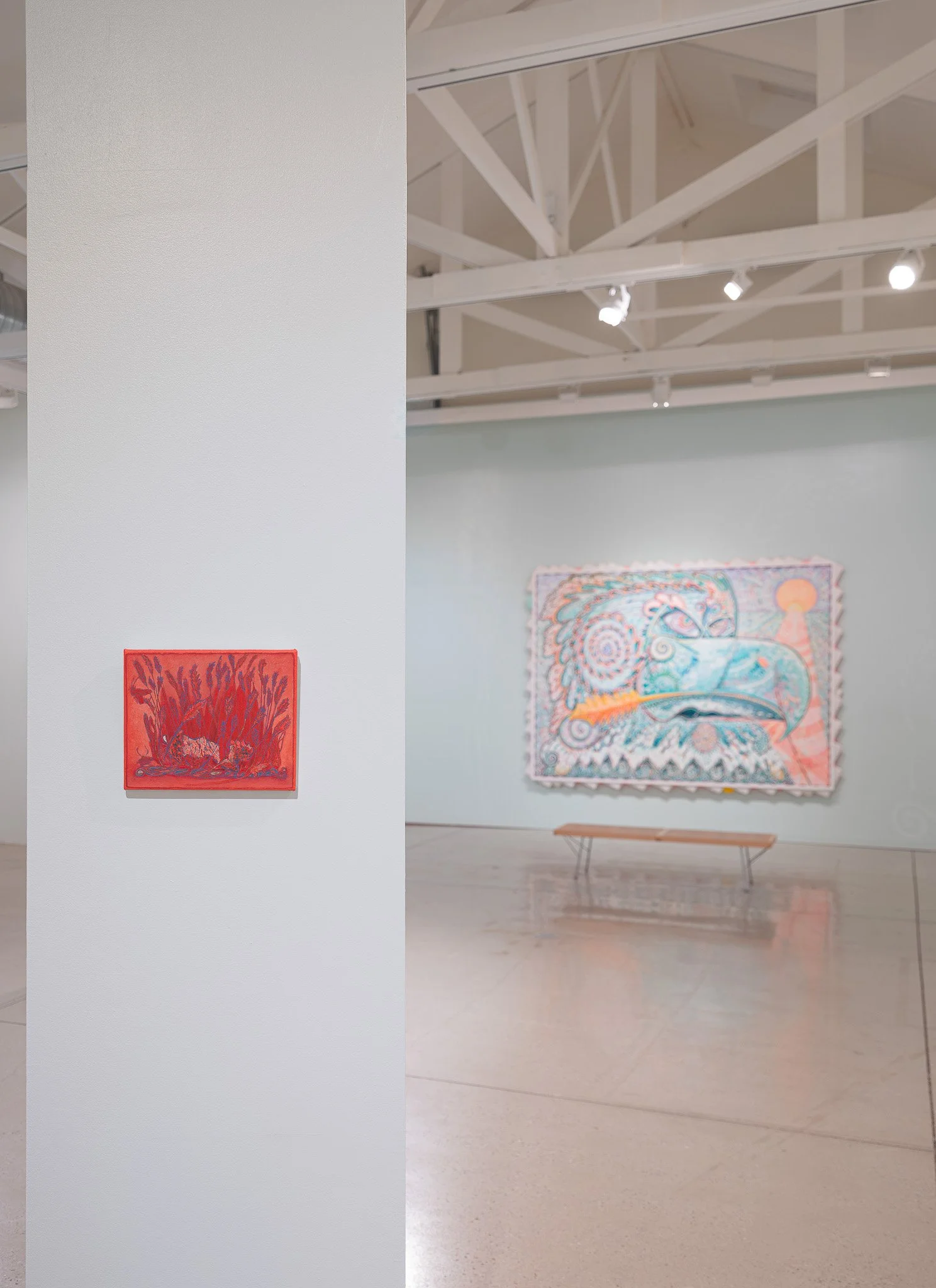
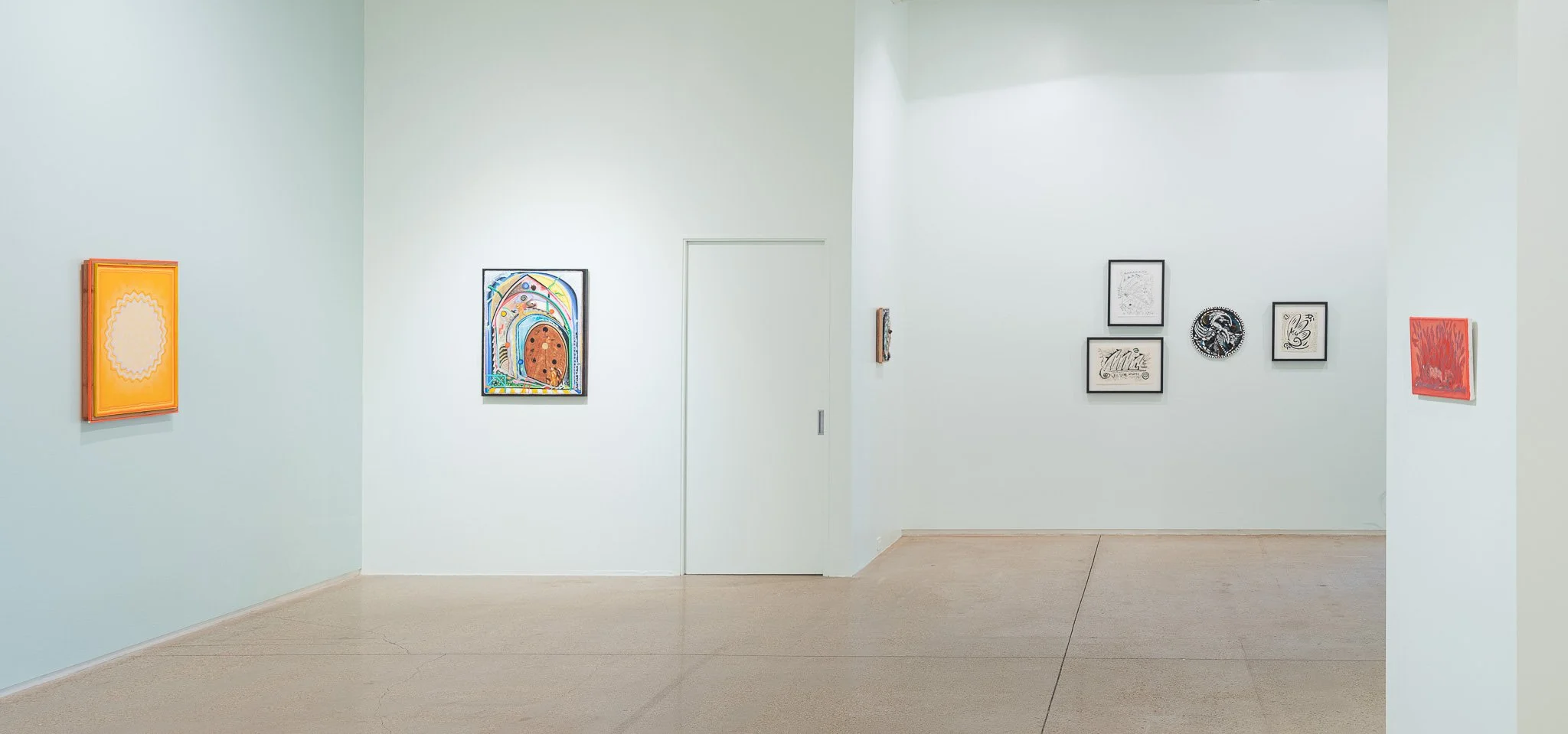
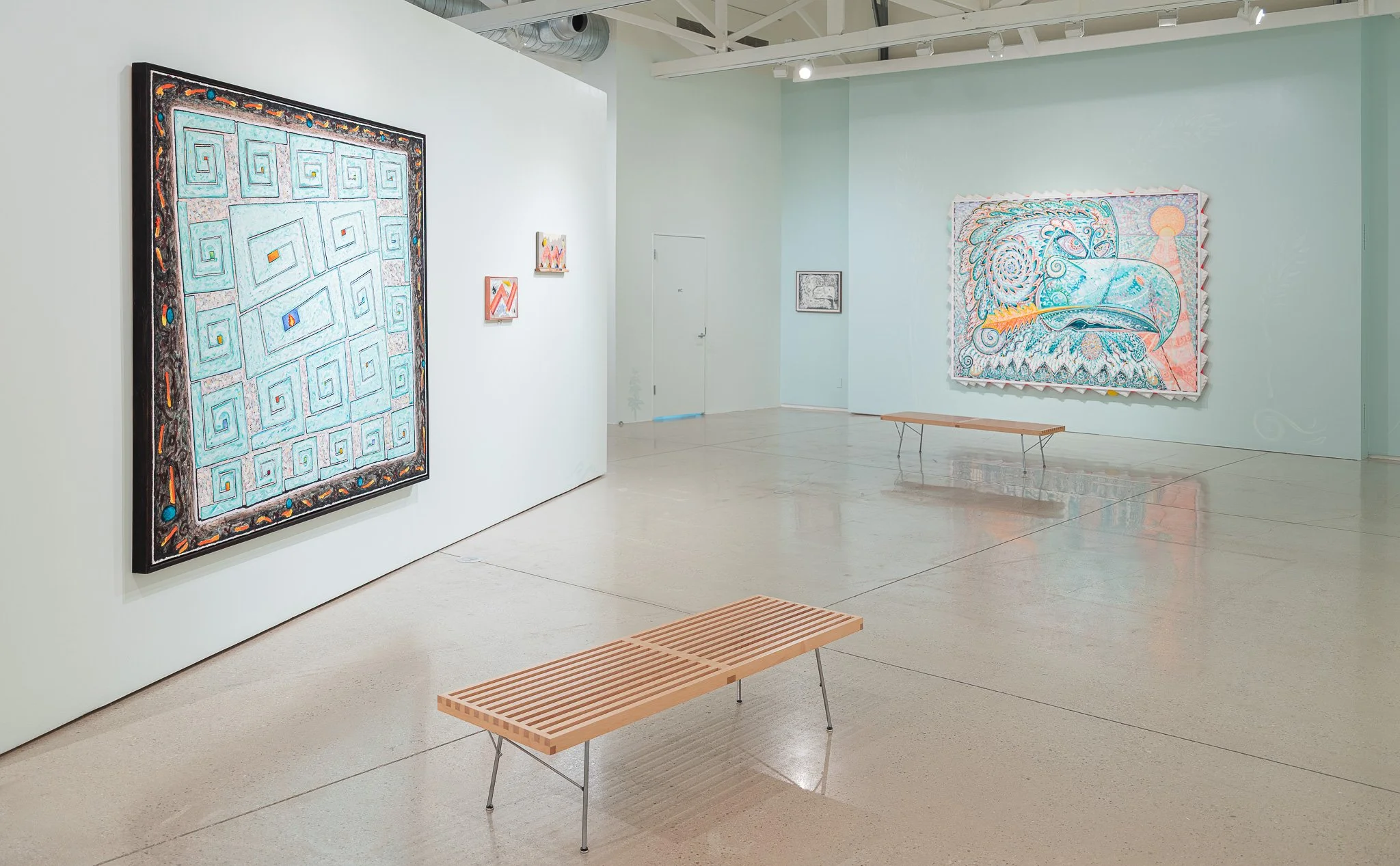
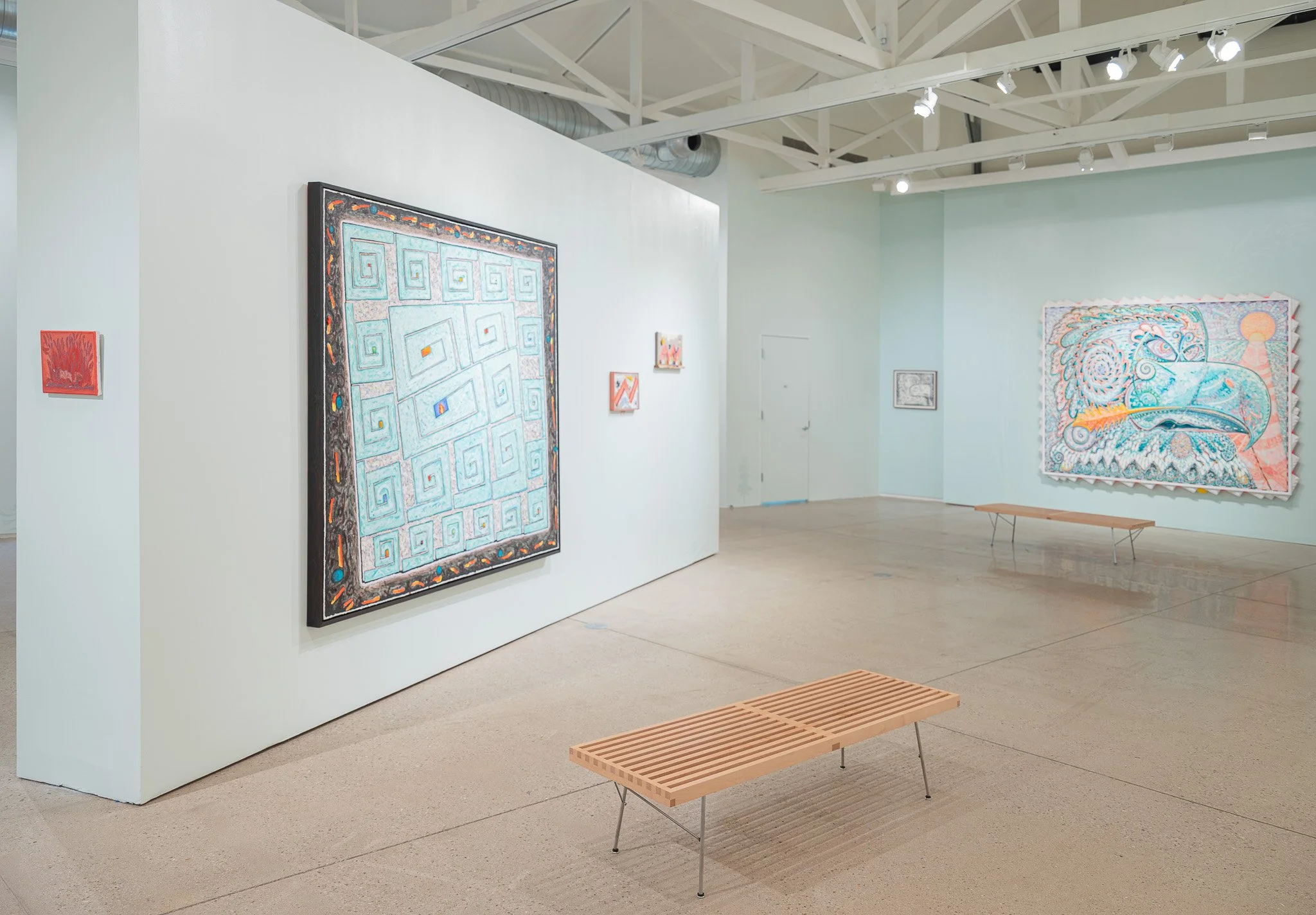
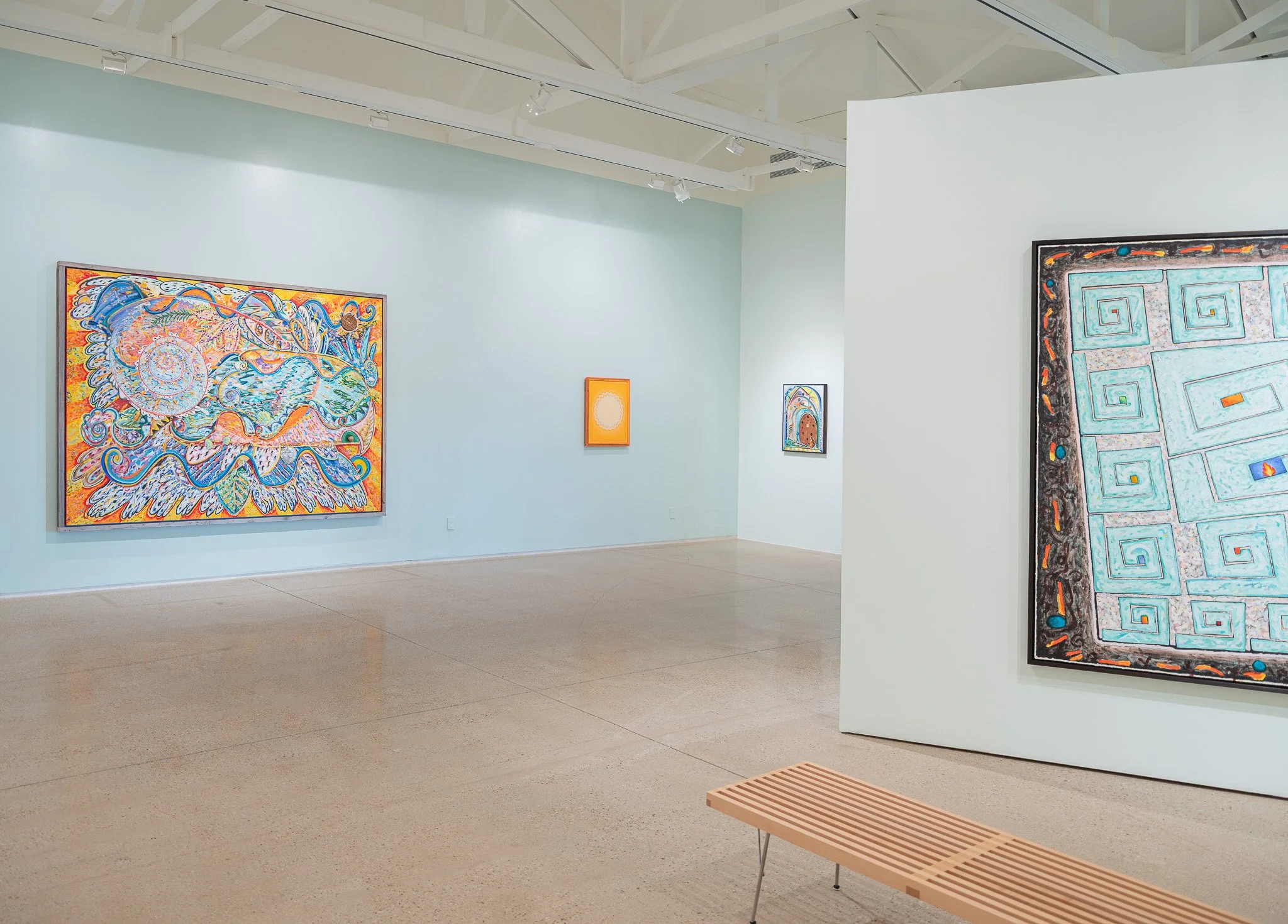
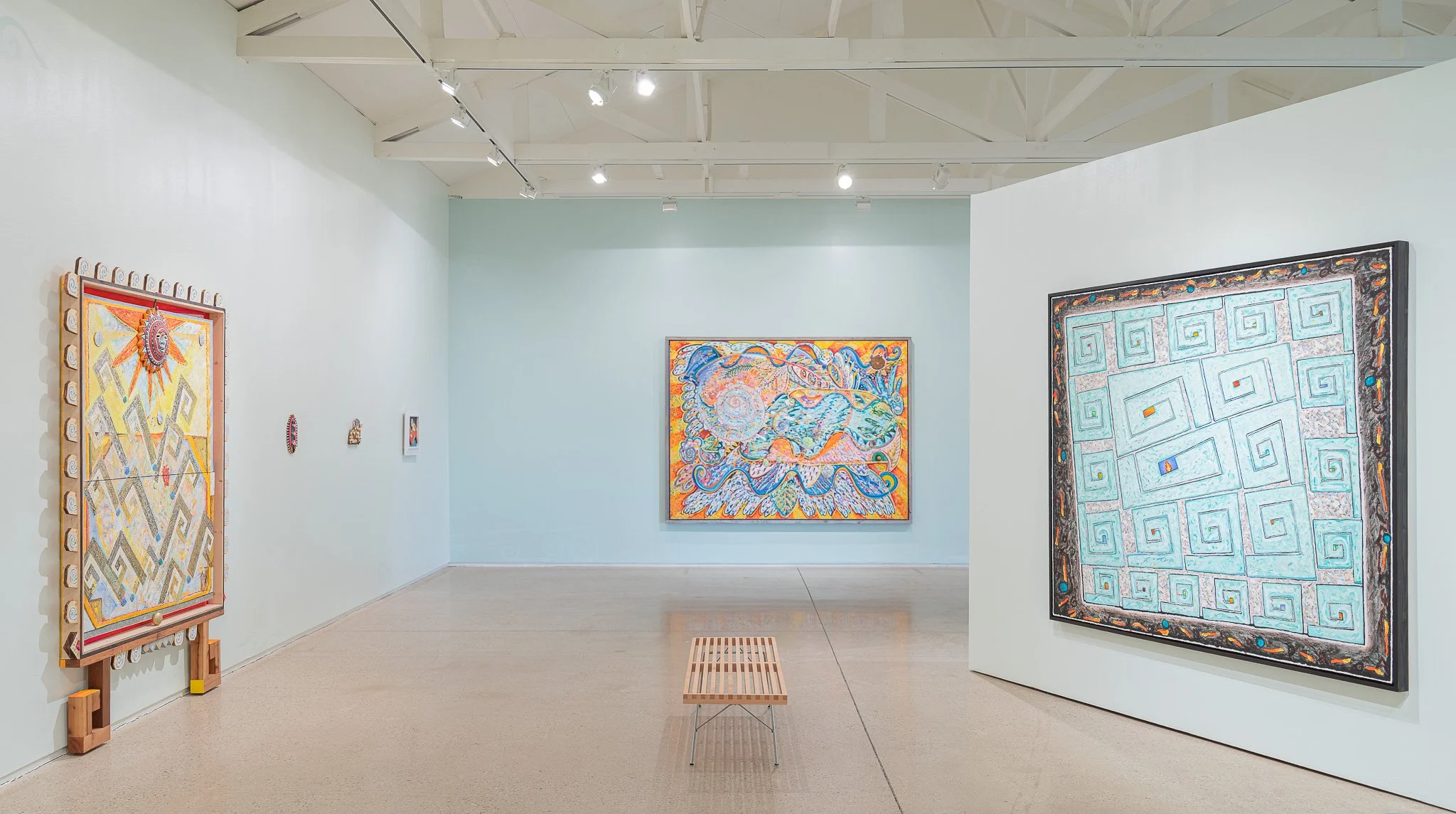
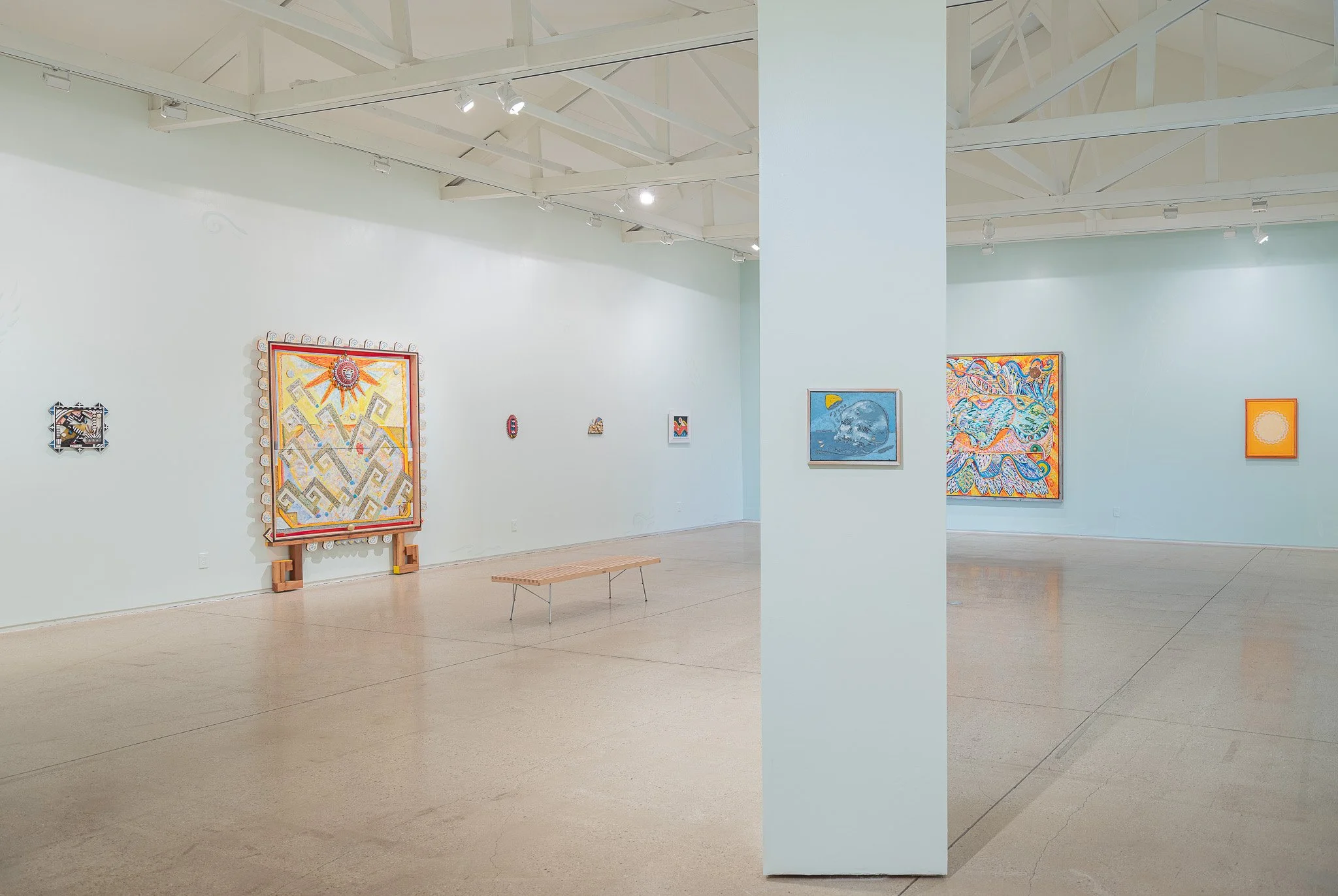
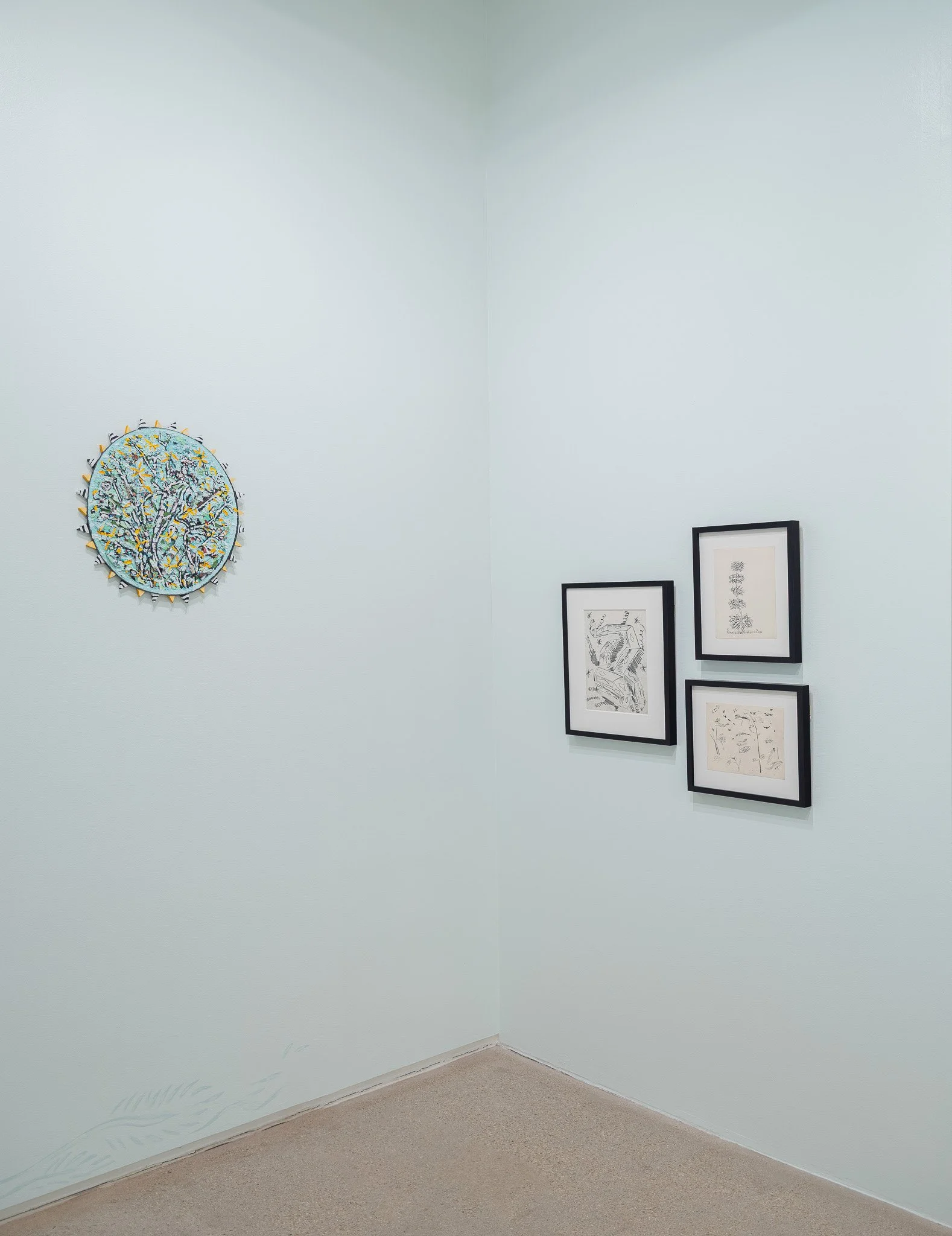
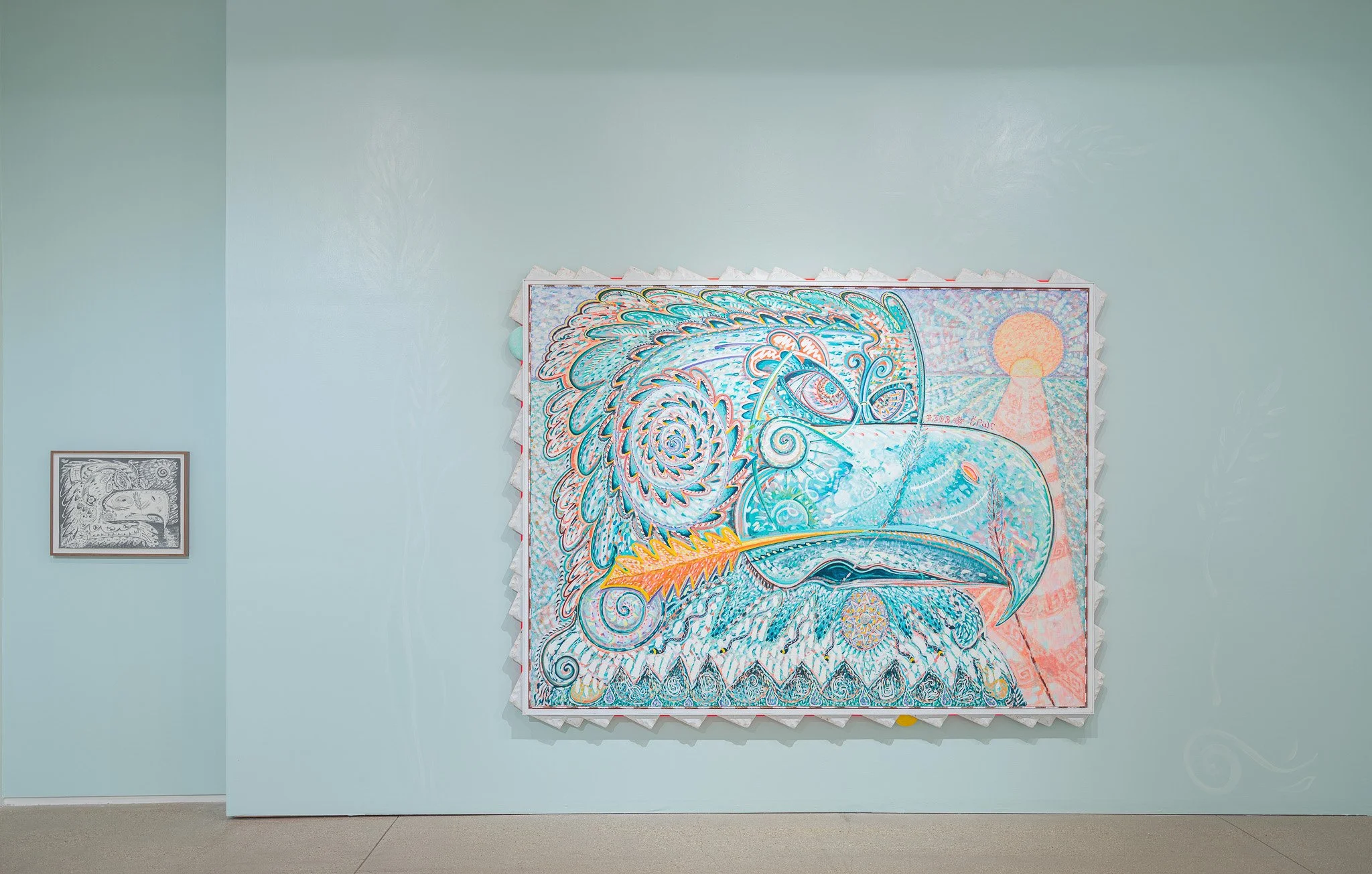
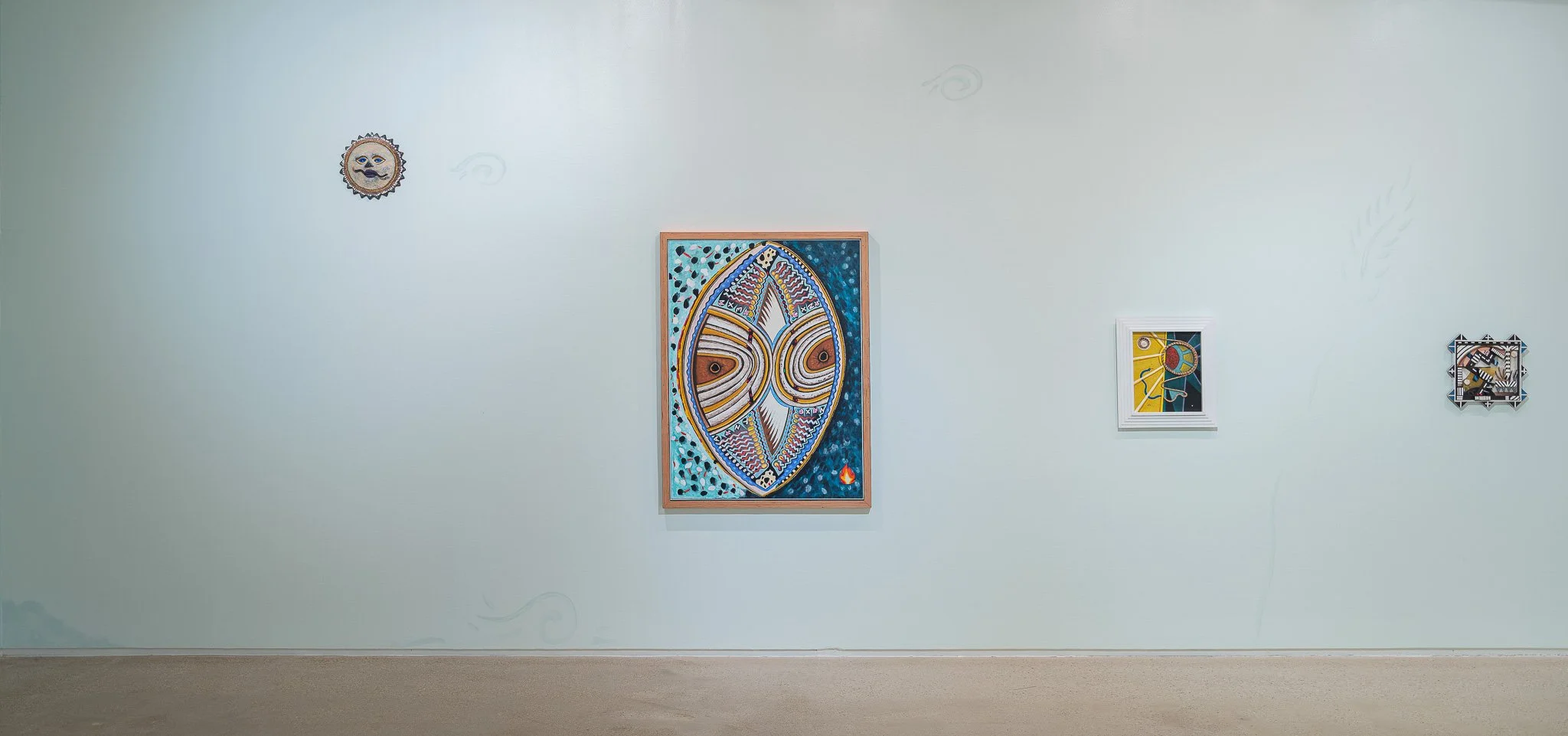
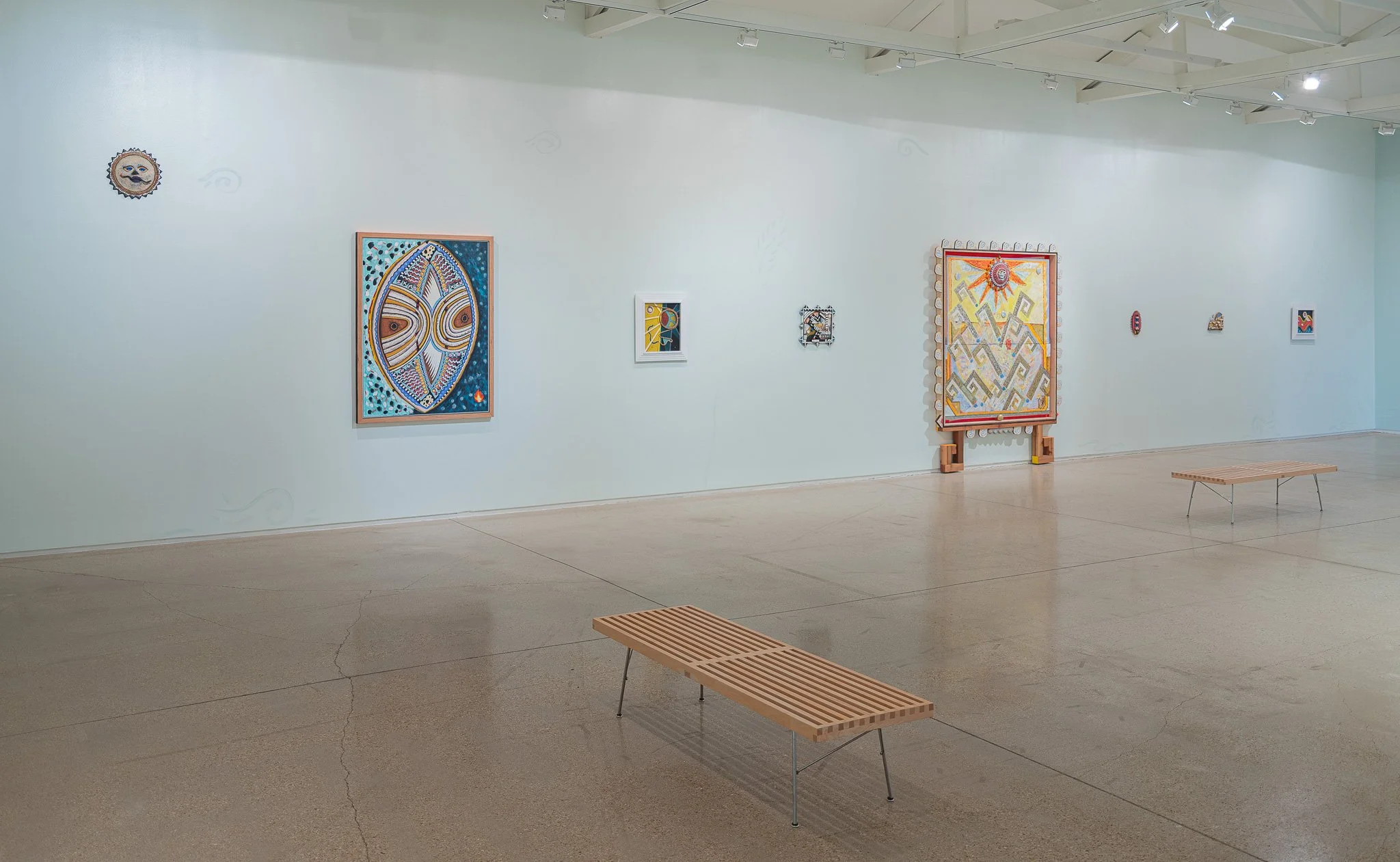
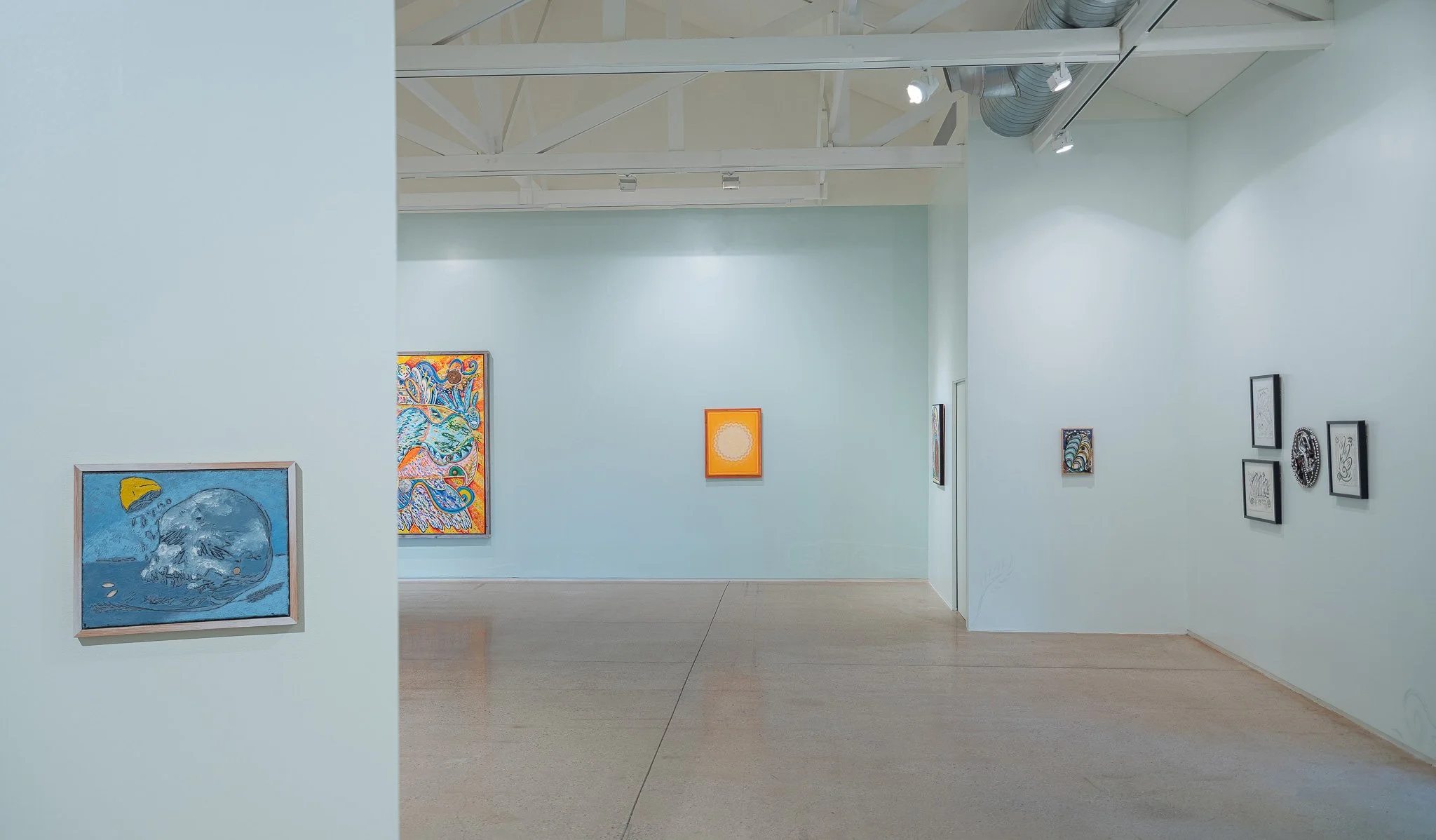
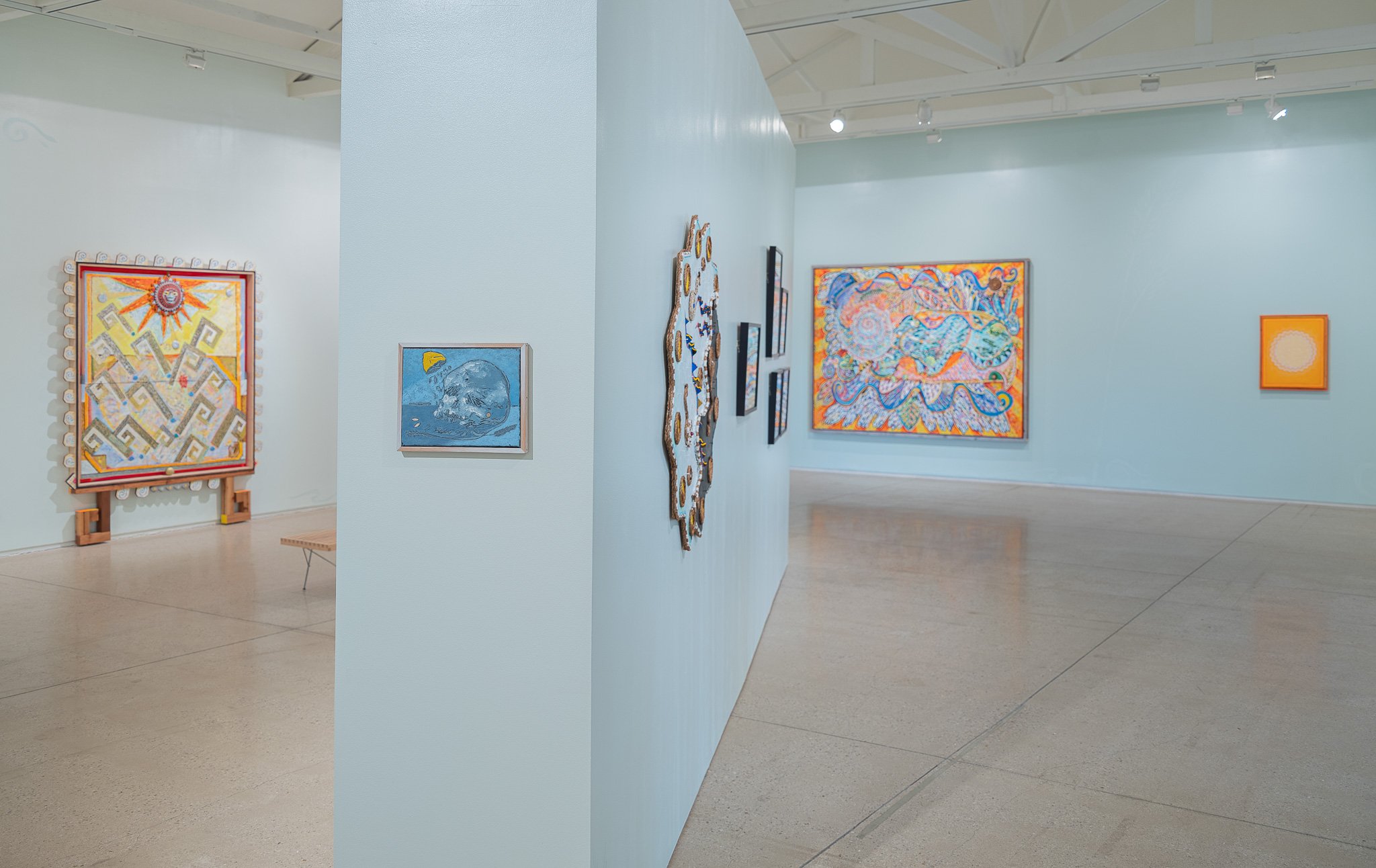
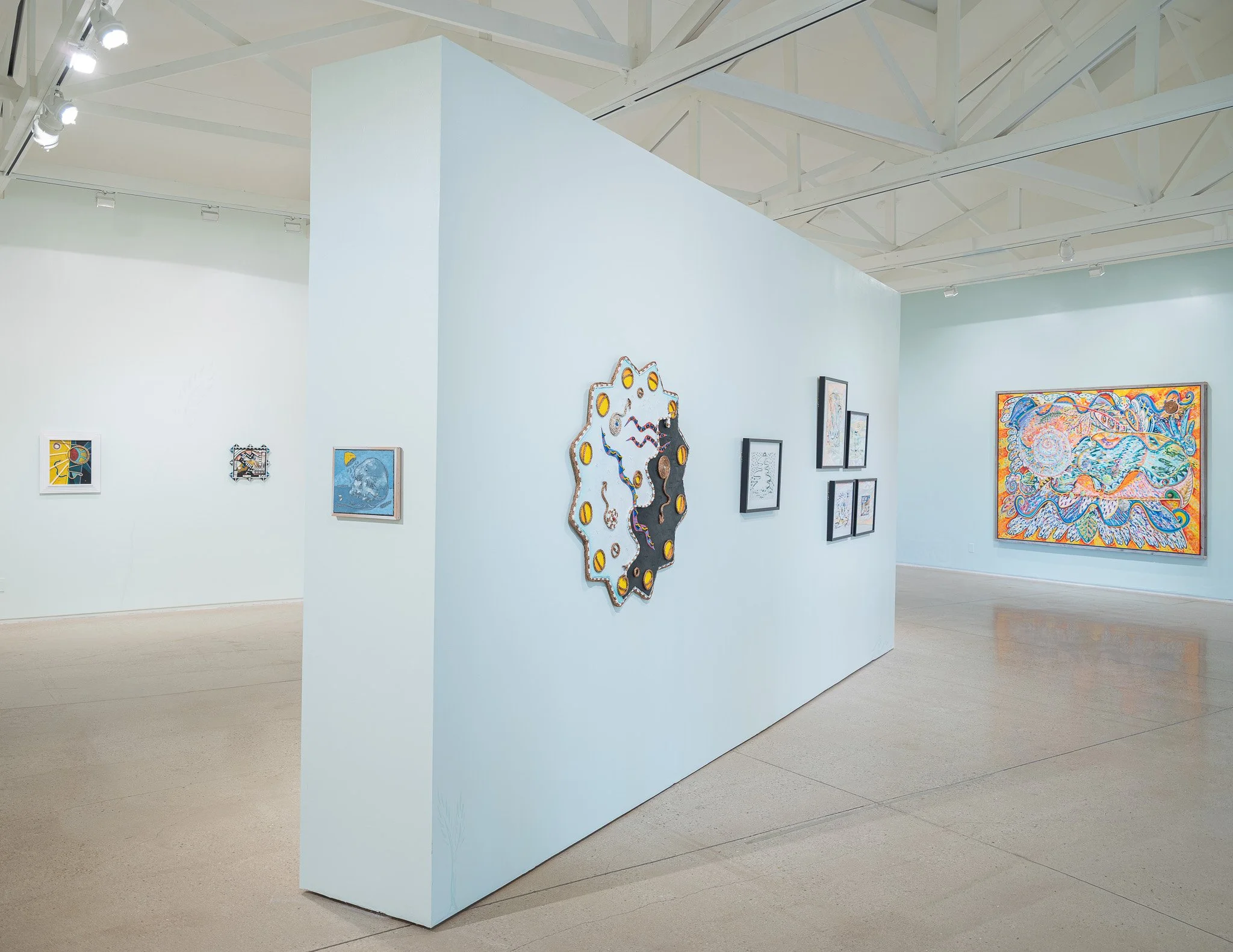
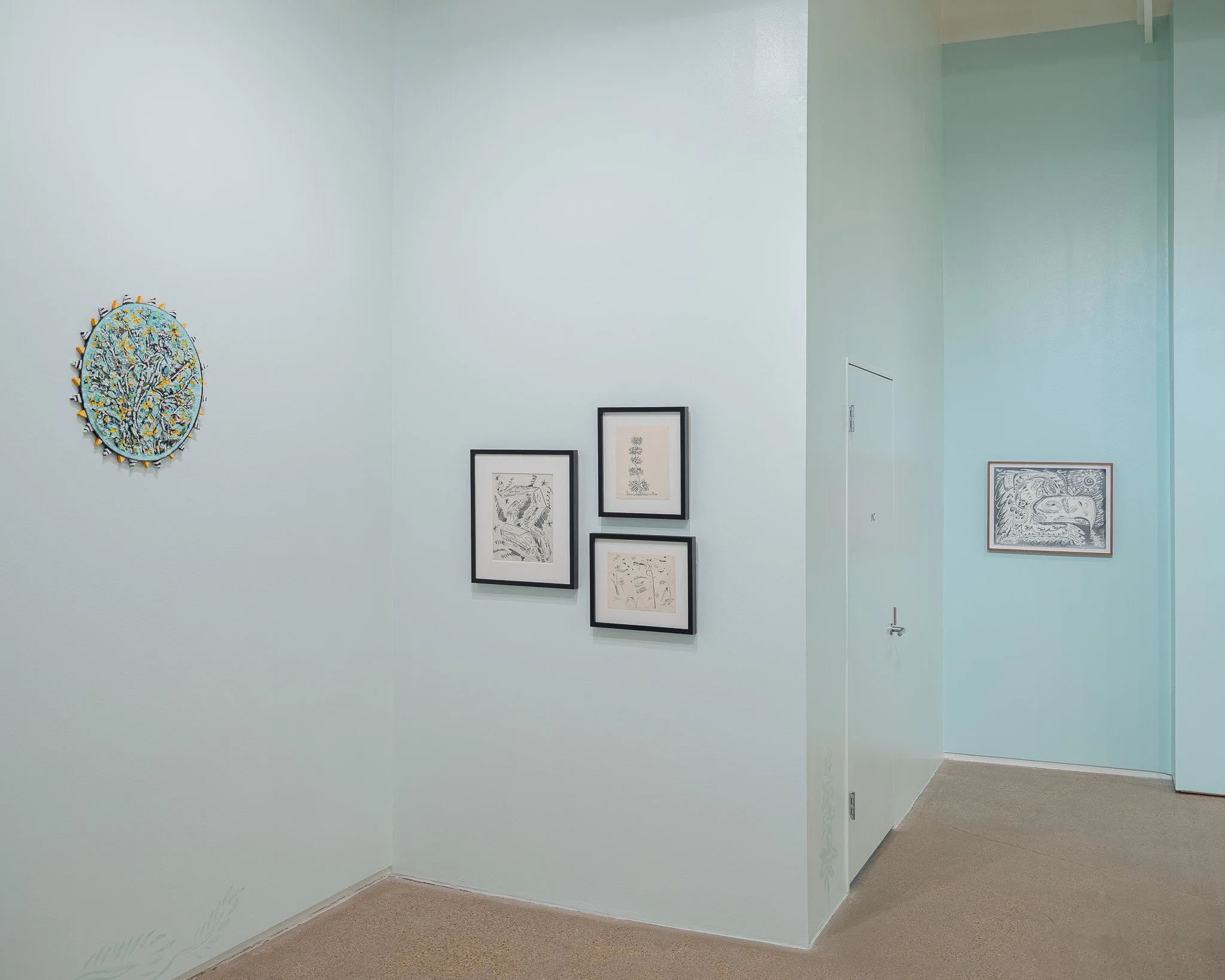
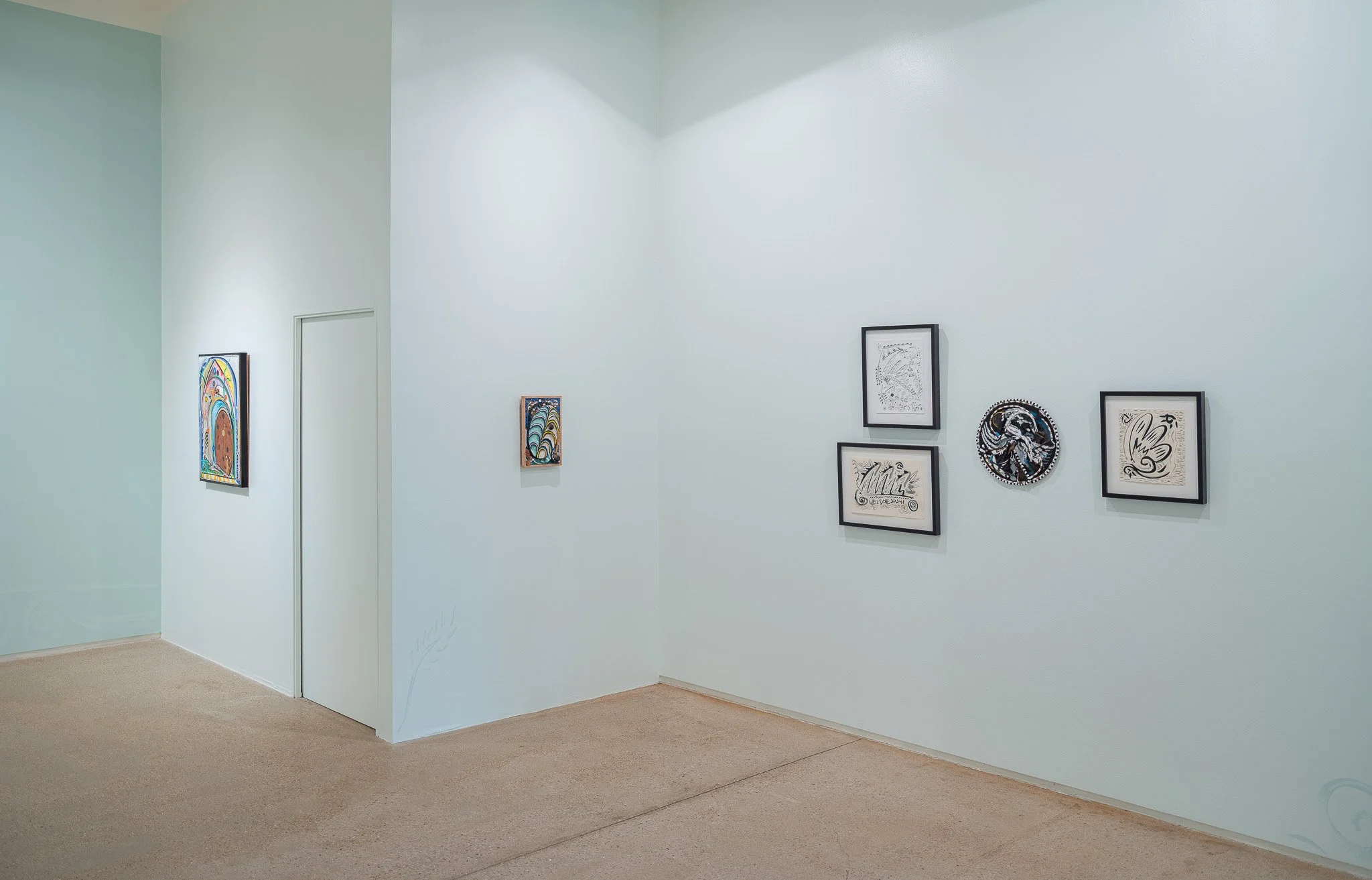
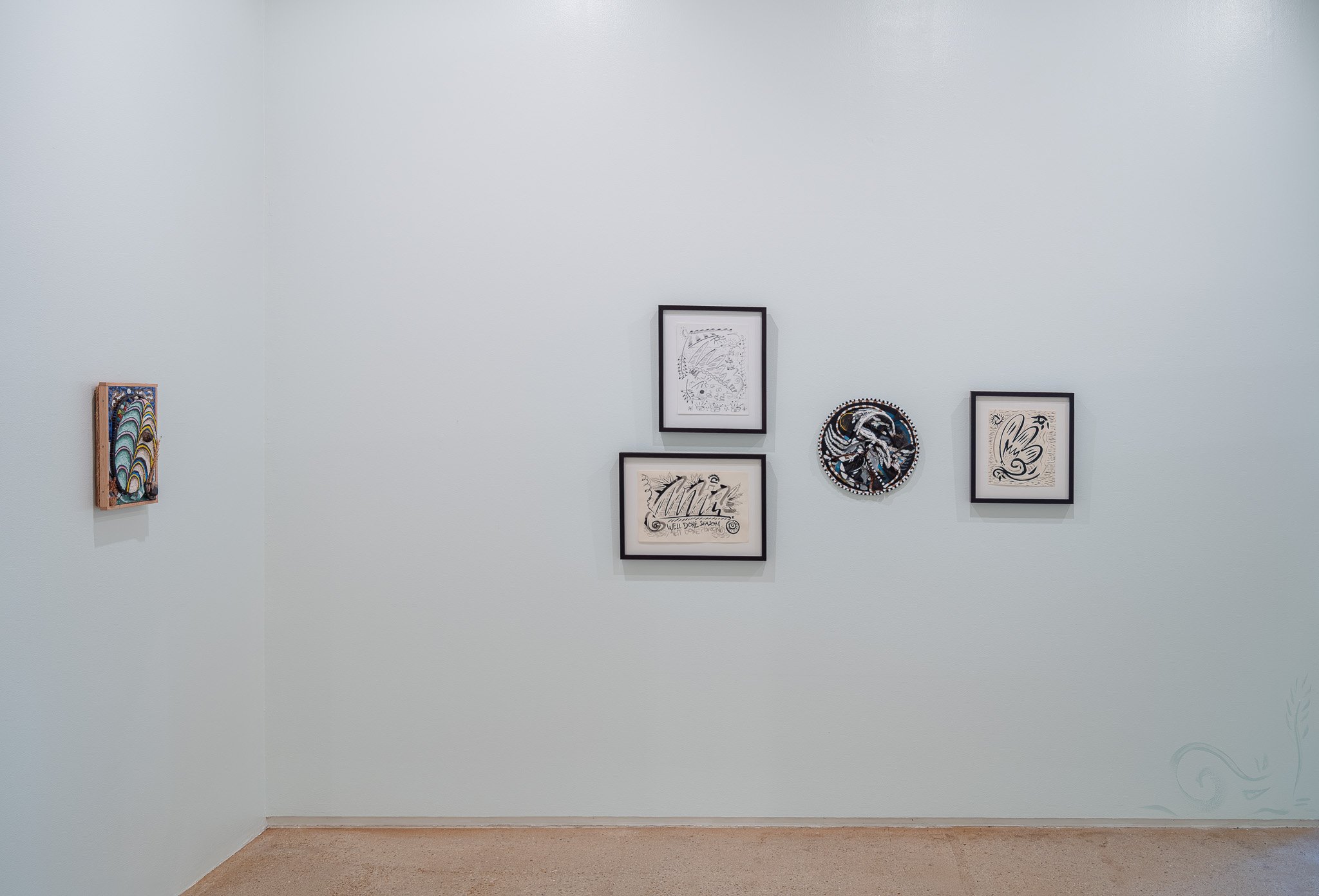
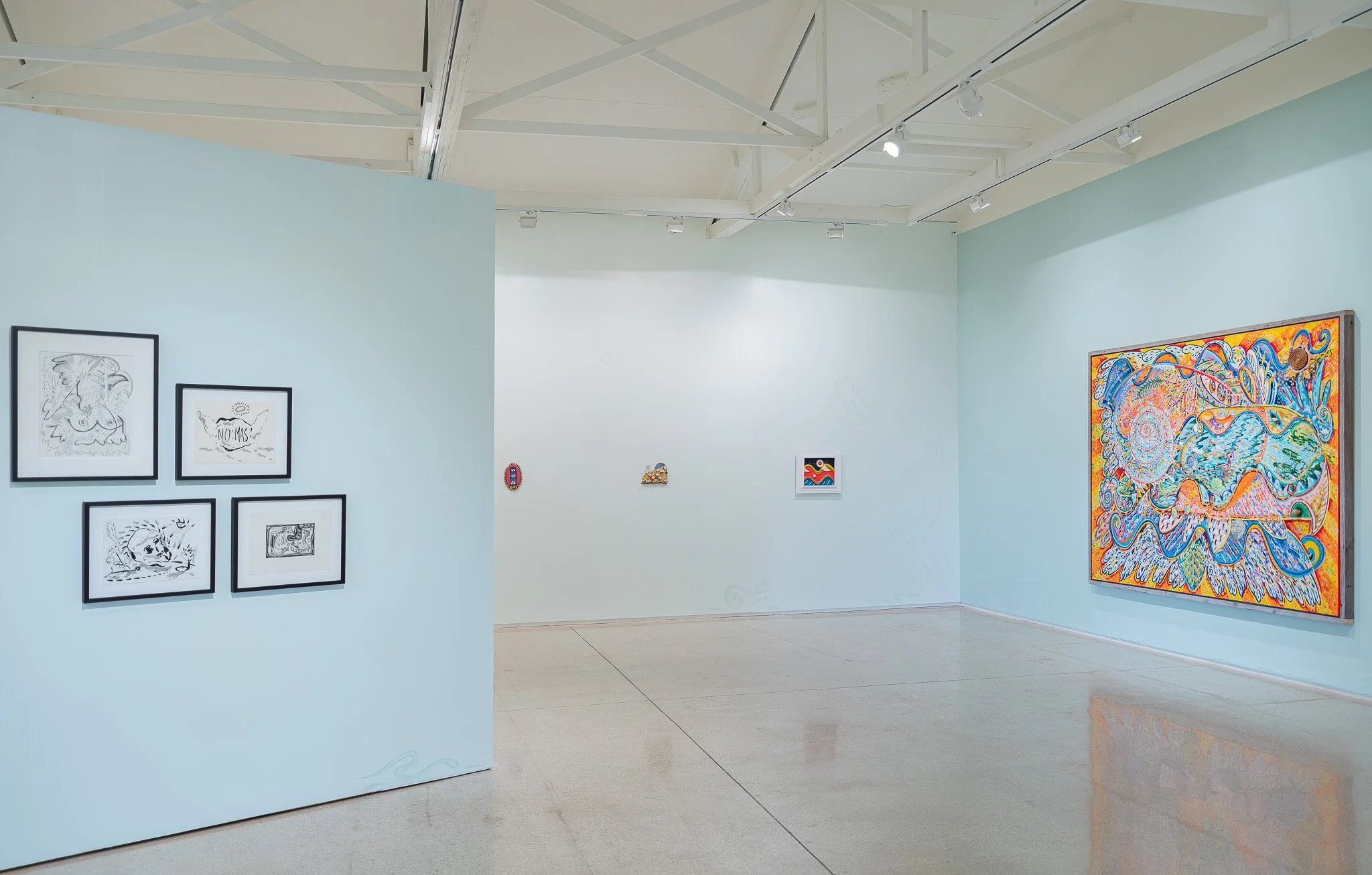
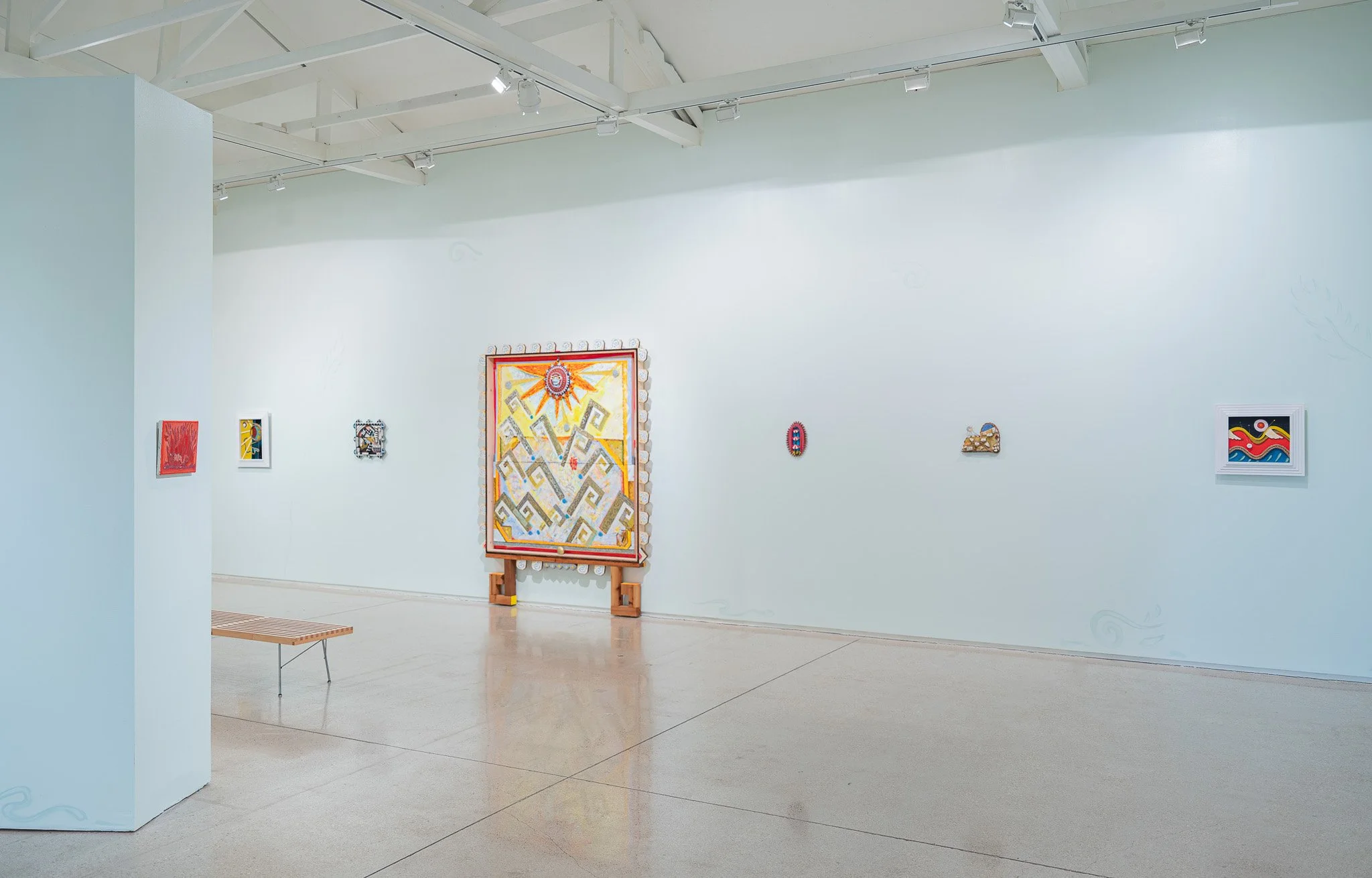
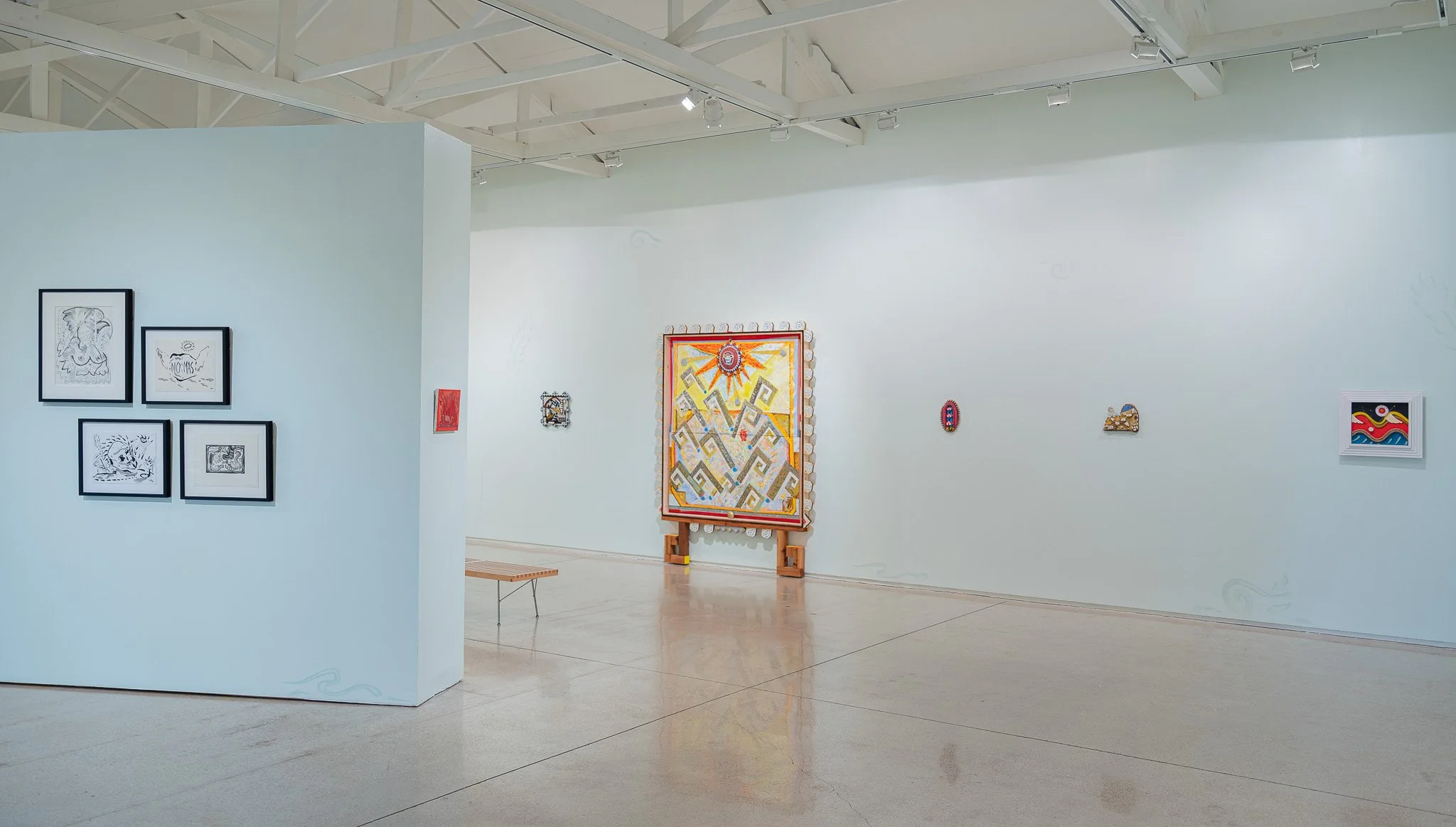
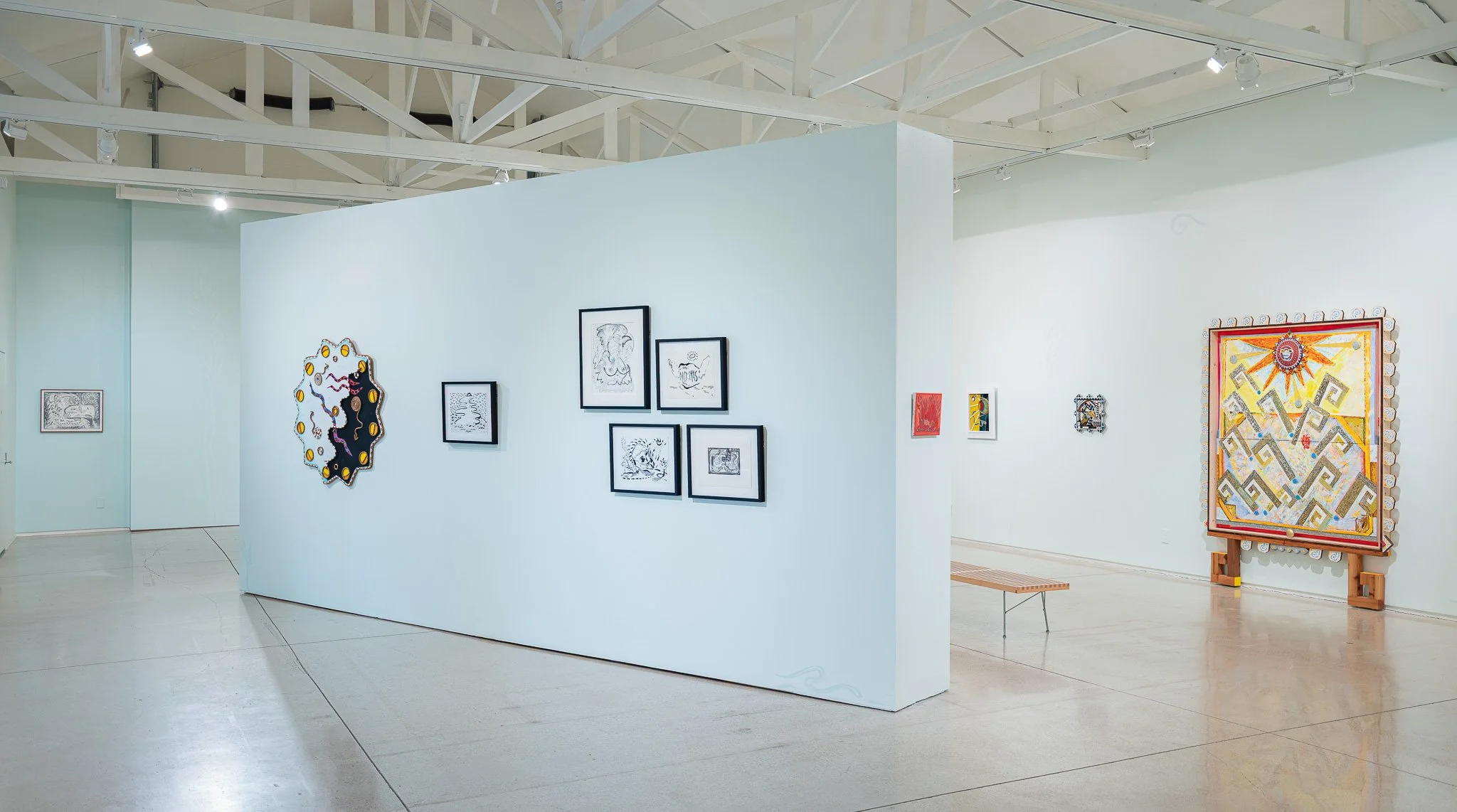
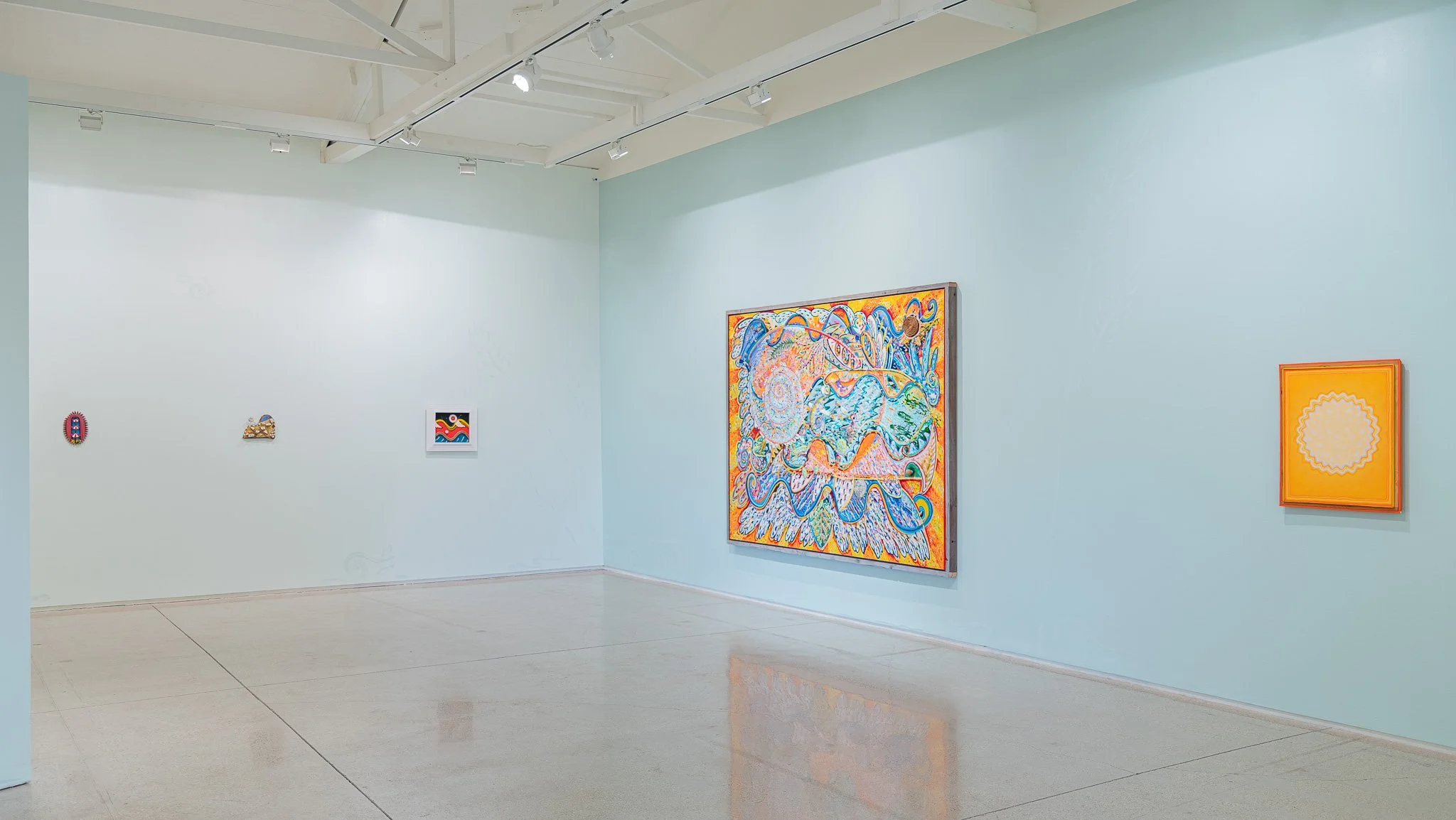
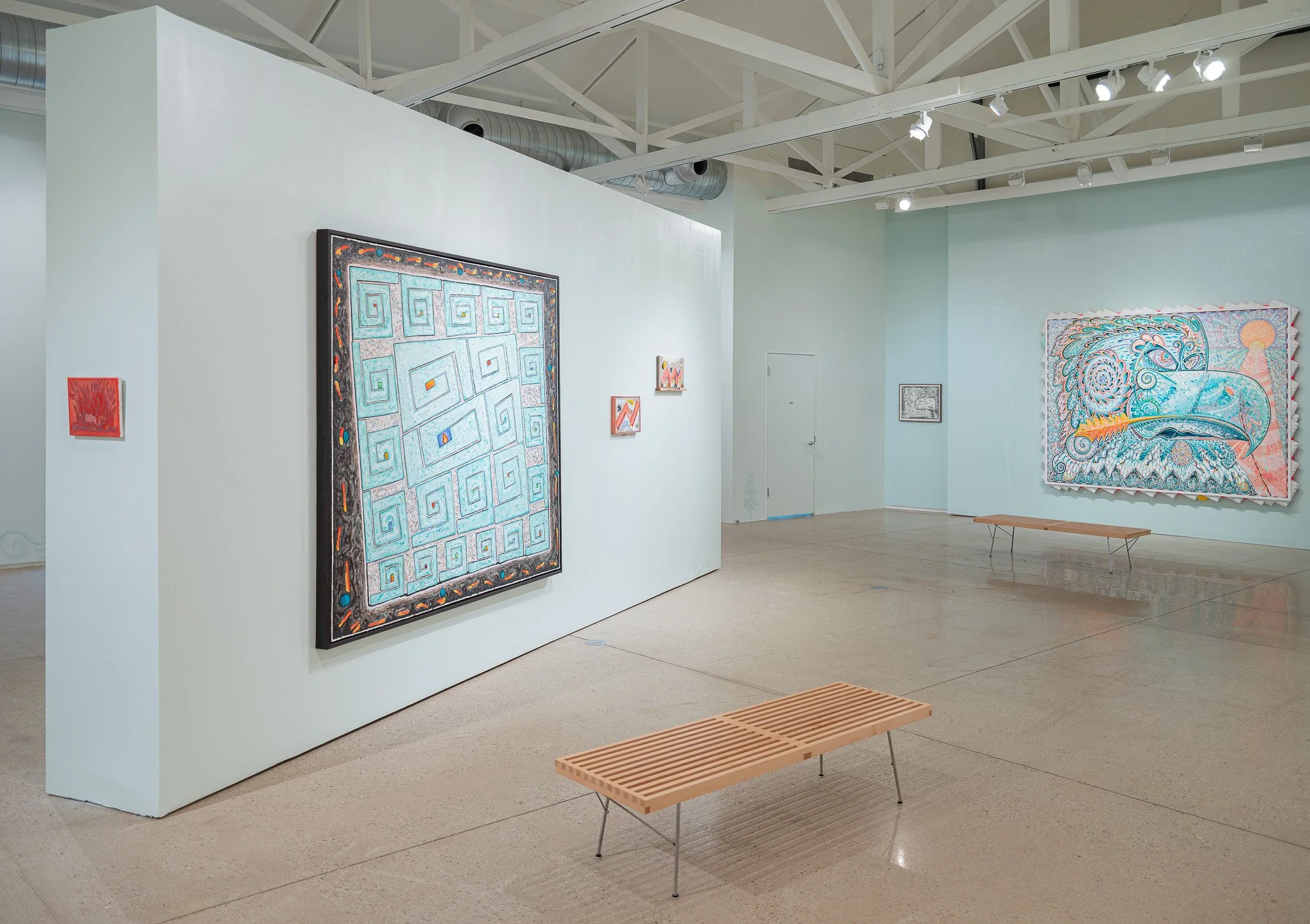
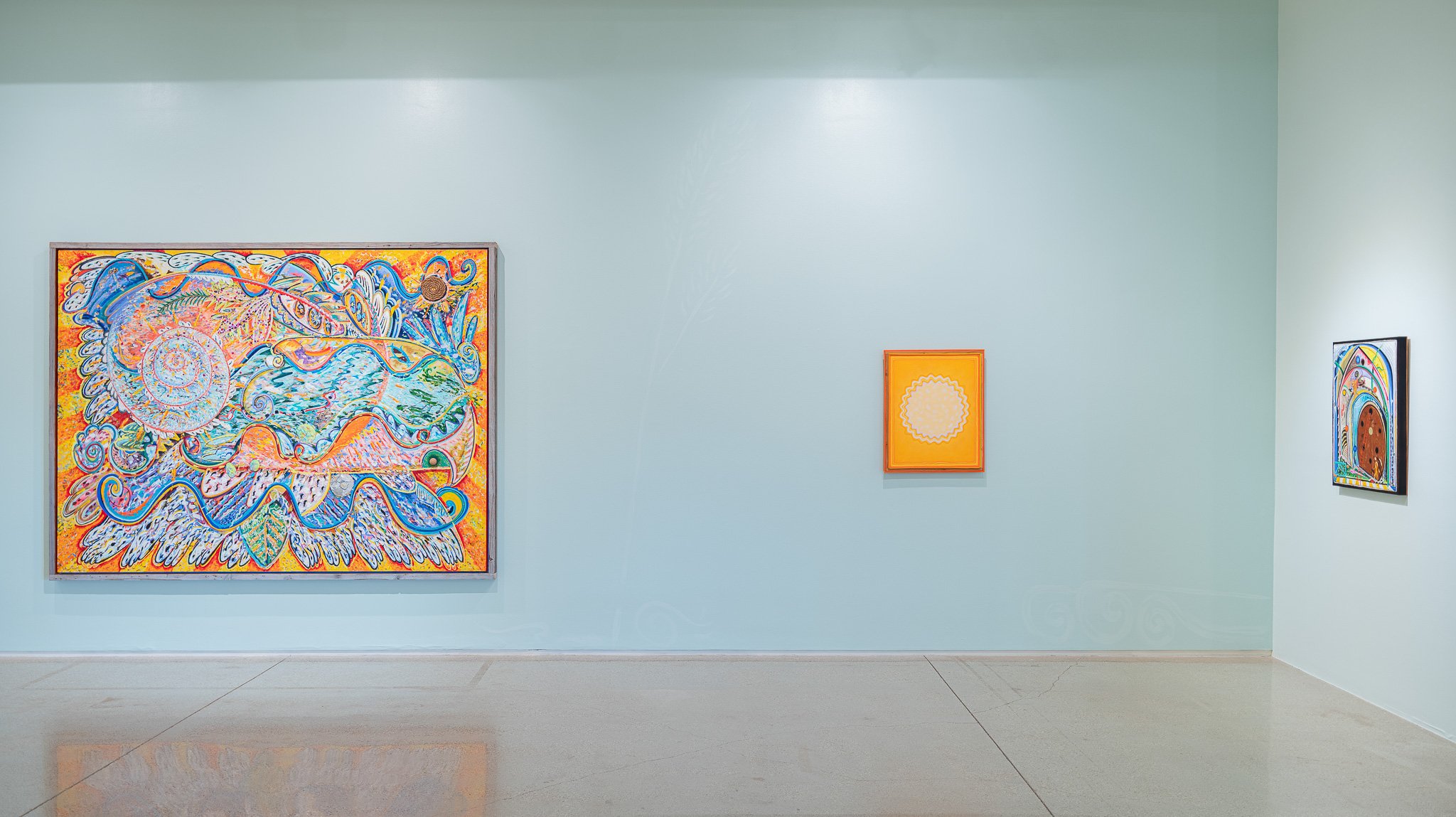
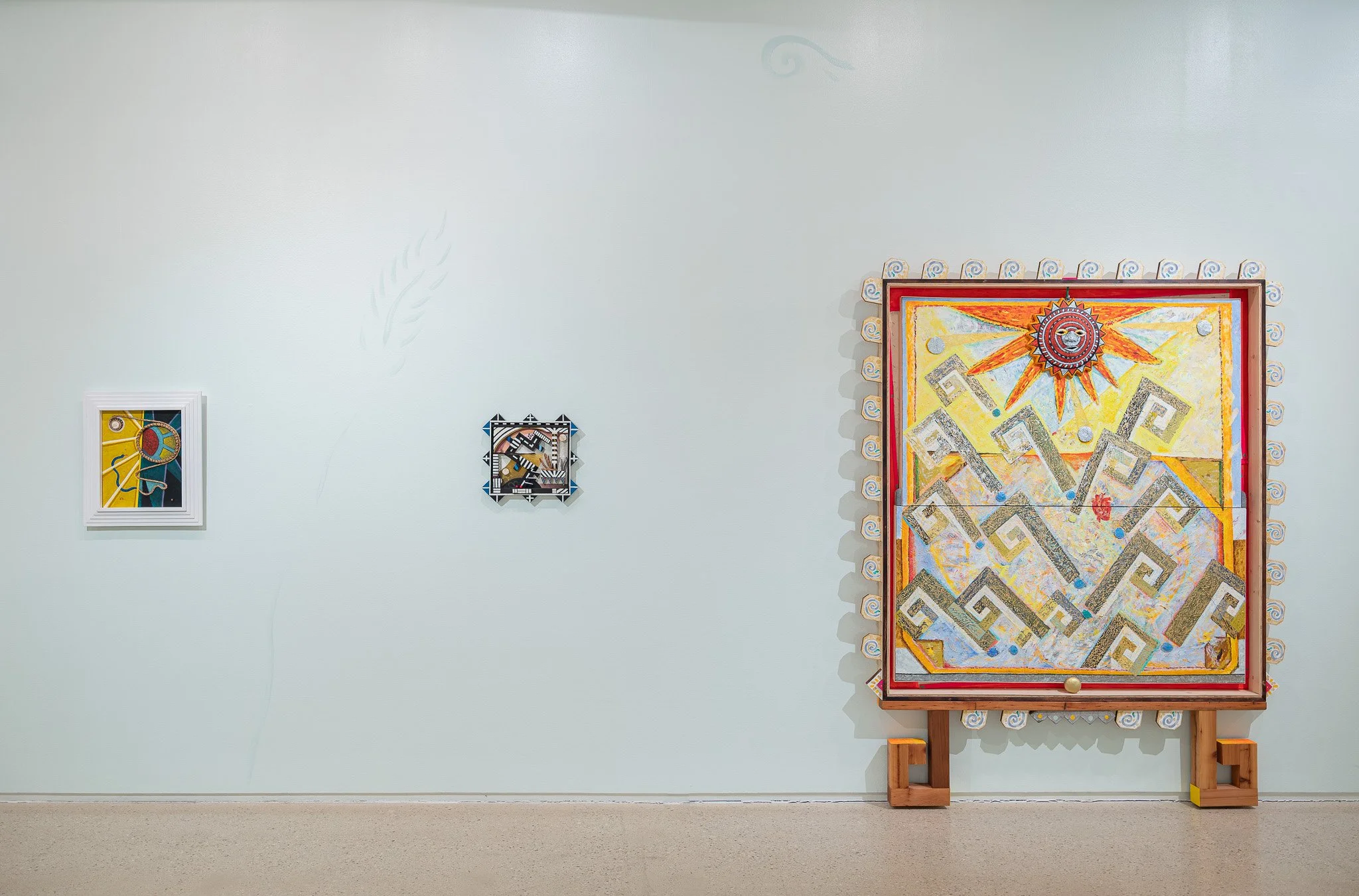
Ruby City presents Open This Wall, a year-long solo exhibition by Texas artist Daniel Rios Rodriguez, on view at Studio in Chris Park from October 25, 2025, through October 4, 2026. Bringing together twelve years of paintings, drawings, prints, and sculptures, Open This Wall traces a defining period in Rodriguez’s career—from his return to San Antonio in 2013 after years in New York City to his 2025 appointment as Assistant Professor of Painting at the Meadows School of Art at Southern Methodist University. The exhibition’s title, borrowed from one of the artist’s paintings inspired by a dream, speaks to his openness to transformation—both creative and personal. Installed within Ruby City’s 2,200-square-foot Studio, the exhibition explores themes central to Rodriguez’s practice—portraits, dreams, and reflections on everyday life—and includes a site-specific wall drawing, the artist’s first, which wraps around the entire gallery, creating an immersive and contemplative experience.
Known primarily as a painter, Rodriguez blends abstraction and representation with found materials, producing symbolic, emotive images that balance specificity with openness to interpretation. His compositions capture the rhythm of lived experience—a run at dusk, the heat of a Texas summer, quiet time with loved ones—alongside surreal dreamscapes dense with metaphor and emotion. Everyday encounters along the San Antonio River, its flora and fauna, and the artist’s inner life intertwine to form works that are deeply personal yet universally resonant. His Mexican-American heritage also plays a defining role, reflected through the use of pre-Columbian glyphs and iconography, traditional Mexican crafts, and Spanish-language titles that root his work in a broader cultural lineage.
Throughout this twelve-year period, Rodriguez refined his painting style, developed a distinct visual vocabulary, and expanded his practice to include drawing, printmaking, ceramics, and mixed media. Found materials gathered during walks through his neighborhood often form the basis of the handcrafted frames that surround his paintings, allowing his images to extend beyond the picture plane and giving them a votive, totemic quality. This exhibition highlights a fertile period of experimentation and growth, shaped by the artist’s time in San Antonio, where he forged a practice grounded in close observation and lived experience.
“Daniel’s work offers a poetic exploration of everyday life that is both specific and expansive,” said Elyse A. Gonzales, Director of Ruby City. “Open This Wall not only showcases the artist’s extraordinary output over more than a decade but also honors the importance of San Antonio in shaping his unique vision.”
Open This Wall reflects Rodriguez’s ongoing search for timeless, universal subjects through his singular blend of metaphor, symbolism, and material experimentation. It stands as both a celebration of his achievements and a farewell to a city that has profoundly shaped his artistic journey.
Peter Glassford
Ellis Bean
hello@ellisbean.com
956-337-5377
133 Ellis Bean
San Antonio, Texas, 78210
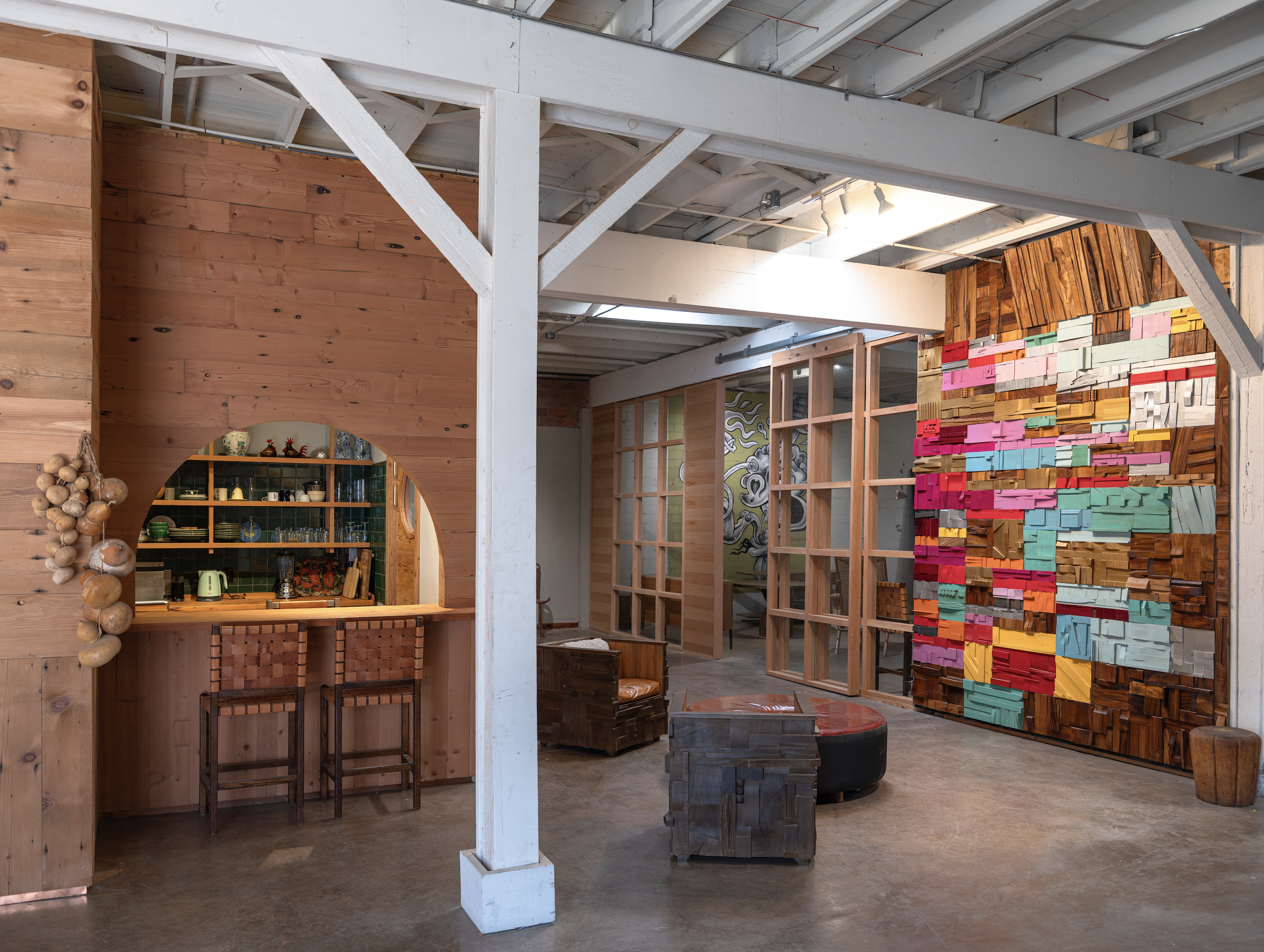
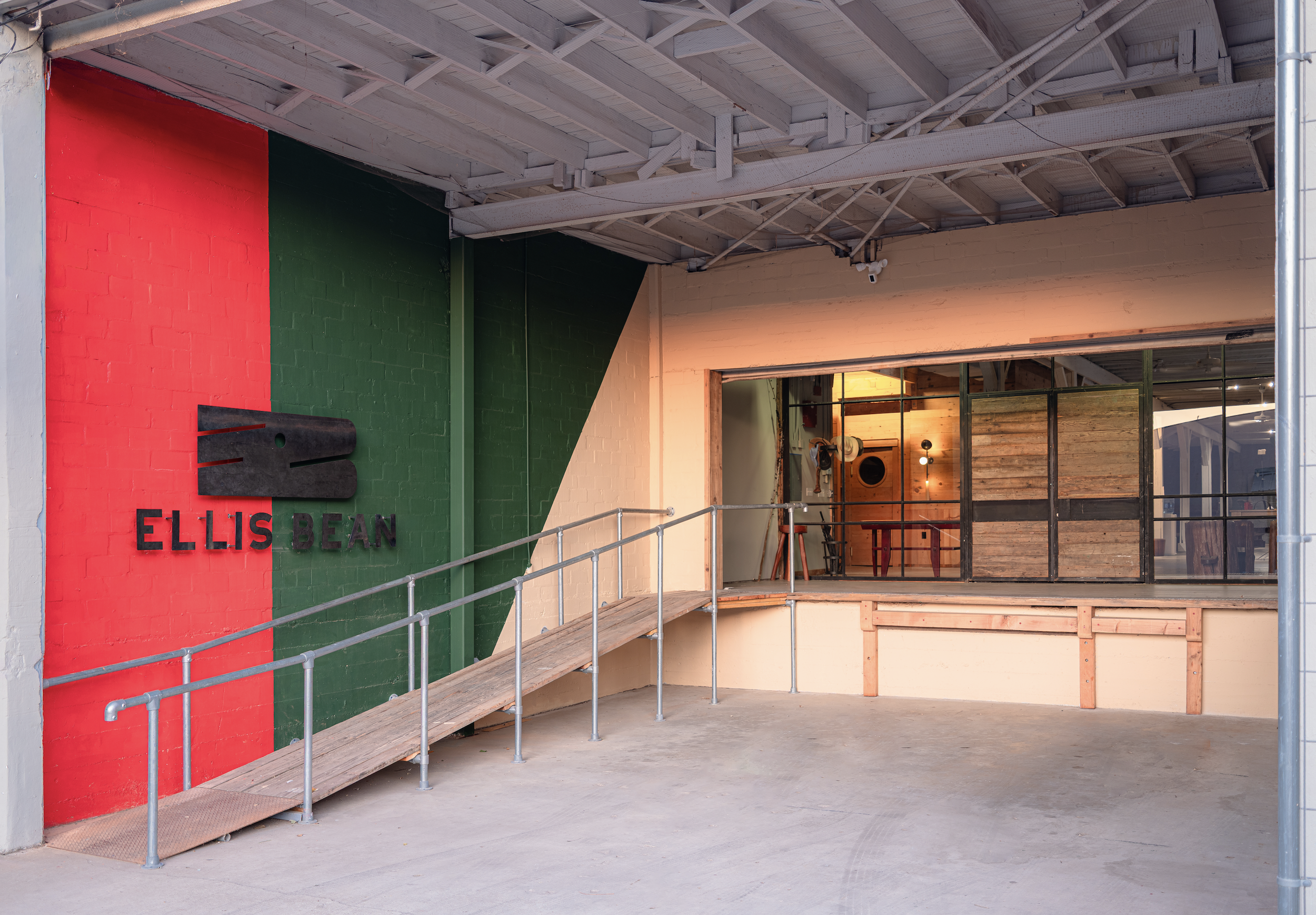
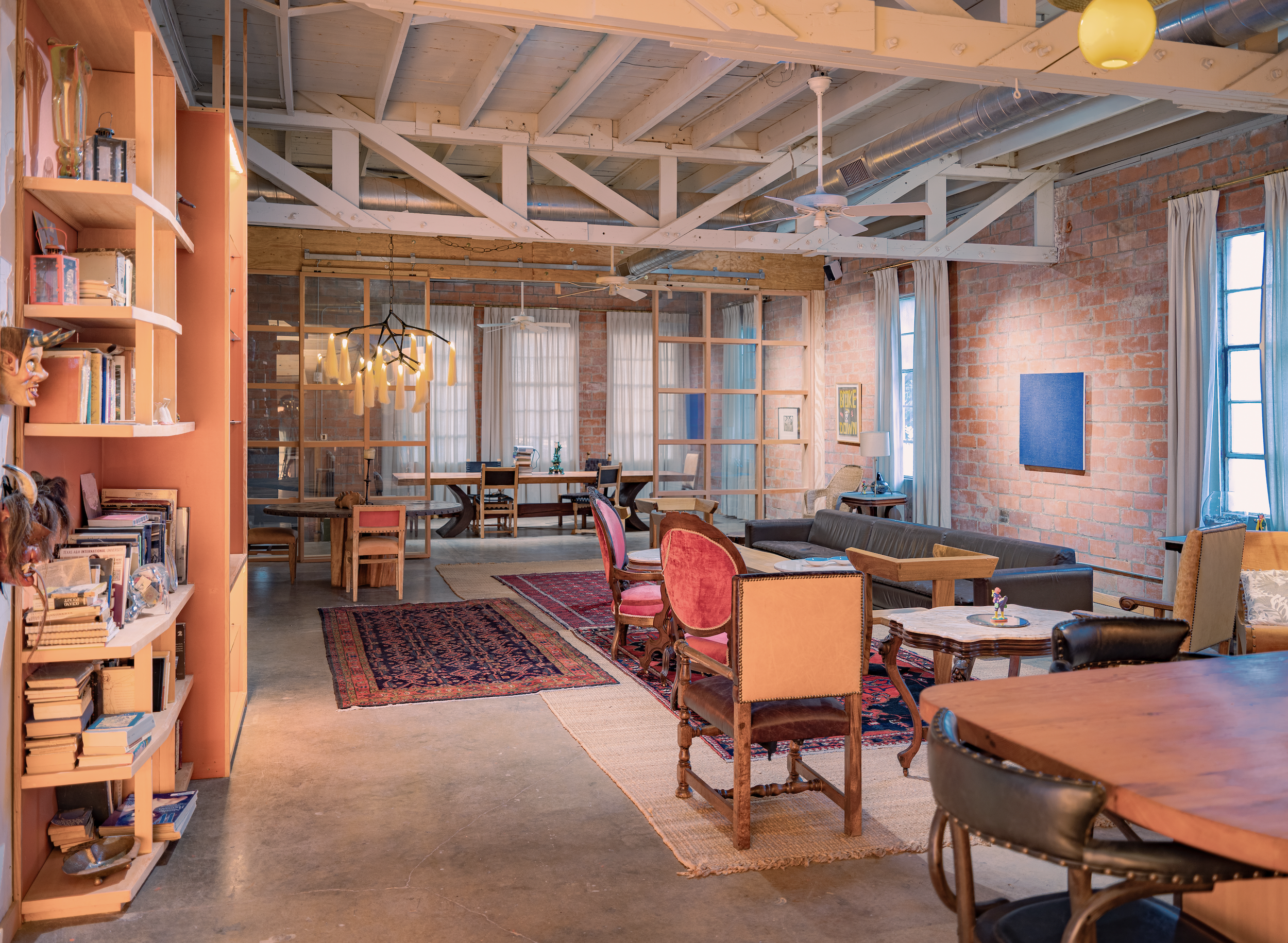
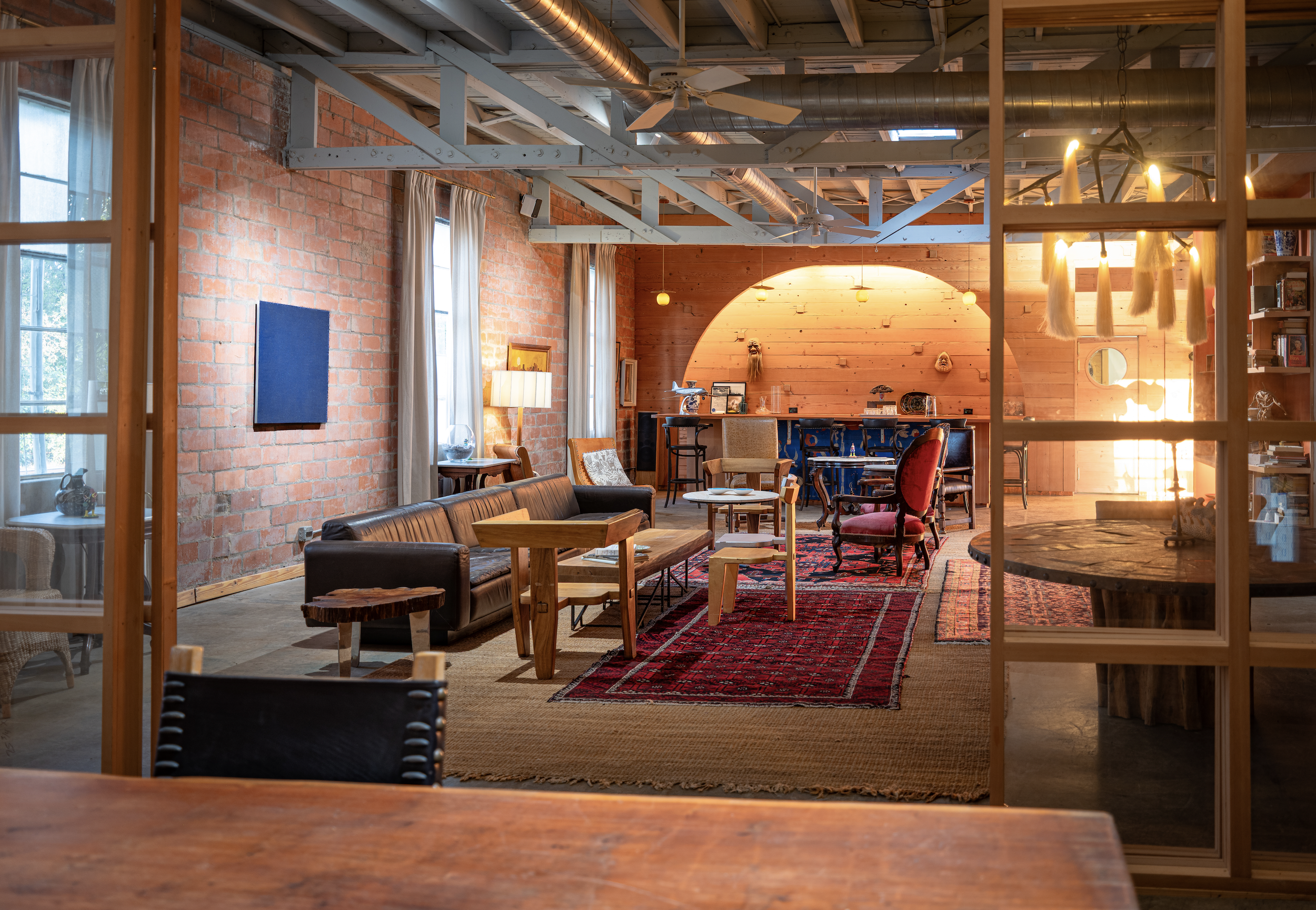
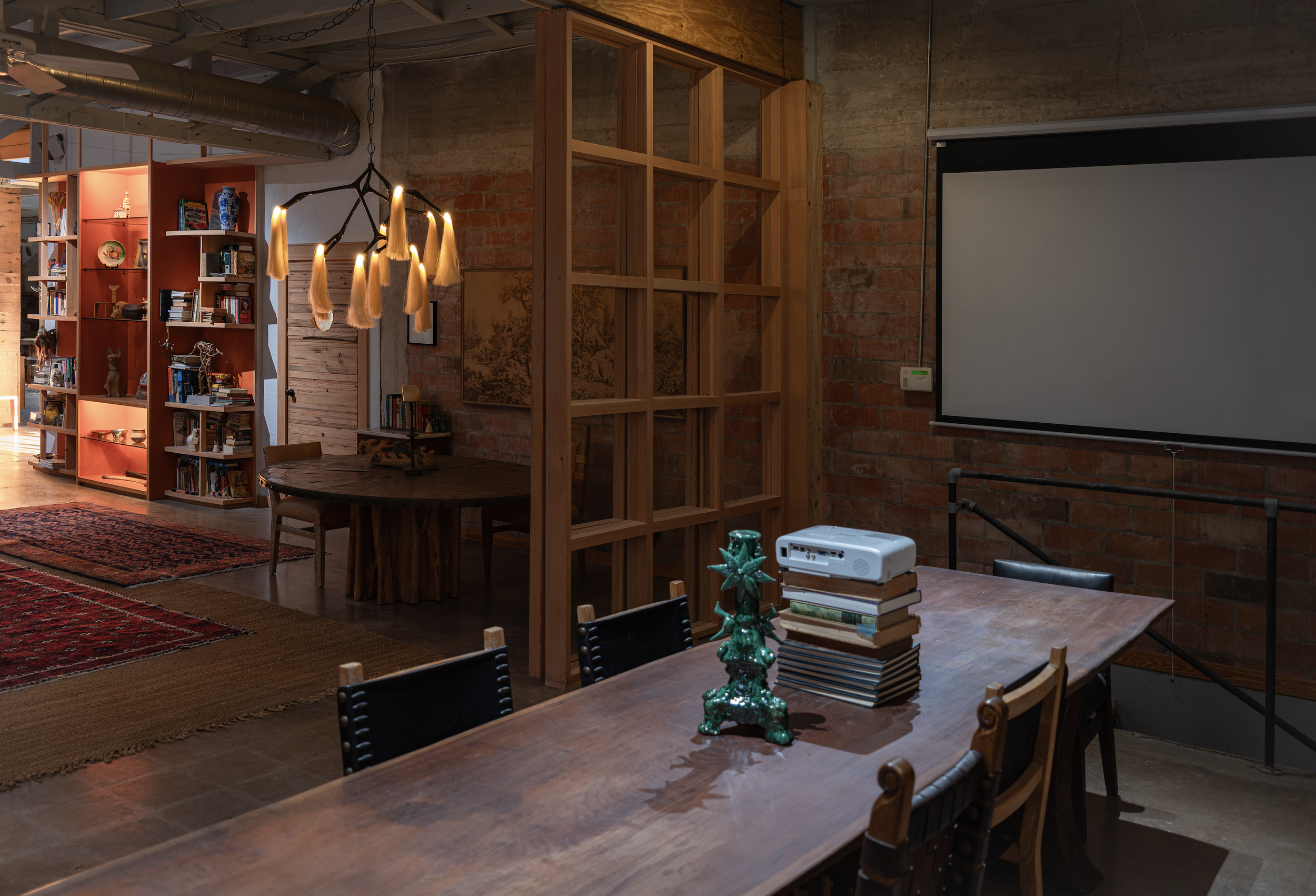
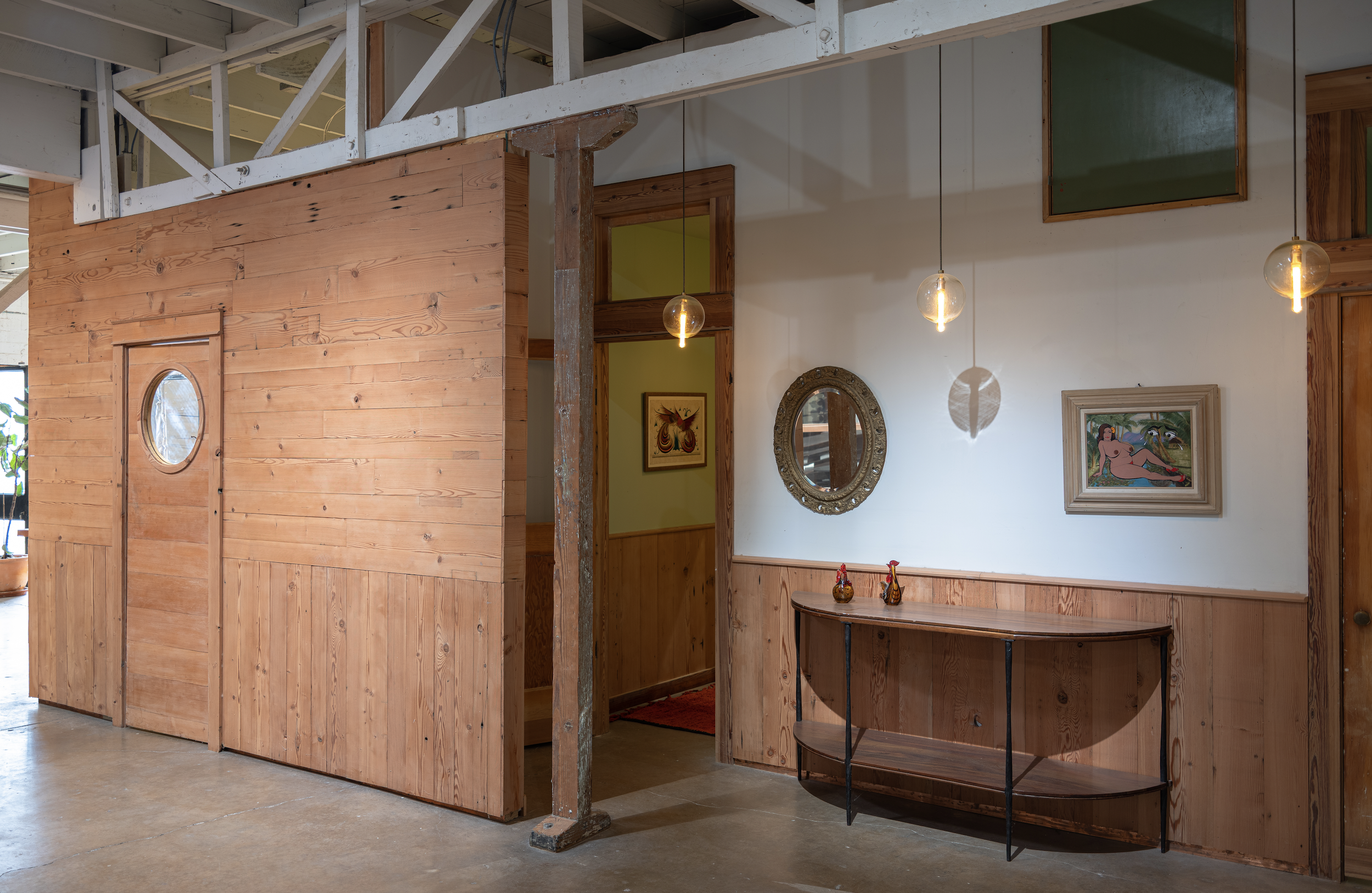
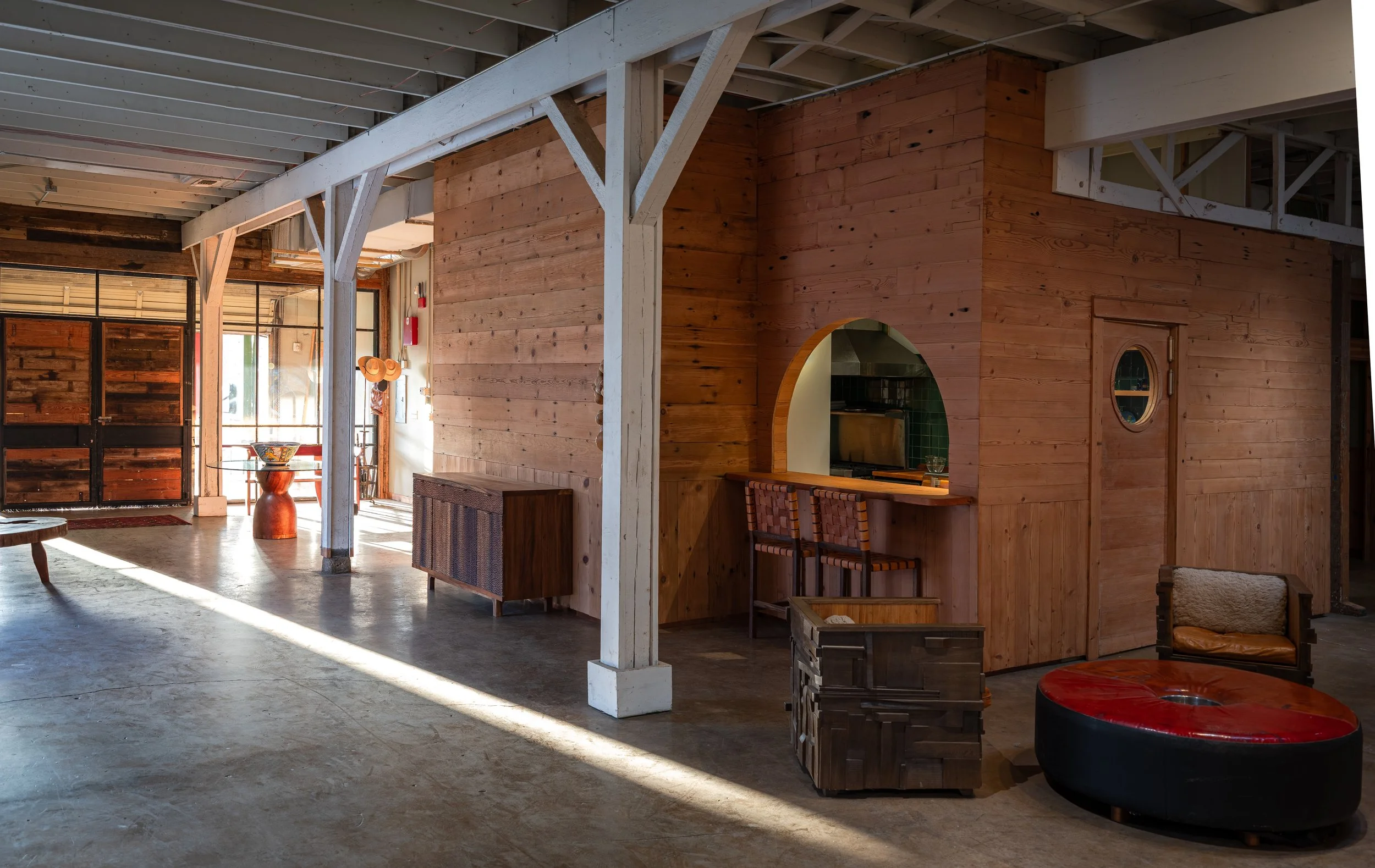
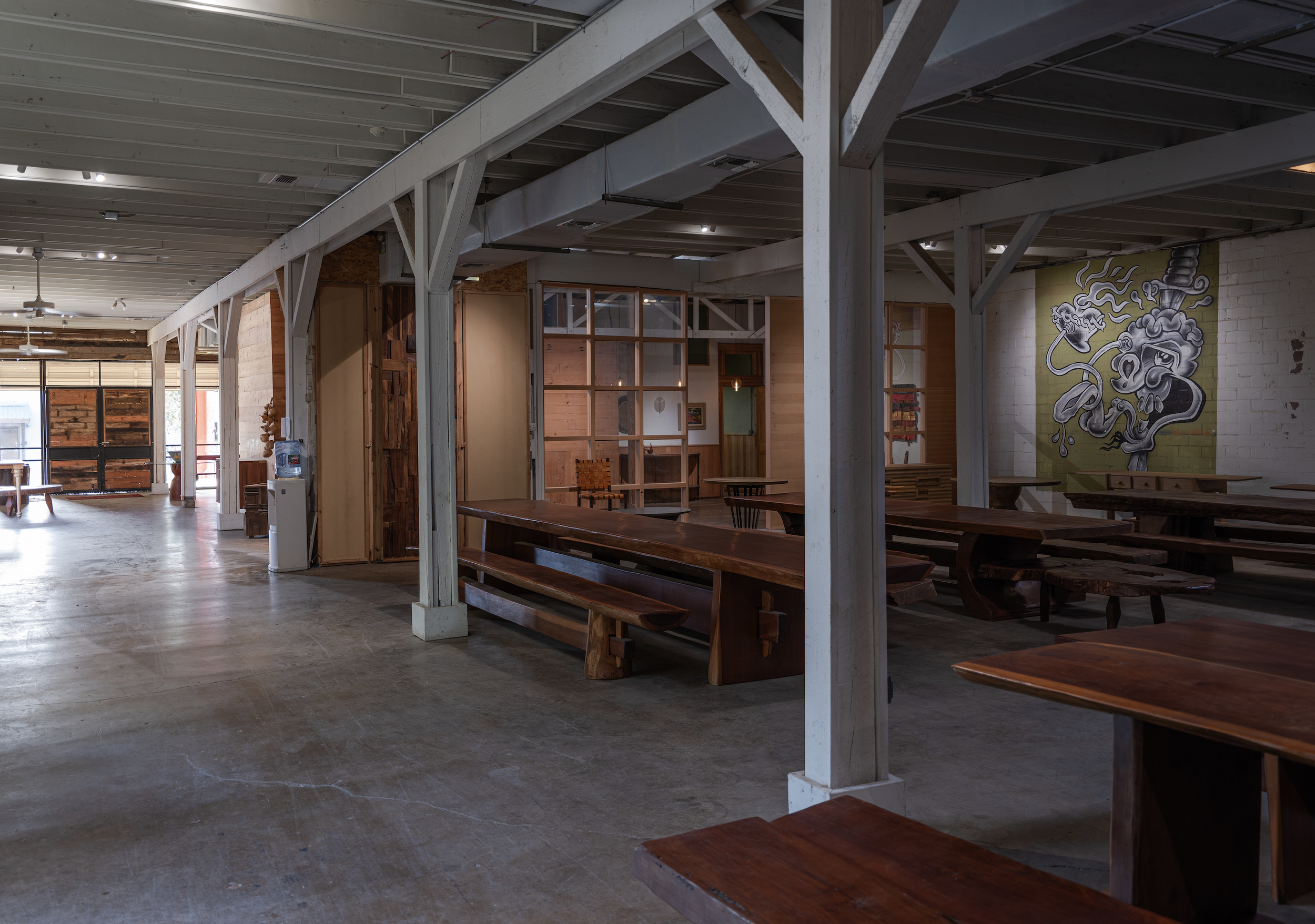
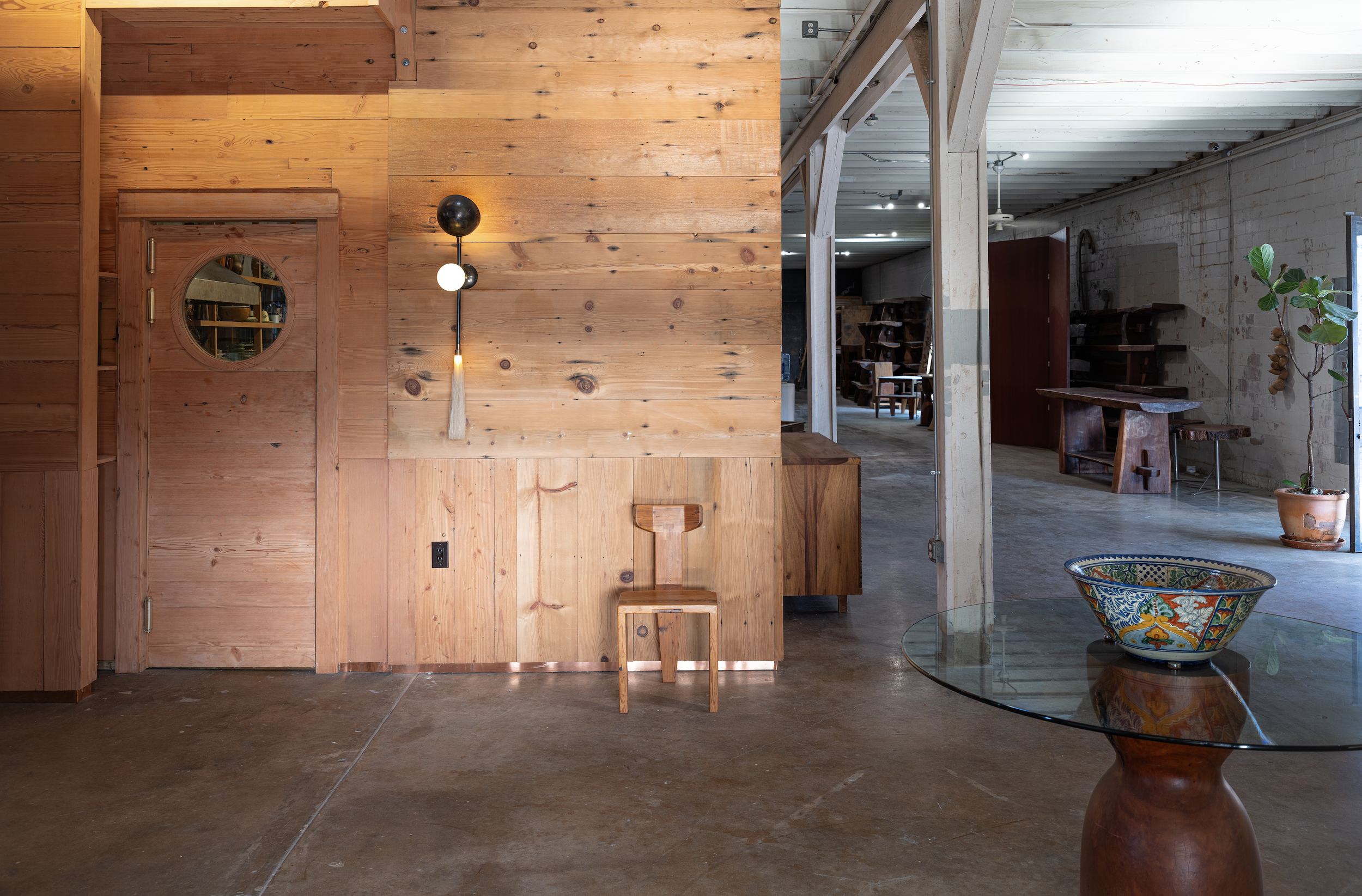
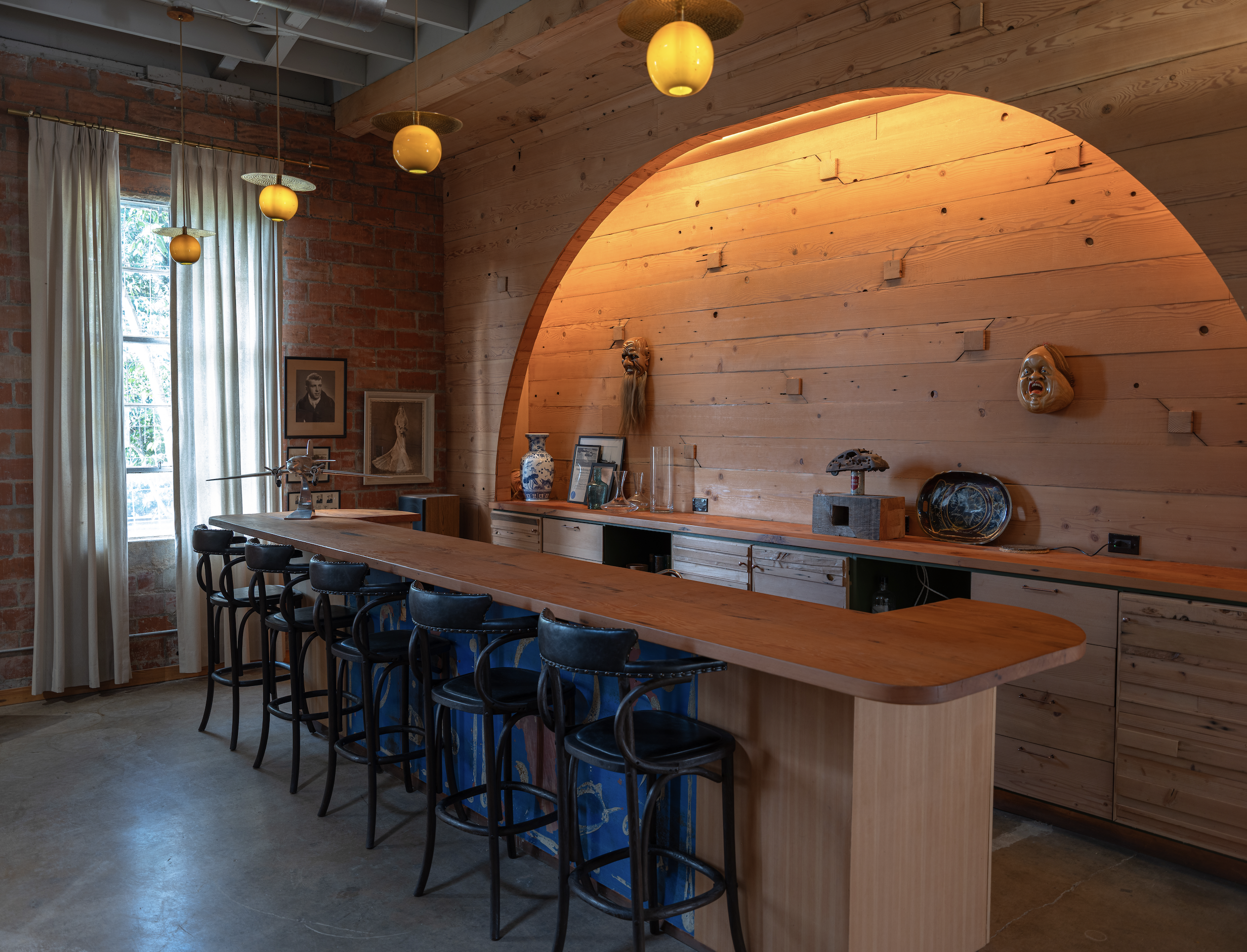
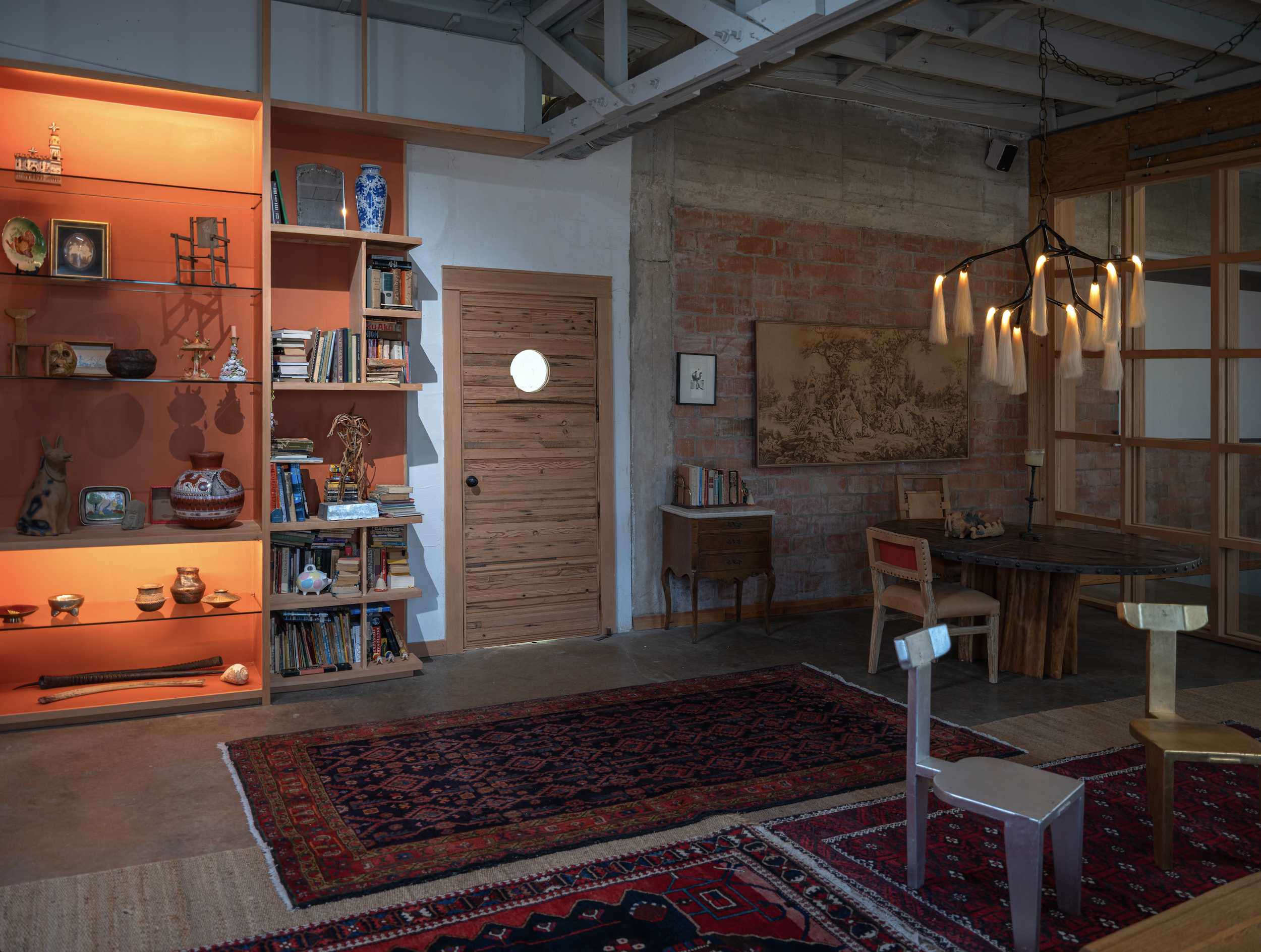
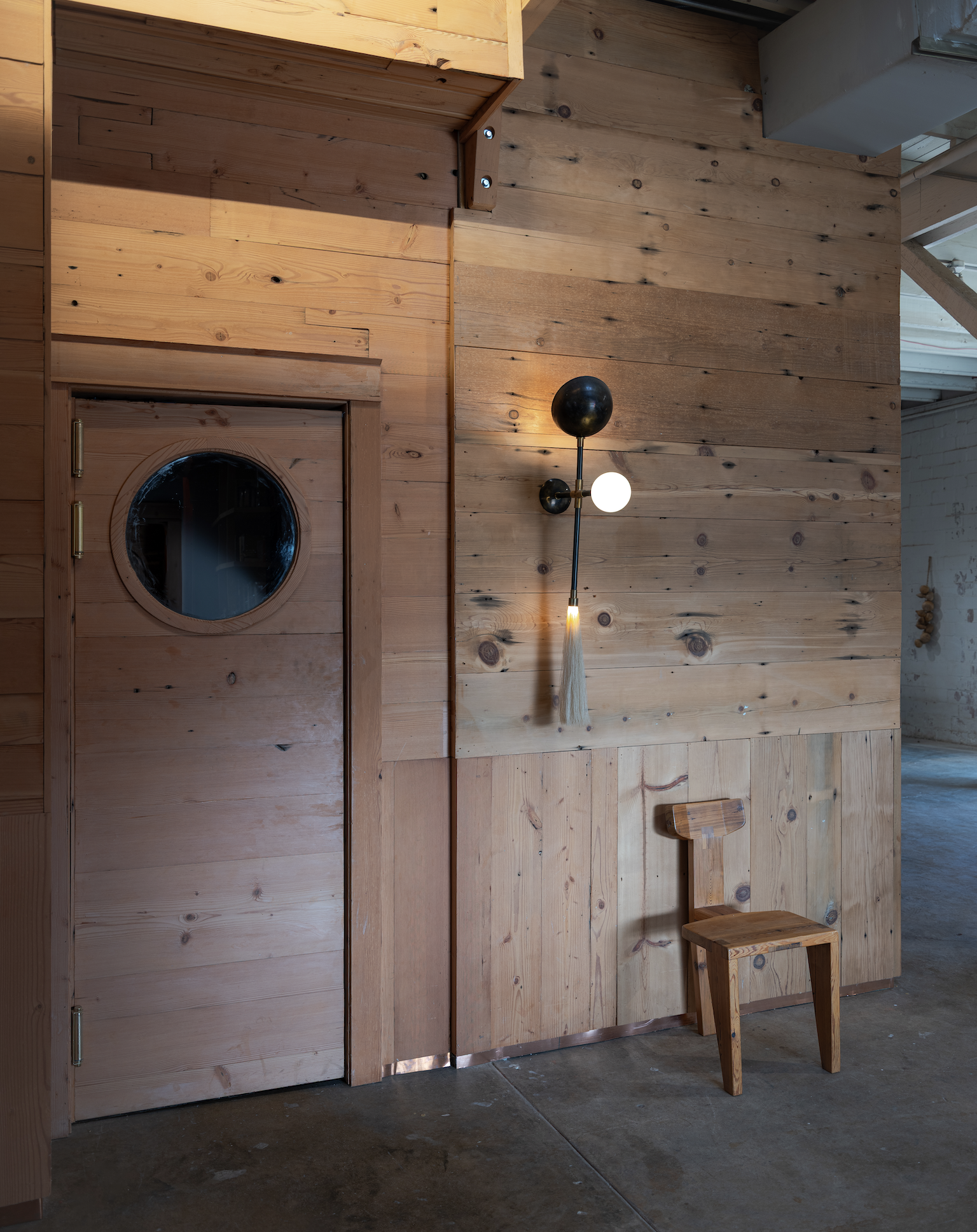
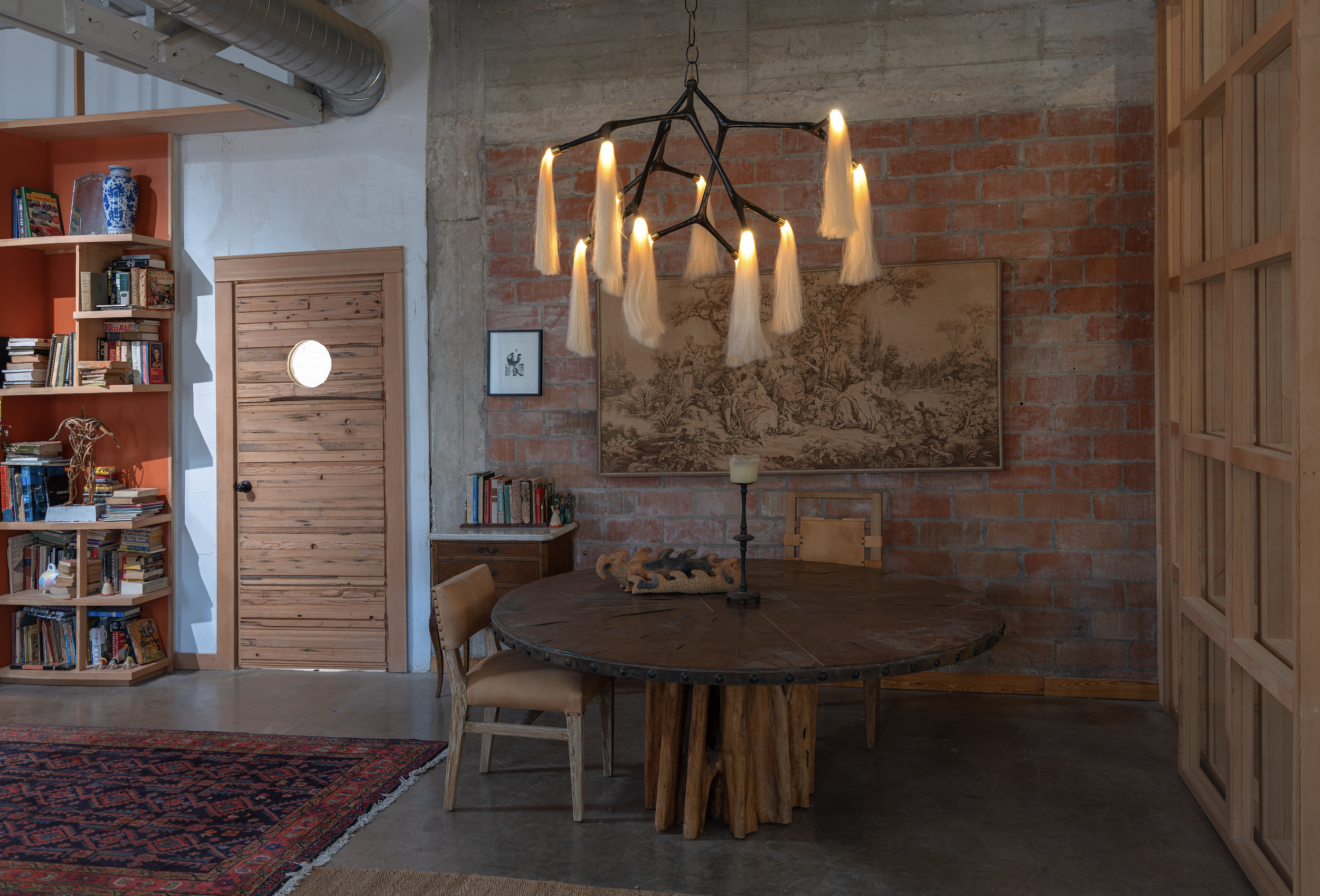
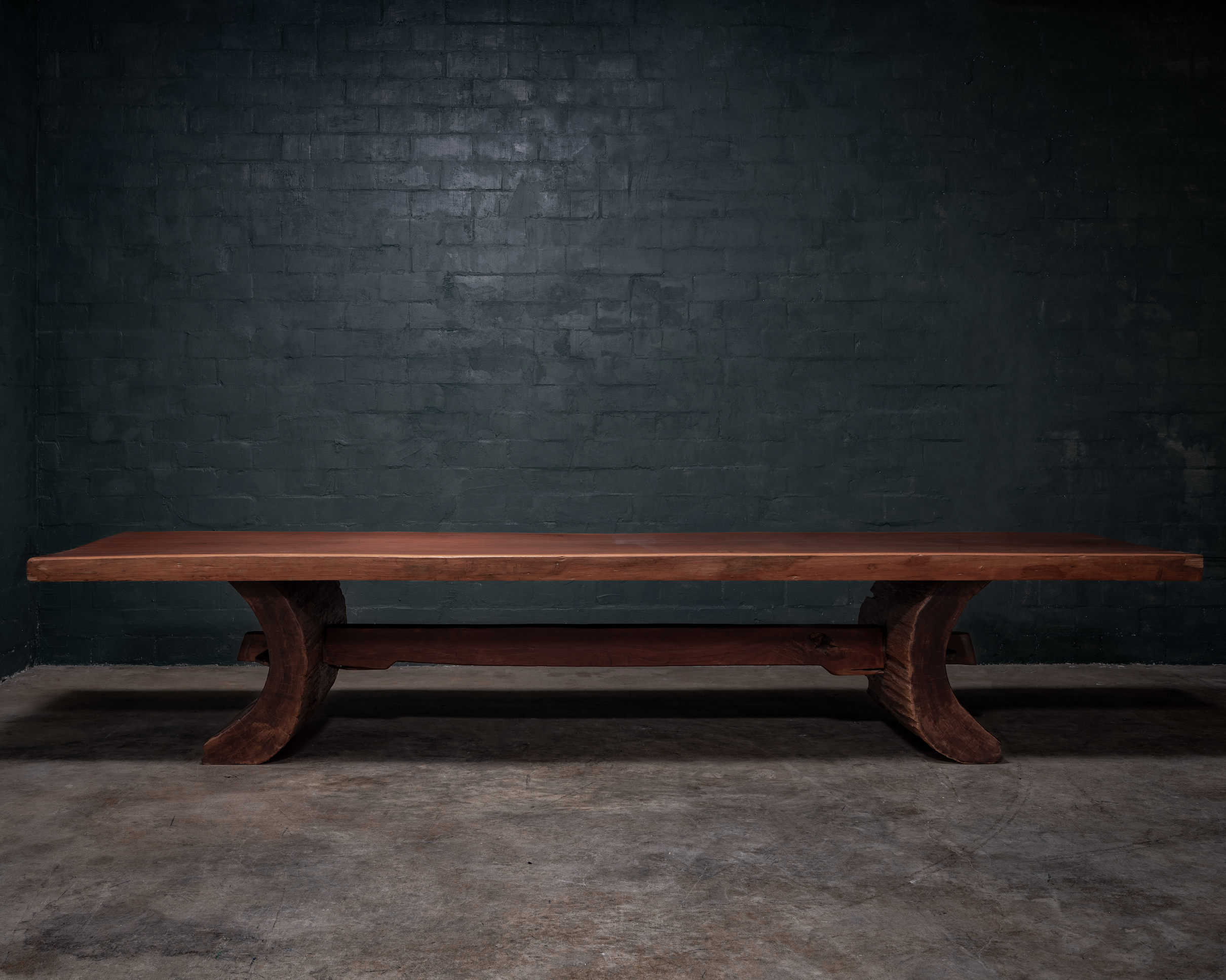
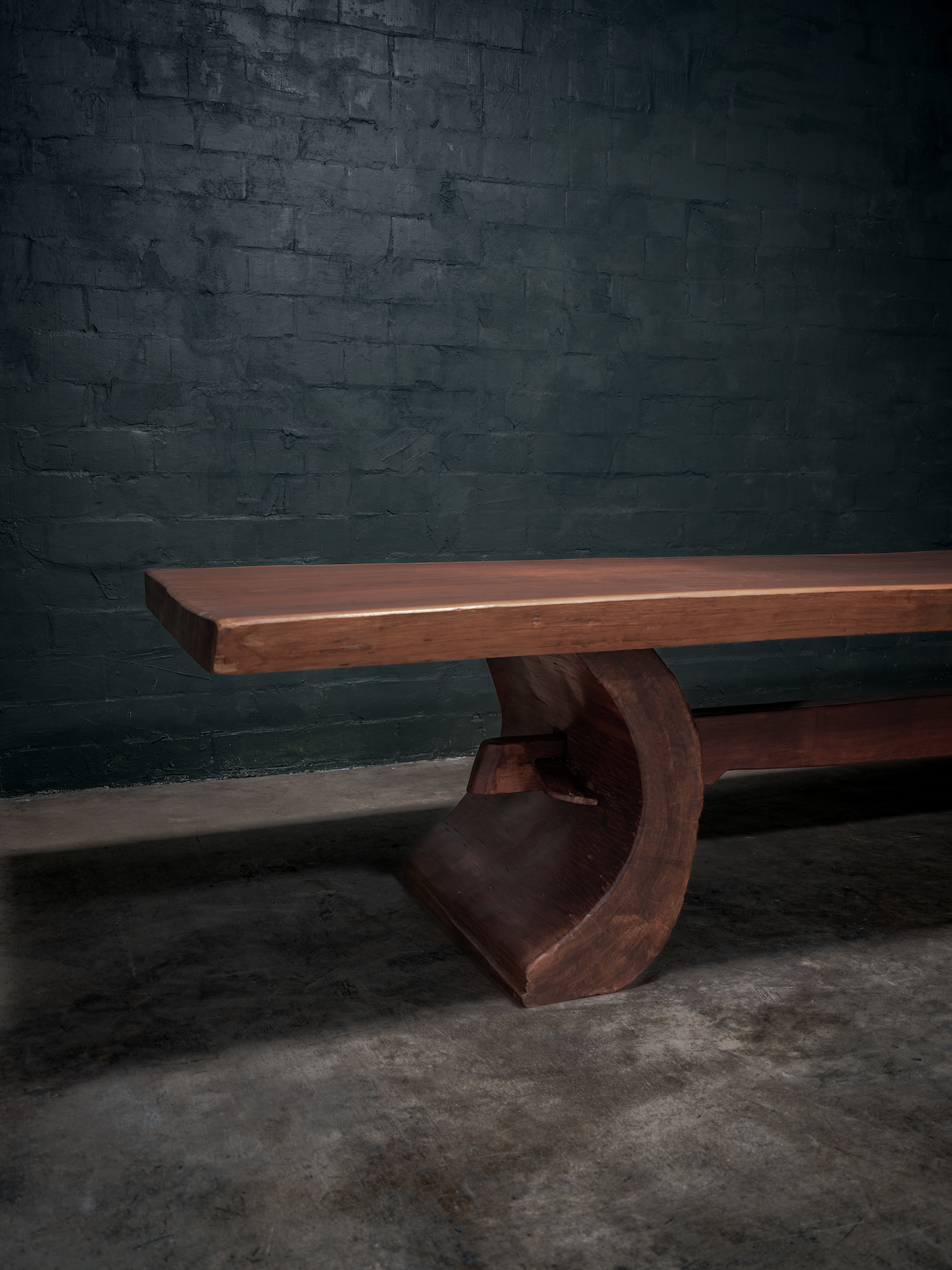
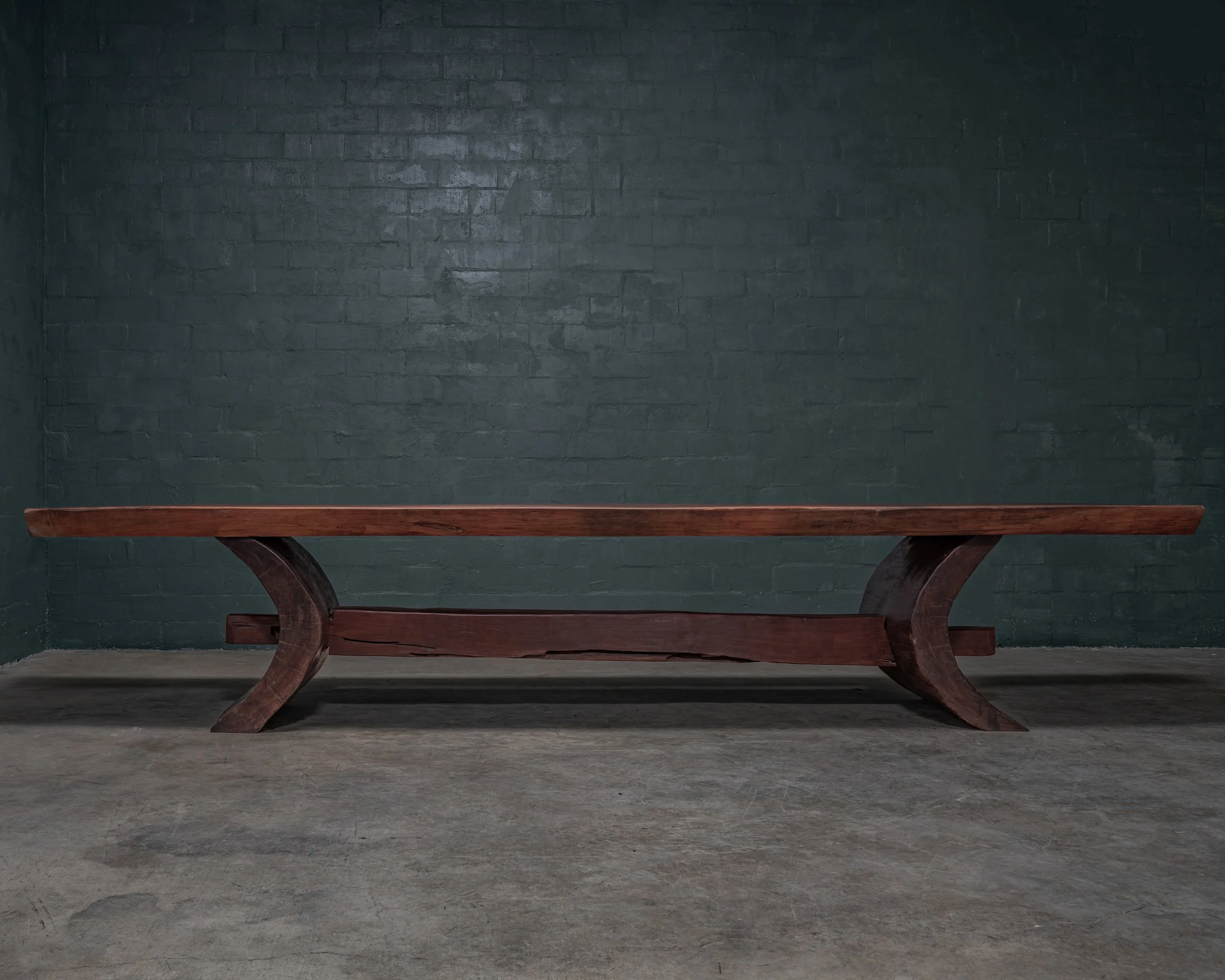
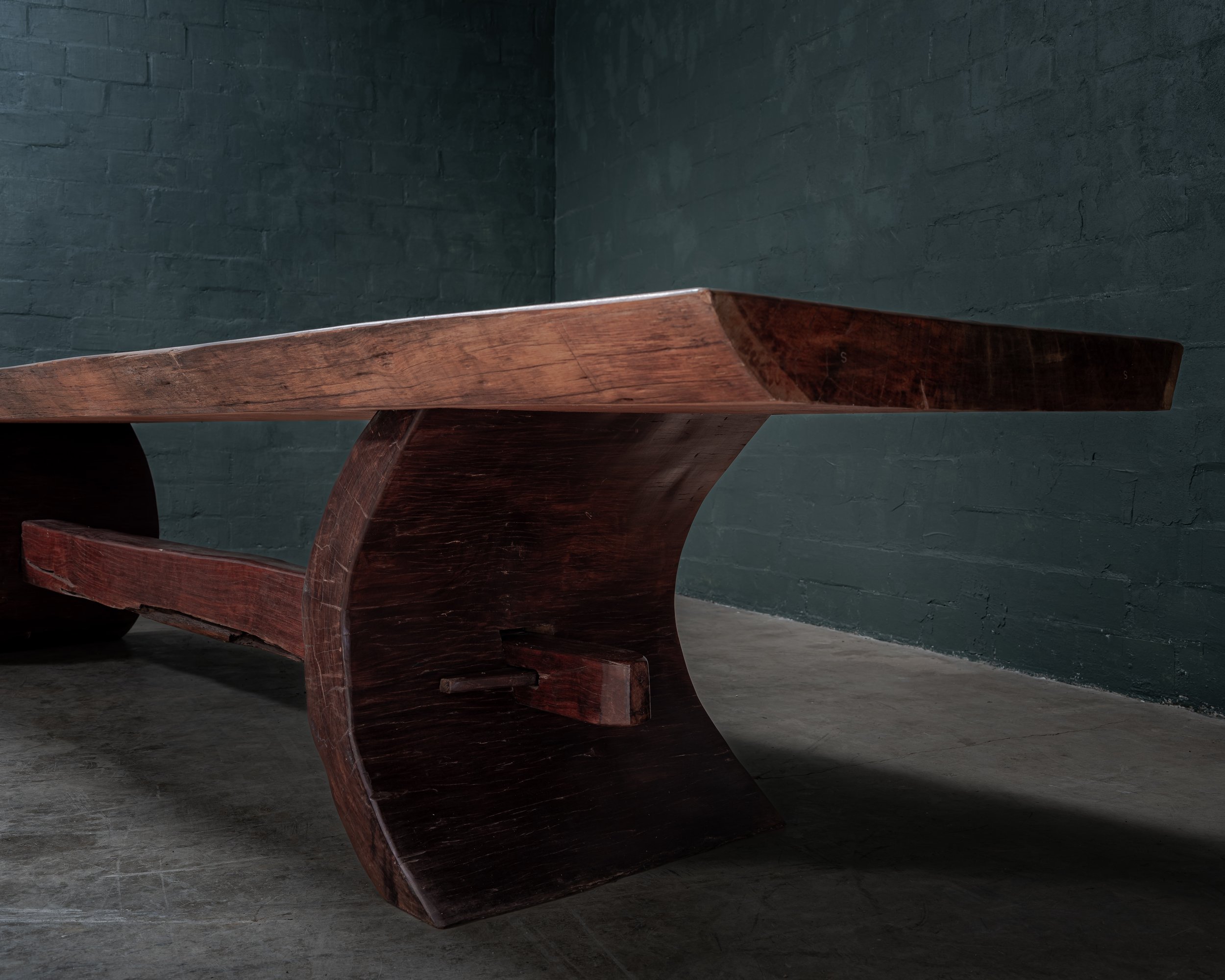
Nestled beside the railroad tracks, Ellis Bean Gallery is a dynamic cultural space where art, movement, and connection converge. Founded to bridge the artistic worlds of Mexico and Texas, the gallery offers a constantly evolving experience–much like the trains that pass by, carrying stories from one place to another.
A versatile space for rent by the hour or day—perfect for workshops, presentations, conferences, talks, exhibitions, private events, photo shoots, and more. A place designed for creativity, connection, and unforgettable experiences.
Colonel Peter Ellis Bean lived a life that reads more like a frontier adventure than a history book. Born in Tennessee, he jumped from one wild turn to the next. At seventeen, he lost his boat on the Mississippi, walked out with nothing but his clothes, and wound up in Natchez, where he signed on with Philip Nolan's filibuster expedition into Texas. Nolan died in a clash with Spanish troops, most of the men surrendered — but Bean stood his ground, got captured, and hauled off to Mexico as a prisoner.
Thing is, Mexico never really let go of him, and he never really let go of Mexico. Over time, he switched from captive to soldier of fortune, climbing the ranks and fighting under different banners. Bean became a colonel in the Mexican army, settled in Veracruz, and spent the rest of his life straddling two worlds — an American-born adventurer who carved out his southern destiny of the border.
When he died in 1846 in Jalapa, Veracruz, he left behind a story of grit, stubbornness, and a restless spirit that never quite fit in one country or the other.
That same spirit carries forward here. The space, founded by a Texan and a Mexican, is more than a gallery. It's a meeting ground, a cultural bridge where Mexican art and craft find their way into the United States, and where conversations between traditions take root.
Just as Ellis Bean lived across boundaries, the gallery thrives in the in-between — not fixed to one identity, but celebrating the richness that emerges when cultures meet. It is a place of encounter, creativity, and connection, where history's echoes inspire new stories.
Alyssa Danna: Tantalizing Middle Part
Contemporary at Blue Star
210-227-6960
116 Blue Star
San Antonio, TX 78204
Mar 7, 2025 – Jun 8, 2025
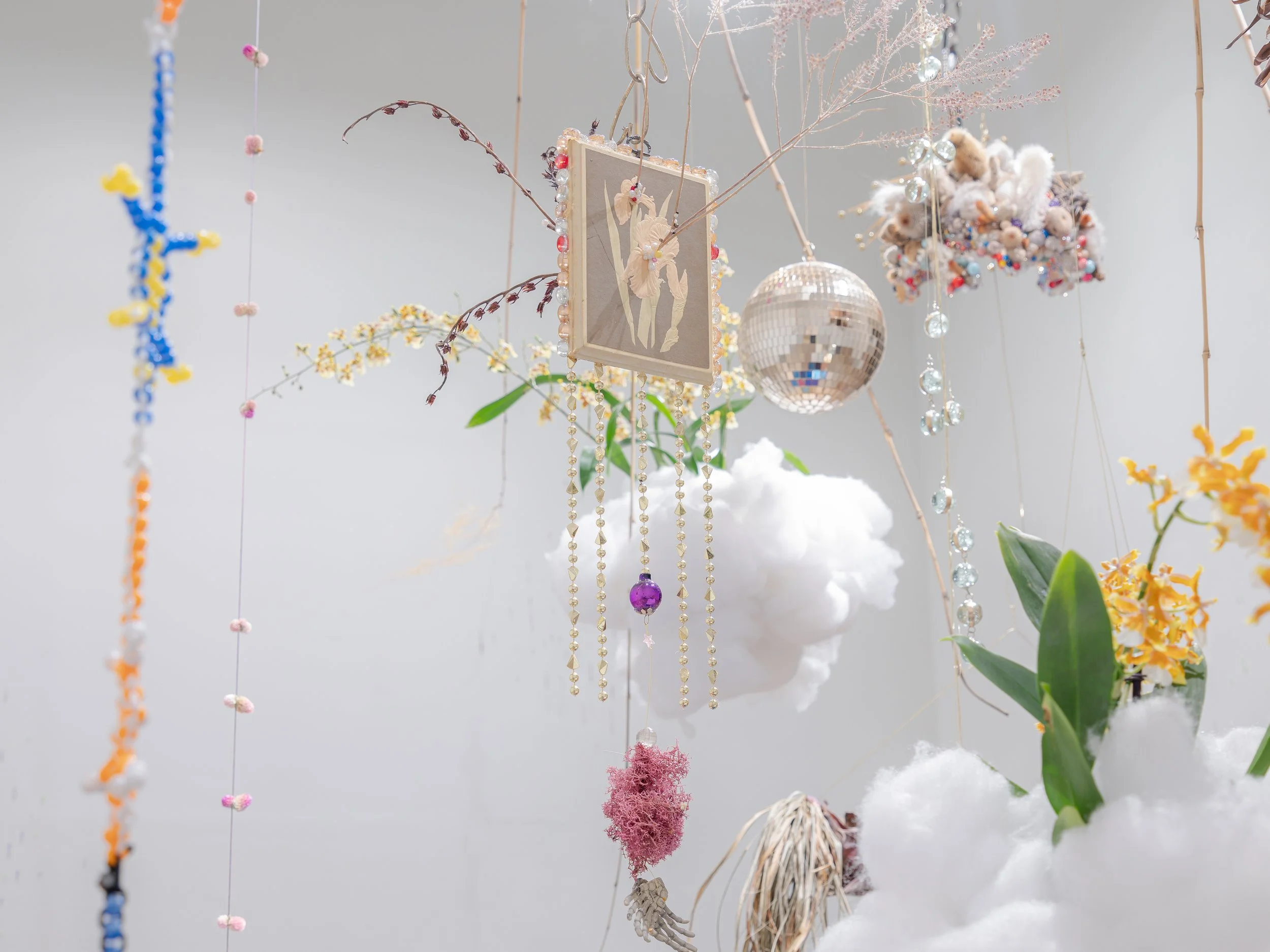
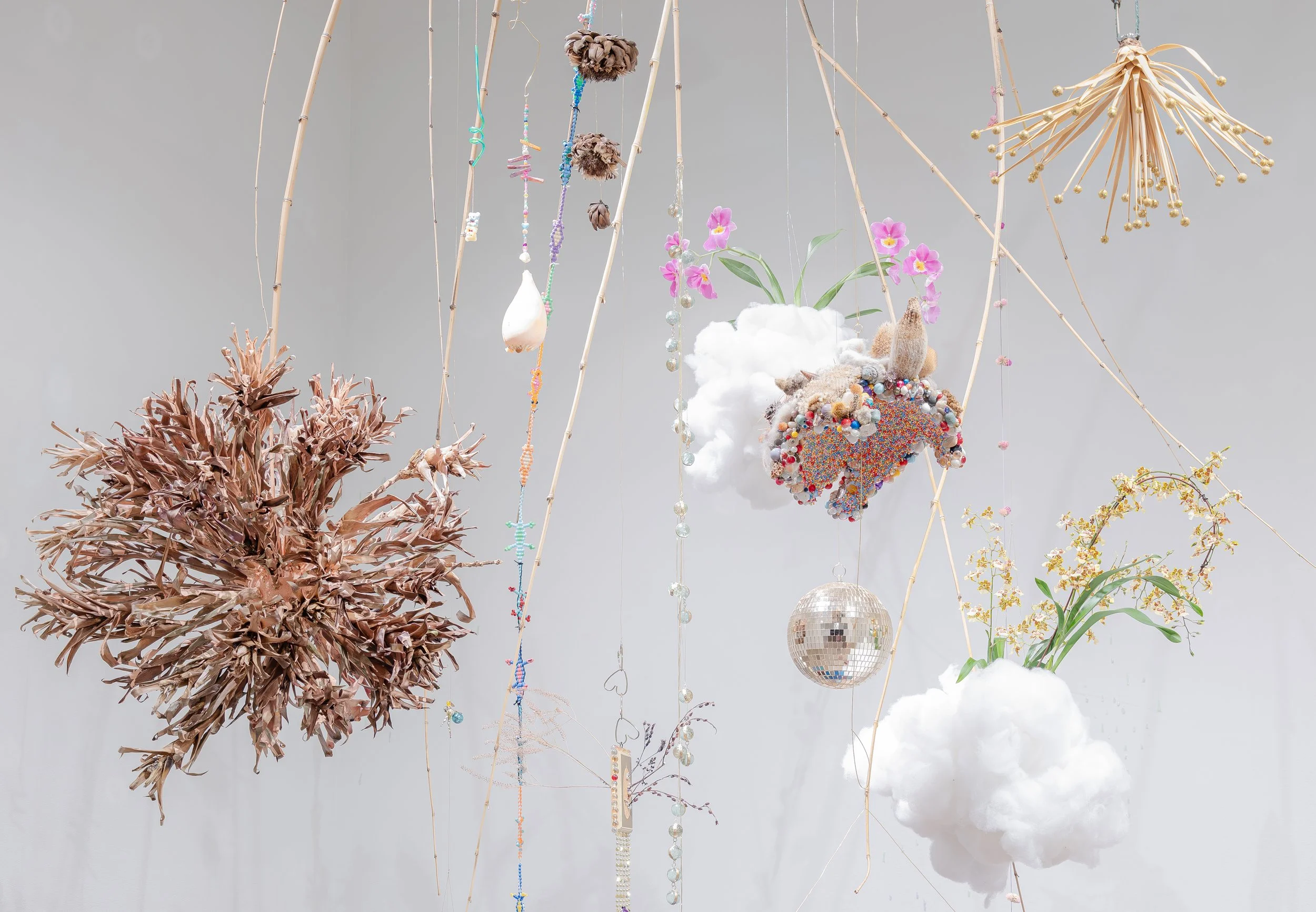
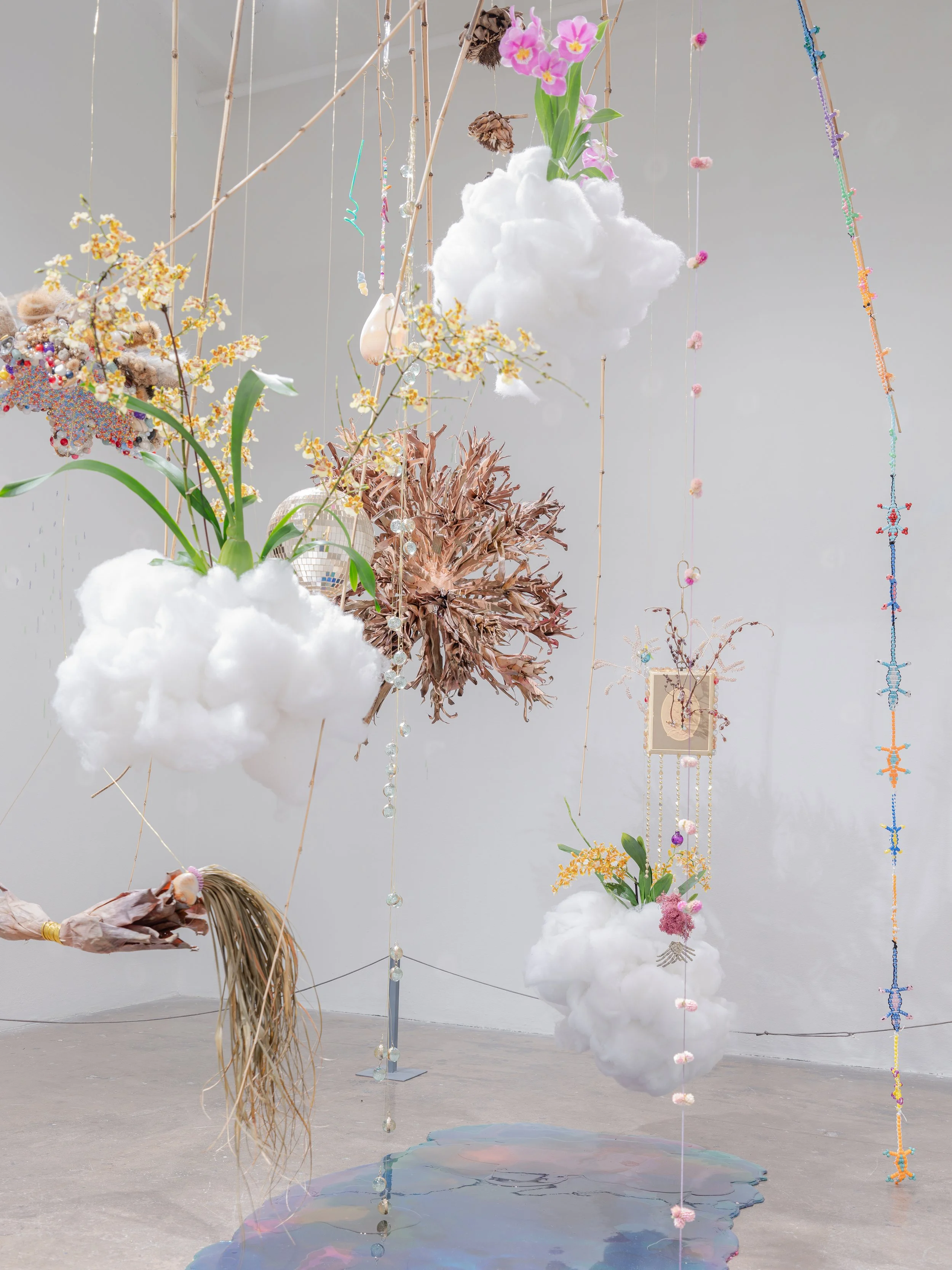
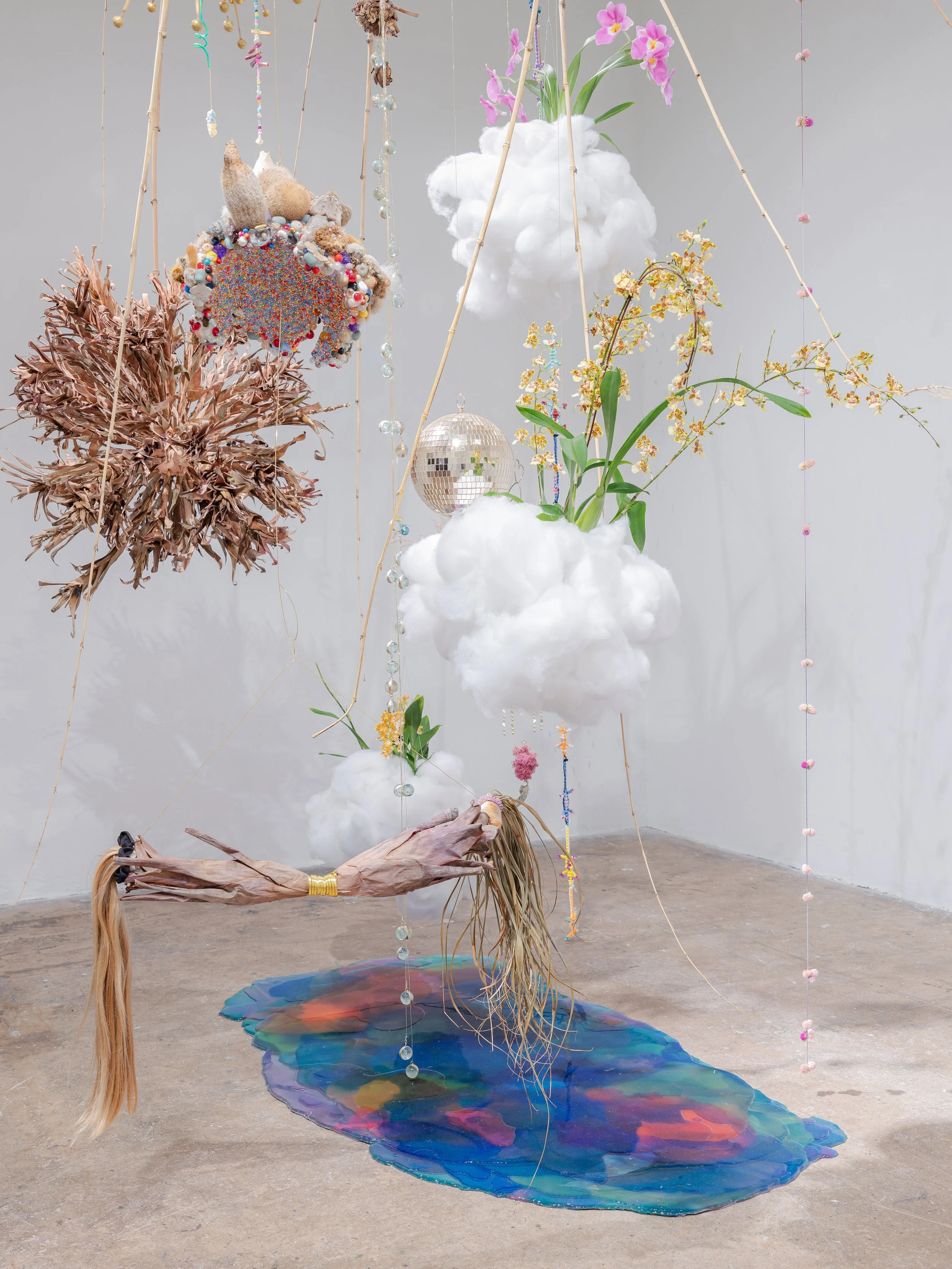
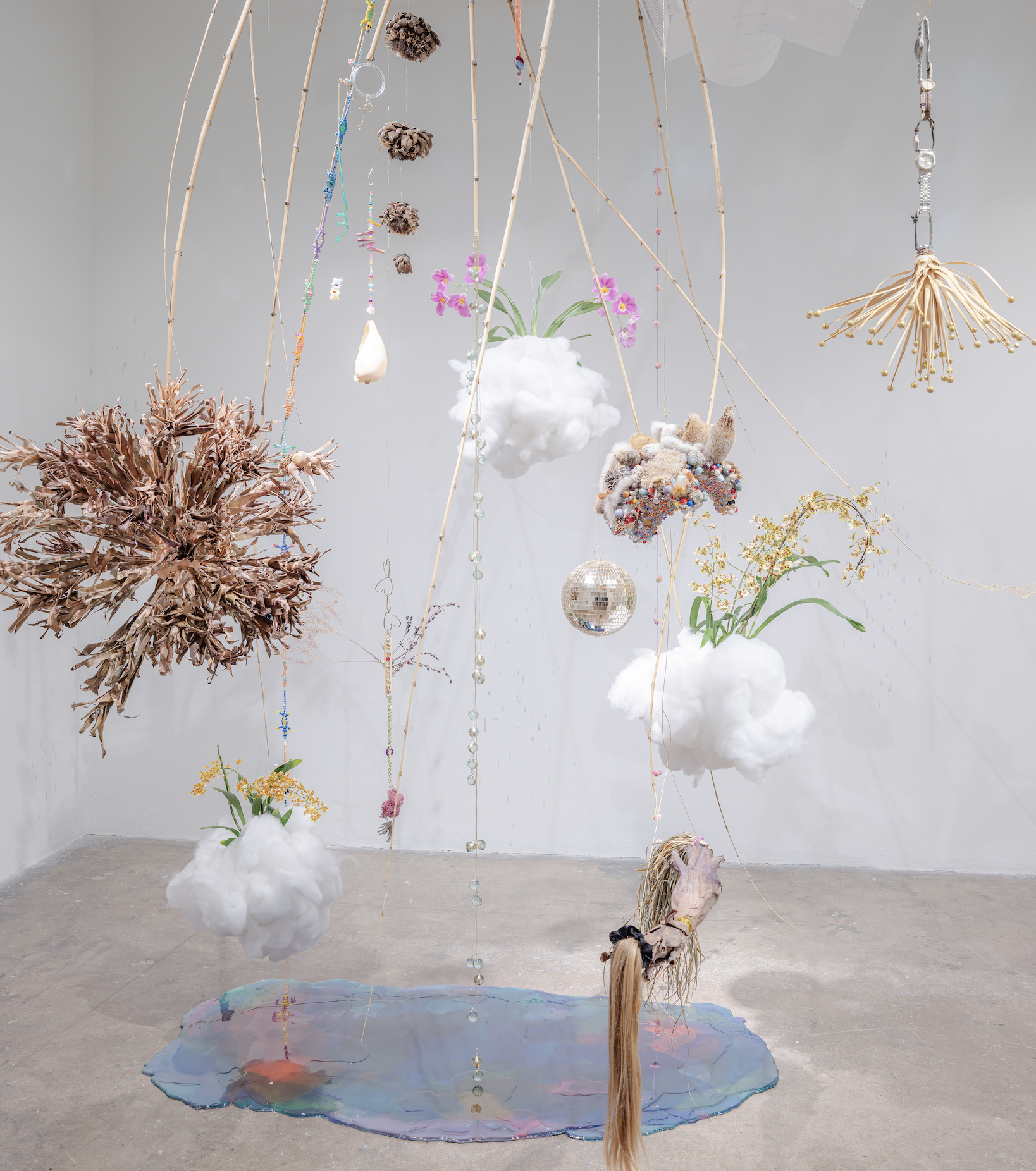
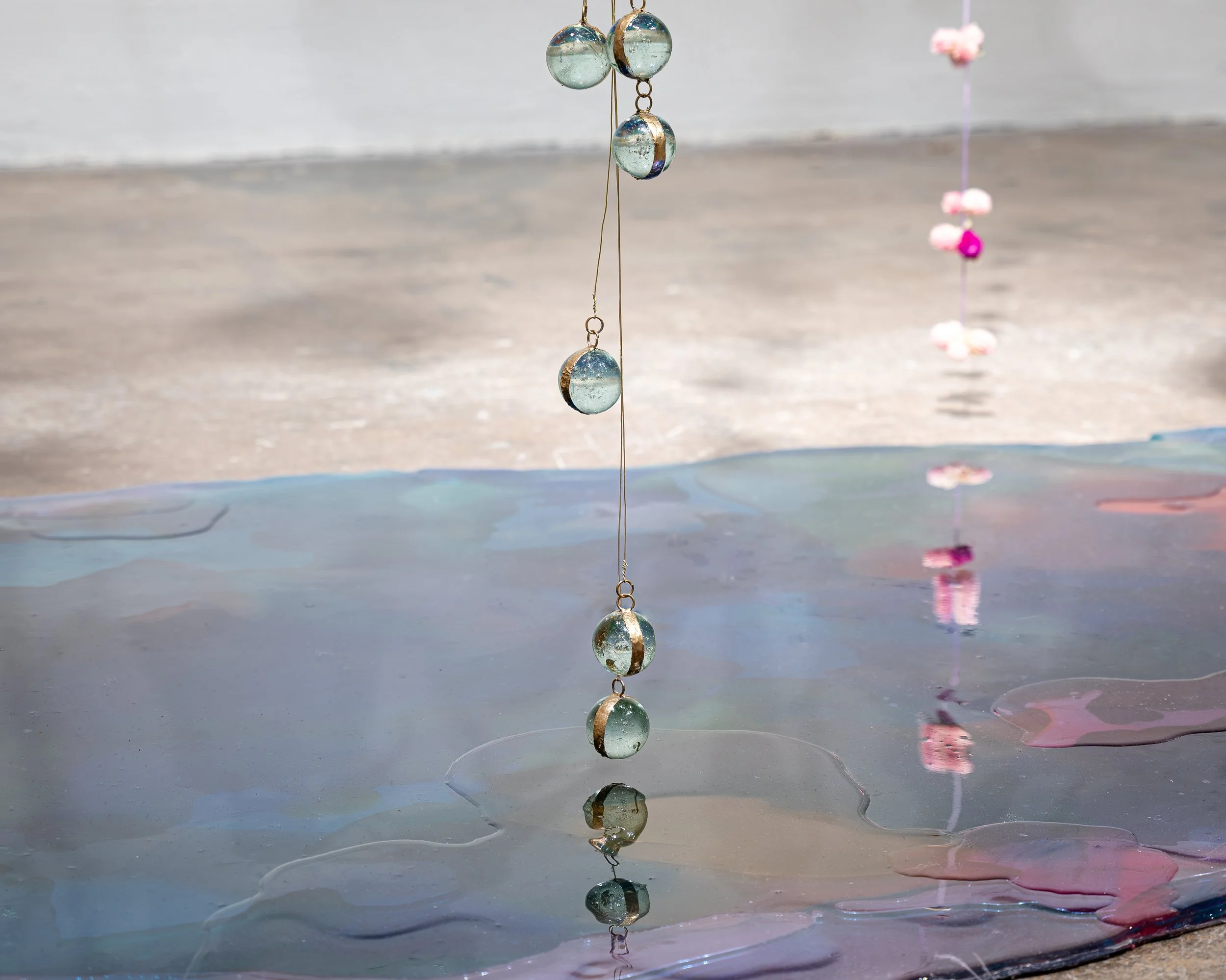
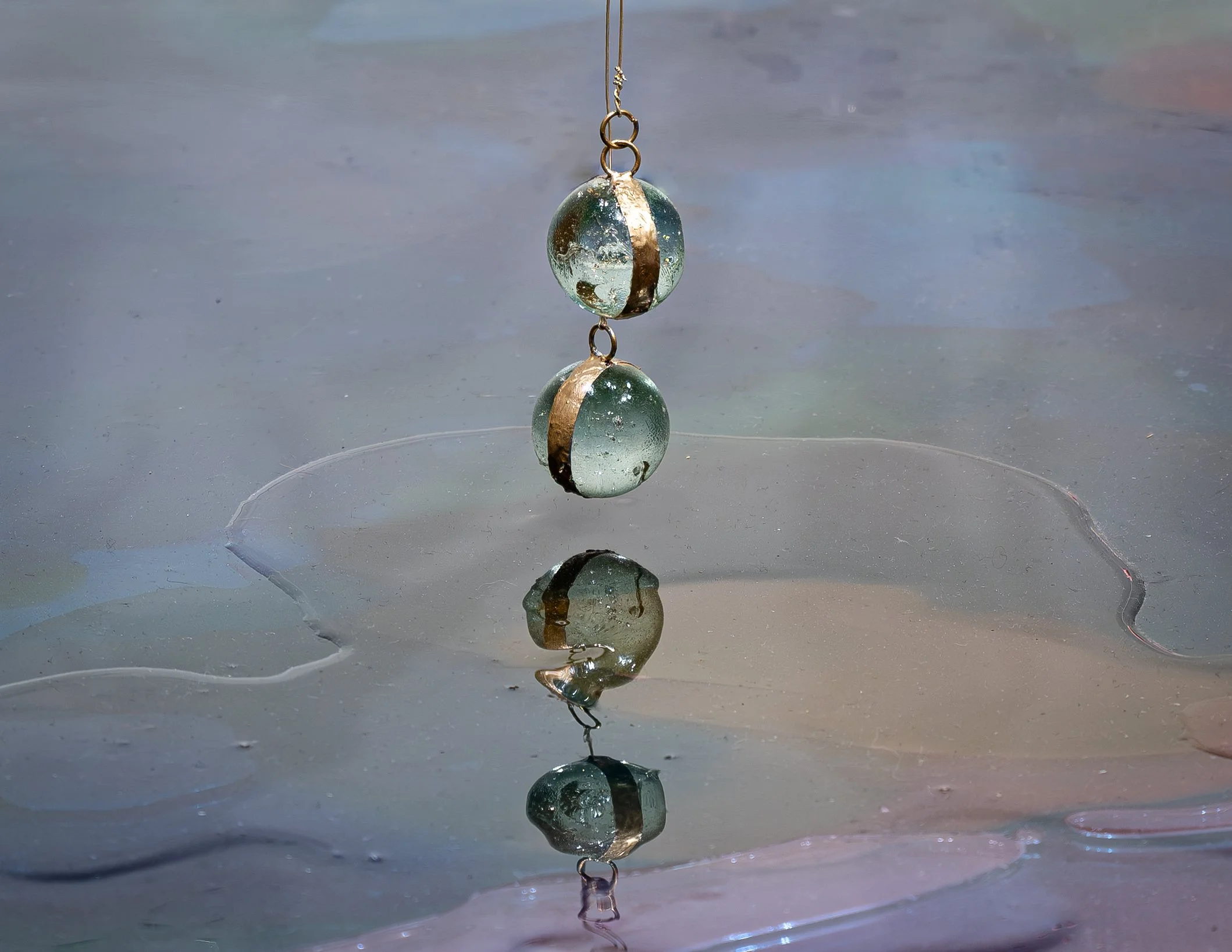
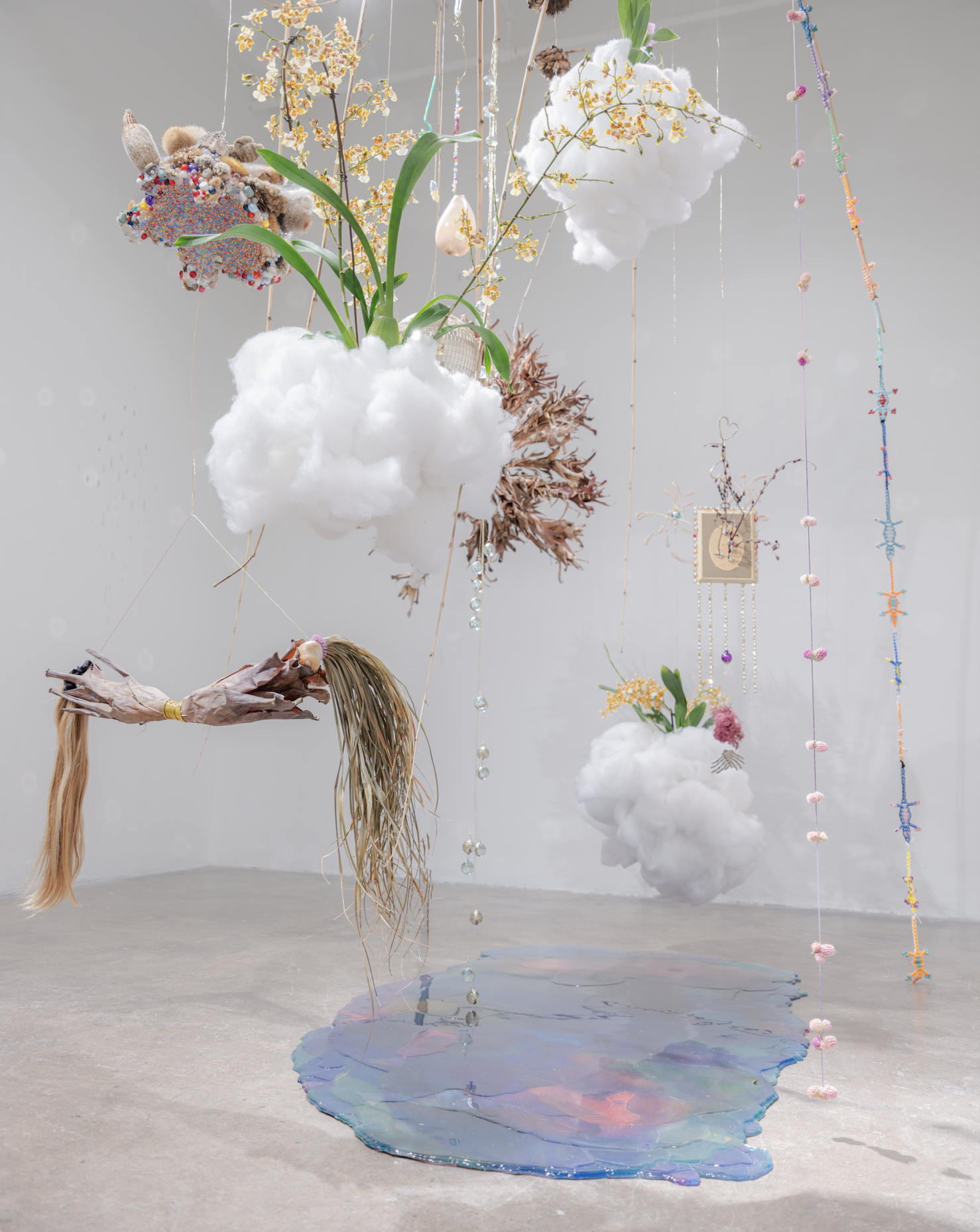

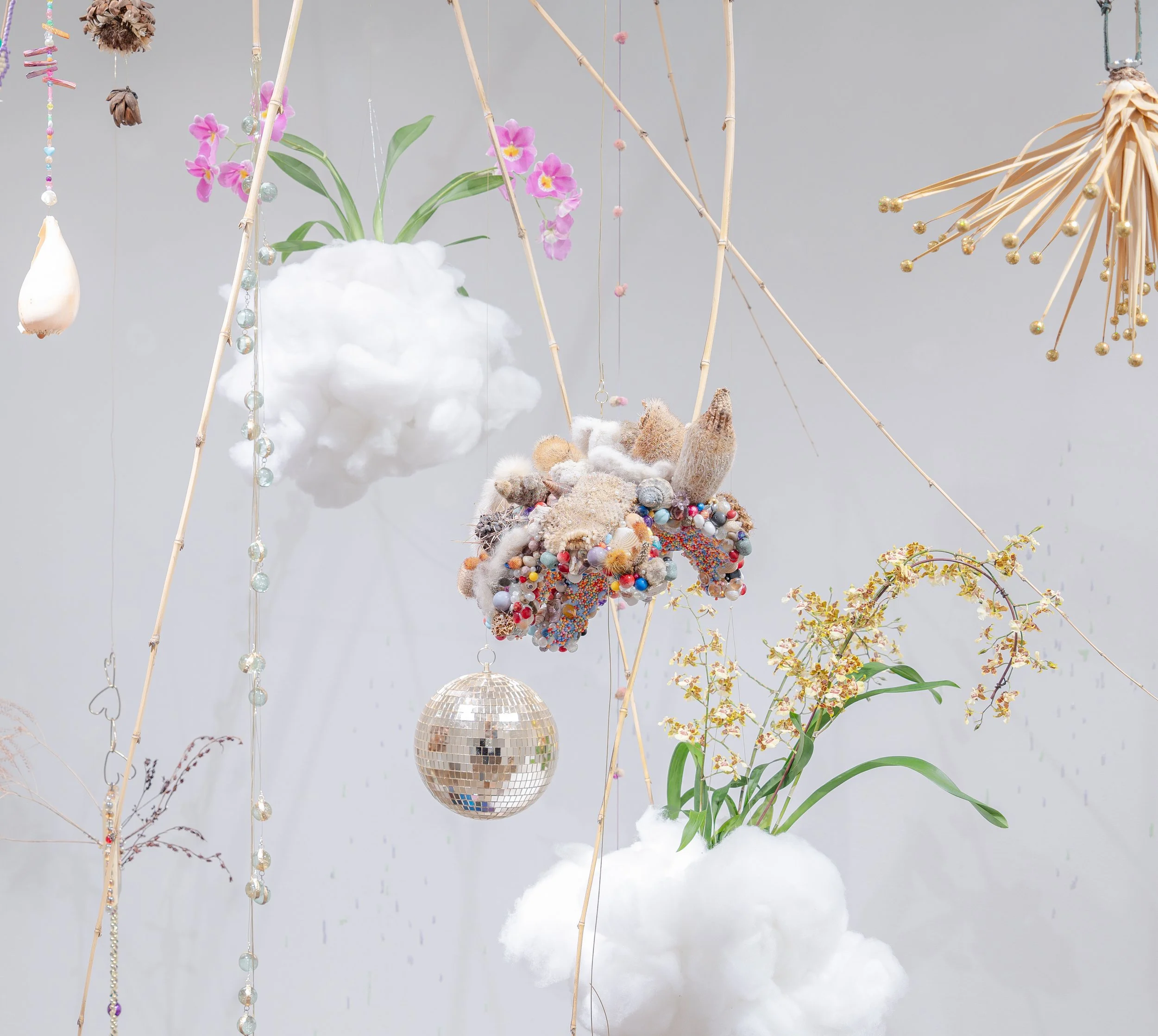
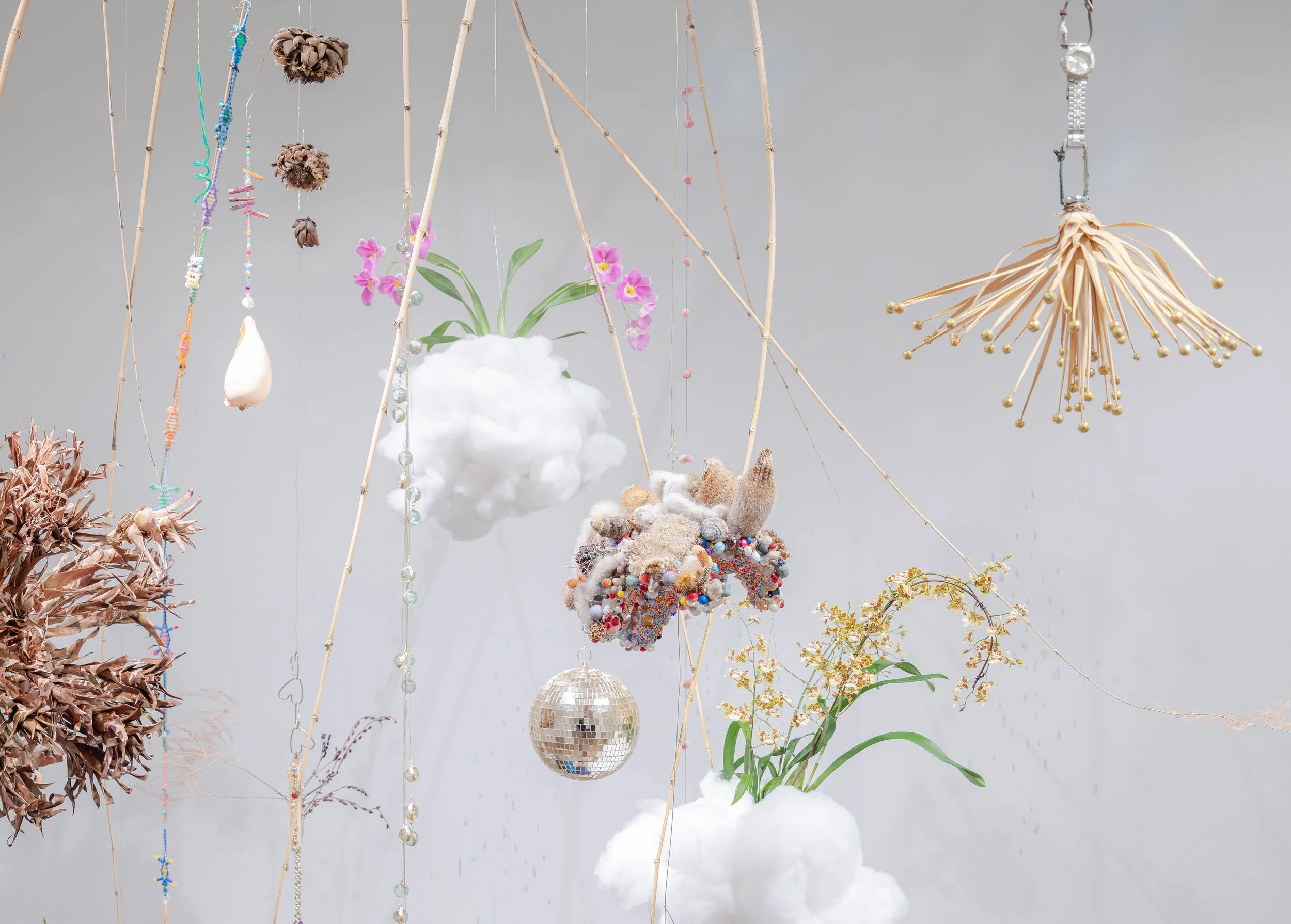
Alyssa Danna’s solo exhibition Tantalizing Middle Part will feature a new installation of sculptural and immersive work. Her work draws influence from both the natural and the artificial, and human attempts to refabricate and mimic self-contained systems observed in nature. Danna’s work encompasses themes of attraction and repulsion through her multifaceted uses of material and color. With environments, landscapes, found object assemblages, and sculptures she creates work that awes and perplexes, creating a push and pull between a dream space and nightmare as we try to understand the relationships between materials and objects.
Her process relies on her impulse to collect–from ceramic figurines to orchids to palm fronds–and as various collections accumulate, they become both inspiration and material for her sculptural installations. Currently in her studio she is researching human and fauna’s attraction to color considering how smell and aroma might enter her work. Danna’s new installation work at the Contemporary will feature a multisensory experience, aim to use more natural material, and she will complete her first, multi-tiered suspended mobile.
Sizhu Li: Moonment: Finding A Way
Contemporary at Blue Star
210-227-6960
116 Blue Star
San Antonio, TX 78204
Feb 7, 2025 – May 4, 2025
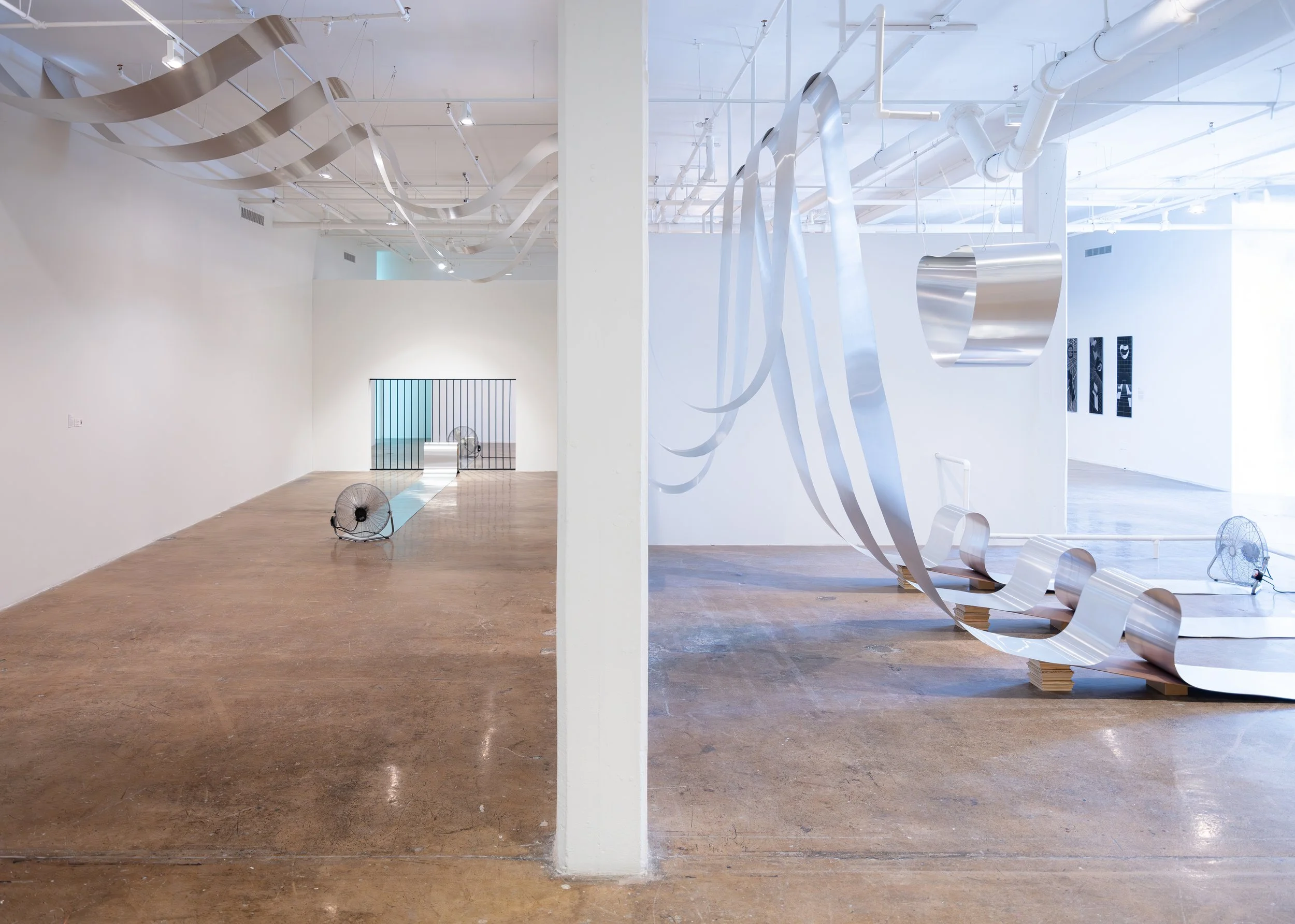
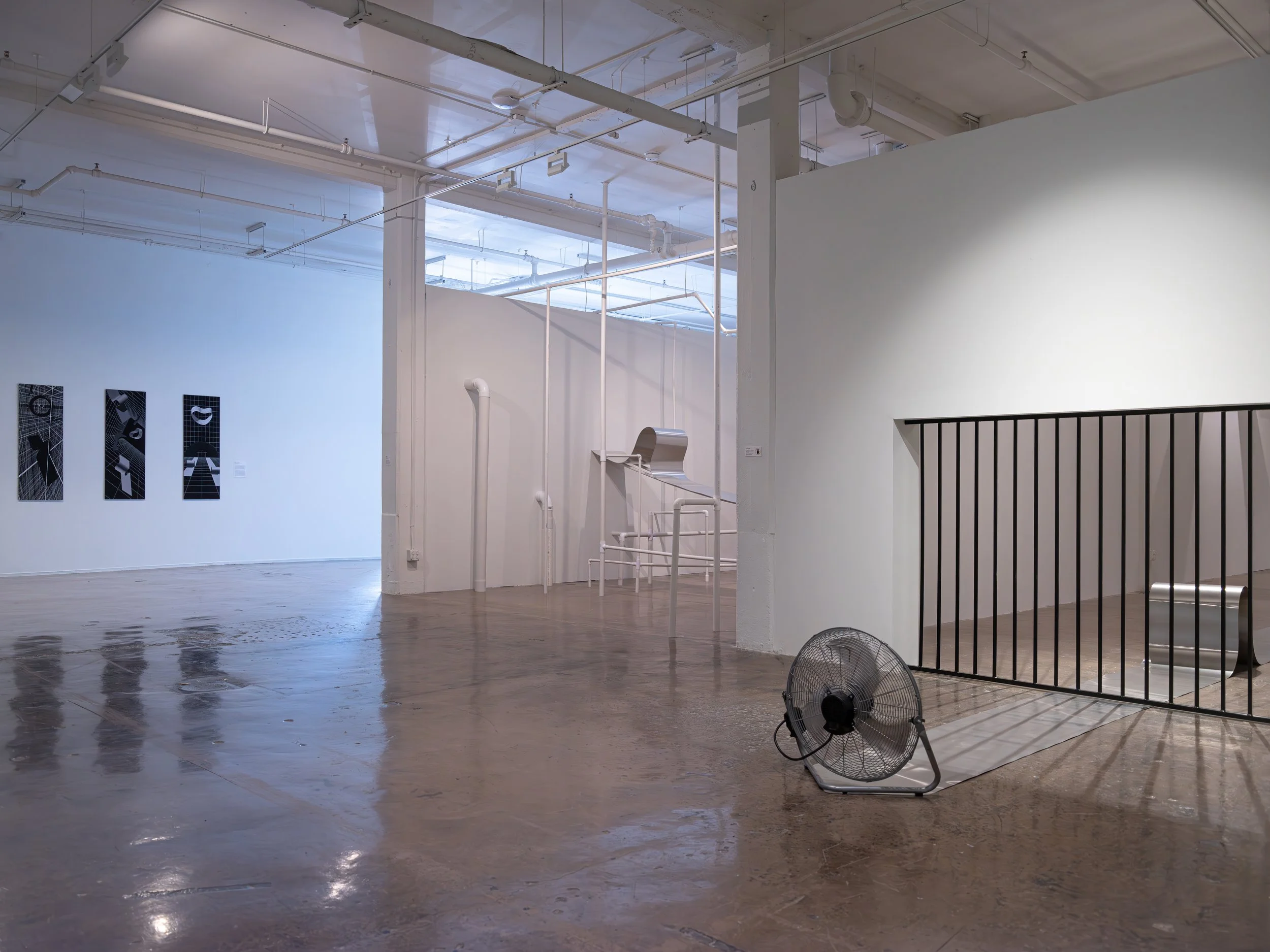
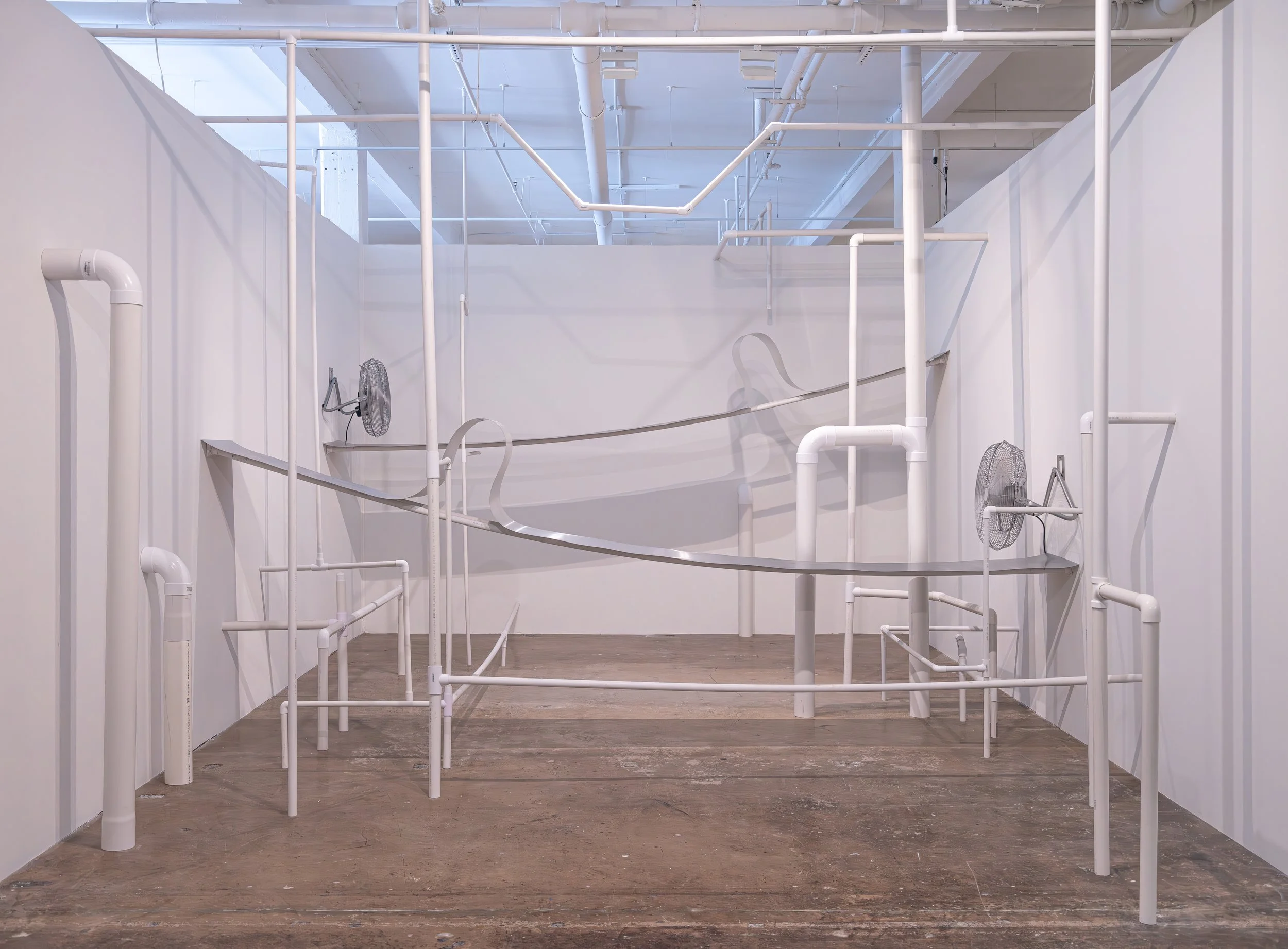
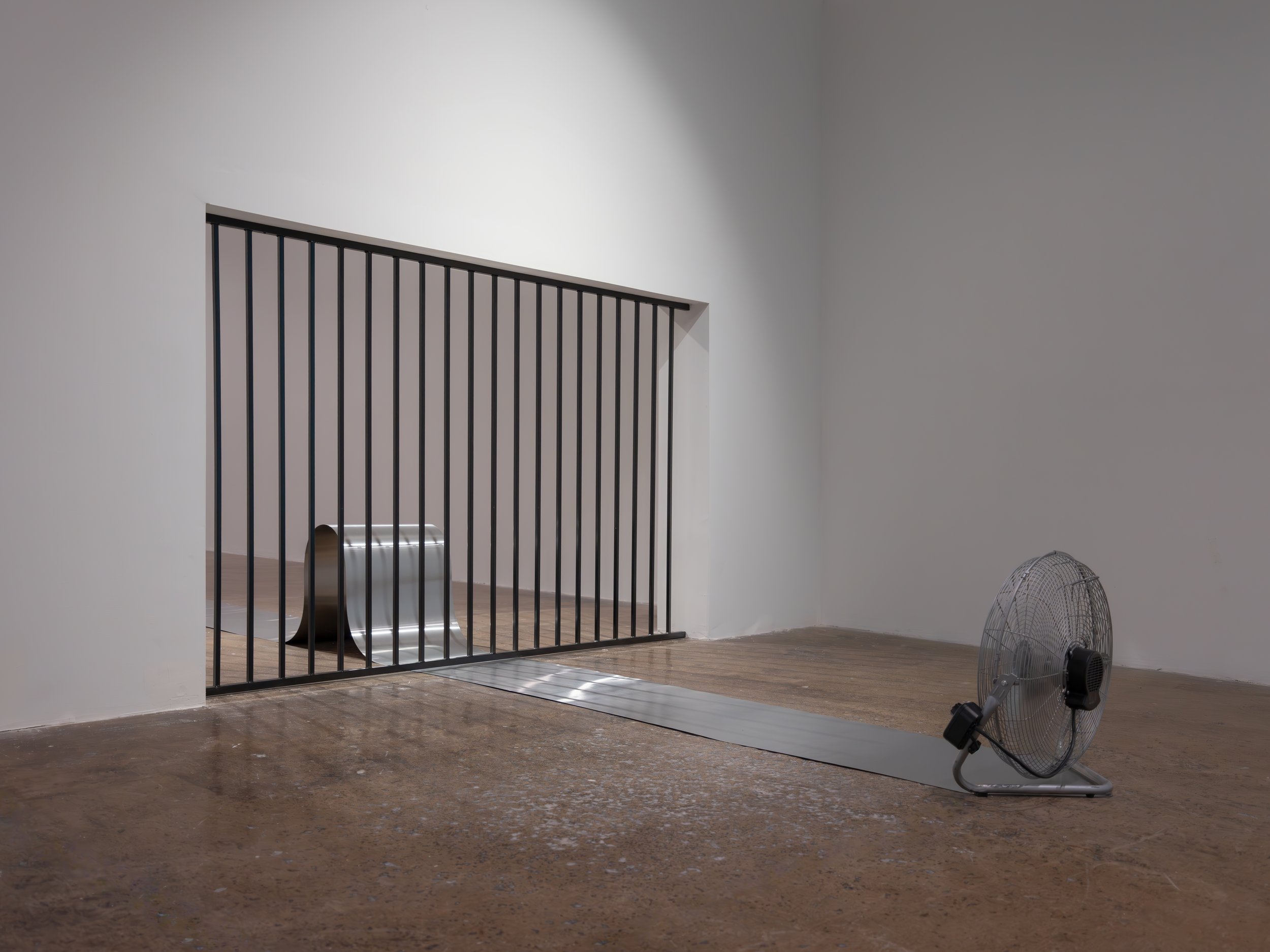
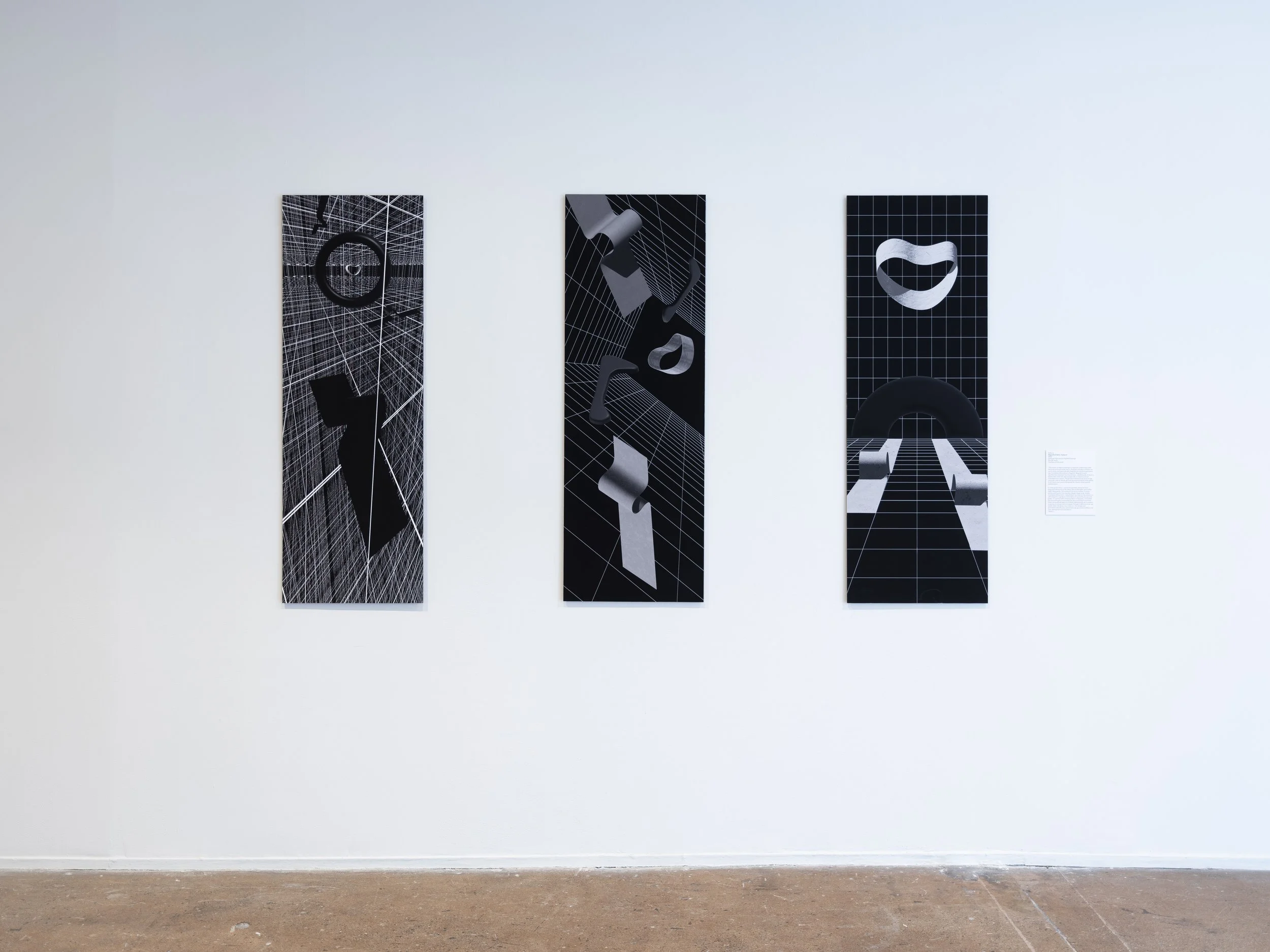
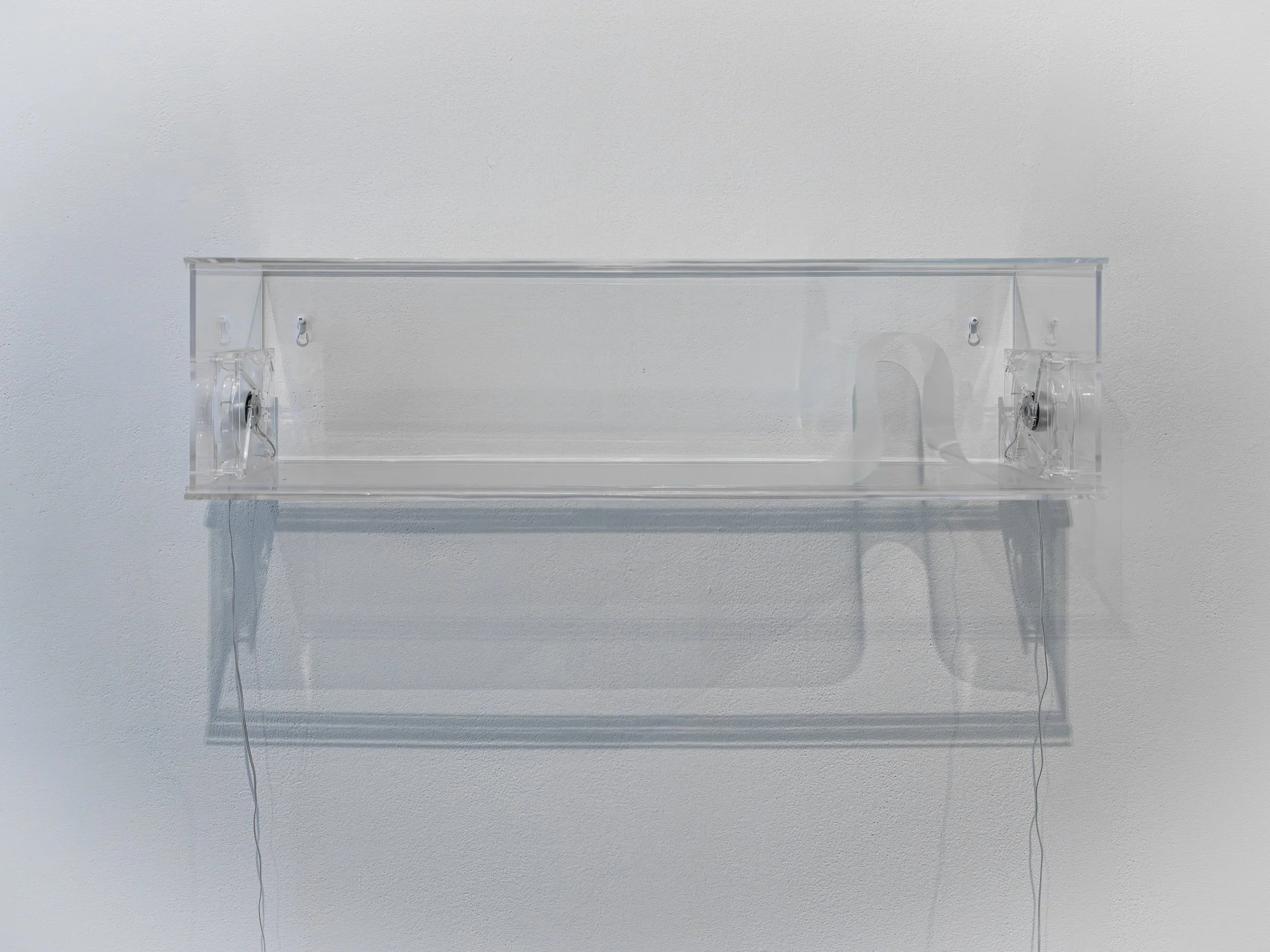
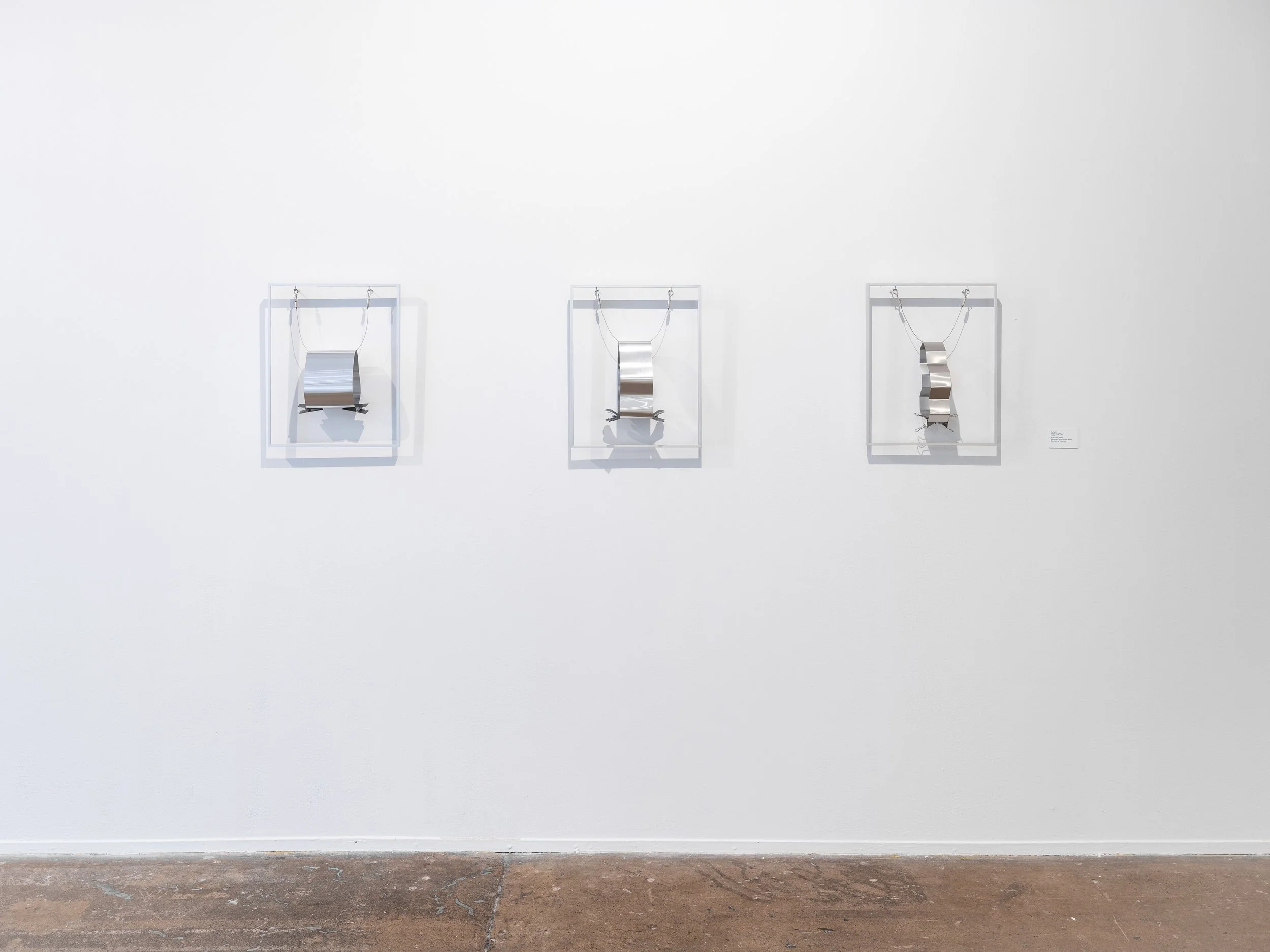
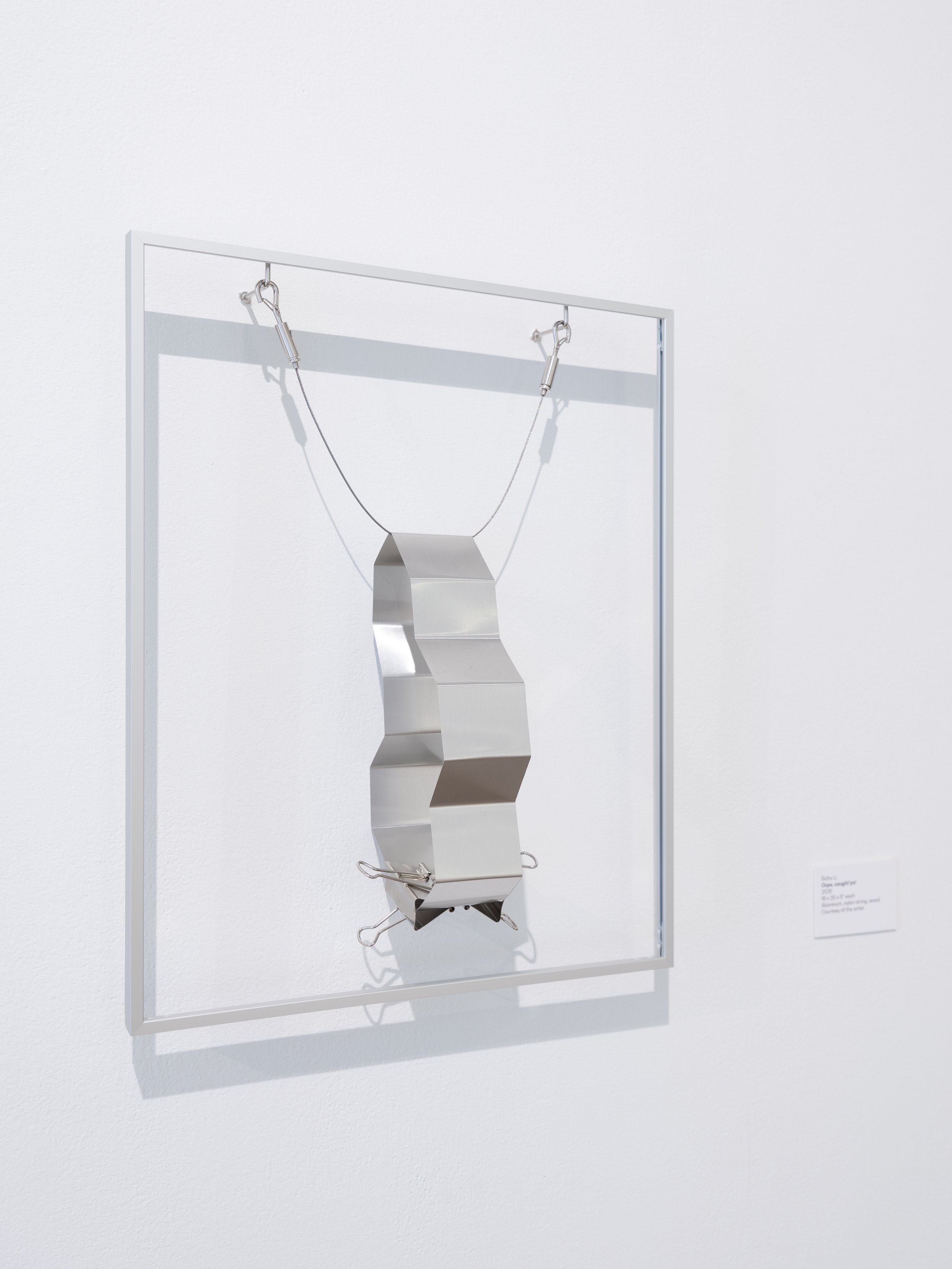
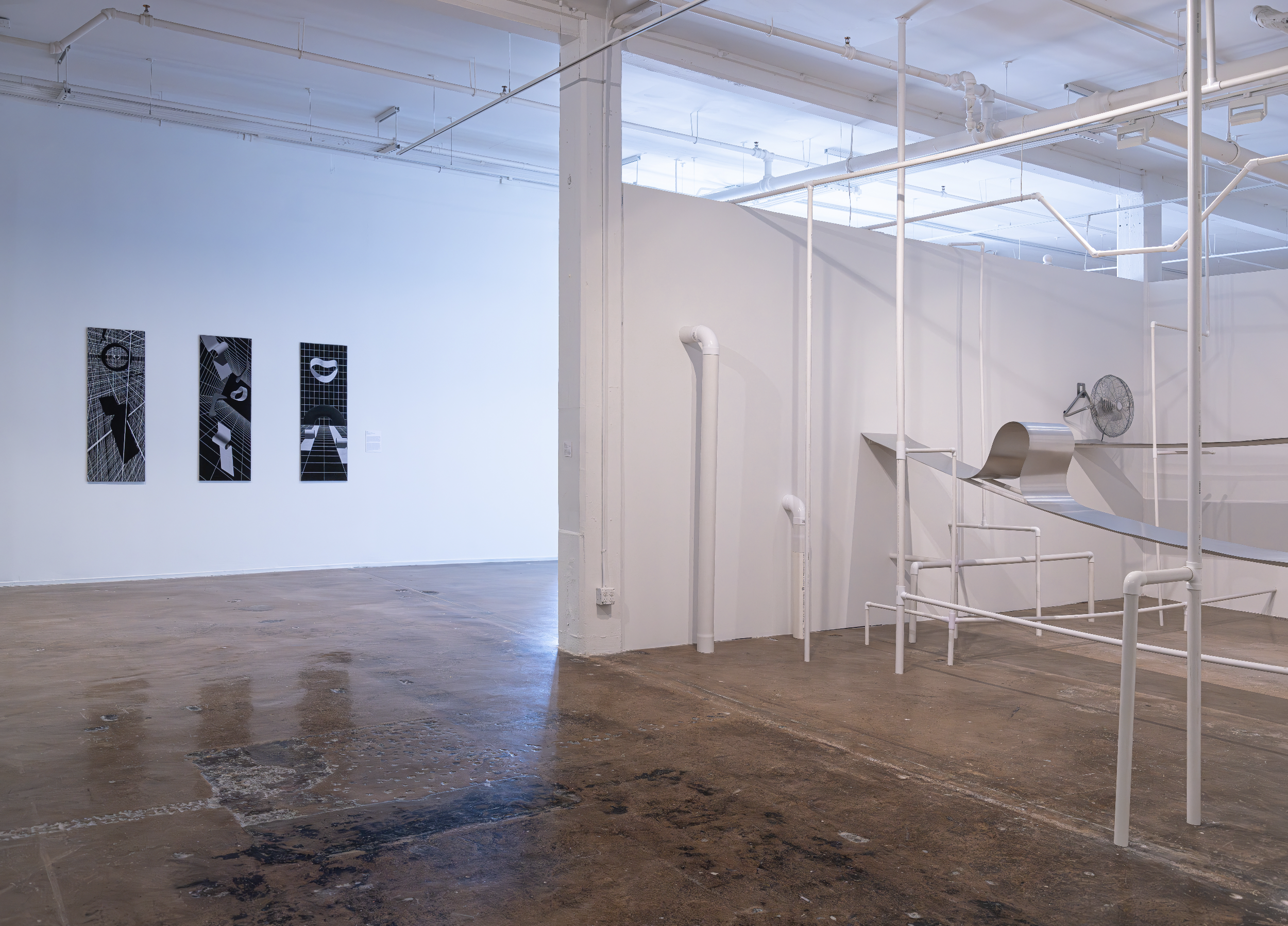
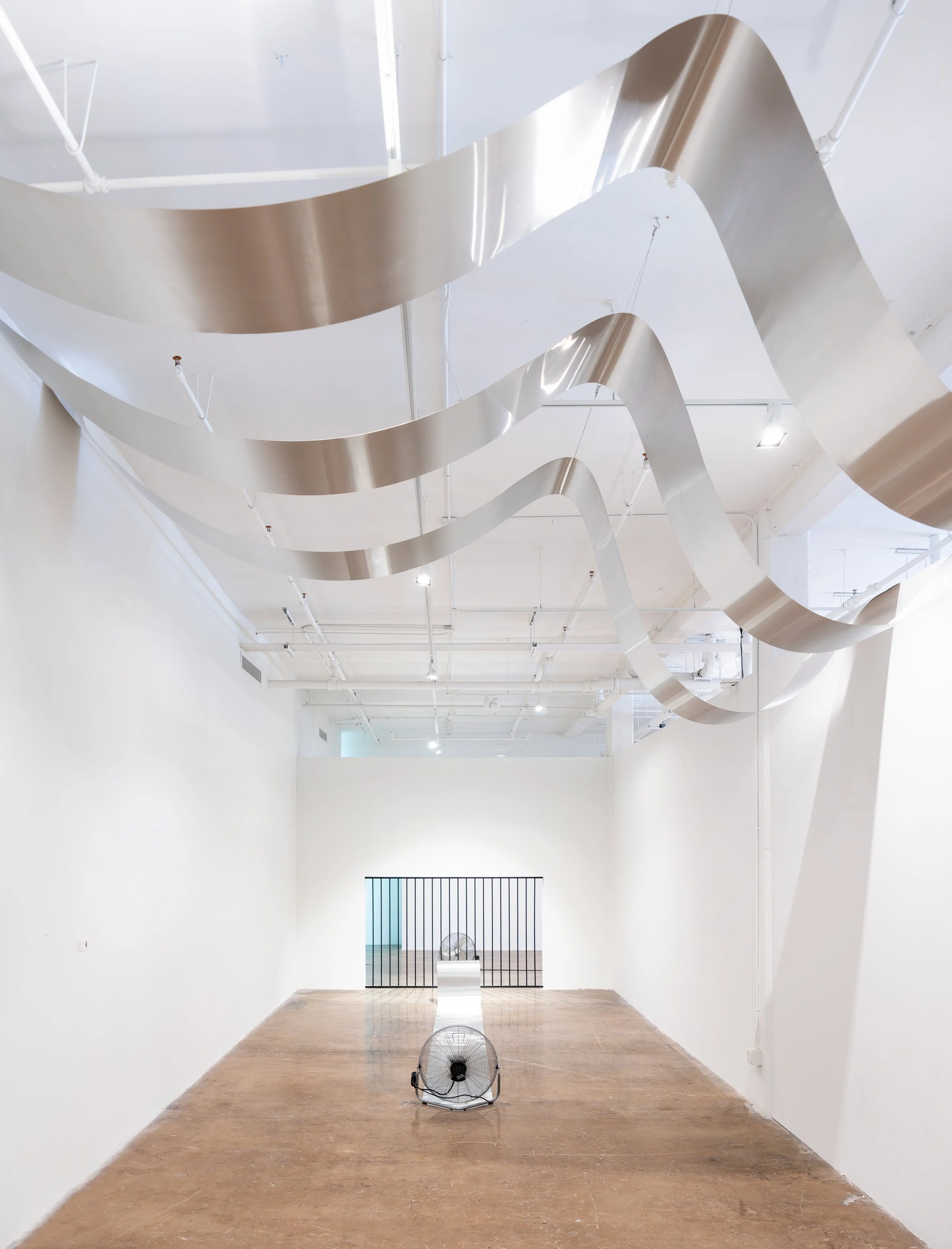
Moonment: Finding A Way features new site-specific, kinetic installations by Sizhu Li and continues her exploration of aluminum as a sculptural and poetic form. The namesake installation Moonment consisting of three-waves and a metaphorical heart was first developed by the artist in 2020 amidst the COVID-19 pandemic. During this time Sizhu reflected upon the poem Gazing at the Moon, Longing from Afar by Tang Dynasty poet and politician Zhang Jiuling:
The sea
gives birth to a shining moon
As the other end of the world
shares this moment.
This sentimental man
resents a distant nigh,
And the whole evening
gives rise to longing.
Extinguishing a candle,
feeling the fullness of moonlight
Putting on clothes
as I wake in heavy dew.
Unable
to fill my hands with this gift
I return to bed
and dream a lovely tryst.
Having immigrated to the US eight years ago from China, experiences of distance and longing are familiar to Sizhu but were intensified during the COVID-19 pandemic. Moonment is built on the idea that as we gaze towards the moon, we can connect to those we love across space and time. It invites participants to consider a cosmic and metaphysical experience of time.
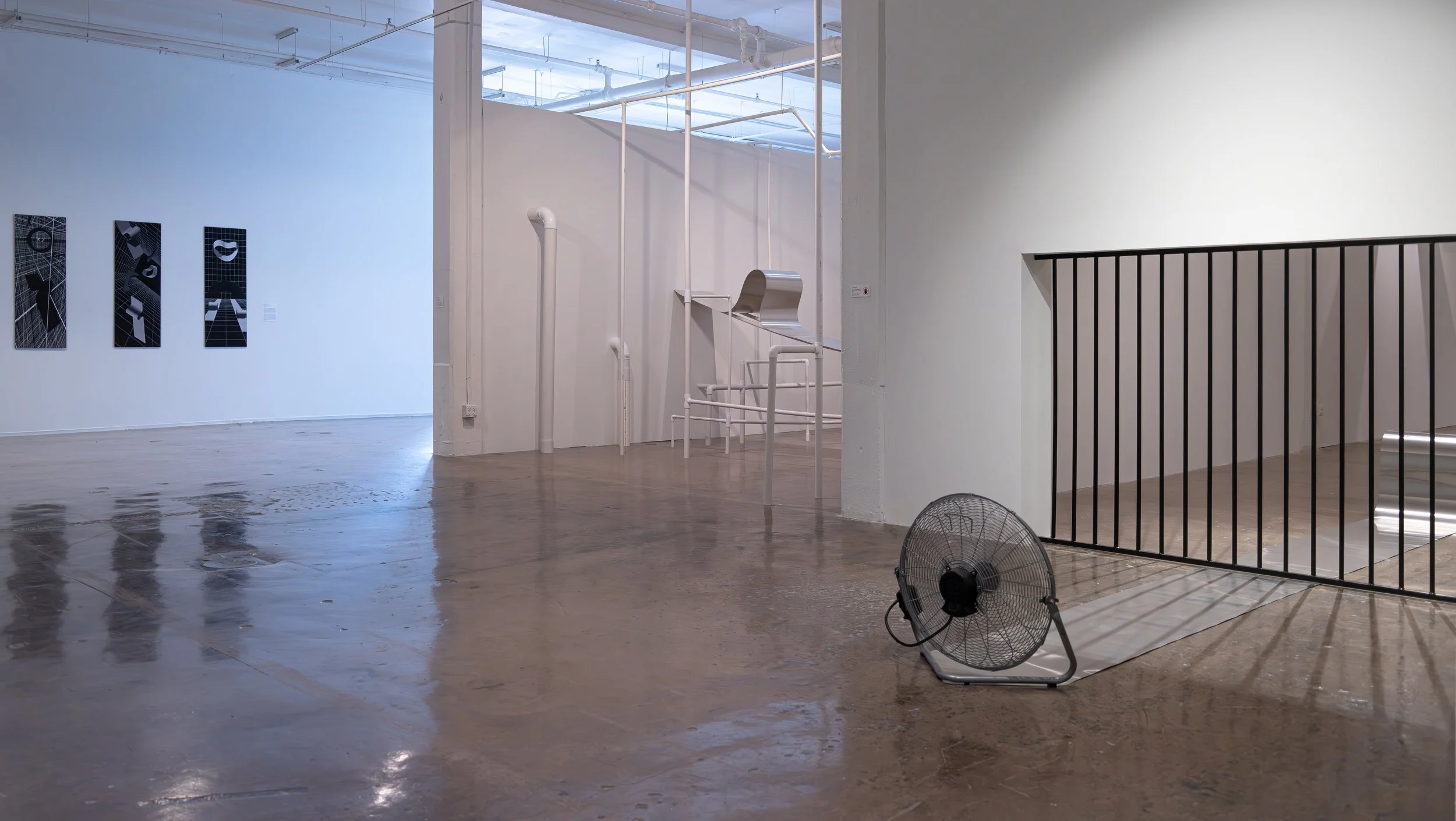
Sizhu’s interventions in the Contemporary’s Main Gallery consist of three core installations, the aforementioned Moonment, Finding A Way, and Dividing Lines. Her kinetic installation Finding A Wayresponds cleverly to the innerworkings of the building. The existing pipes that travel through the building converge with a sculptural network of pipes, moving the eye around the gallery and supporting the kinetic waves, that drift from wall to wall.
In the work Dividing Lines, one of Sizhu’s waves is impeded by a black, metal fence. This dividing structure, it’s rigid and dark form, feels in conflict with the wave. Dividing Lines is the artists response to making work in South Texas and the narratives that dominate public understanding of Texas as well as issues effecting families and communities and of the region. The themes of distance, longing, love, and separation present in the entire Moonment series are acutely felt through the symbol of the fence.
The walls throughout the gallery act as a small labyrinth being utilized as barriers, to direct movement around the space and obstruct views of the work, requiring one to more around, following pipes, aluminum, and sound to complete the works. Around the perimeter of the gallery are smaller scale sculptures made within the artists lexicon of symbolic forms and characters. Together all these elements create a small survey of Sizhu’s materials and methodologies explore in her practice thus far.
Although containing mechanized and industrial materials with futurist sensibilities, the installation’s references to the organic foreground the experience of the work. The sound and motion of the waves; gusts of air pushing the aluminum; rhythmic beating of the ‘heart”; light bouncing and reflecting off the shiny aluminum like the surface of water, all work together to form a meditative, reflective environment, akin to watching wave roll in on oceans shores. Moonment: Finding A Way is an invitation to be present and find respite within the exhibition and as you leave, when you reengage the world around you.
Mosh Now, Cry Later: San Antonio’s love of sad rock and its impacts on visual culture
Contemporary at Blue Star
210-227-6960
116 Blue Star
San Antonio, TX 78204
Mar 7, 2025 – Jun 8, 2025
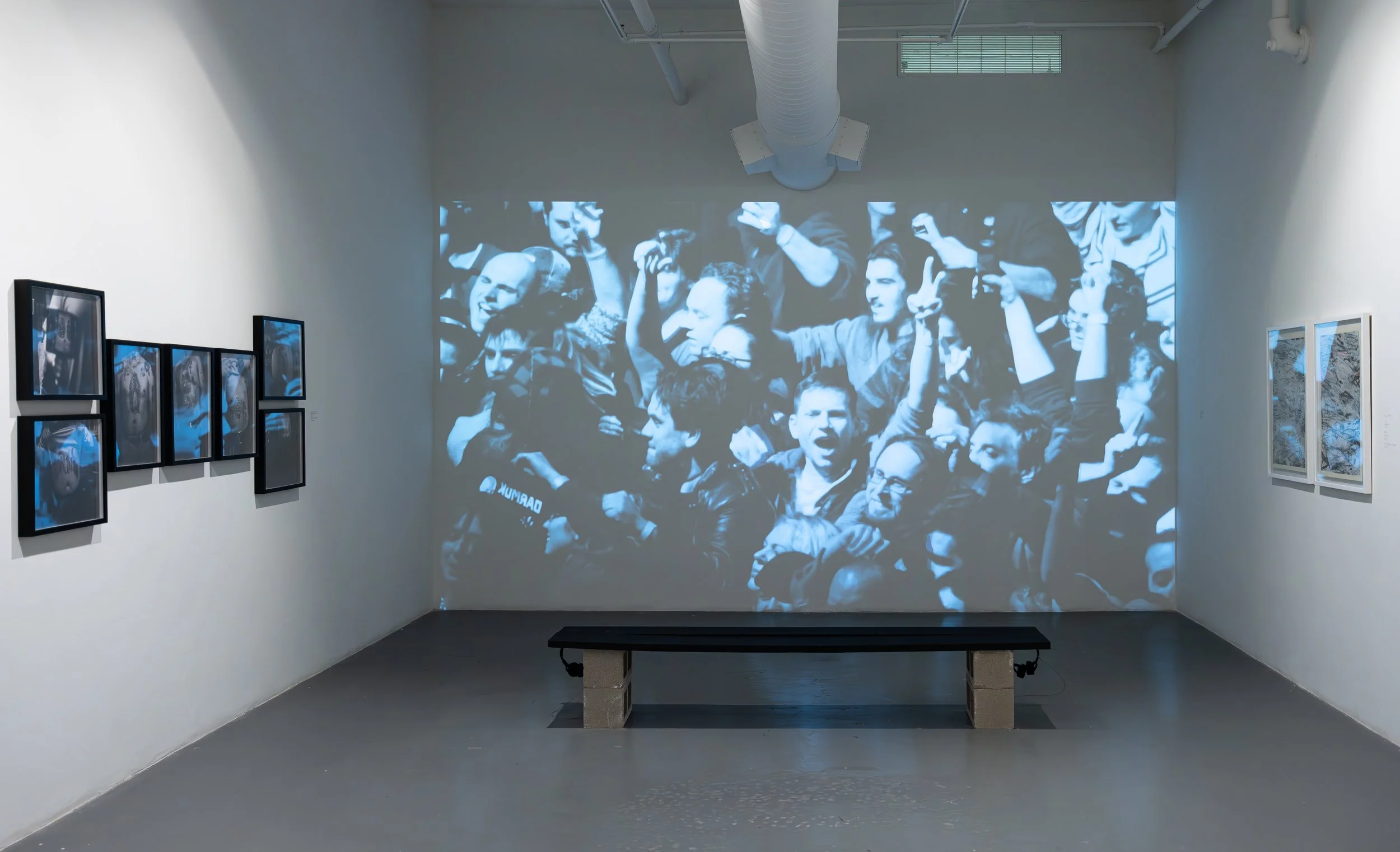
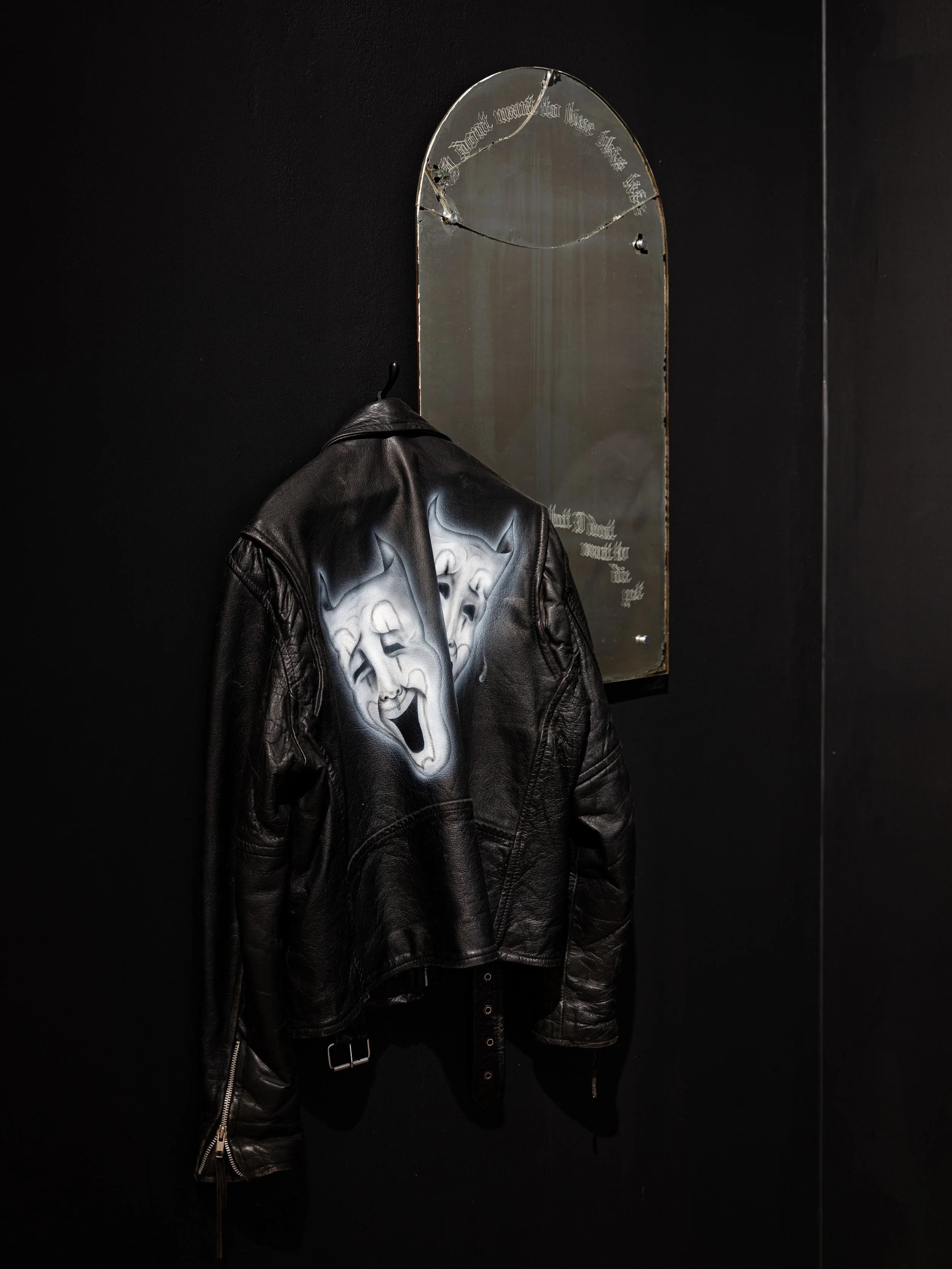

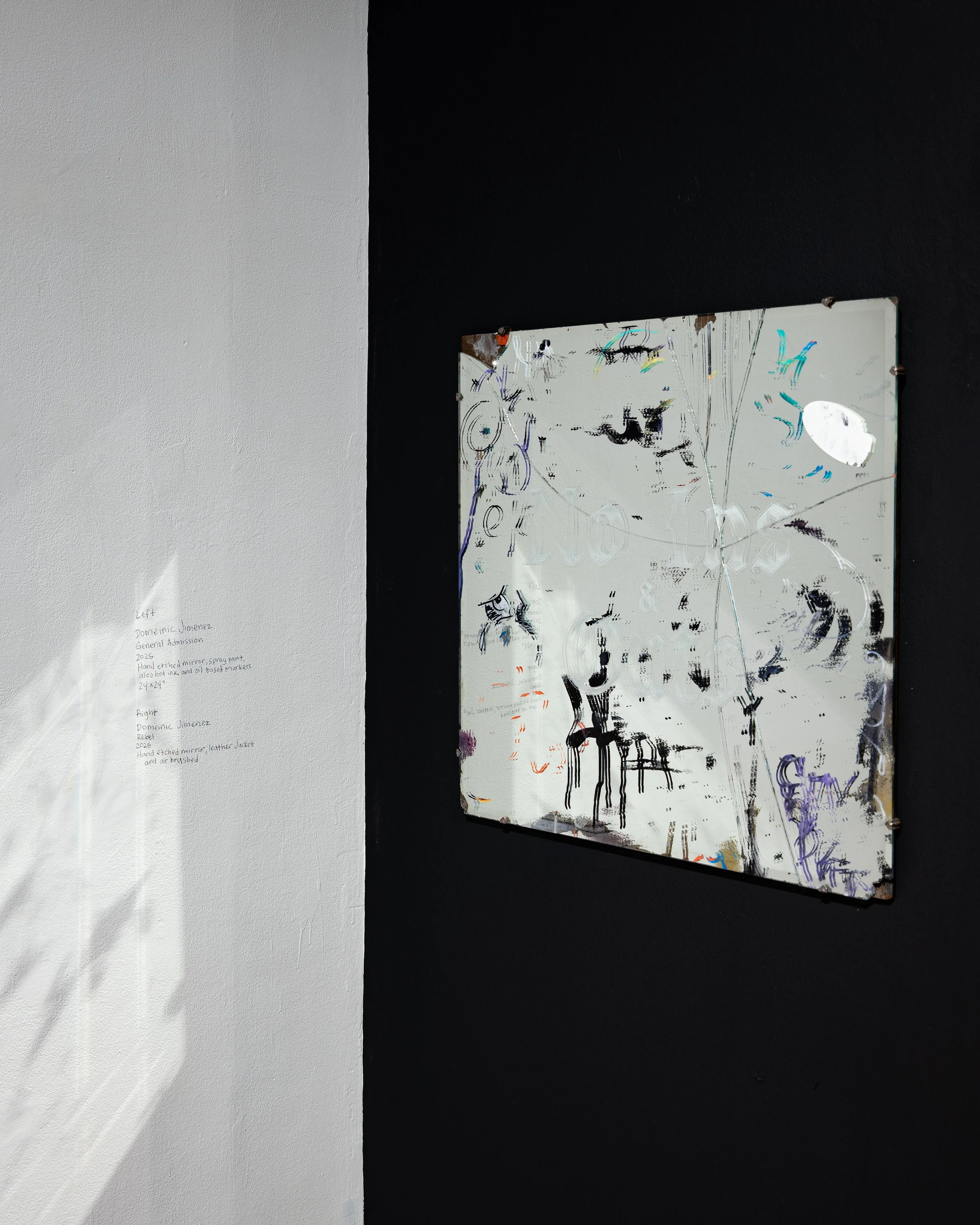
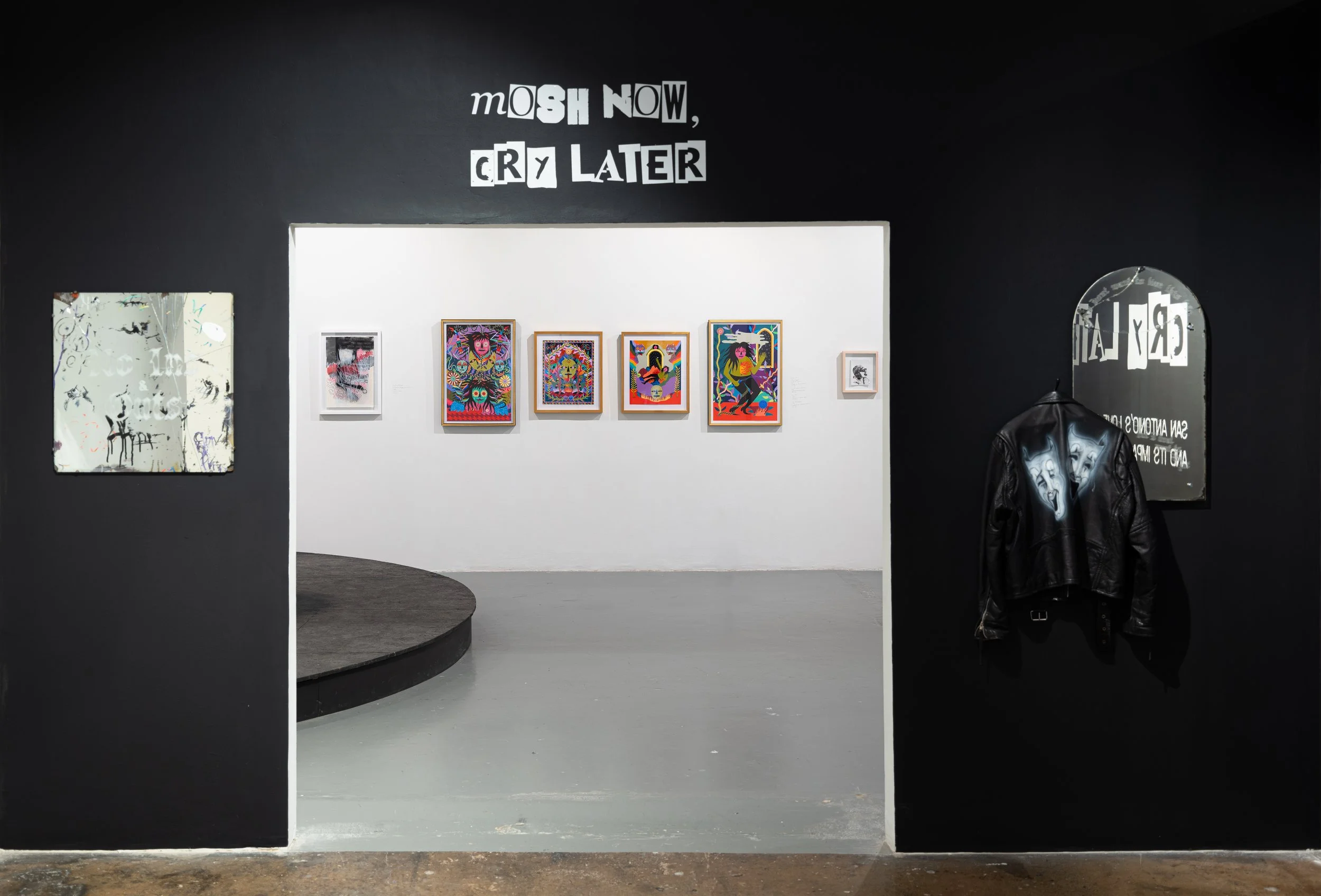
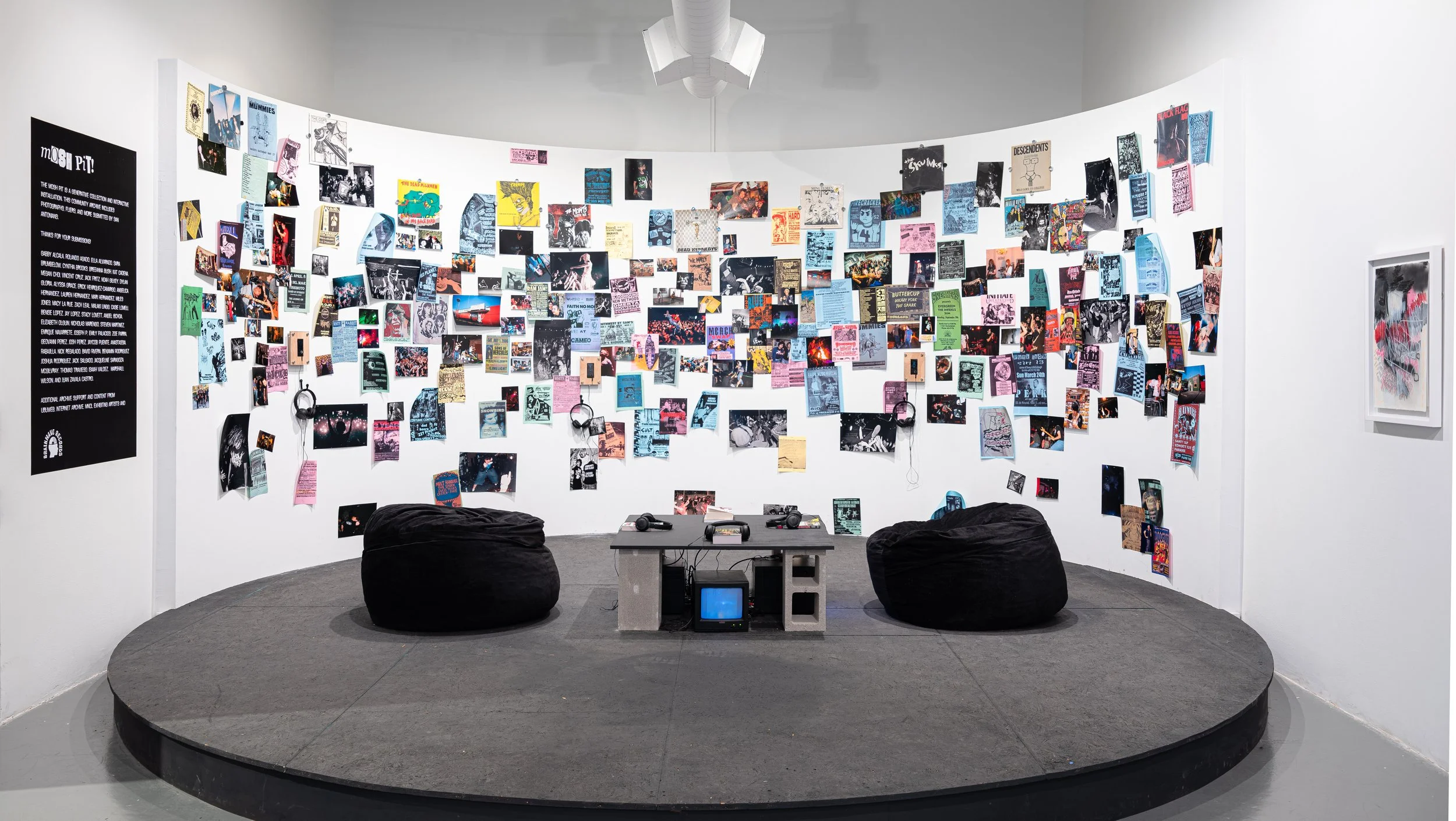
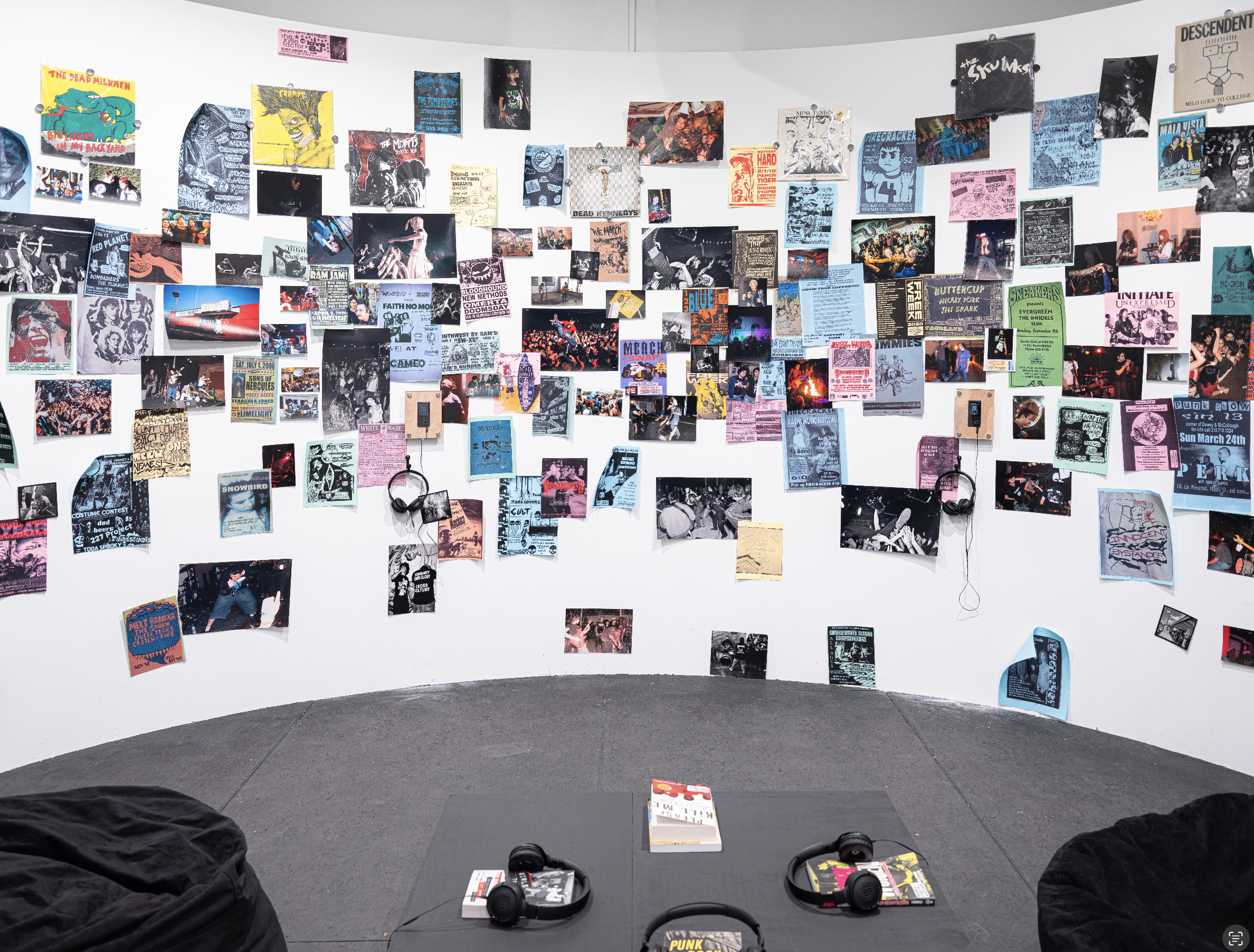
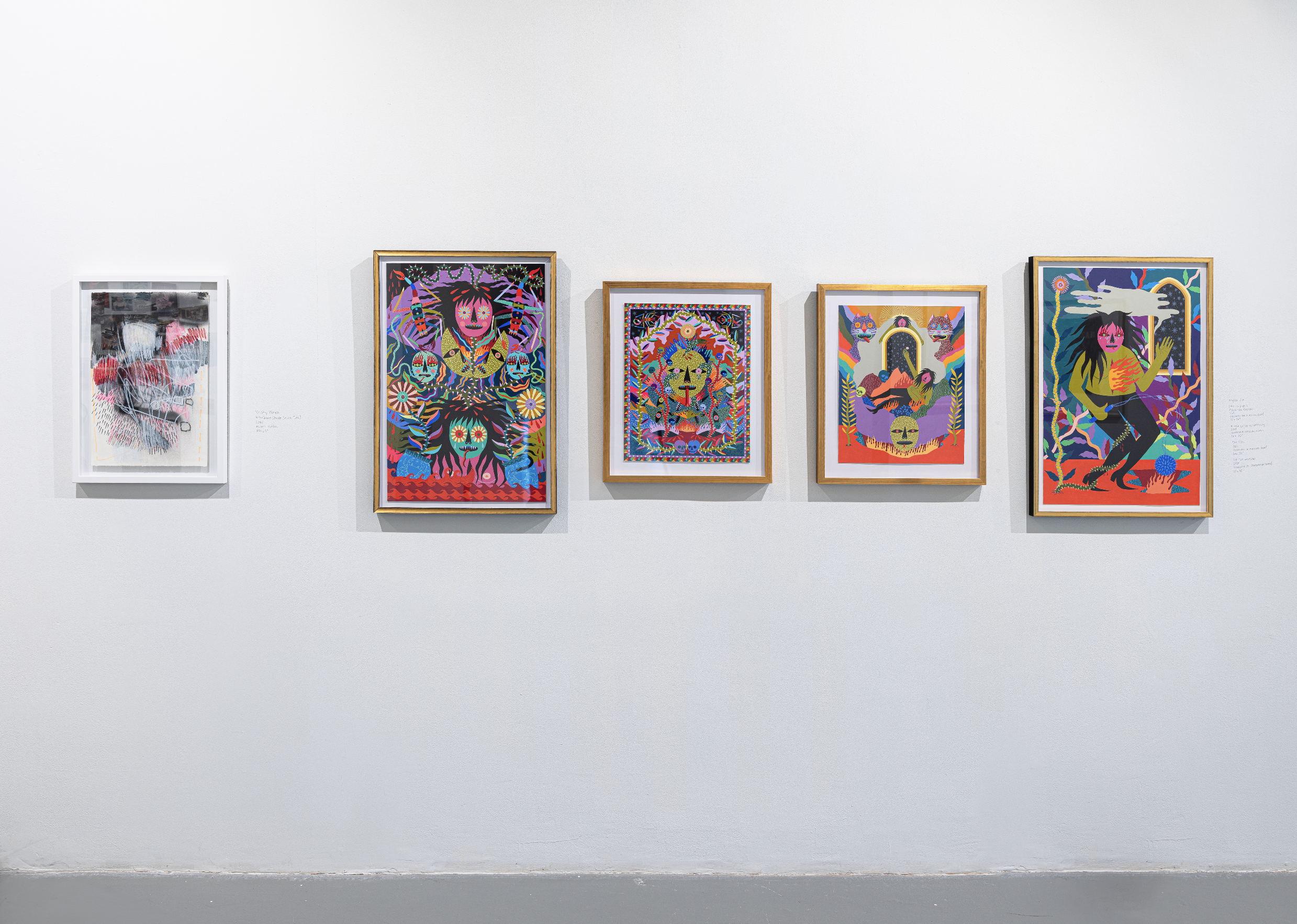
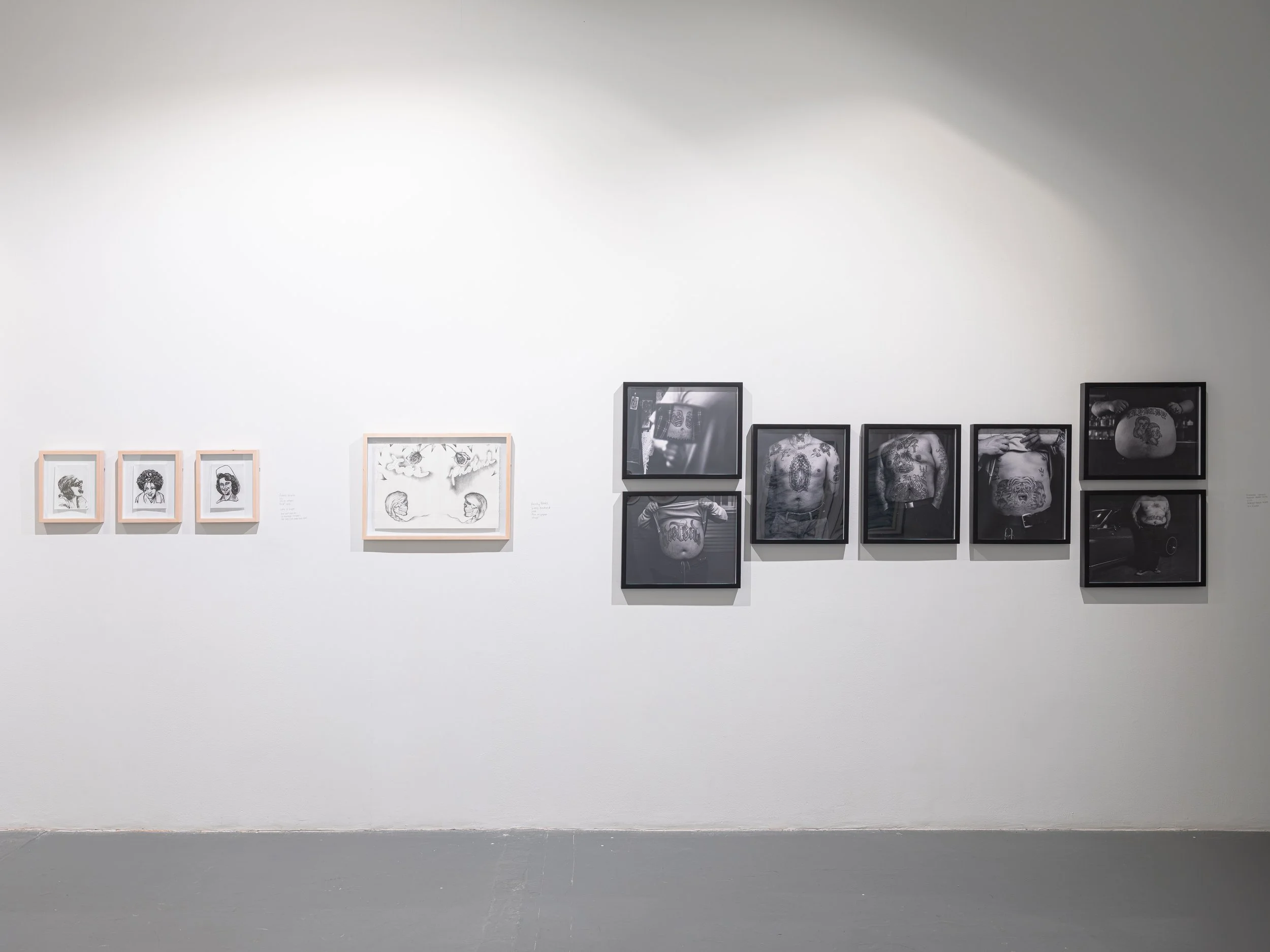
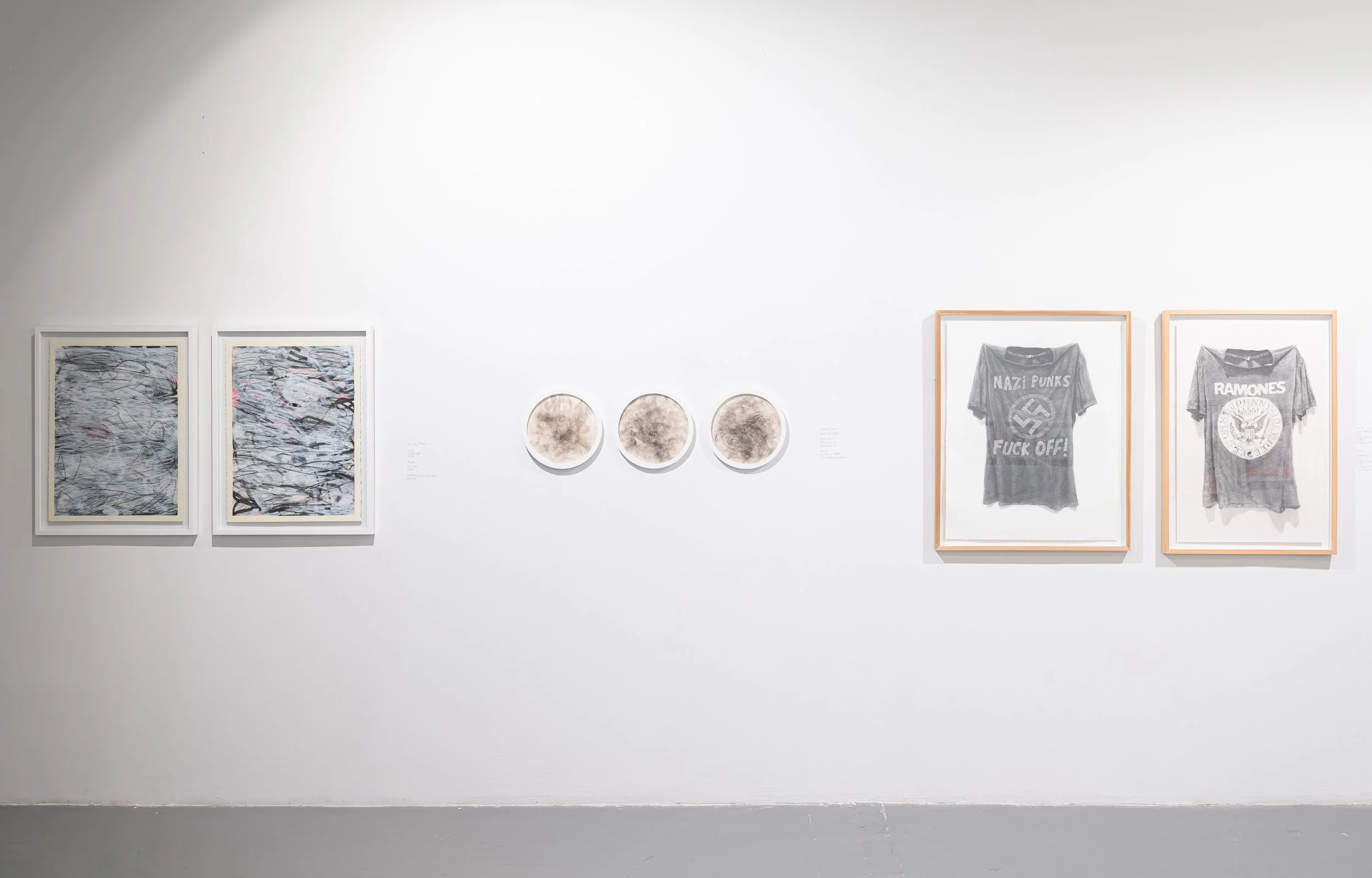
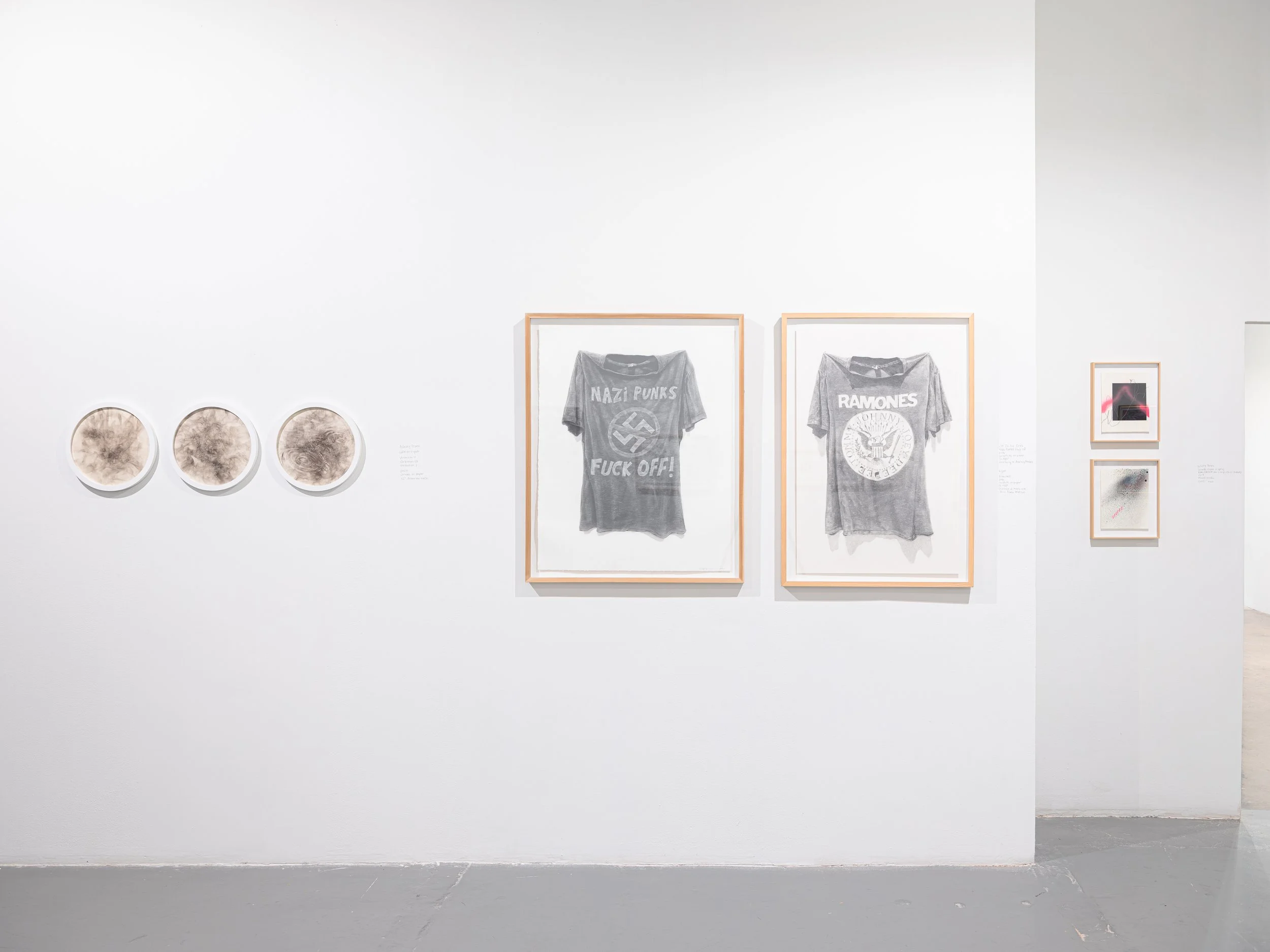
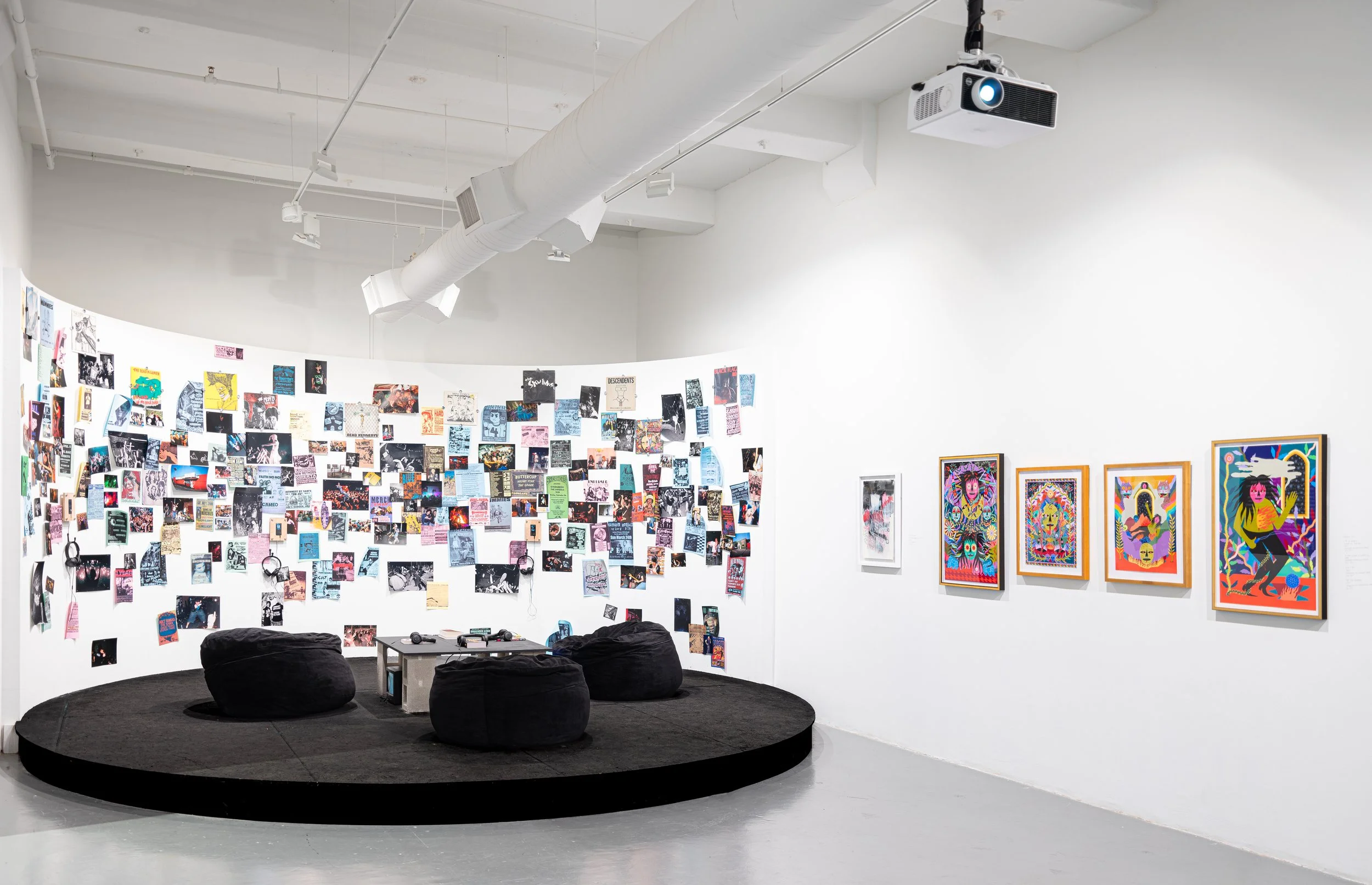
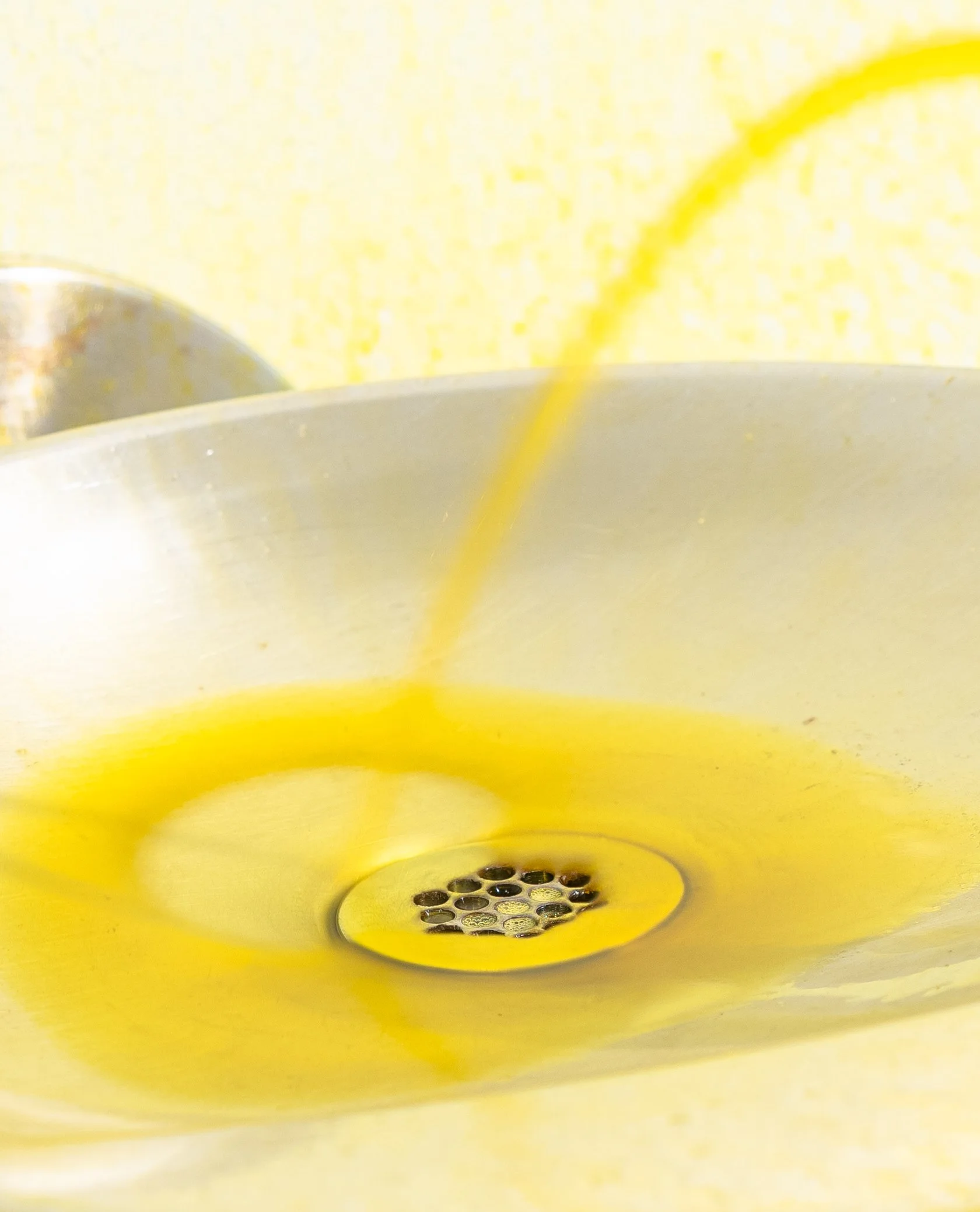
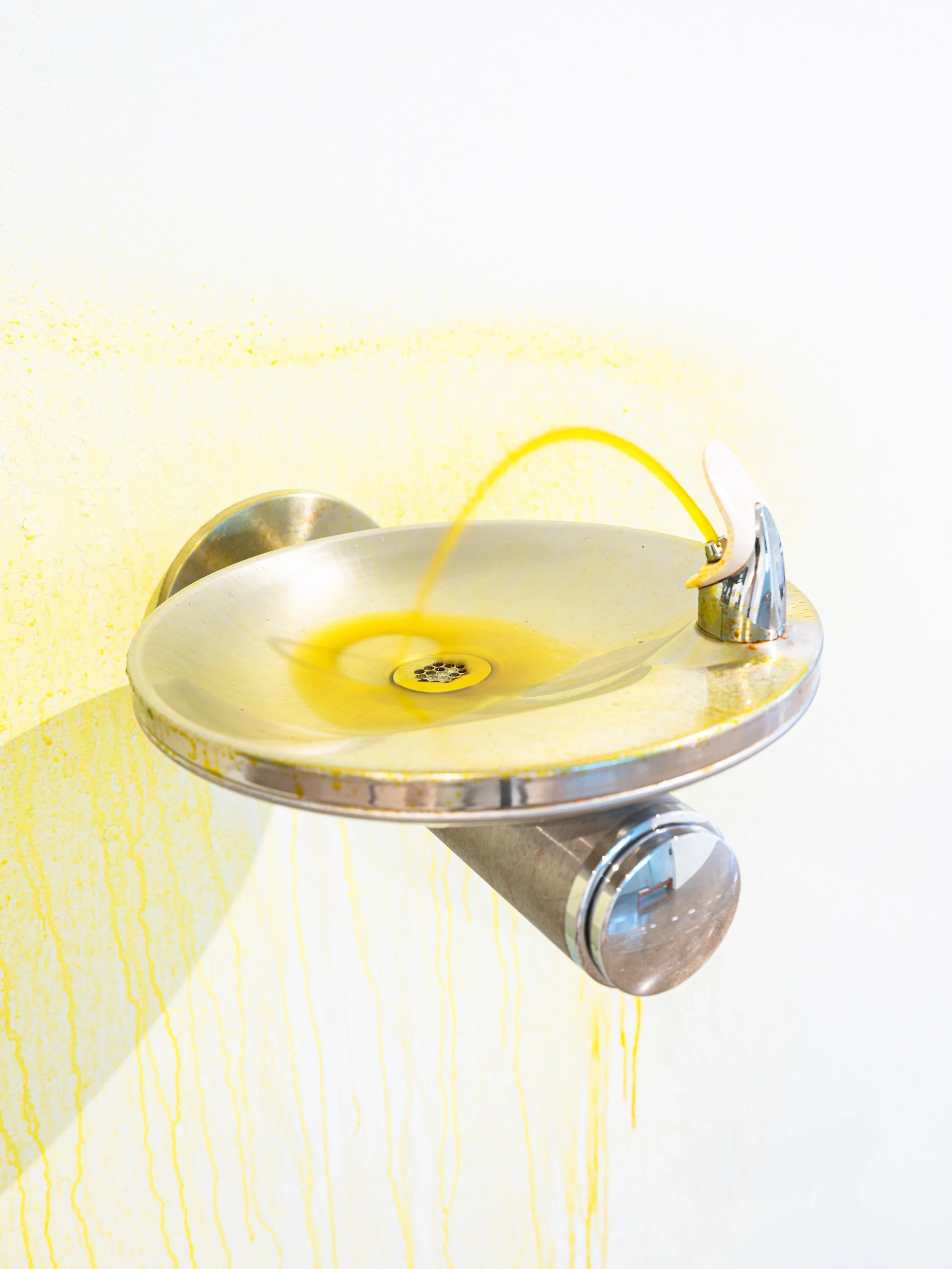
Featuring Christie Blizard, Justo Cisneros, Joe De La Cruz, Juan Flores, Angela Fox, Brian Gonzalez, Nick Hay, Domeinic Jimenez, Ashley Mireles, Charlie Morris, Theresa Newsome, Ashley Perez, Kristy Perez, Anthony Rundblade.
Mosh Now, Cry Later: San Antonio’s love of sad rock and its impacts on visual culture is a multidisciplinary group exhibition reflecting on San Antonio’s inter-generational and subcultural enthusiasm for alt rock genres and the significance of the community generated by these scenes. From the late 1980’s through the aughts, to current trends of today, alternative and independent rock genres have had a passionate and consistent audience in San Antonio (including punk, post punk, new wave, emo, screamo, hardcore punk, goth, shoegaze, indie rock and other intersecting genres).
The exhibition pinpoints the shared sensibilities of a cultural undercurrent within the visual art and music scenes of San Antonio and explores parallels in emotional undertones. Mosh Now, Cry Later features artworks reflecting themes and methods aligned with those in these musical subgenres. Themes include melancholia, irony, lonerism, the symbolic use of the macabre to express heartache, and audience as performers (mosh!).
Additionally, threads of the exhibition endeavor to explore Latinx youth as pivotal members of this subculture. It explores the appeal of these genres connecting to potential intersections with Latinx cultura, such as the DIY aesthetics of punk with those of rasquache; current punk, emo, etc. as counterculture reactions to machismo; and vocal techniques of screaming and growling as a parallel to the grito.
The history of a music scene is often recollected and historicized by its musicians–Detroit Techno; Seattle Grunge; LA and NYC Punk, etc. Distinctly, the citadel of the alt-rock scenes in San Antonio has been audience-generated, which speaks to the power of collective catharsis. Central to the exhibition is a listening room, called Mosh Pit, which features archival, community-sourced photographs and ephemera documenting the alt rock music scenes of San Antonio, and a catalog of albums and playlists for visitor interaction. The dialog between the visually based artworks and the listening room in the exhibition mirror the cross pollination of ideas between disciplines in San Antonio’s artistic community.
Organizers
Mosh Now, Cry Later is curated by Jacqueline Saragoza McGilvray, Curator and Exhibitions Director, Contemporary at Blue Star.
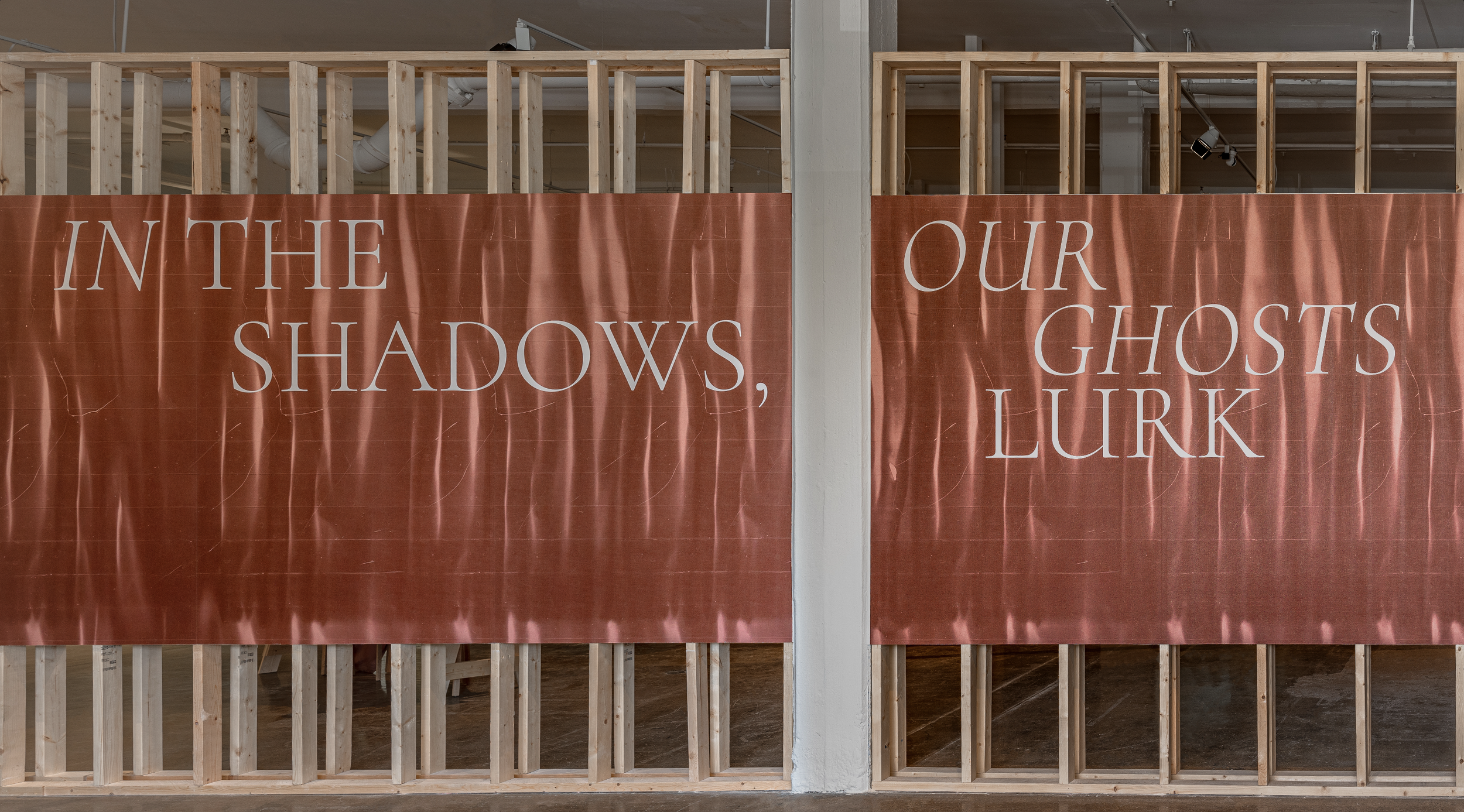
In the Shadows, Our Ghosts Lurk
Contemporary at Blue Star
210-227-6960
116 Blue Star
San Antonio, TX 78204
Jun 6, 2025 – Oct 5, 2025
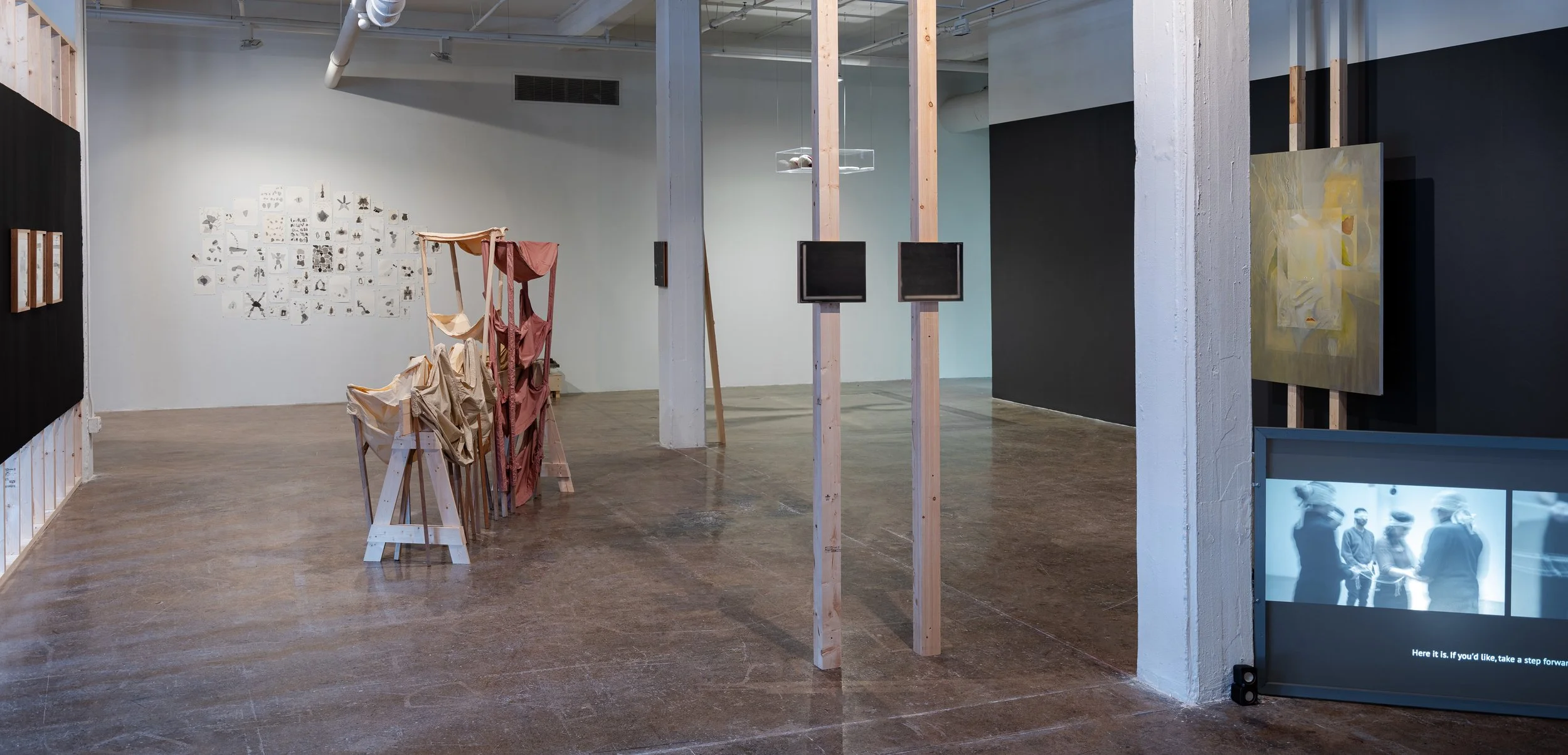
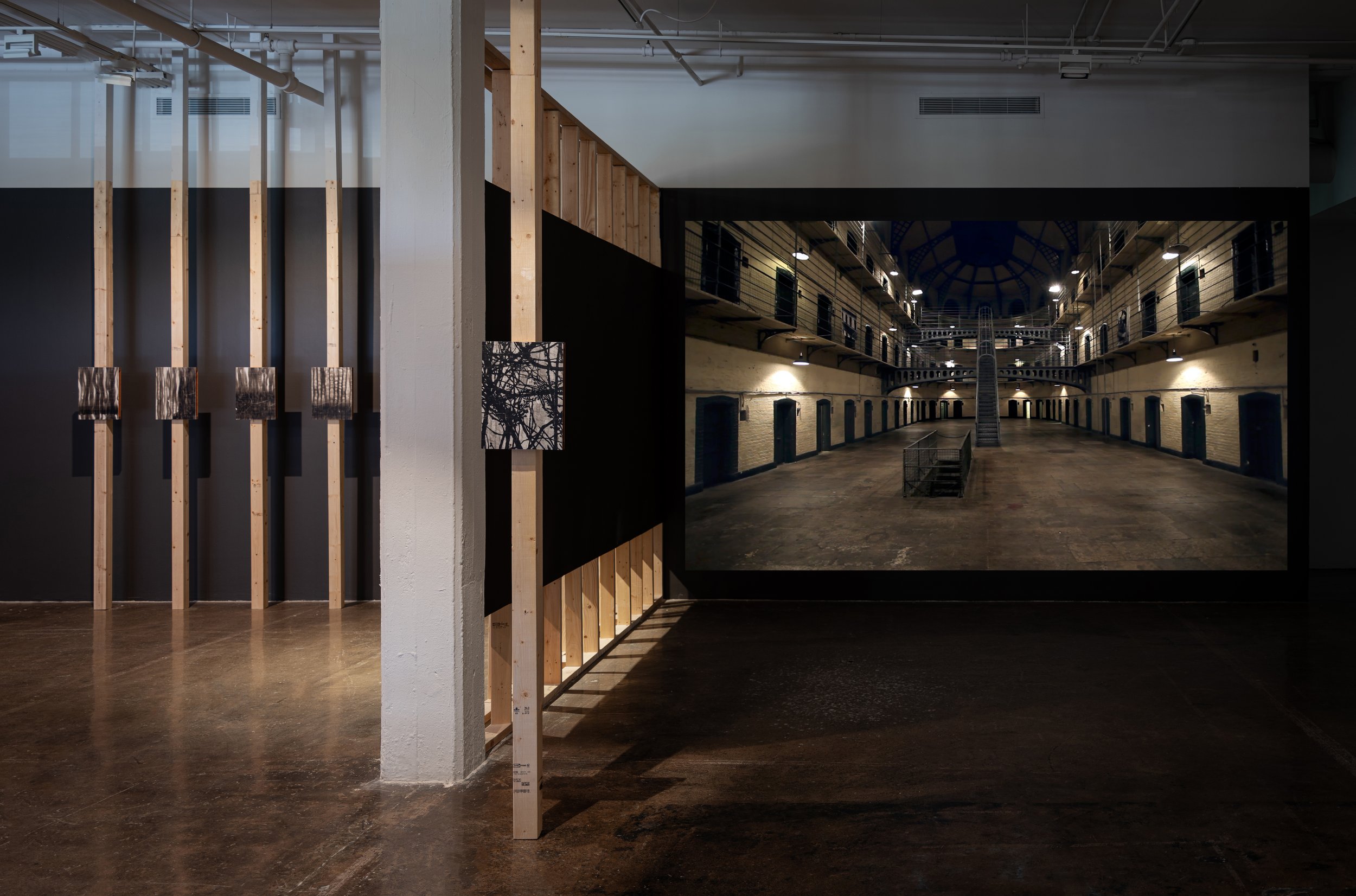
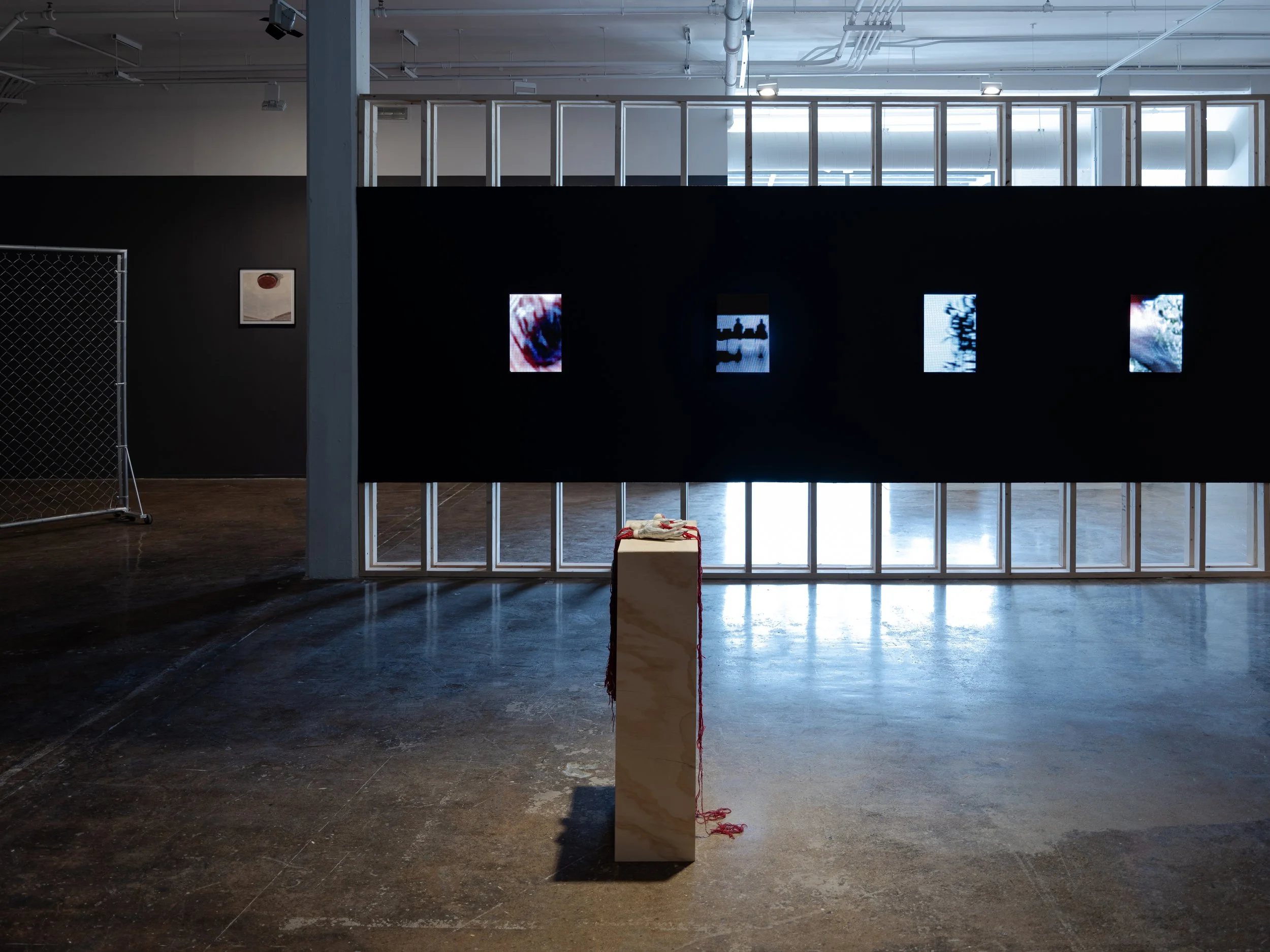
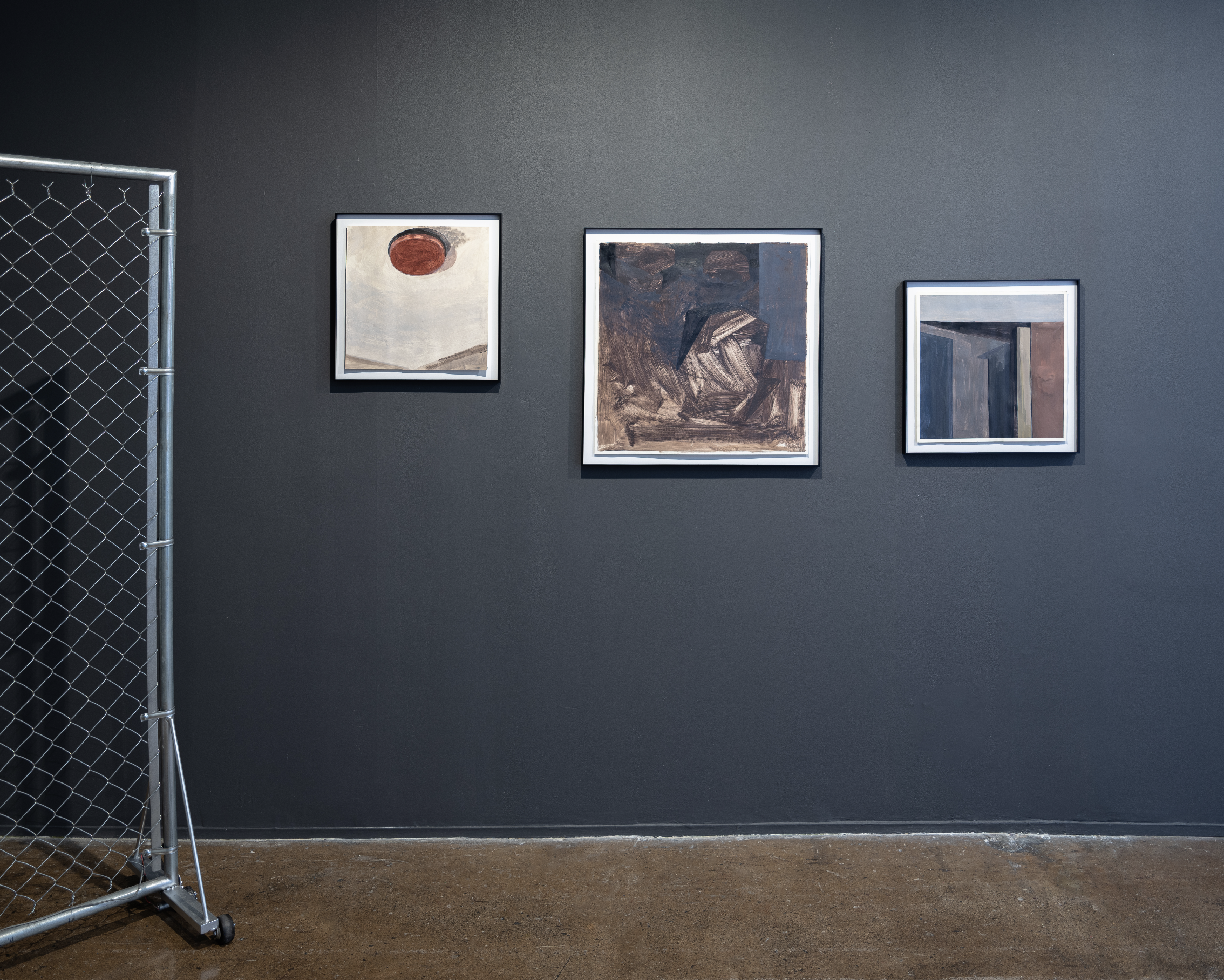
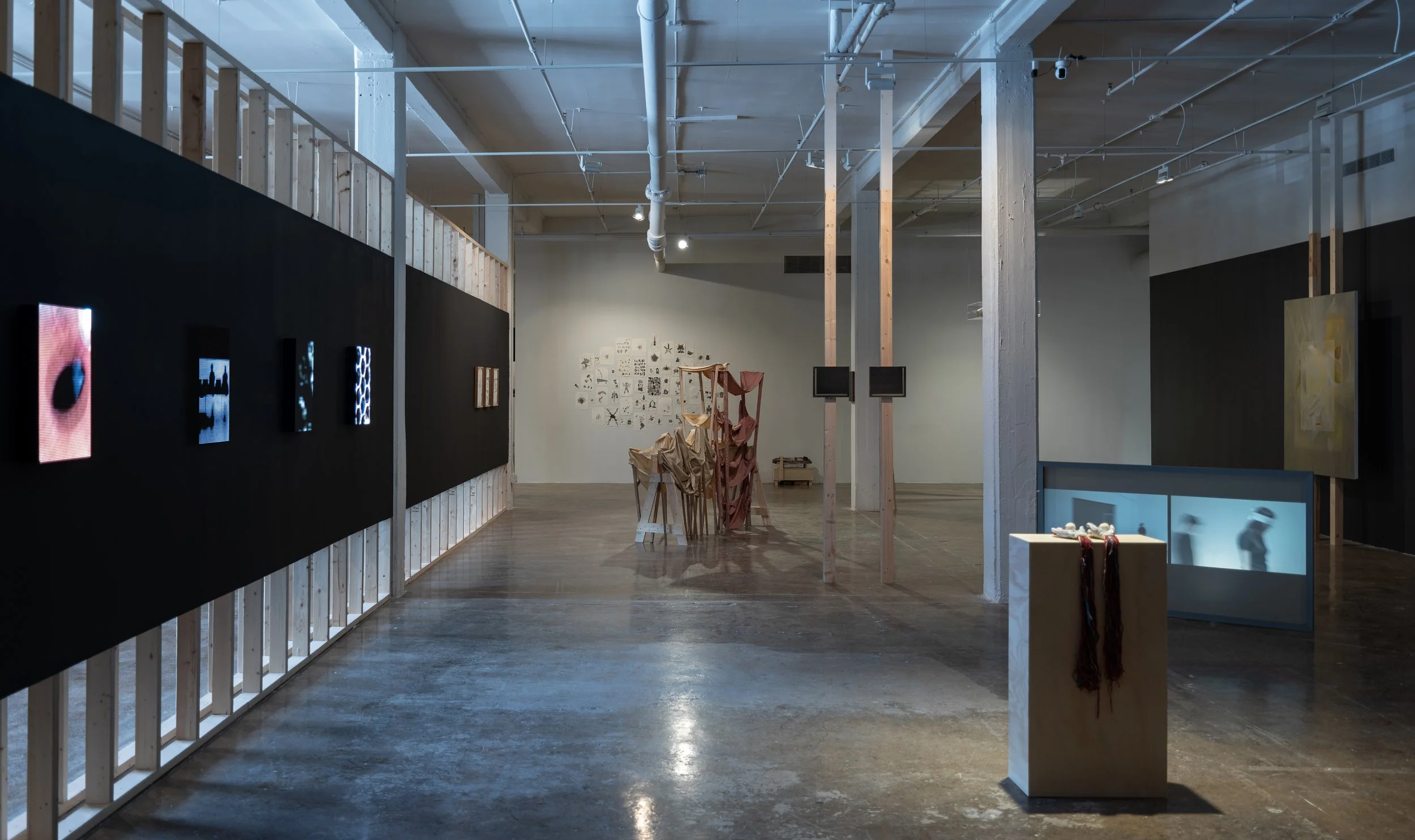
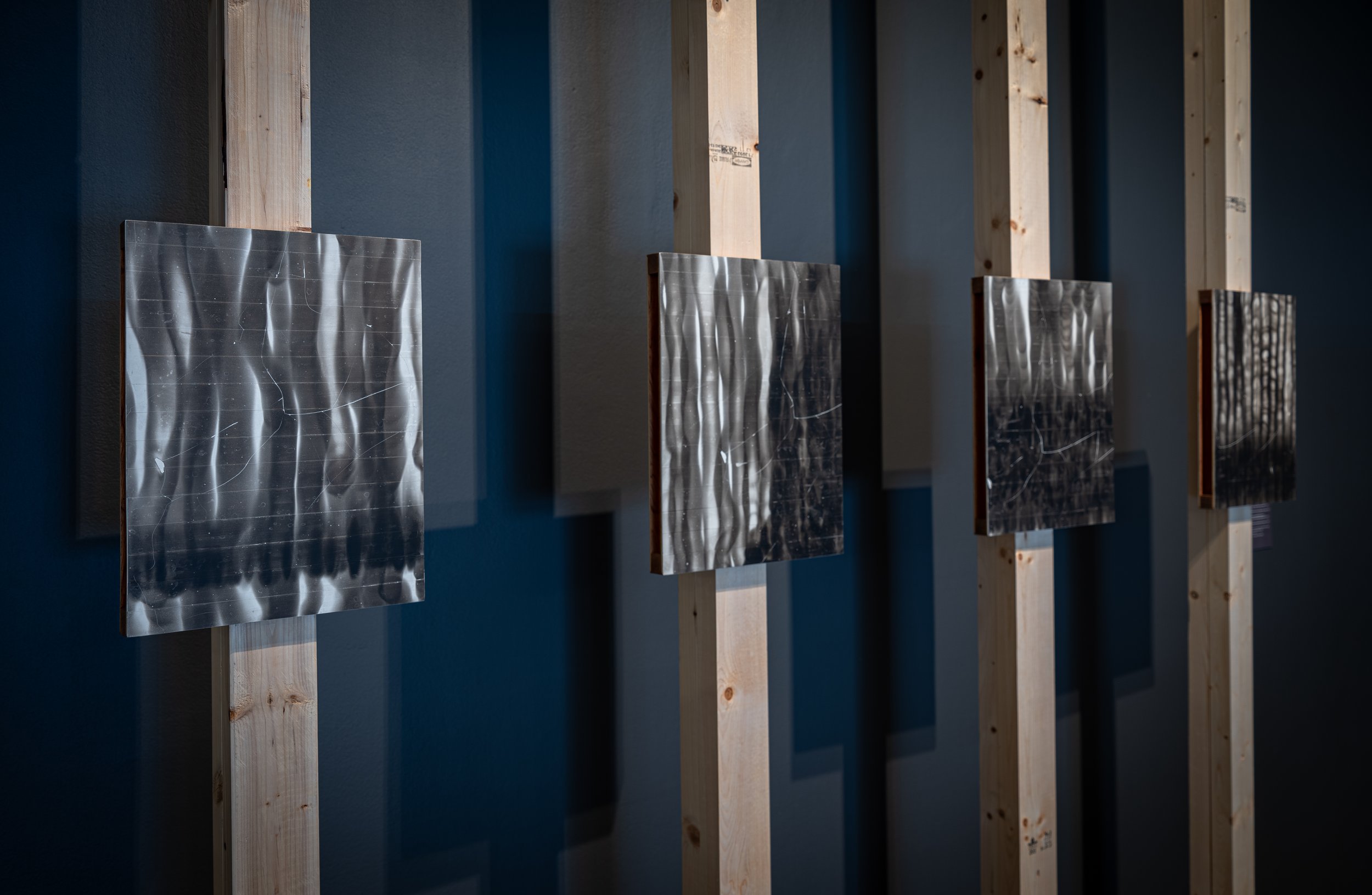
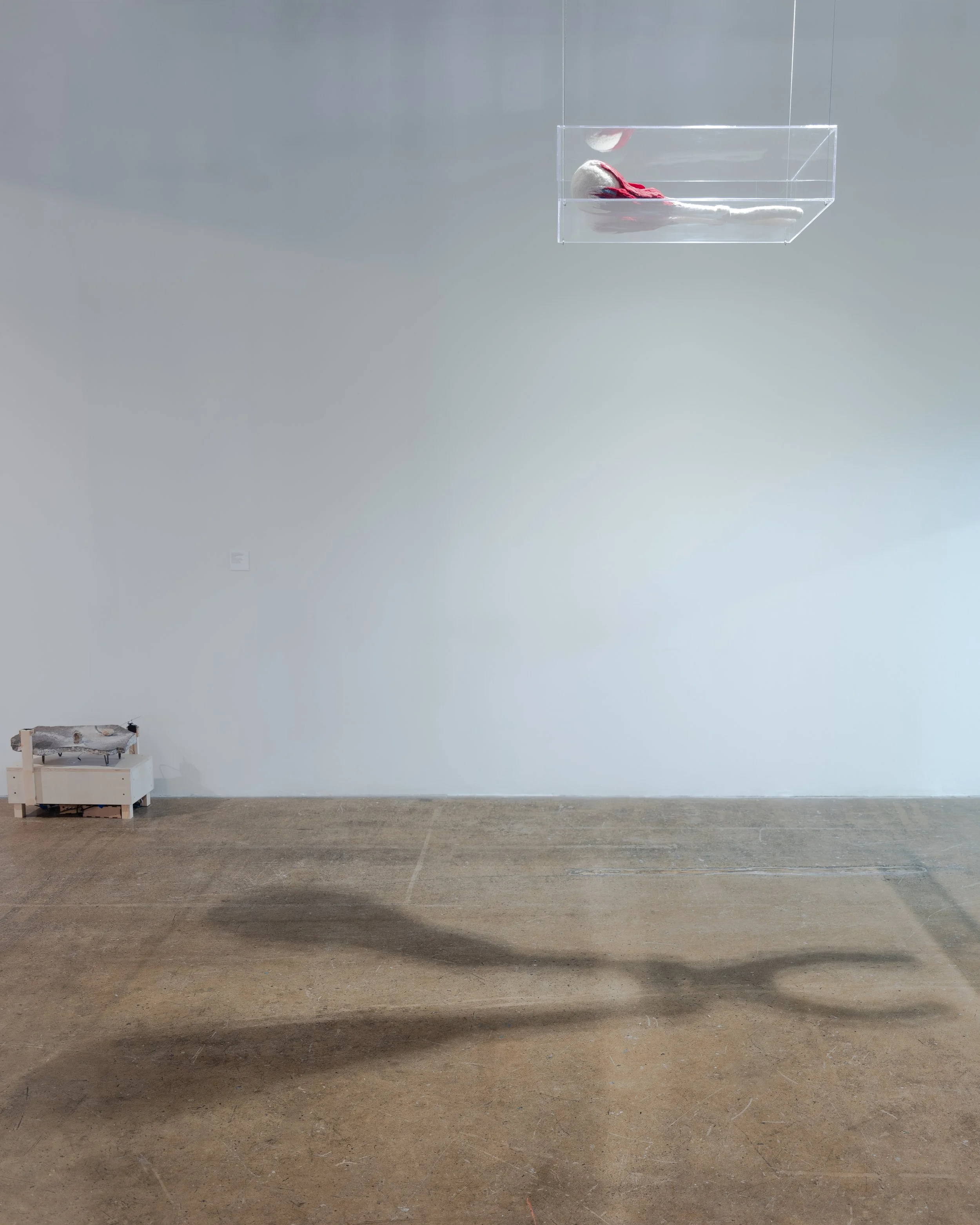
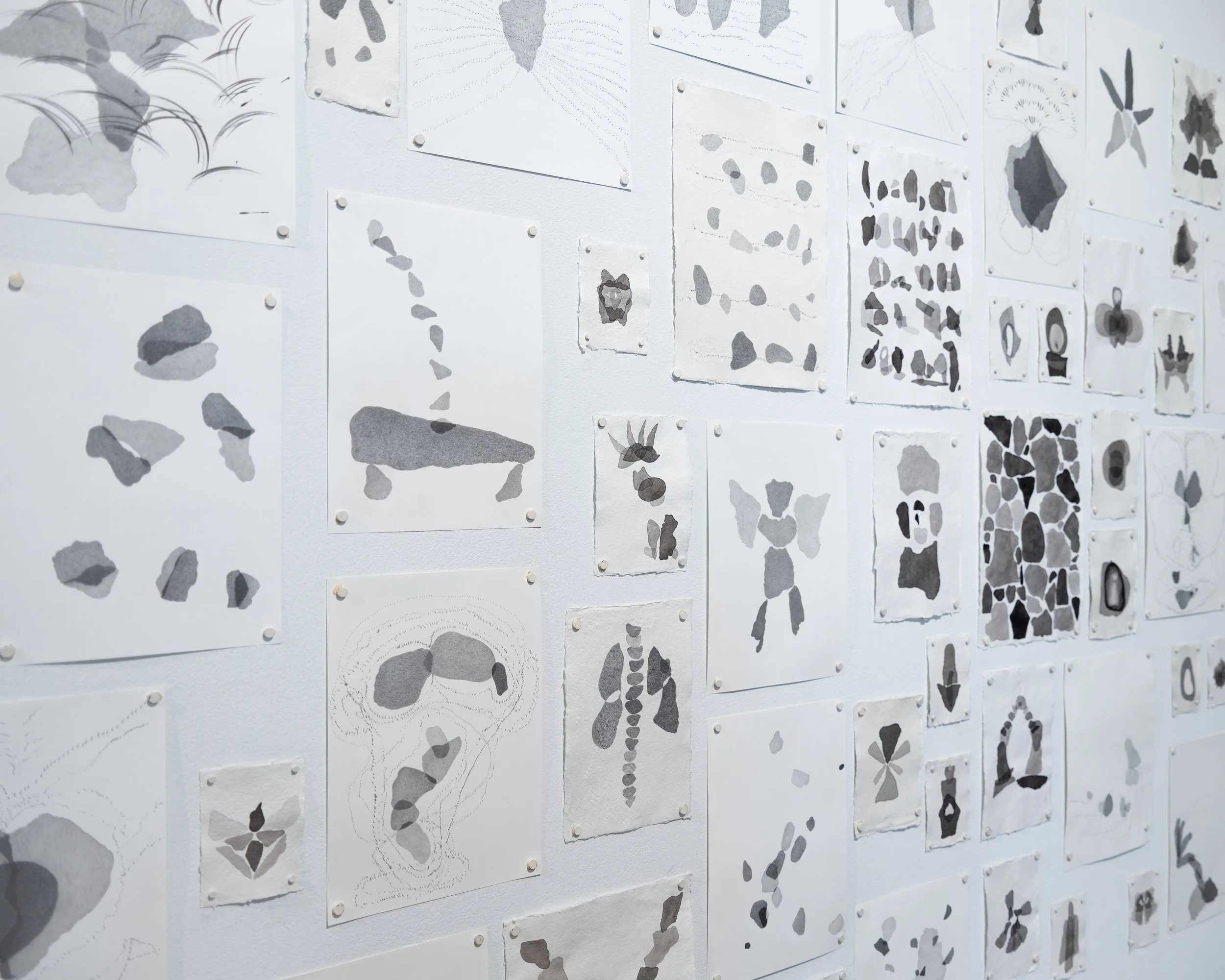
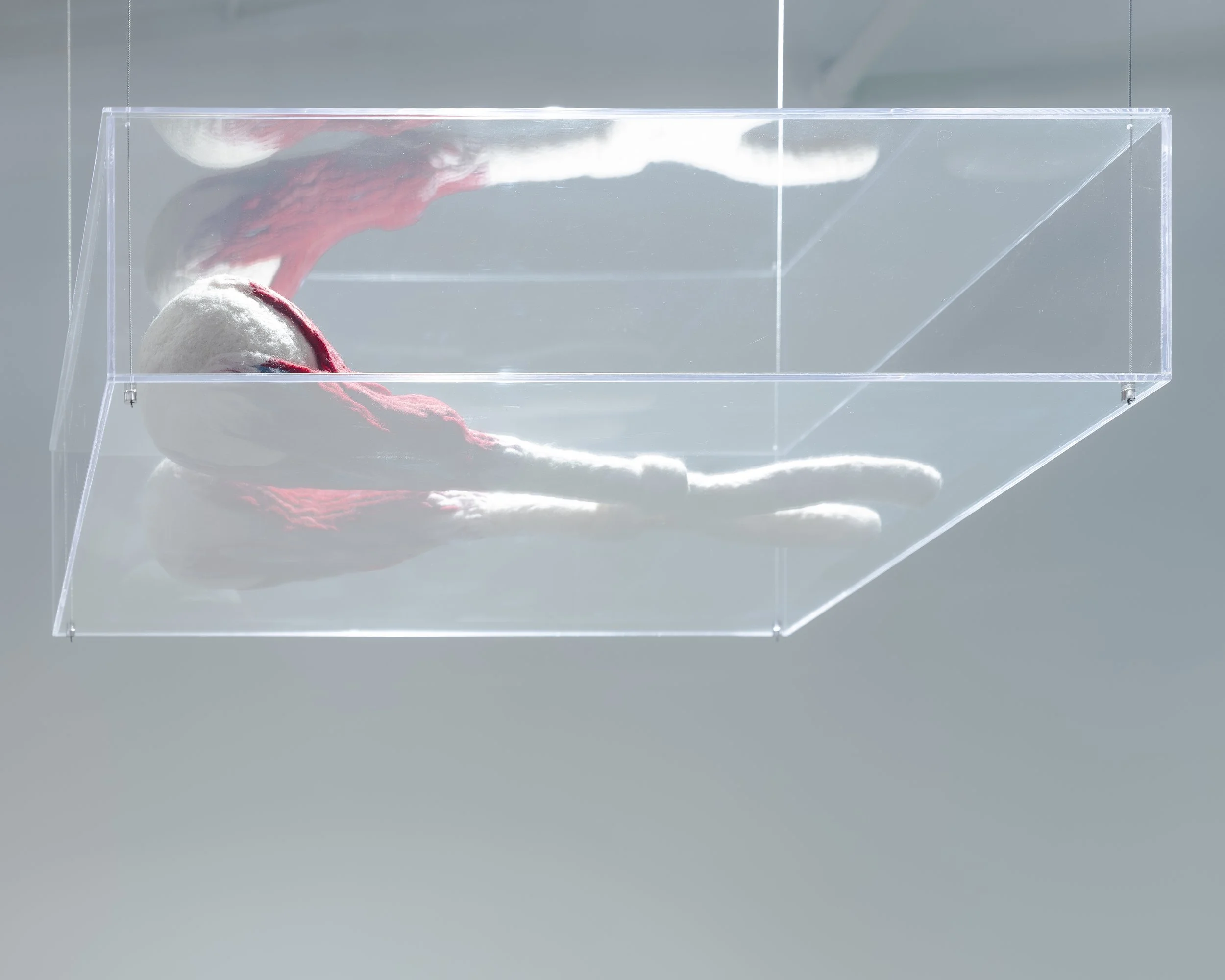
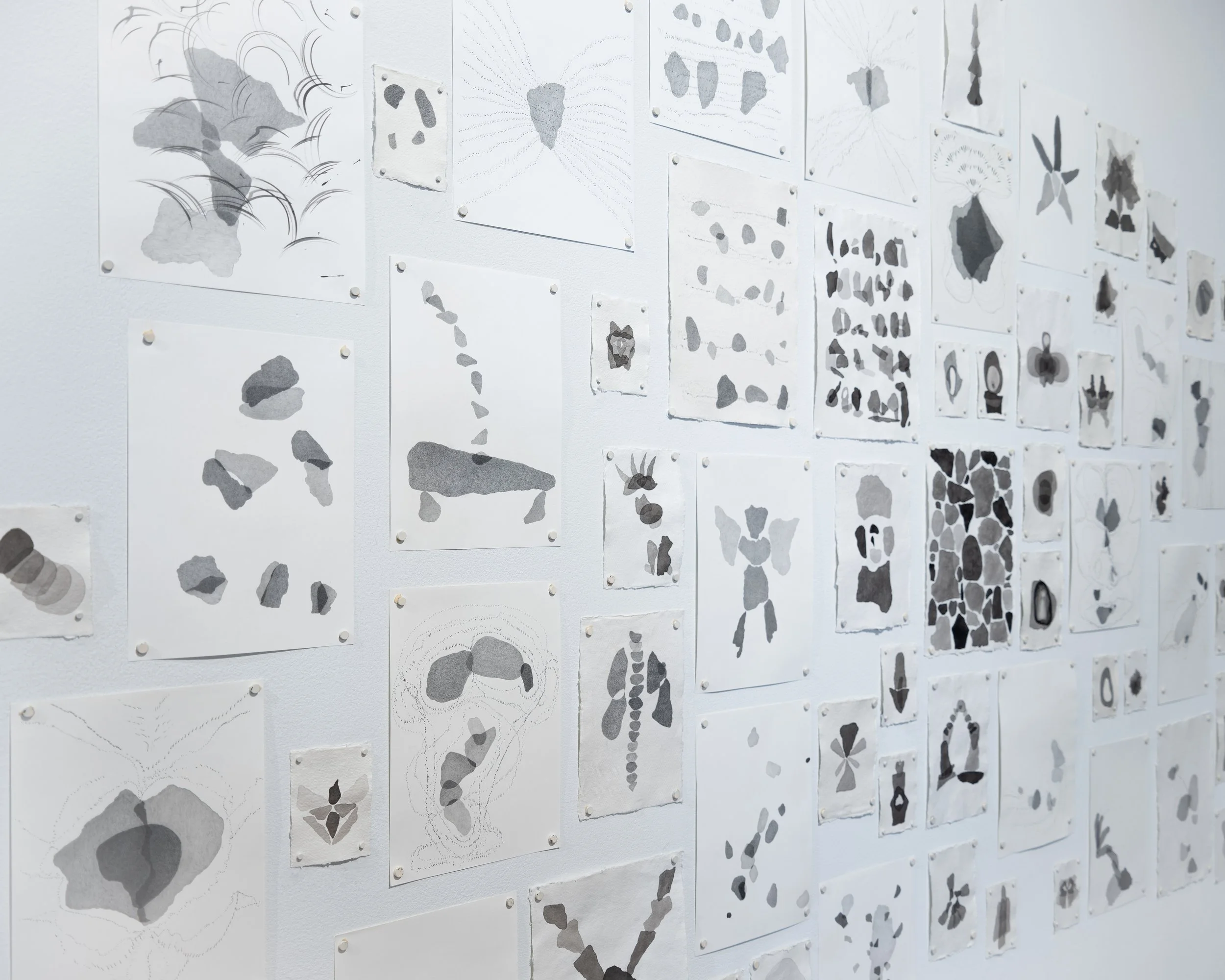
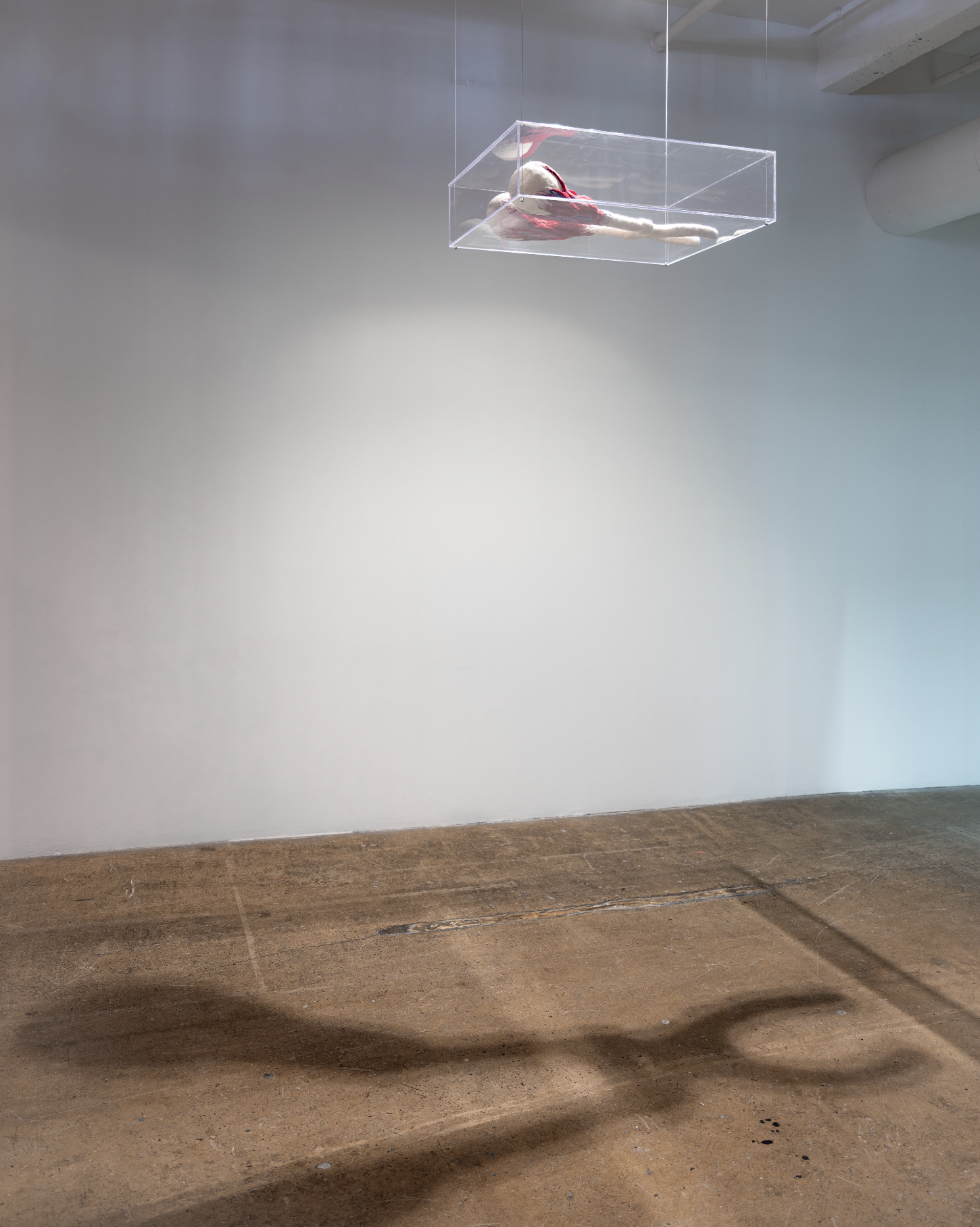
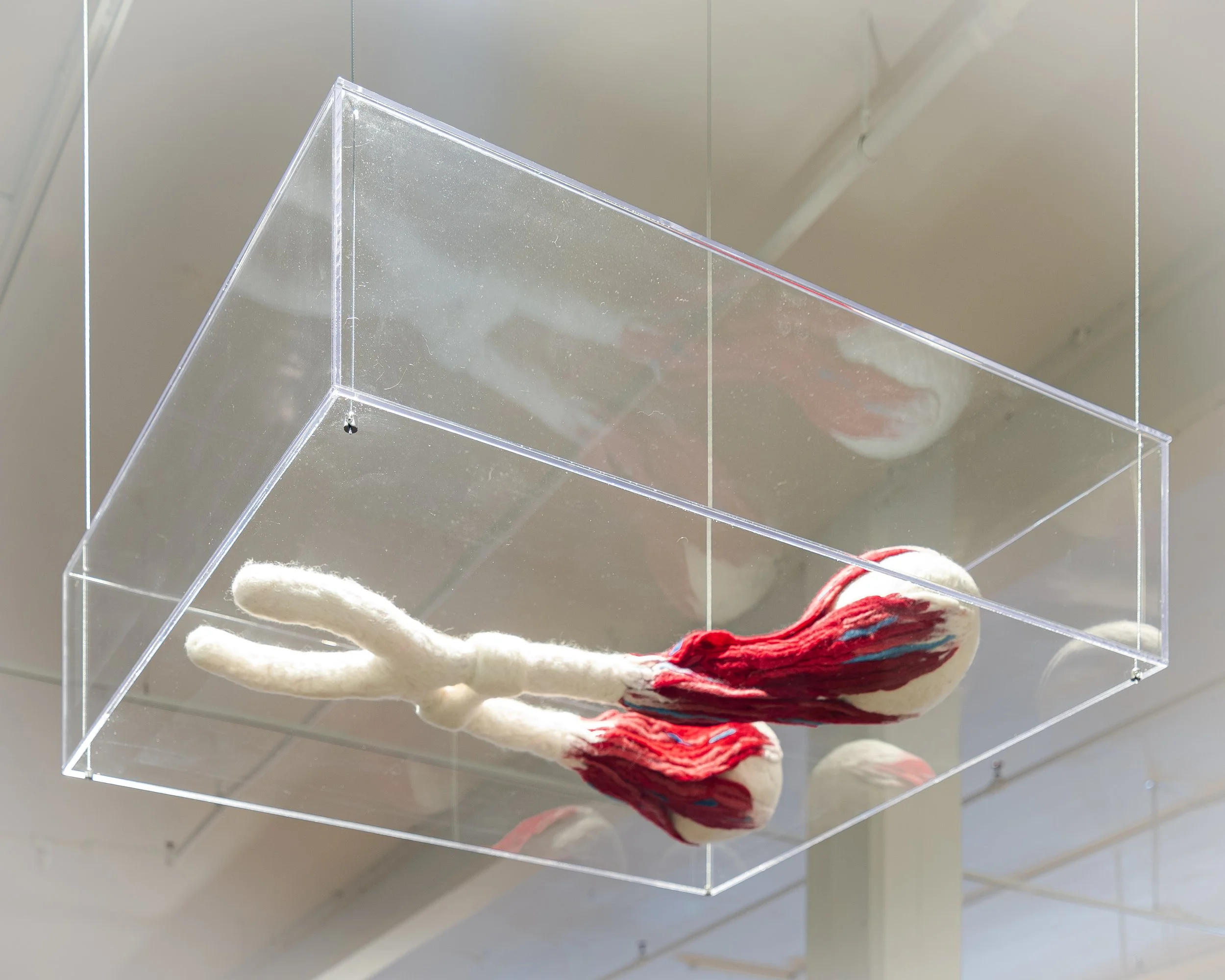
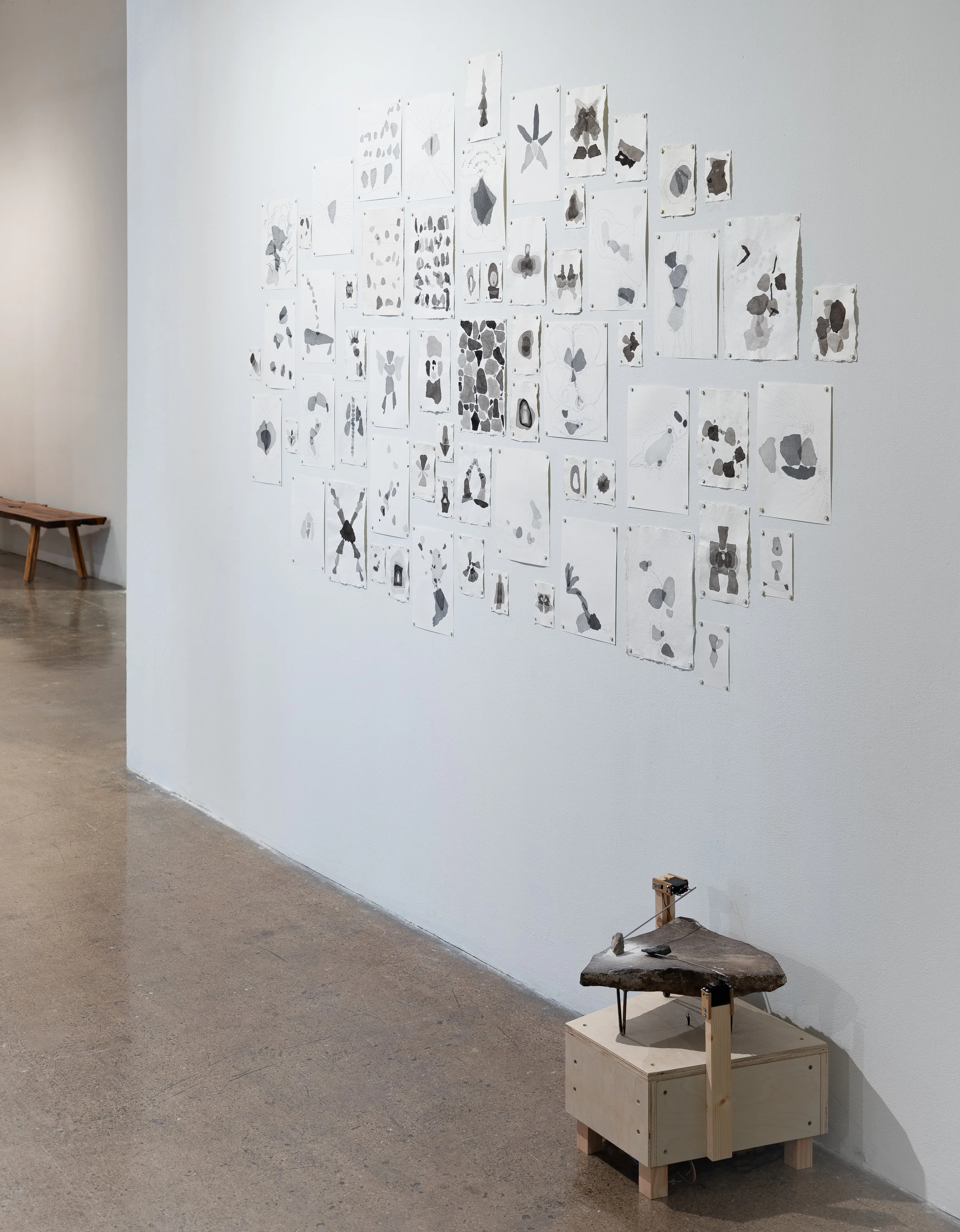
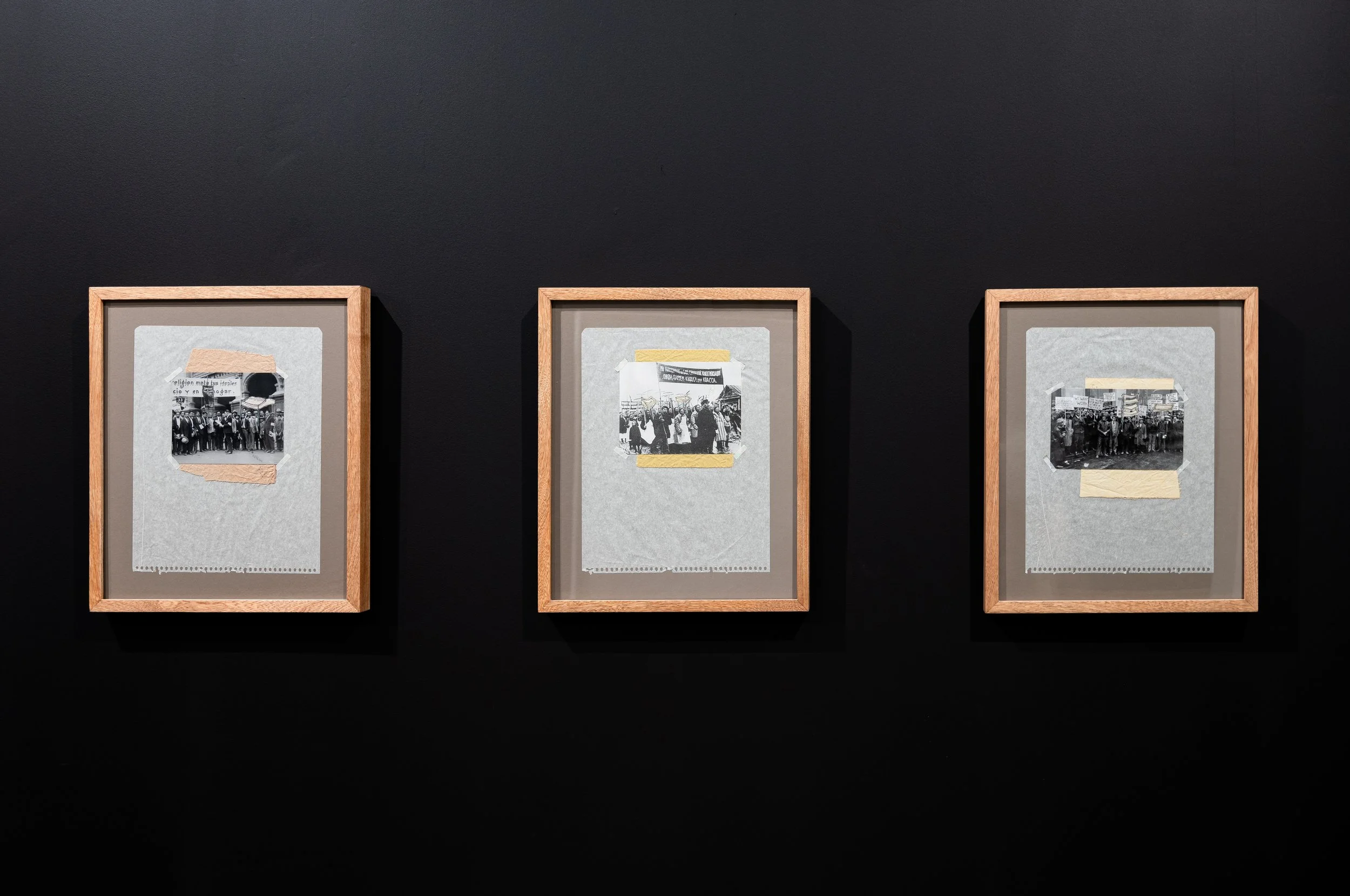
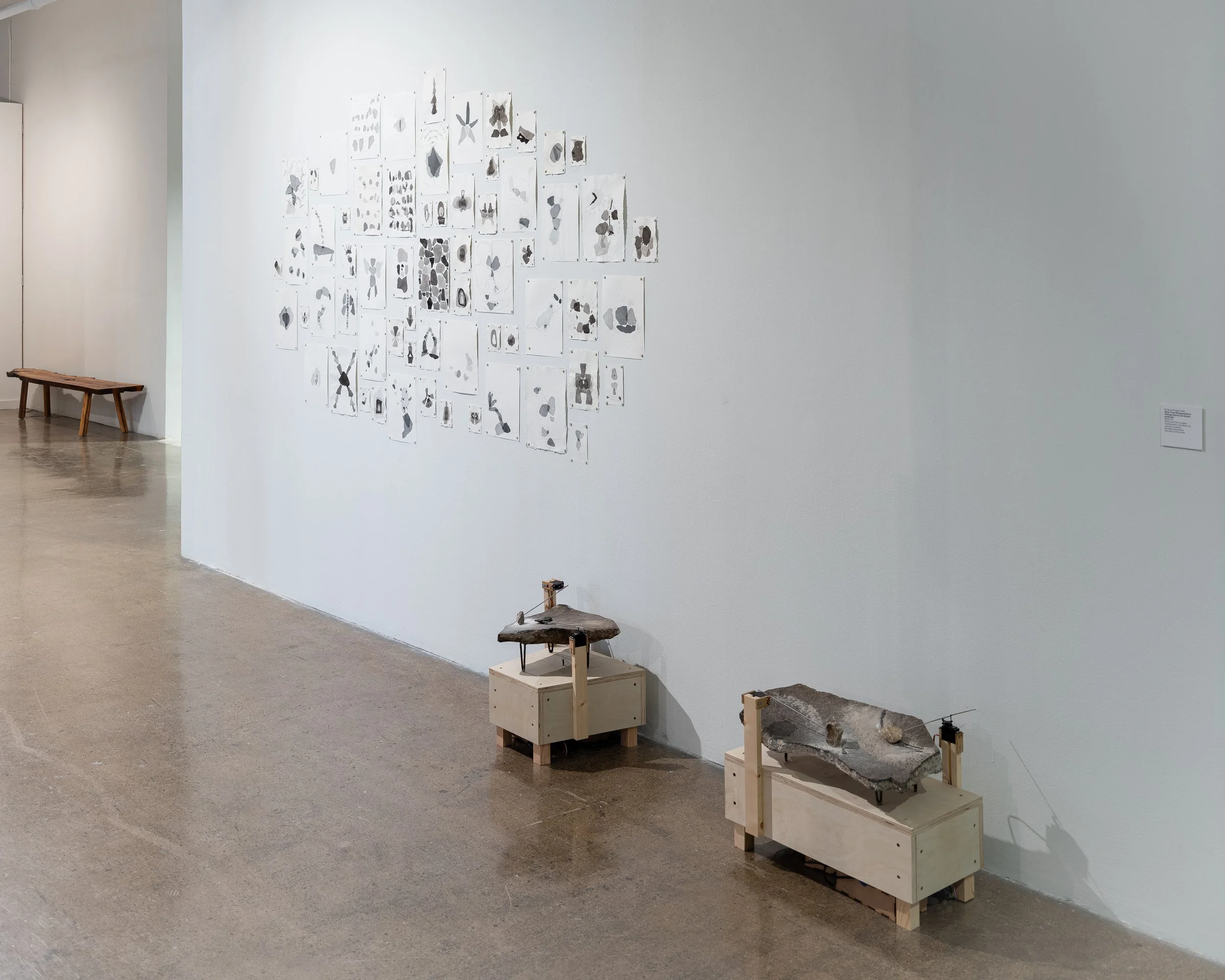
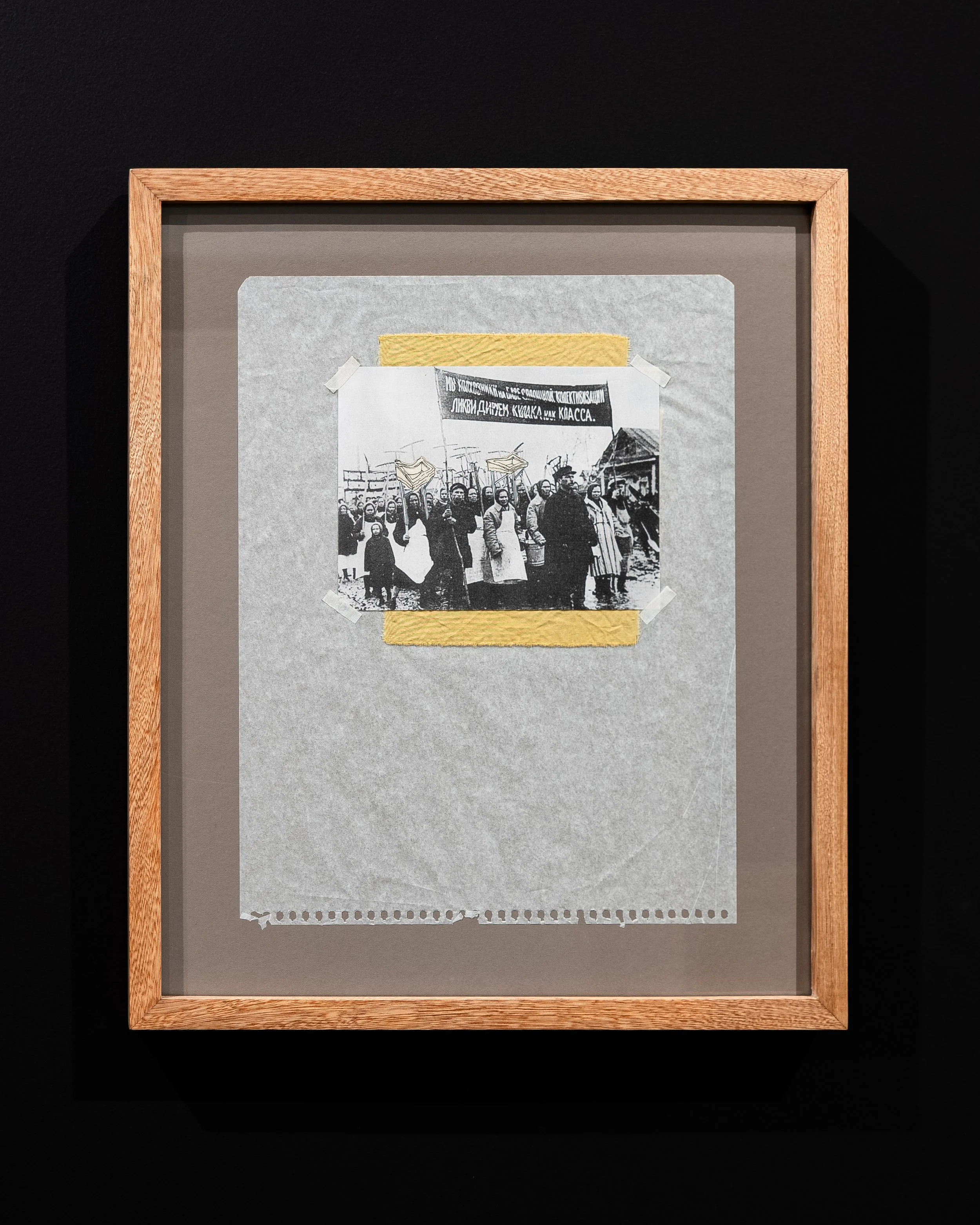
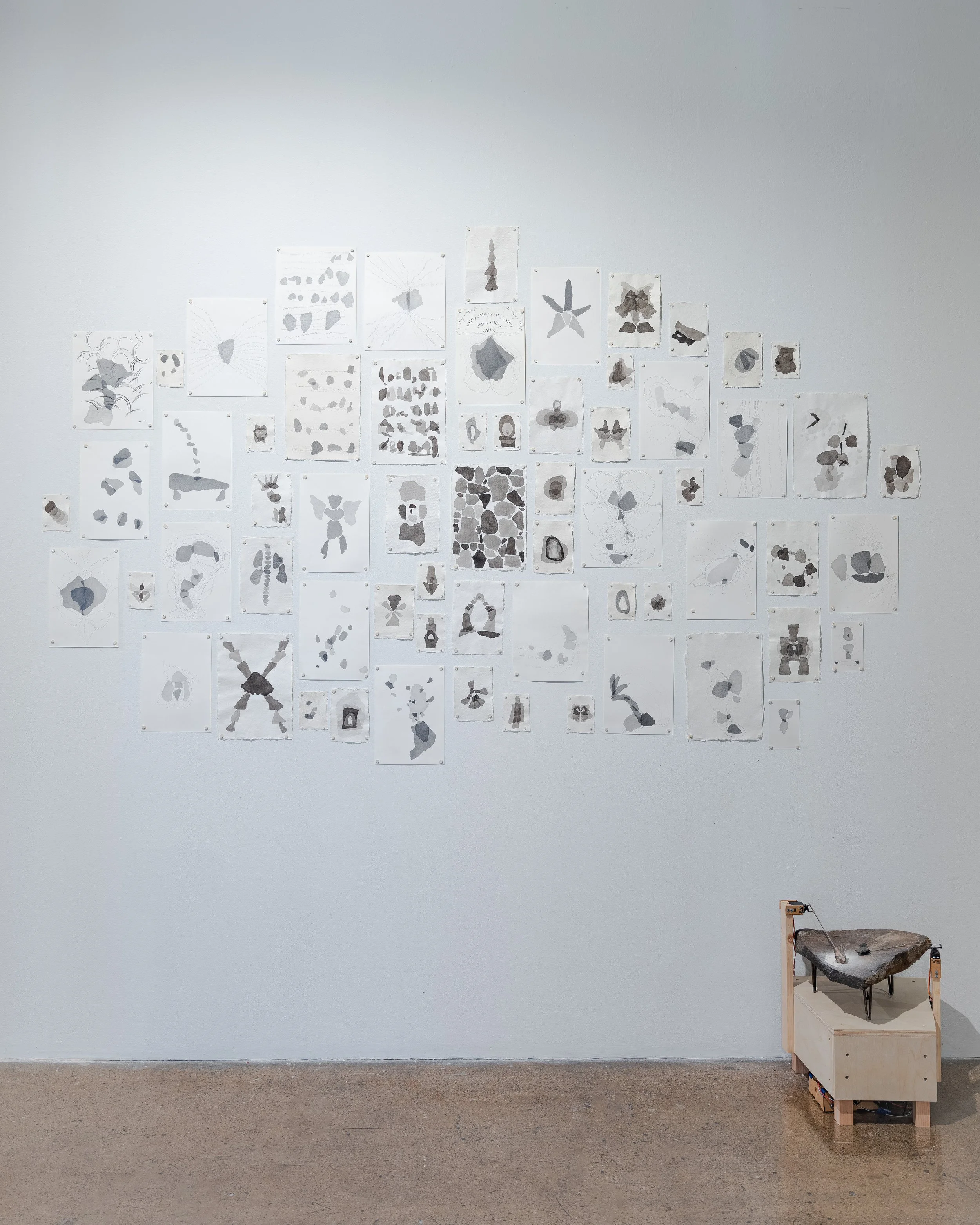
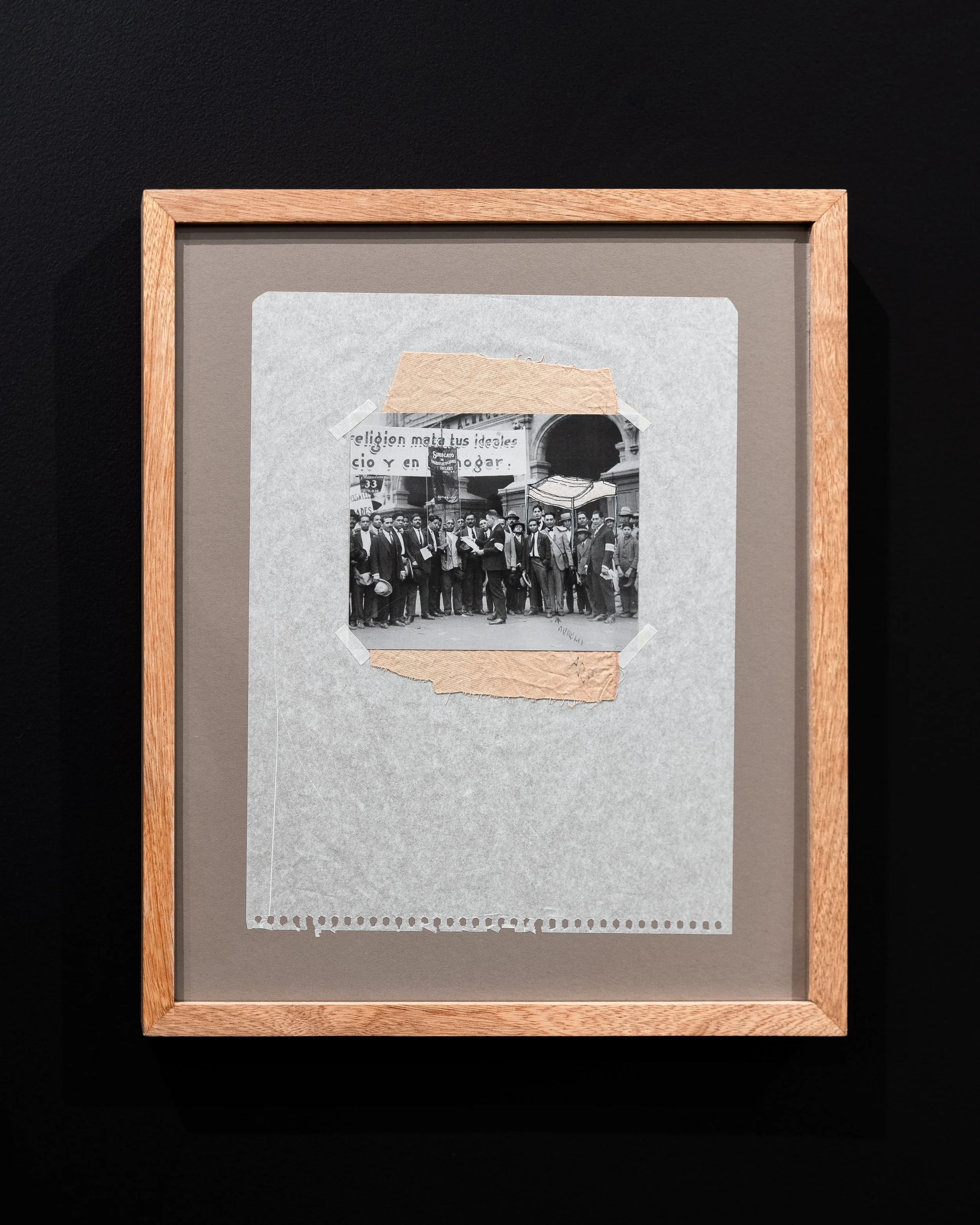
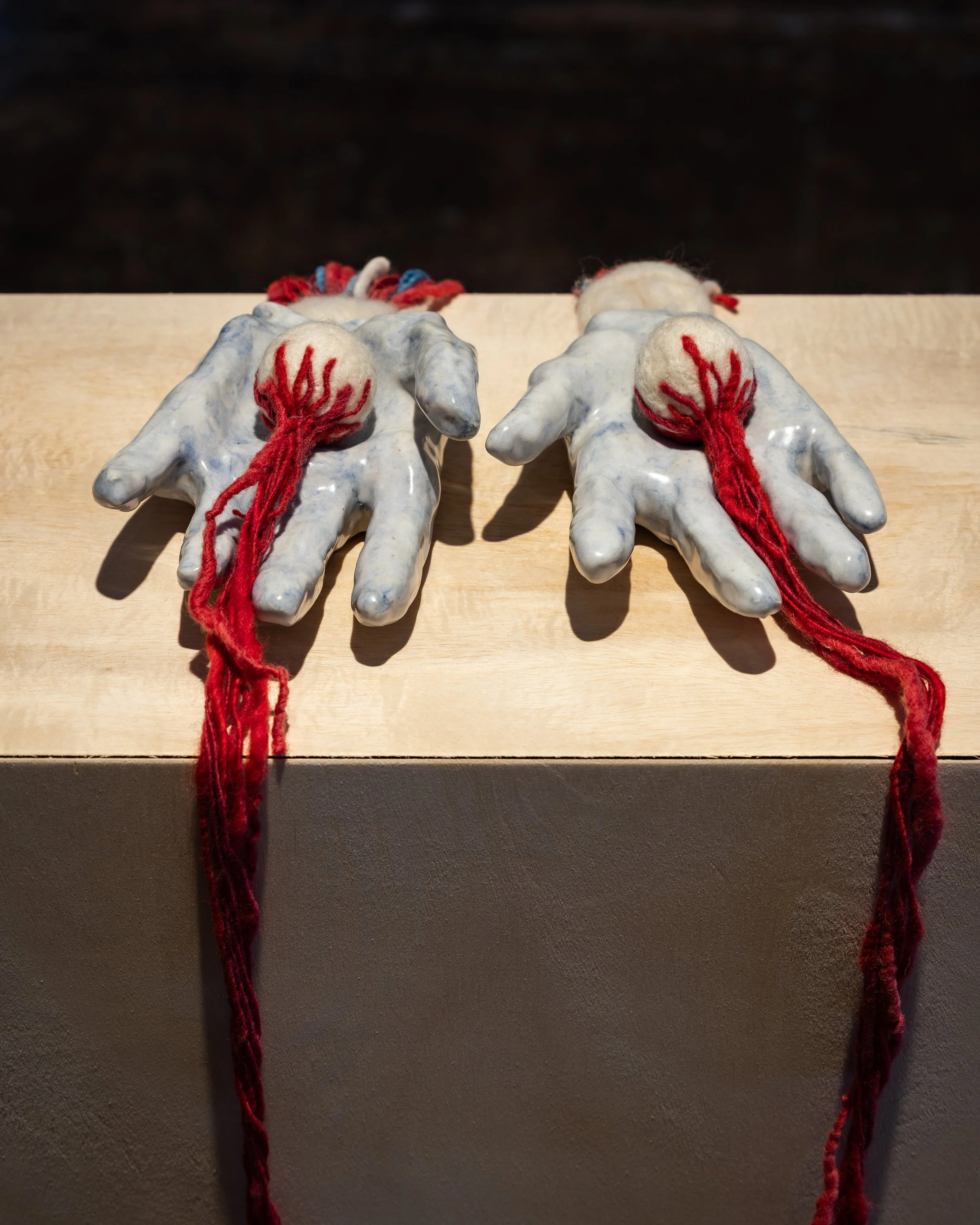
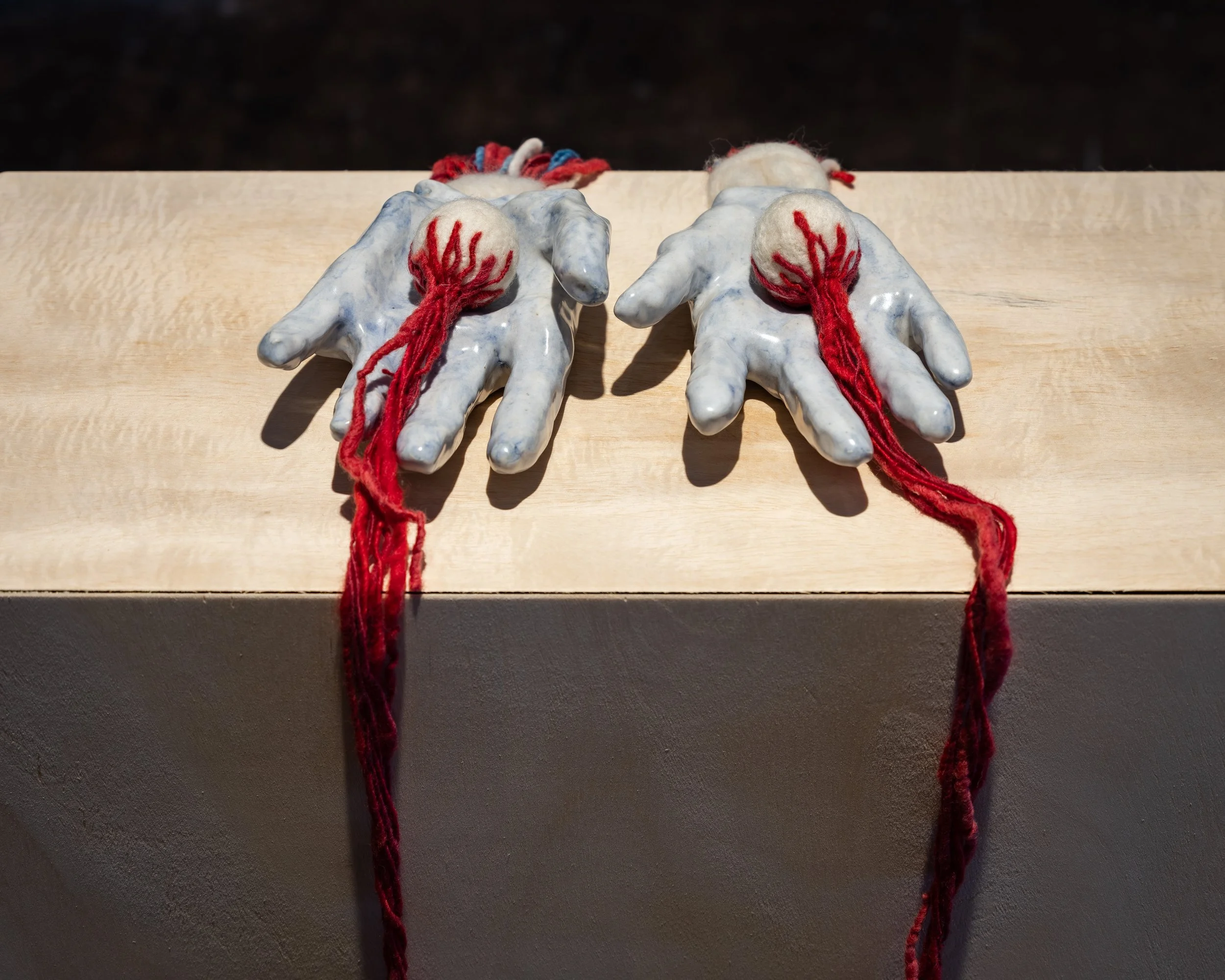
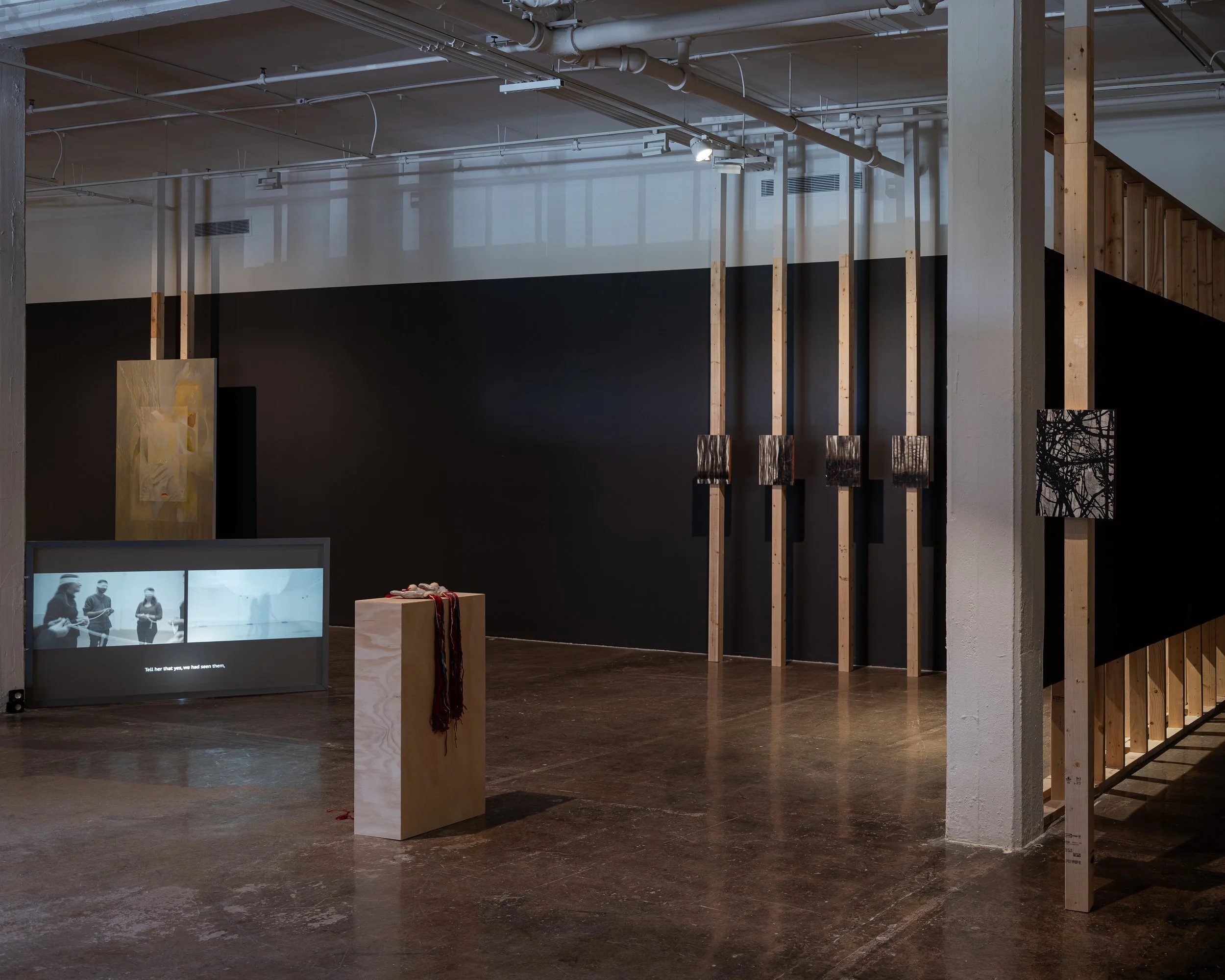
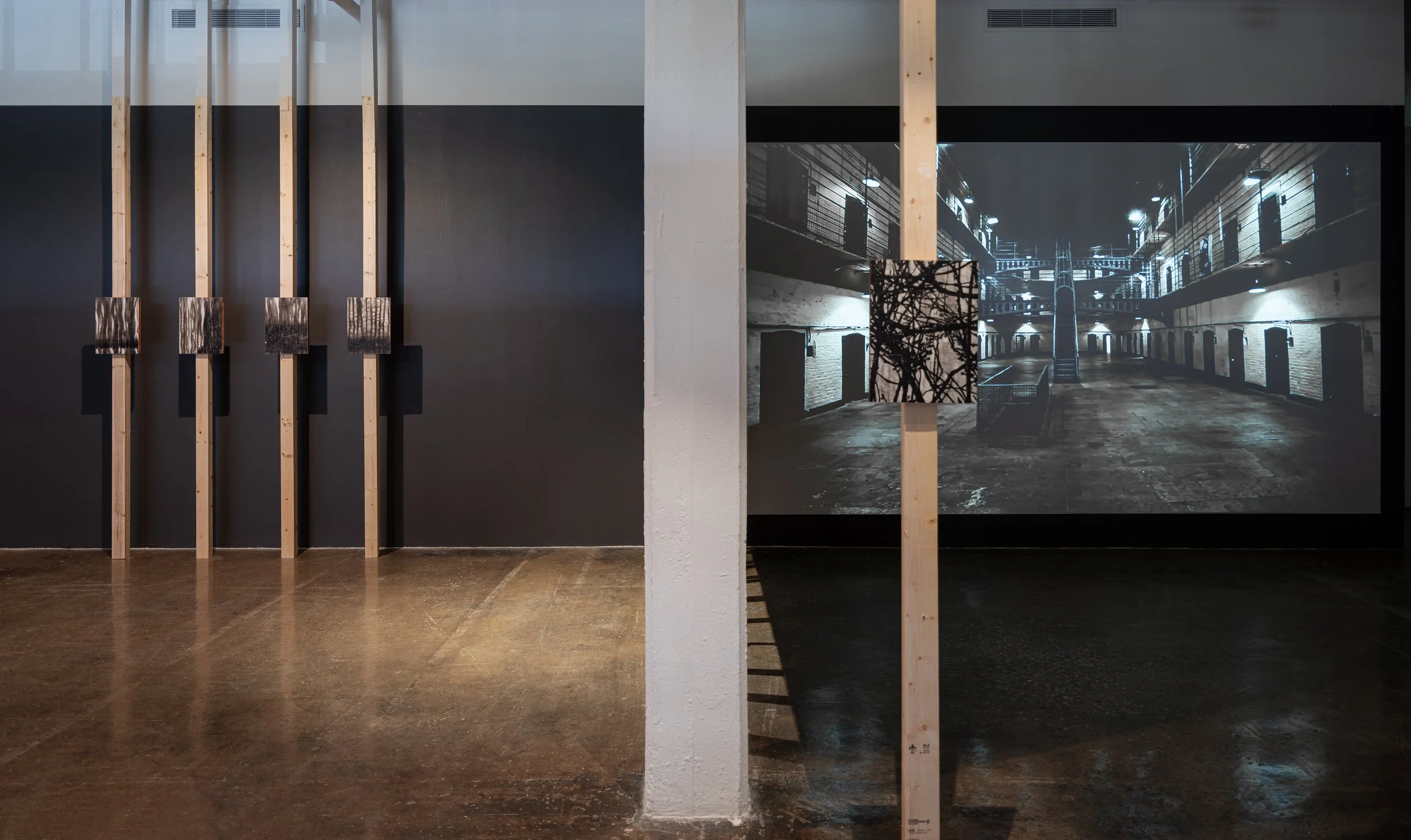
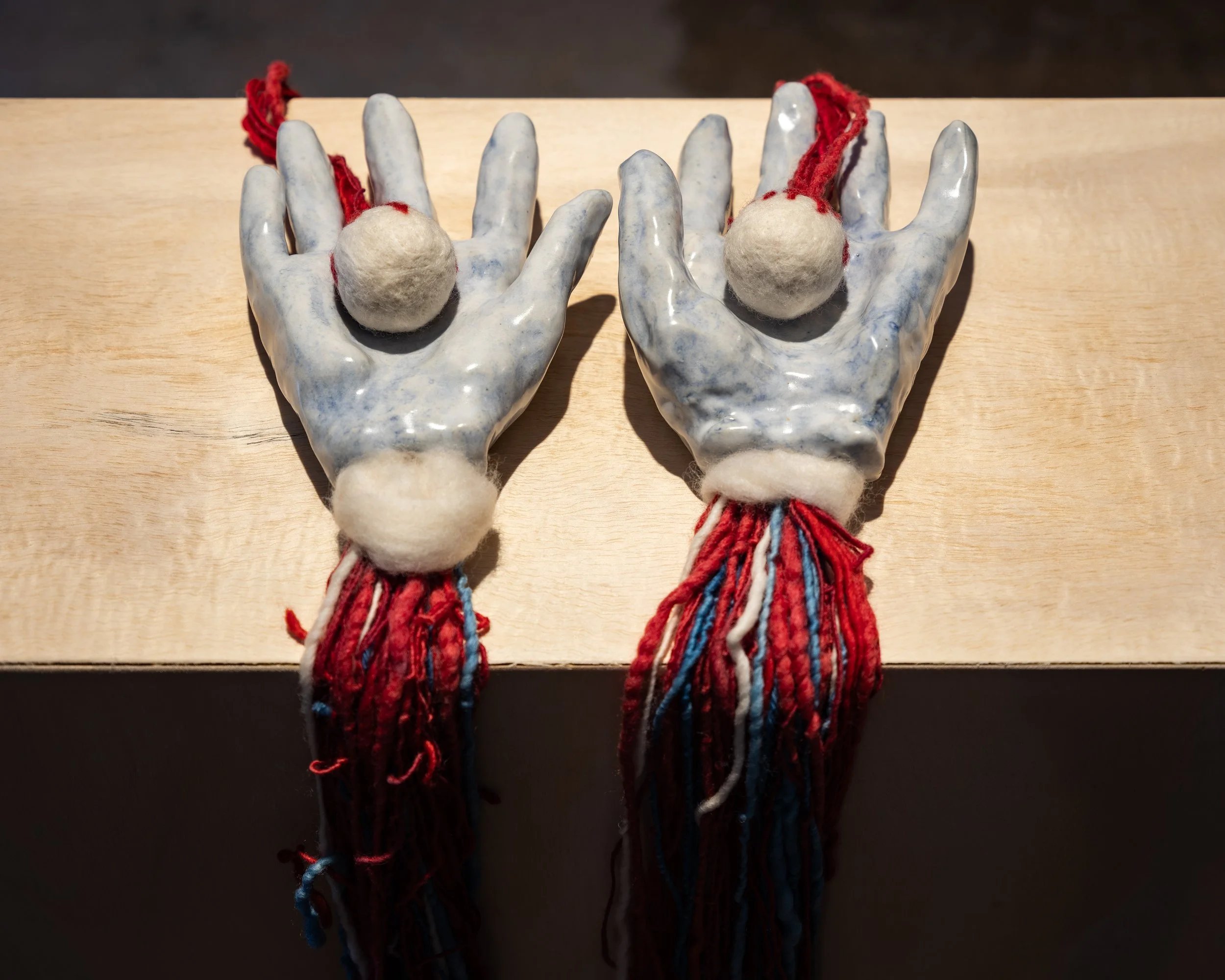
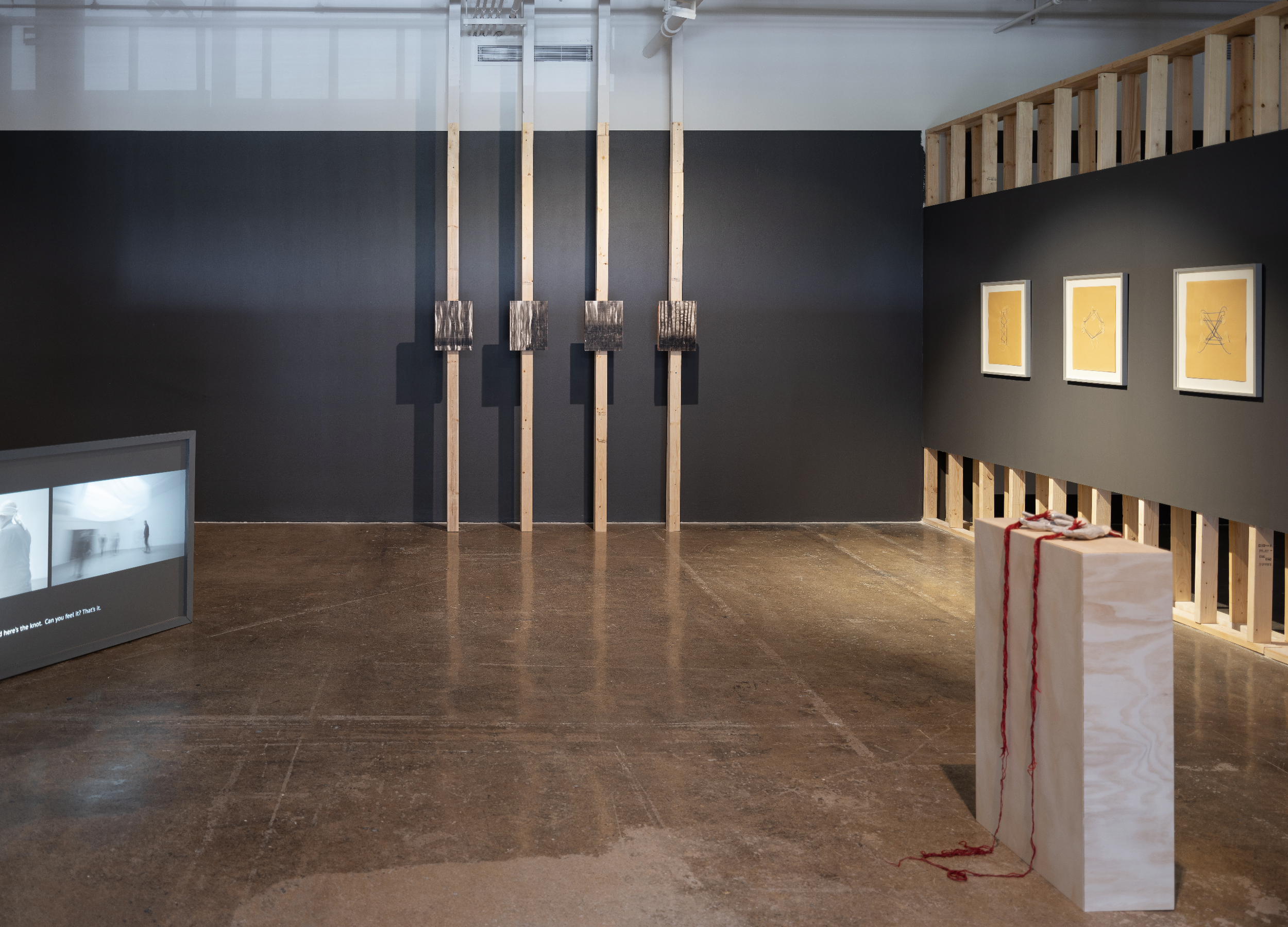
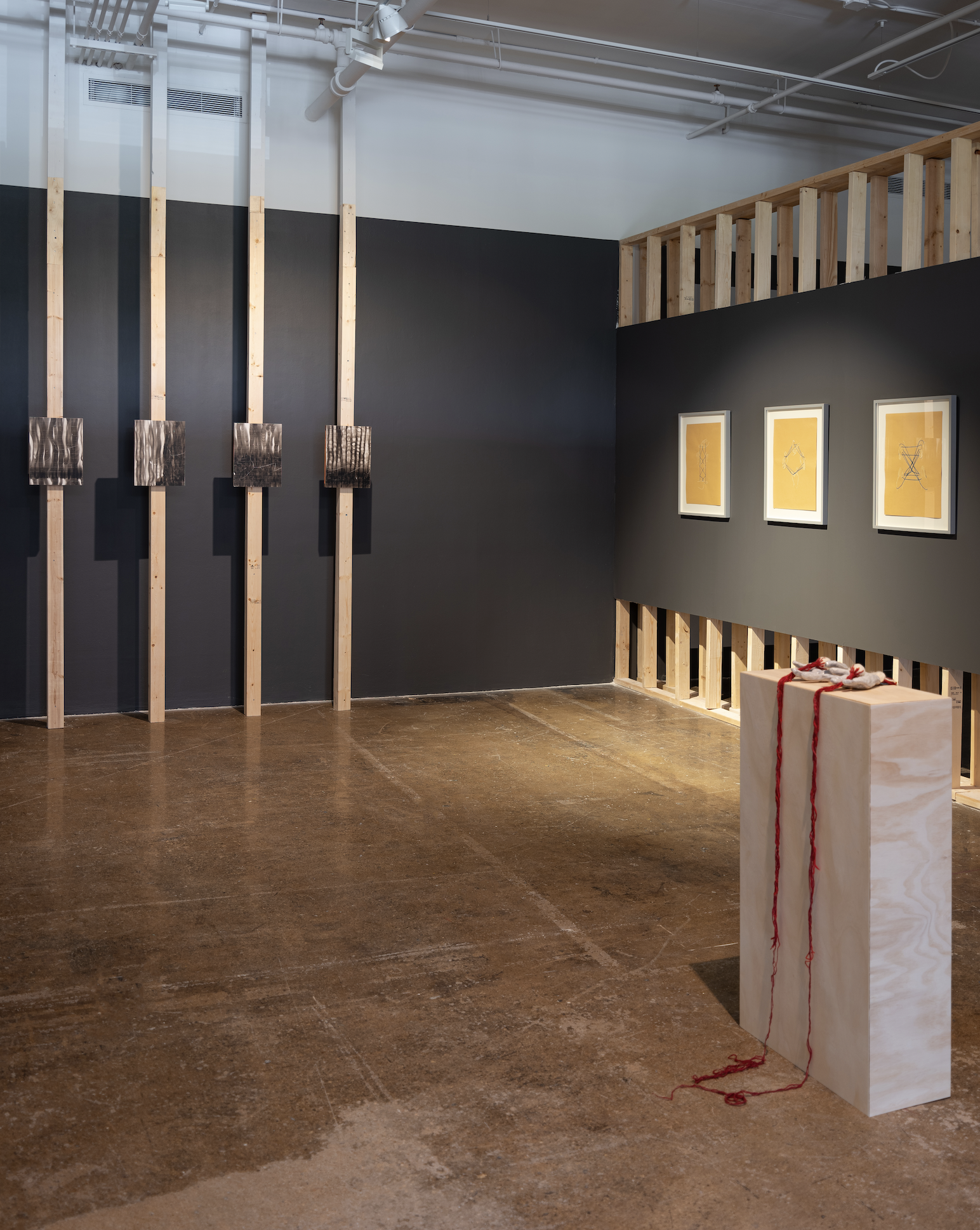
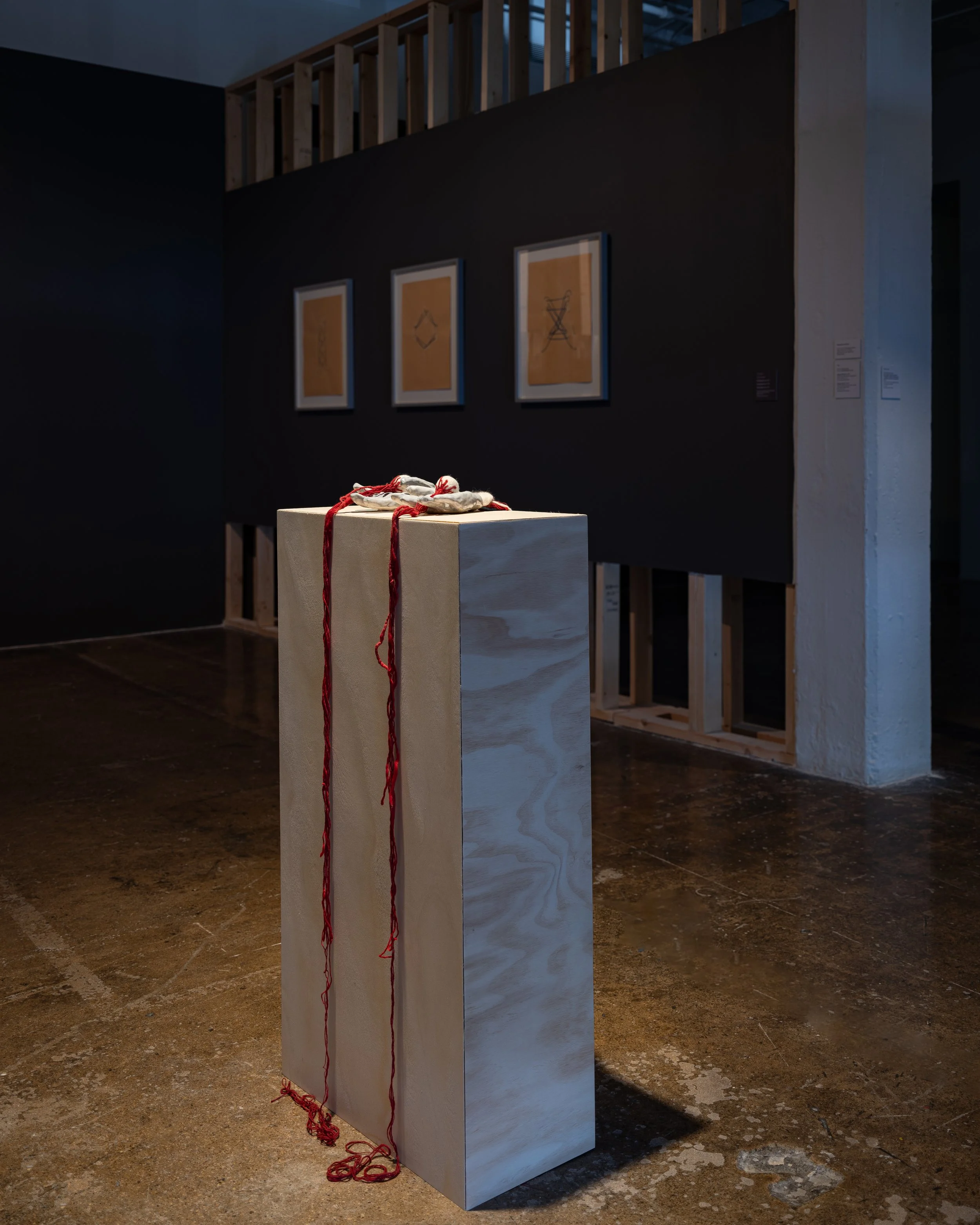
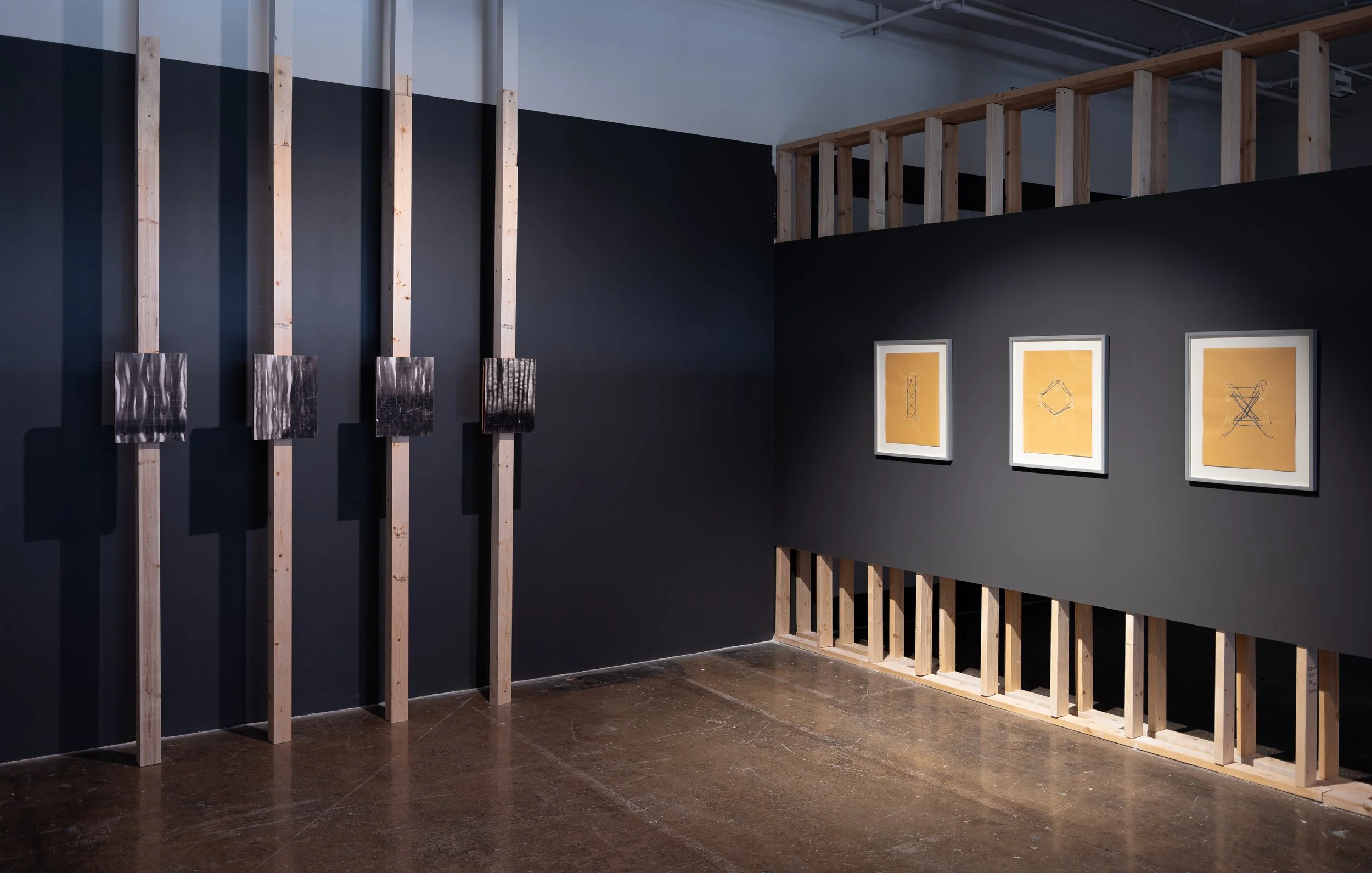
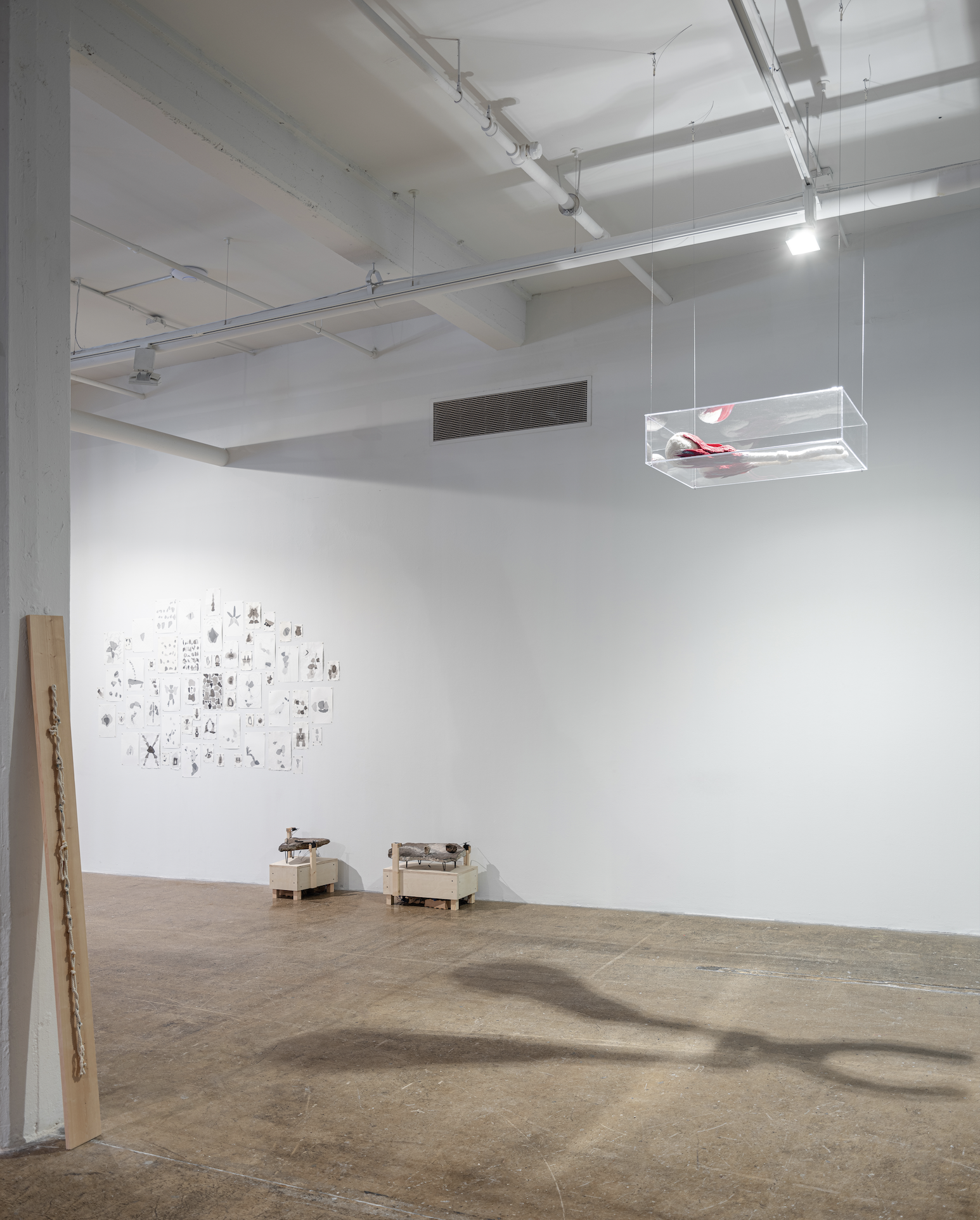
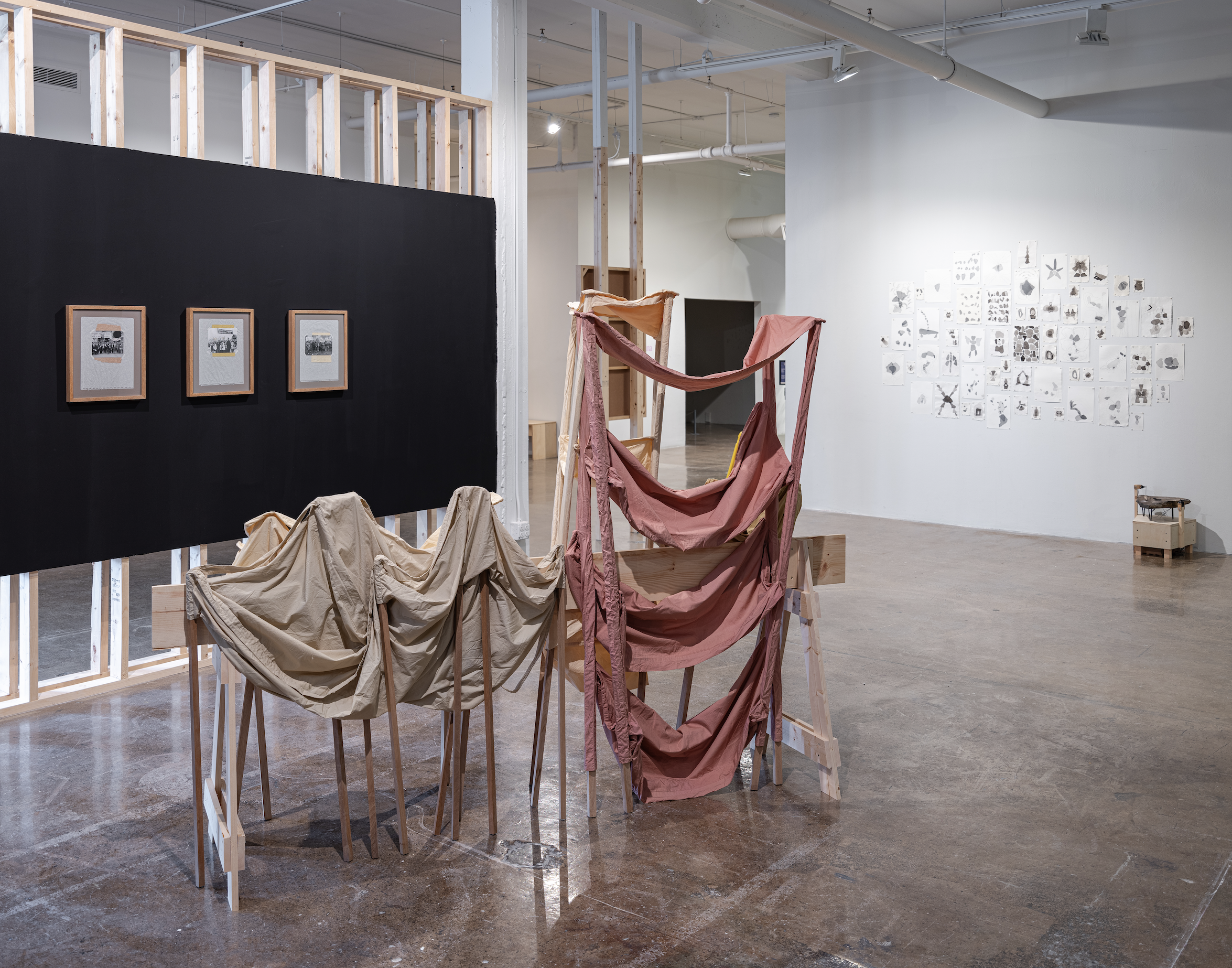
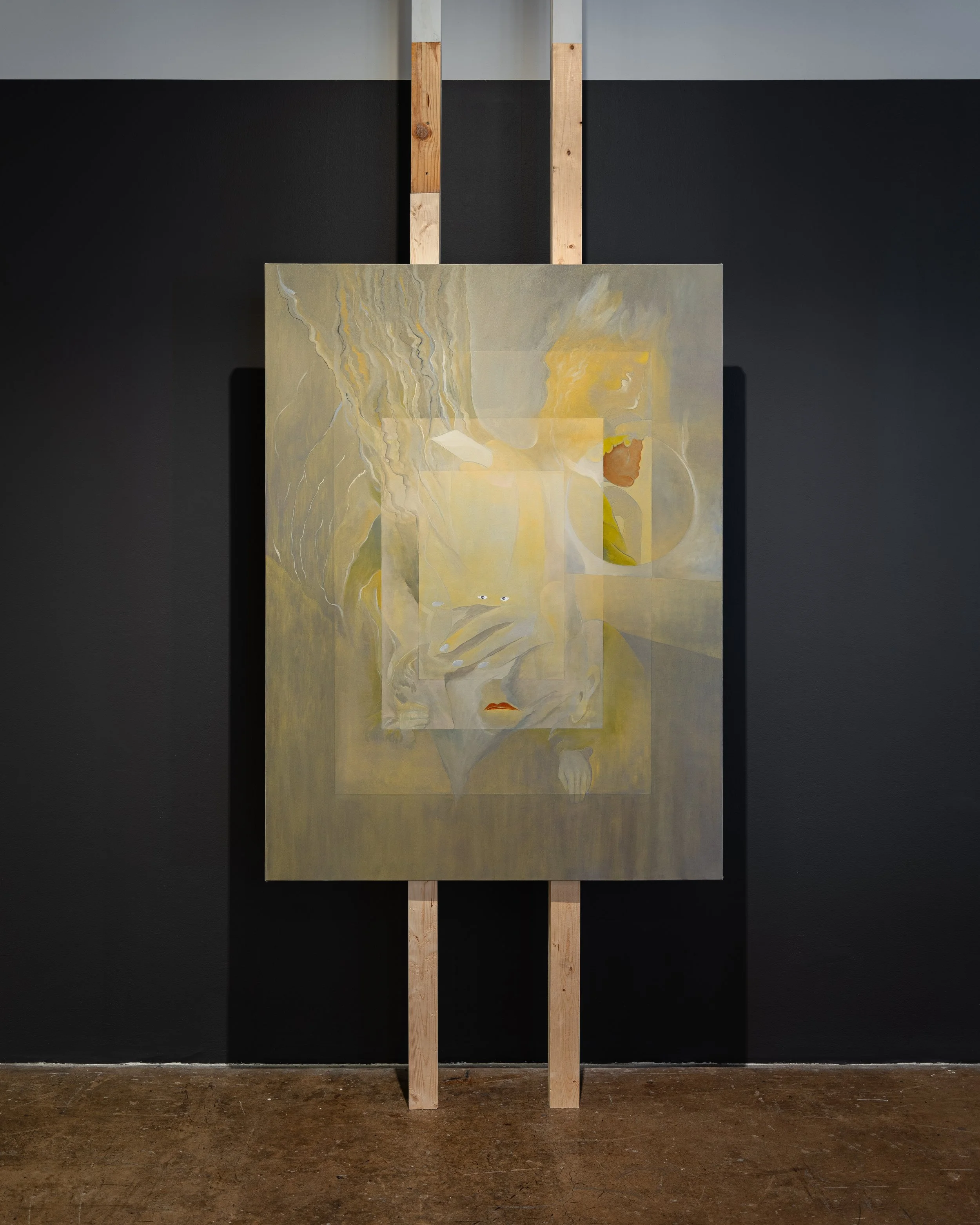
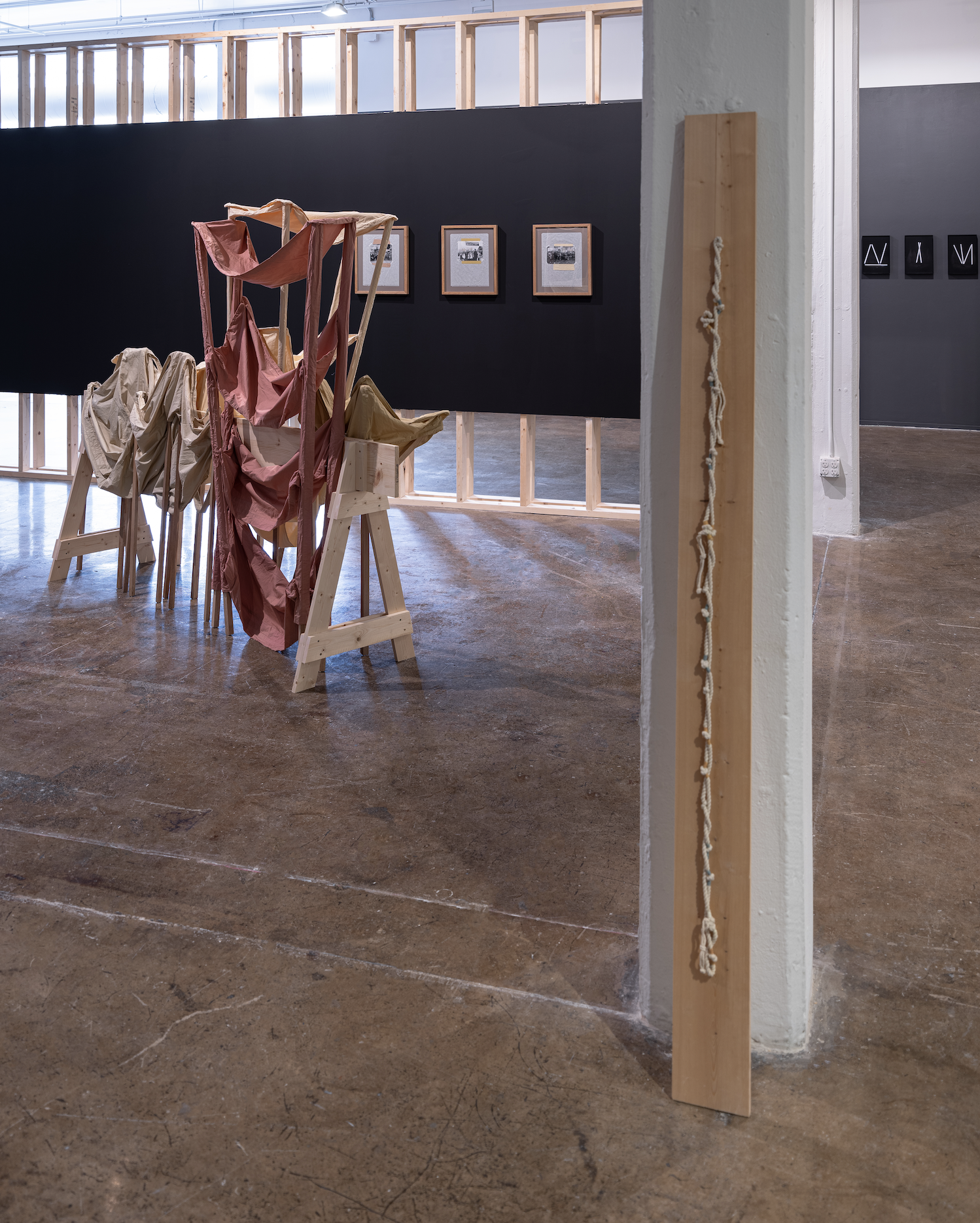
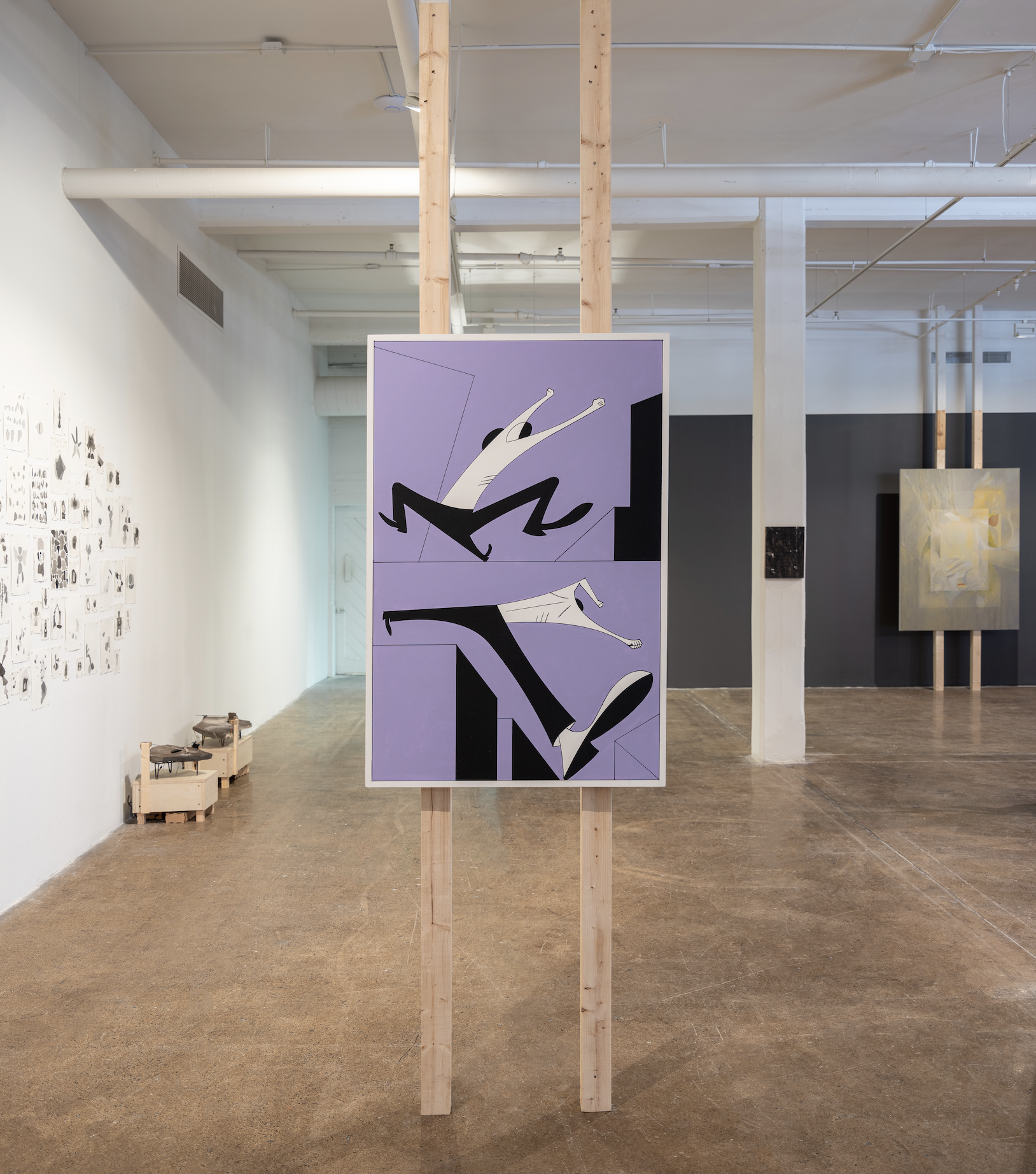
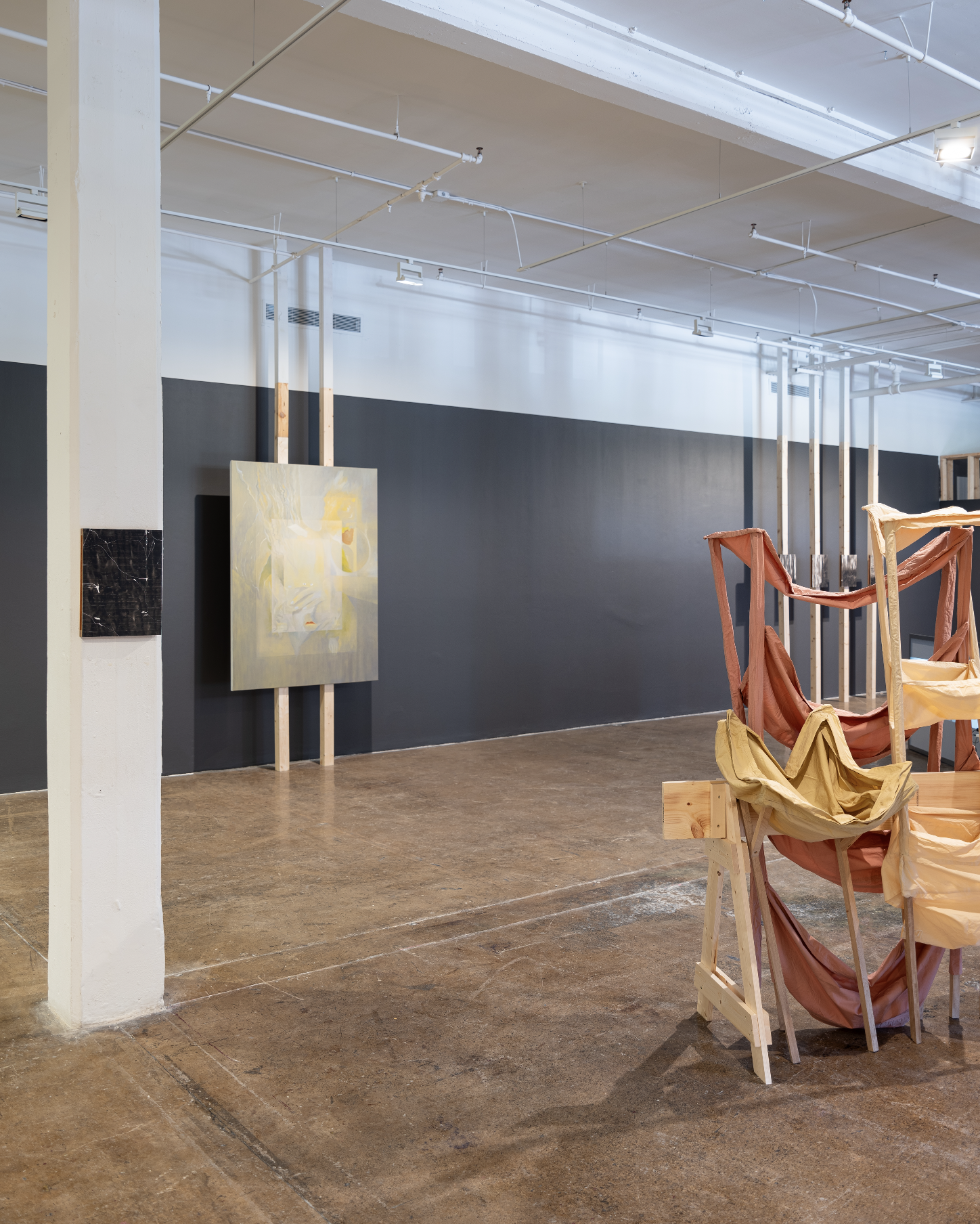
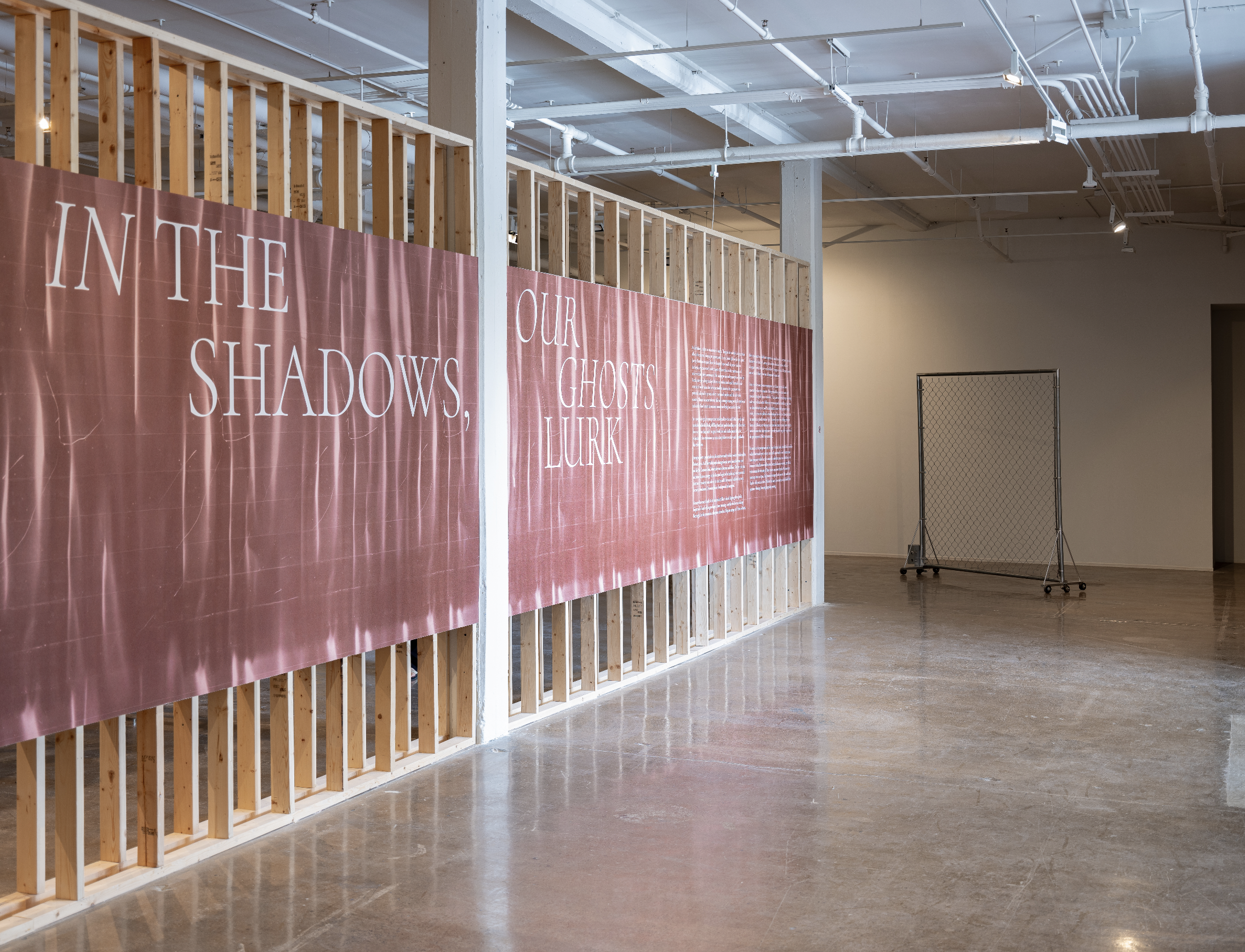
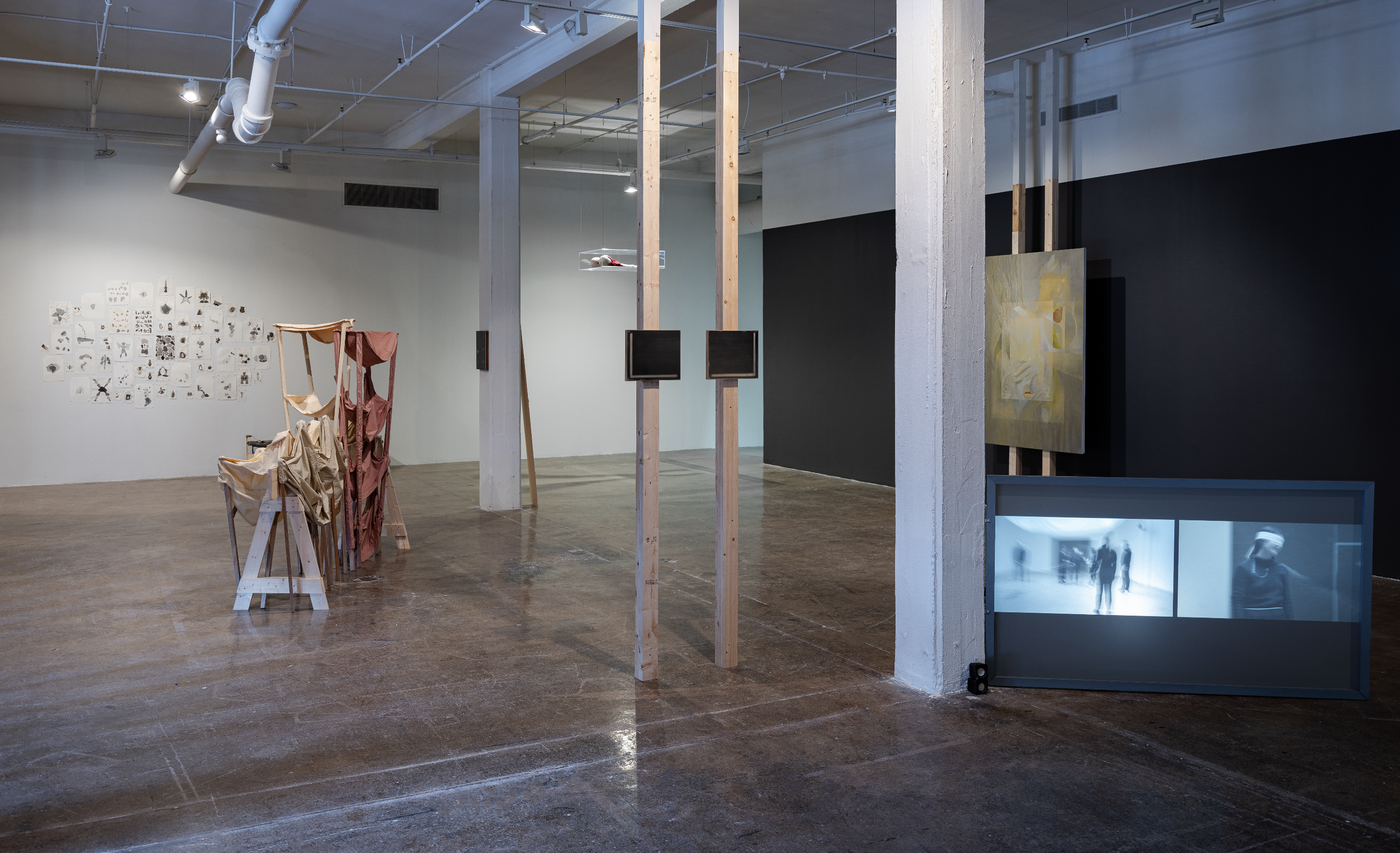
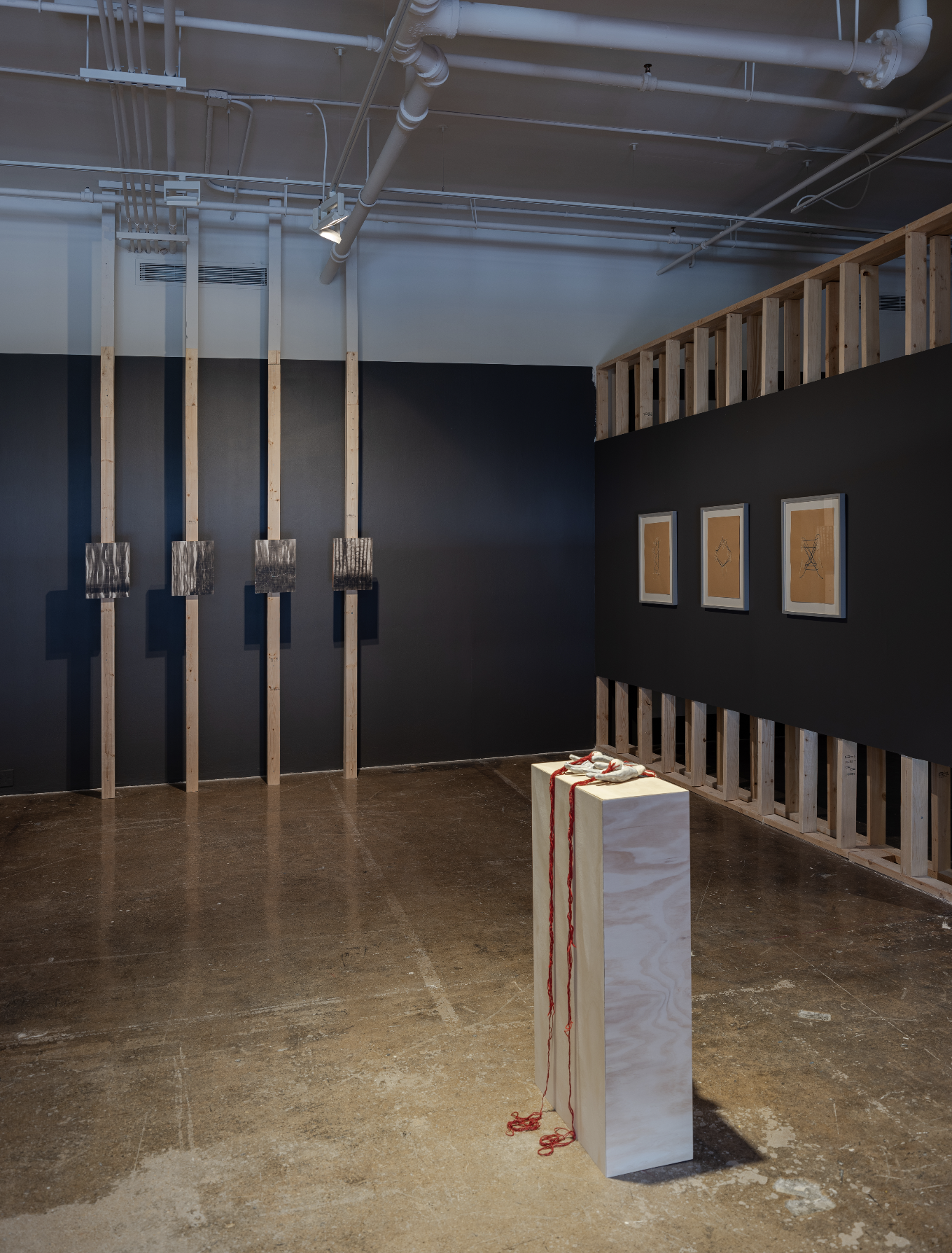
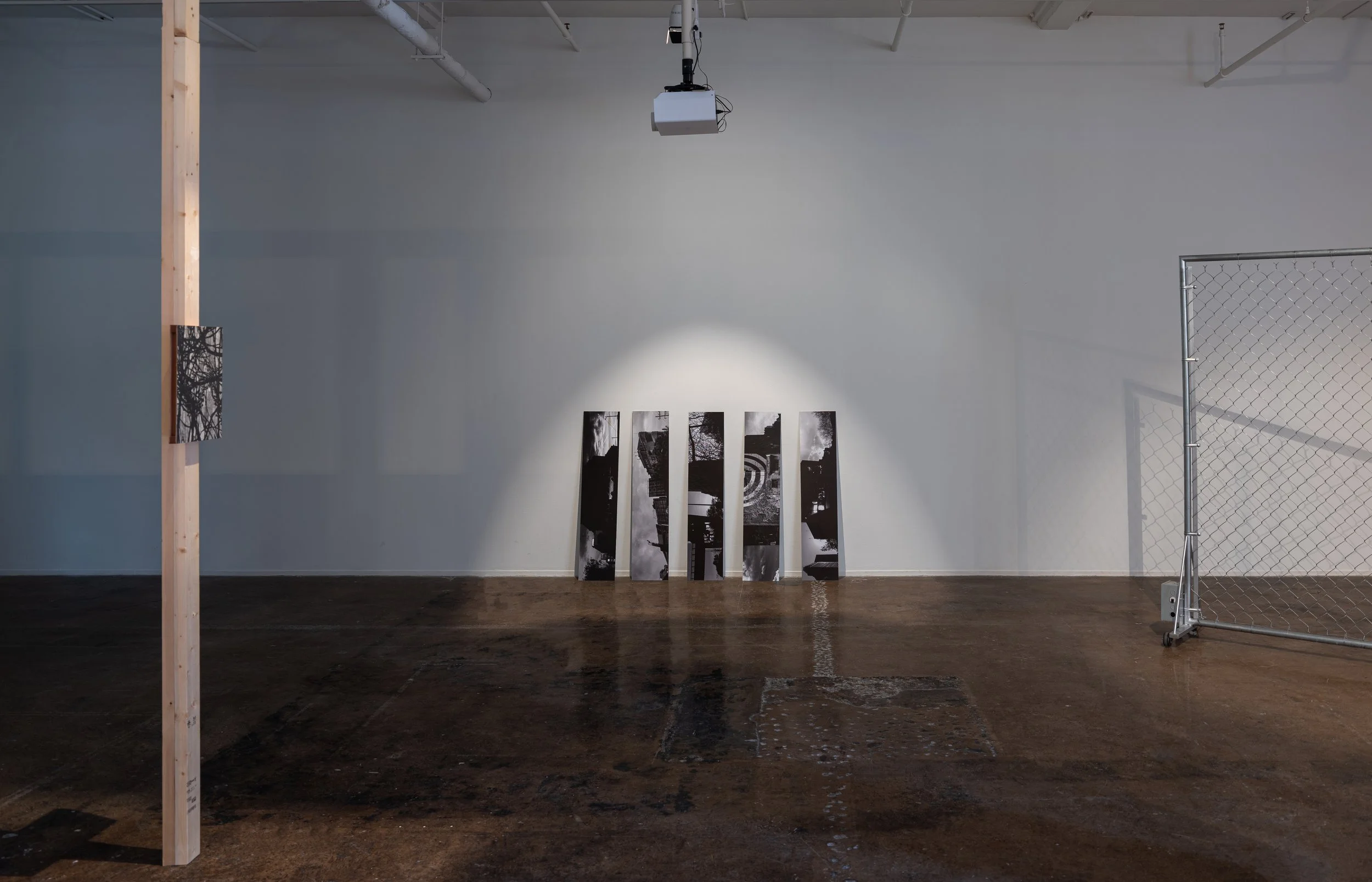
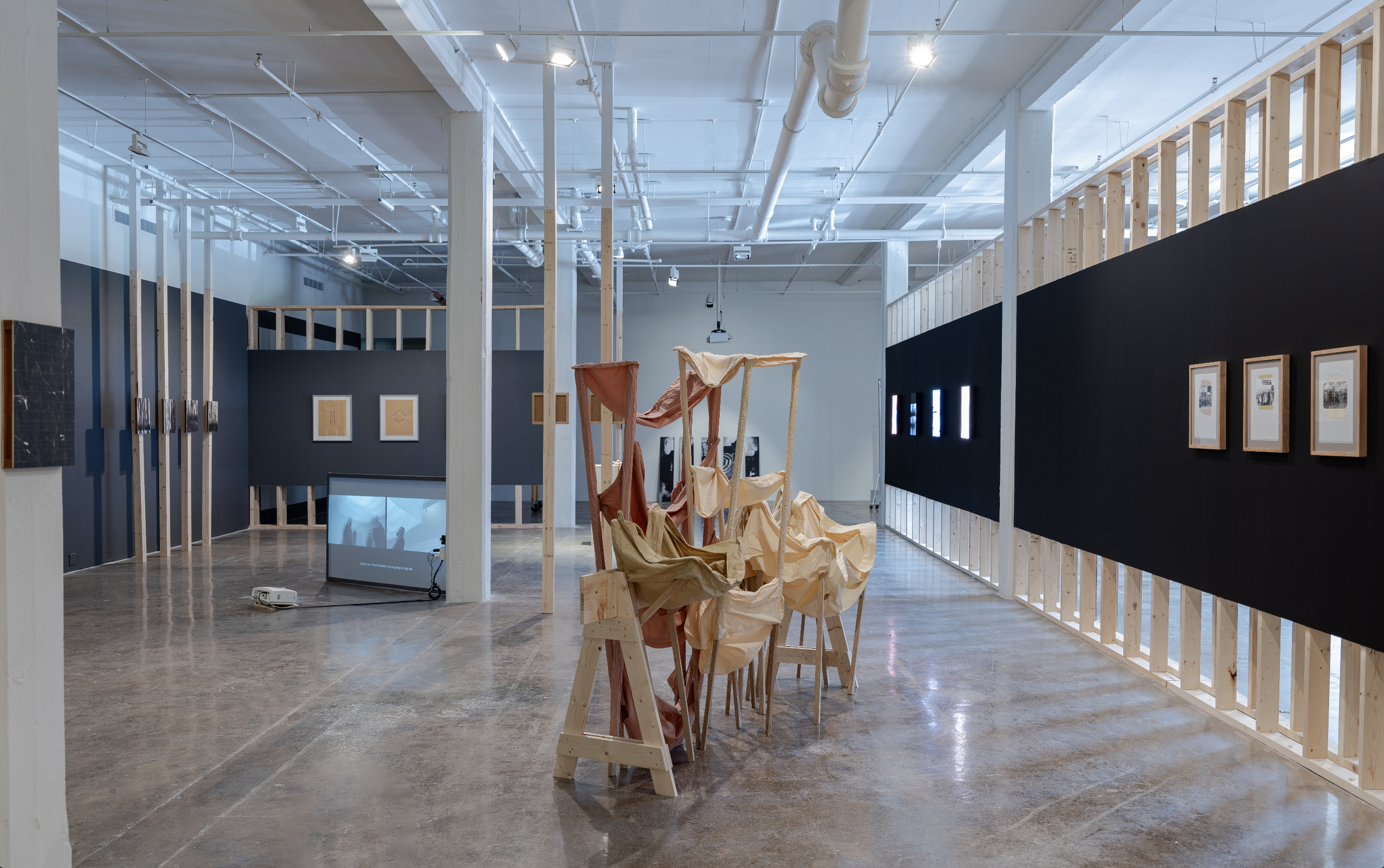
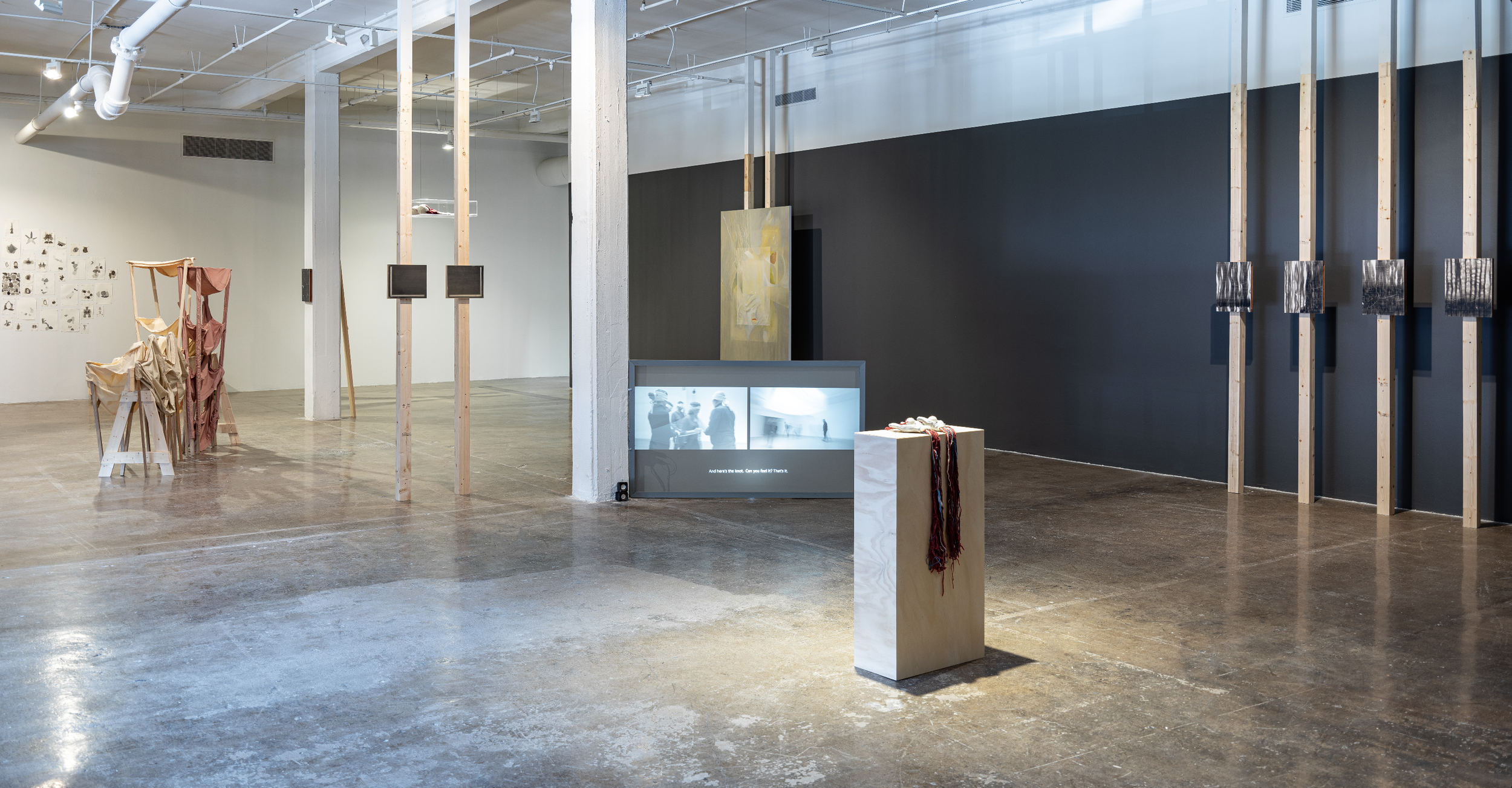
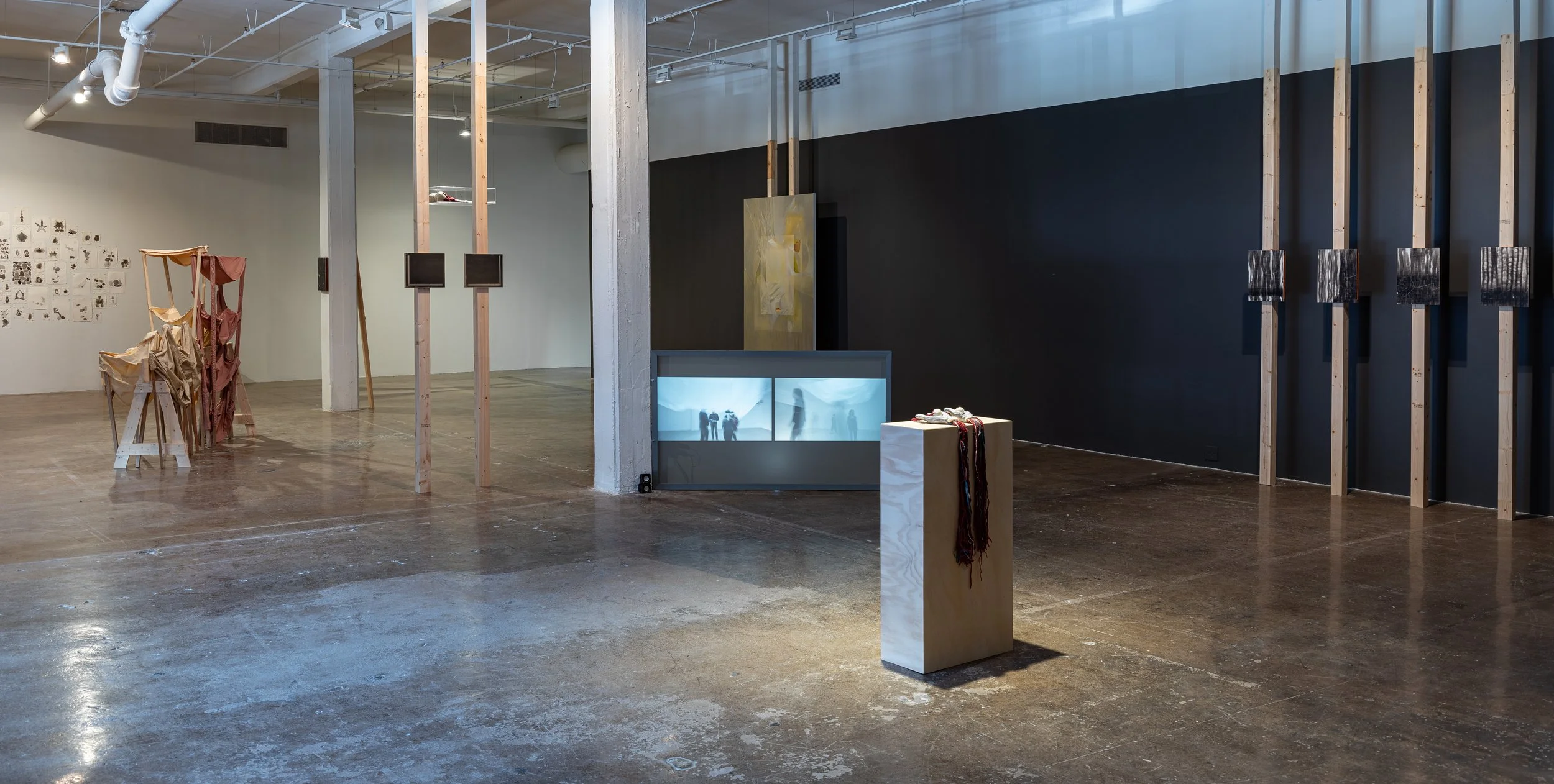
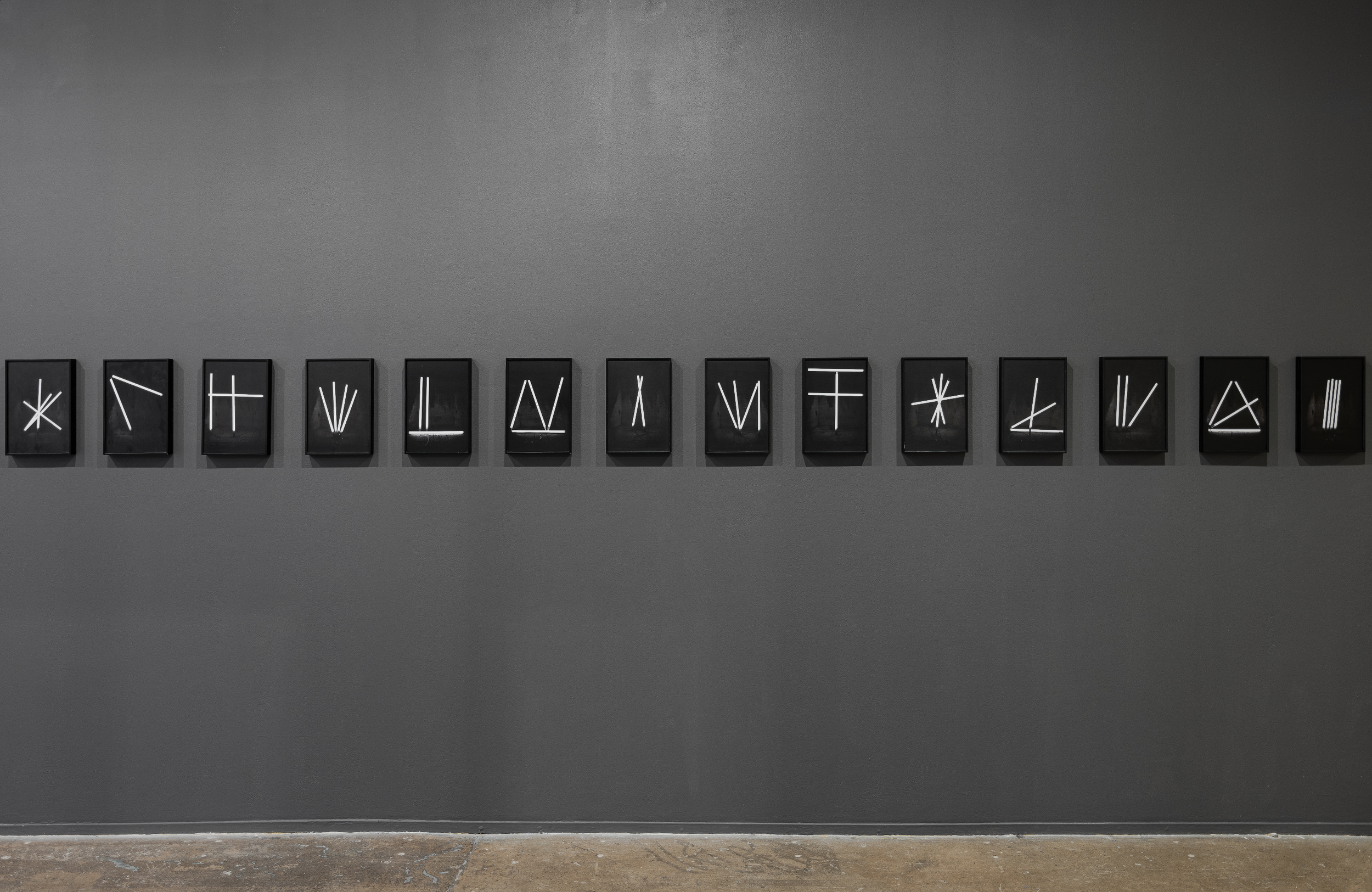
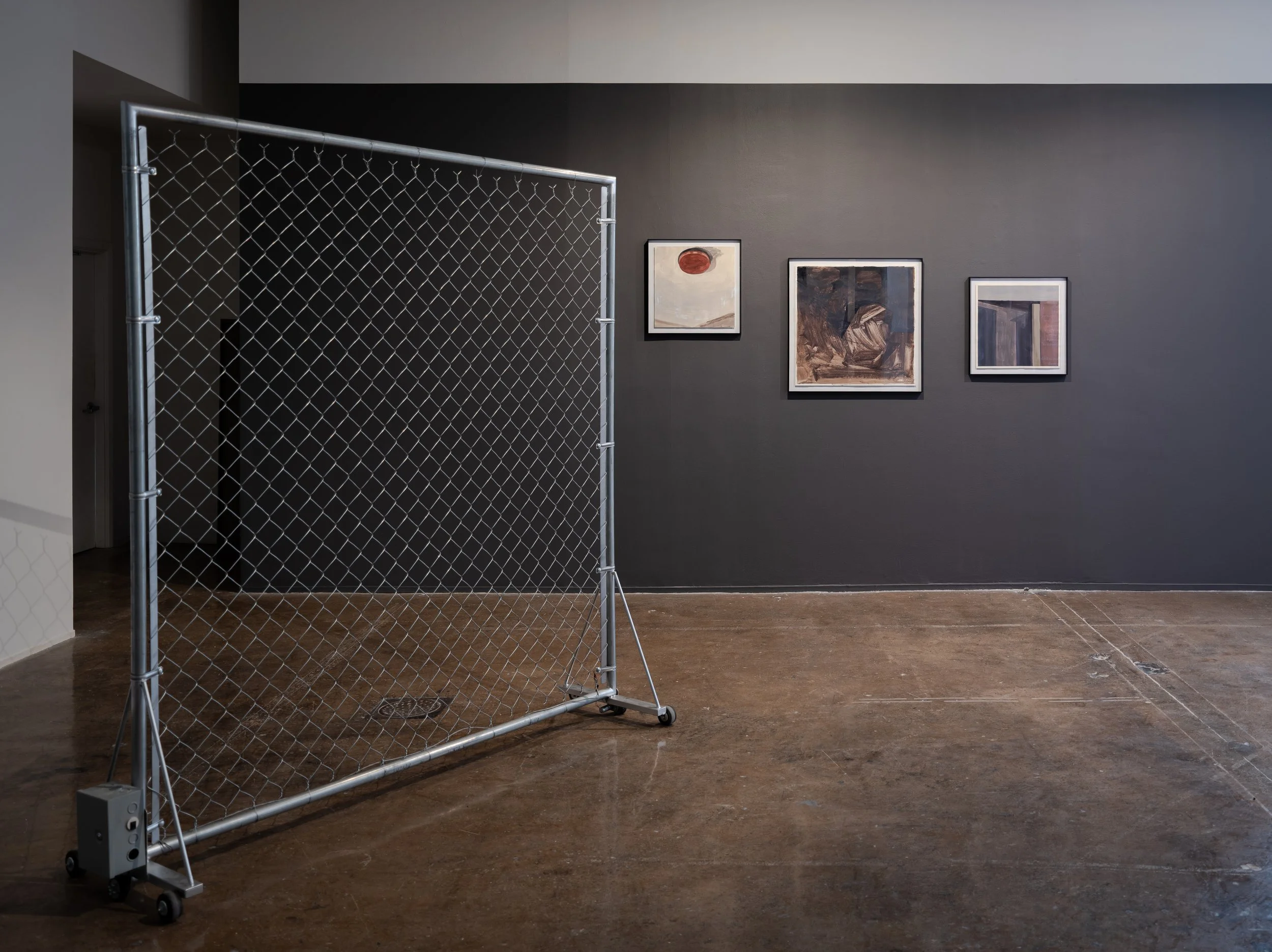
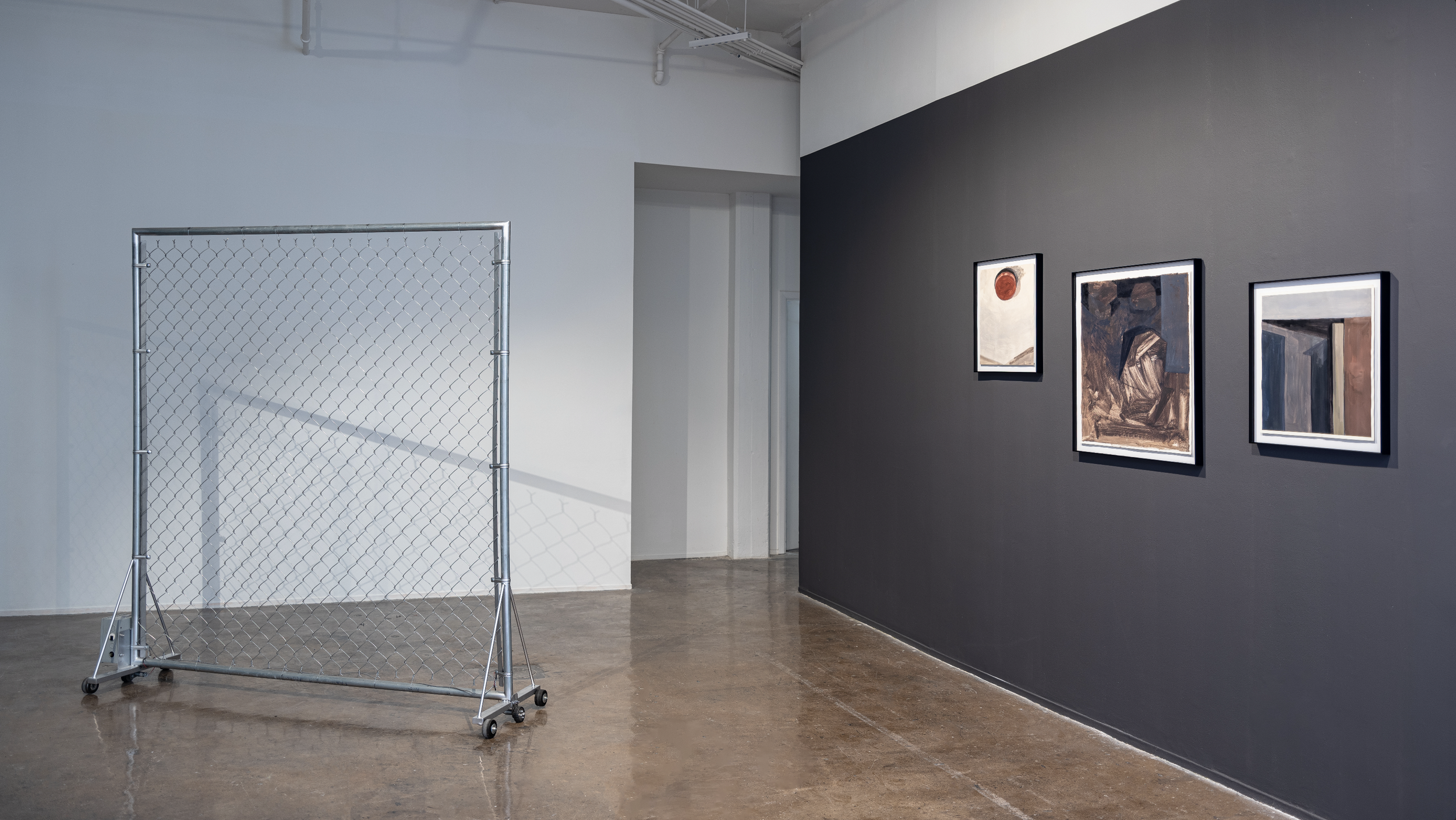
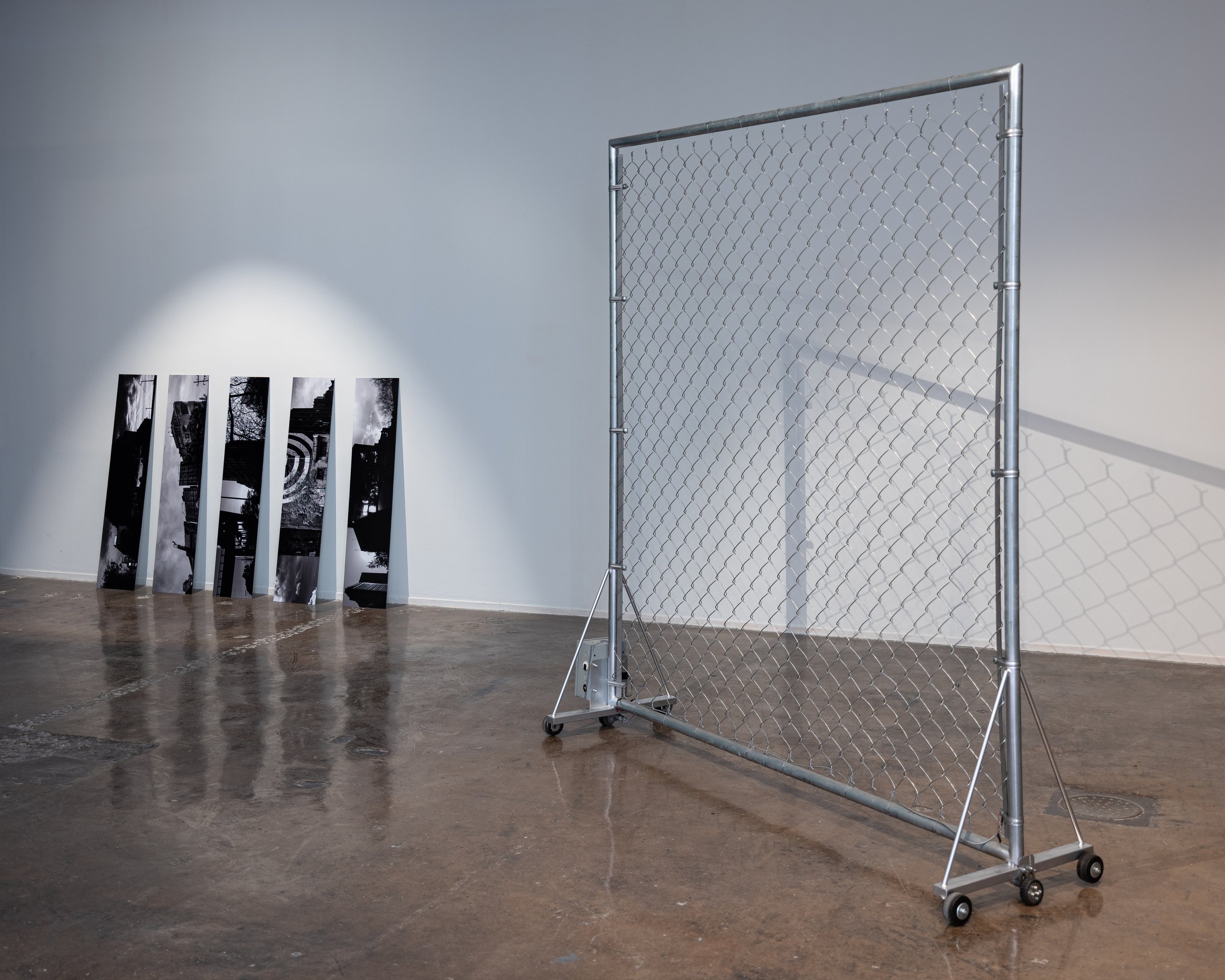
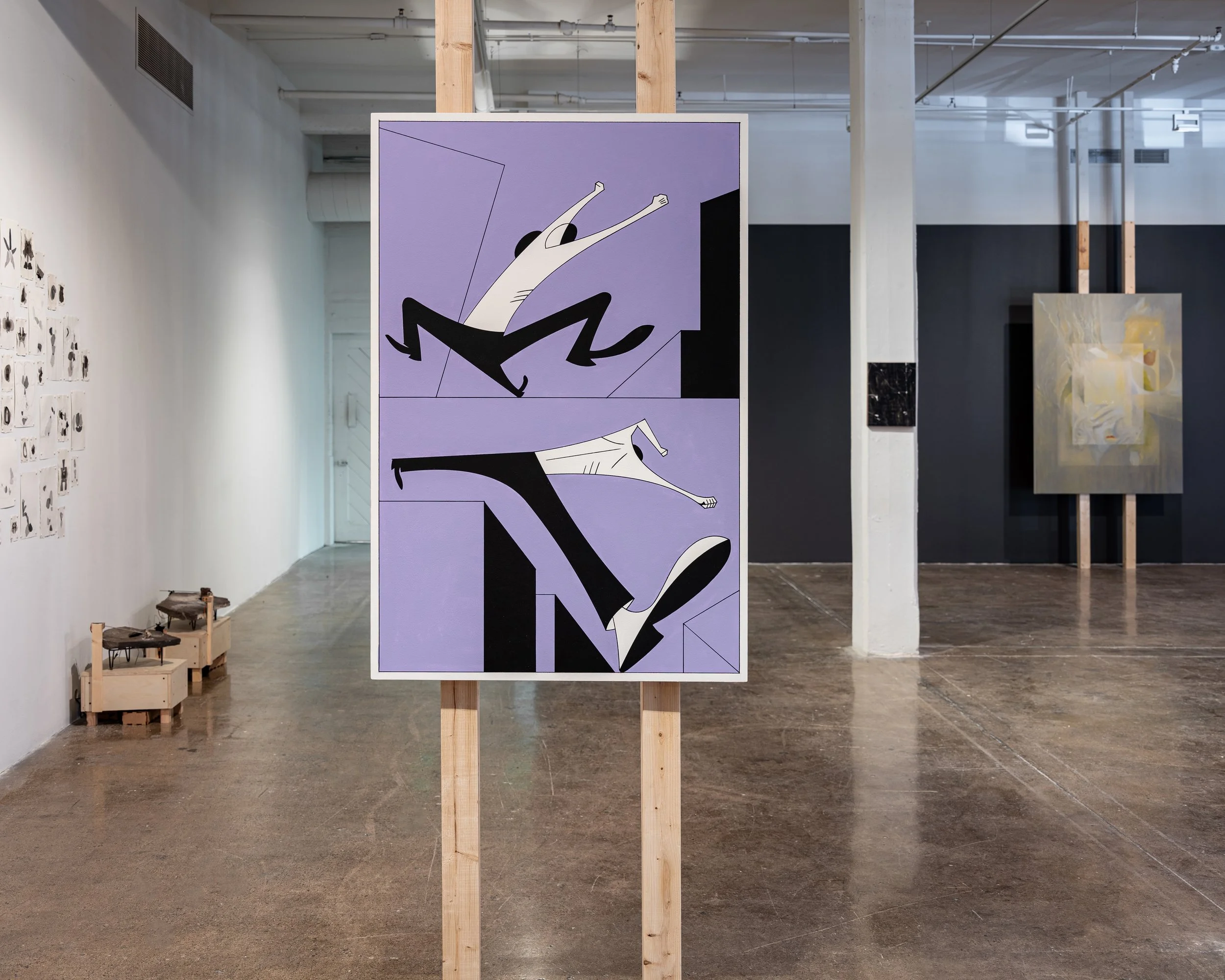
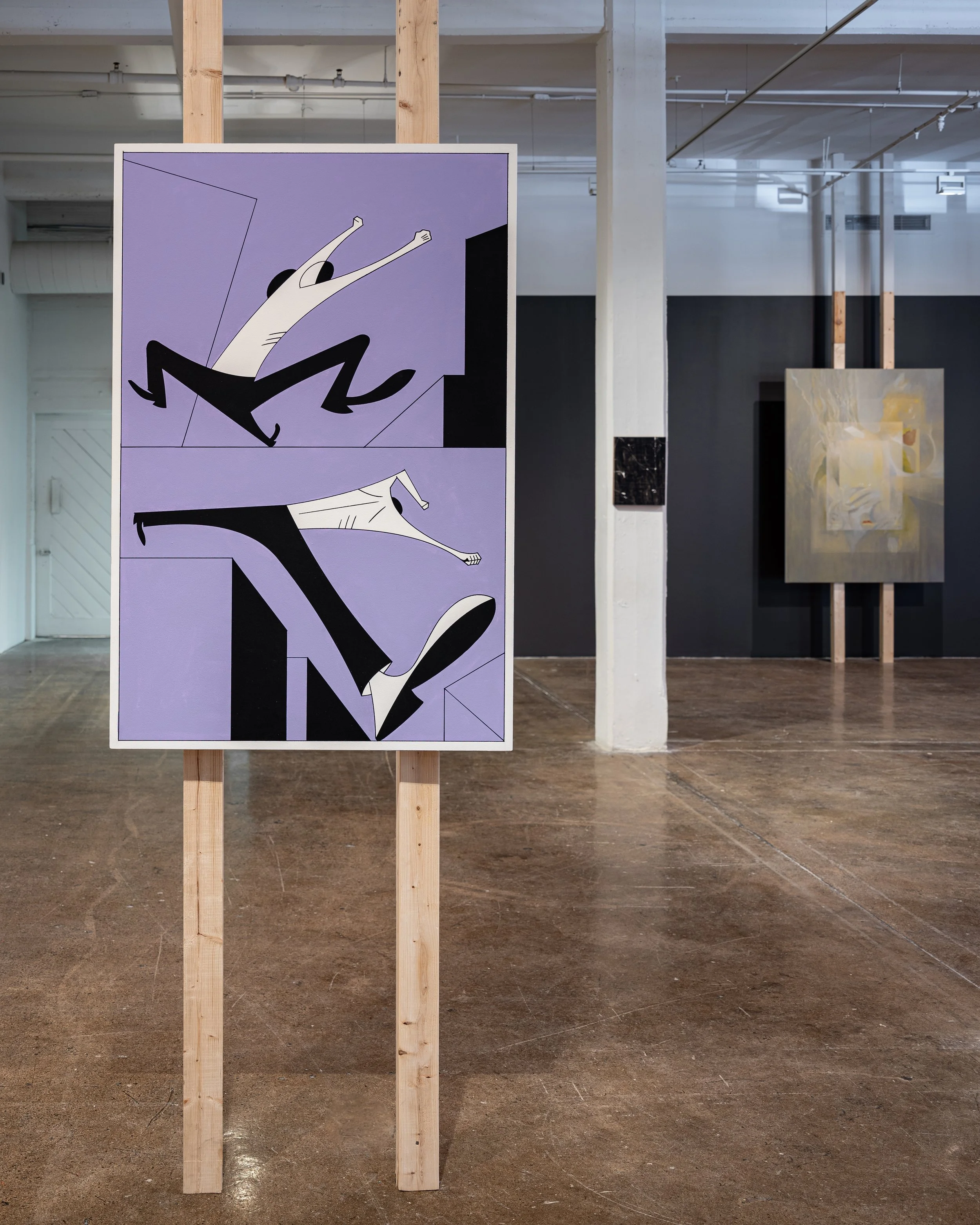
Curated by Fabiola Iza
Featuring Alicia Ayanegui, Enrique Arriaga Celis, Daniela Bojórquez Vértiz, Virginia Colwell y Raquel Bañón Sodini, Manuela García, Leo Marz, Jonathan Miralda Fuksman, Daniel Monroy Cuevas, Paloma Rosenzweig and Oswaldo Ruiz
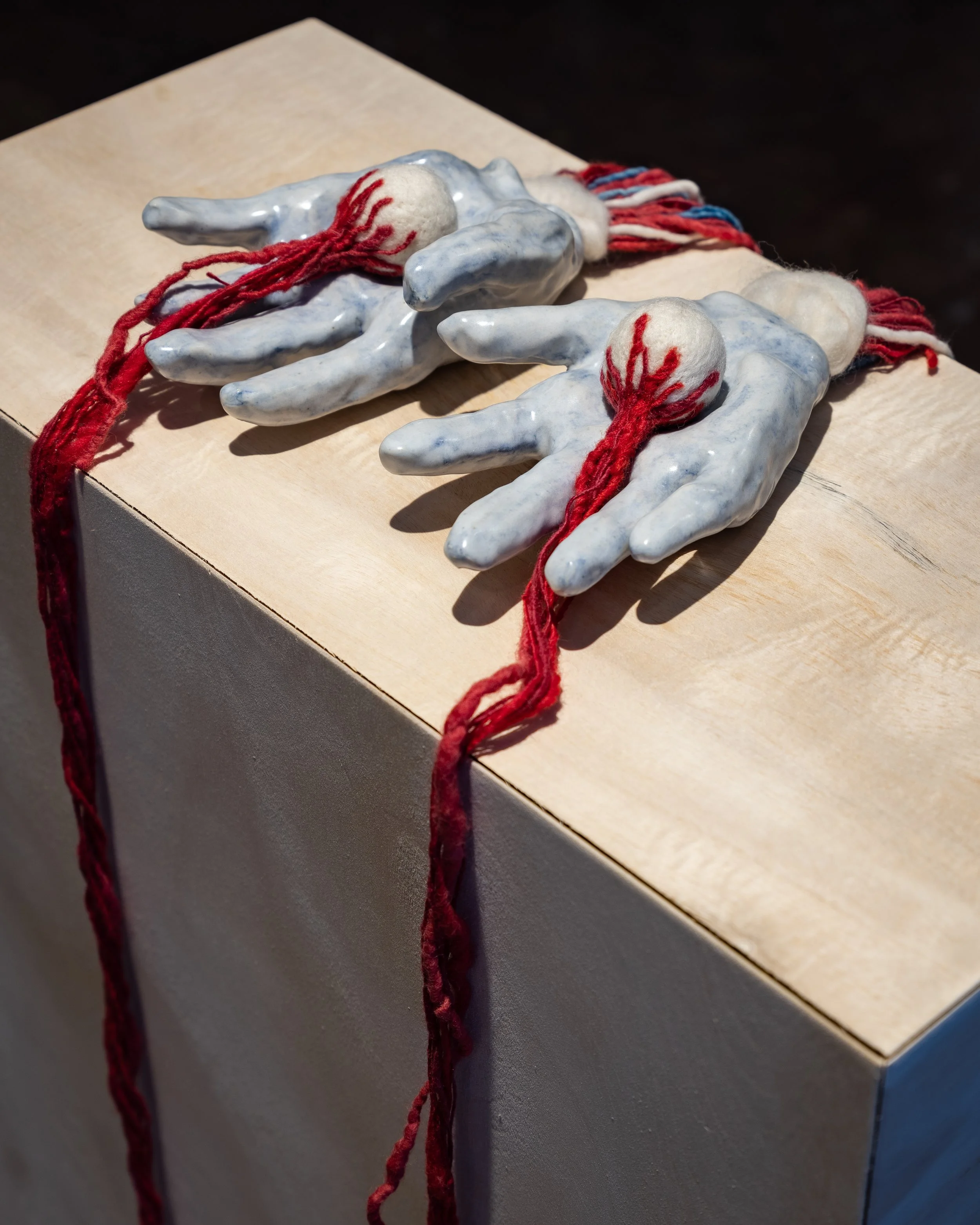
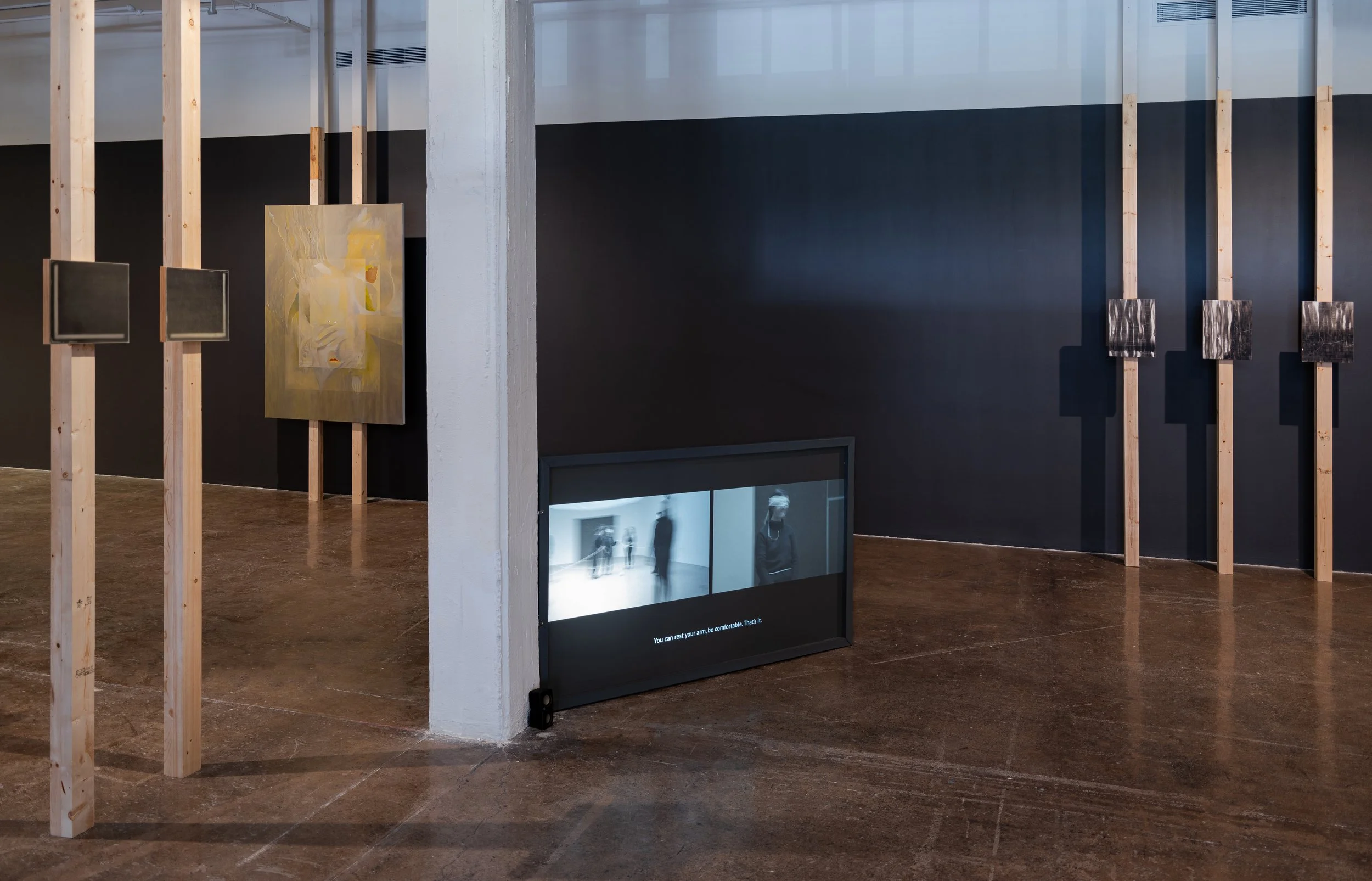
“By definition, a ghost is an immaterial entity. Though it has no body, its apparition affects the present, shaping its expectations. In 1785, British philosopher and jurist Jeremy Bentham imagined how the design of space could help materialize an ideological system rooted in the respect of hierarchies and the maintenance of order within a given community. This vision gave rise to the panopticon—from the Greek pan (everything) and optis(view)—an architectural model founded on the exercise of total vision. Initially conceived for factories, the panopticon was primarily adopted in prisons, where it remained popular until the early 20th century. Thanks to a central tower offering a strategic vantage point, all imprisoned individuals lived under the ominous sensation of being incessantly watched.
As a scopic design, the panopticon transformed how the social Other surveils and marks the individual body, fulfilling Bentham’s goal of instilling a sense of intrusive observation in those under its gaze. Nearly two and a half centuries later, the evolution of that omniscient eye casts a long shadow over the works assembled in this exhibition.
Emerging from a paranoid state, the anxious visuality of these works reveals itself in distinct ways. As if filtered through a damaged optic nerve, vision becomes tired and feeble. Contours blur. Materiality turns abstract and diffuse. The city, the gaze, and surveillance converge in the distorted angles of its landscape, in the saturated contrast of anodyne sites where it’s hard to tell if they remain inhabited or were recently abandoned. Disorientation is both spatial and temporal.
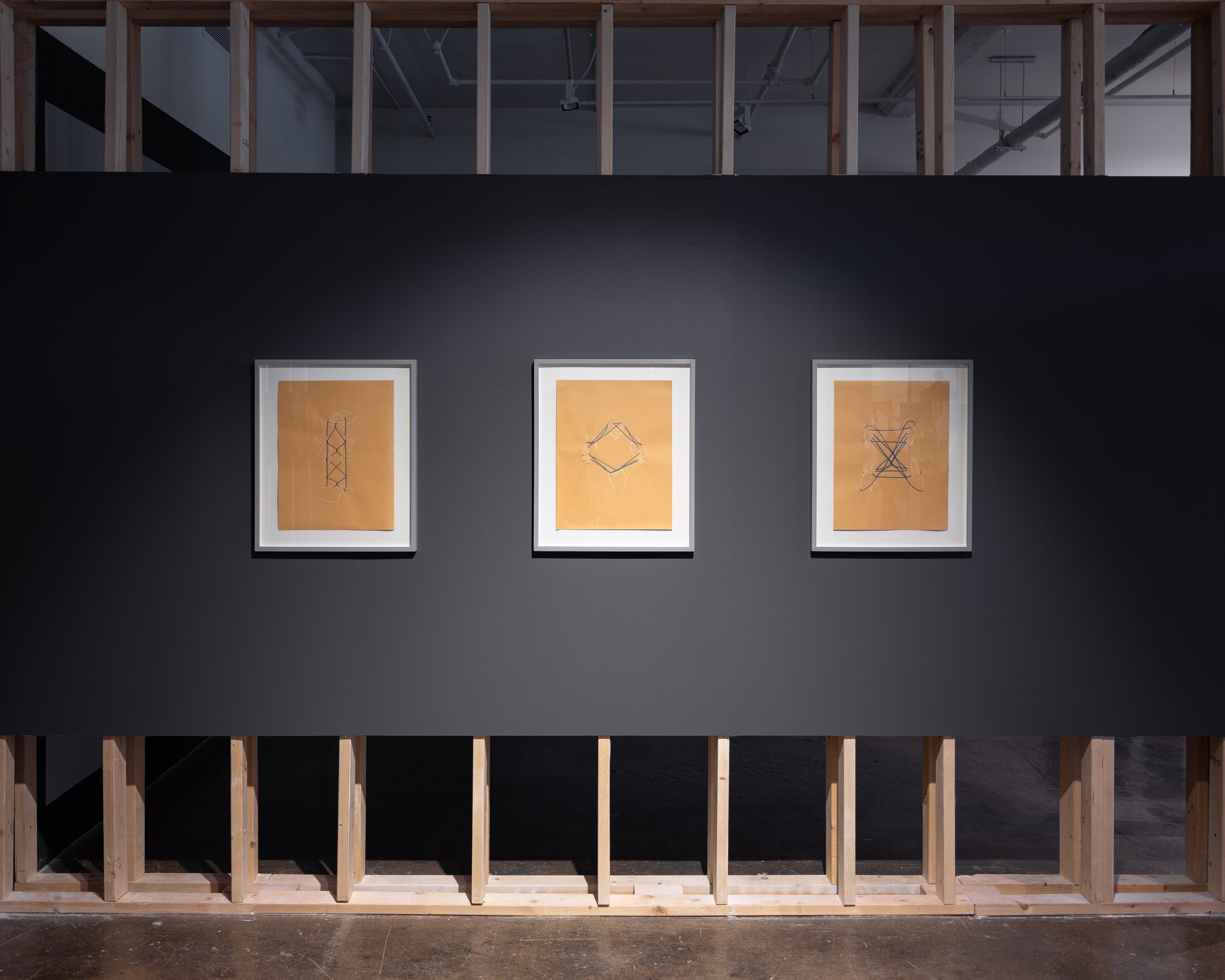
Memory becomes fragile. It is manipulated like a thread slipping through the fingers of a hand seeking to shape it into meaning—only for the form to change fleetingly. In the penumbra, sharpness dissolves. Objects emerge as if from a dream, their representations built from impressions loosely caught in memories that may themselves be fabricated. Among faint colors and eroded strokes, the future disappears slowly, languidly—as the ability to imagine a world different from the one we inhabit fades from view. Exhaustion flattens form.
Some trace the roots of our contemporary surveillance society back to the panopticon, where the sensation of being stalked has grown more acute and pervasive through the digital revolution. Today, does such unrelenting monitoring undermine political action? When no corner escapes that intimidating gaze, how can clandestinity be practiced? In the exhibition space, subtle gestures emerge, seeking to activate the political—coded languages that evoke ancient expressions but manifest as ghostly beams of light. To stop the past from drifting between history and oblivion, new languages are born from chance—arising from complex, nonlinear causes that defy prediction—driven by the desire to gather fragments of the past into partial, flickering narratives…
In contrast to the panopticon and its hunger for total vision, the exhibition unfolds within a barricaded space—messy, irrational, improvised—a fortification made from dilapidated machinery and the remnants of the old factory that houses it. As instrumentalized forms of architecture, barricades become weapons; they block vision instead of enforcing it. They create a blind spot, a space out of reach. An attempt to interrupt time and space, this parenthesis suspends the present. The accelerated rhythm of the outside slows. Within this loop, the memories conjured drift like specters—floating, haunting, lingering, waiting.”
IRRATIONALLY SPEAKING: COLLAGE & ASSEMBLAGE IN CONTEMPORARY ART
Ruby City
210-227-8400
150 Camp St.
San Antonio, Texas, 78283
Set 21, 2024 — Aug 31, 2025
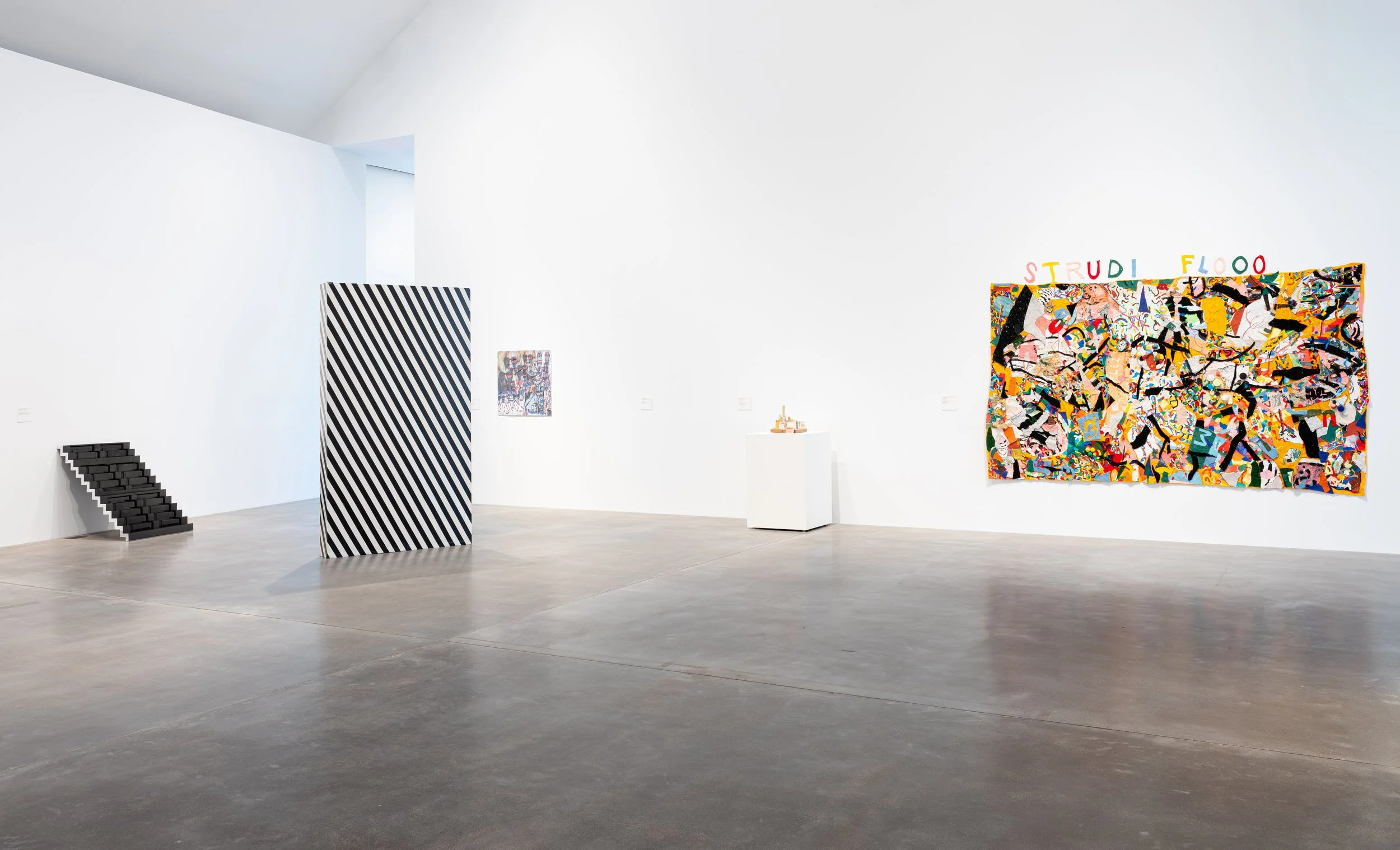
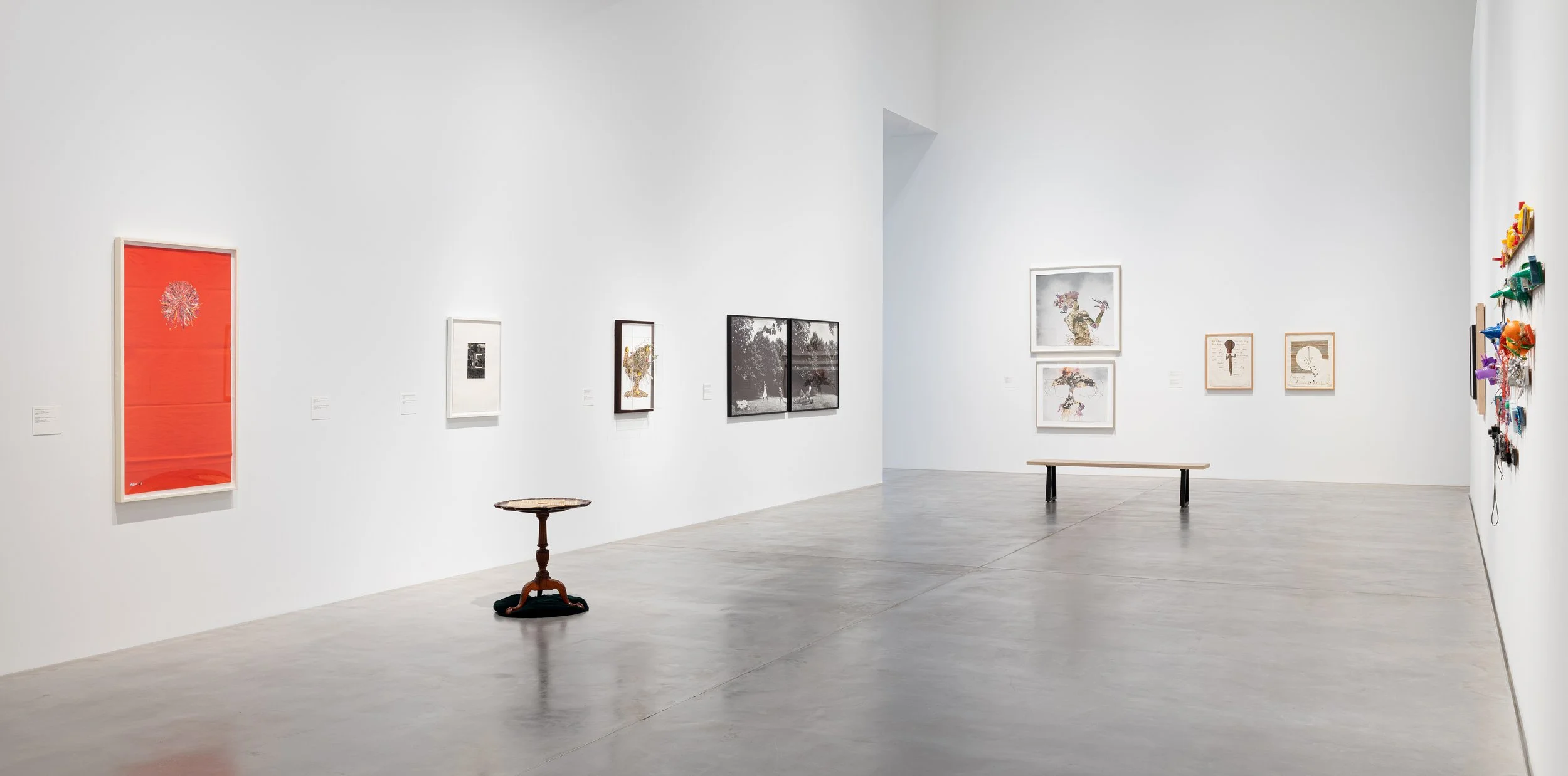
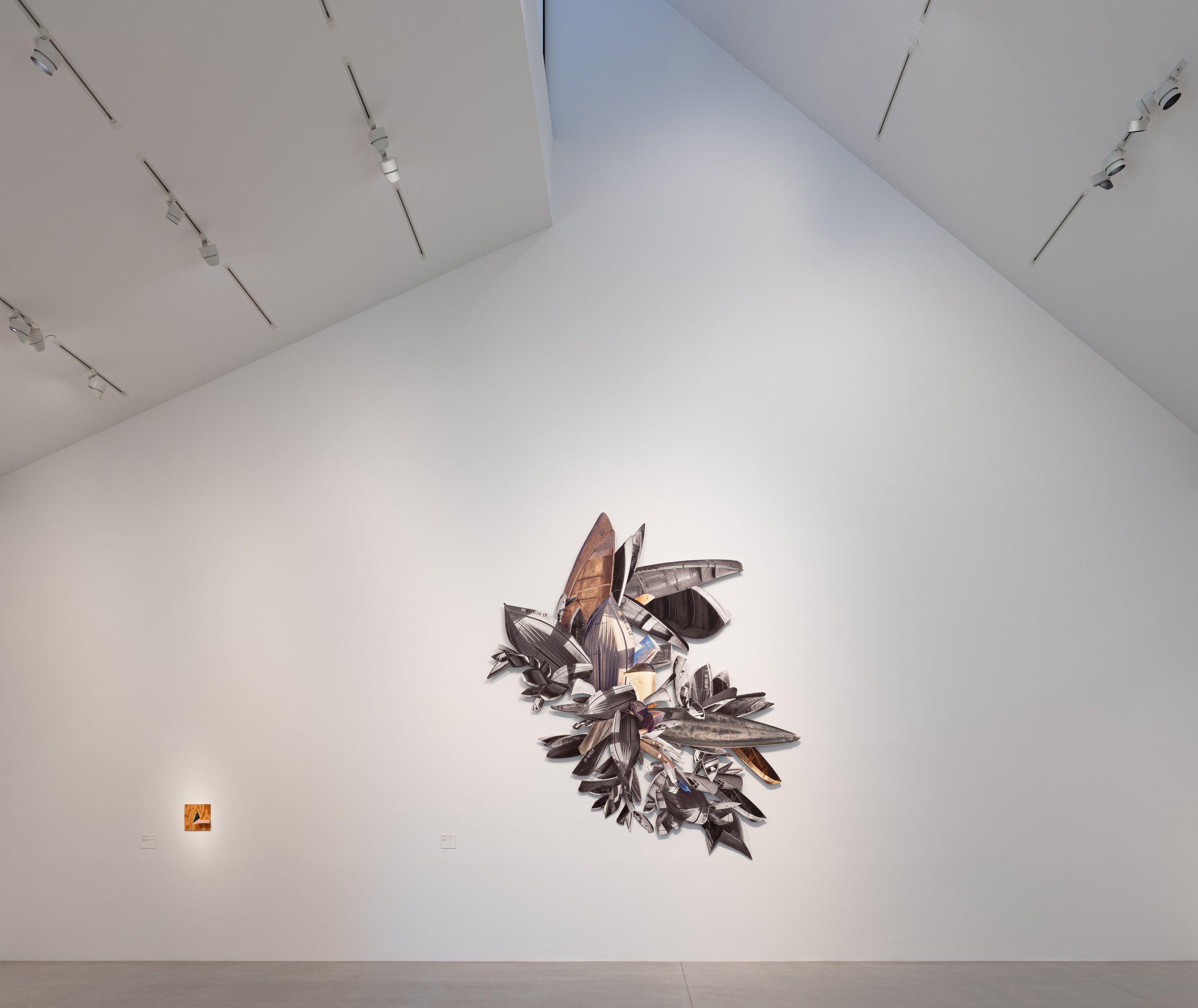
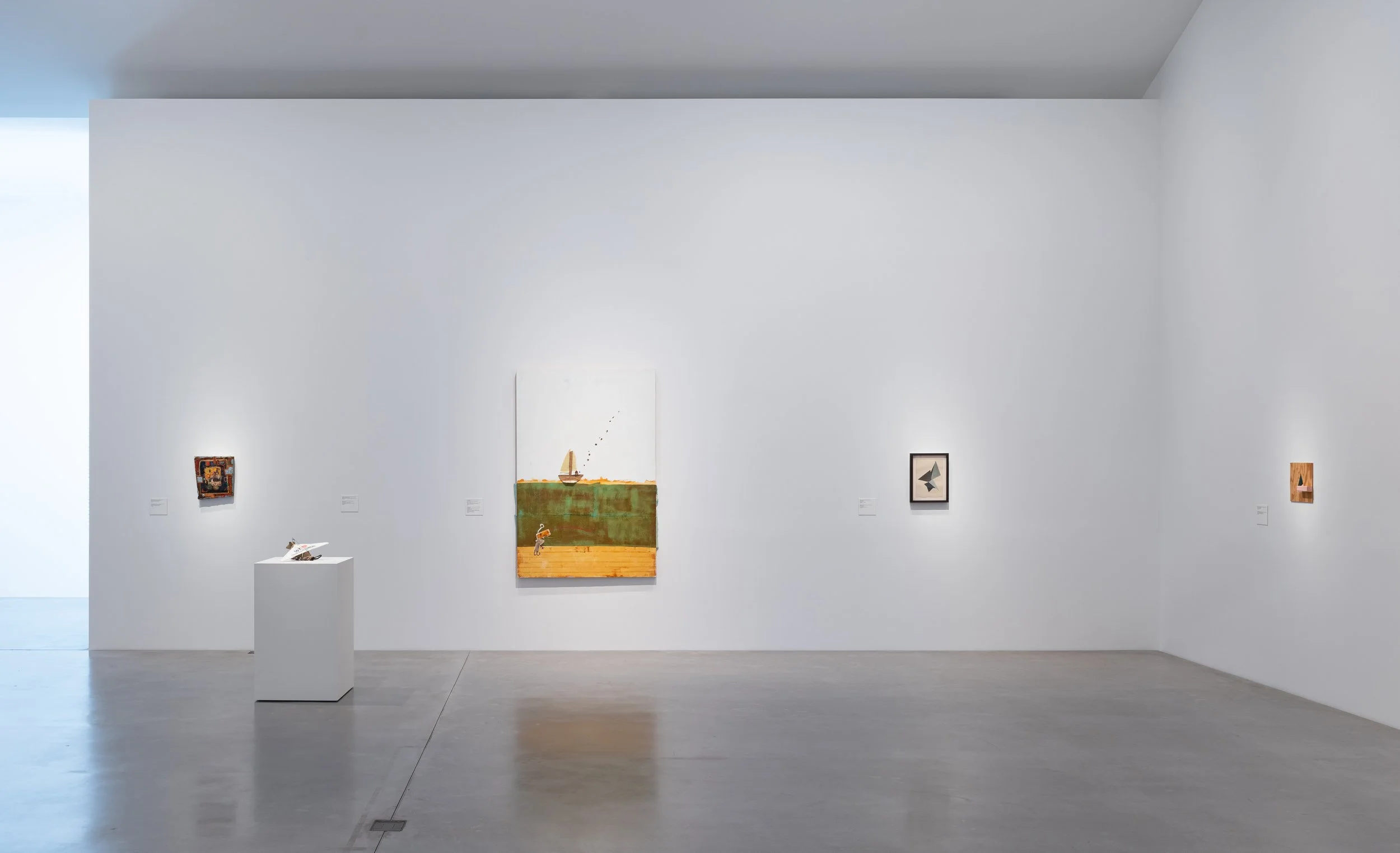
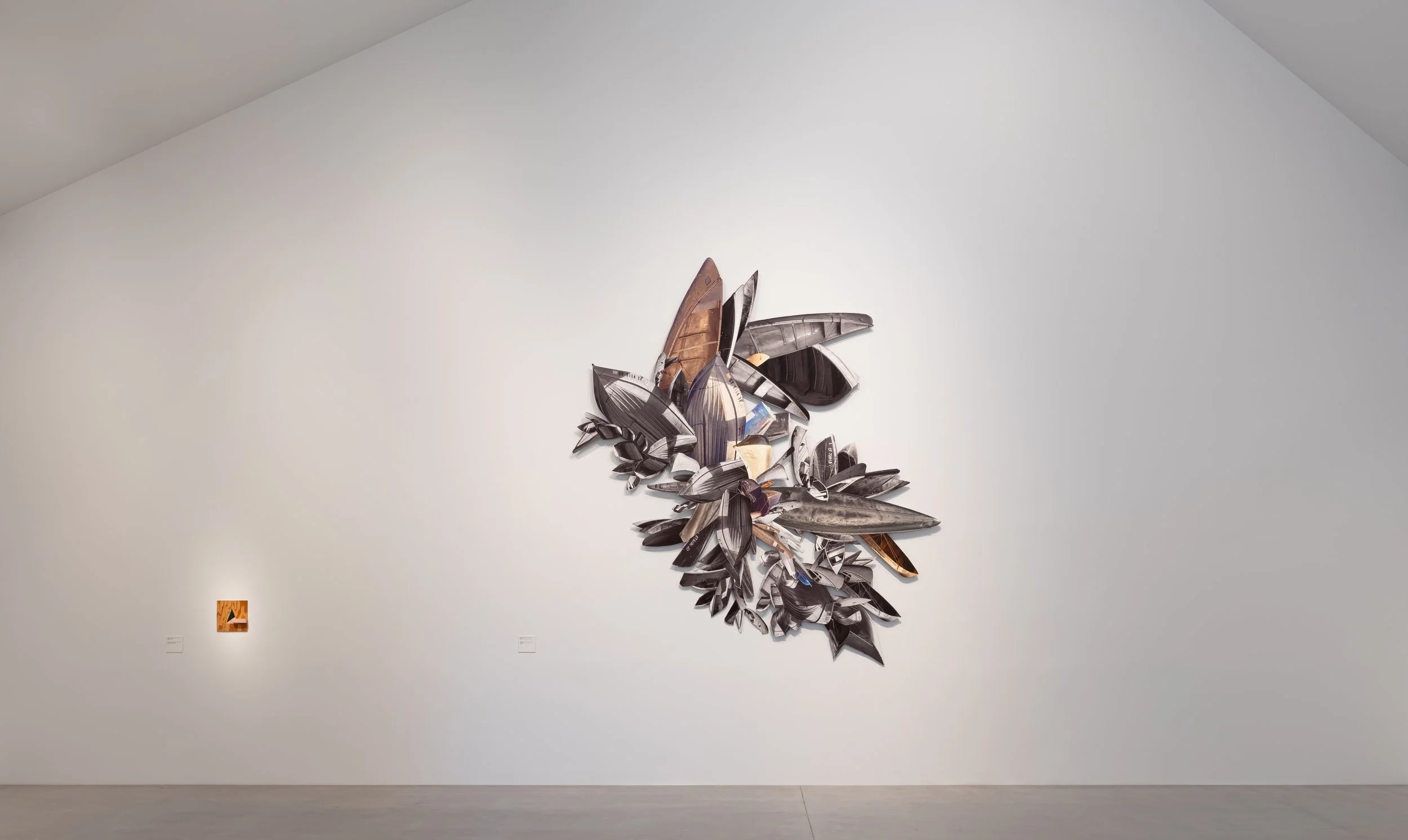
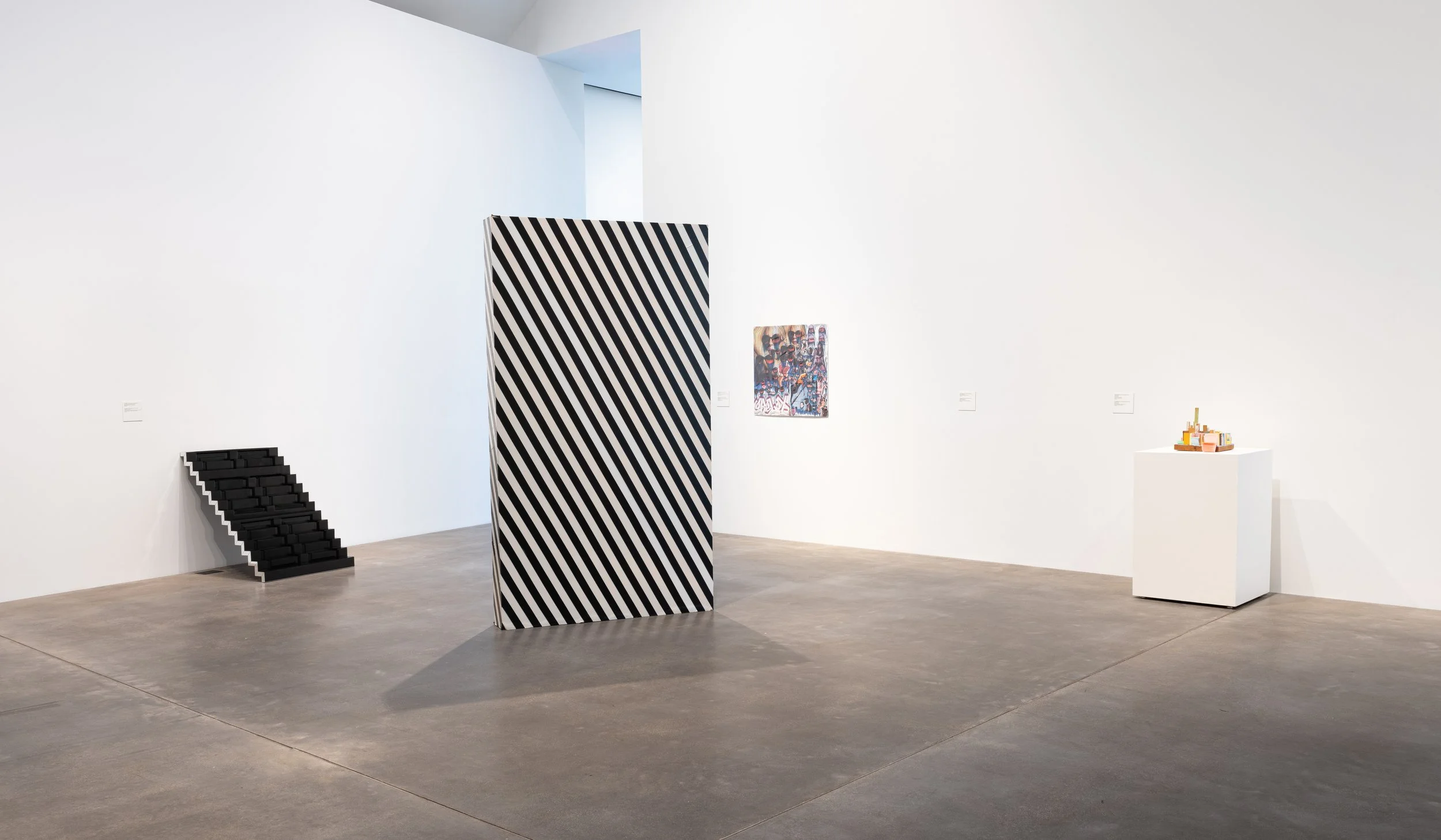
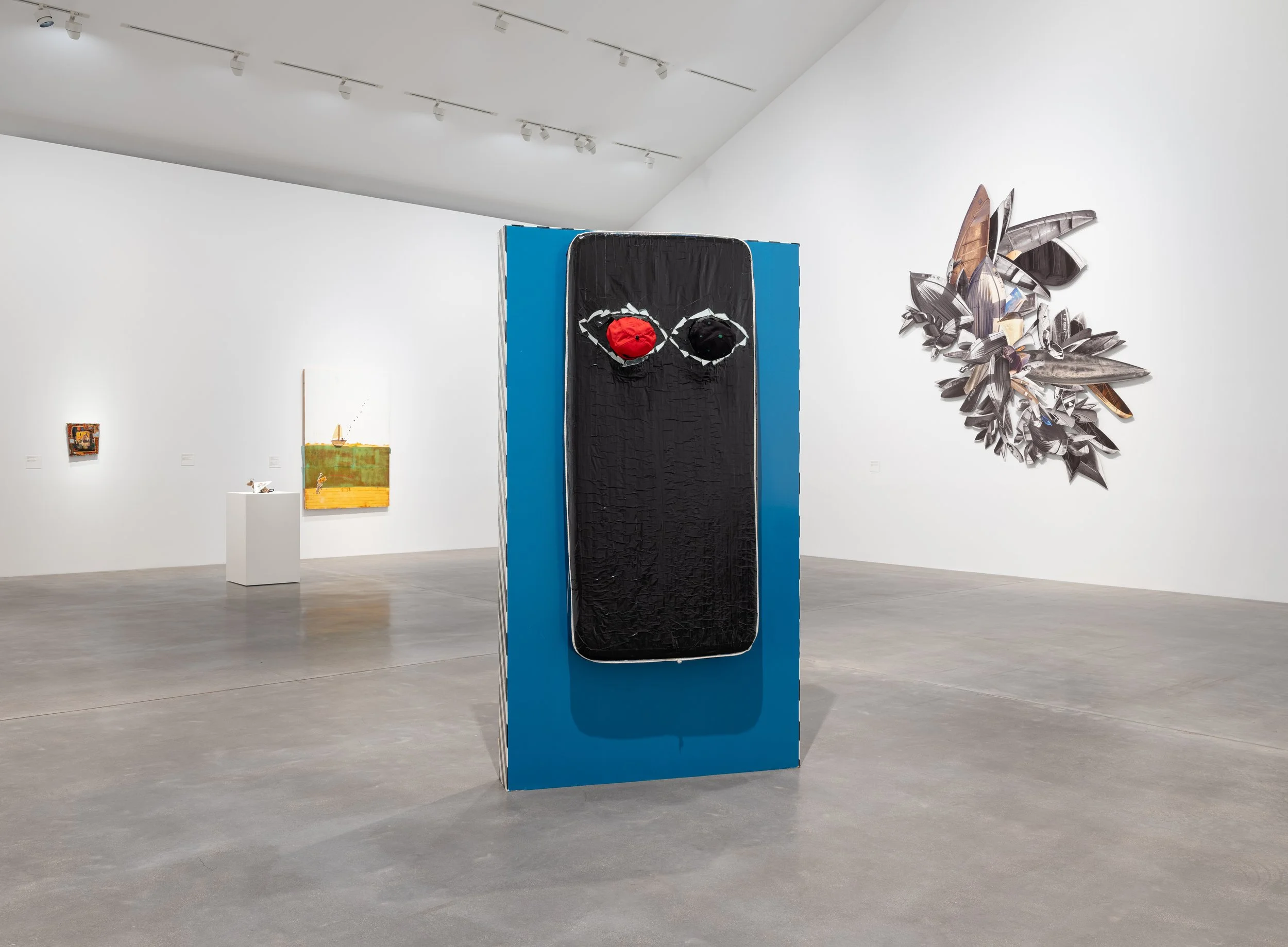
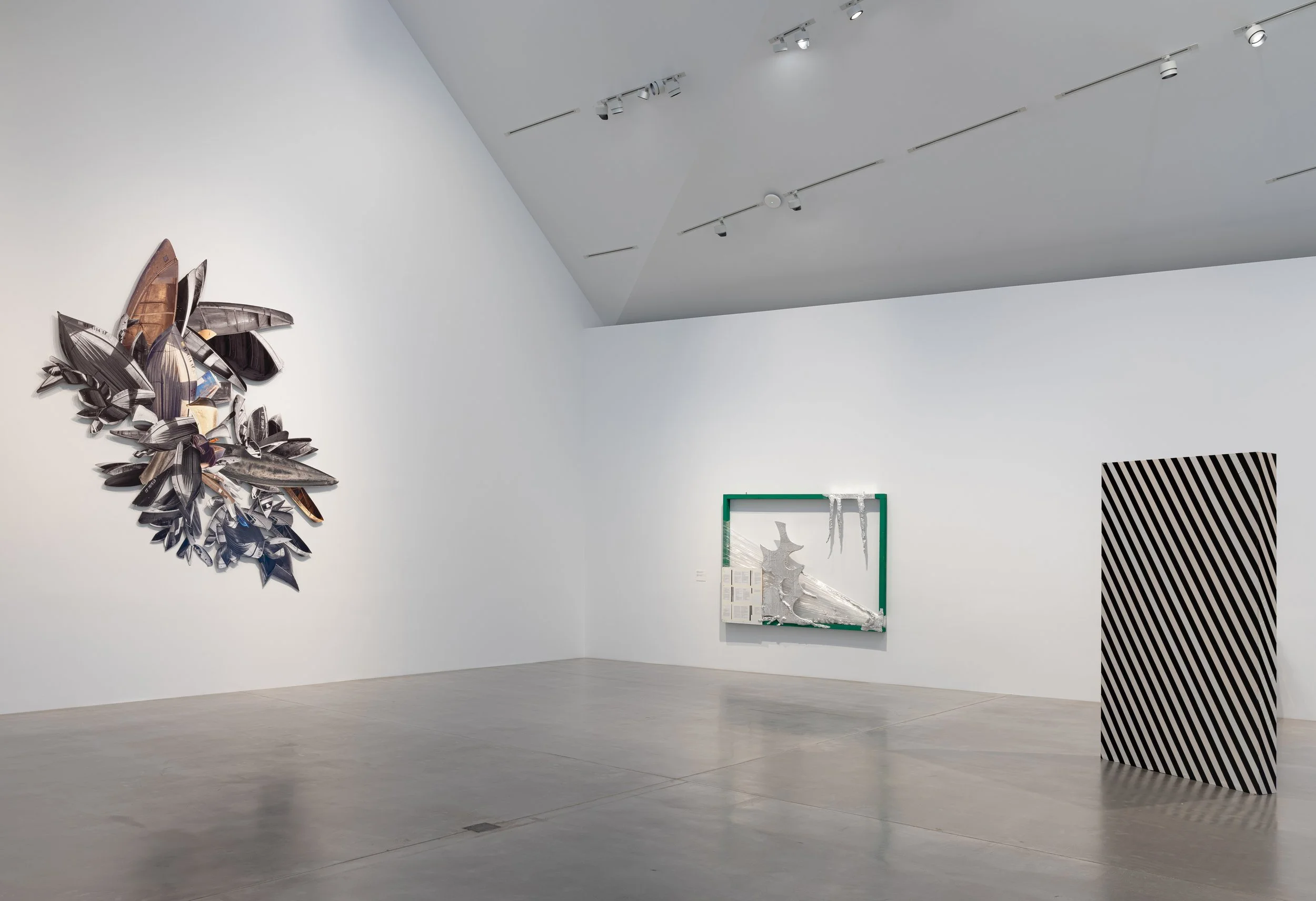
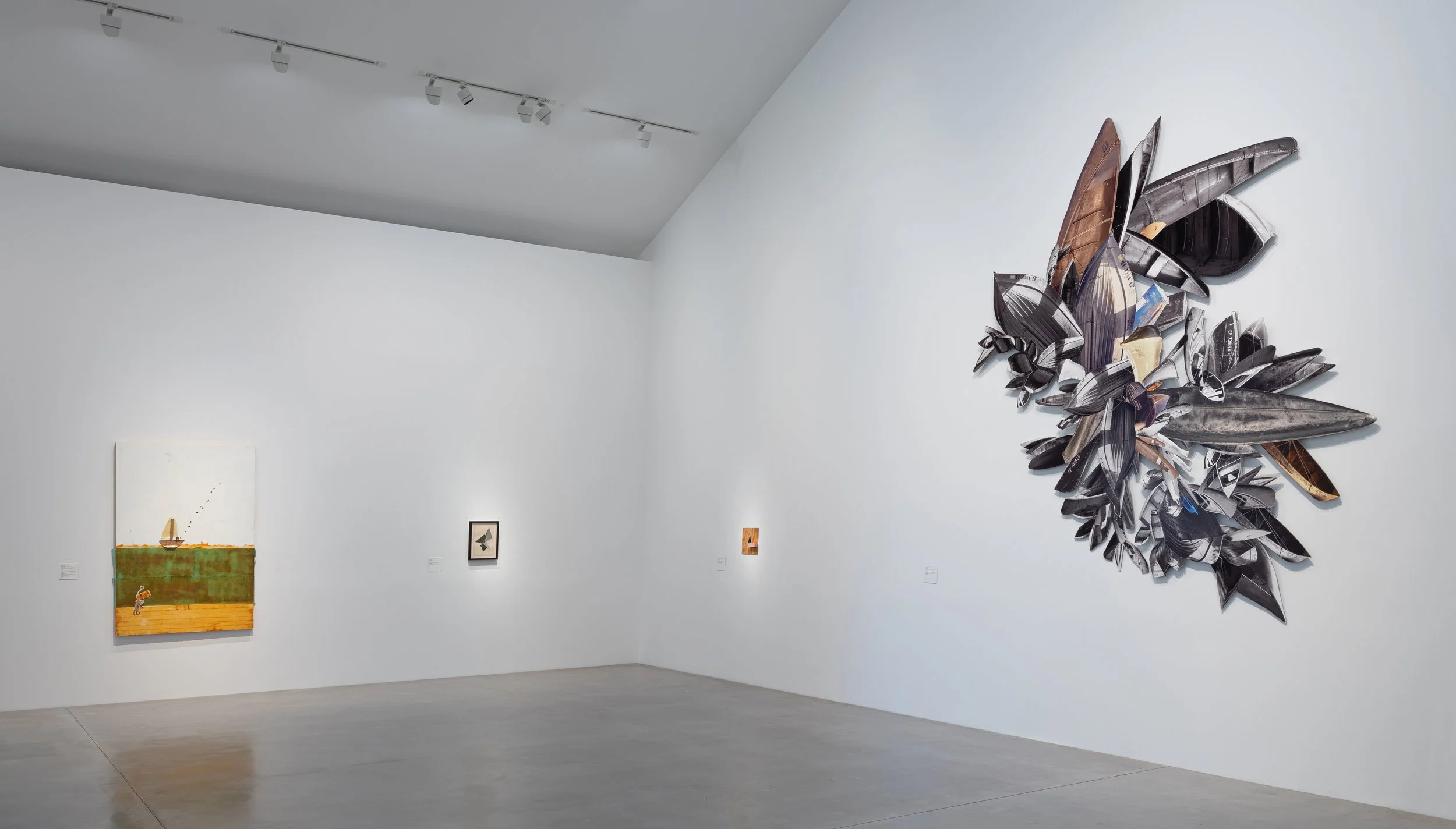
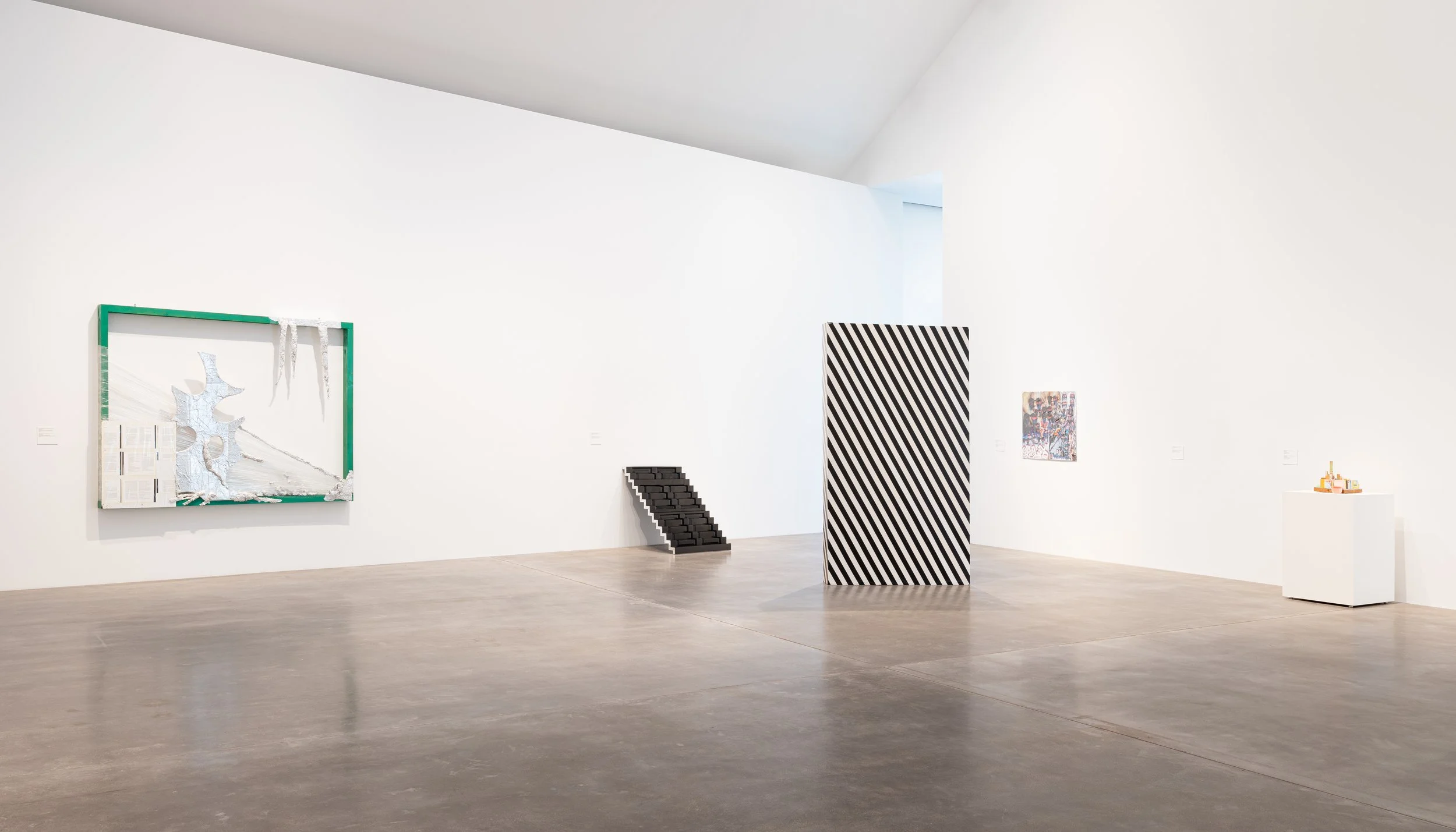
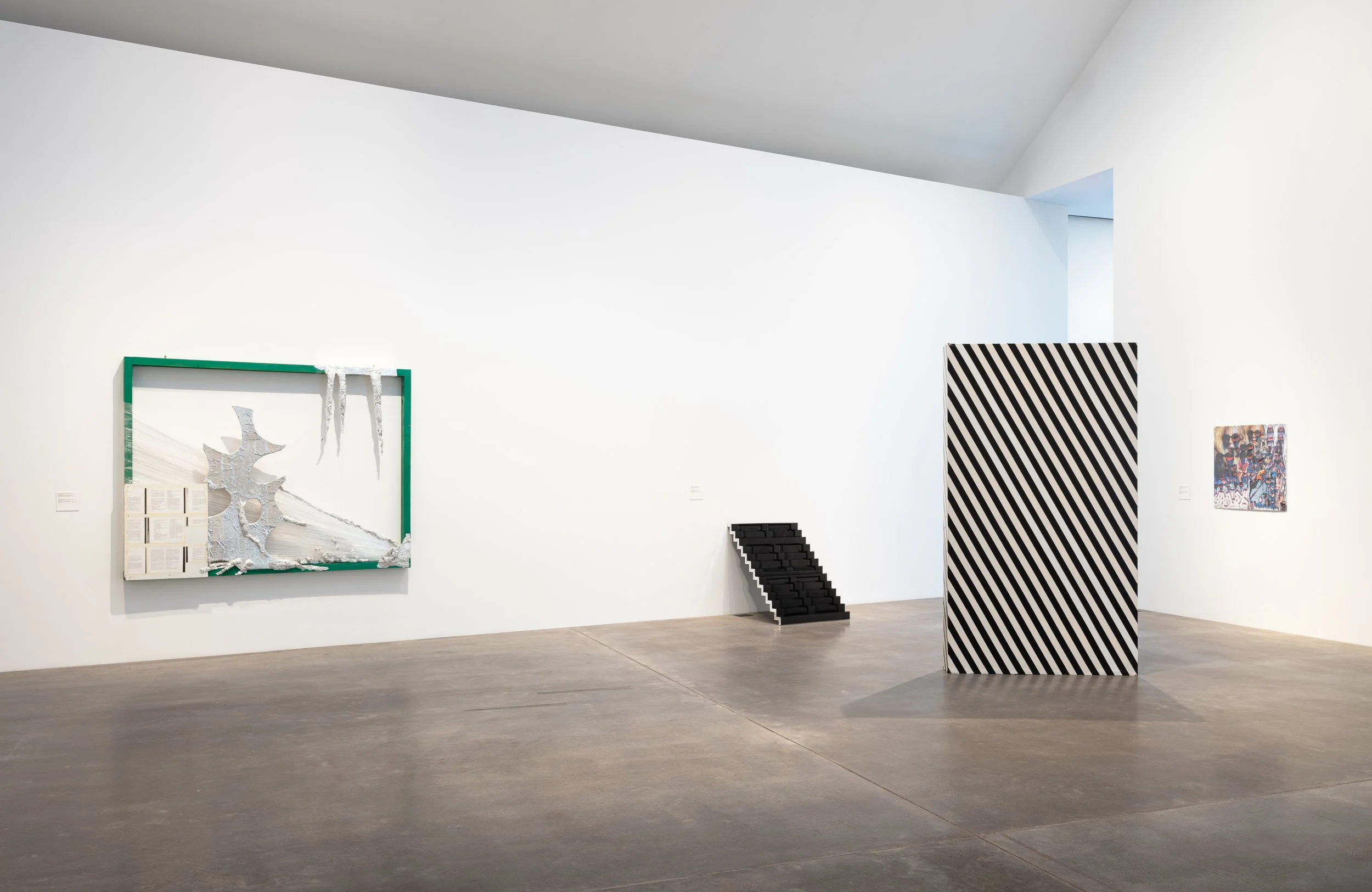
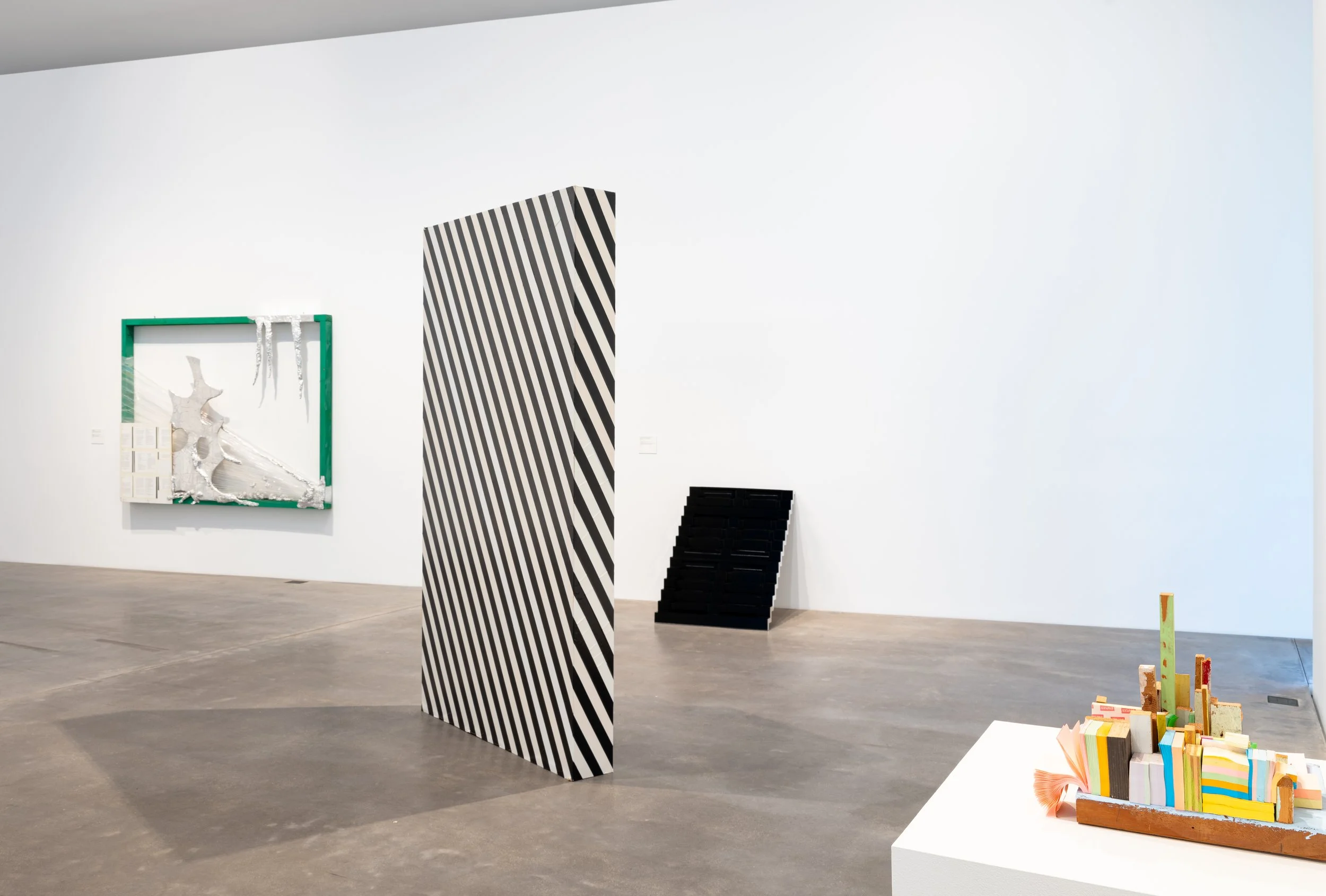
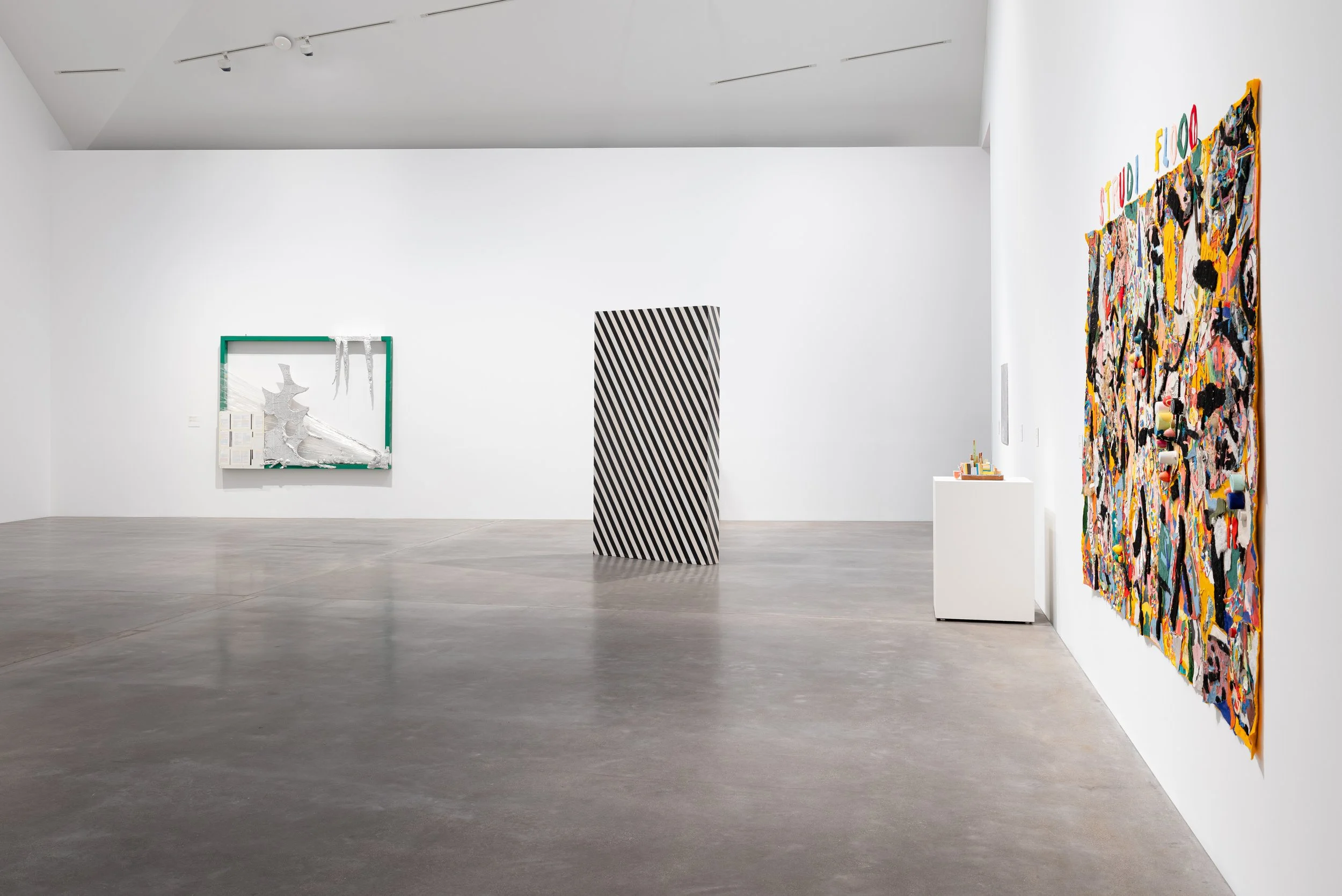
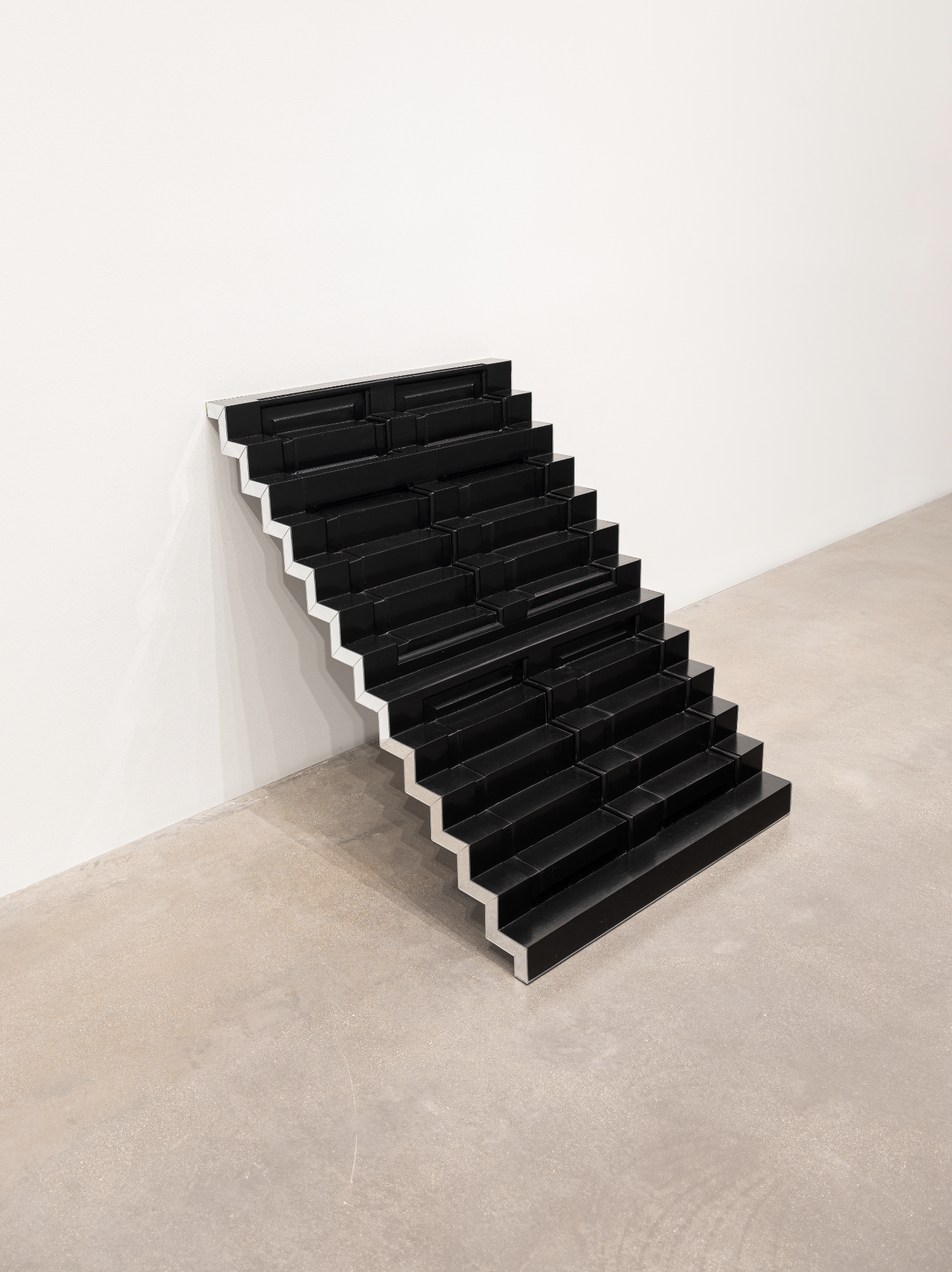
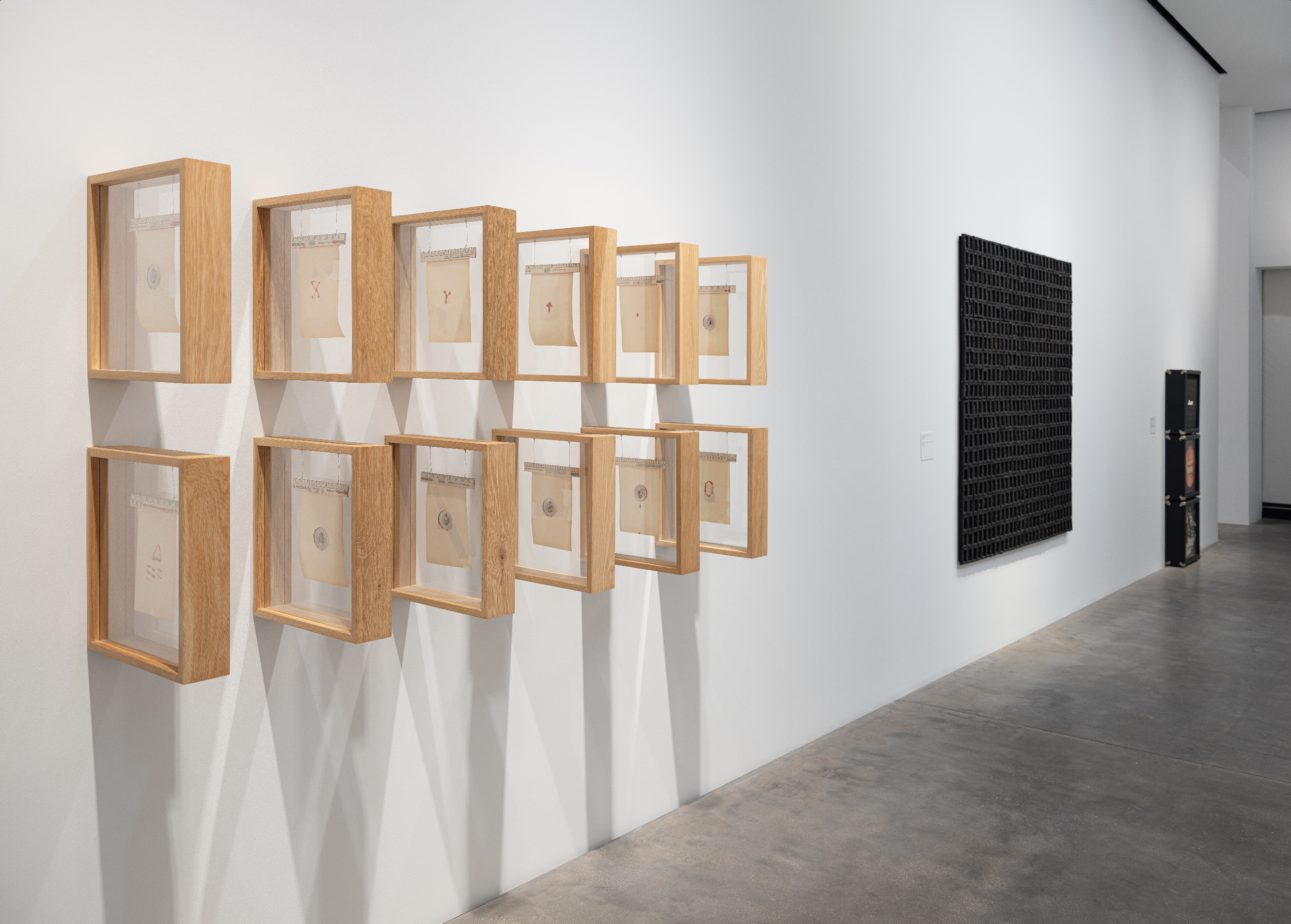
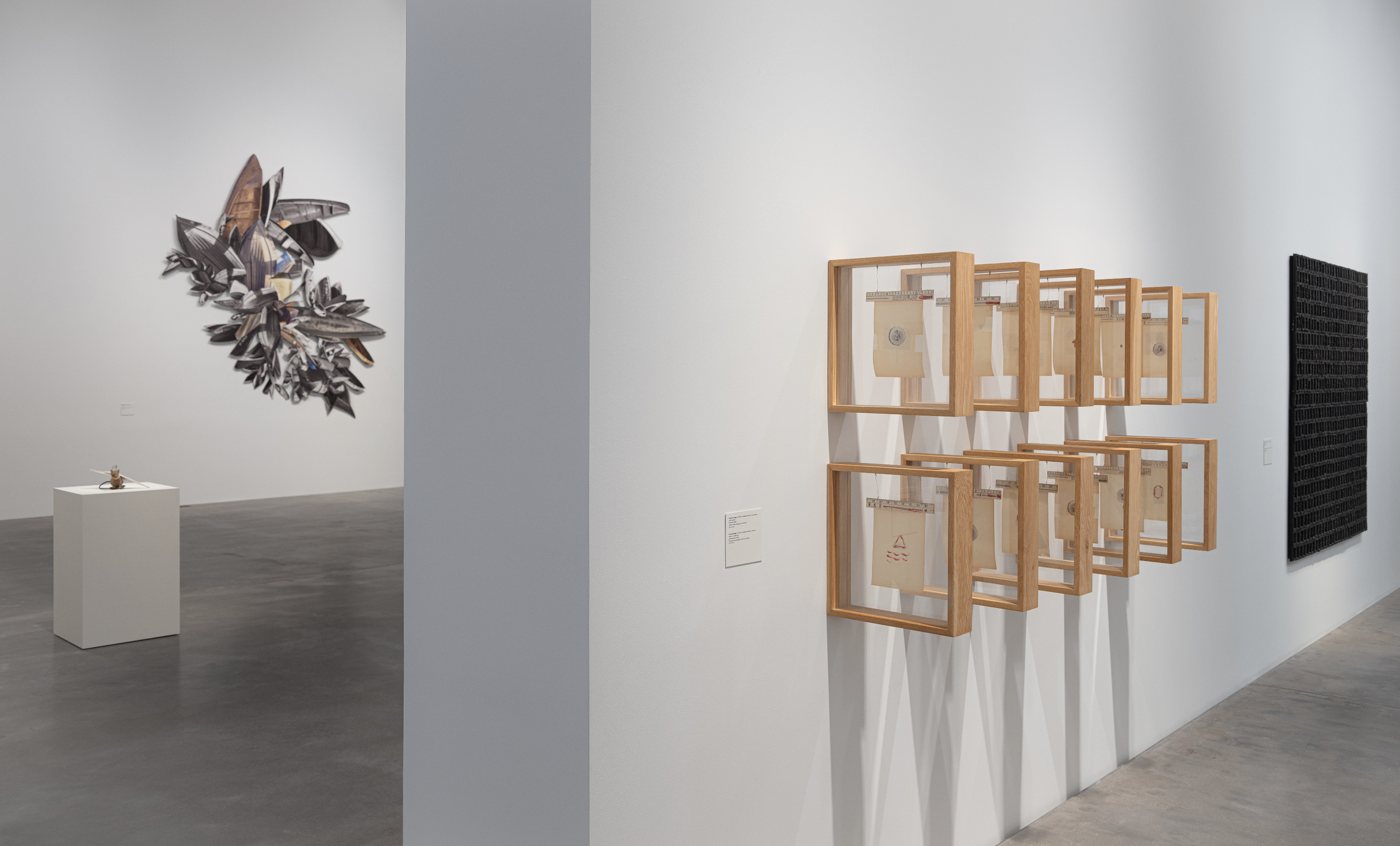
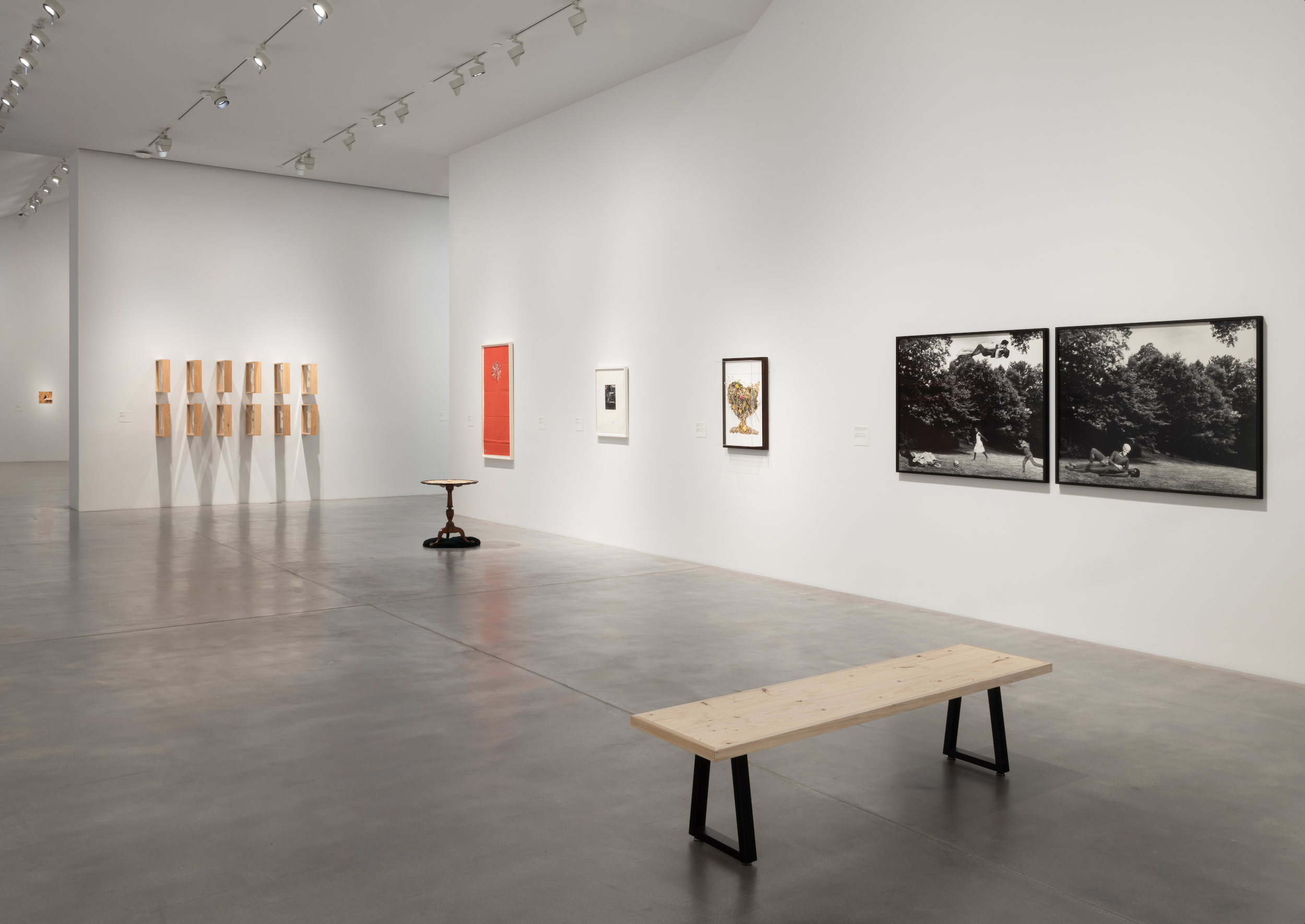
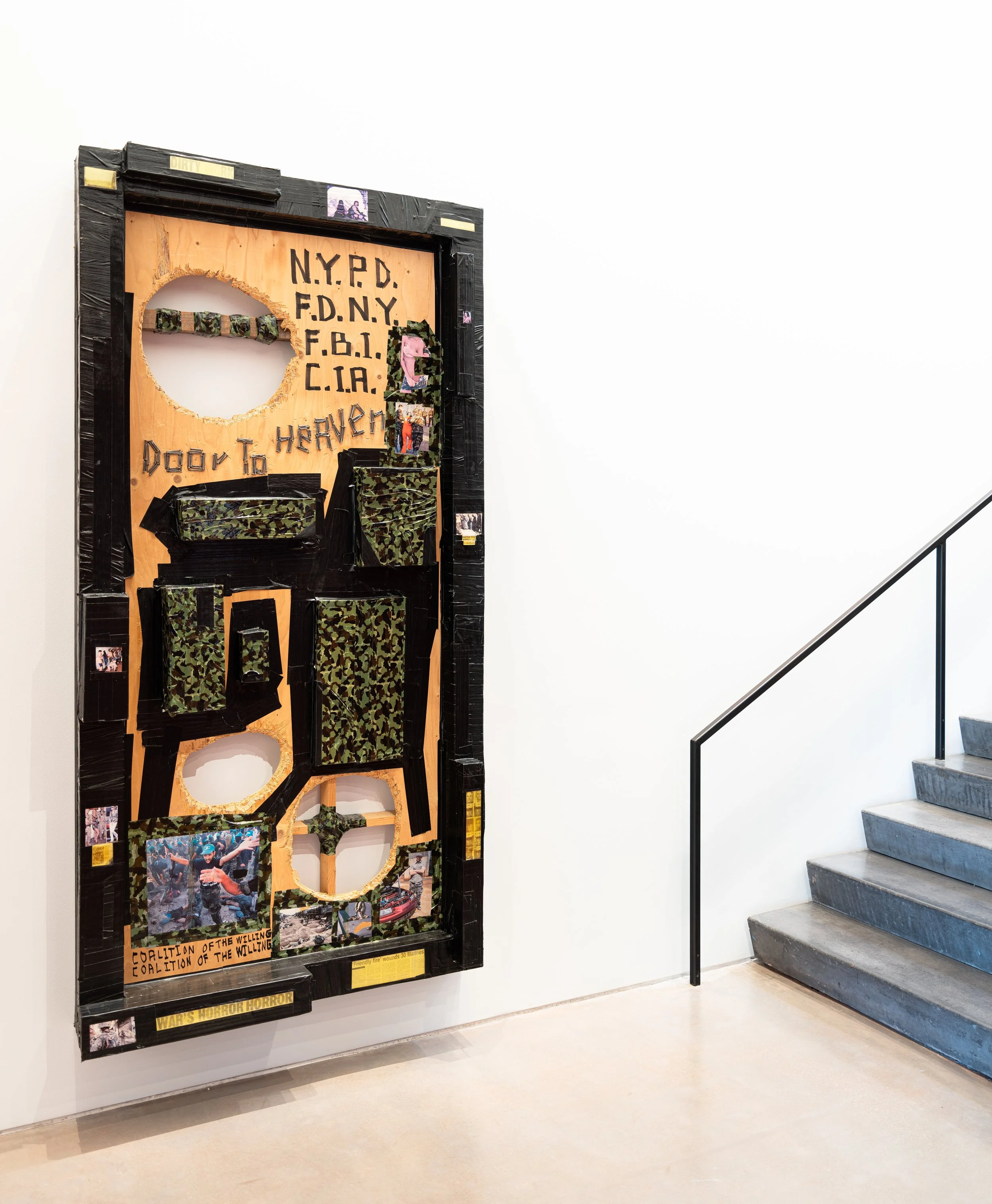
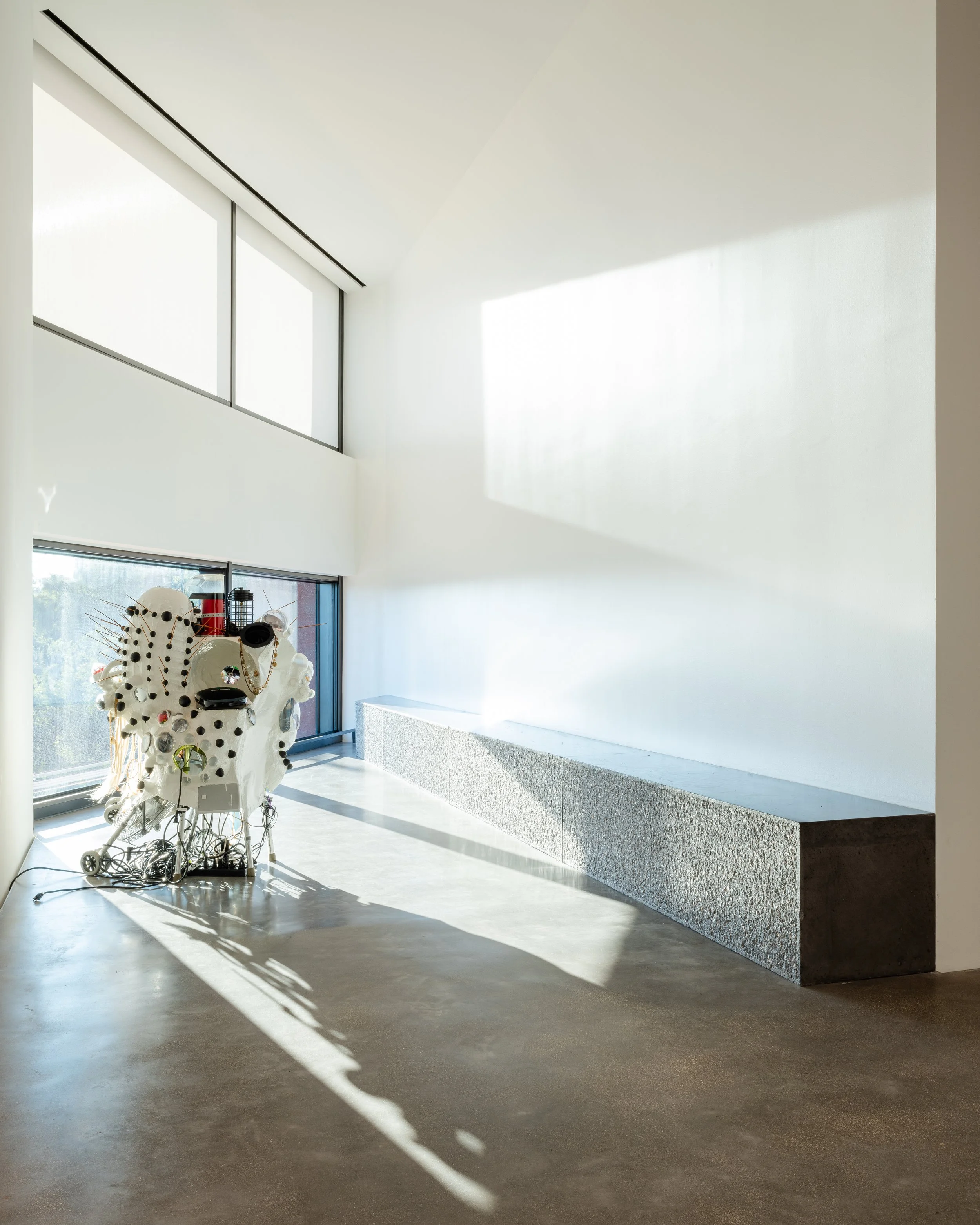
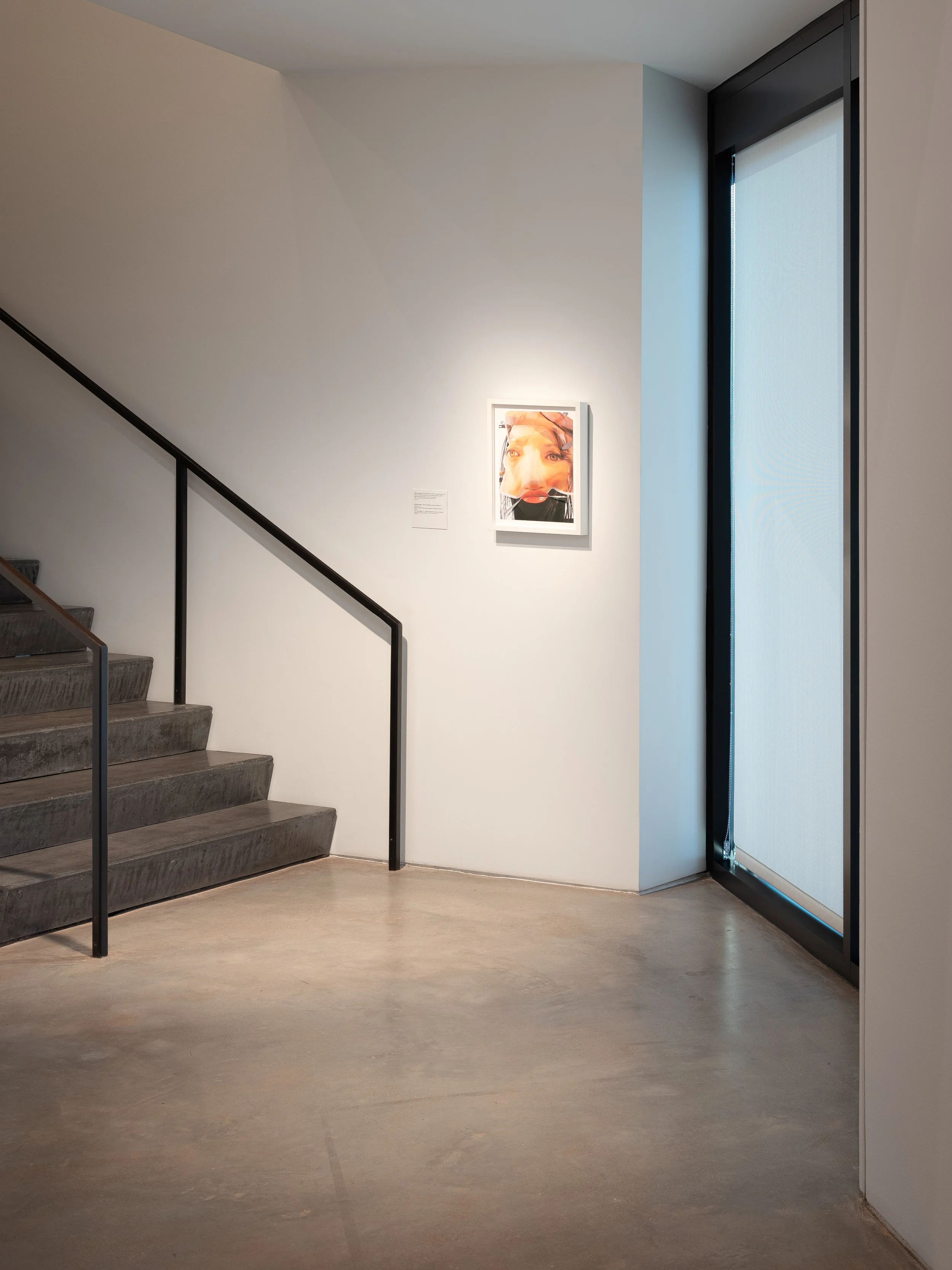
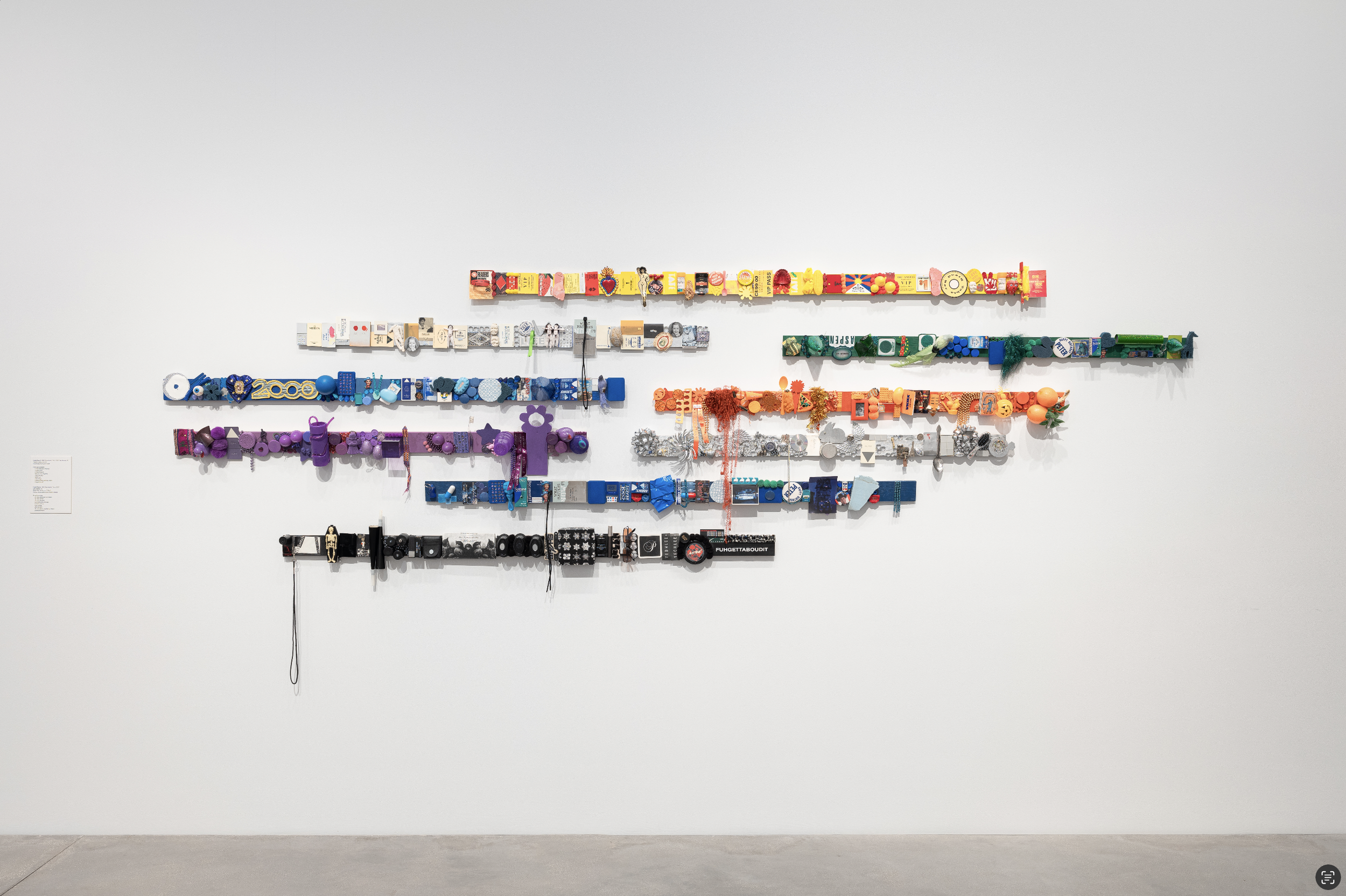
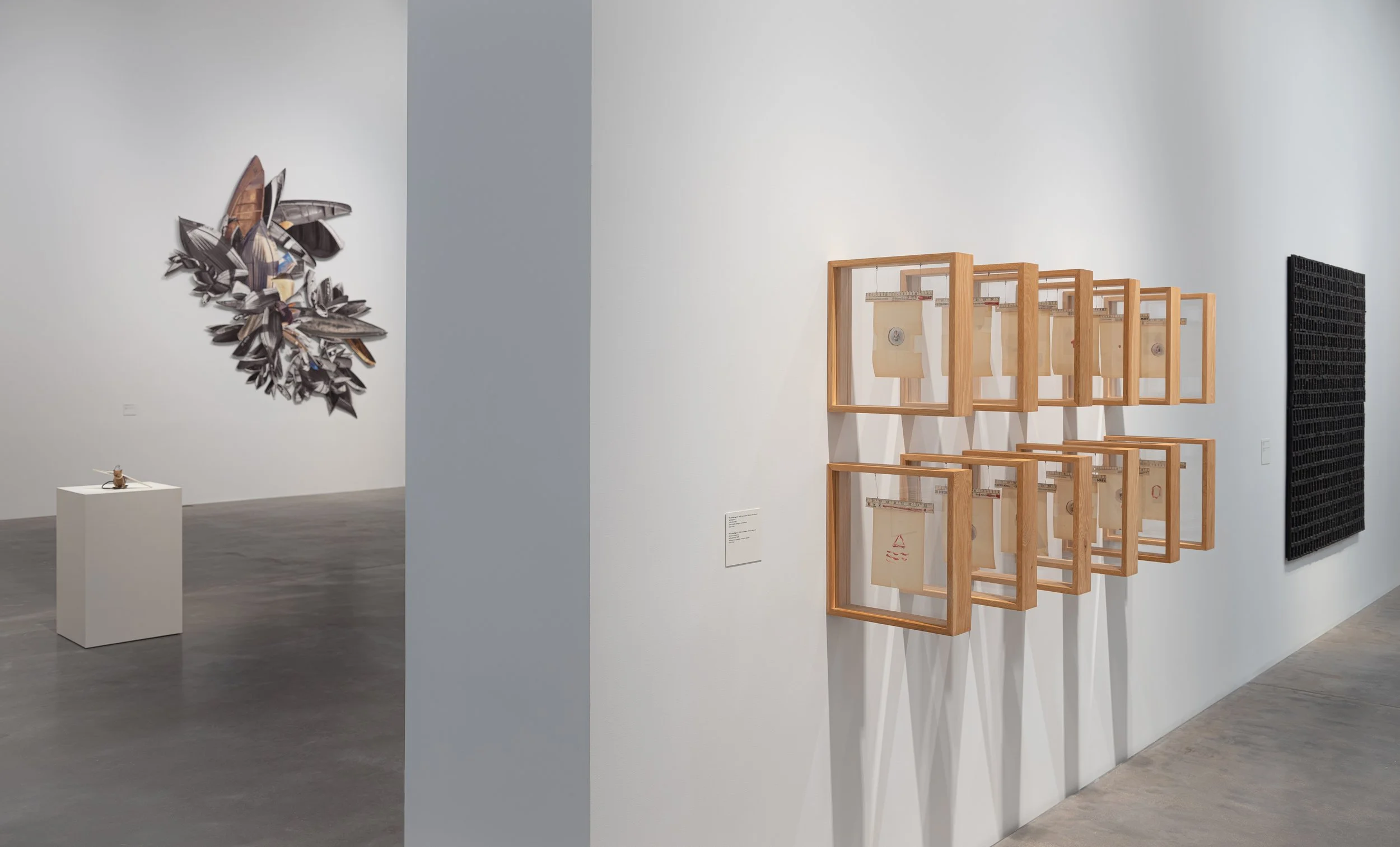
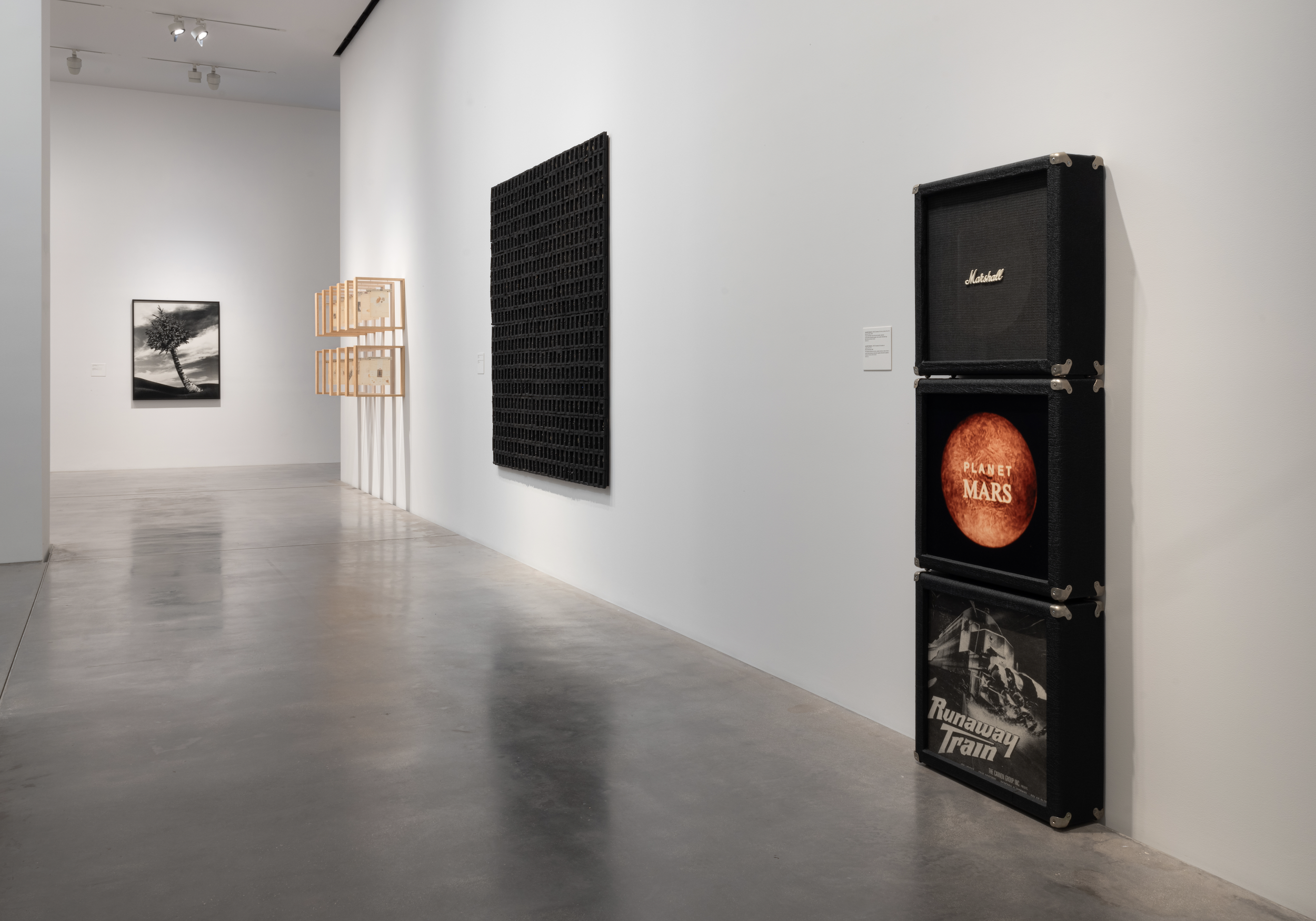
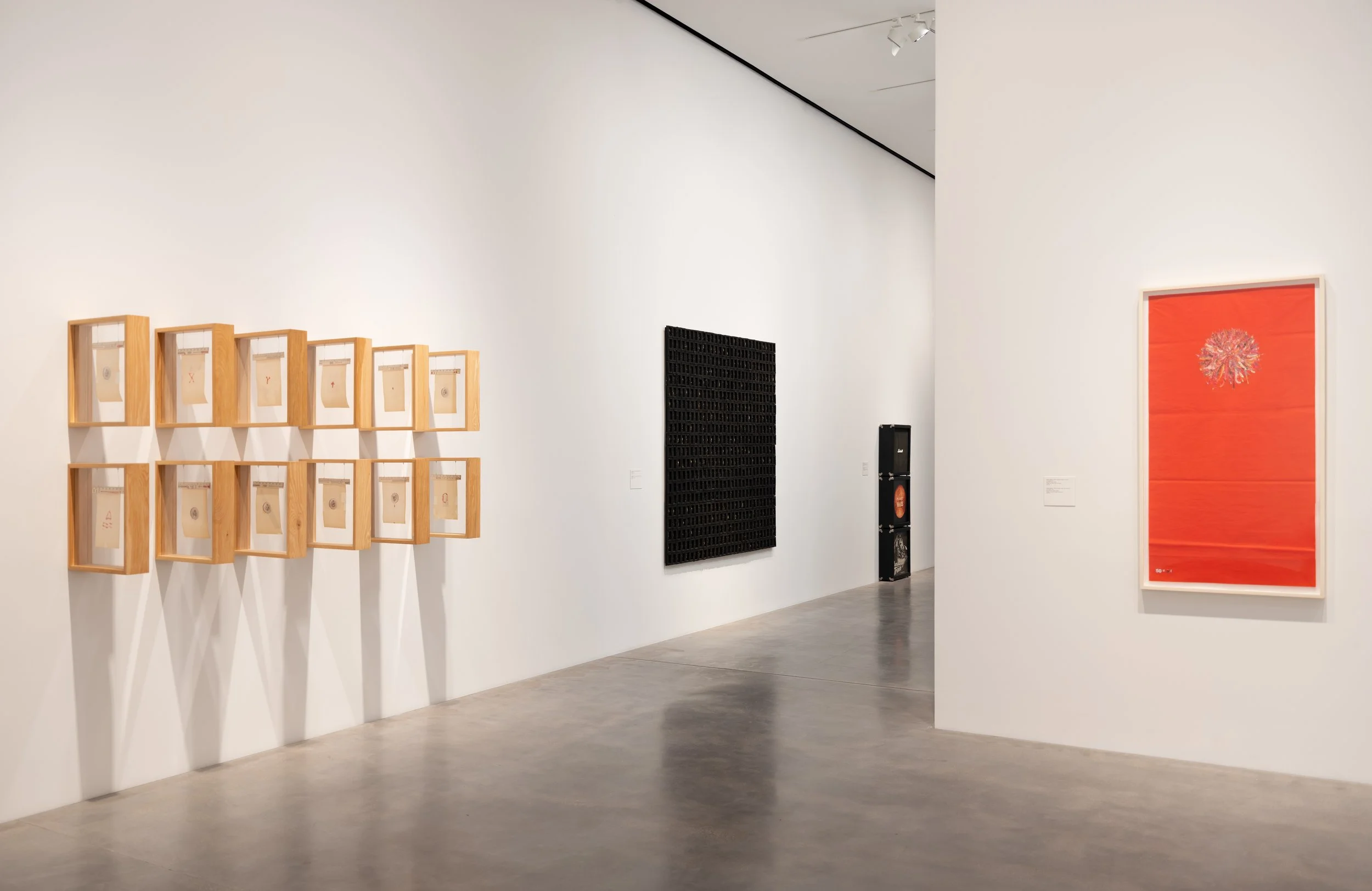
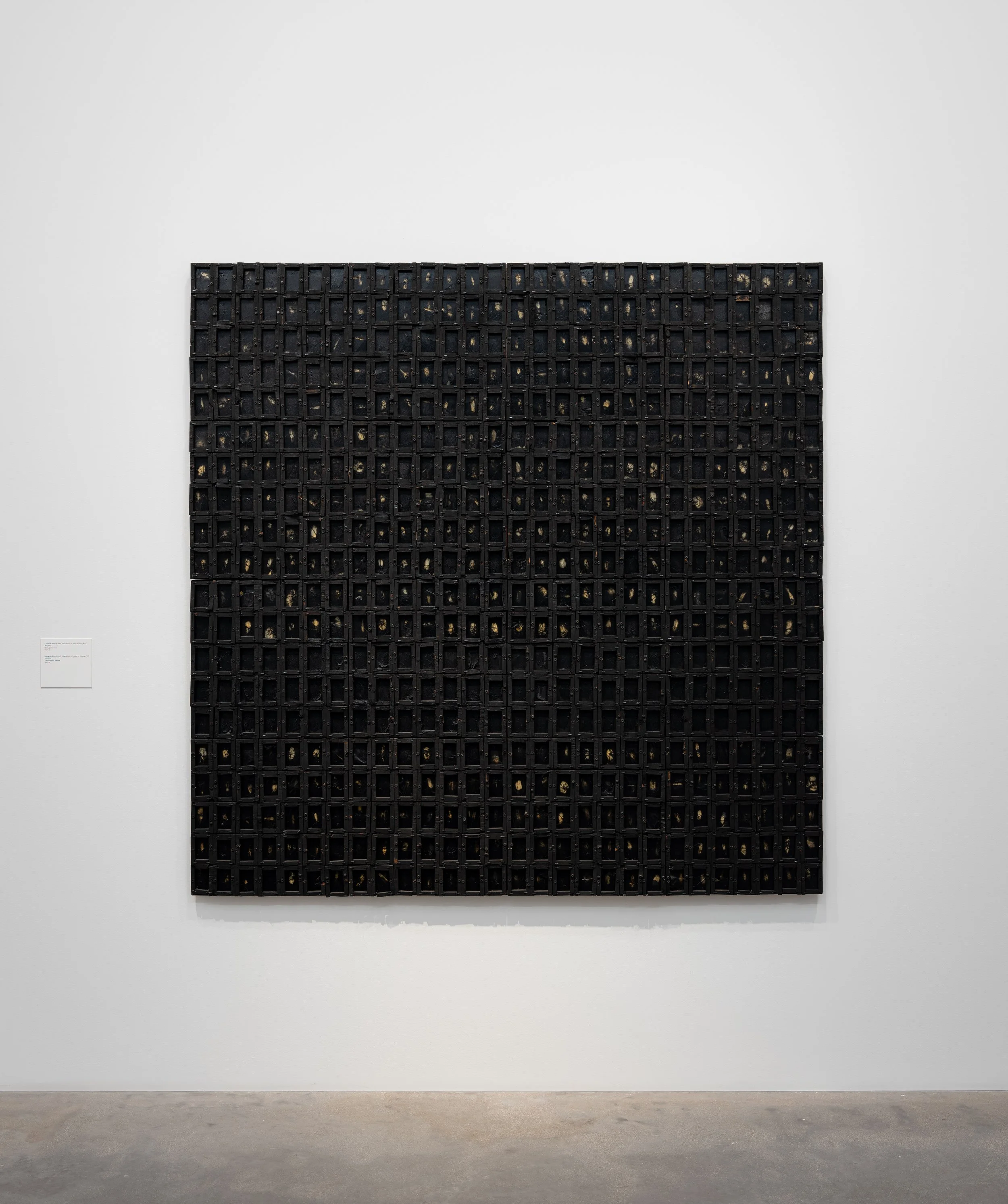
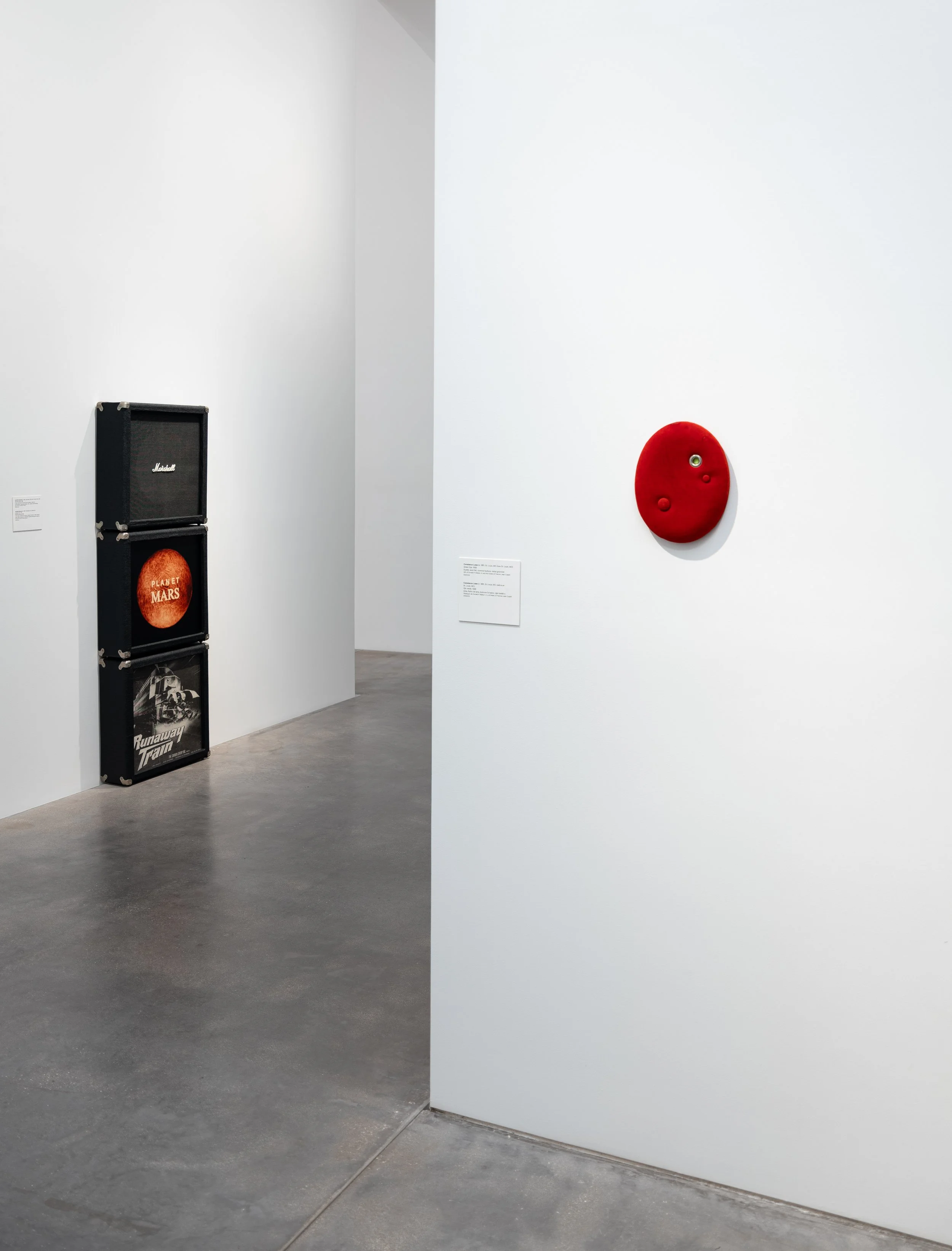
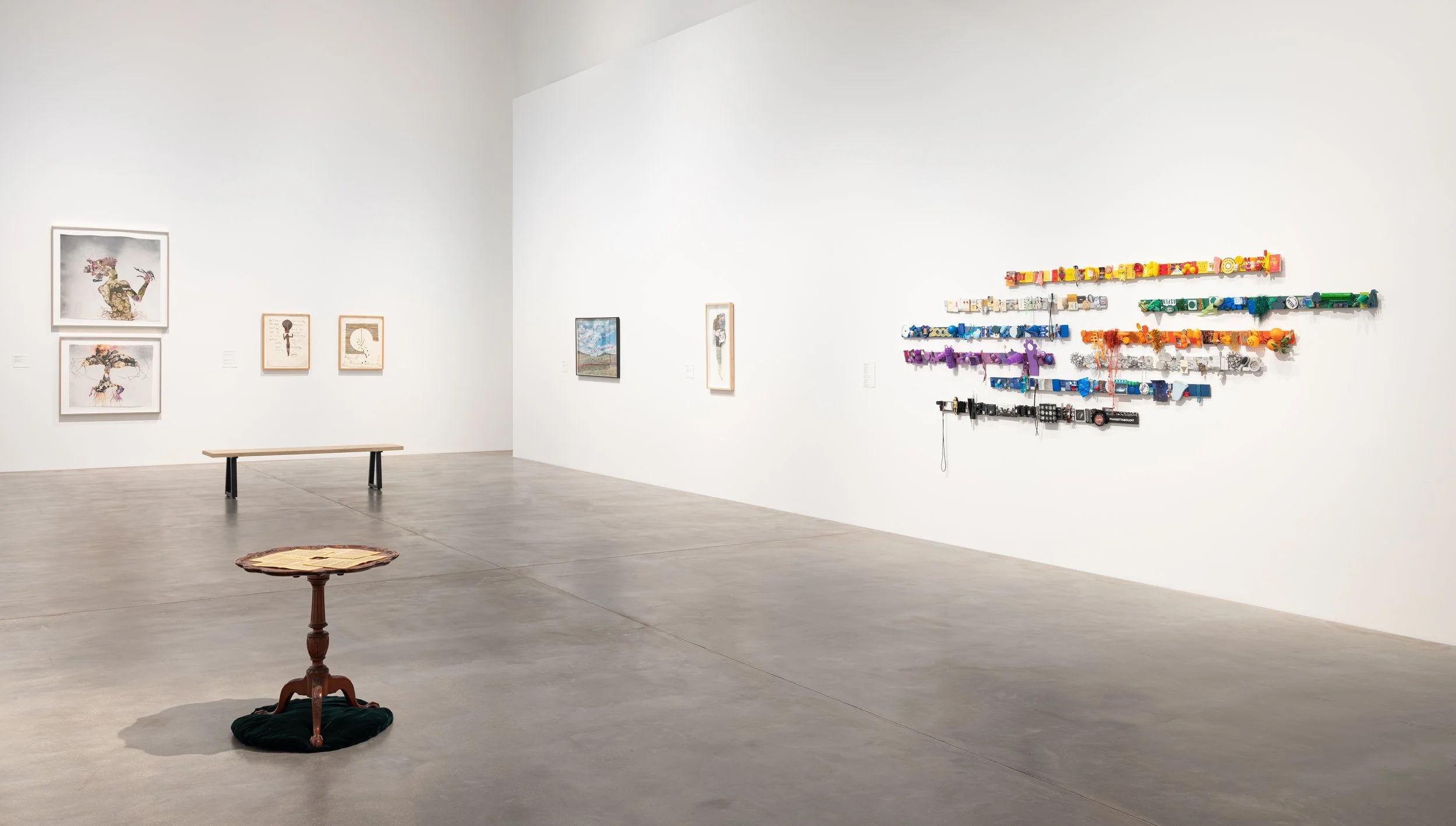
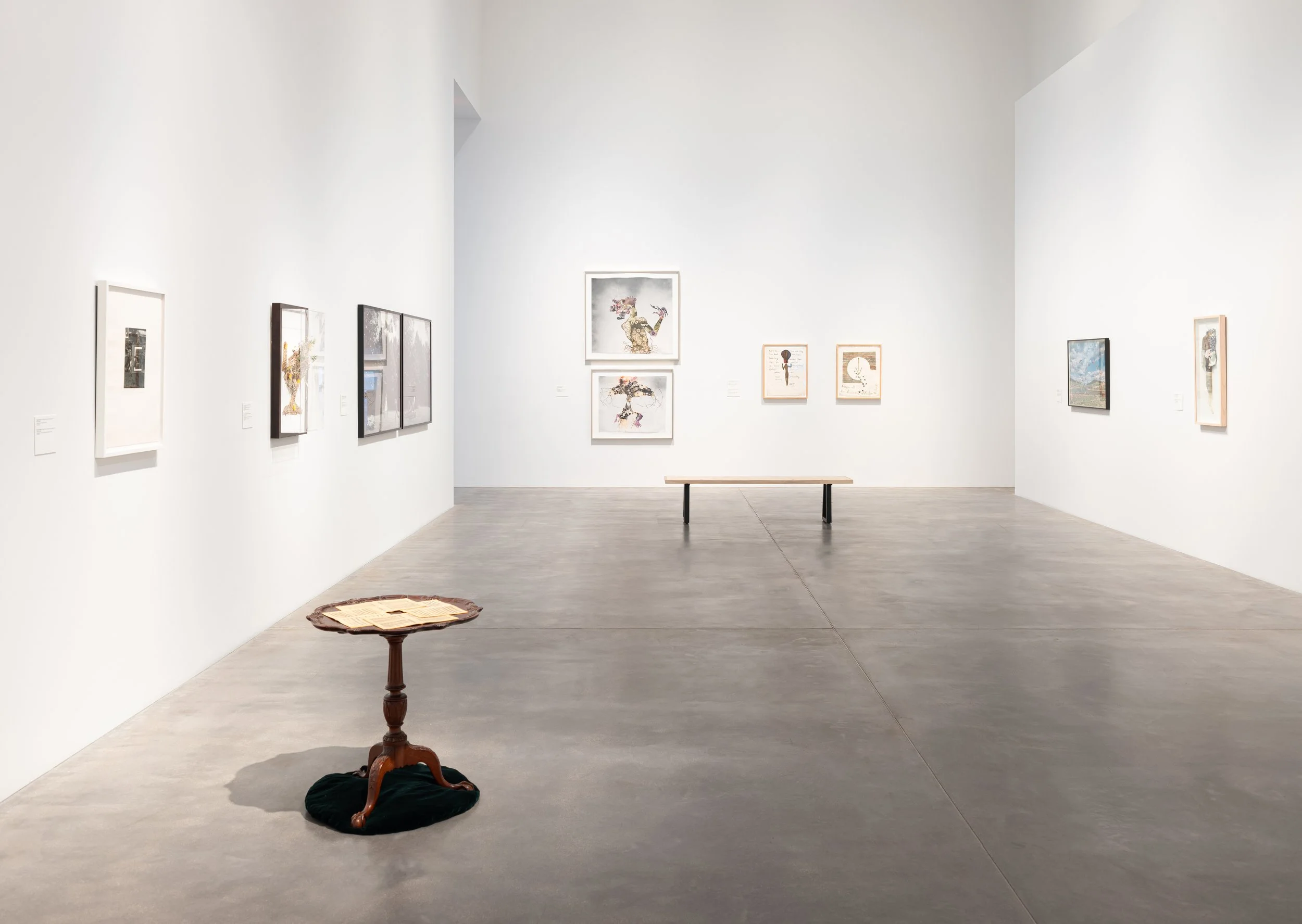
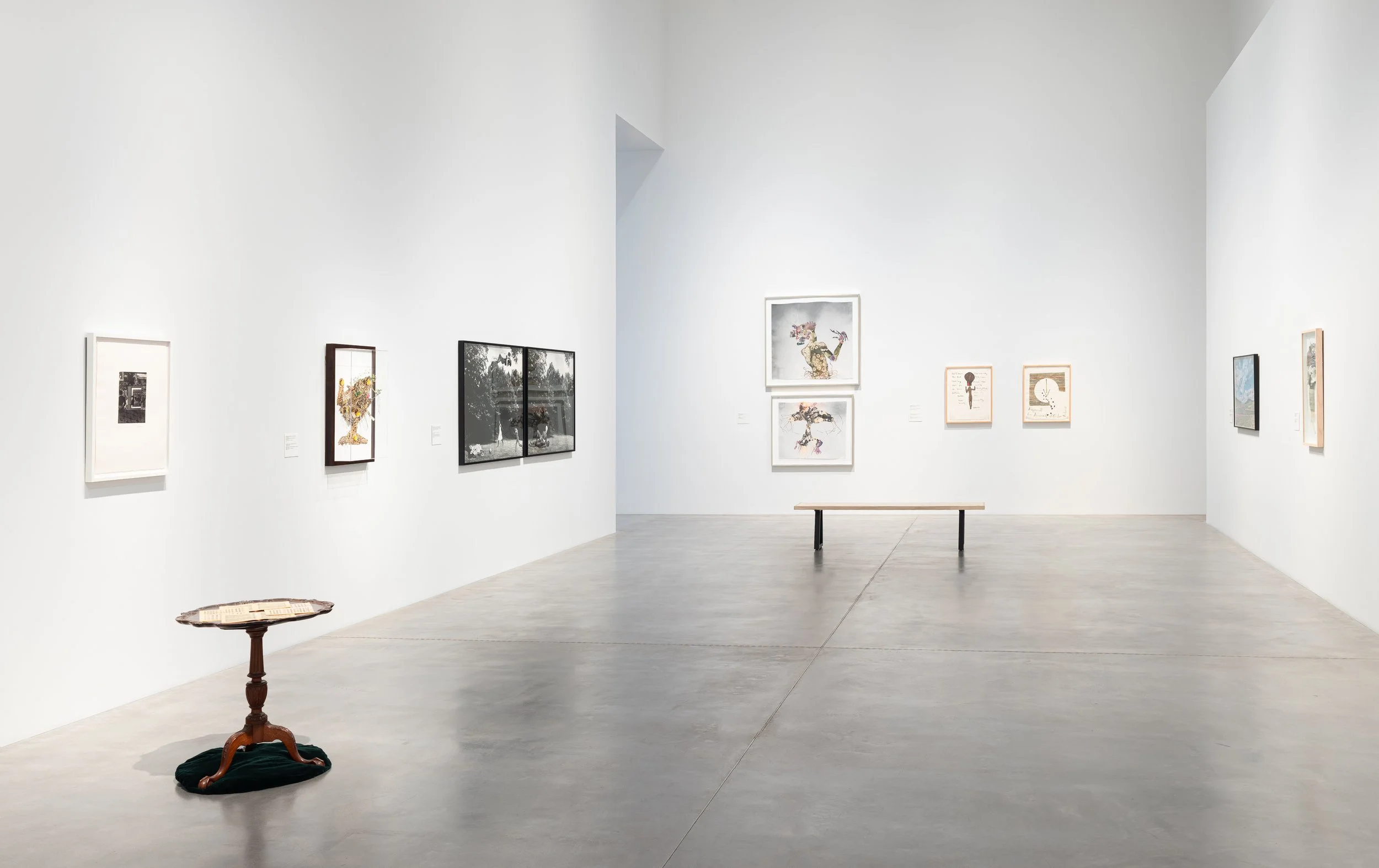
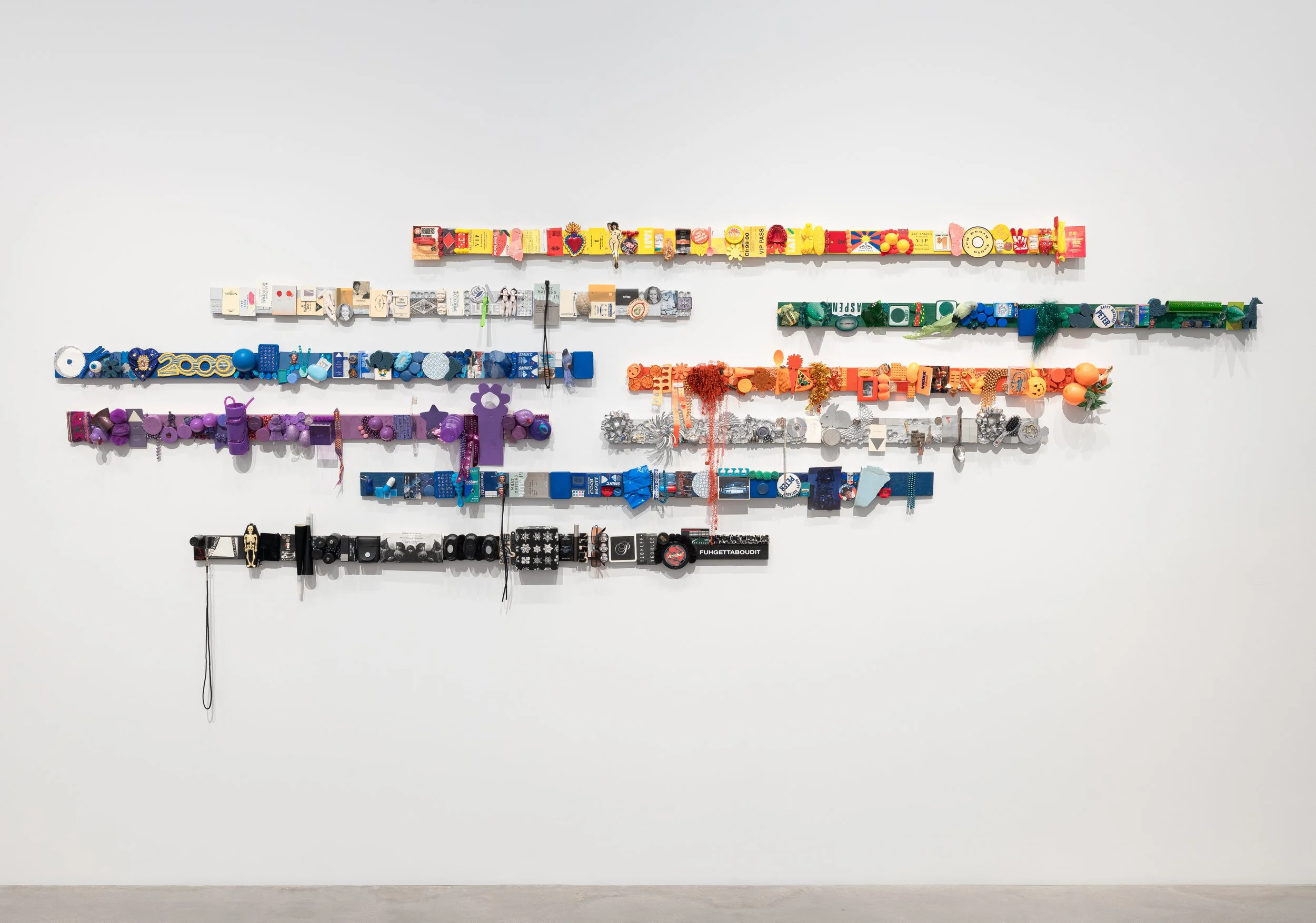
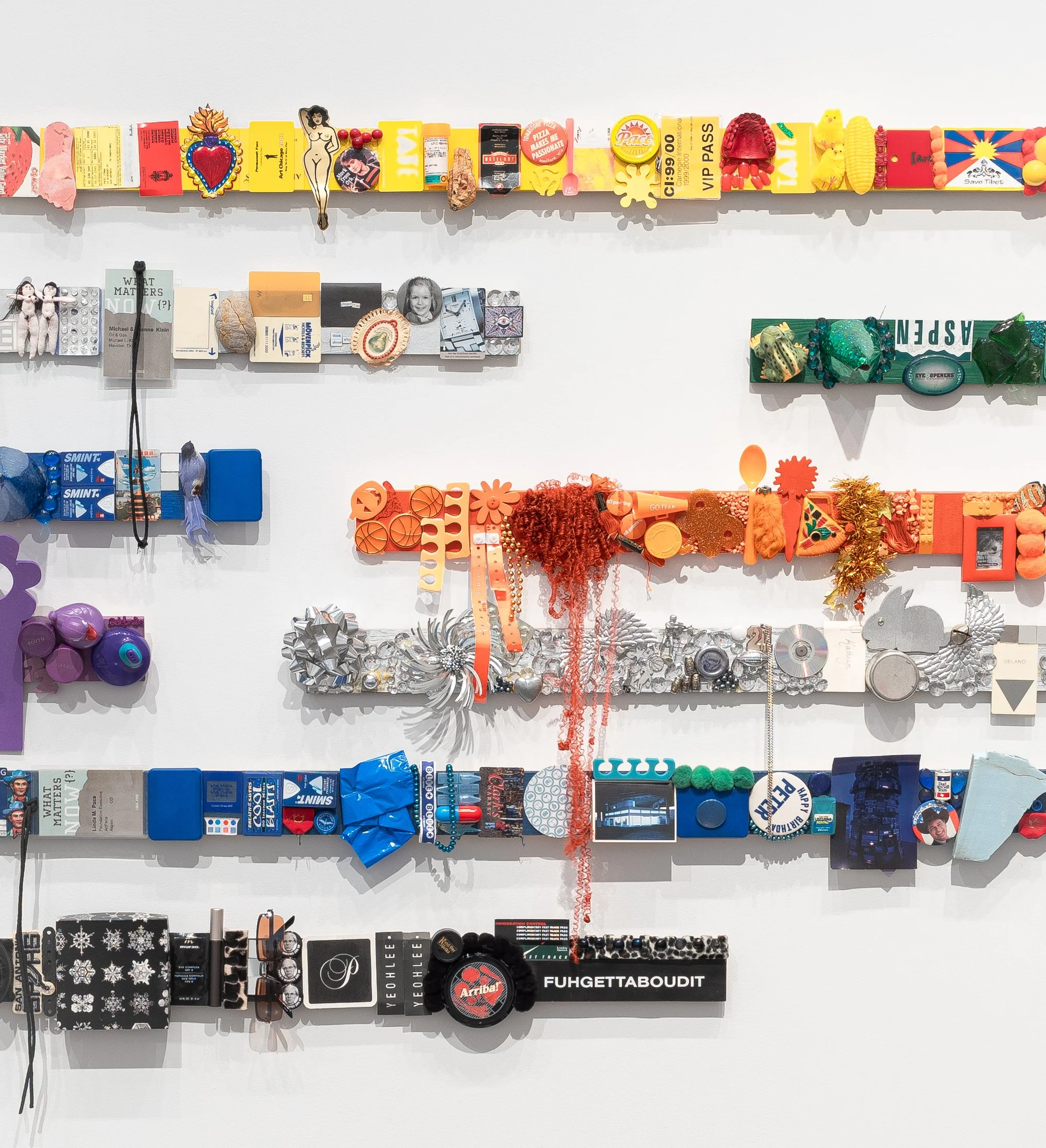
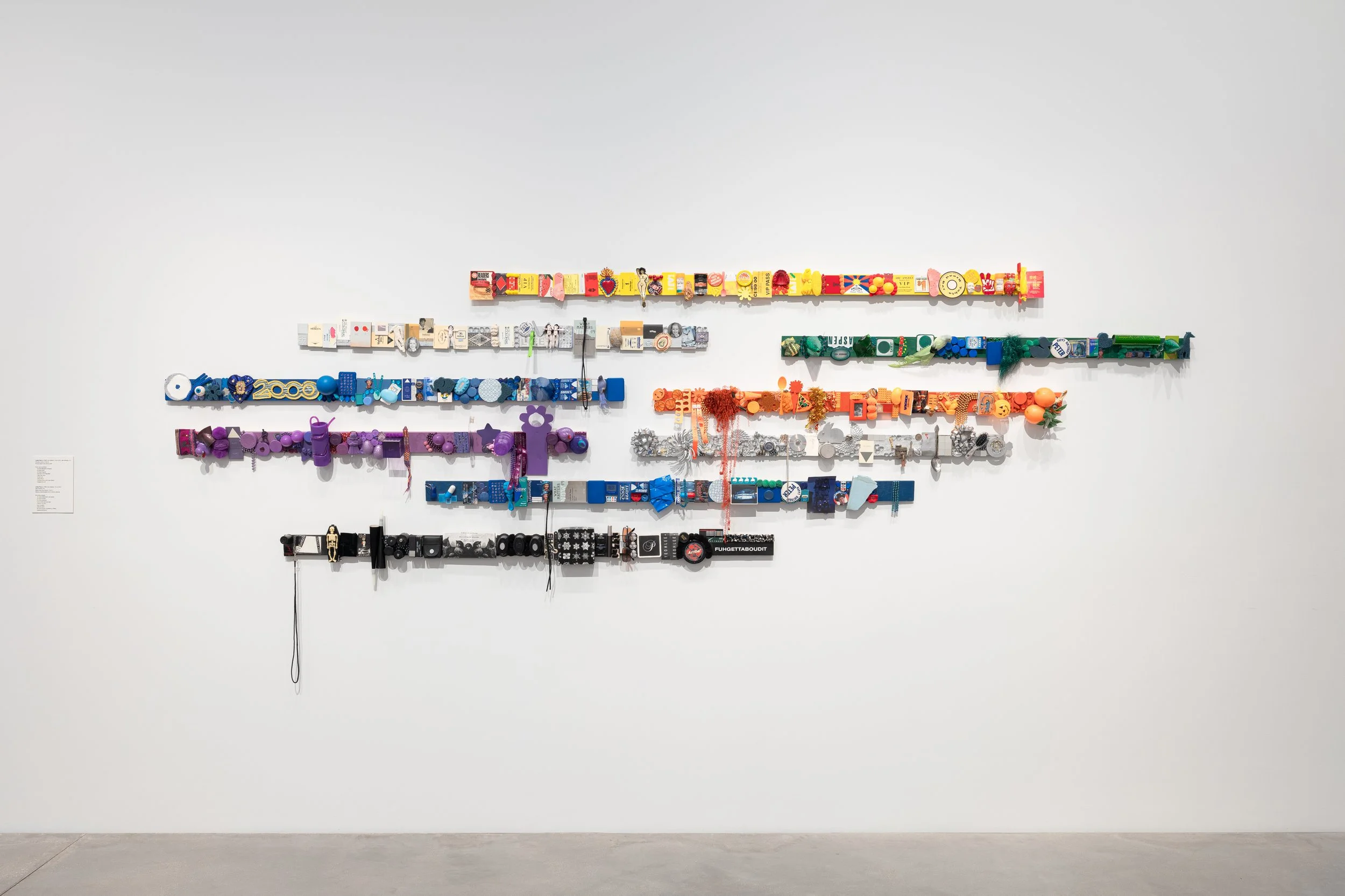
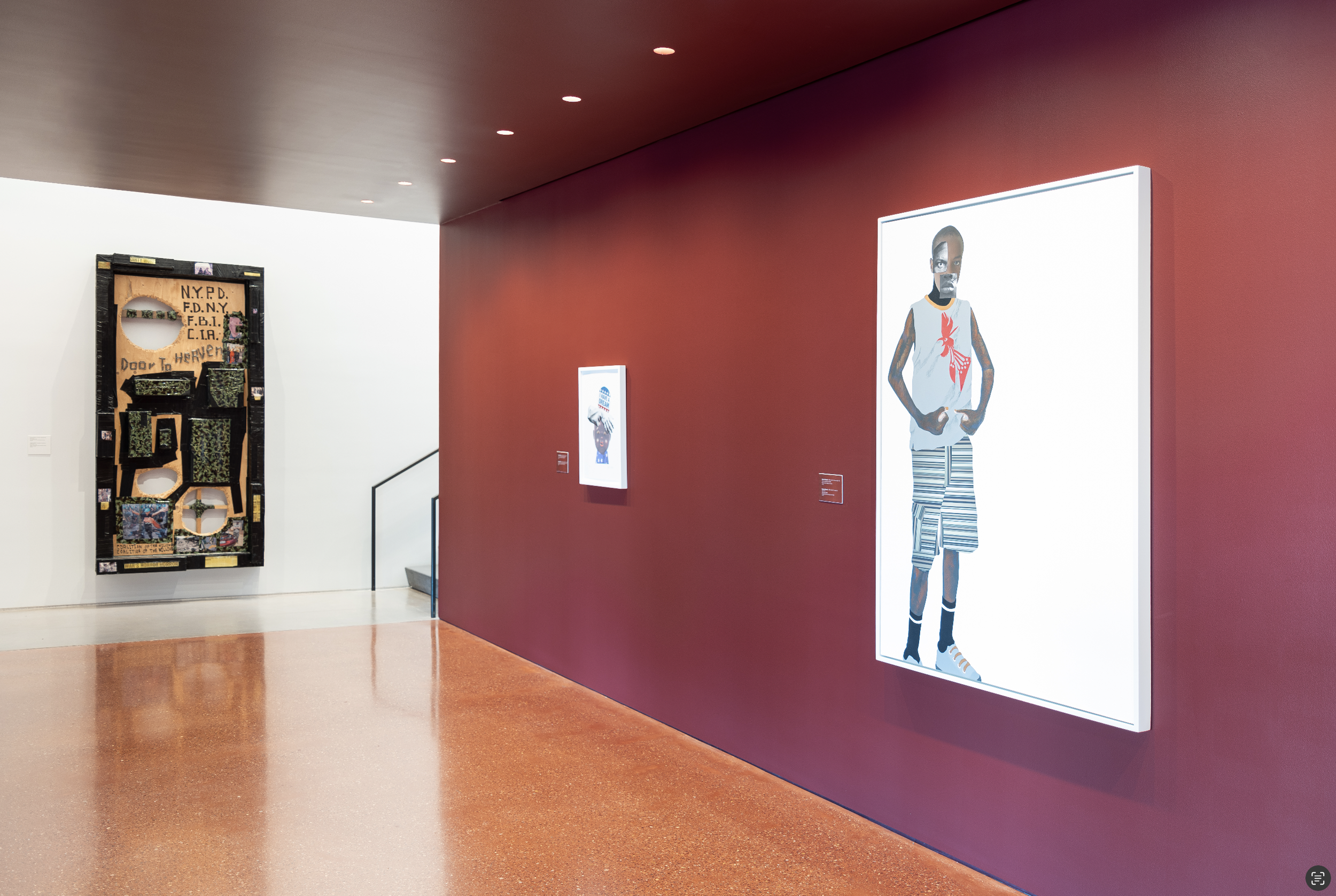
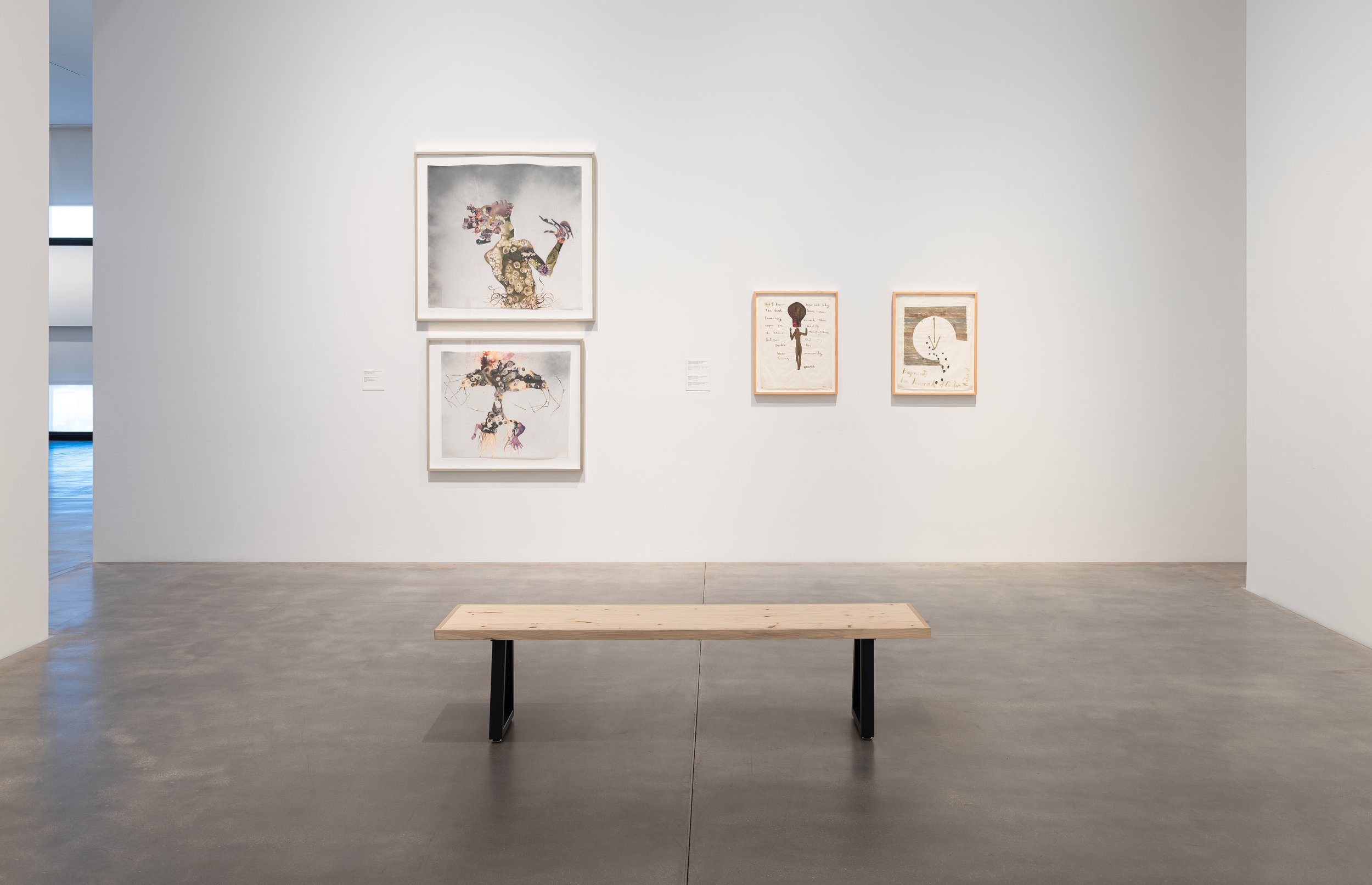
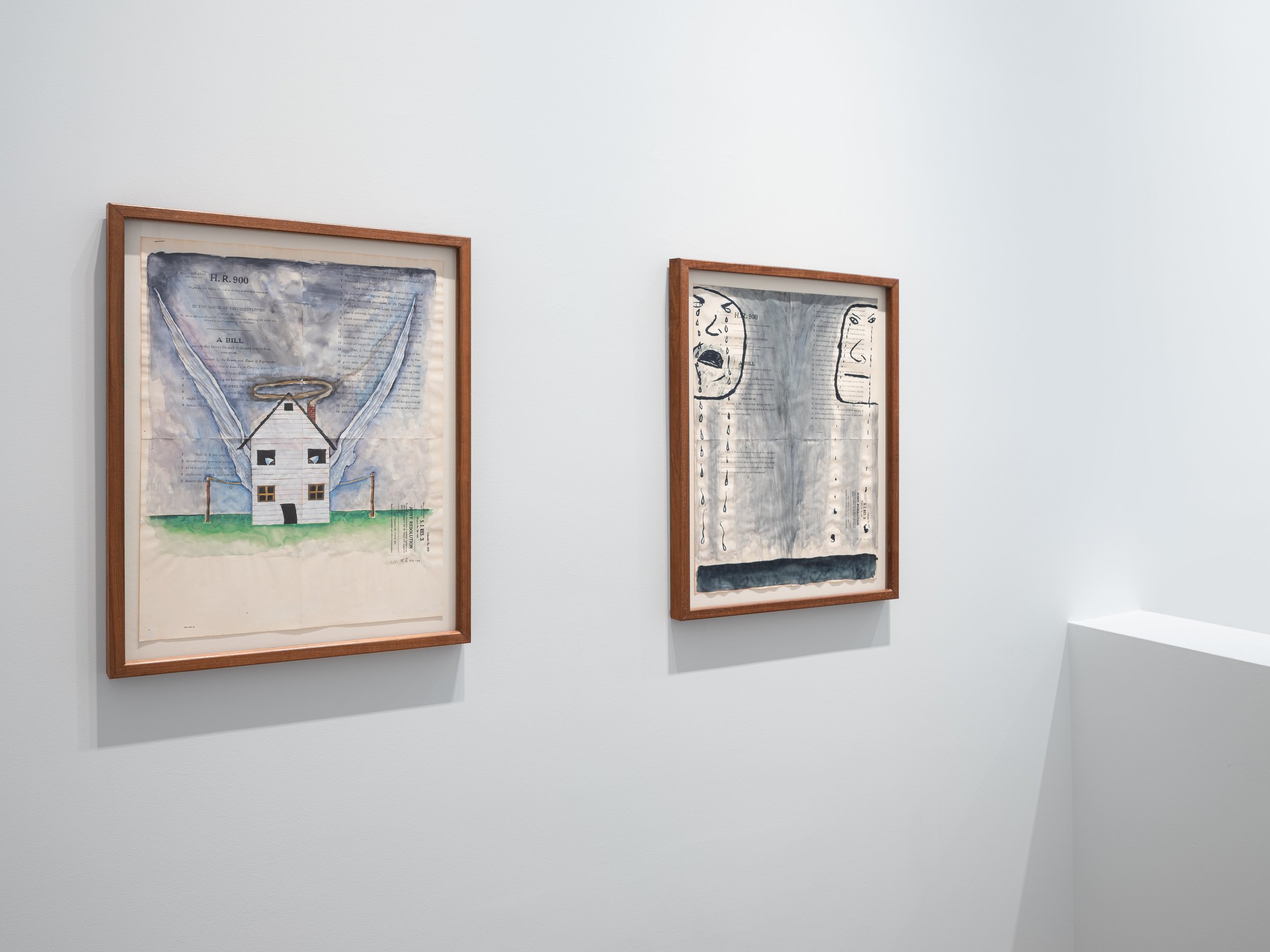
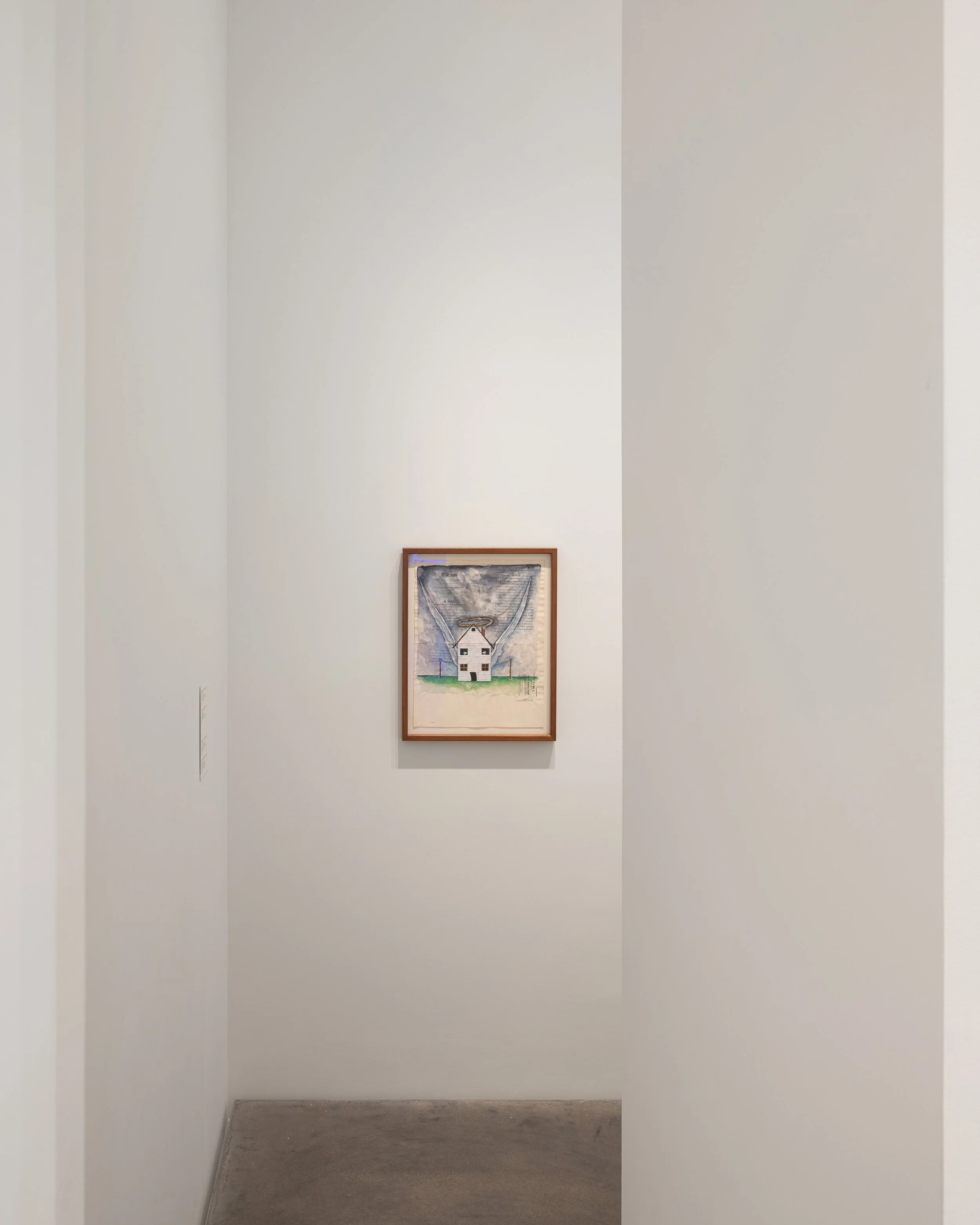
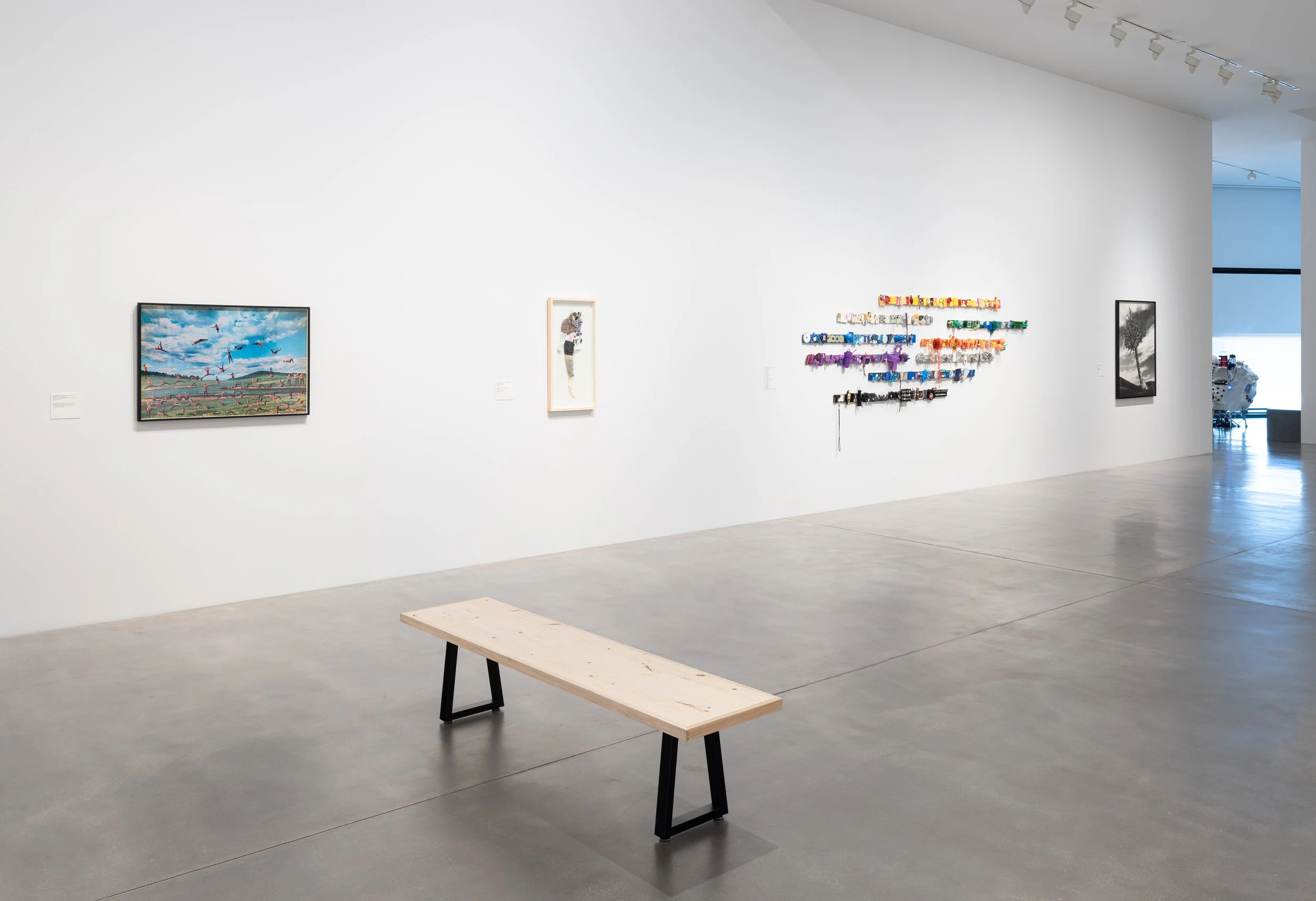
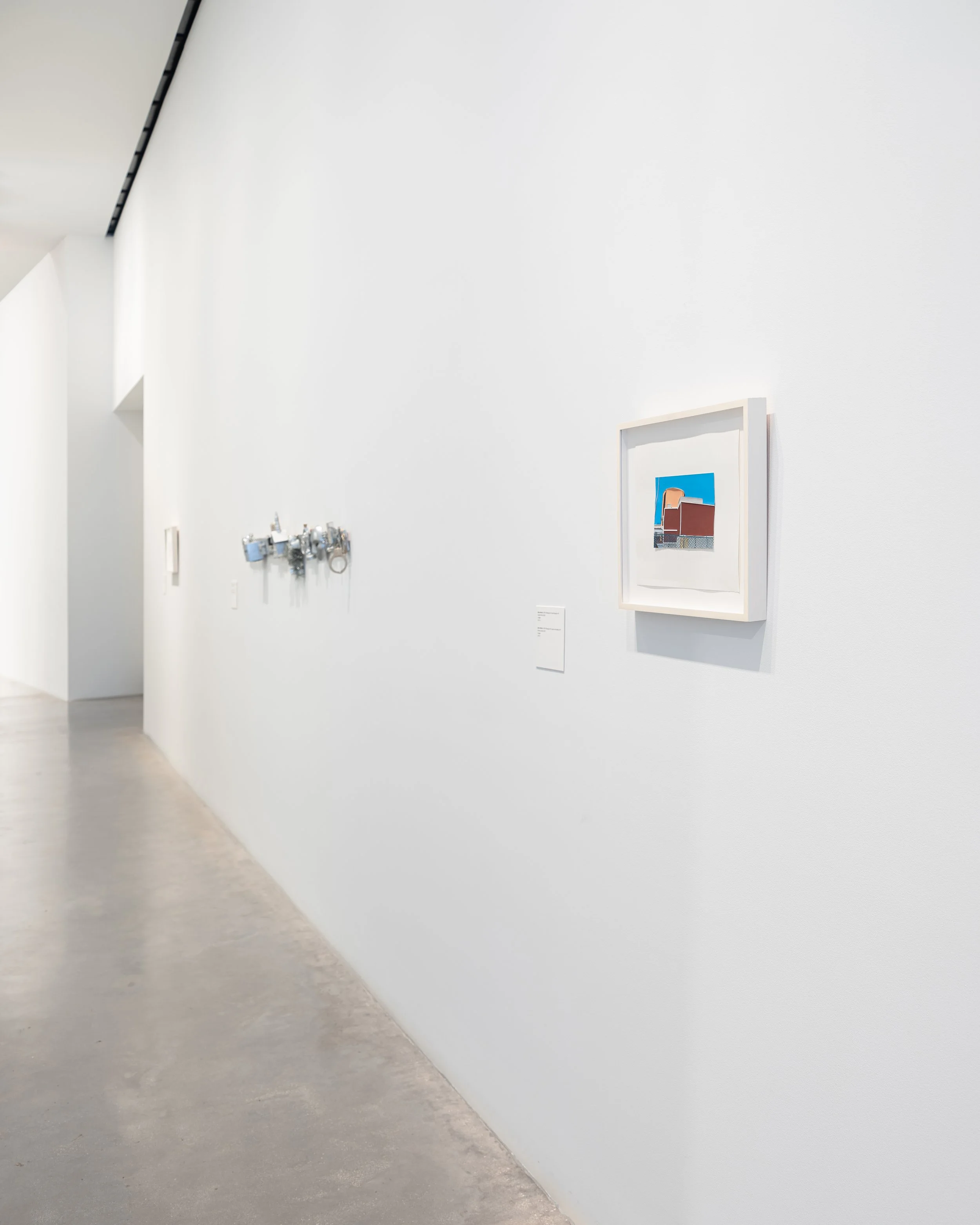
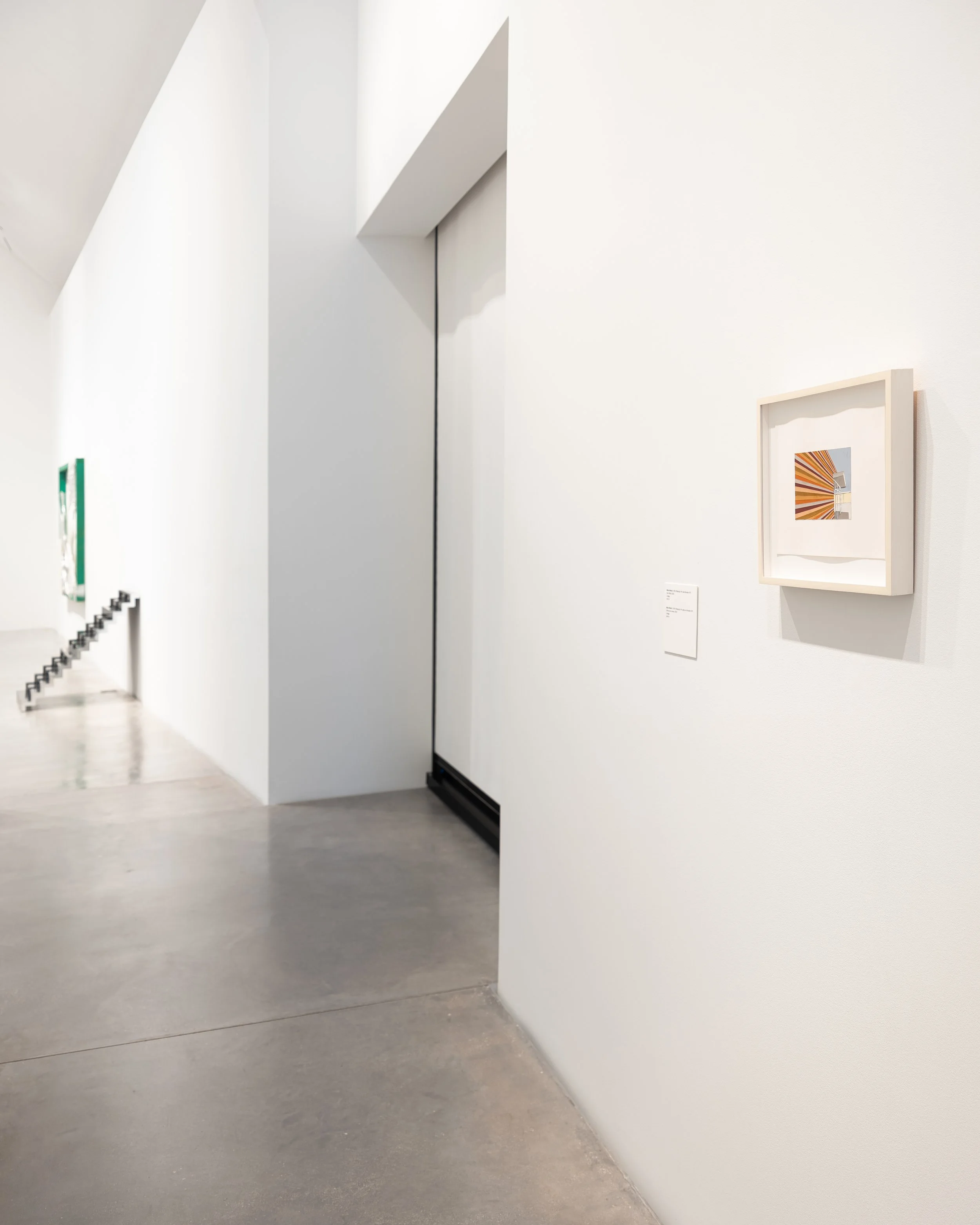
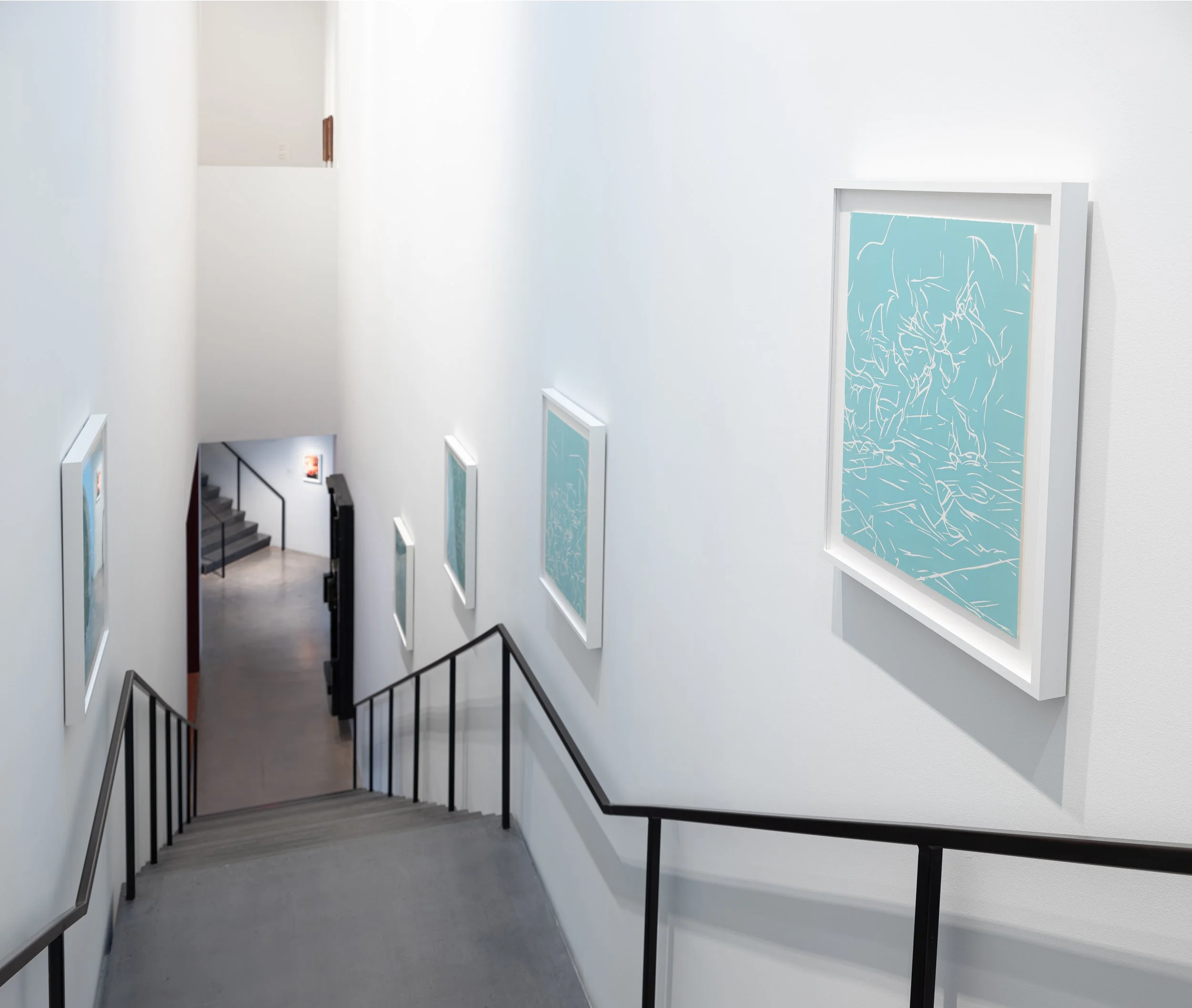
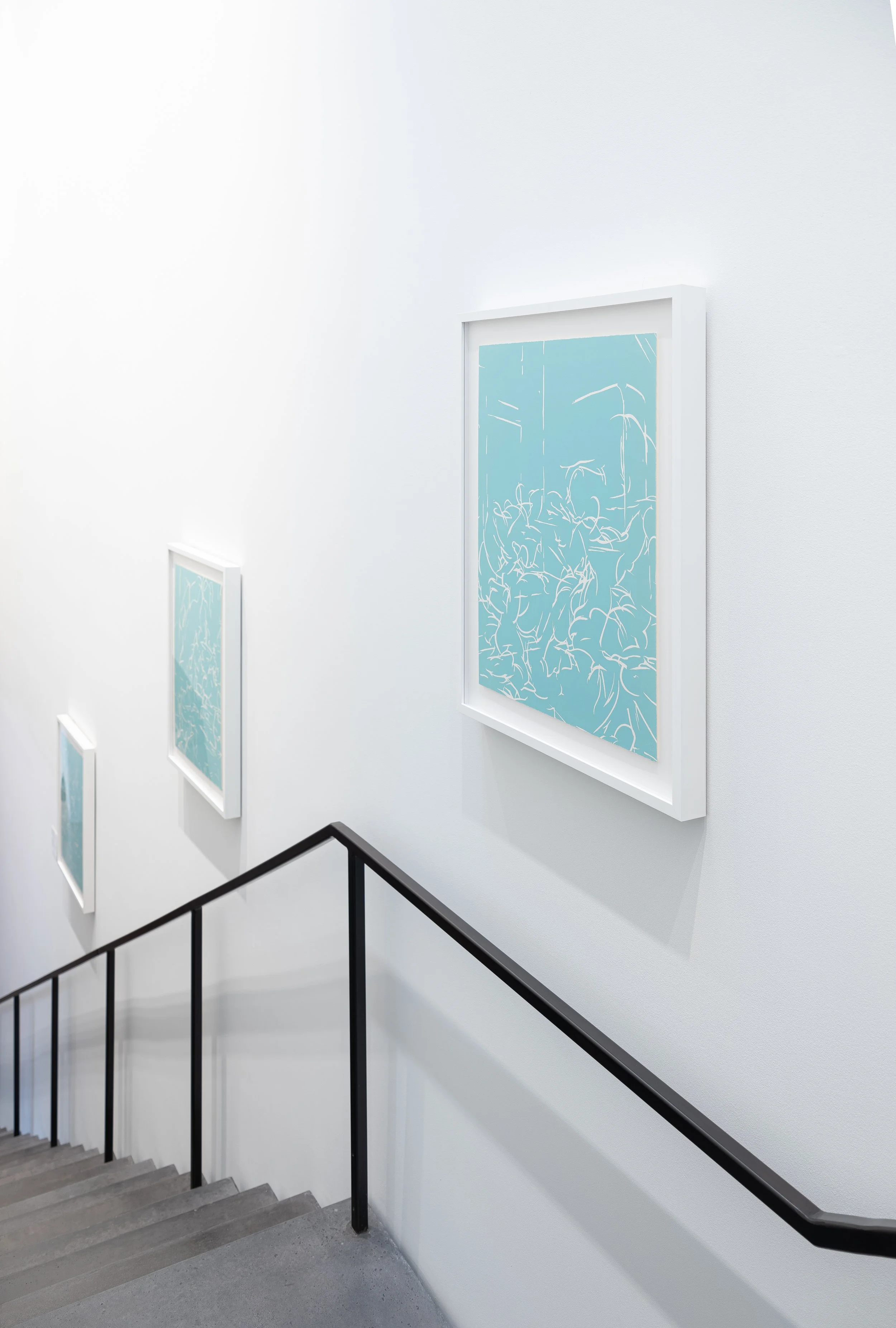

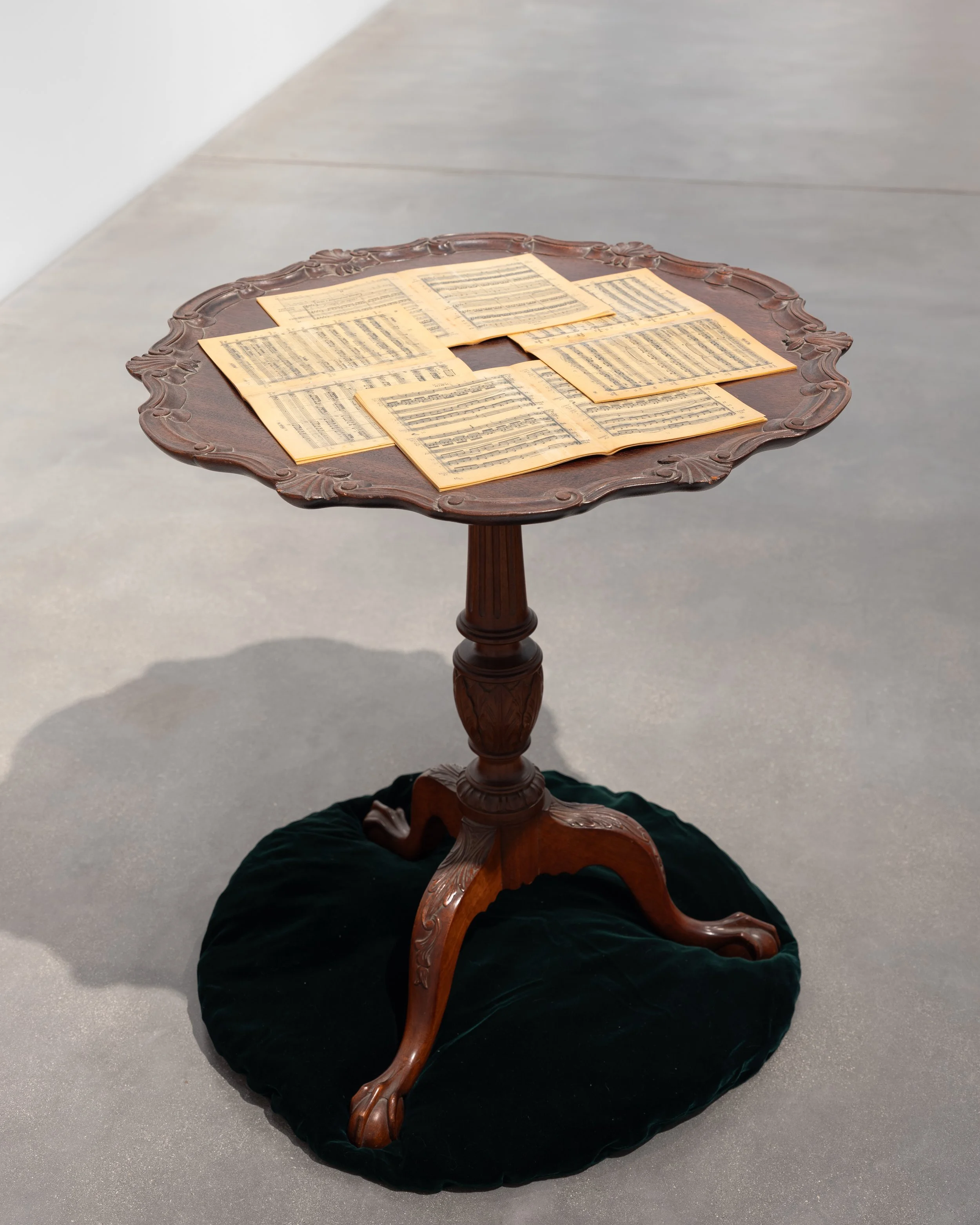
Irrationally Speaking highlights two art forms—collage and assemblage—as artistic techniques and conceptual approaches. With the simple act of placing two or more distinct images or objects together (sometimes jarringly so) artists can create a complex whole to address a multiplicity of meanings. Combined wood fragments, cut-and-pasted paper, seamless digital and photo-based prints comprised of disparate pictures, bronze sculptures created from discarded shoes, and contrasting clothing articles put together —these are some of the ways that contemporary artists harness a myriad of materials and methods to craft the art in this presentation. Although they may appear to be composed of “irrational” or illogical combinations, making them appear surreal or abstract, the works are formal and material experimentations as well as personal and cultural explorations. Irrationally Speaking demonstrates the alluring appeal of these art forms for artists and their ability to elucidate the complexity of artistic expression, history, place, and contemporary life.
Irrationally Speaking includes works by Leonardo Drew, Trenton Doyle Hancock, Arturo Herrera, Thomas Hirschhorn, Ken Little, Hew Locke, Wangechi Mutu, Lorraine O’Grady, Jon Pylypchuk, Deborah Roberts, Martha Rosler, and Nancy Spero, among others.
The Flower and the Flame
Sala Diaz
210-275-4903
517 Stieren San Antonio, TX 78210
Sep 06, 2025 — Nov 14, 2025
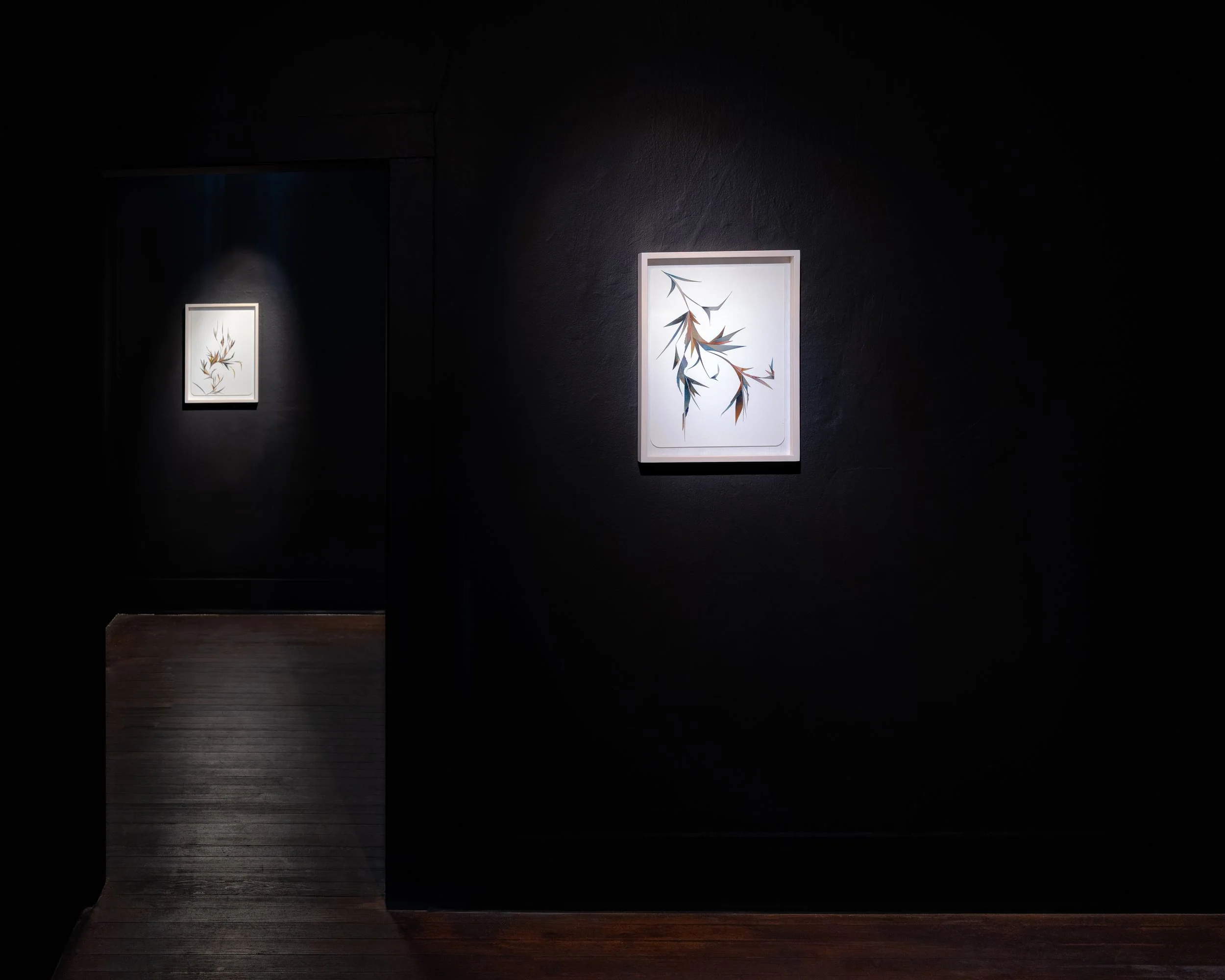
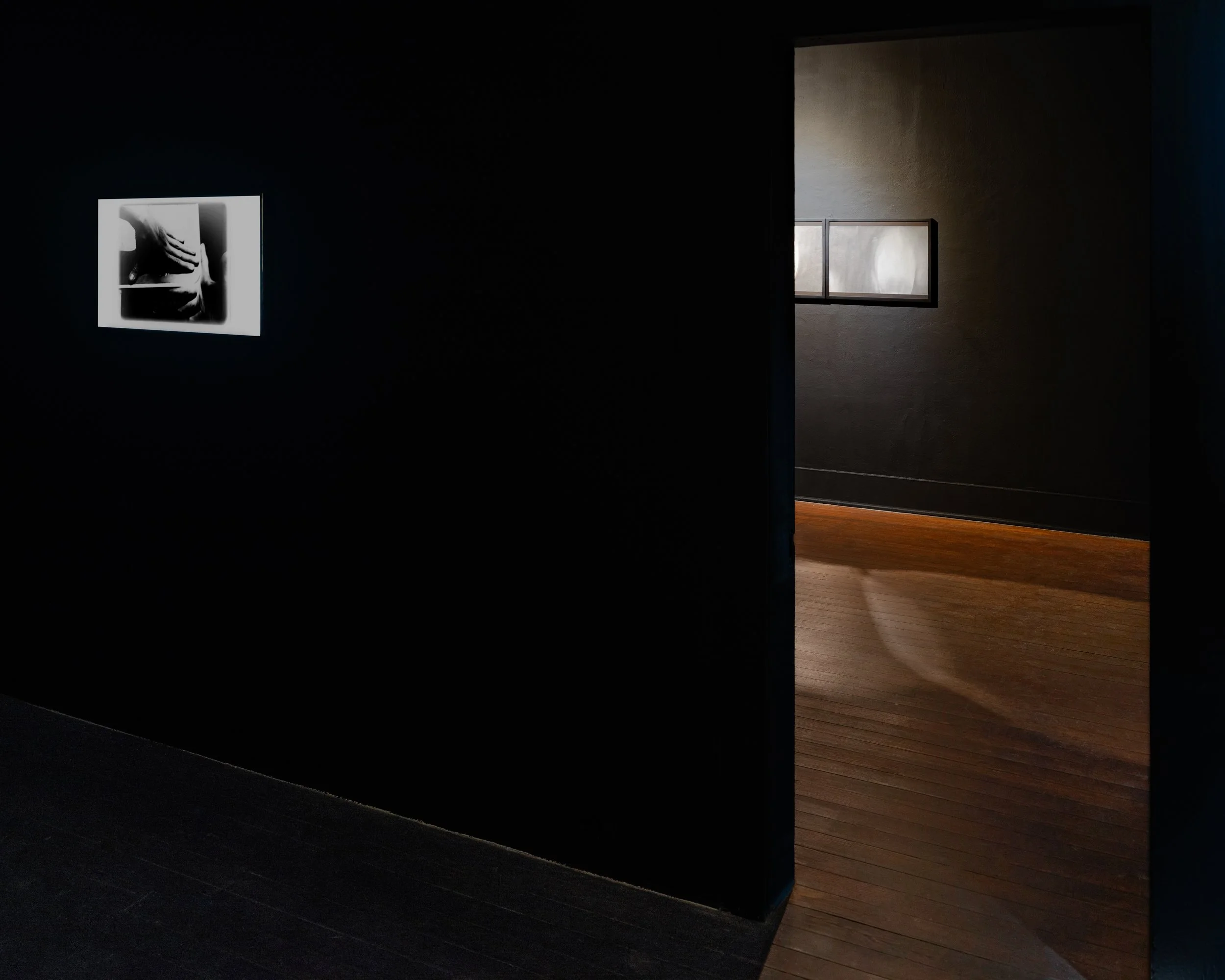
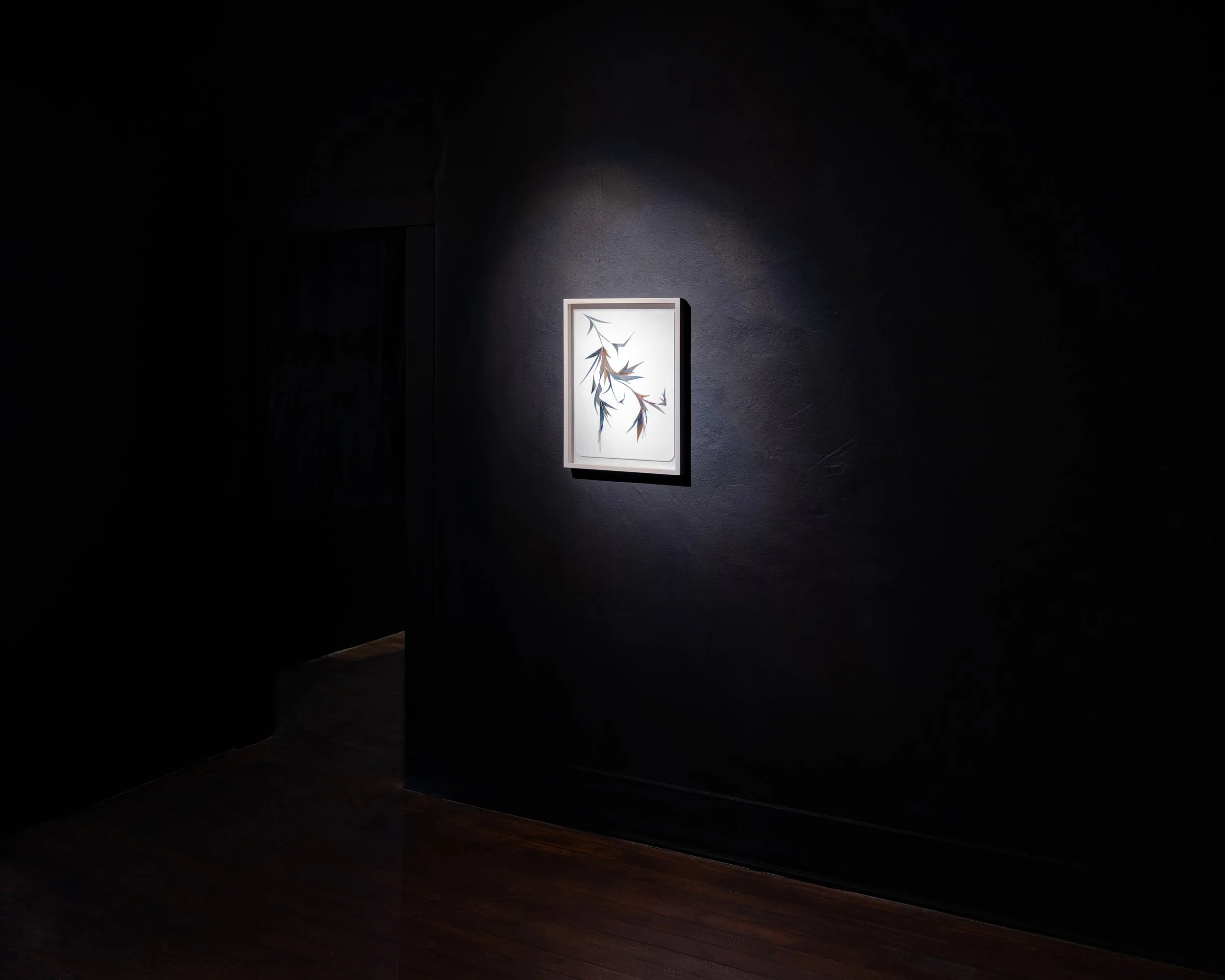
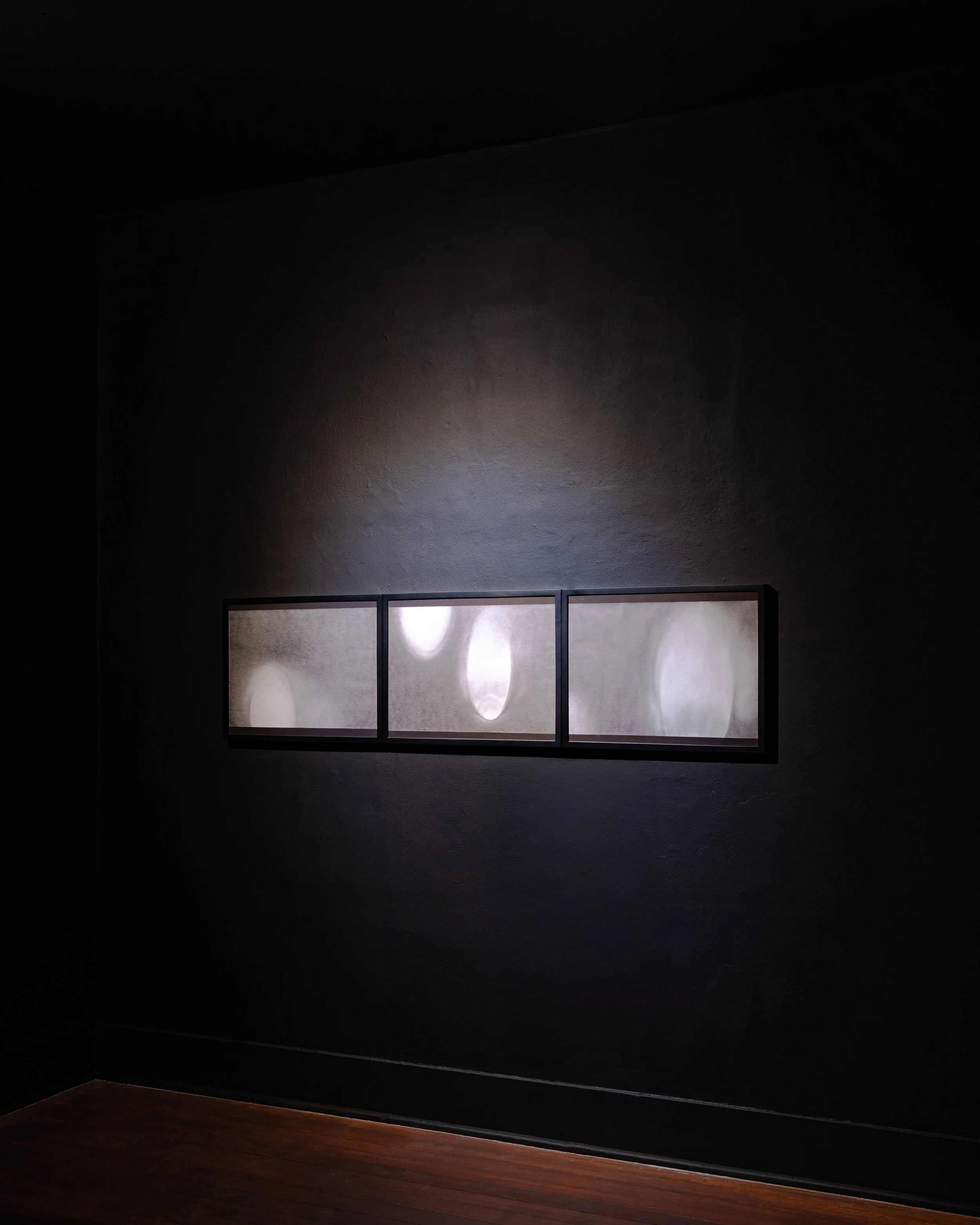
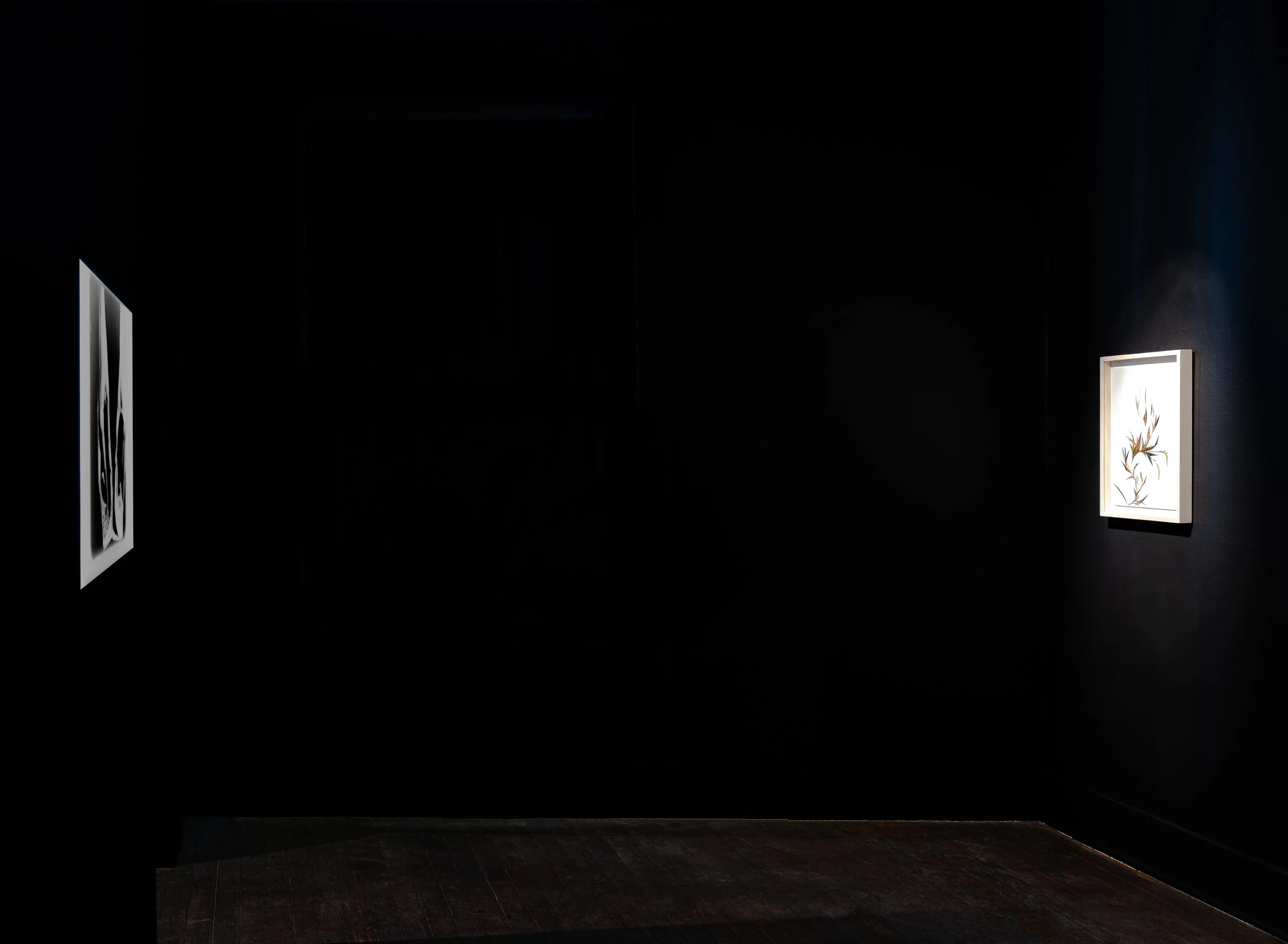
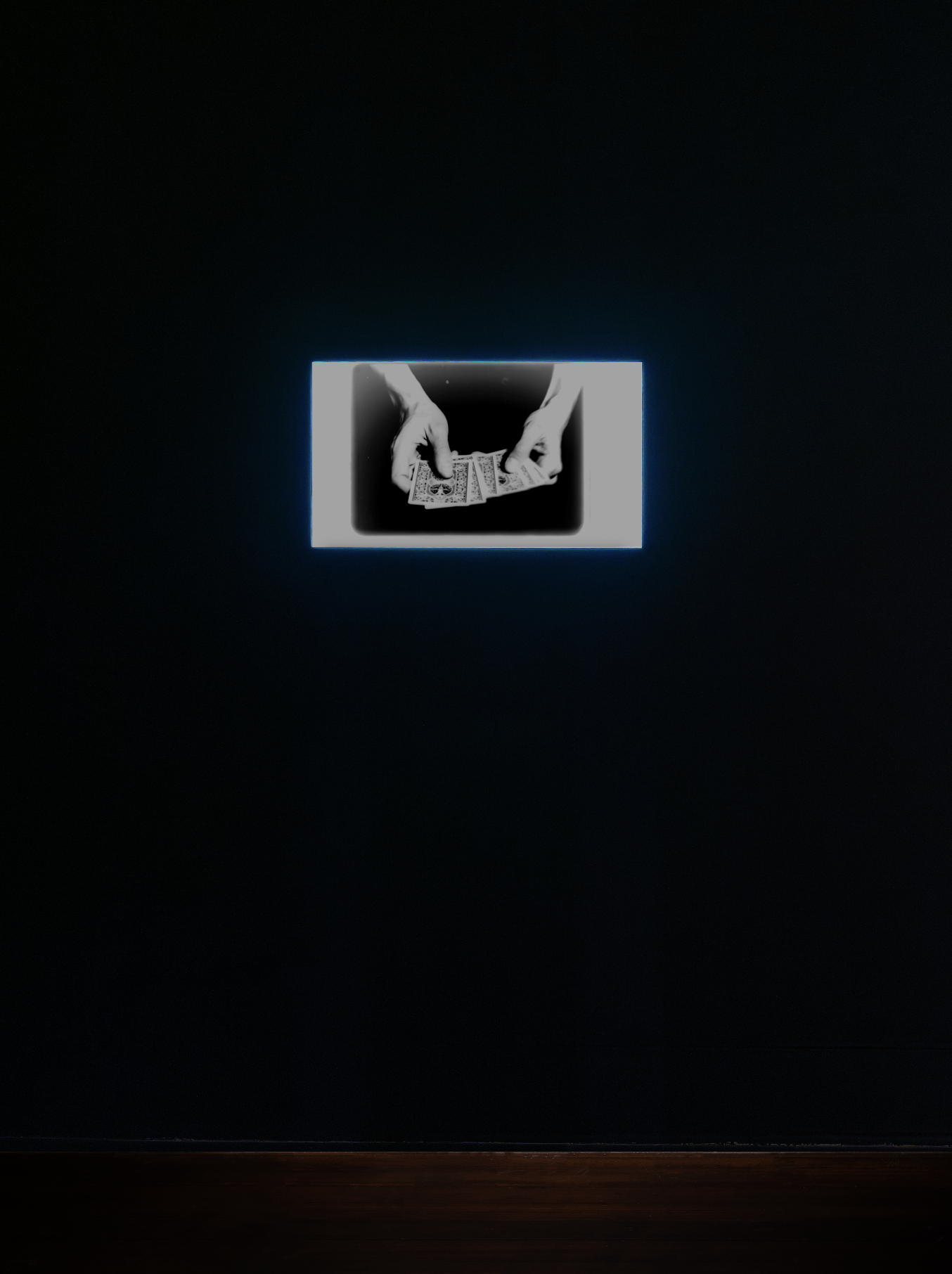
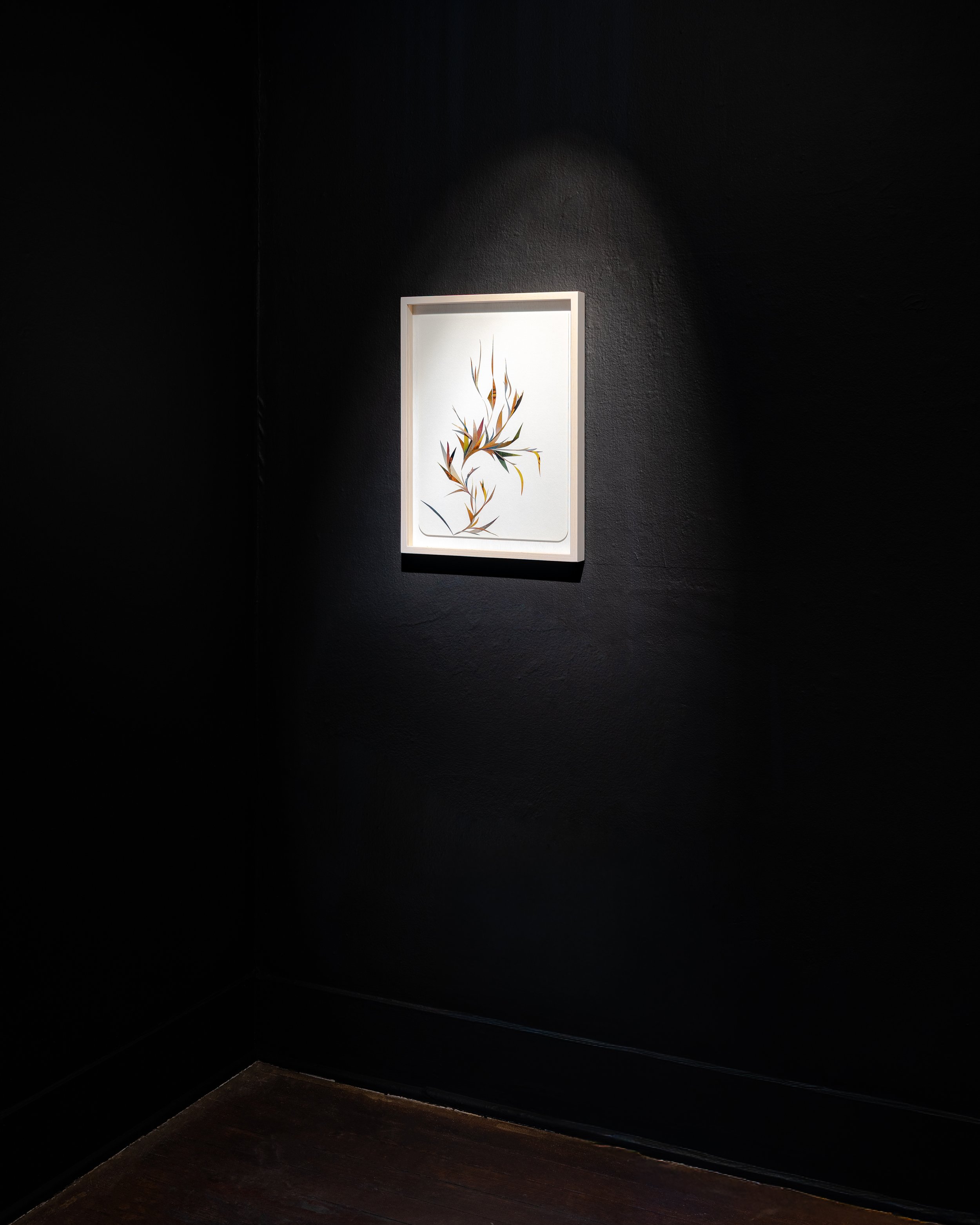
“The Flower and the Flame” is a collaborative exhibition between Leslie Moody Castro, Fabiola Torres-Alzaga, and Omar Barquet. Sala Diaz will be transformed into a space where the story of a mythical being held together by a flower in one hand and a flame in the other comes to life. This exhibition uses cinema, Greek myth, the poet Sappho, and the tragedy and grief in relationships to tell its story.
Fabiola Menchelli: ombré
Contemporary at Blue Star
210-227-6960
116 Blue Star
San Antonio, TX 78204
Jul 11, 2025 – Oct 5, 2025

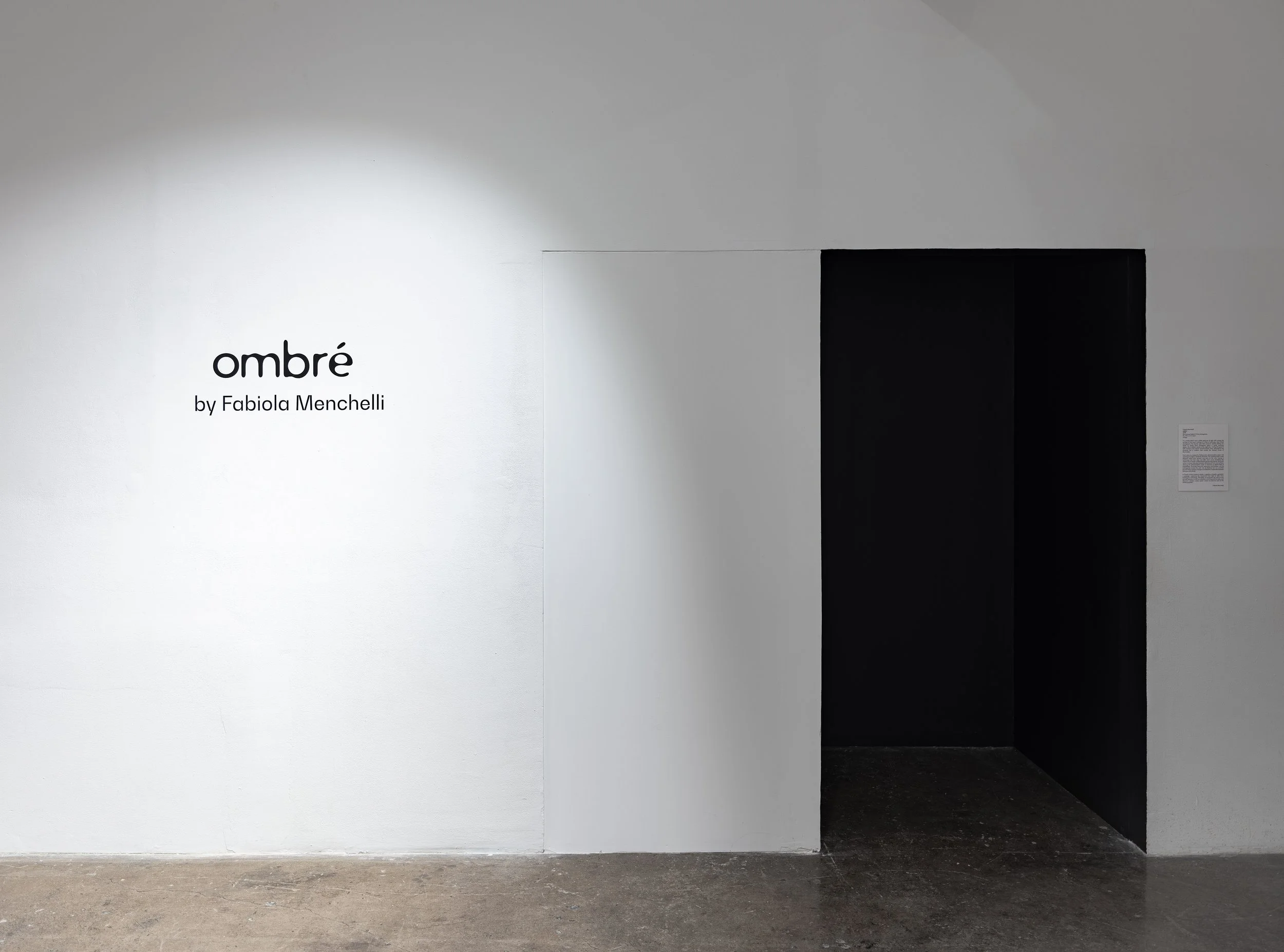
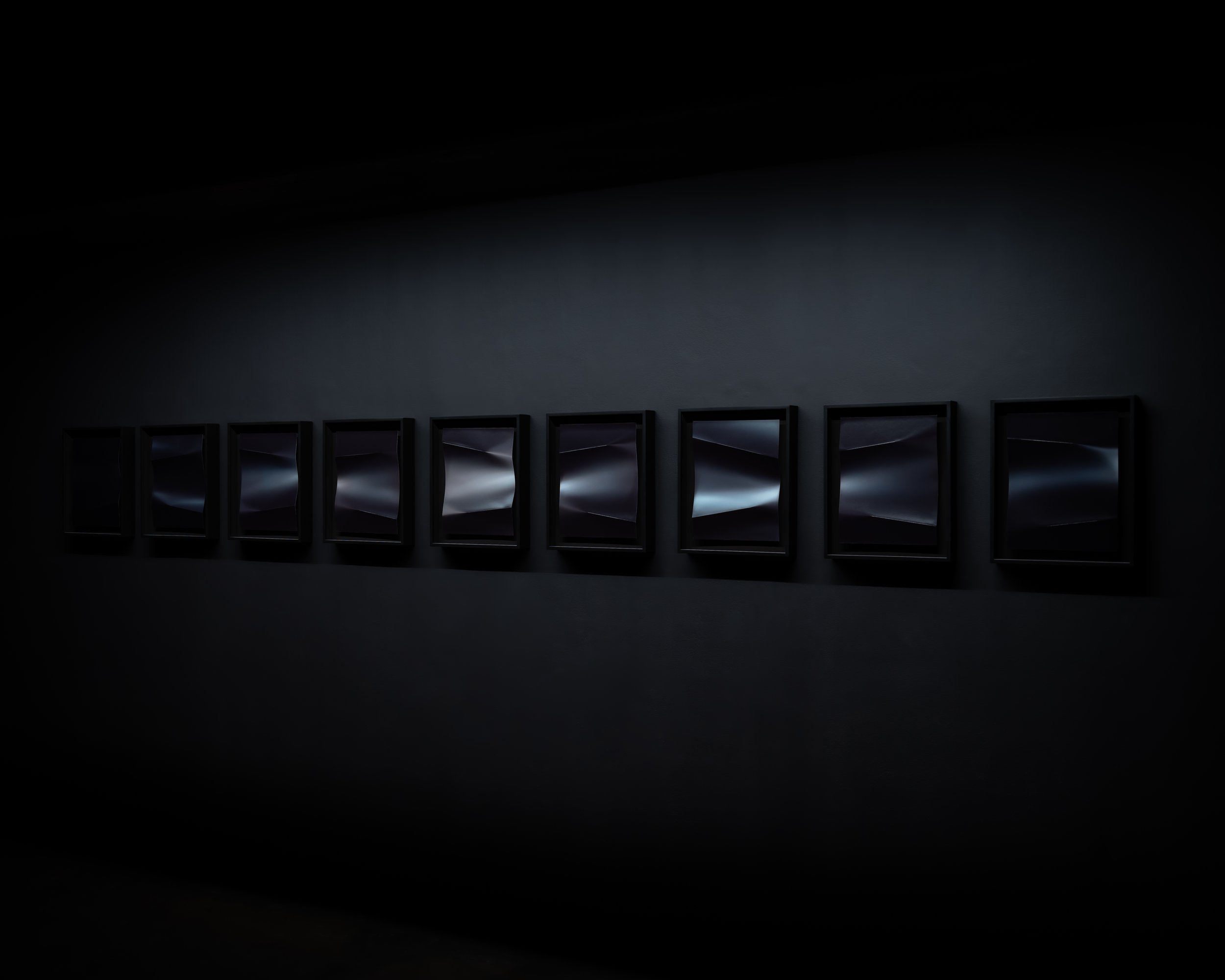
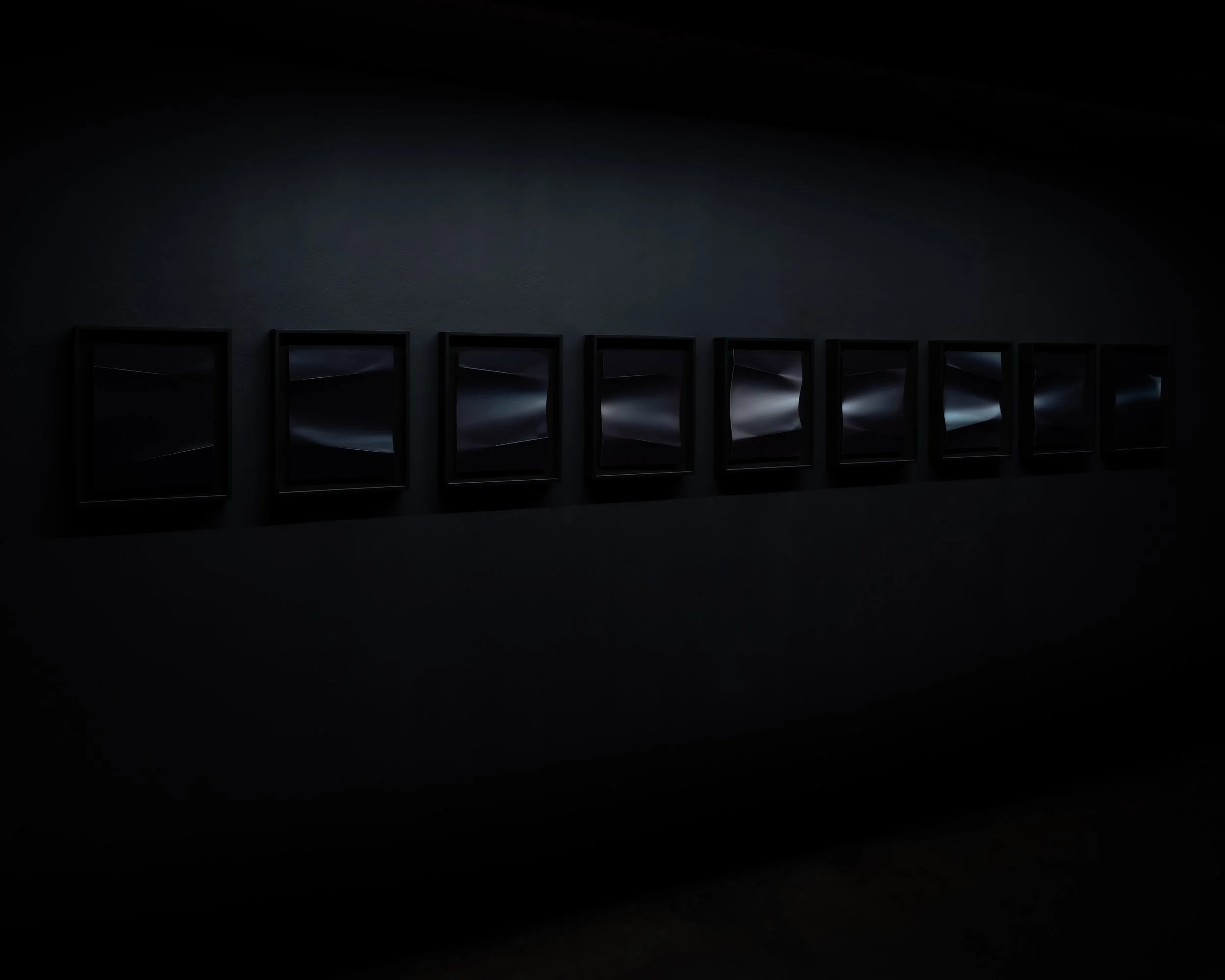
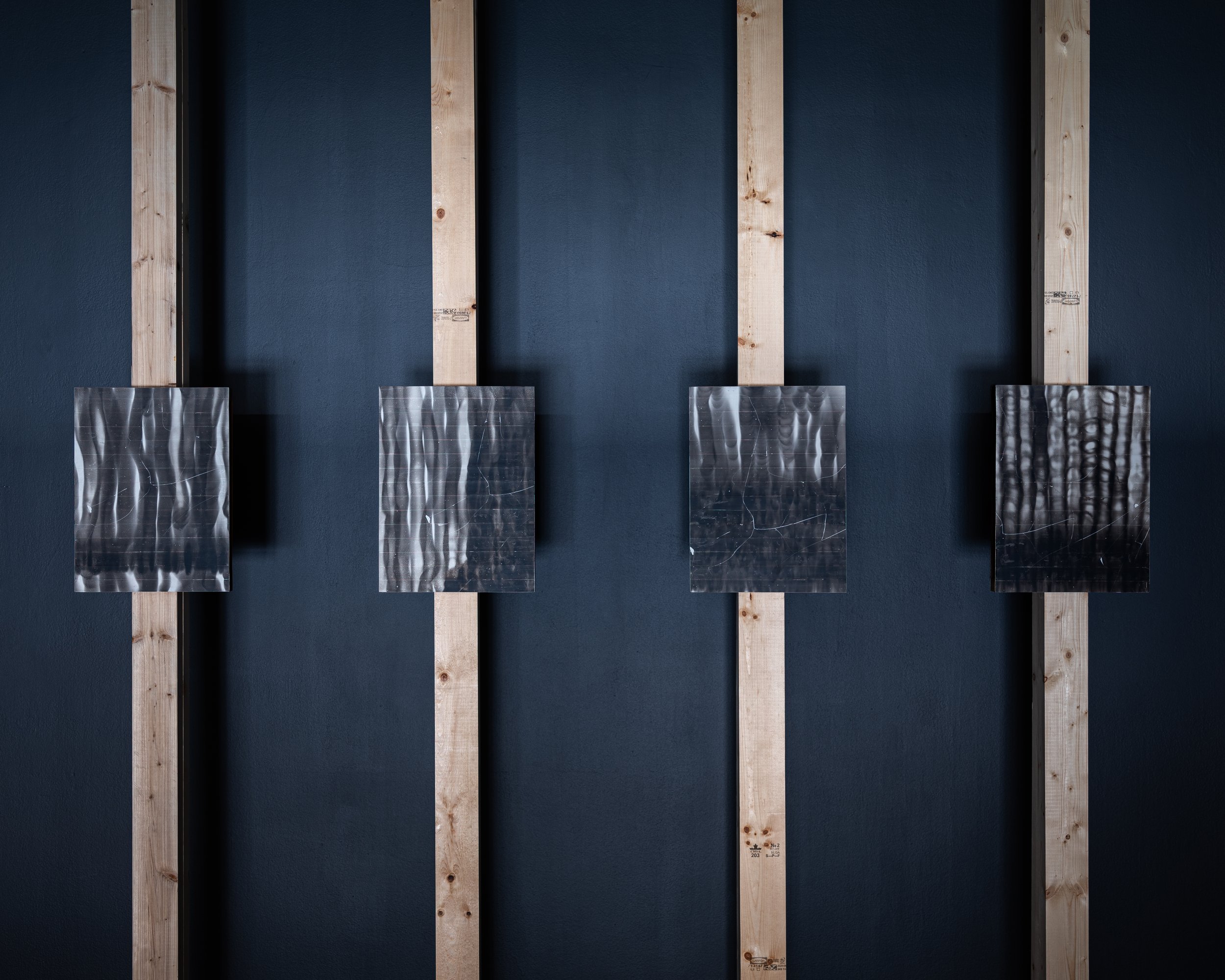
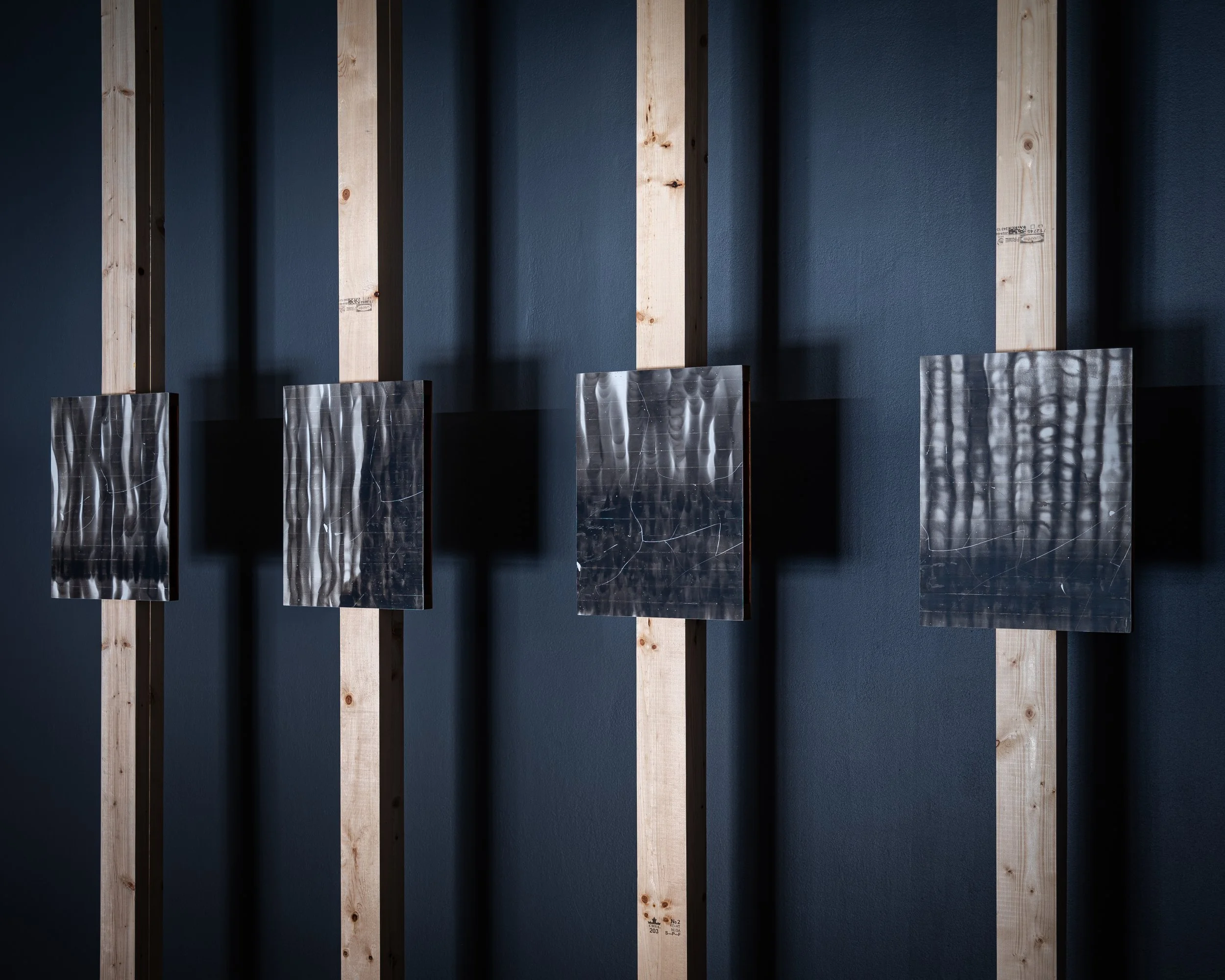
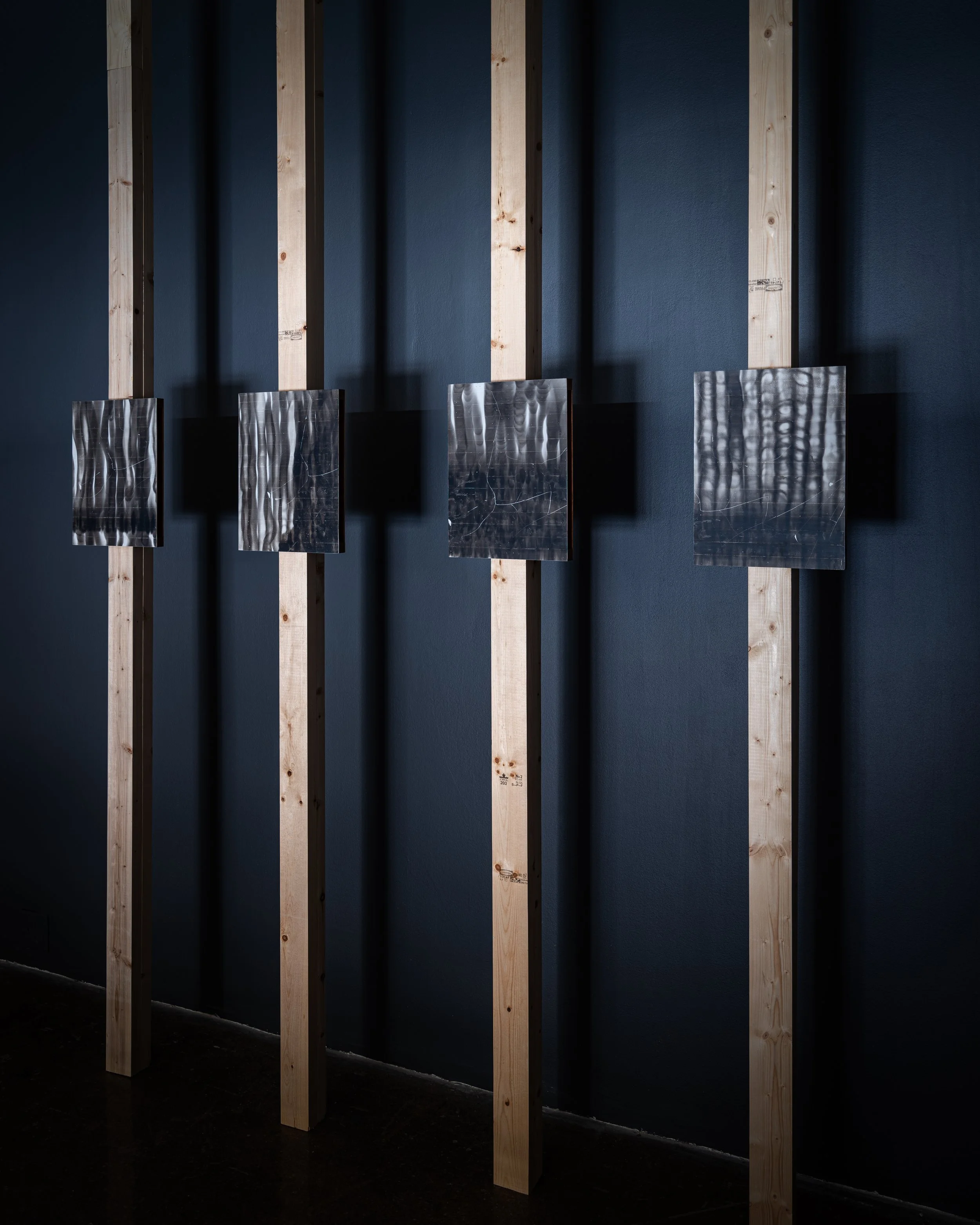
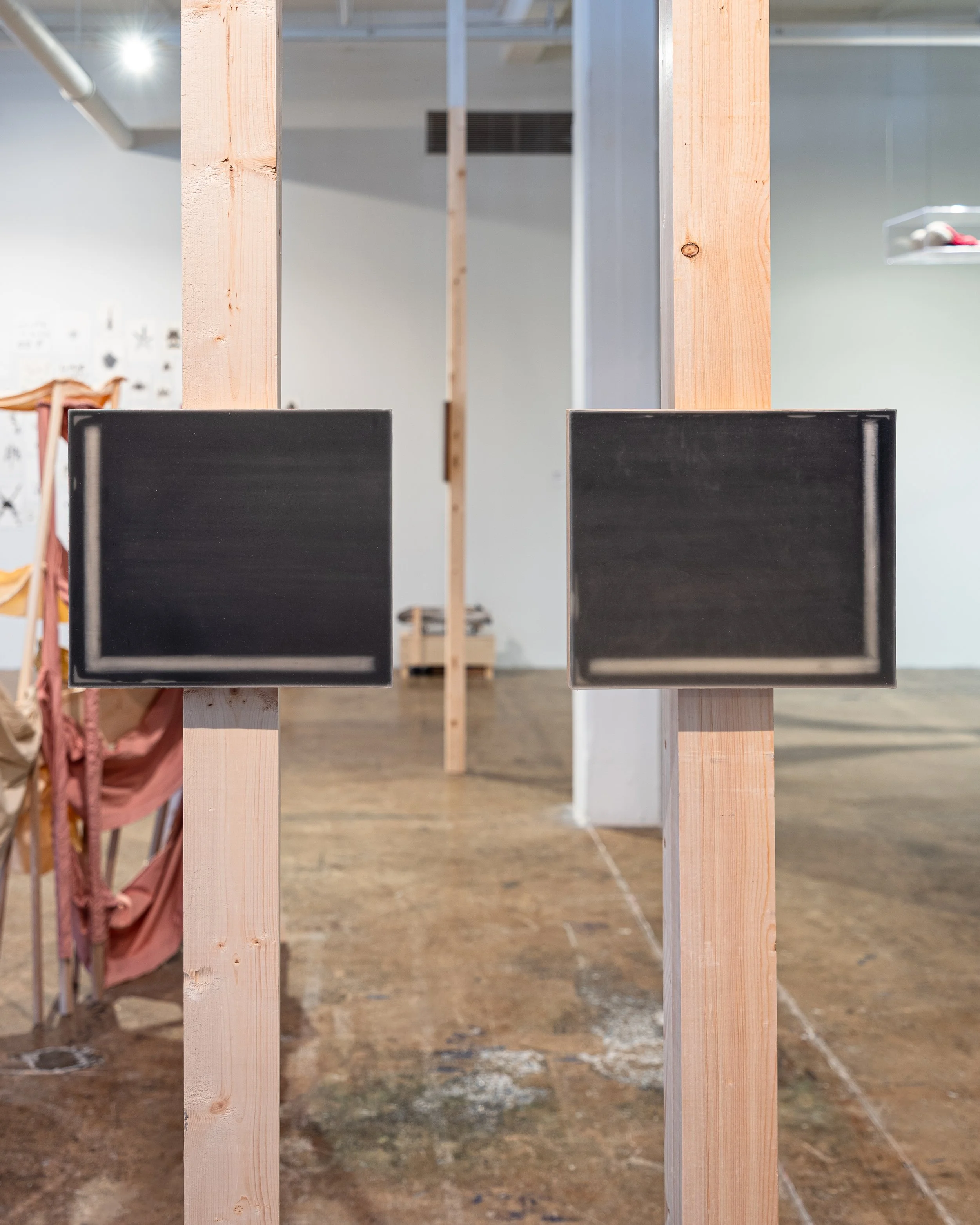
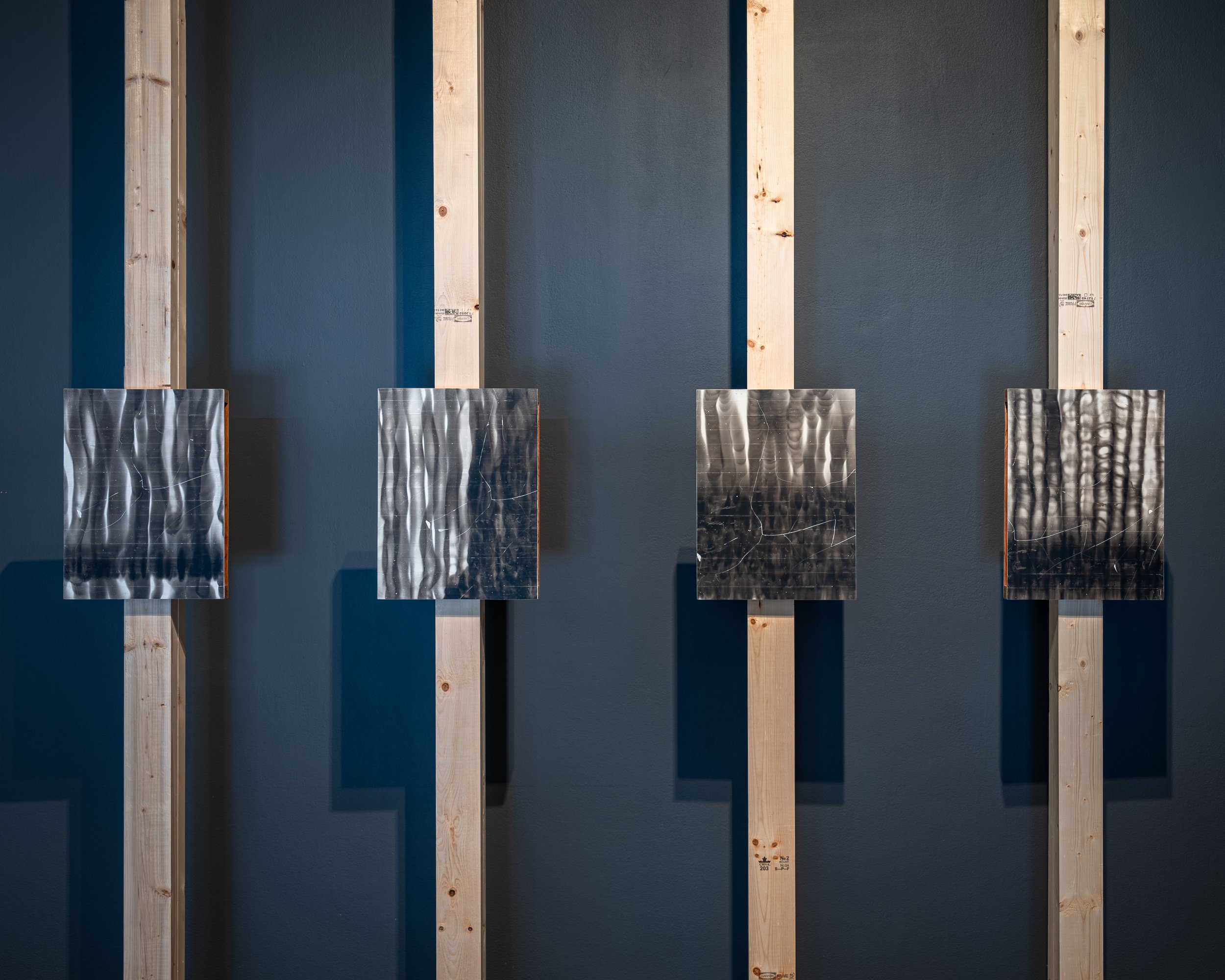
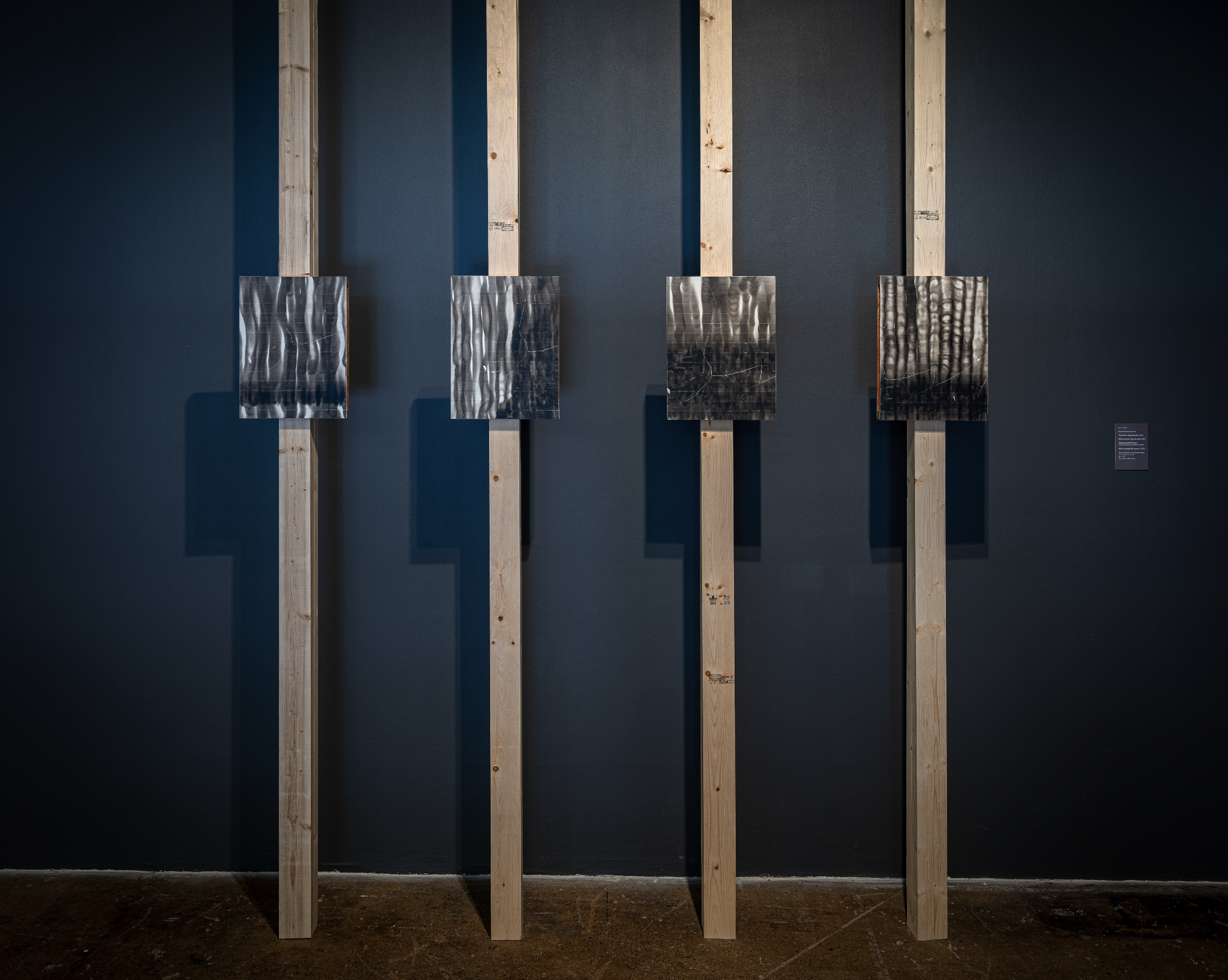
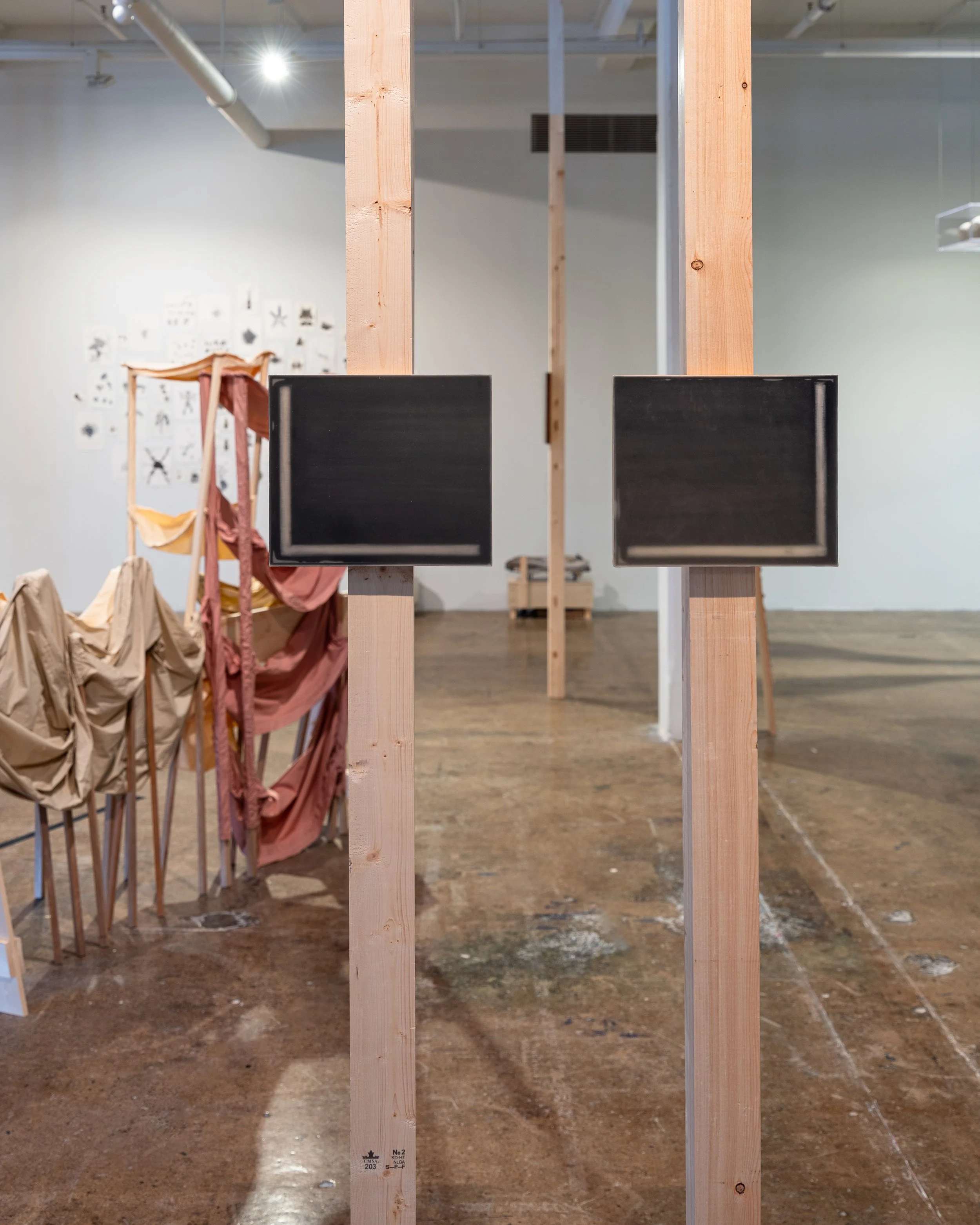
Fabiola Menchelli’s installation ombré debuts new photographic prints, a continuation of her Parallelograms body of work. The work strips down the photographic print to its essential materials and physical properties, creating a diffused perceptual experience.
About Fabiola Menchelli
Fabiola Menchelli’s work explores essential ideas about photography through a wide variety of contemporary strategies and experimental techniques. Her work seeks to actively challenge photography’s conventions by simultaneously pointing out and revealing the norms. Using the language of abstraction, her work aims to expand ways of looking, reconsider the nature of vision, representation, and reality itself, and cultivate a sense of wonder and discovery through her commitment to experimentation and unlearning.
Menchelli holds a Master of Visual Arts from the Massachusetts College of Art (2013). Her most recent exhibitions include we are not what we have seen at Angstroms offsite Arróniz Arte Contemporáneo (CDMX, 2024), Dark Moves: Fabiola Menchelli & Heather Watkins at The Cooley Gallery (Portland, OR 2022), I carry all the names I’m given at Arróniz Arte Contemporáneo (CDMX, 2022), Parallax at ProxyCo Gallery (New York, 2021), Under the Blue Sun at Marshall Contemporary (Los Angeles, 2021), among others. She has participated in collective exhibitions in Jinan, Venice, Houston, CDMX, London, Paris, Bogotá, and Dubai, among others.
Menchelli has been invited to participate in various artistic residencies such as the Skowhegan School of Painting and Sculpture, Bemis Center for Contemporary Arts, Casa Wabi, and Casa Nano. She received the Fulbright-García Robles Scholarship (2011-2013), FONCA-CONACYT for studies abroad (2011-2013), MassArt Dean’s Award (2012-2013), the FONCA Young Creators grant (2014), the Acquisition Award of the XVI Photography Biennial of the Center for Image (2014), and the National System of Art Creators of FONCA (2019-2022). Her work has been featured in books such as Dark Moves (2024), released by the Cooley Gallery, and Desdoble (2022), published by ESPAC México. She has been a visiting artist in both Mexico and U.S. institutions. She is the founder and director of Circulo de Critica de Obra, an alternative art education program.
Nadia Botello: Theophany
Contemporary at Blue Star
210-227-6960
116 Blue Star
San Antonio, TX 78204
Jul 11, 2025 – Oct 5, 2025
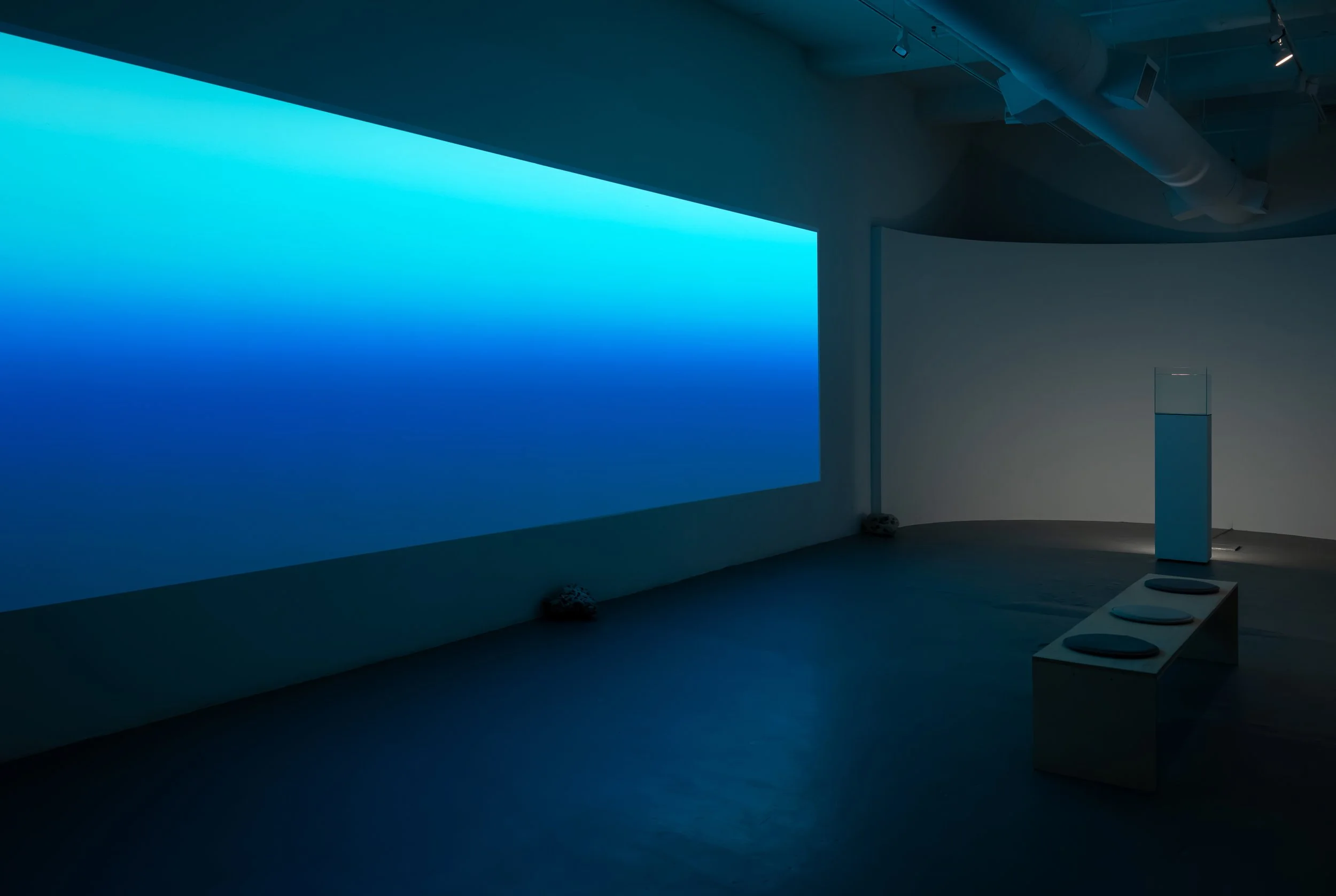
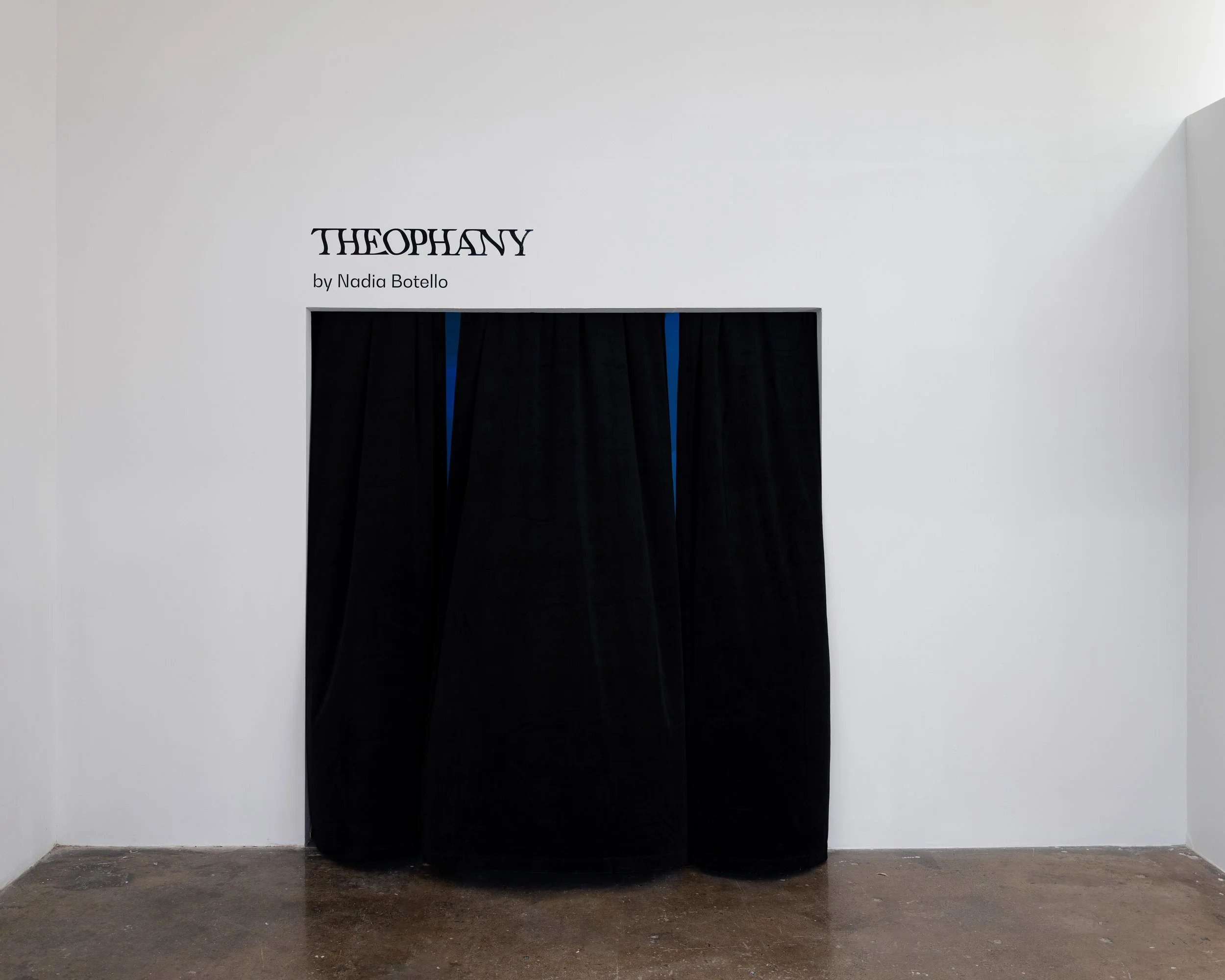
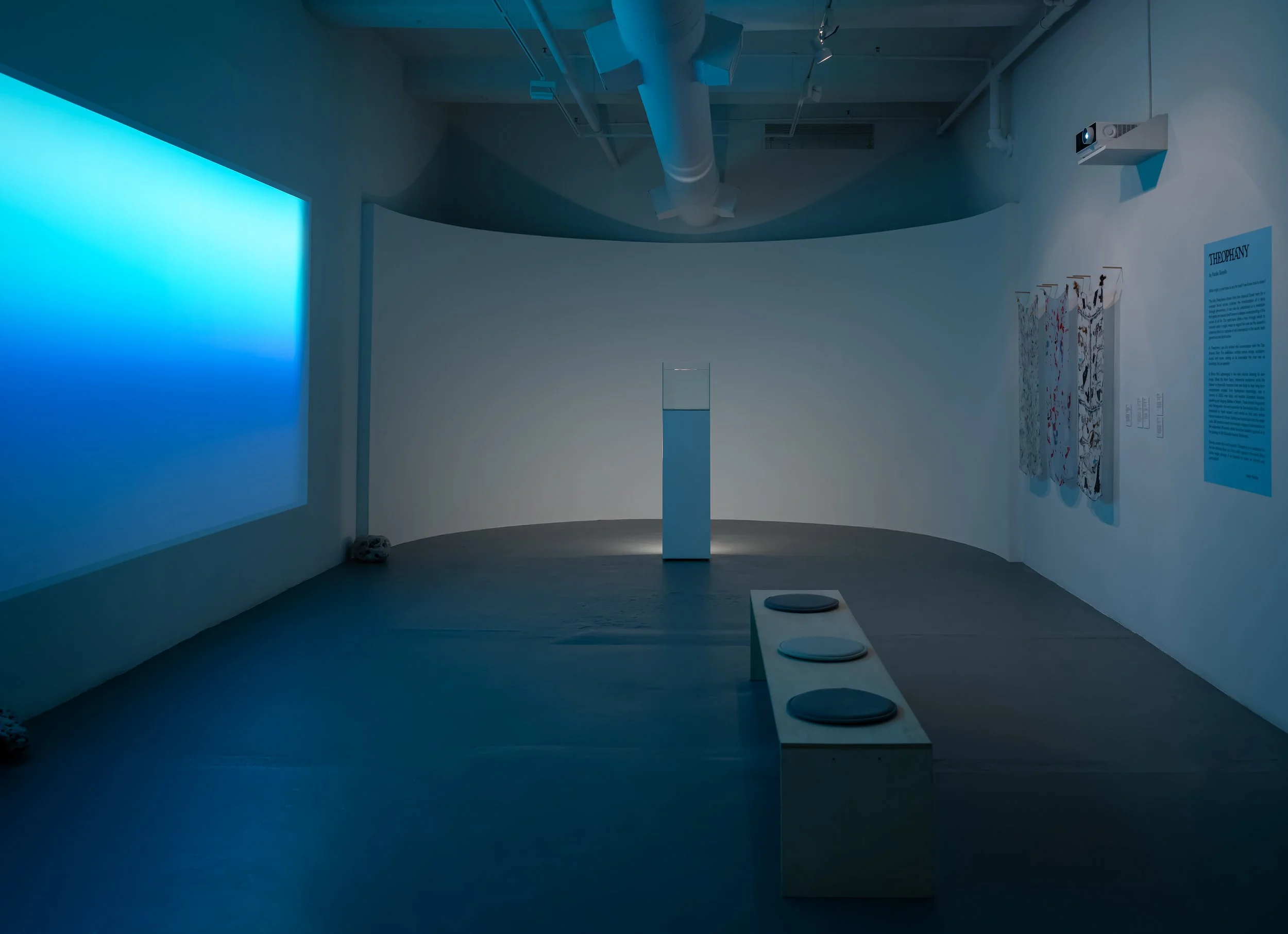
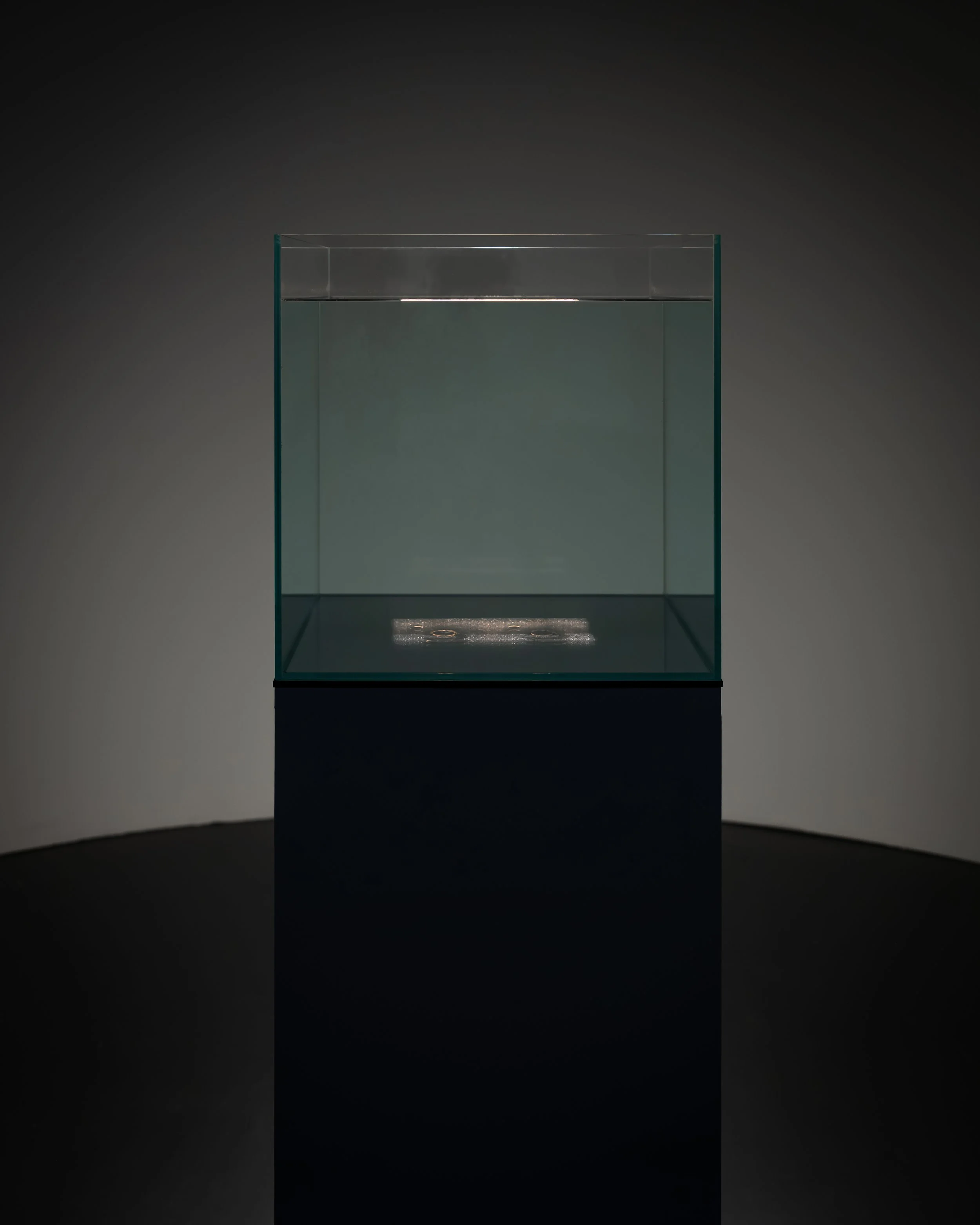
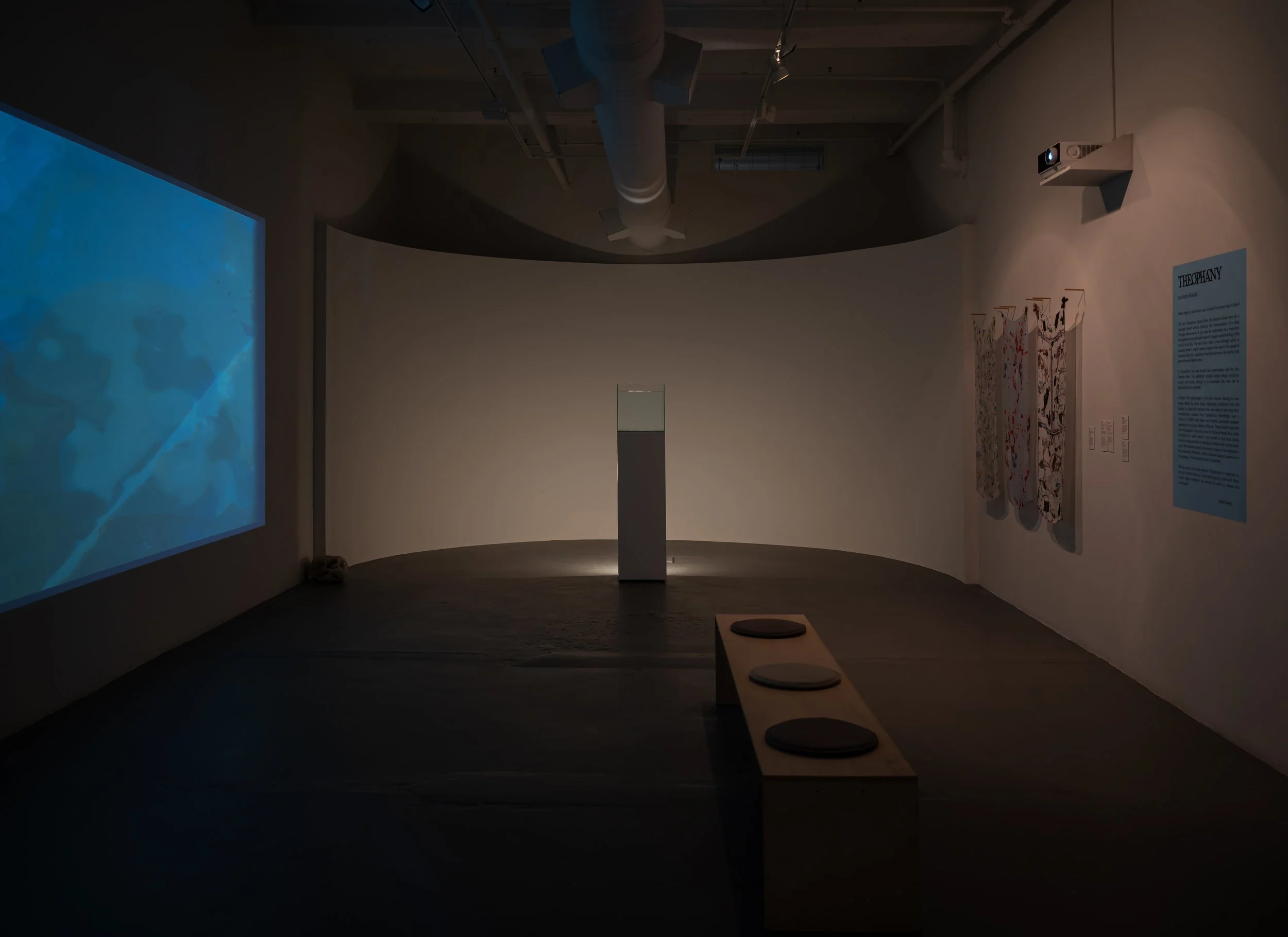
In her solo exhibition at the Contemporary, sound artist and composer Nadia Botello presents works that consider the San Antonio River as “a shaping force,” inviting us to consider “what the river might be saying for itself.”
A ninth-generation Texan and fourth-generation San Antonian, Botello has long been connected to Texas waterways. In an interview with the Bemis Center for Contemporary Arts, Botello shared, “Growing up here, the river, water, and drought were part of our daily lives. I visited the river often with my parents, we learned about our water system in school, and all of our local news channels reported on the level of the [Edwards] Aquifer along with the weather daily.” It wasn’t until Botello lived in other US cities, where relationships with water sources were more distant, that she began to question: what does it mean to pay attention to what water might be saying for itself?
Nearly a decade after she began investigating this question through her practice, Botello will combine artworks across an array of media––sound, sculpture, image, and more––to give voice to the San Antonio River. In What the River Says, 16mm film submerged in the San Antonio River creates intimate images that form purely through the act of holding the film underwater, with no other human intervention altering the final image.
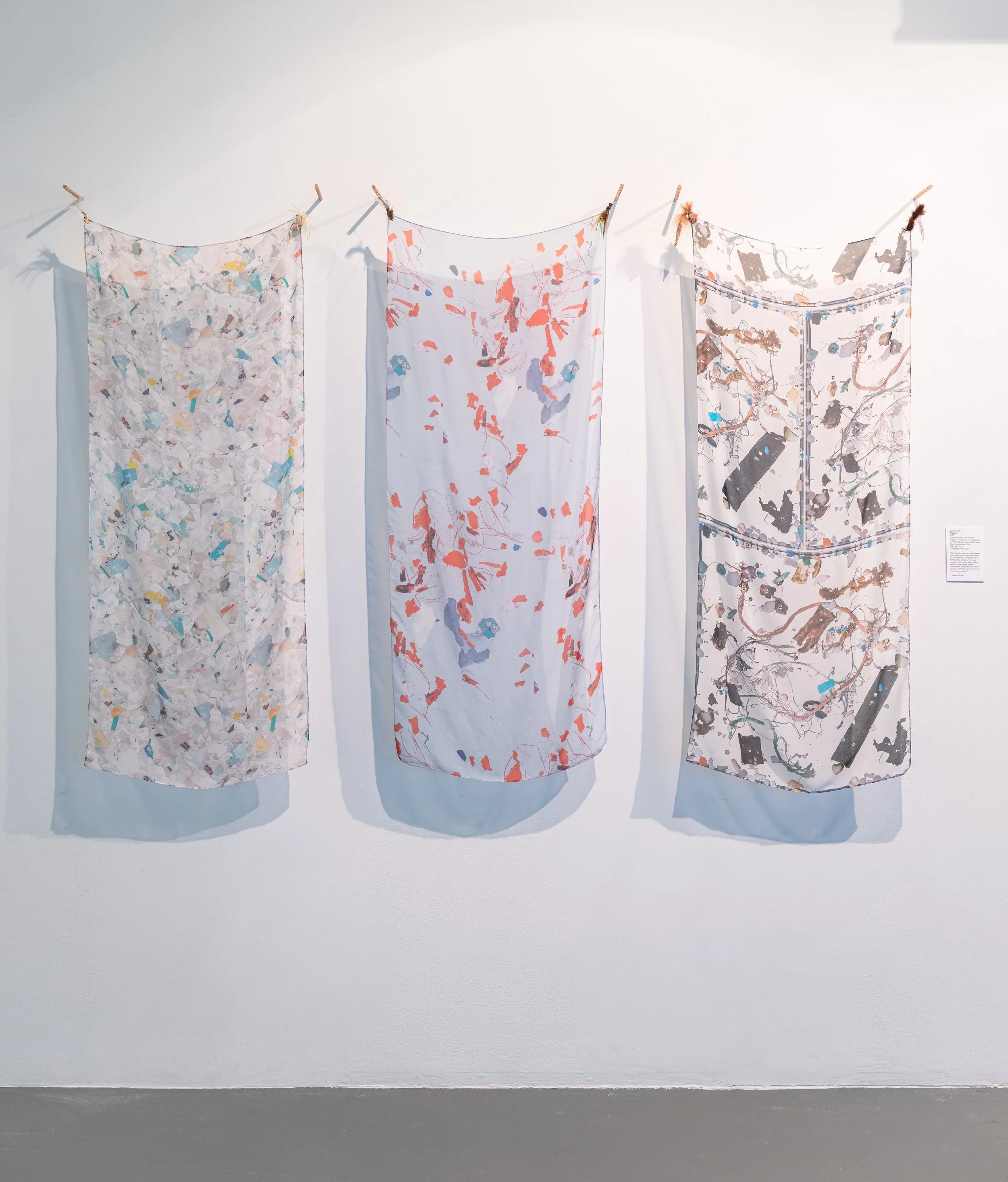
In contrast, Bodies of Water requires listeners to physically initiate contact with the works. Upon contact, the compositions contained within the water–– long-form compositions created from the San Antonio River as source material through field recordings and U.S. Geological Survey data––are made audible to the listeners. The physicality required, along with the sounds of breaths taken by the artist’s late father between singing and speaking, reflects our inherent bodily connection to water. The human body is made up of about 60% water and according to the artist, “each exhale returns moisture to the air. These breath fragments also echo Yanaguana—the early name for the San Antonio River, often translated as ‘spirit waters’—reminding us that our bodies are part of the same ongoing cycle.” Human impact becomes visible through silk banners revealing microscopic images of microplastics hidden in our waterways in Phainein, and limestone boulders ground us in the geology of the Edwards Aquifer, the source of drinking water for nearly two million people, in Sediment.
“Moving across time and material, Theophany is a meditation on the San Antonio River as an active presence,” Botello says. This exhibition holds particular resonance for the Contemporary, which sits along the San Antonio River. Theophany transforms the gallery into a space of deep listening––not only to the artist’s compositions but to the river itself, encouraging visitors to engage with the water that flows past the Contemporary’s doors with new awareness and attention.
Jason Willome: When a Mind Wanders
Contemporary at Blue Star
210-227-6960
116 Blue Star
San Antonio, TX 78204
Jul 11, 2025 – Oct 5, 2025
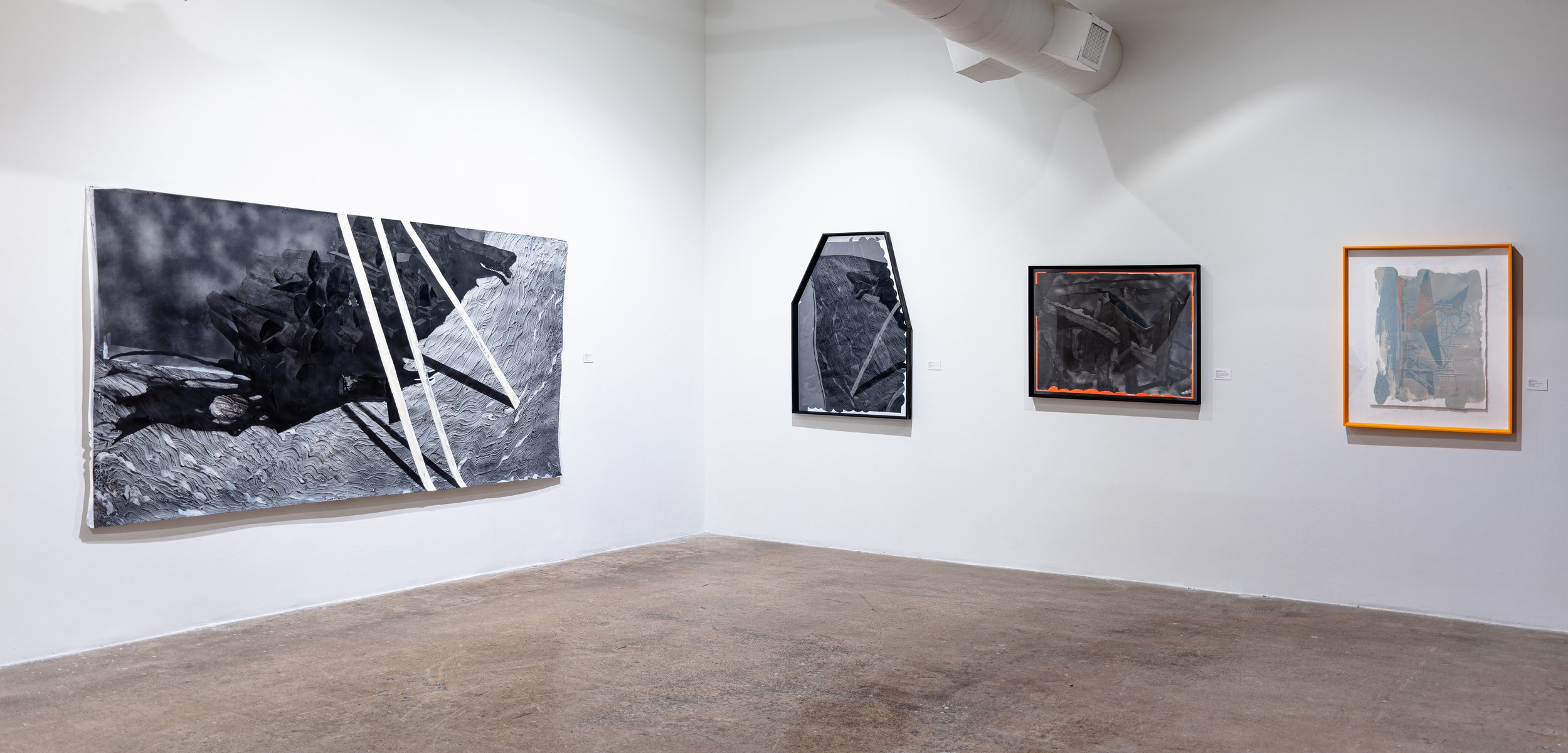
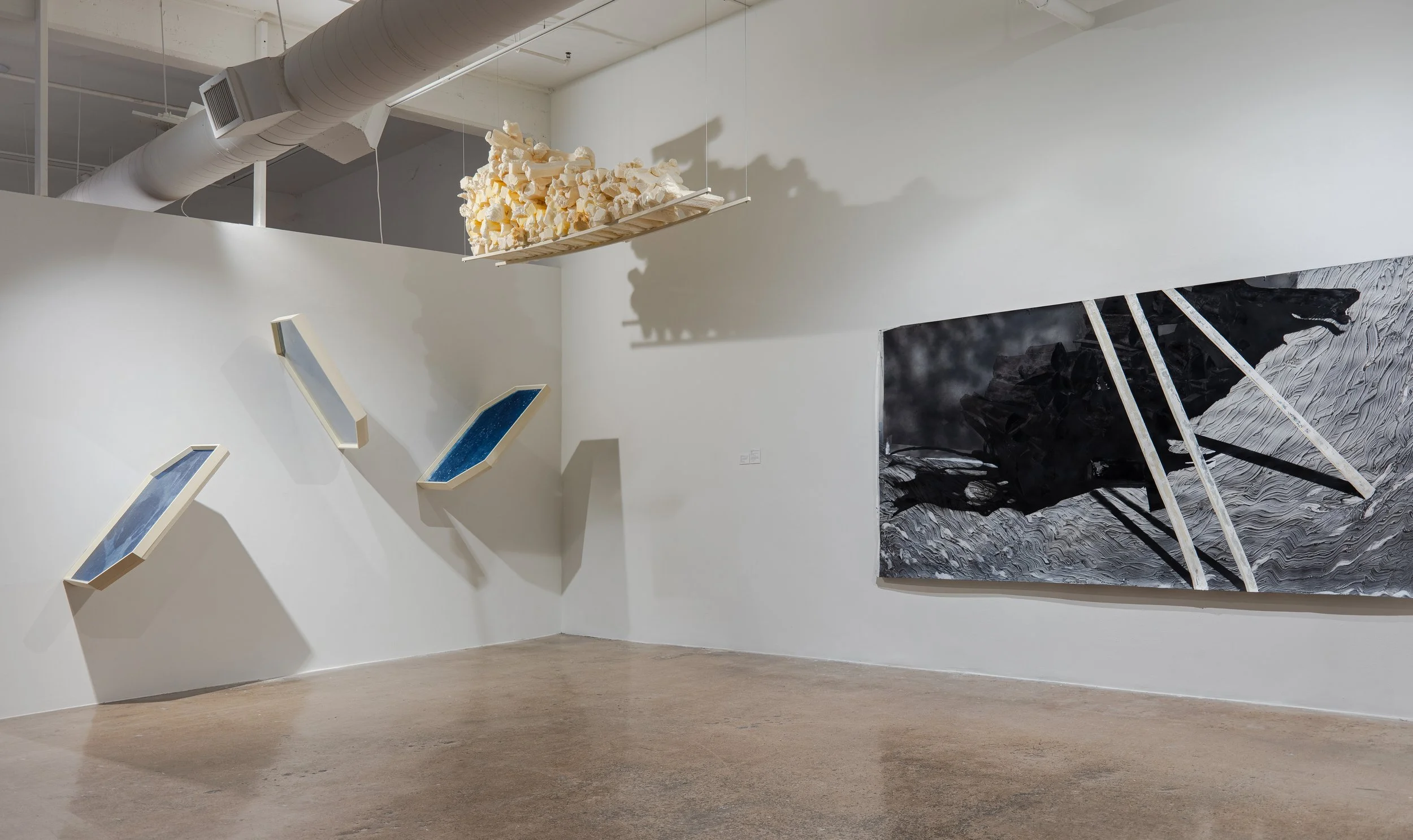
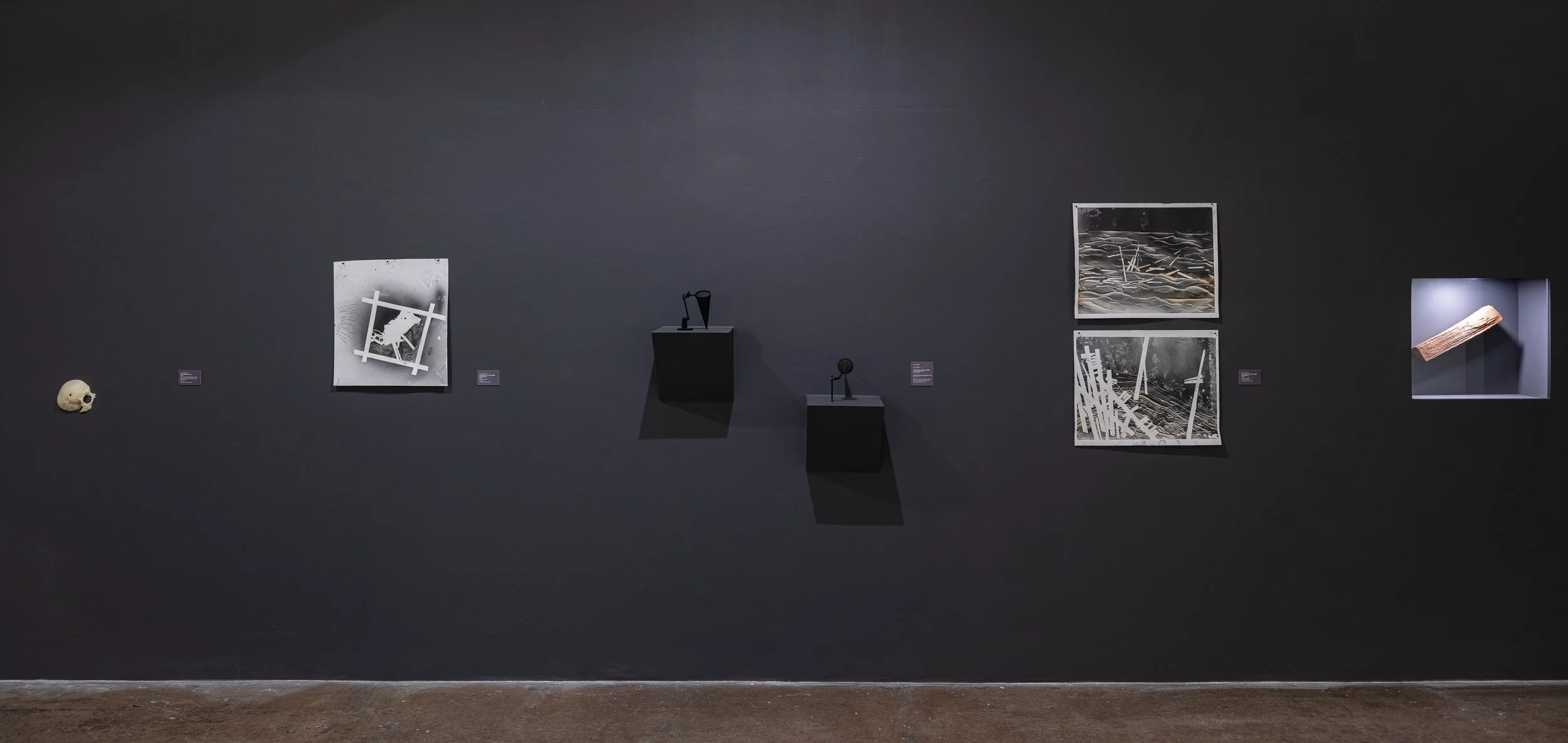
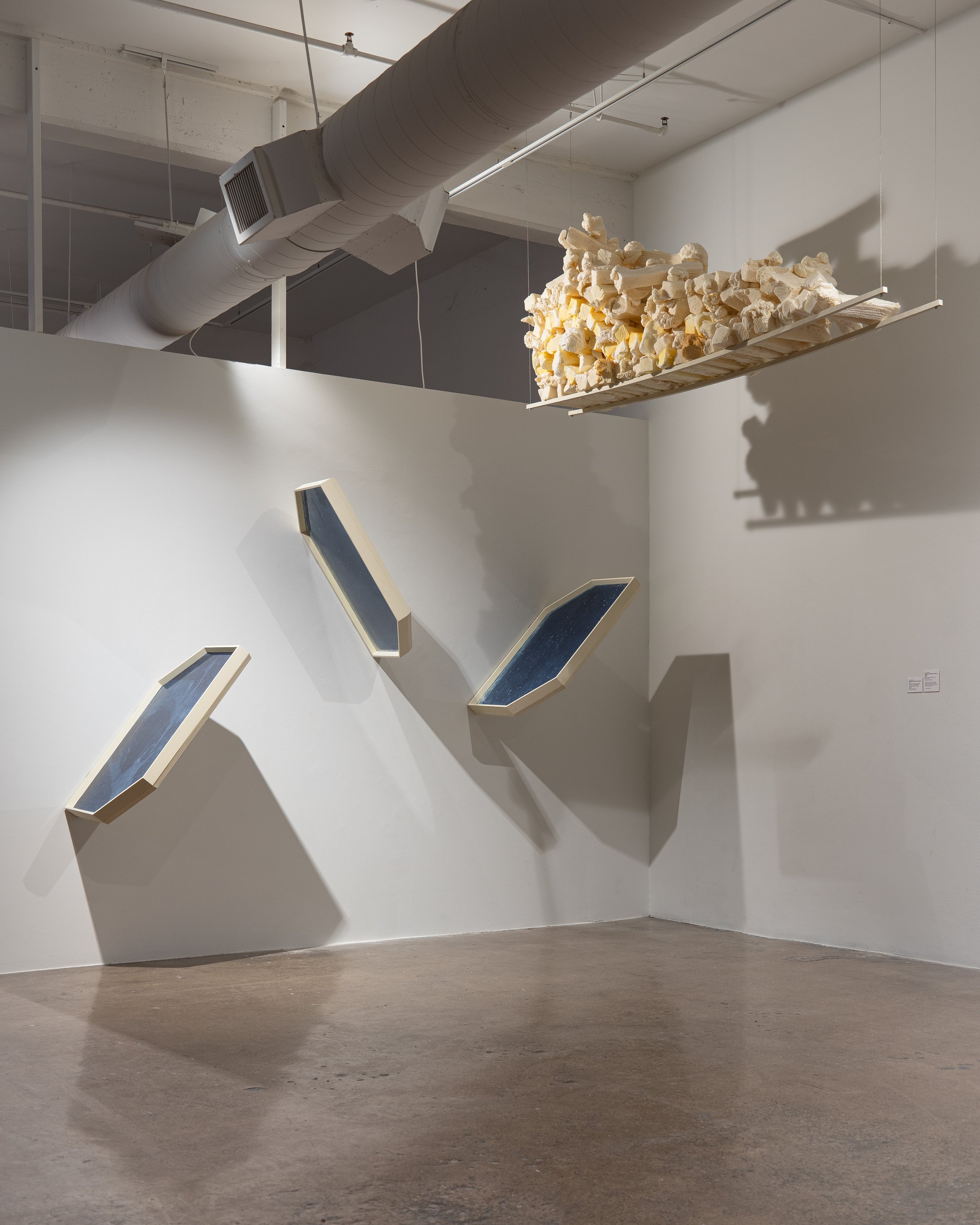
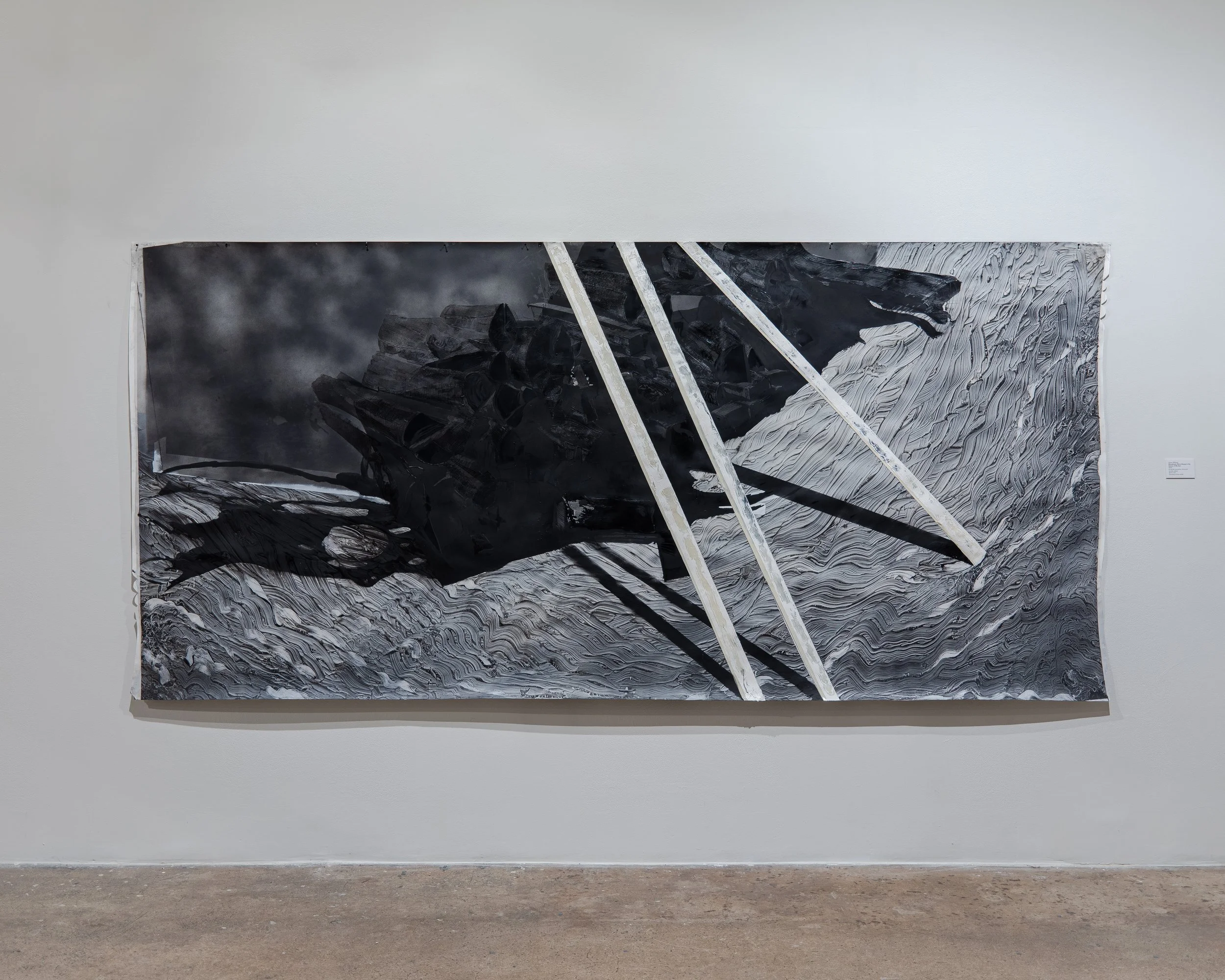
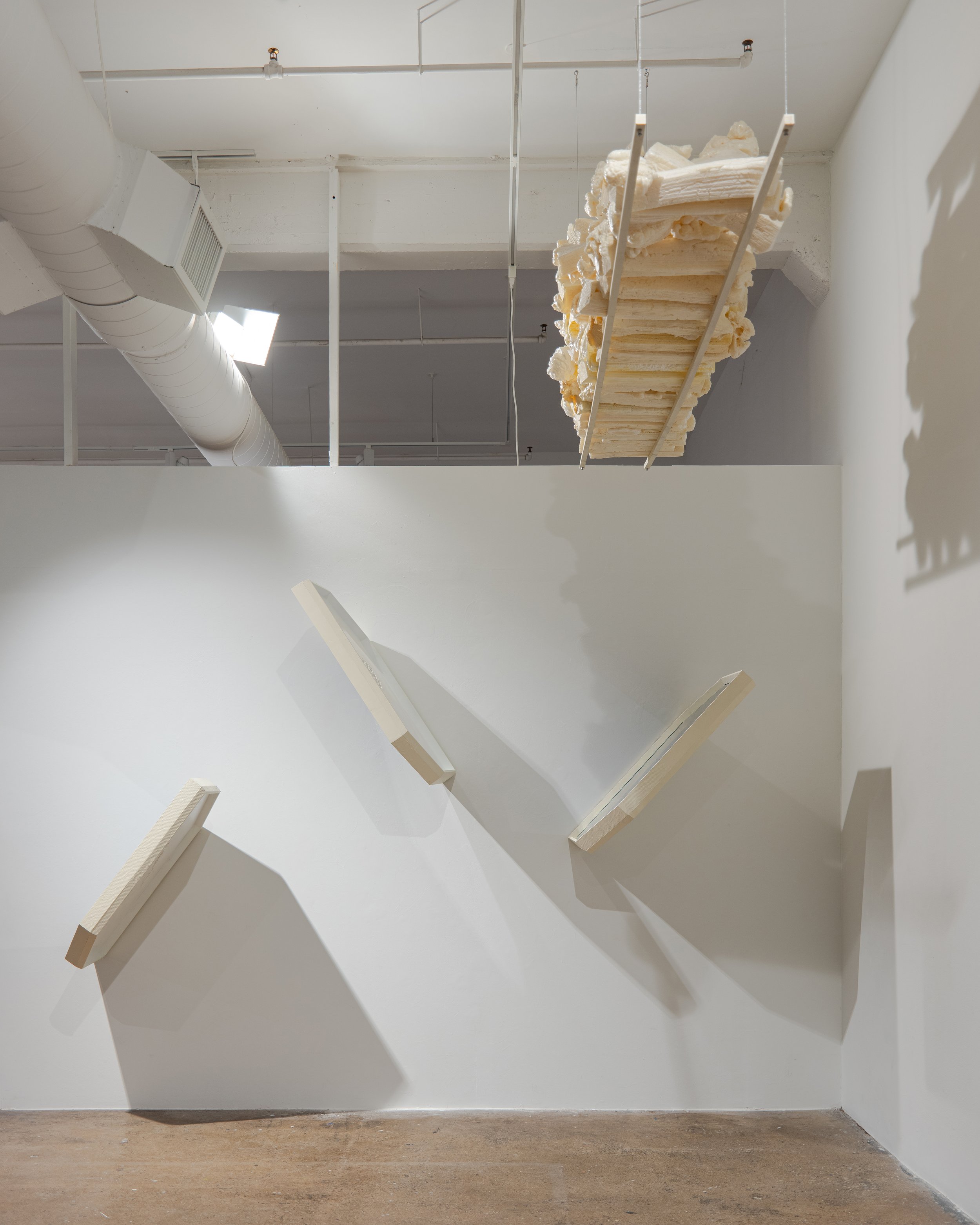
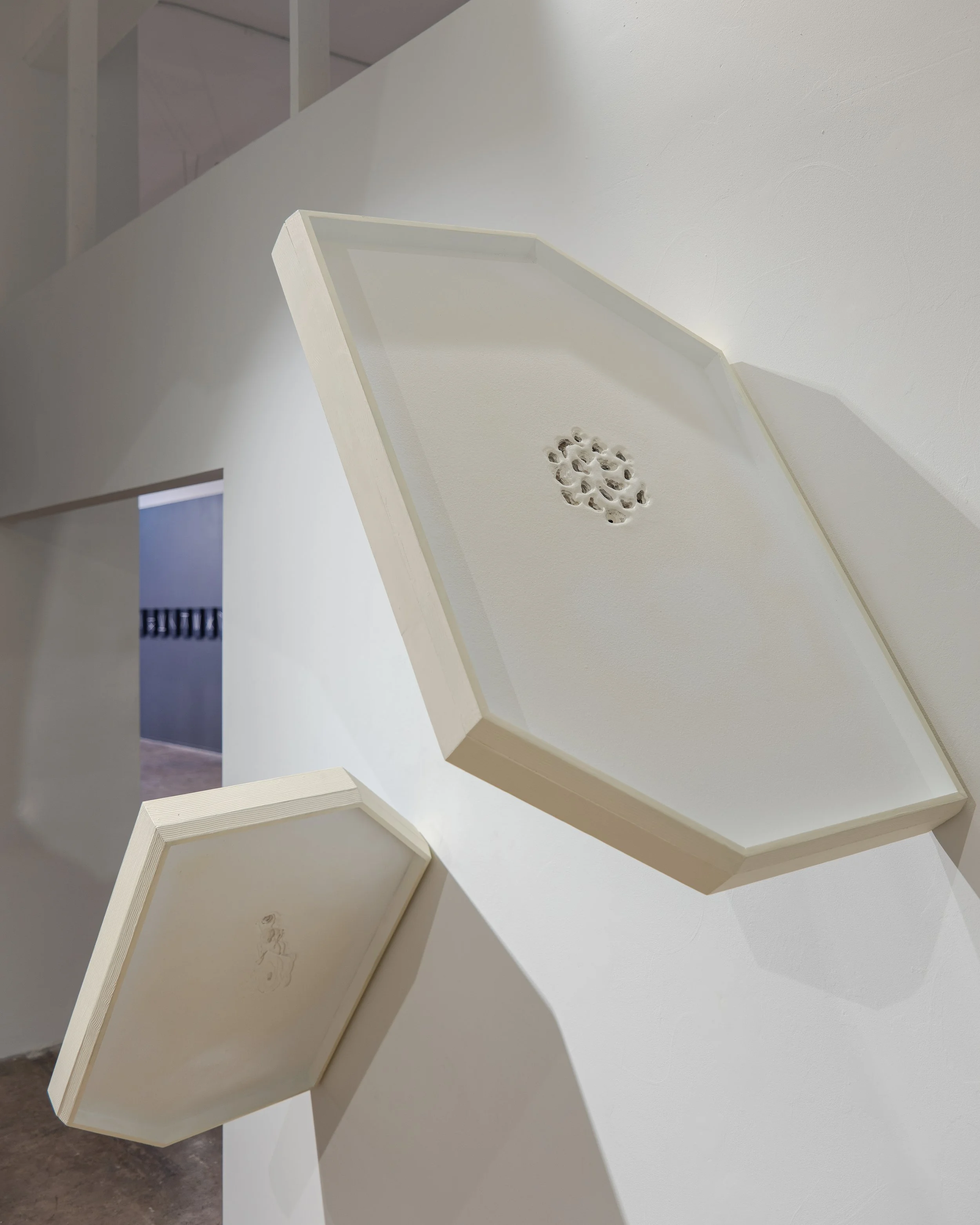

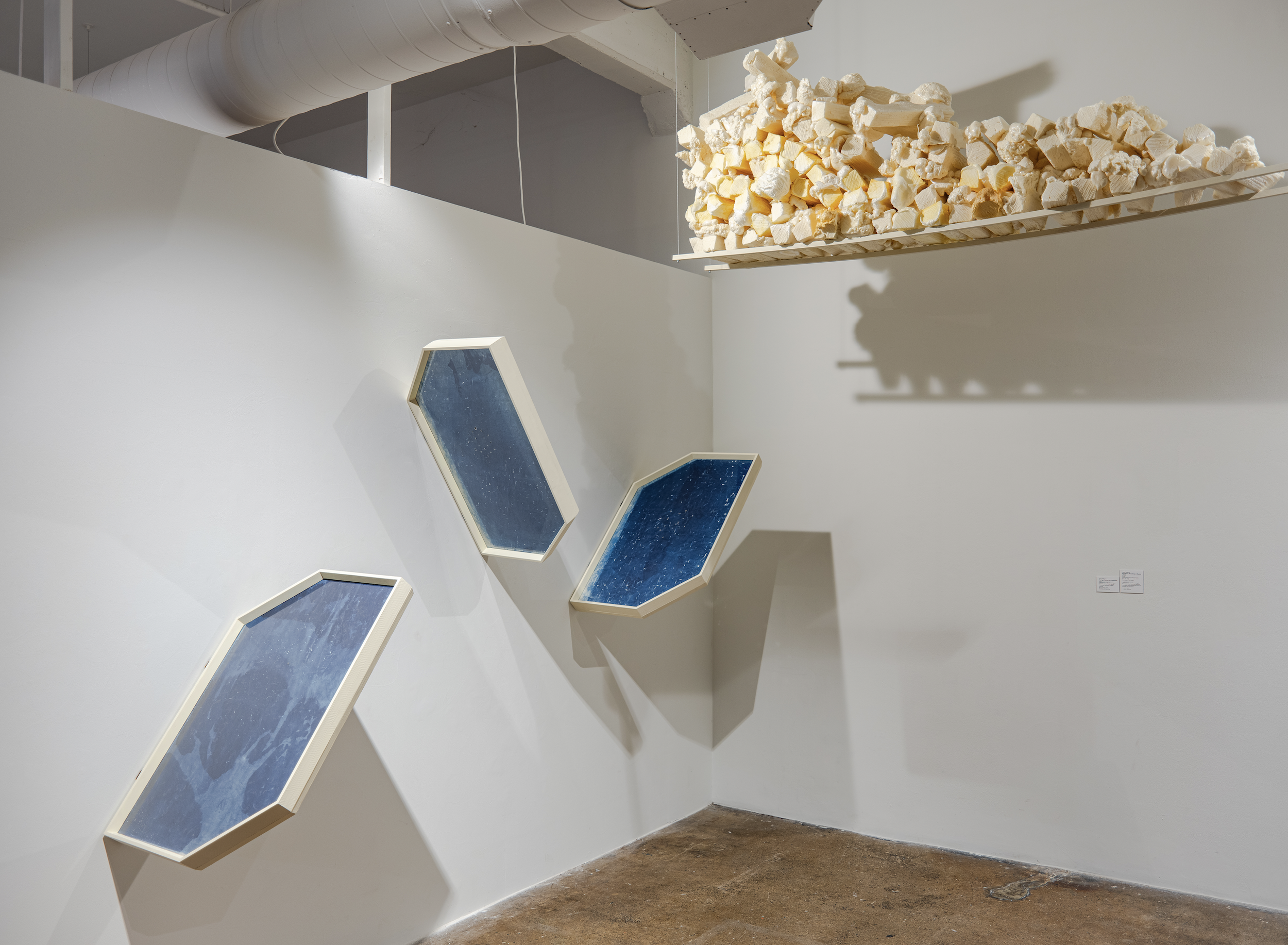
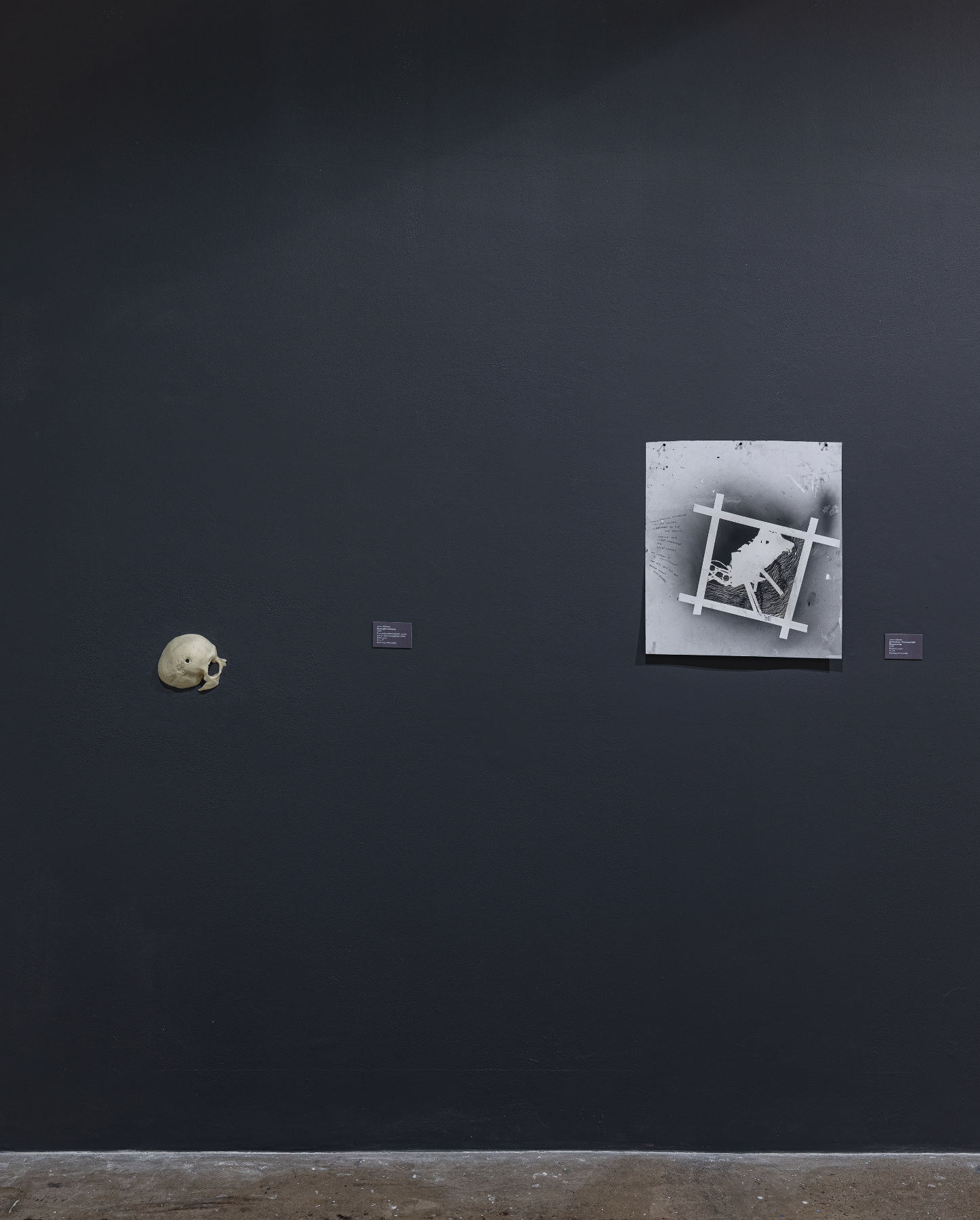
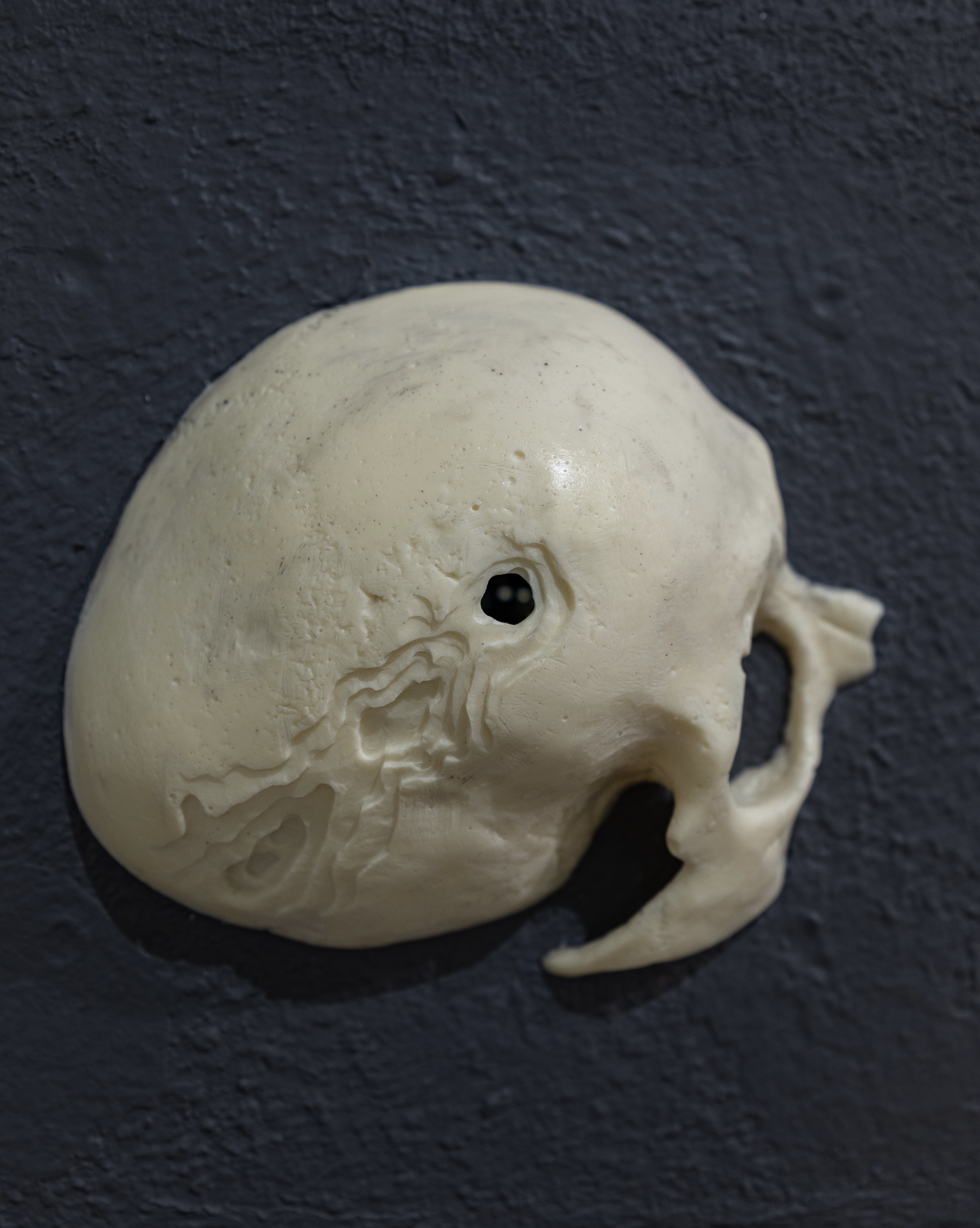
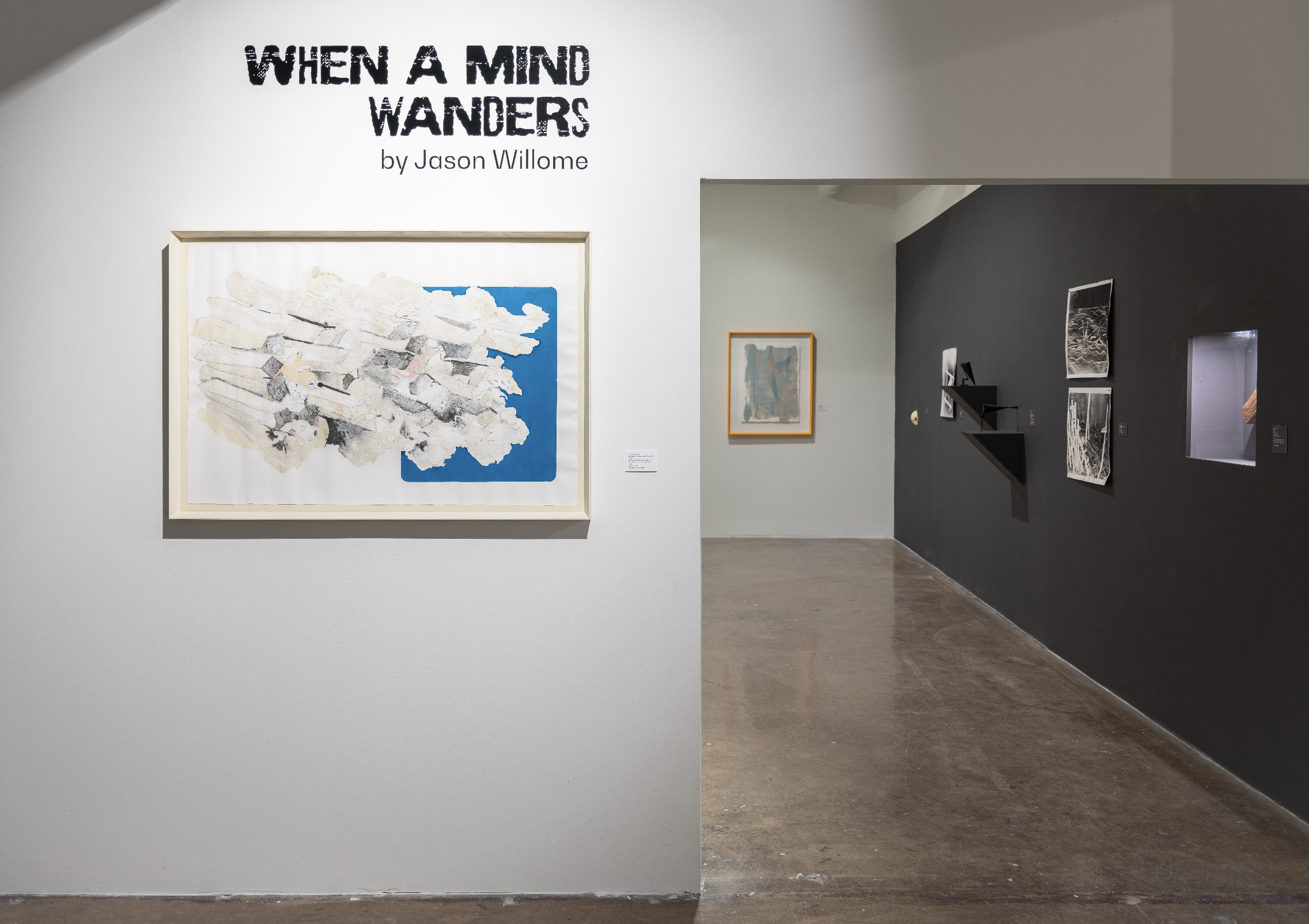
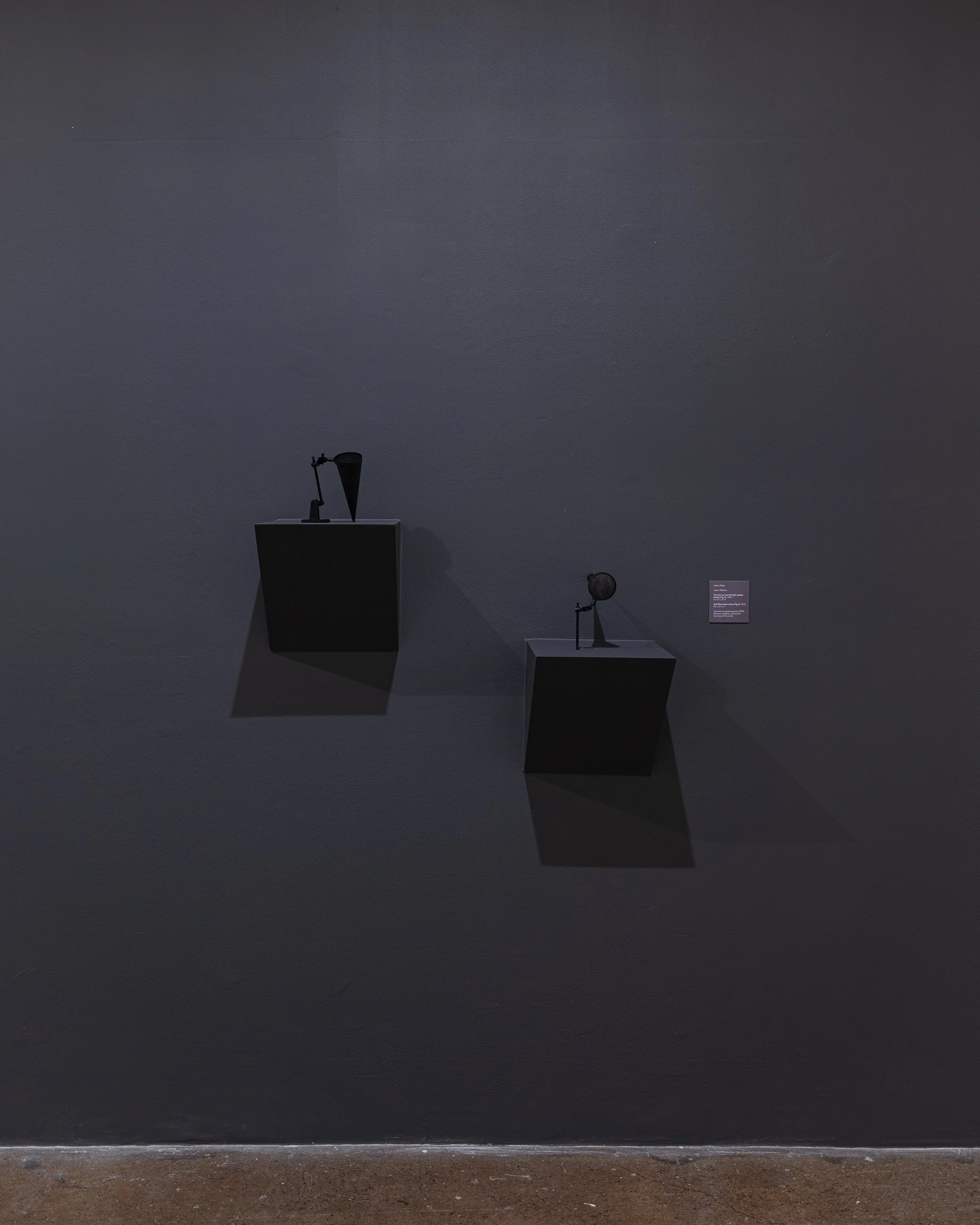
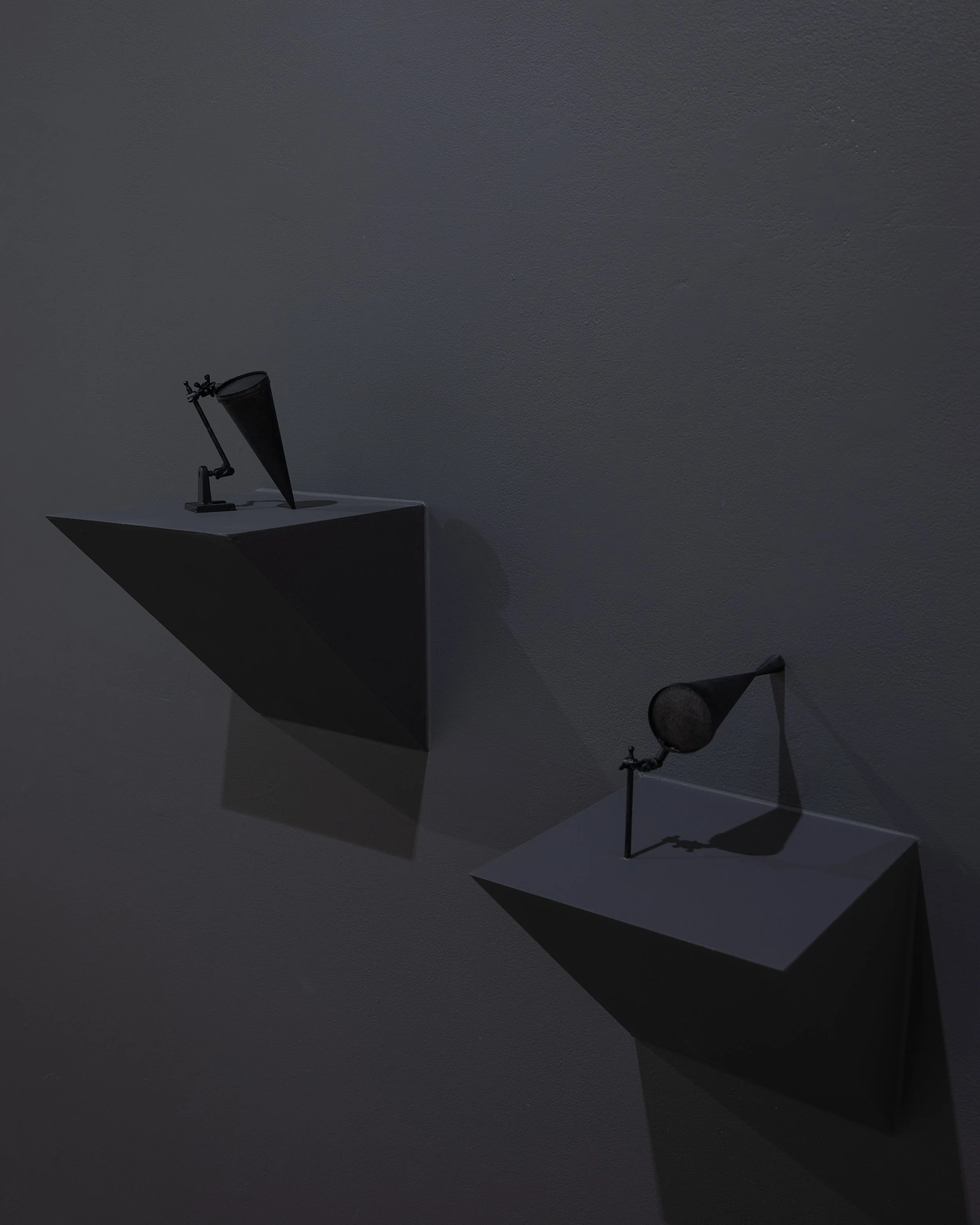
When a Mind Wanders is a solo exhibition featuring new works by Jason Willome. Willome works in painting, mixed media works on paper, and sculpture to explore conditions of the human mind and body. Astronomical inspired imagery are used as a metaphor for the infinite, unexplainable interiors of human consciousness. He also explores historical human attempts at understanding and healing the mind, for instance trepanation, an ancient form of craniotomy.
Synthesis & Subversion Redux
Studio at Ruby City
210-227-8400
150 Camp St.
San Antonio, Texas, 78283
Feb15, 2025 — Sep 28, 2025
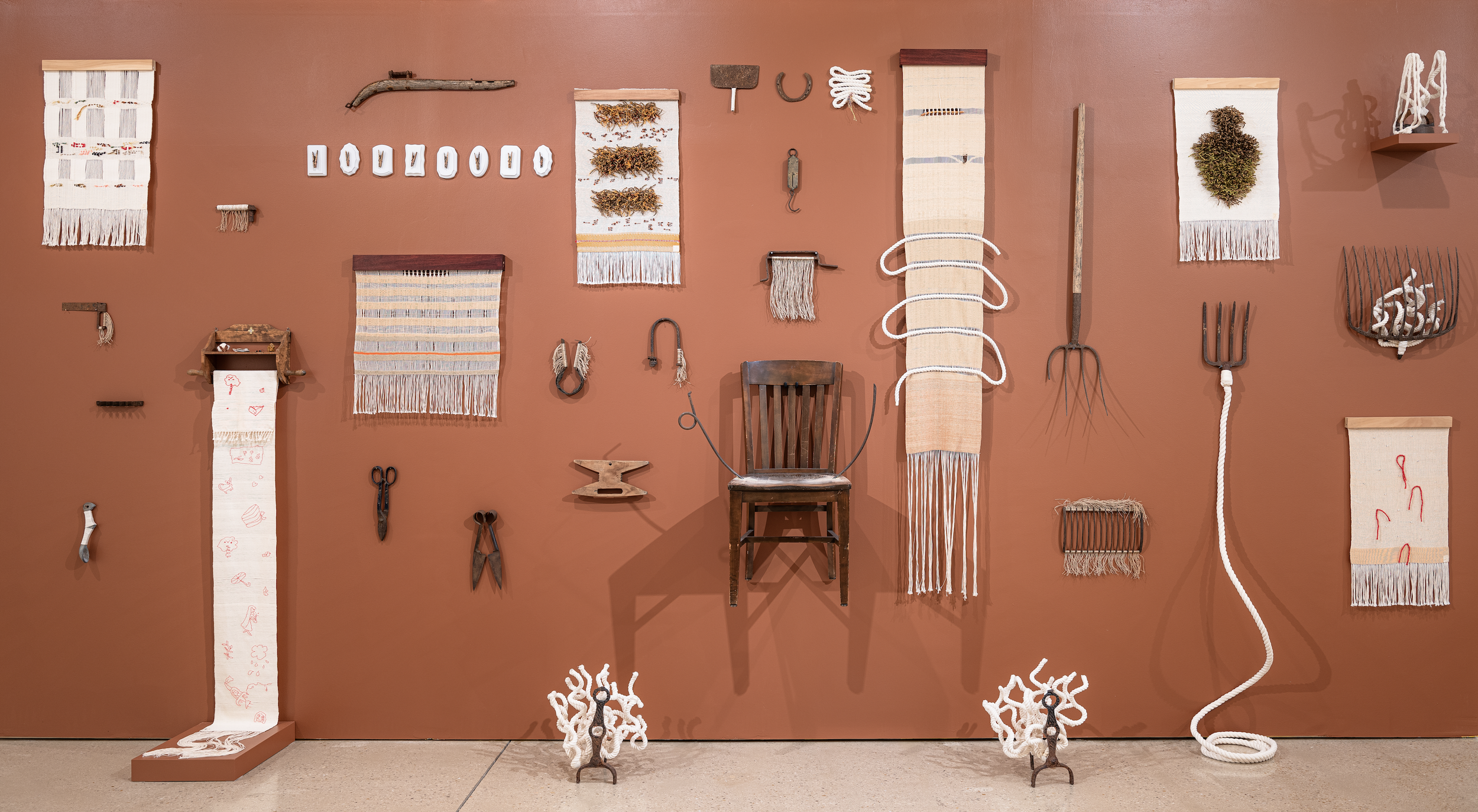
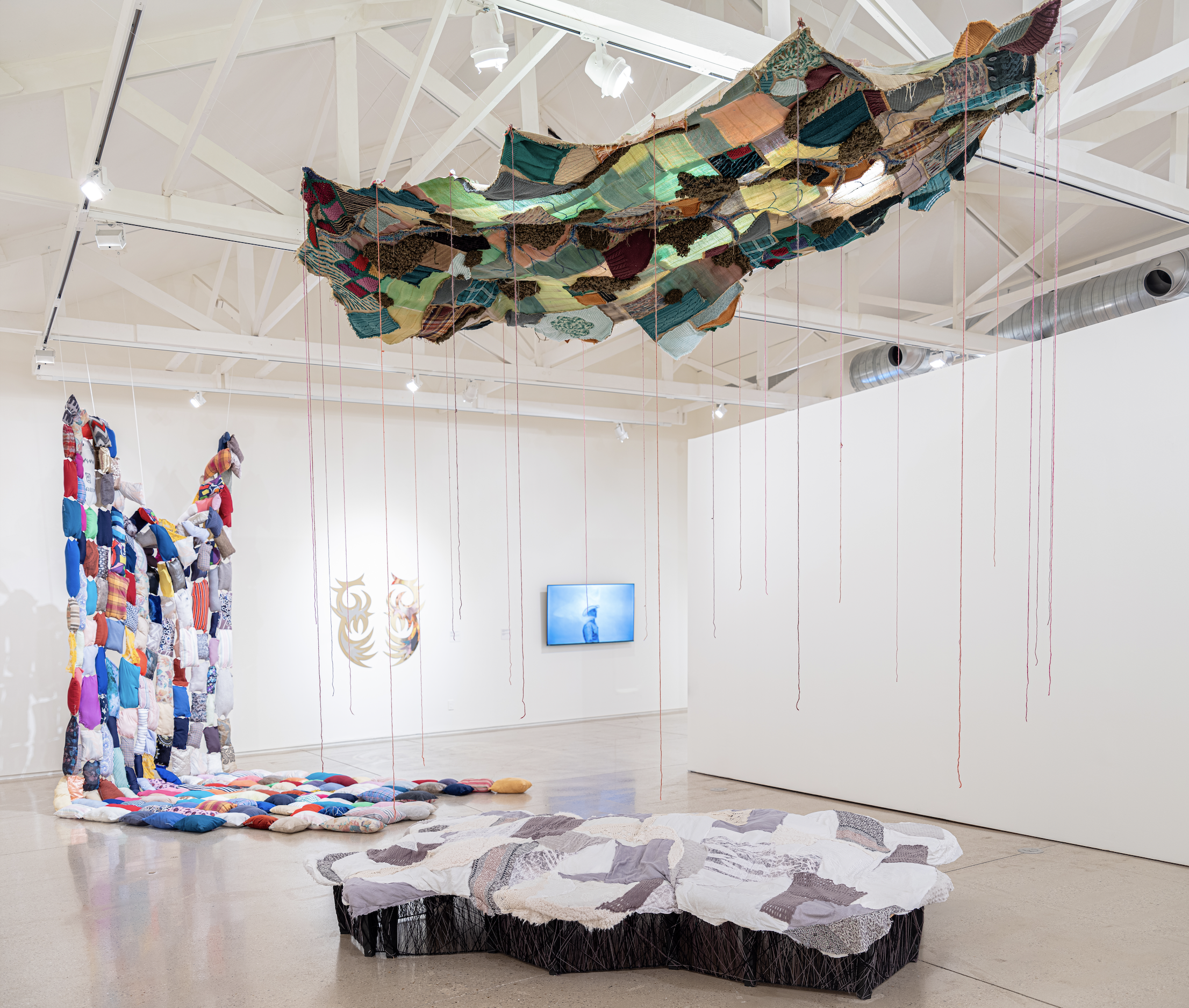
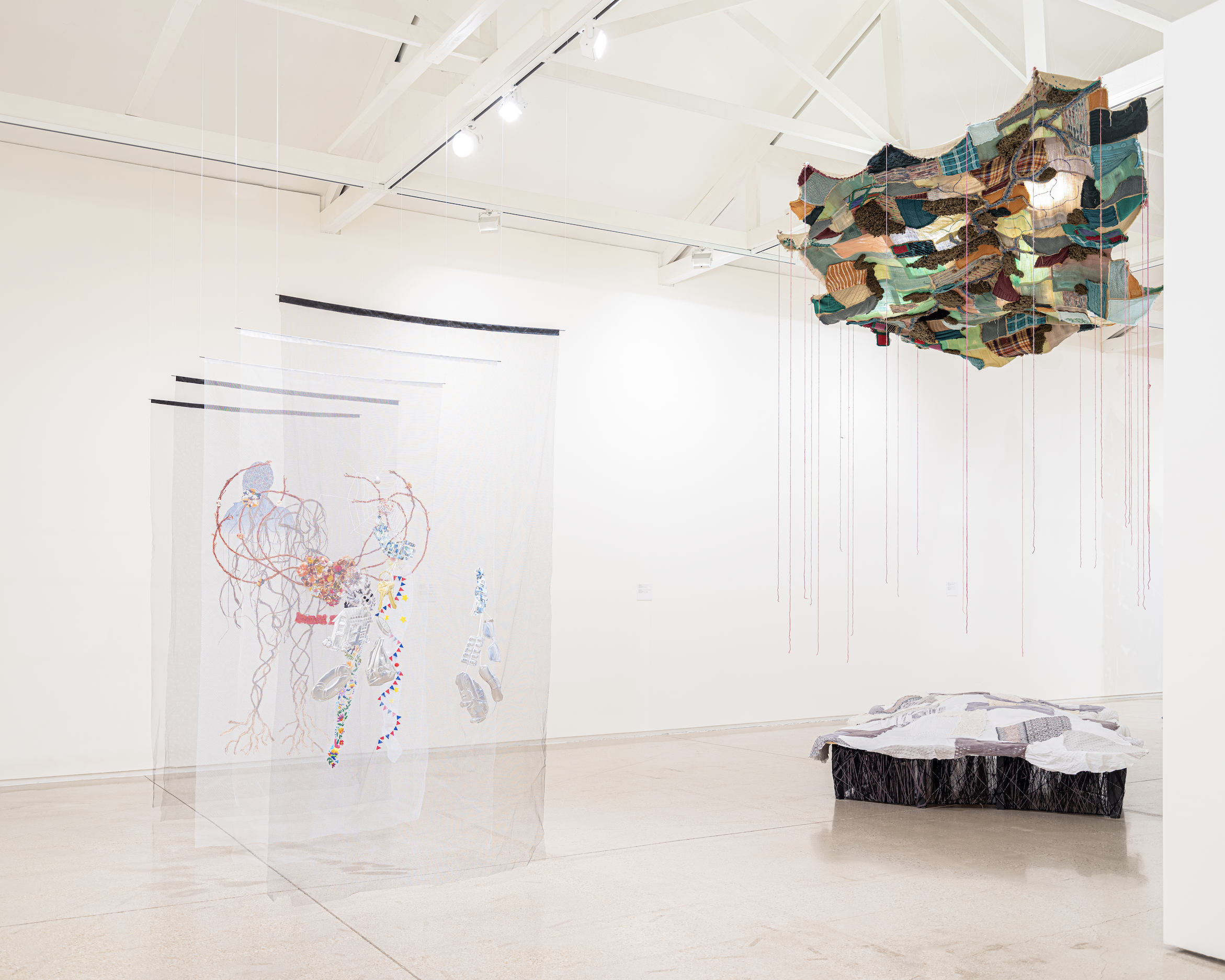

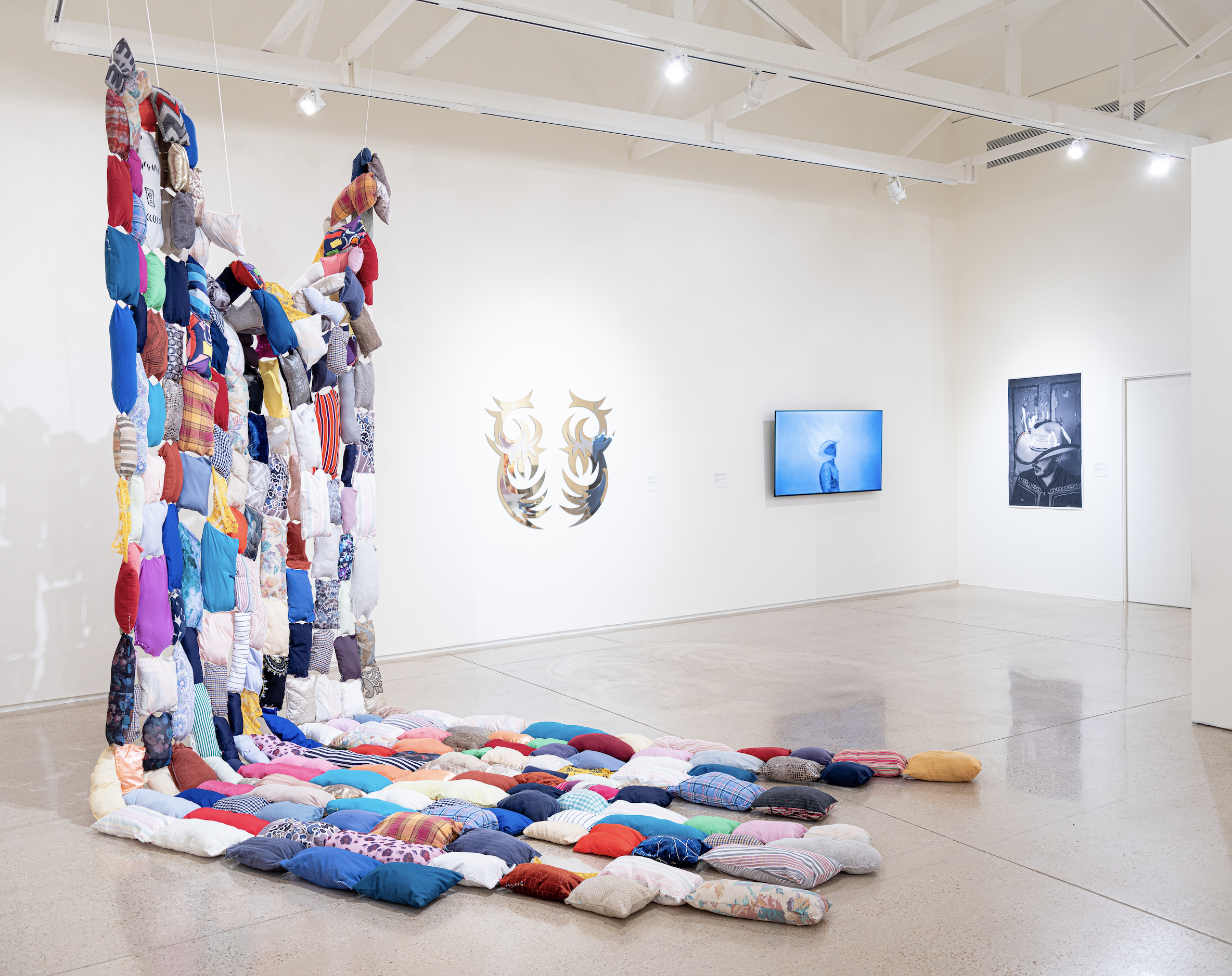
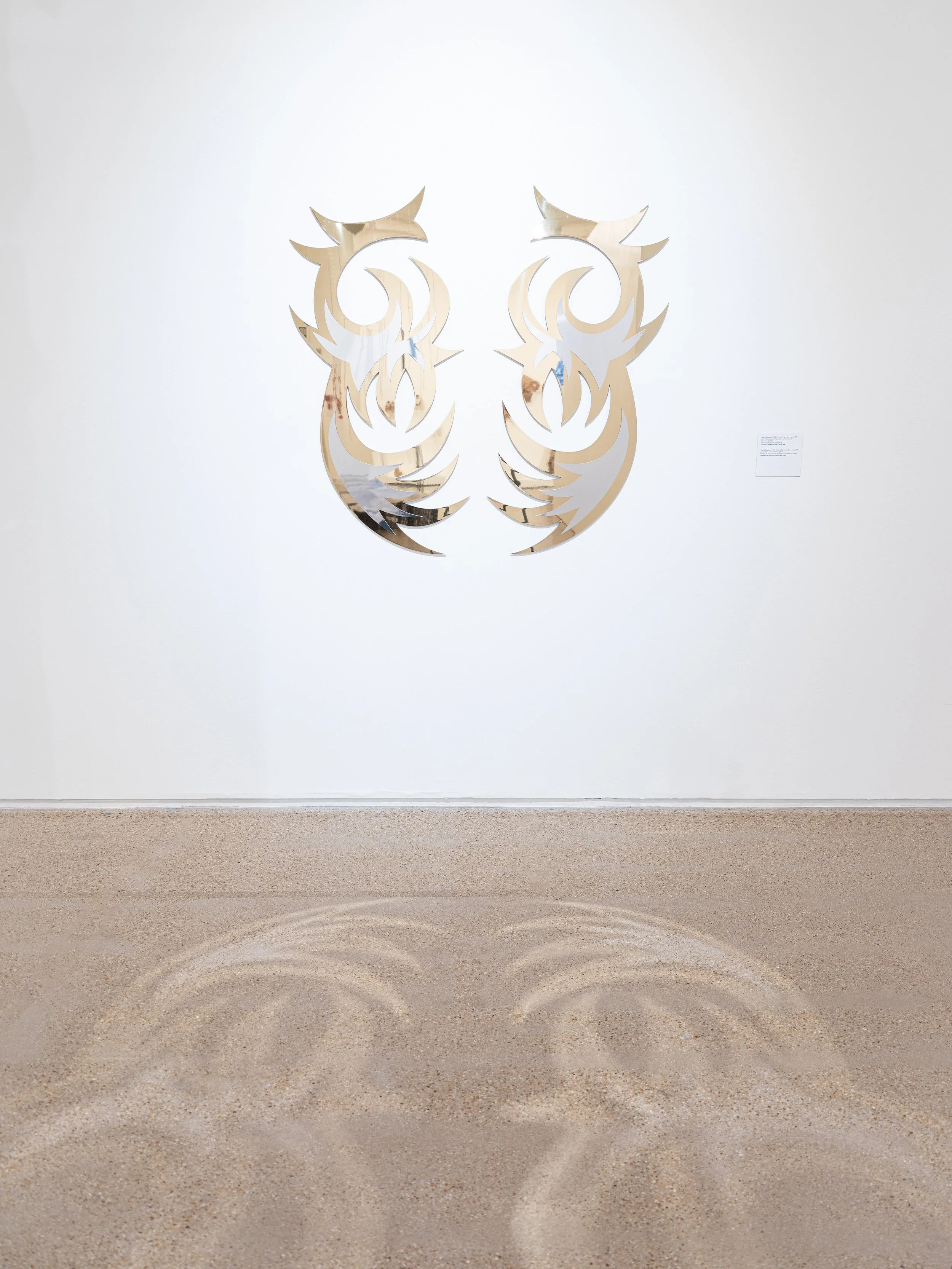
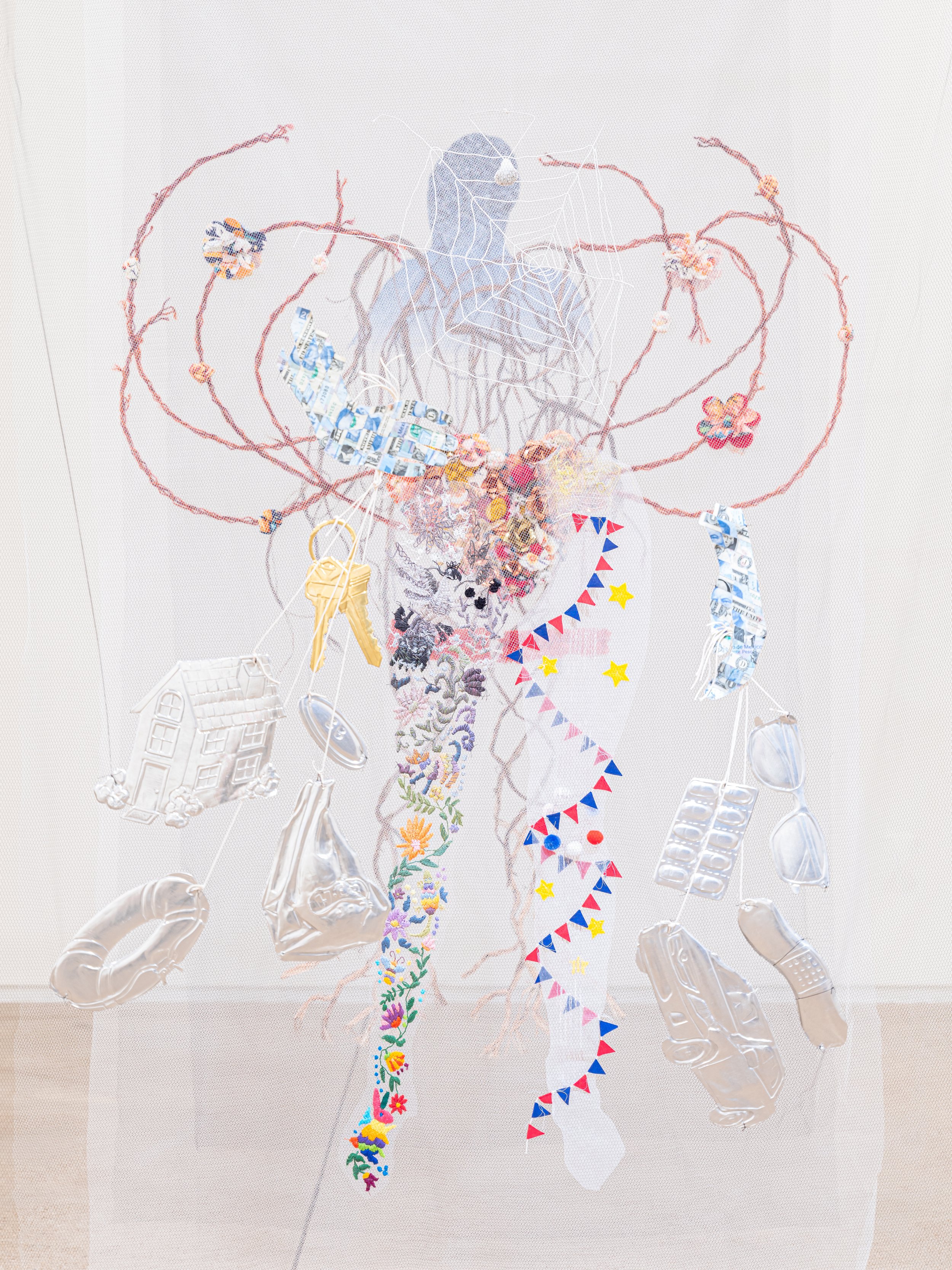
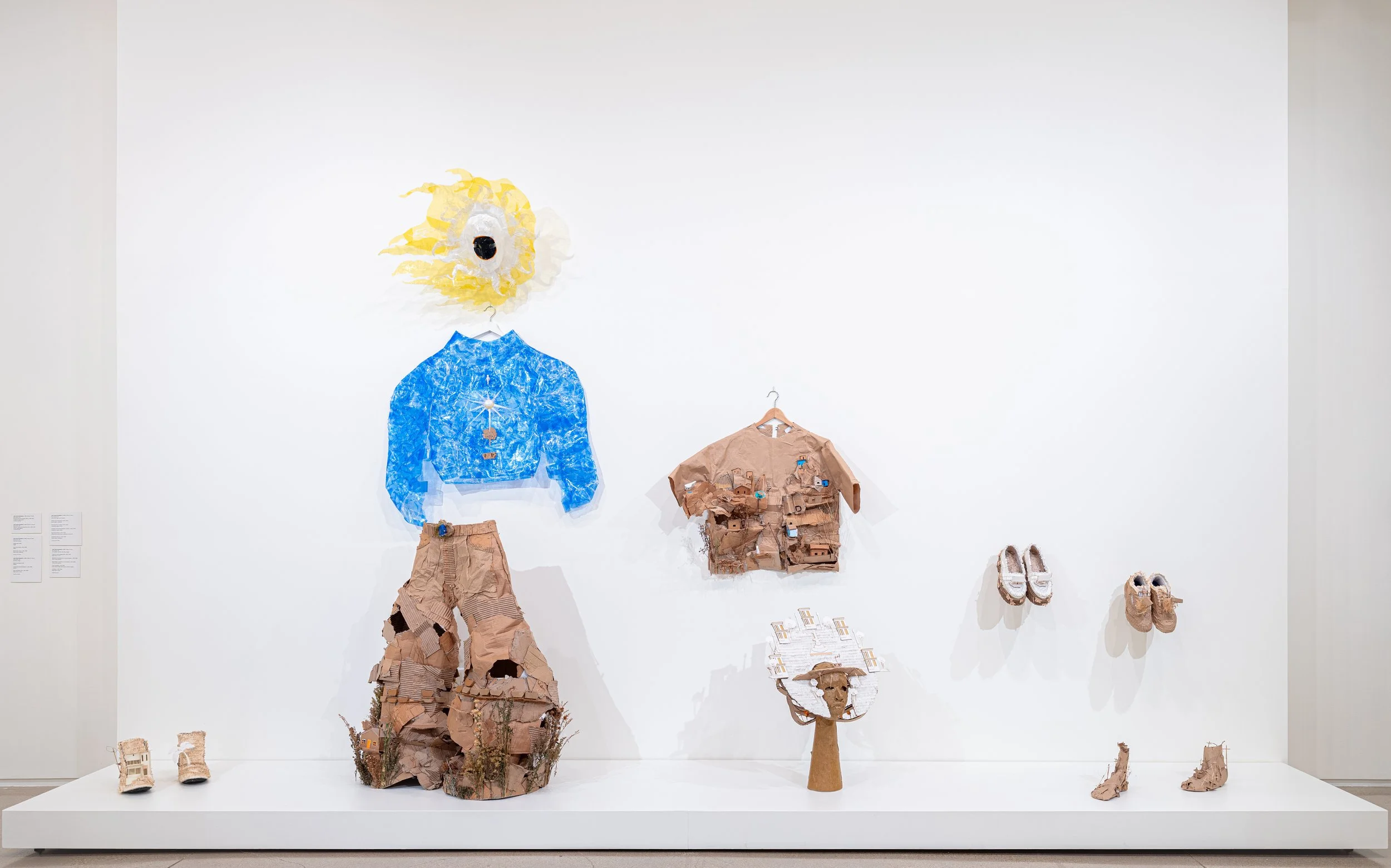
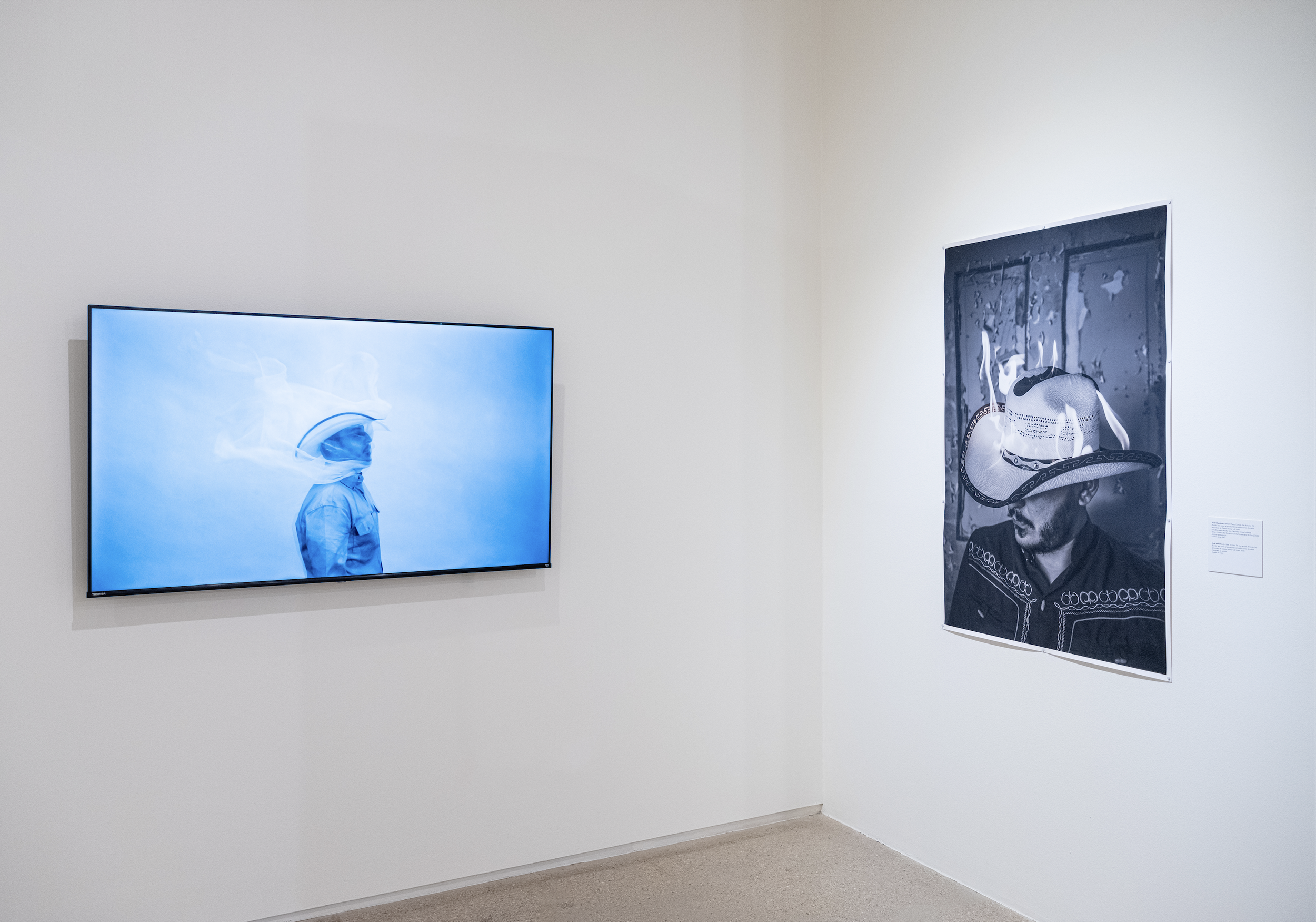
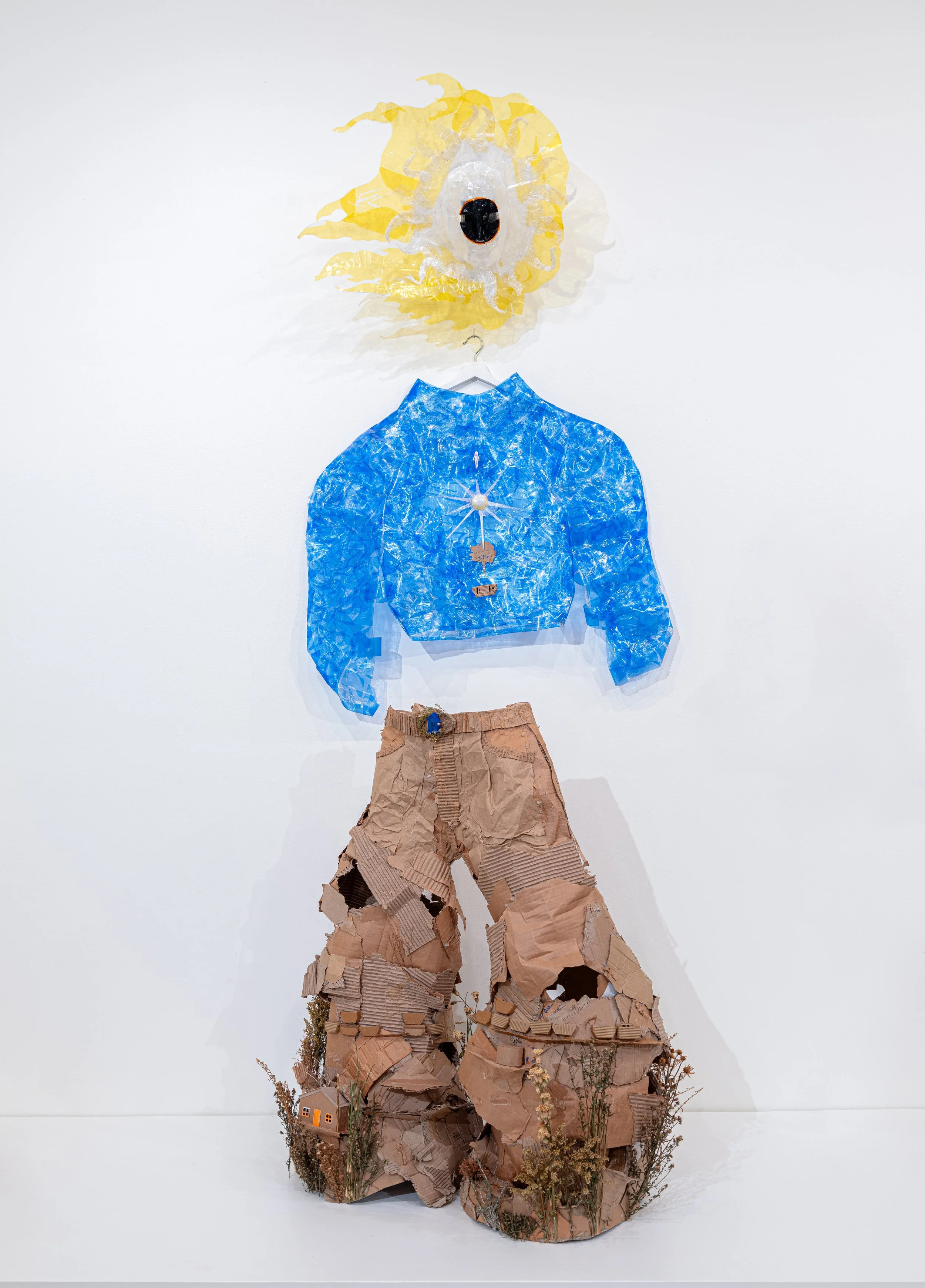
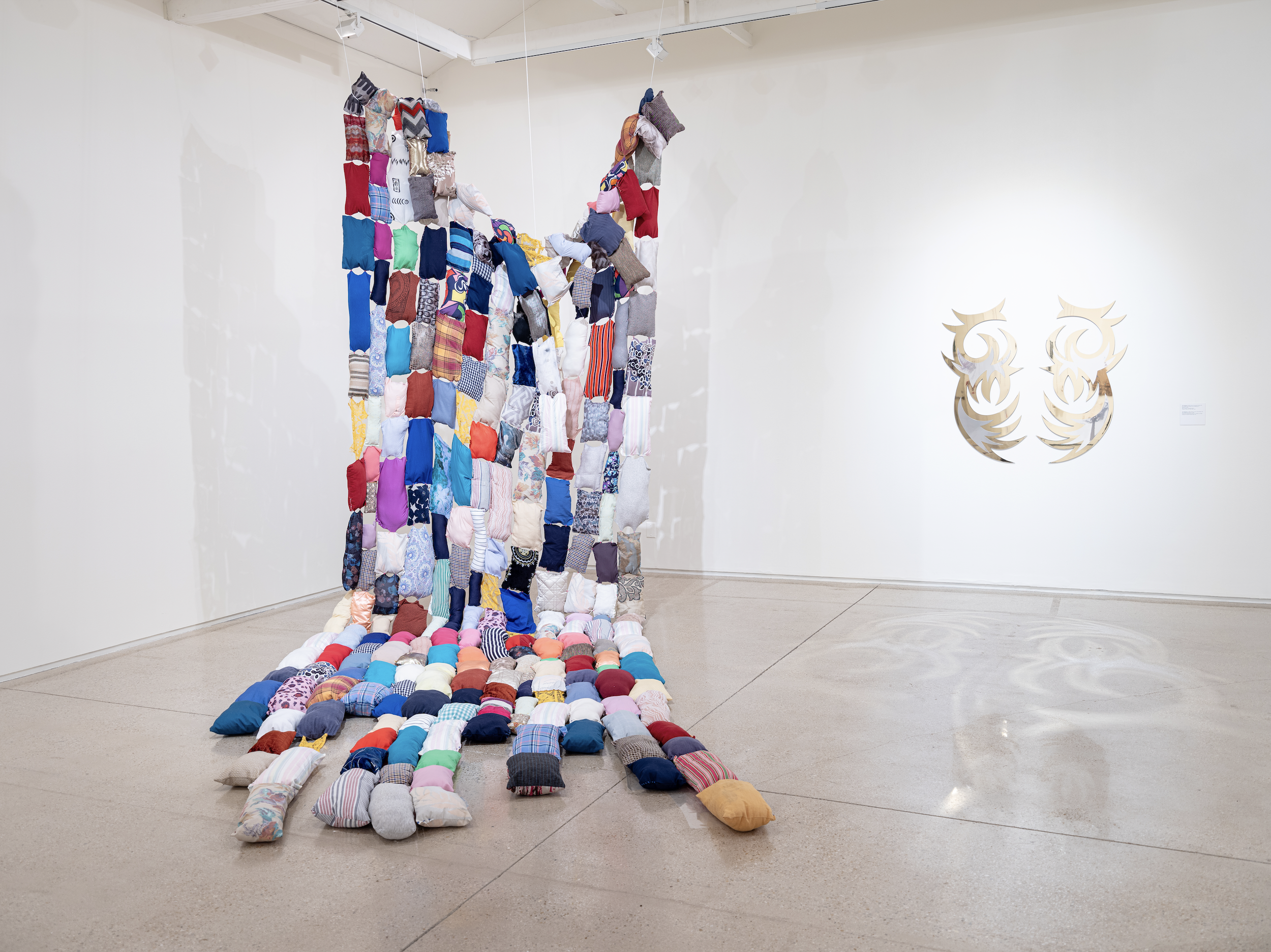
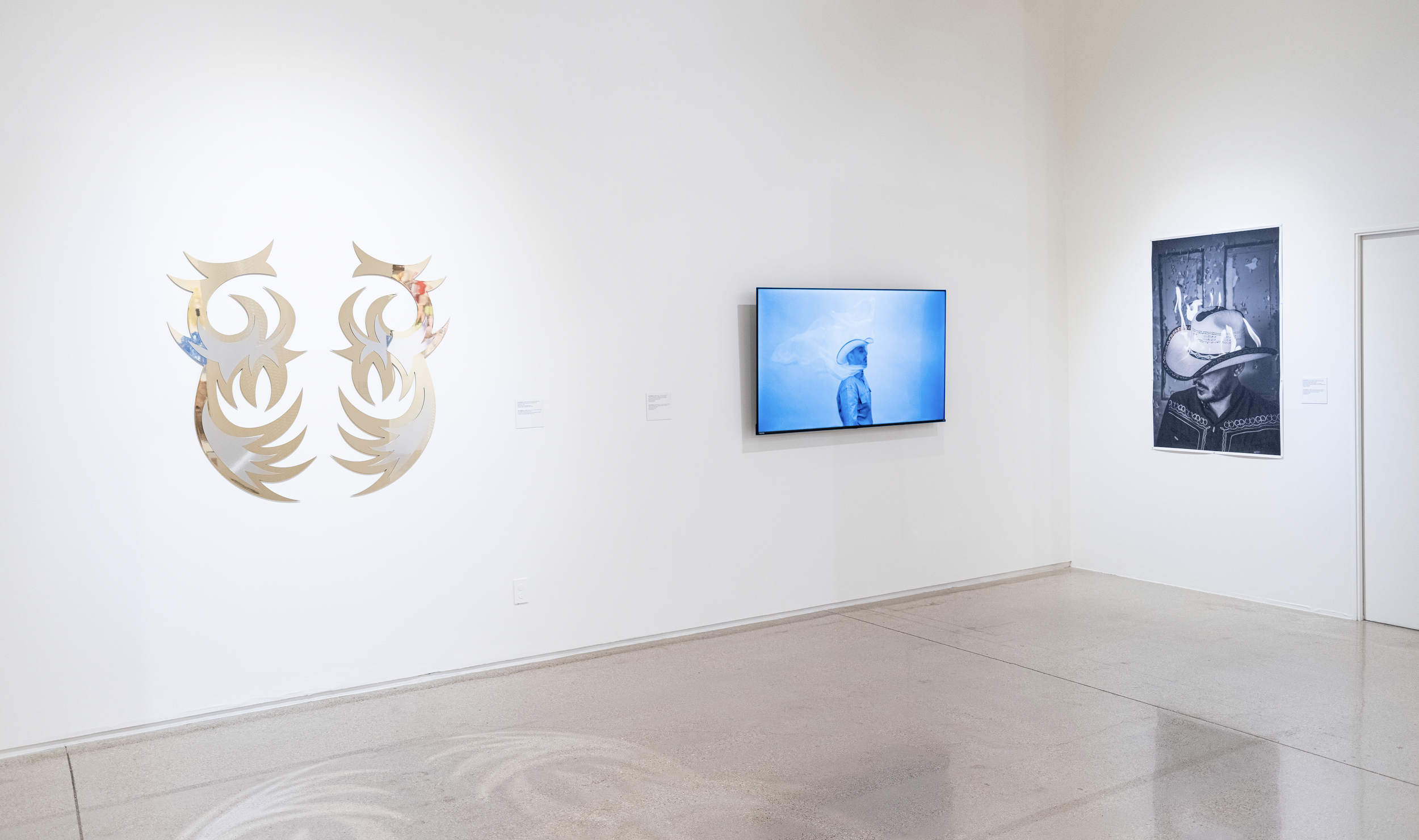
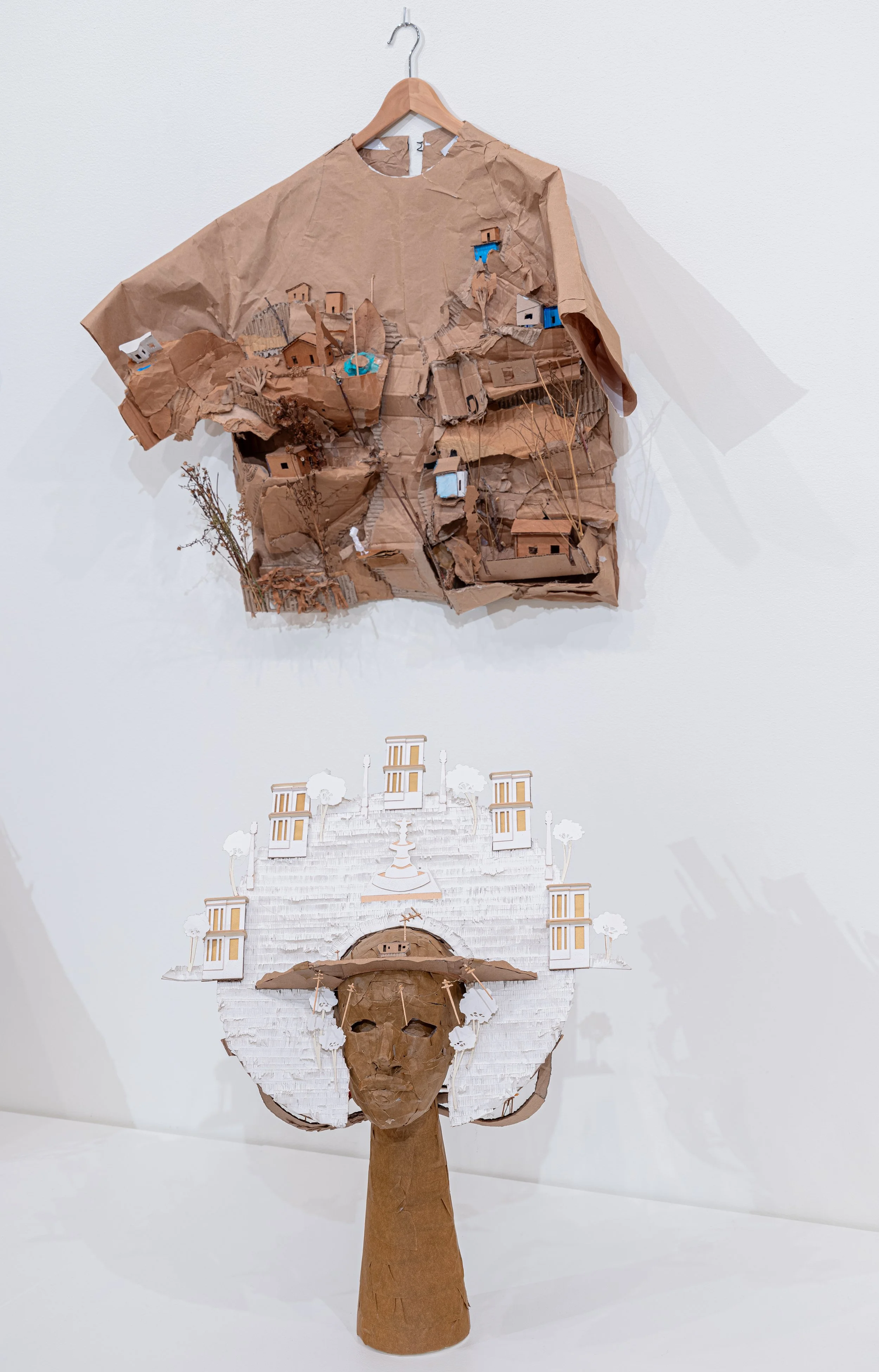
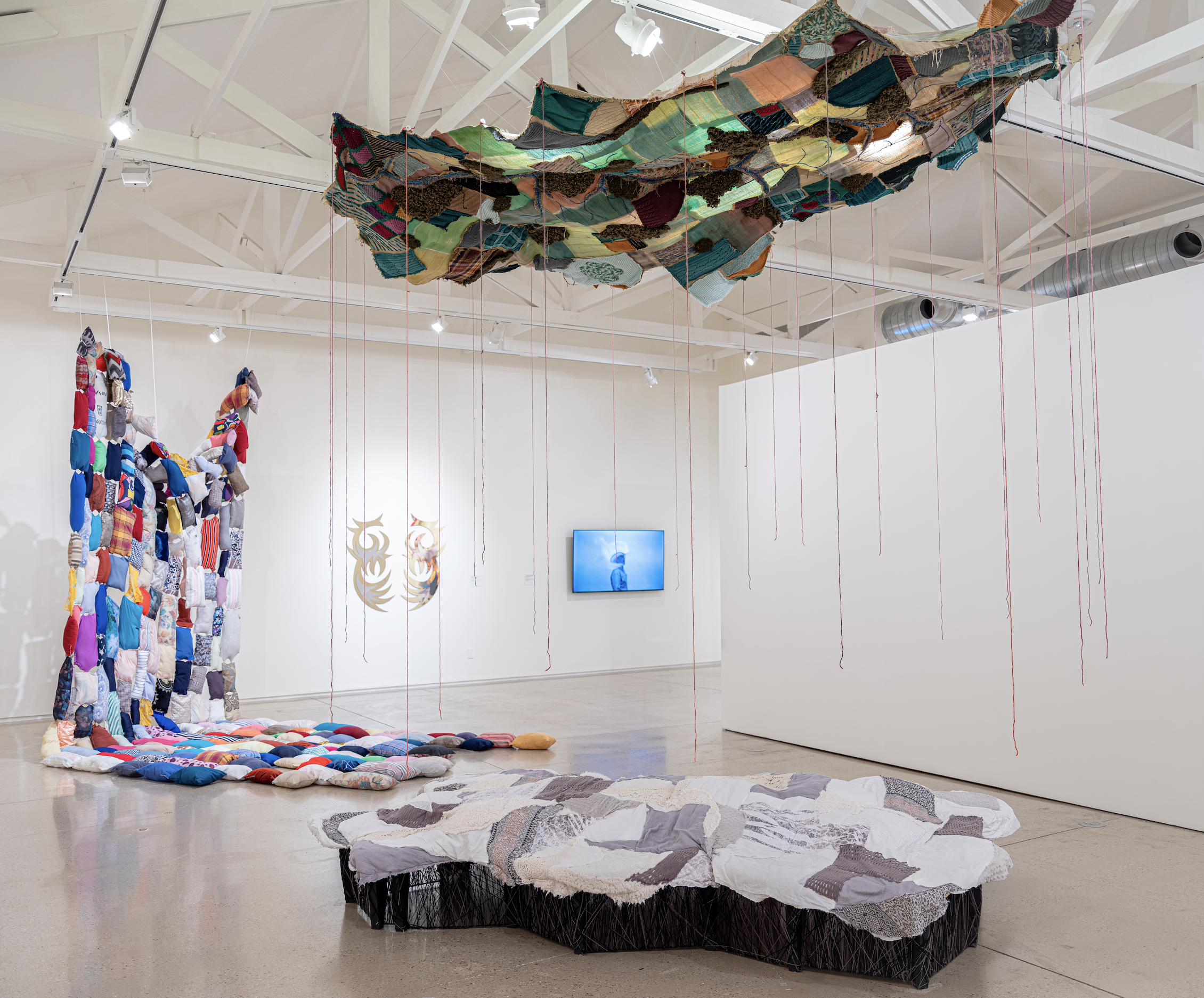
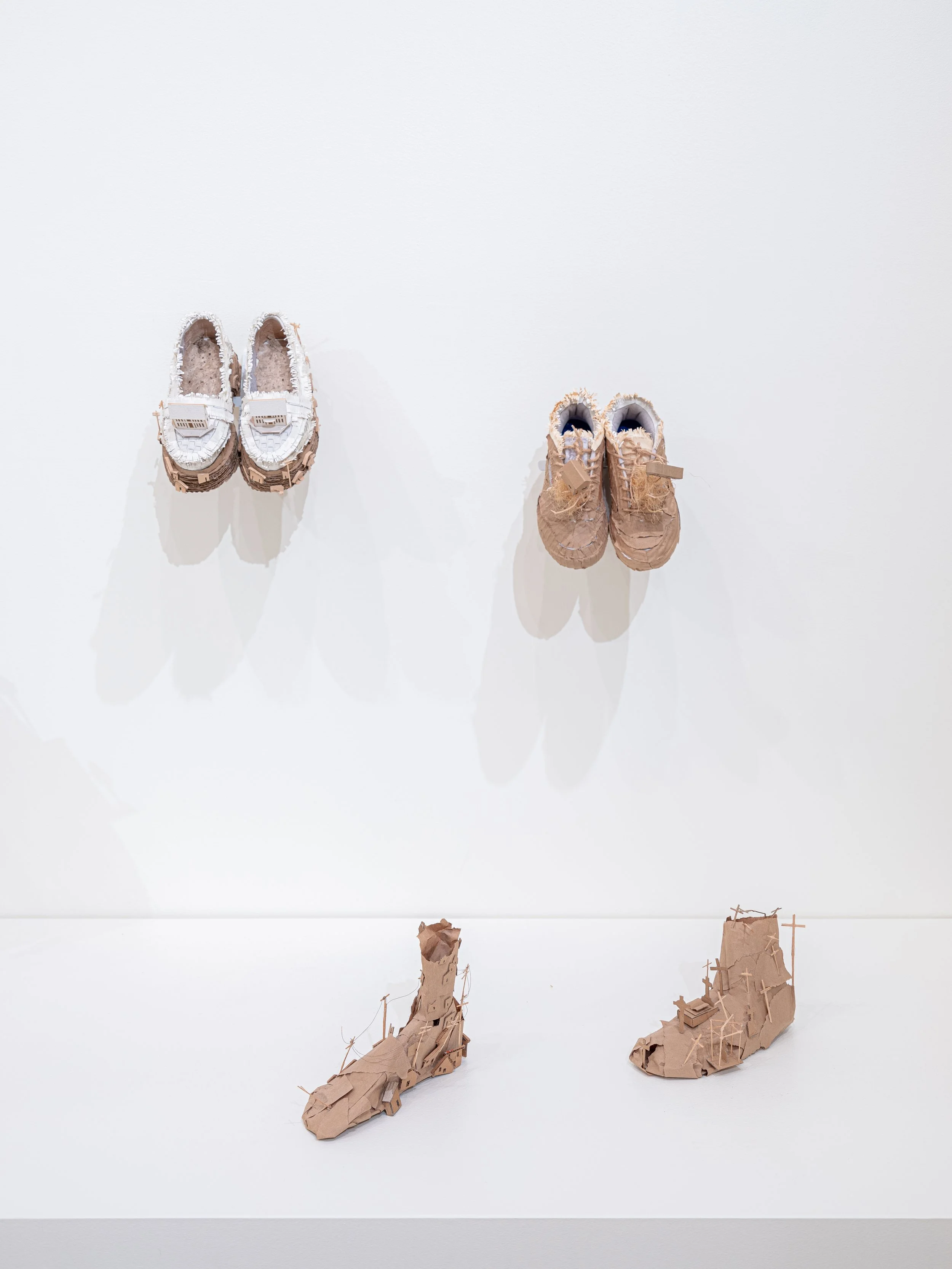
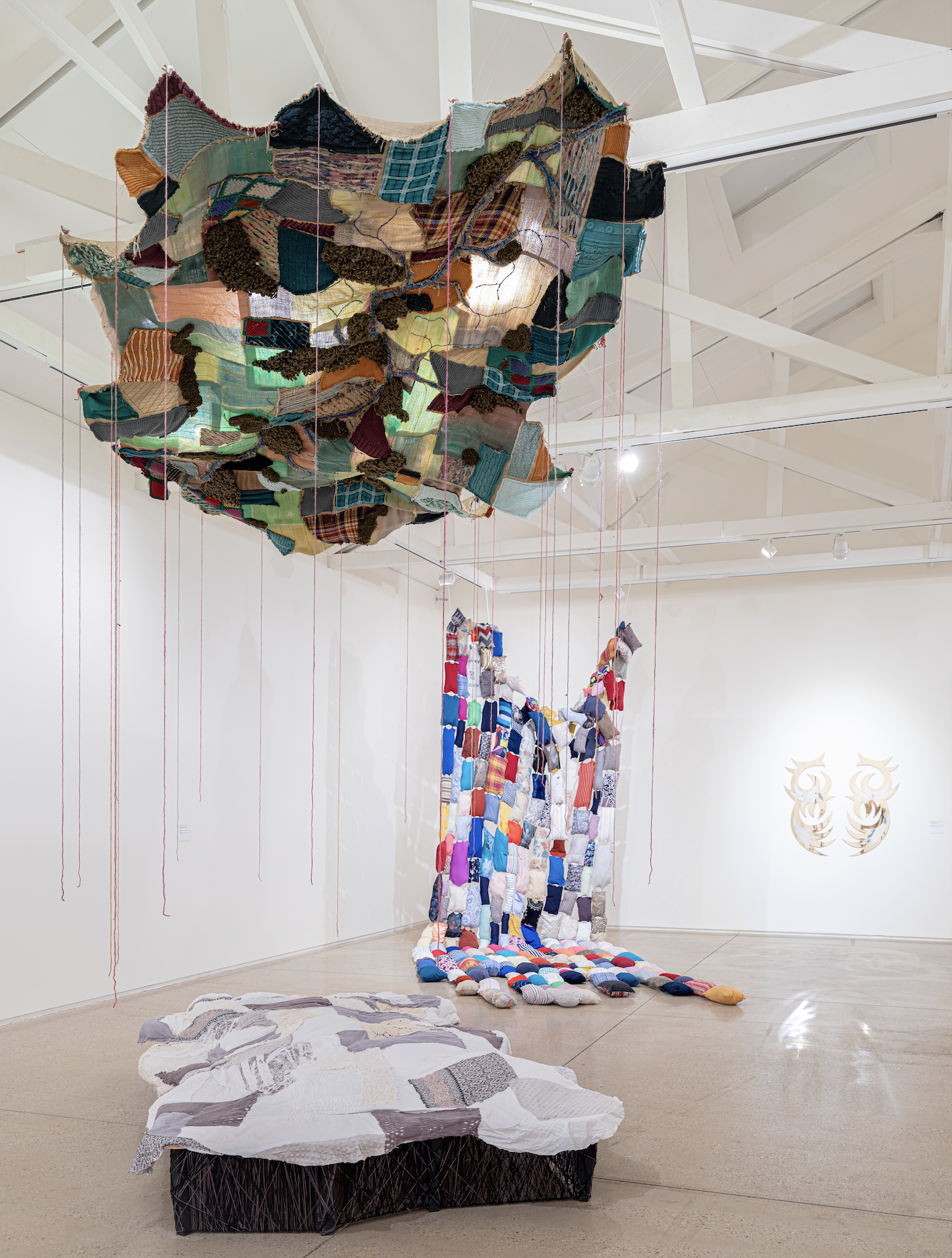
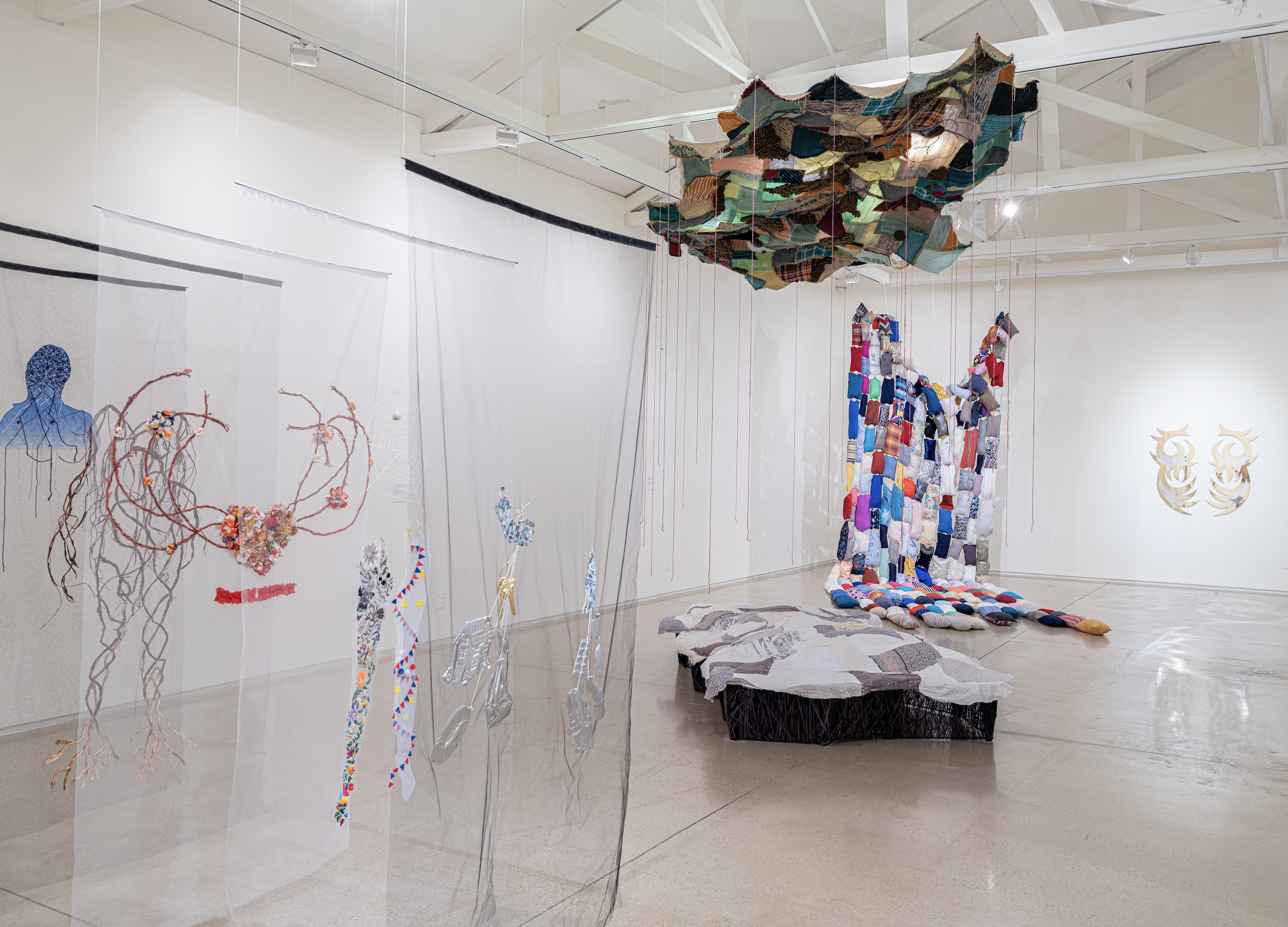
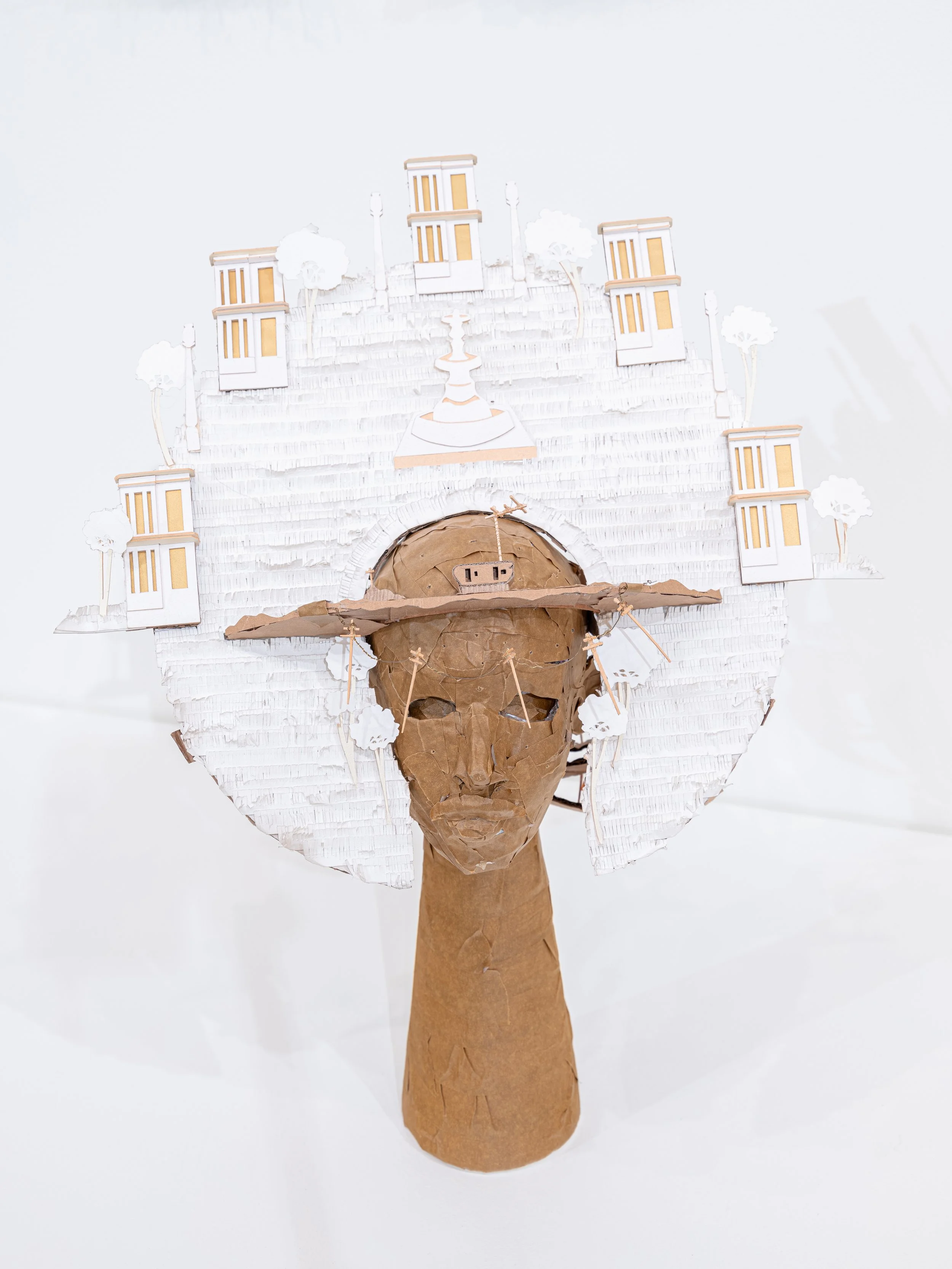
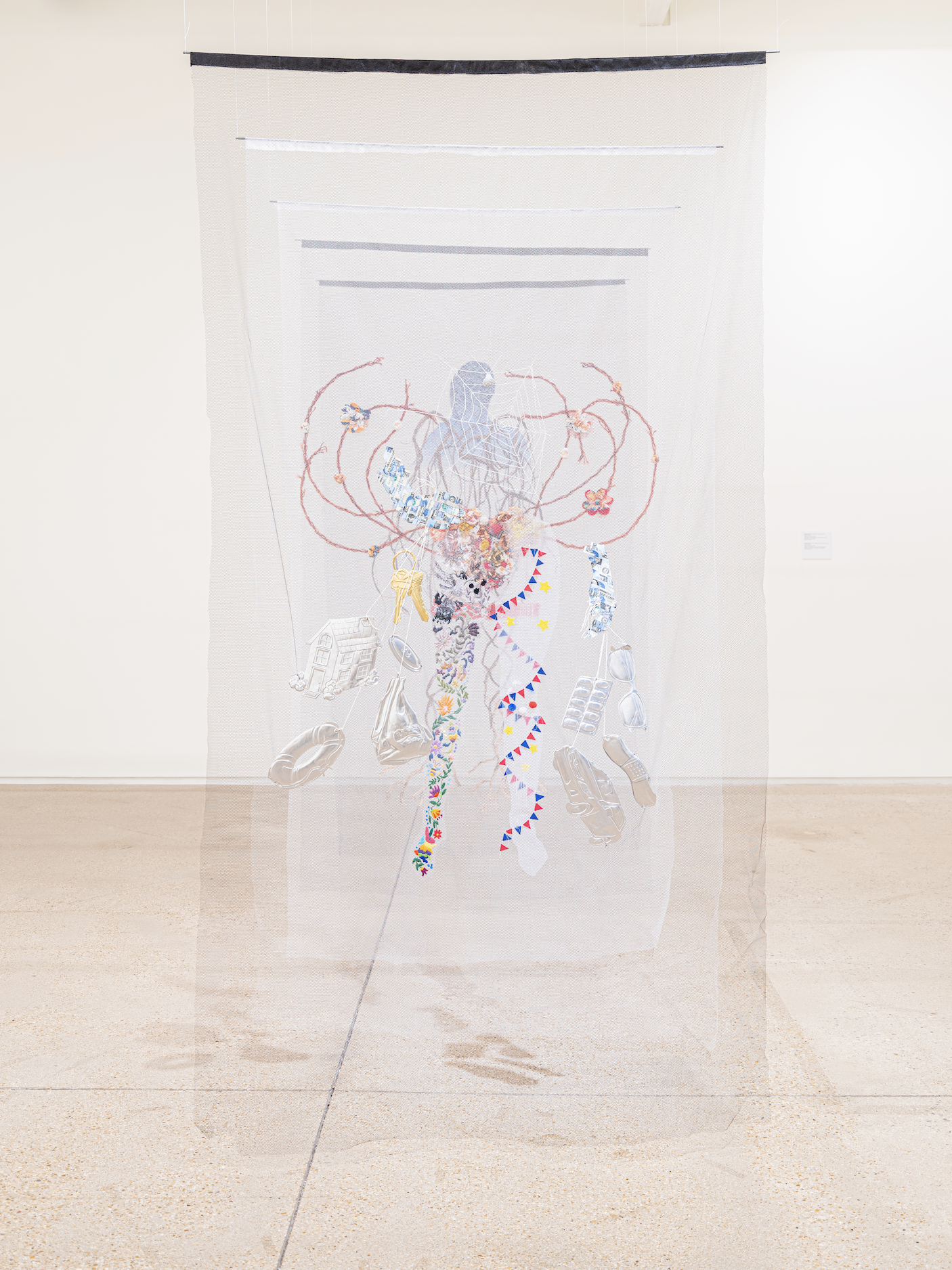
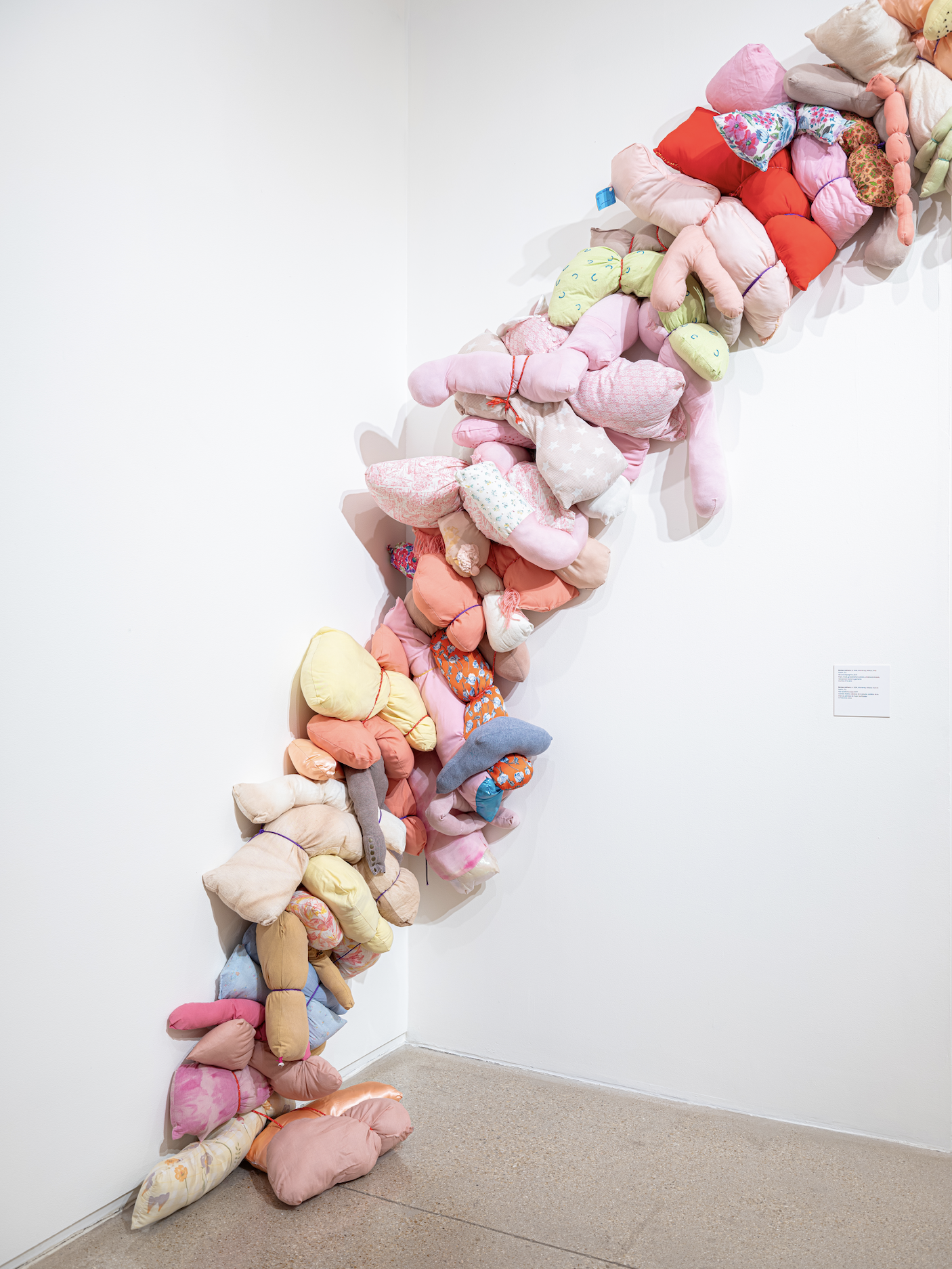
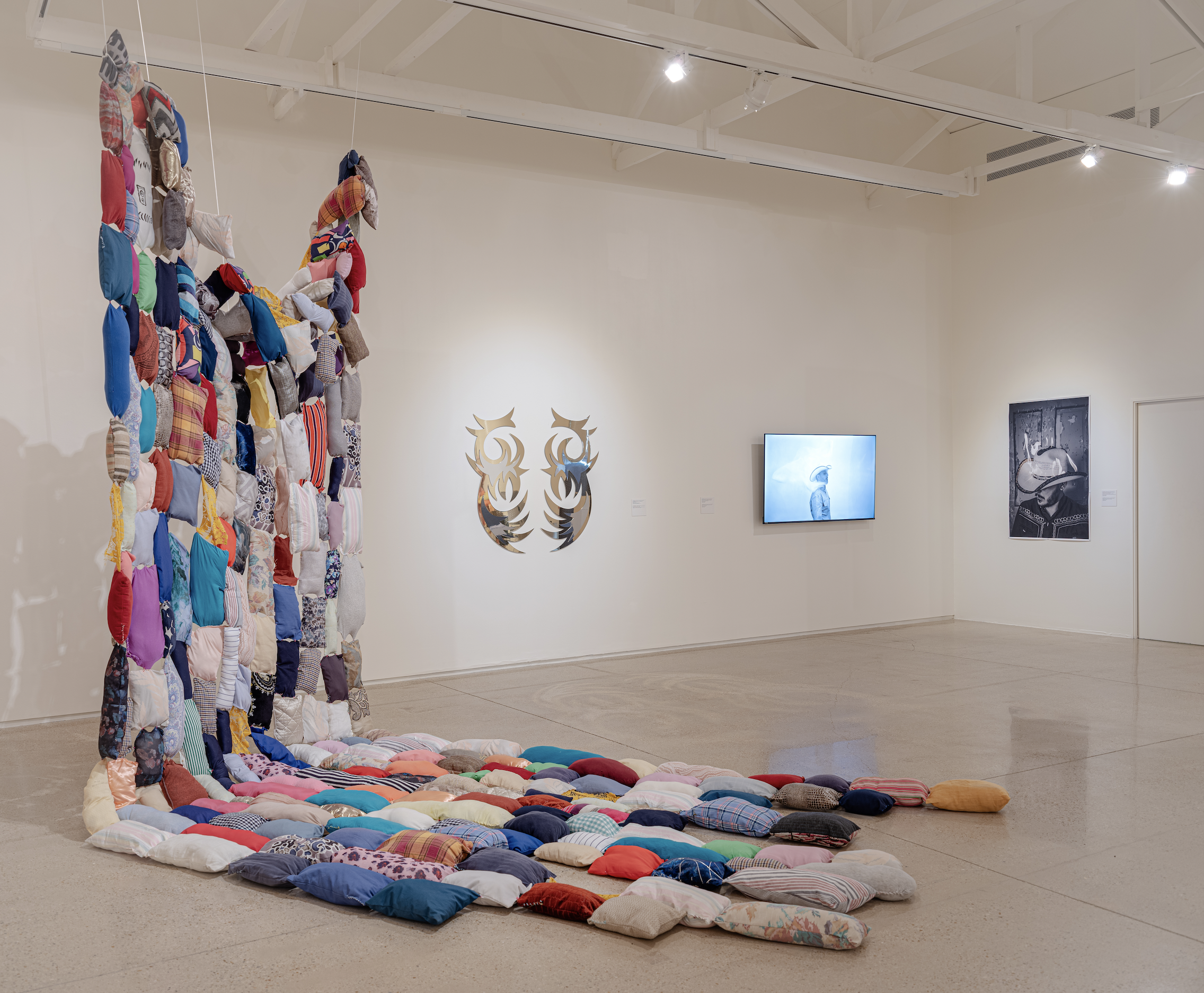

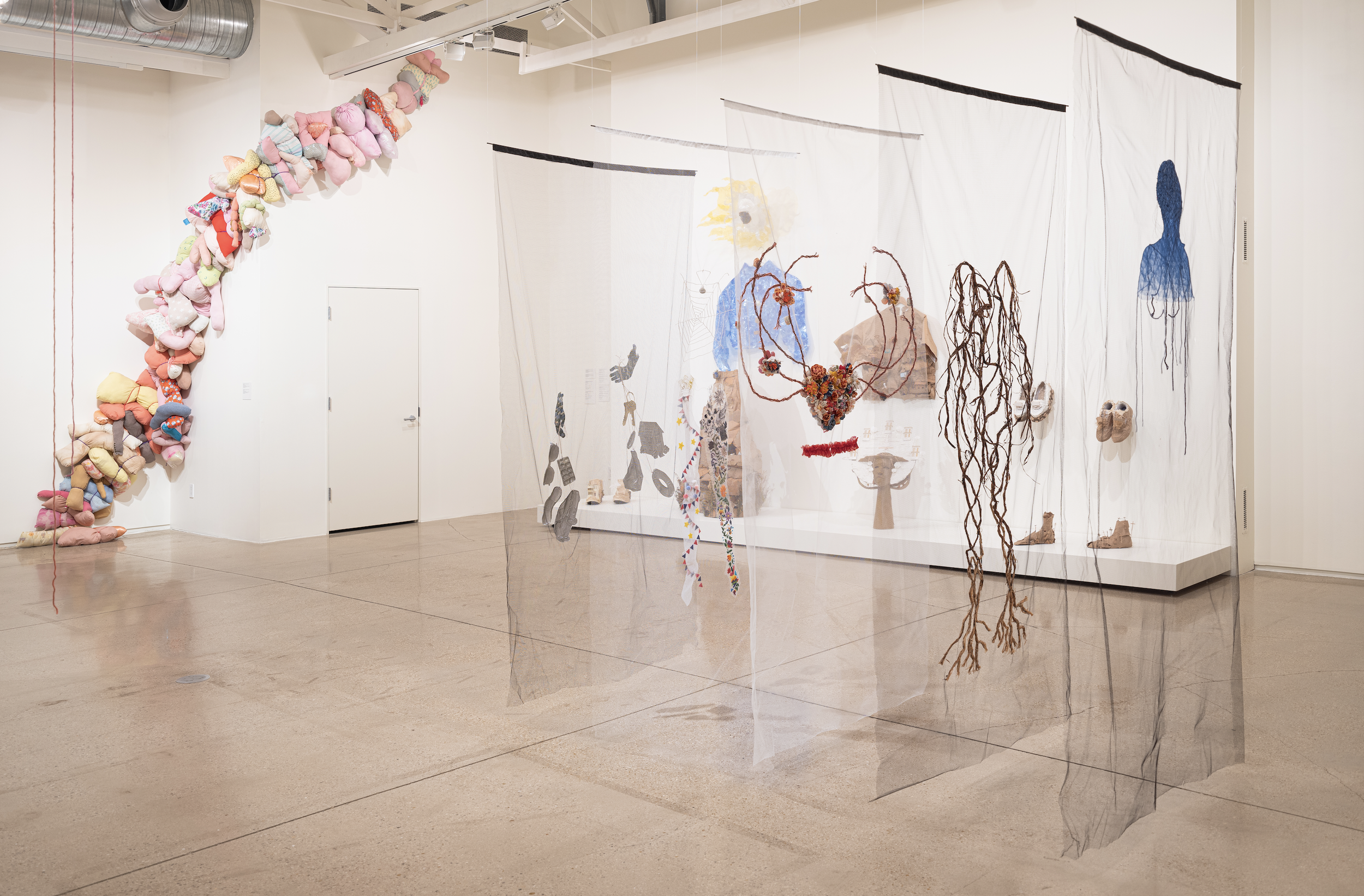
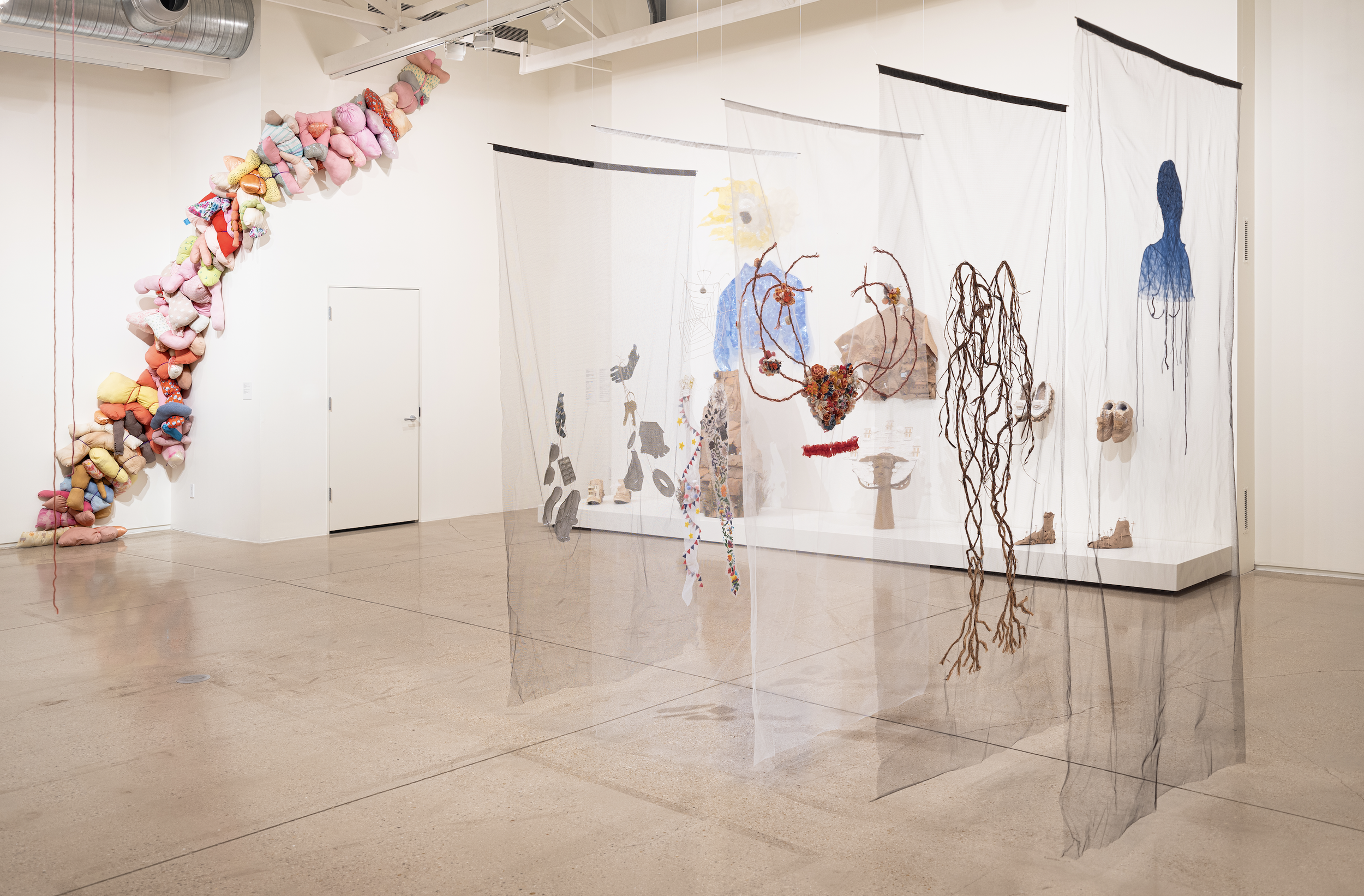
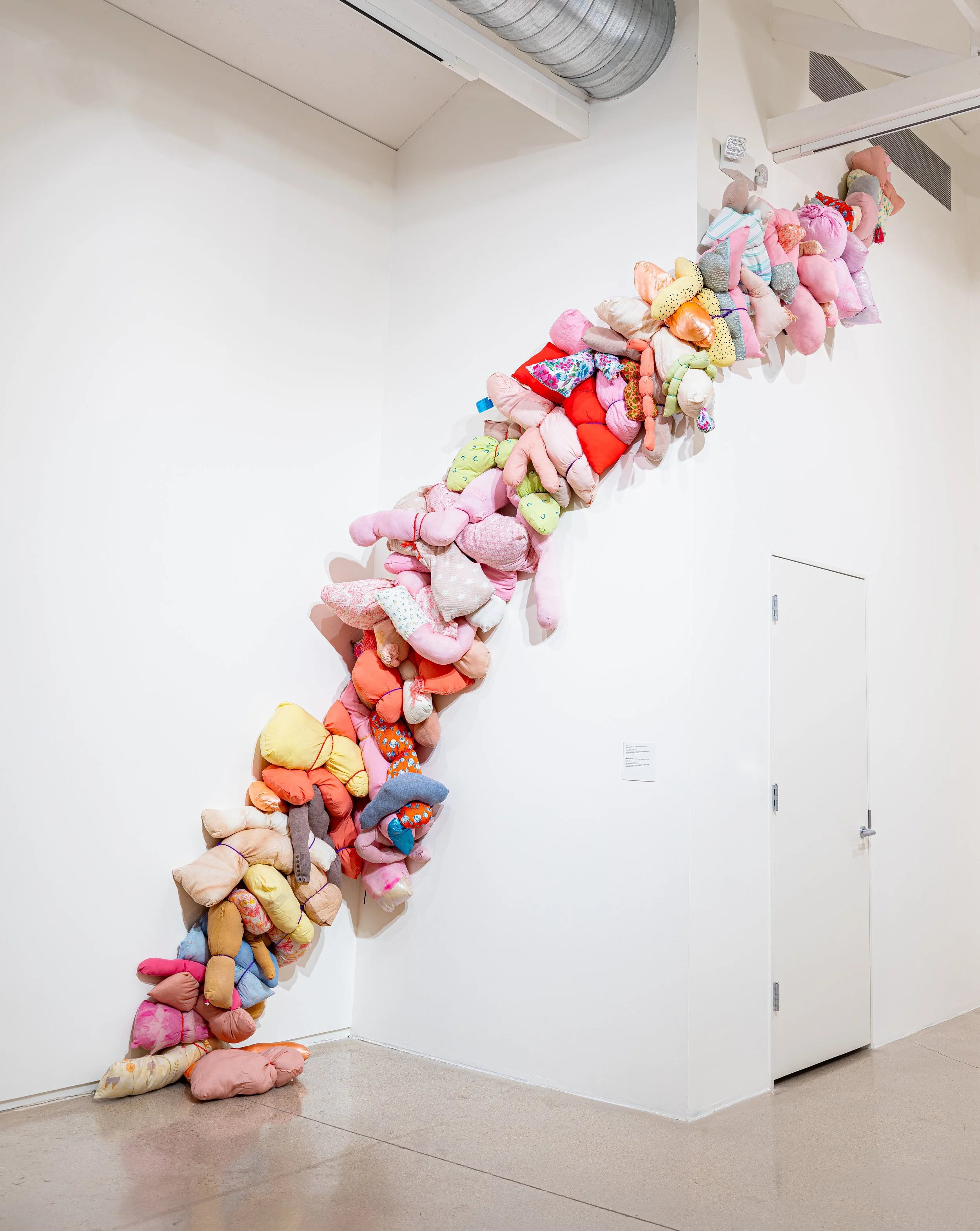
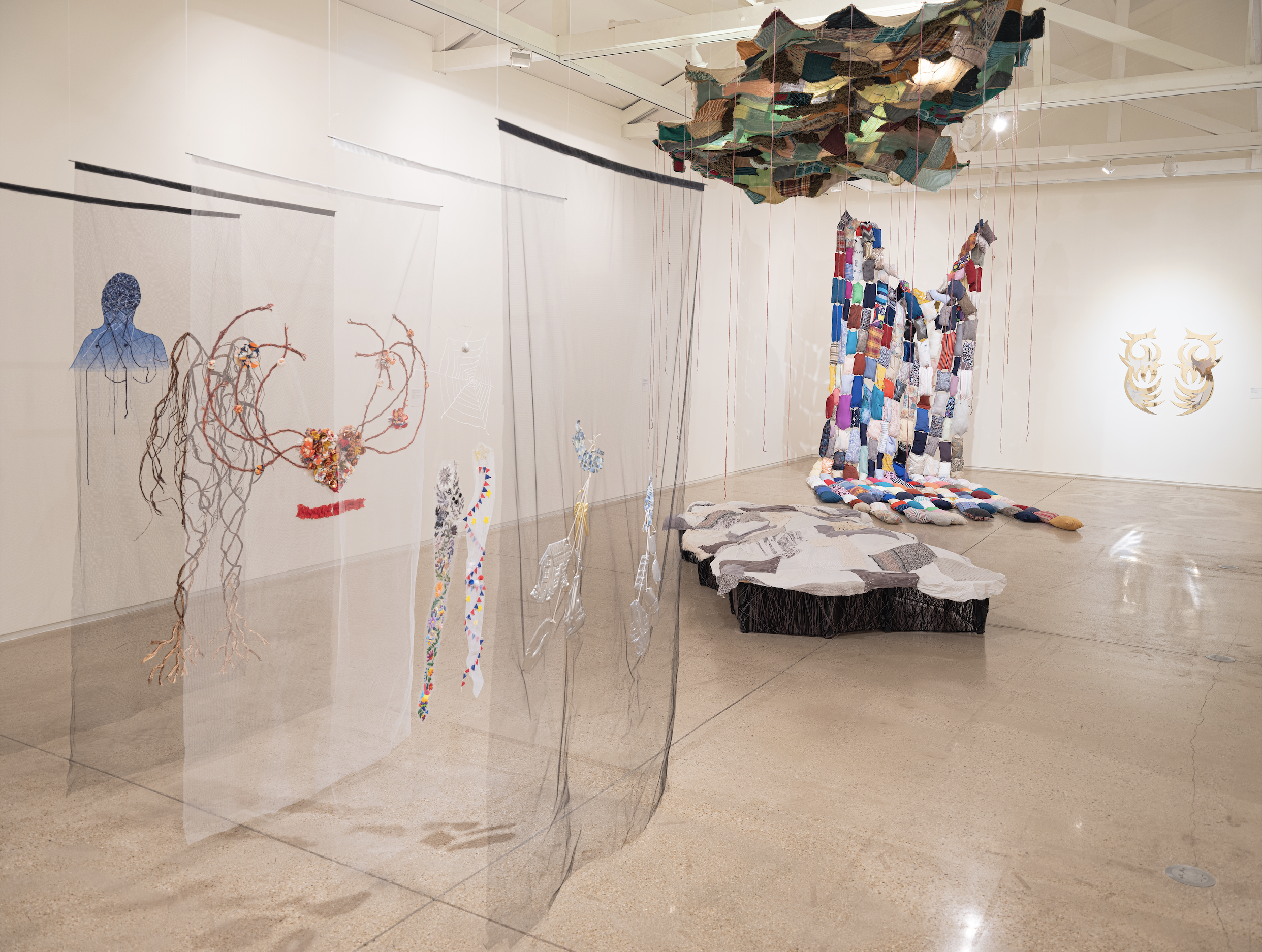
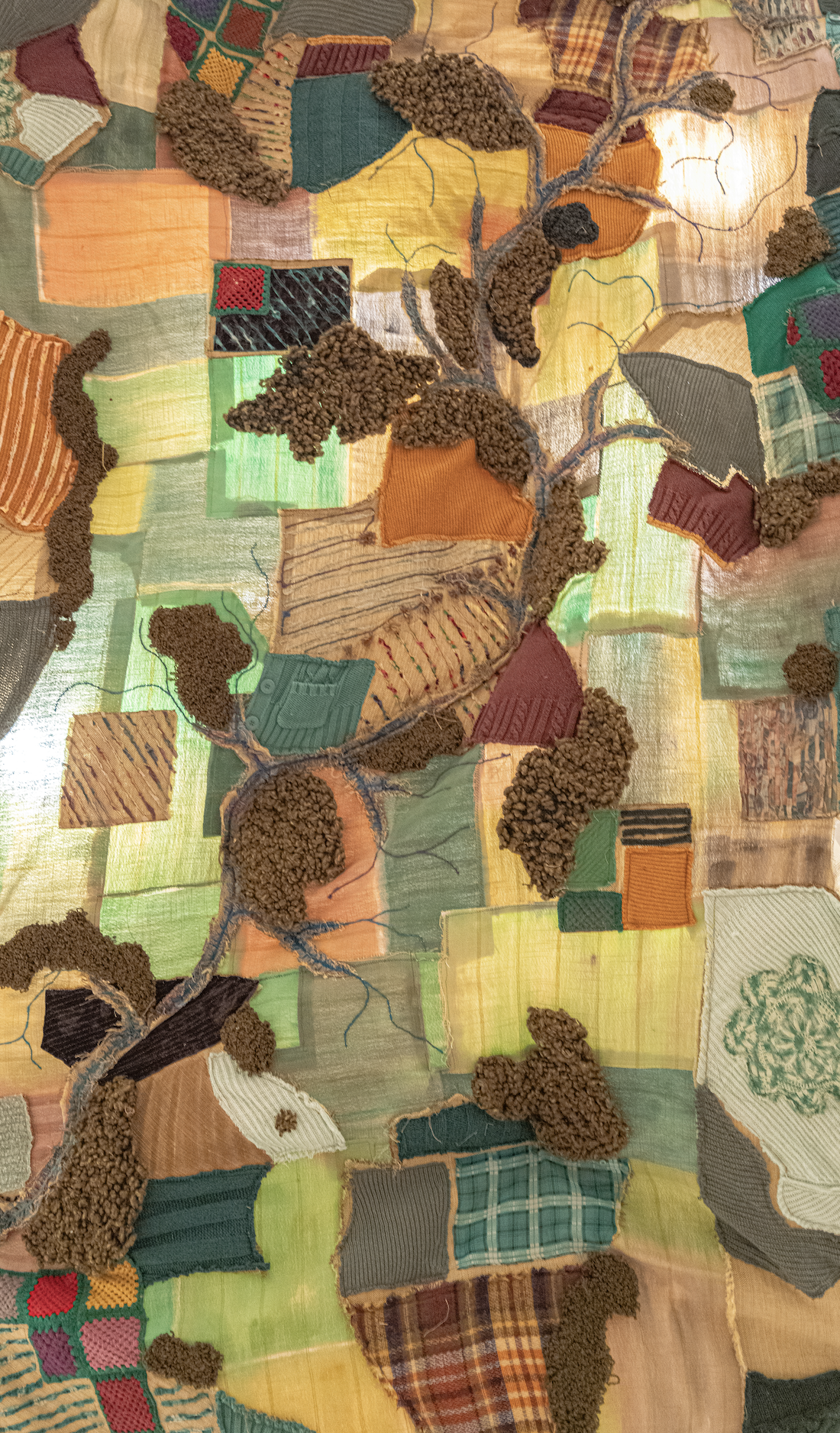
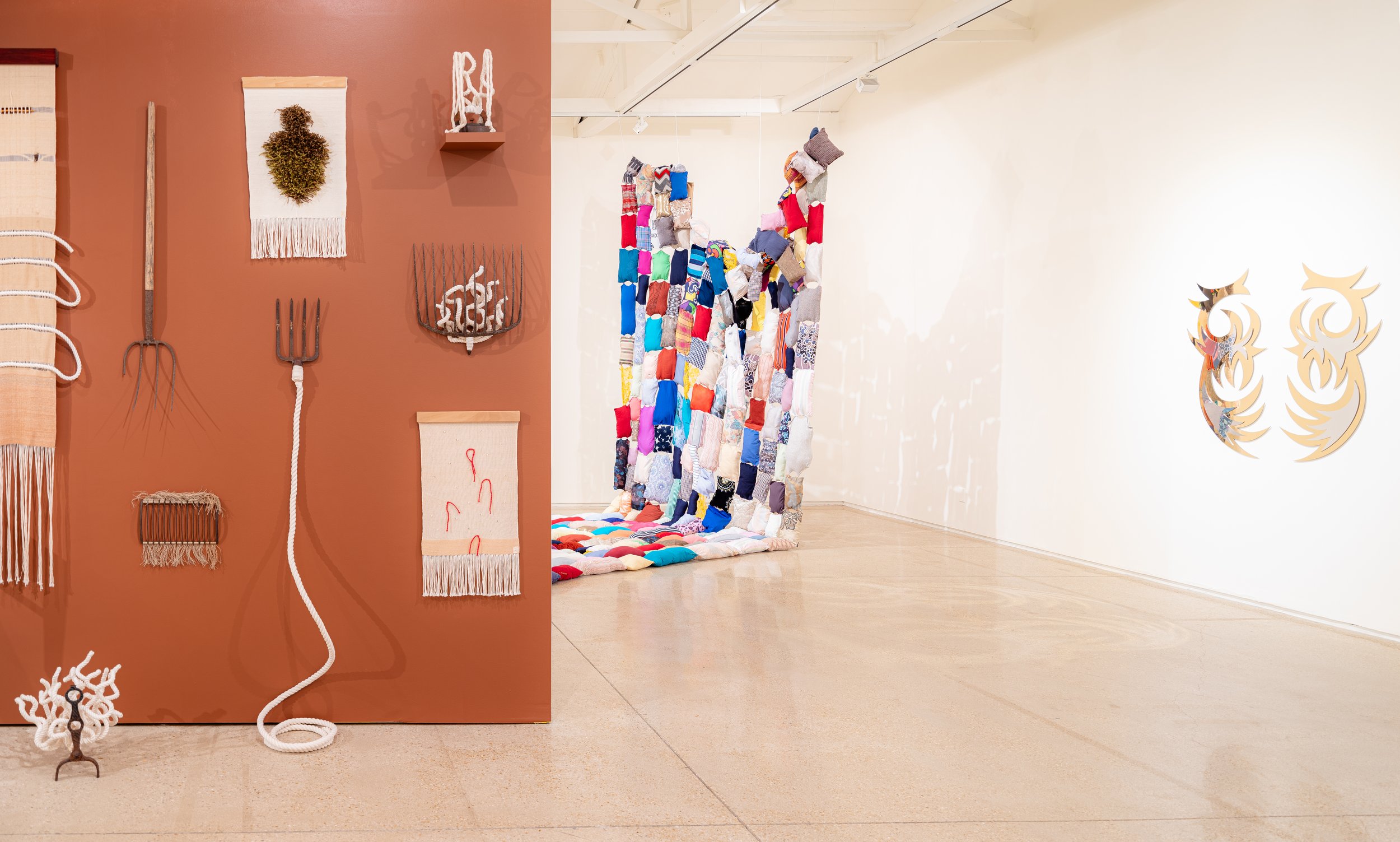
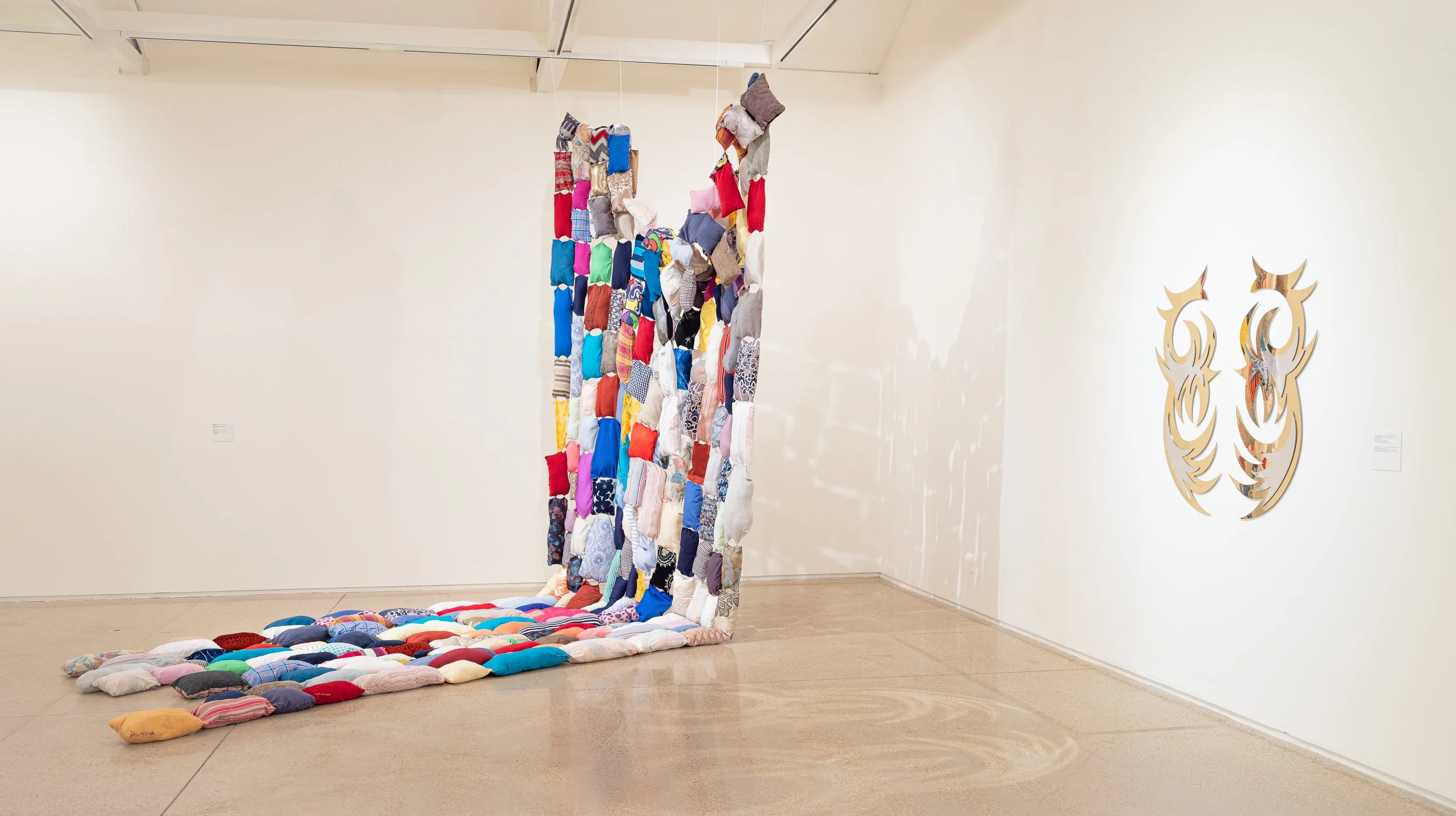
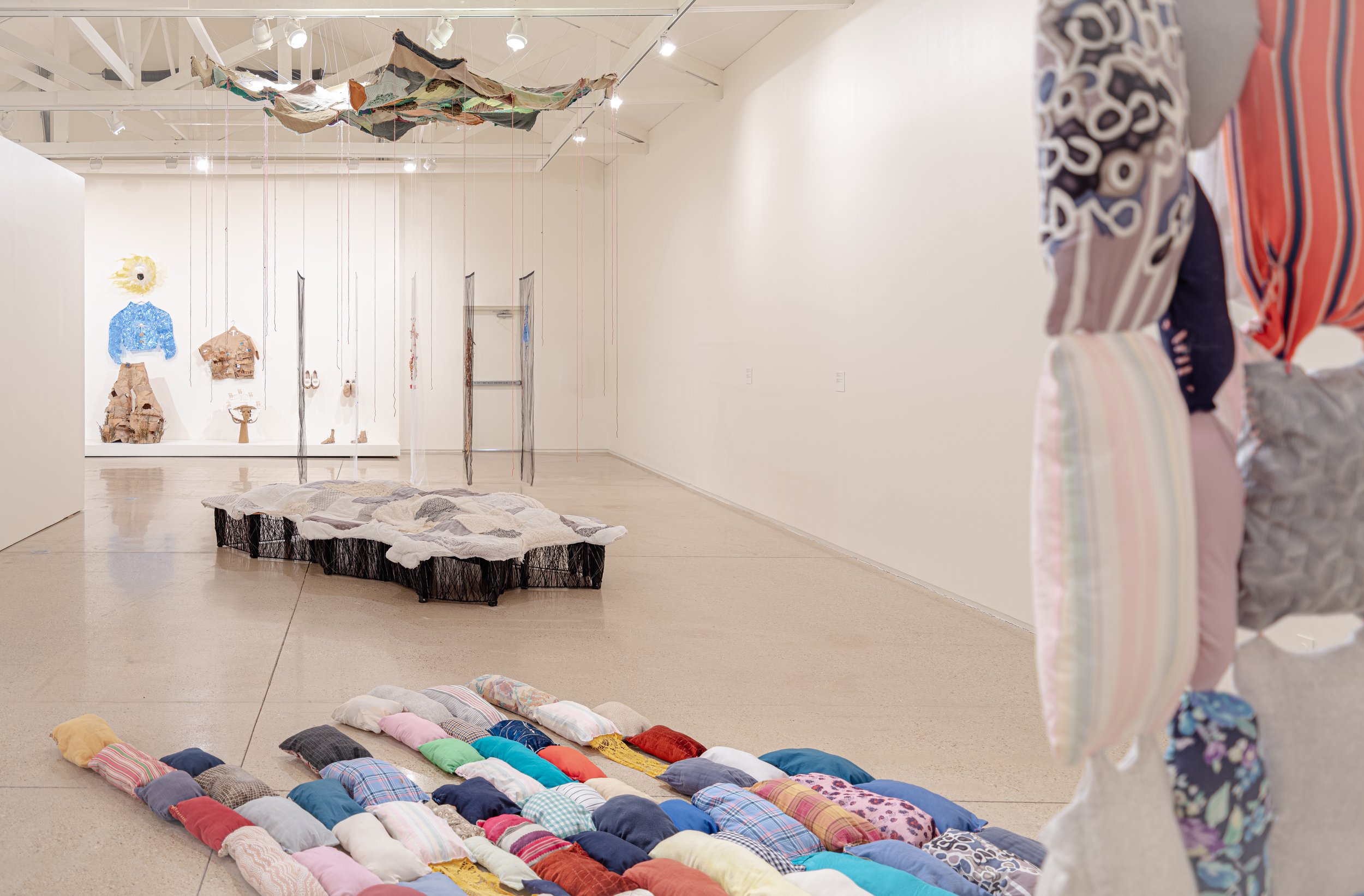
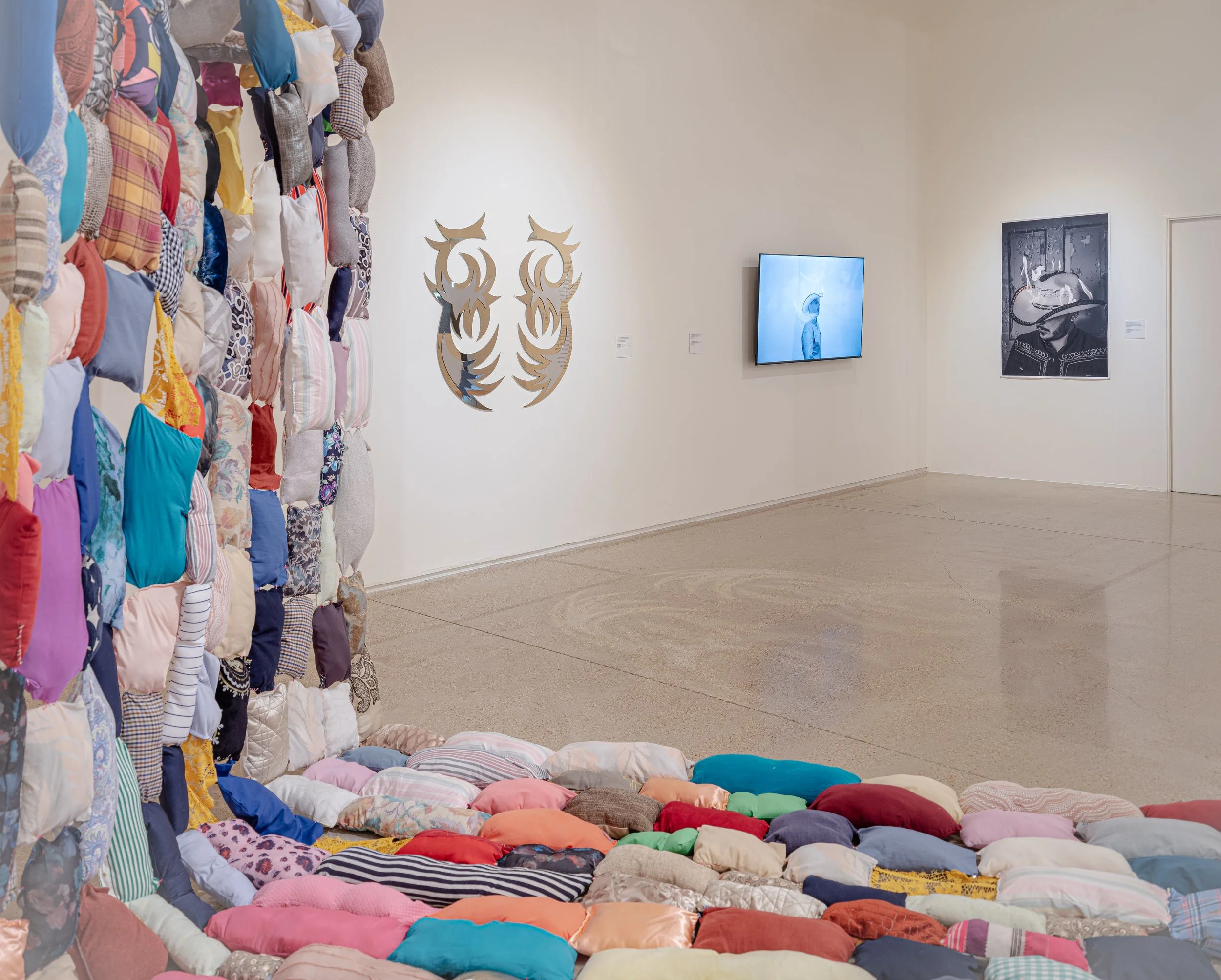
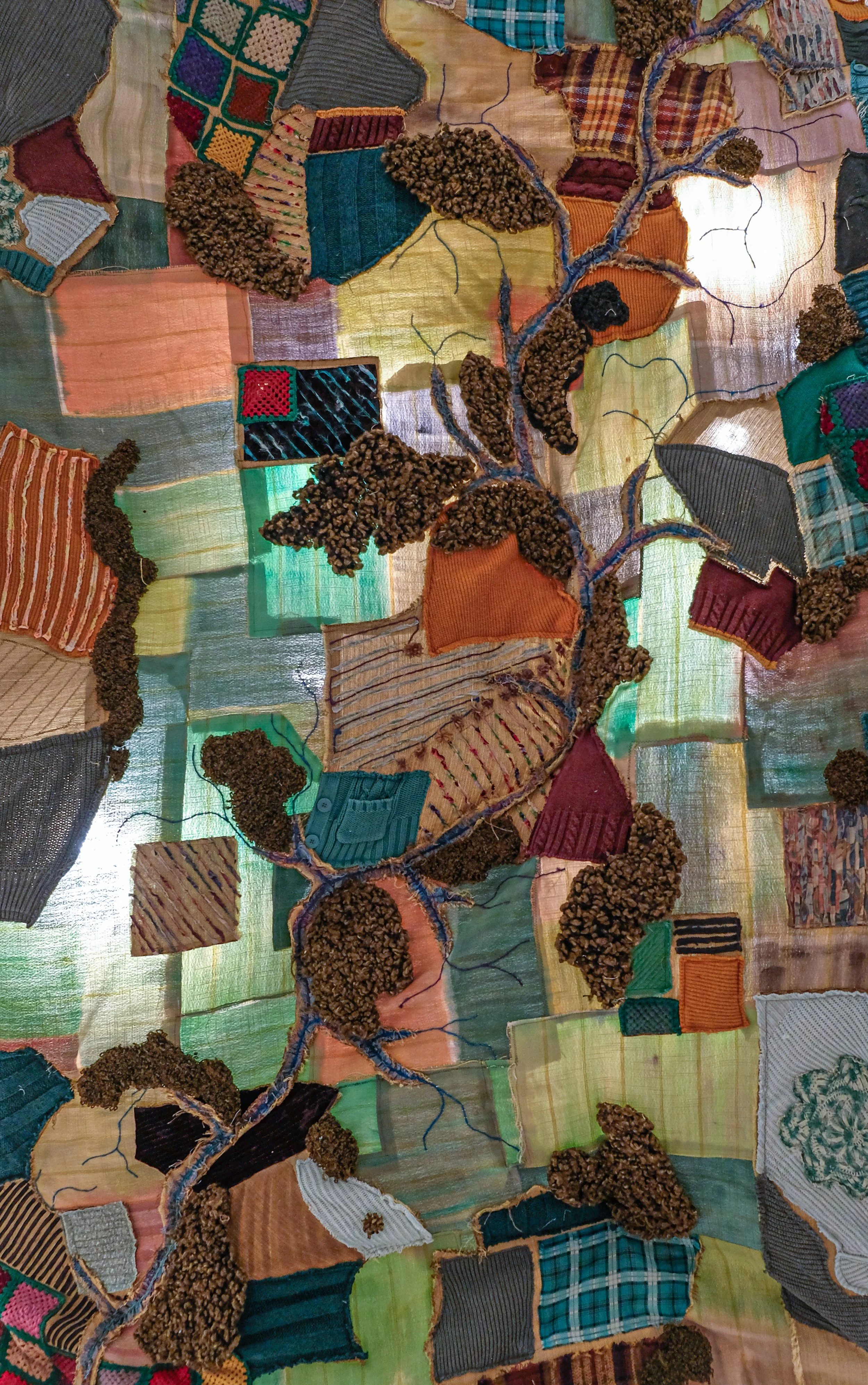
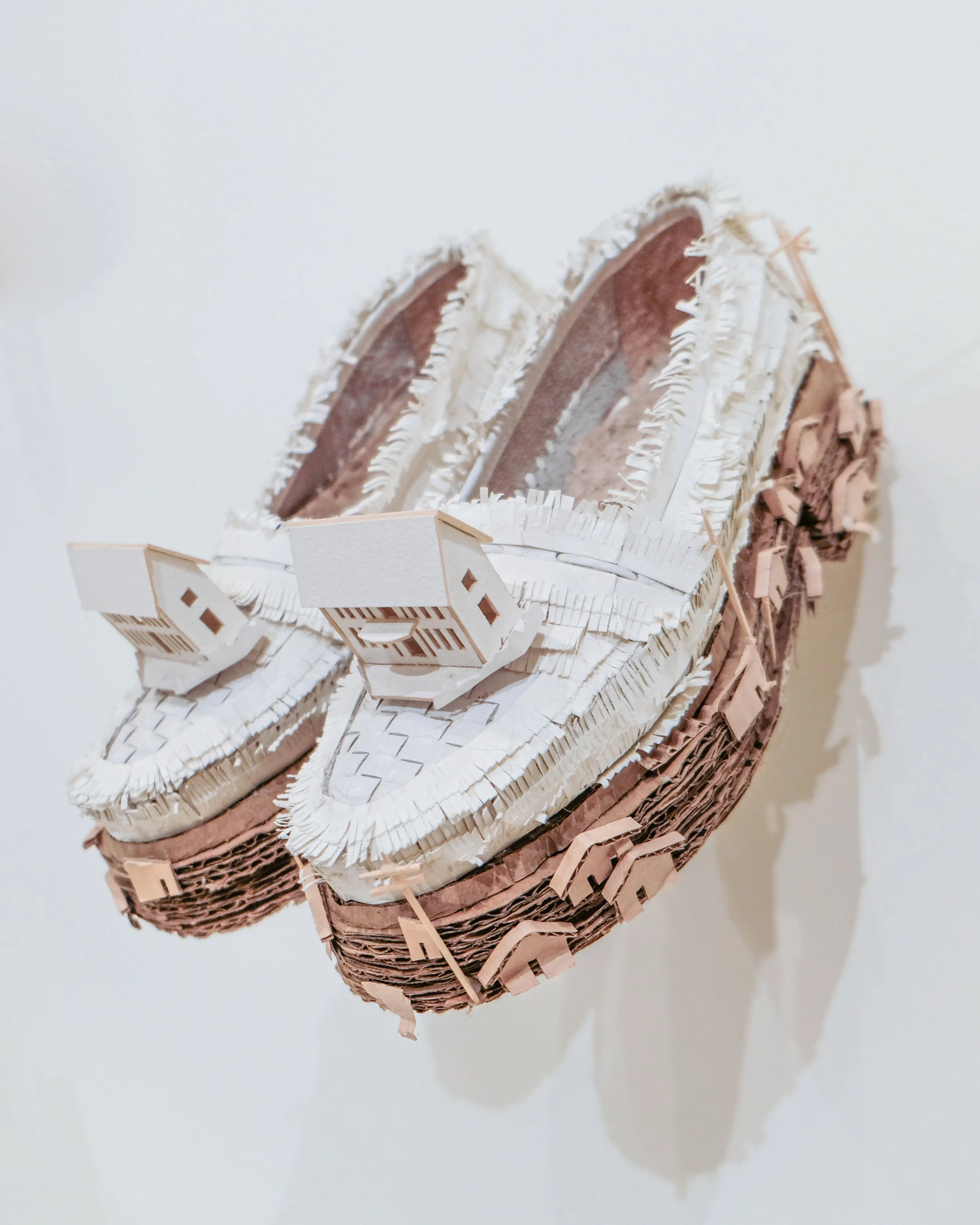
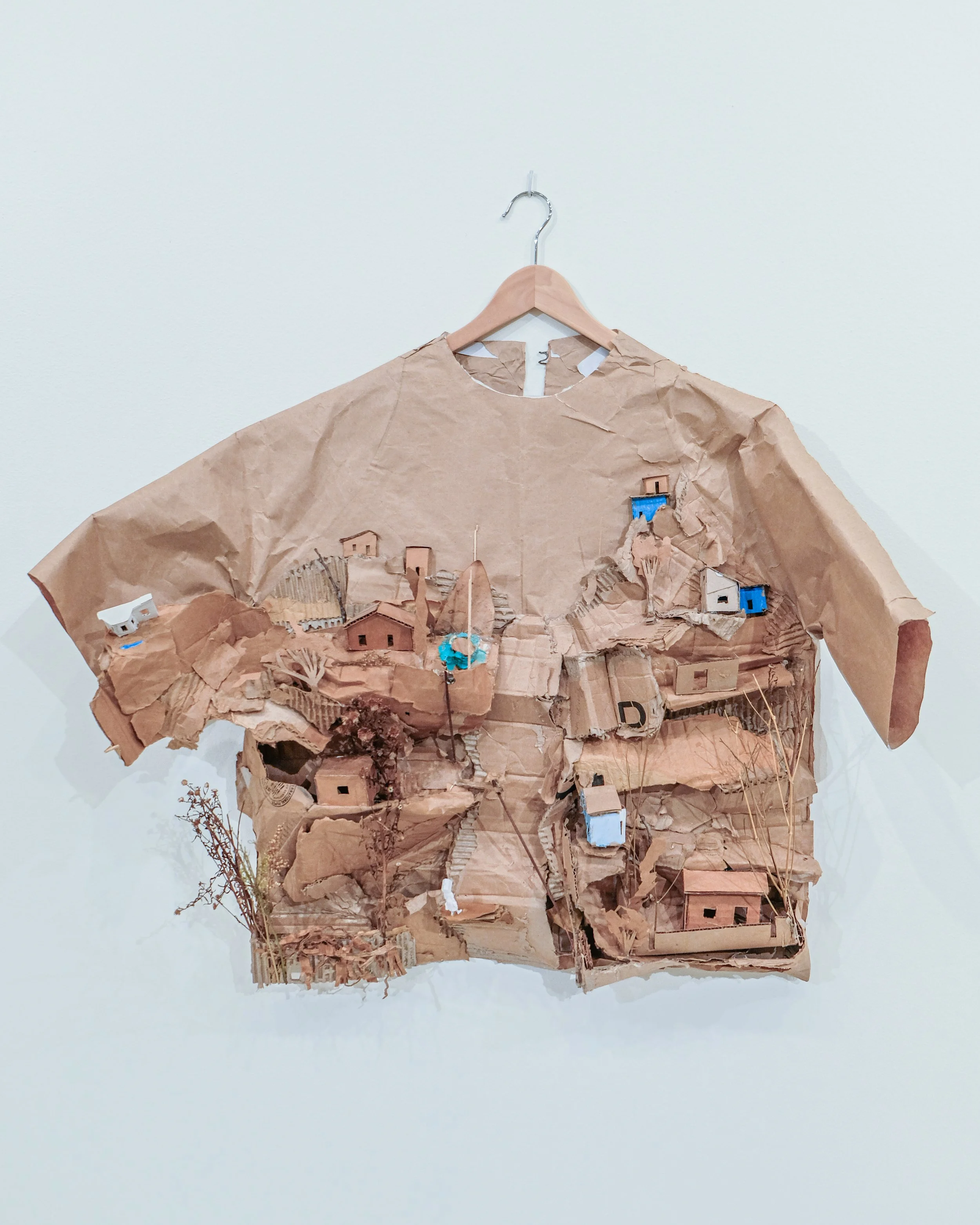
Ruby City proudly presents Synthesis & Subversion Redux, an exhibition celebrating the legacy of Frances Jean Colpitt and the evolving conversation around Latinx art. This new exhibition revisits Colpitt’s groundbreaking 1996 show, Synthesis and Subversion: A Latino Direction in San Antonio Art, and its influence on contemporary art practices today.
In 1996, Colpitt brought together a group of San Antonio-based artists—Jesse Amado, David Padilla Cabrera, Alejandro Diaz, Franco Mondini-Ruiz, Ana de Portela, and Chuck Ramirez—who explored identity, abstraction, and the everyday through conceptual approaches. The exhibition challenged norms and sparked critical debate, becoming a pivotal moment in San Antonio’s art history.
Now, nearly 30 years later, Redux builds on Colpitt’s vision while reflecting the profound changes in the art world since then. Curated by two Latinas in leadership roles at major institutions, Ruby City Director, Elyse A. Gonzales, and Curator of Latinx Art at the McNay Art Museum, Mia Lopez, Redux showcases the work of five contemporary artists: Juan Carlos Escobedo, Jenelle Esparza, Bárbara Miñarro, Angeles Salinas, and José Villalobos. These artists bring fresh perspectives to themes of identity, memory, and culture, often through craft-informed practices that incorporate textiles, personal history, and connections to the U.S.-Mexico border.
In her original exhibition, Colpitt explored how Latinx artists could synthesize personal and cultural experiences with conceptual art practices. The artists featured in Redux honor this foundation while addressing contemporary issues like gender, migration, and bicultural identity. Their works embody hybridity and intersectionality, using materials such as textiles and clothing to weave together stories of resilience, family, and heritage.
This new iteration also reflects a significant societal shift. In the 1990s, the art world often overlooked artists working outside mainstream contemporary discourse. Today, these historically marginalized practices are embraced as central to the broader narrative of contemporary art, celebrated for their ability to challenge conventions, elevate diverse voices, and offer fresh perspectives on identity and cultural heritage.
The exhibition will be on view from February 15, 2025 through September 28, 2025 at Studio, located inside Chris Park. The opening reception, which will feature an exhibition walkthrough with both Gonzalez and co-curator, Lopez, will take place on Saturday, February 15 from 2-3PM with a reception following from 3-5PM. The event is free and open to the public.
UNSETTLED EYE
Ruby City
210-227-8400
150 Camp St.
San Antonio, Texas, 78283
Jun 1, 2024 — May 11, 2025
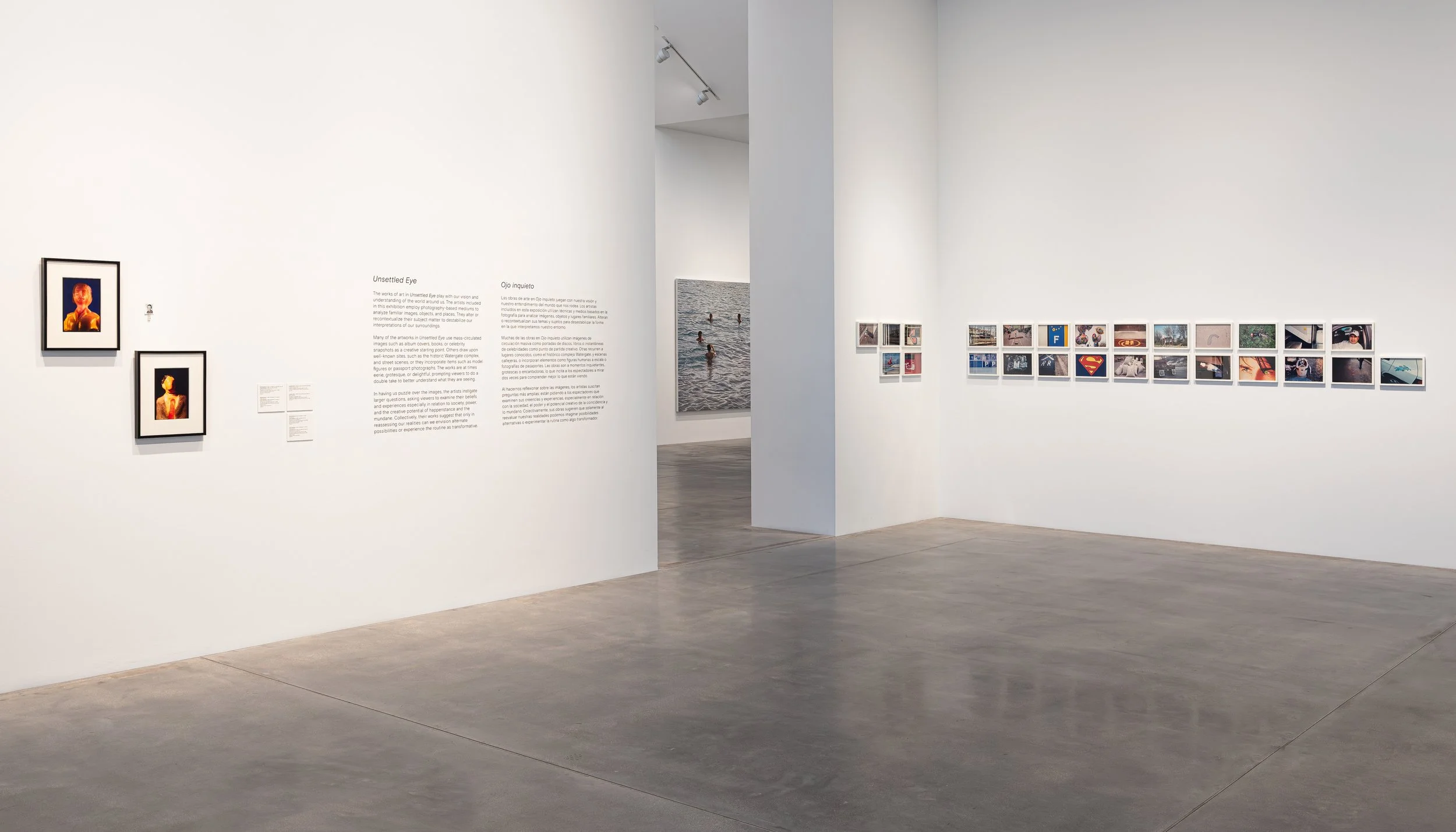
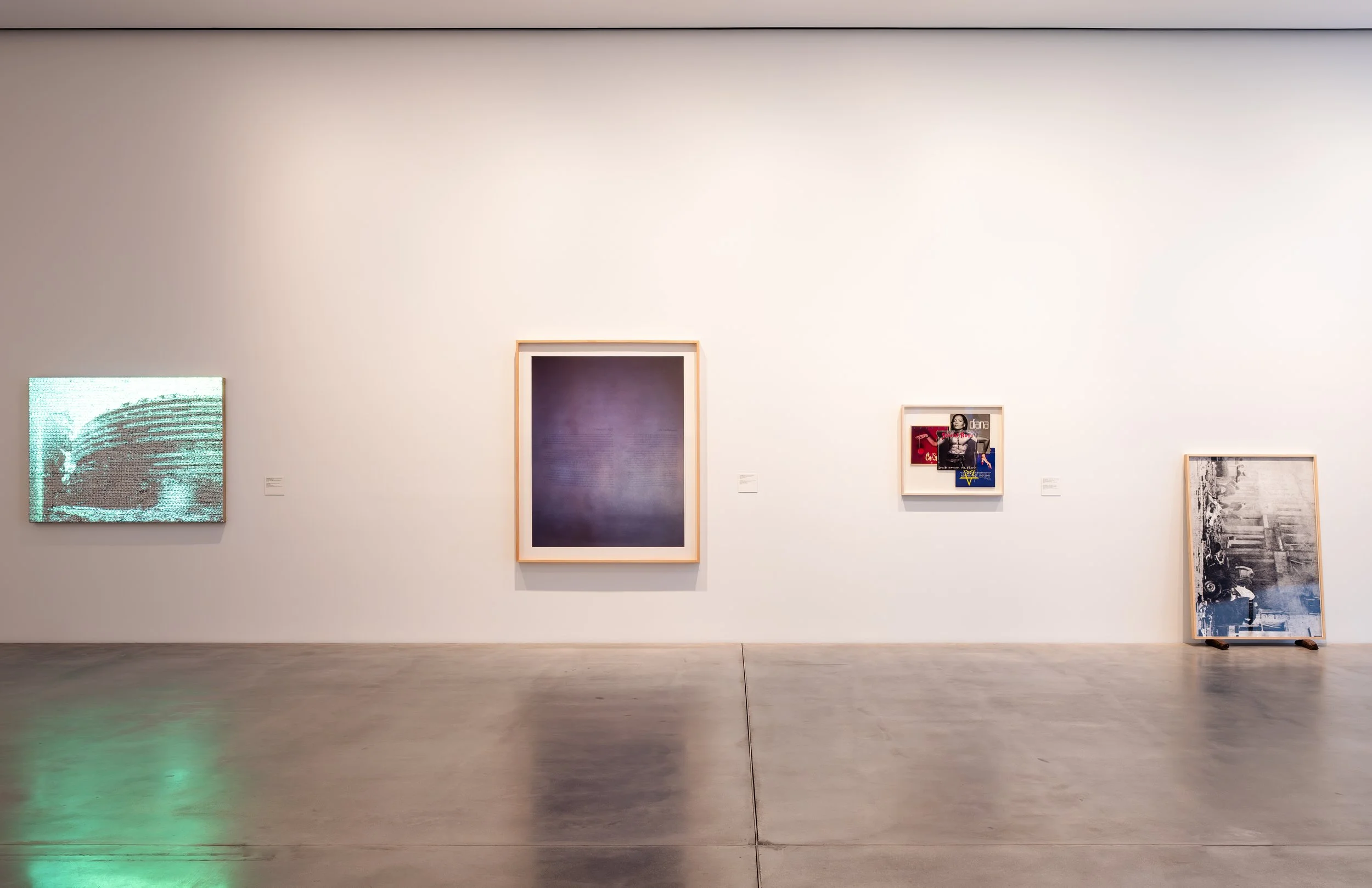
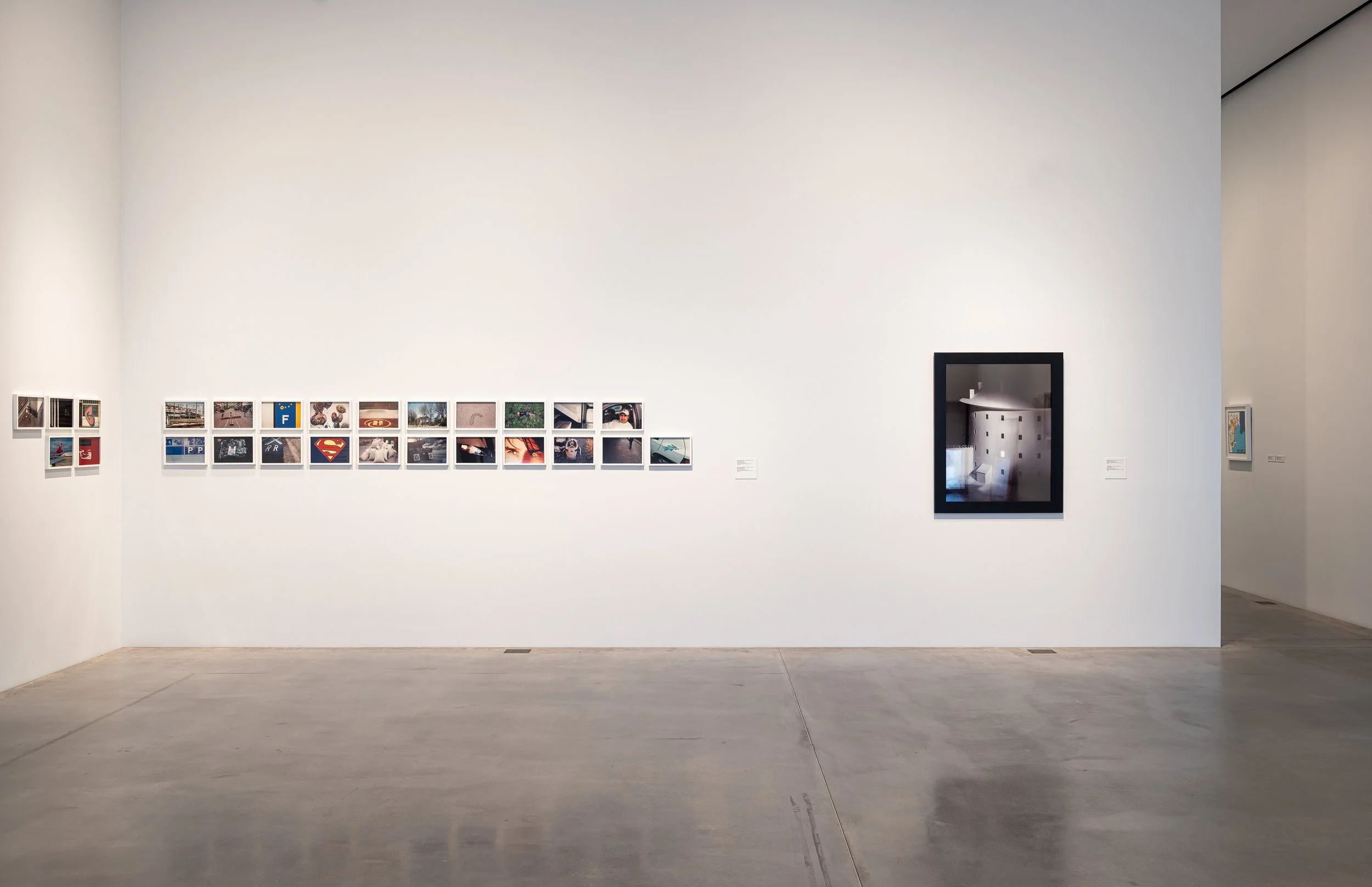
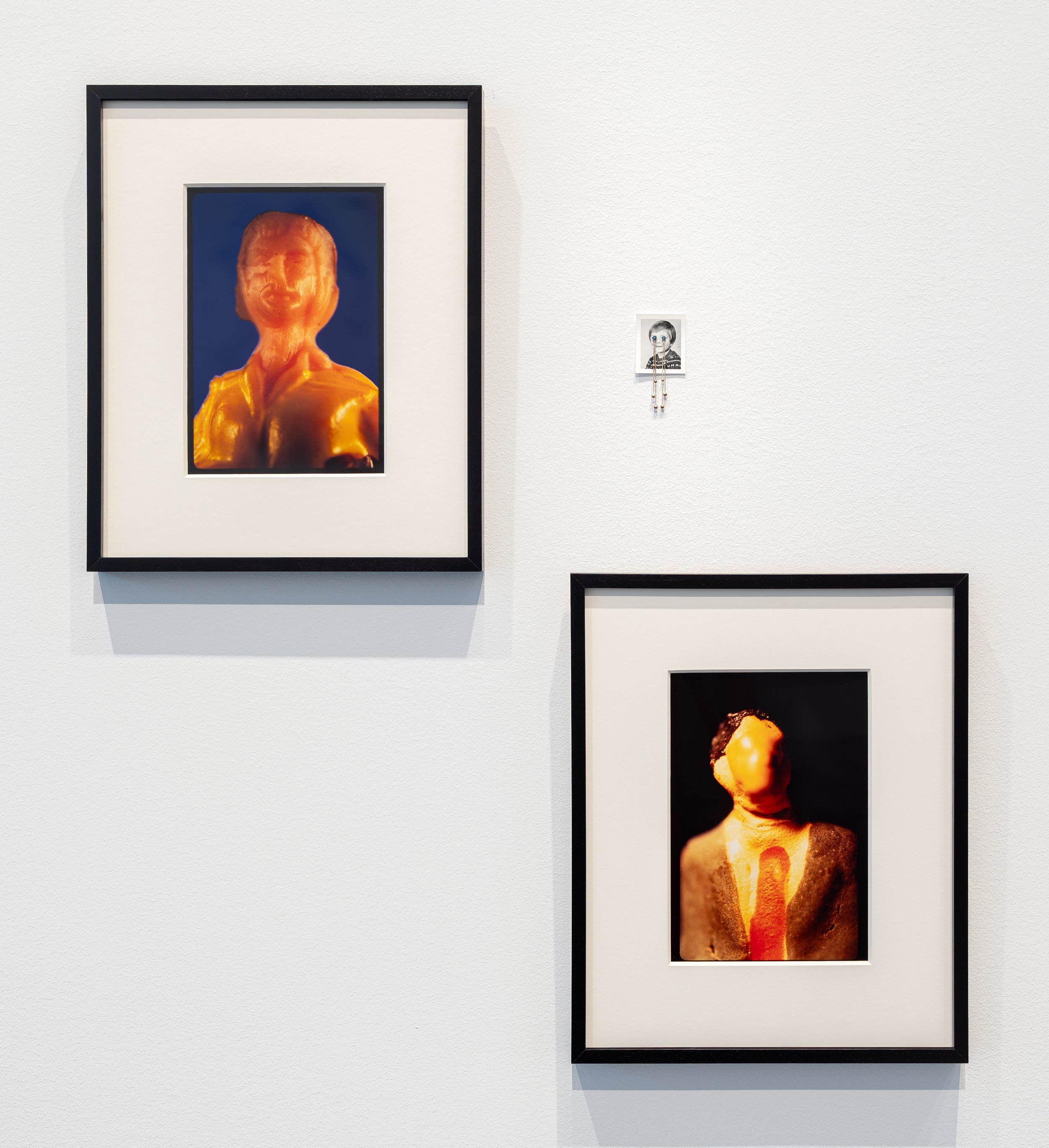
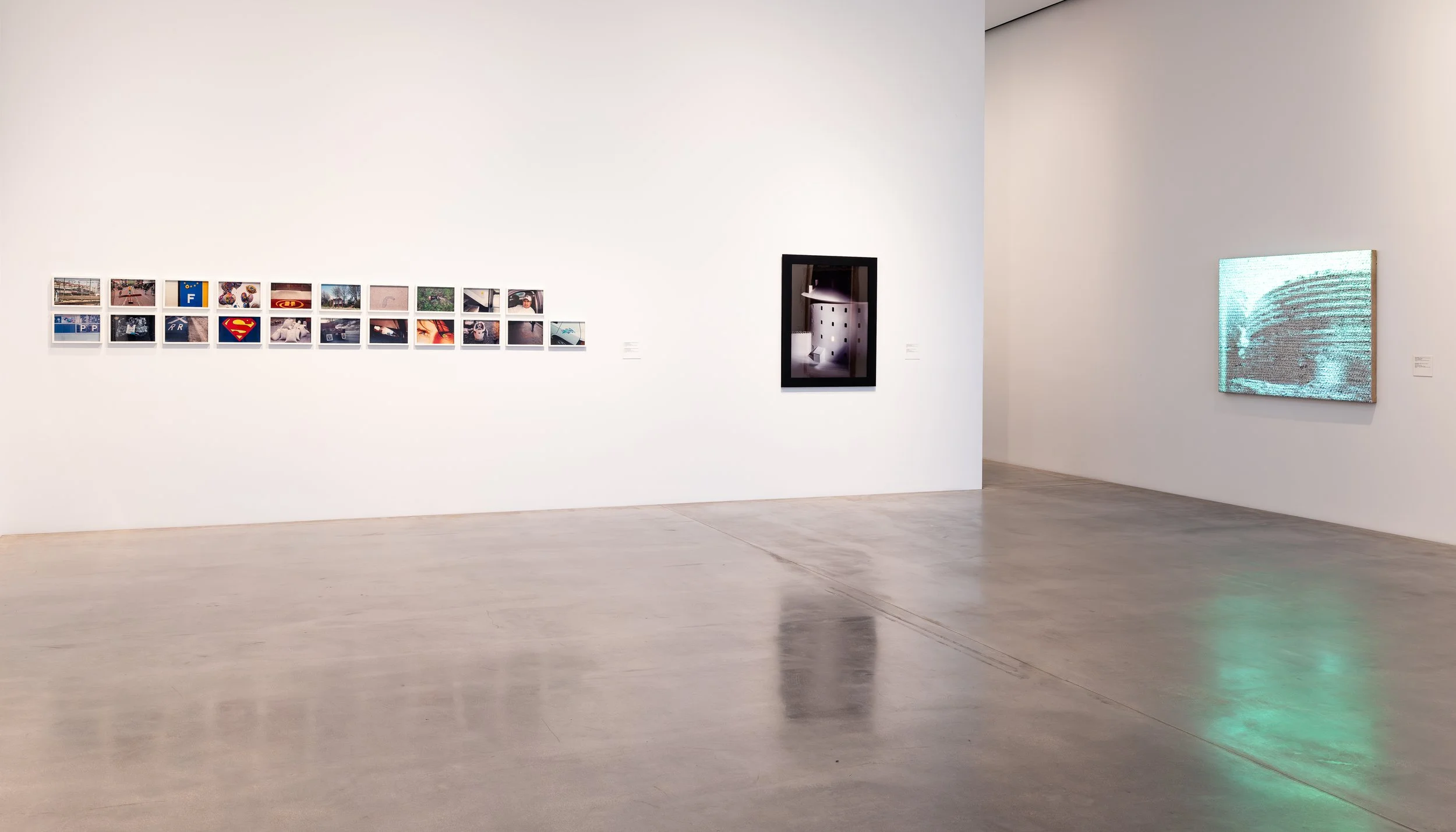
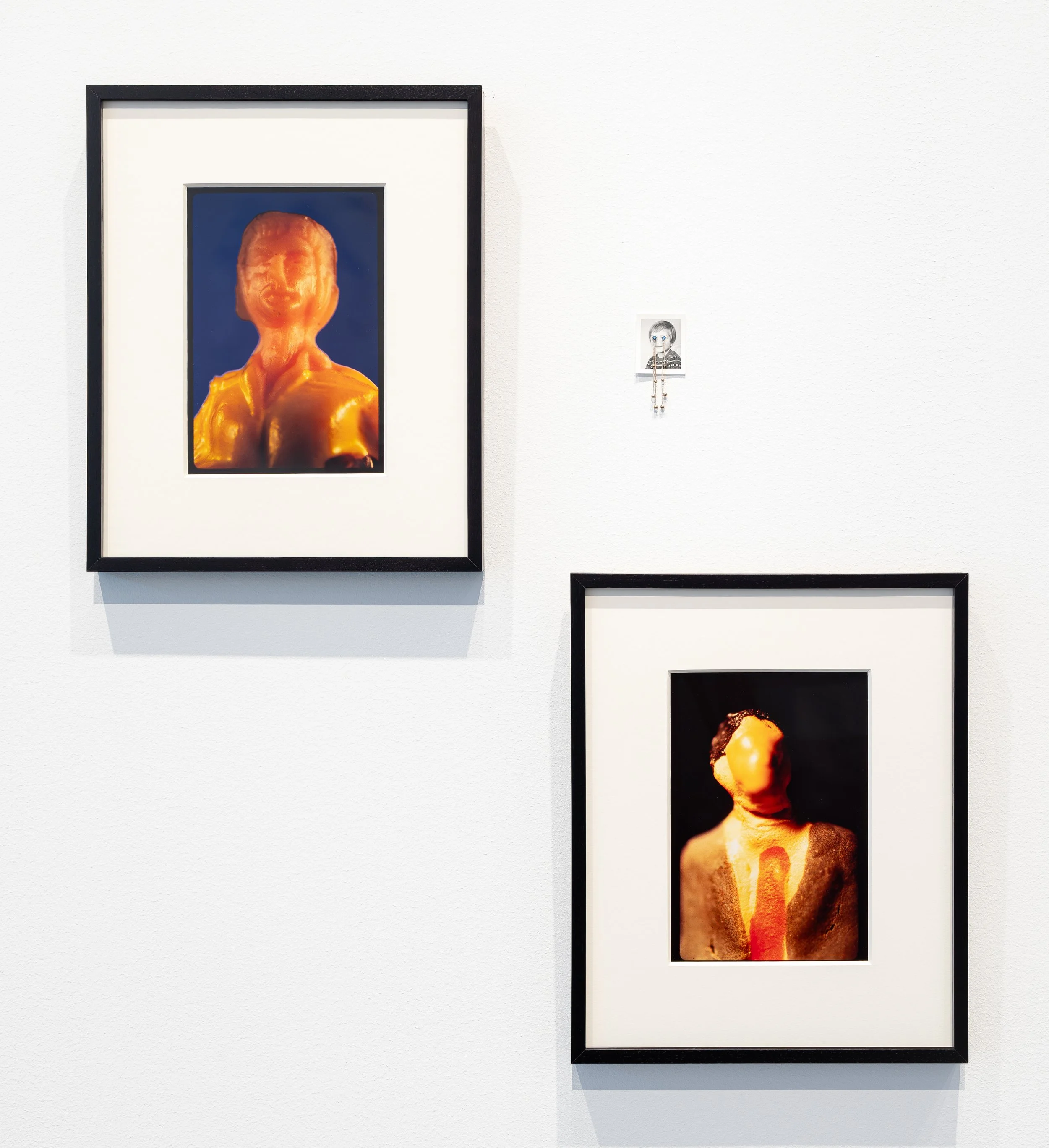

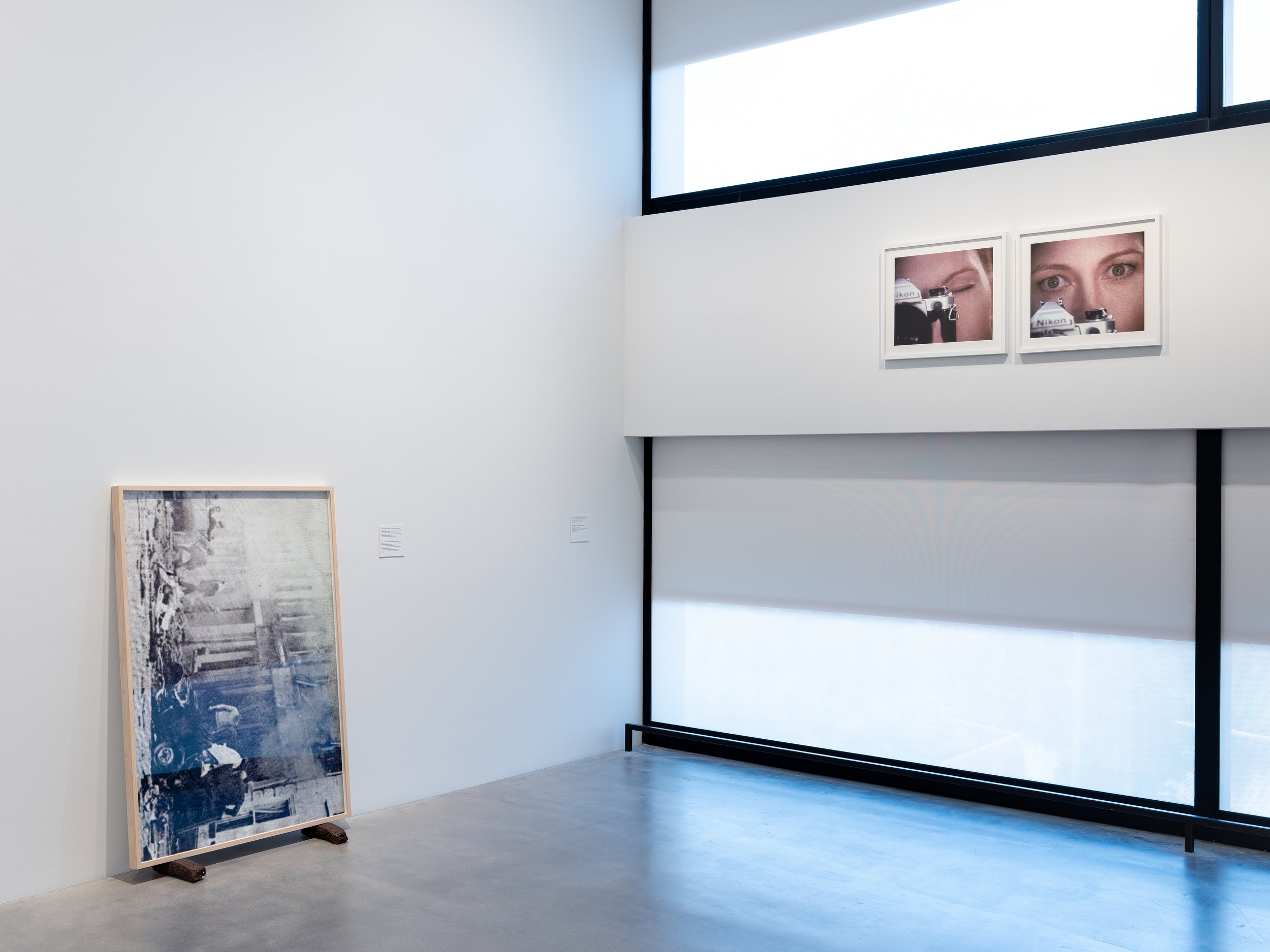
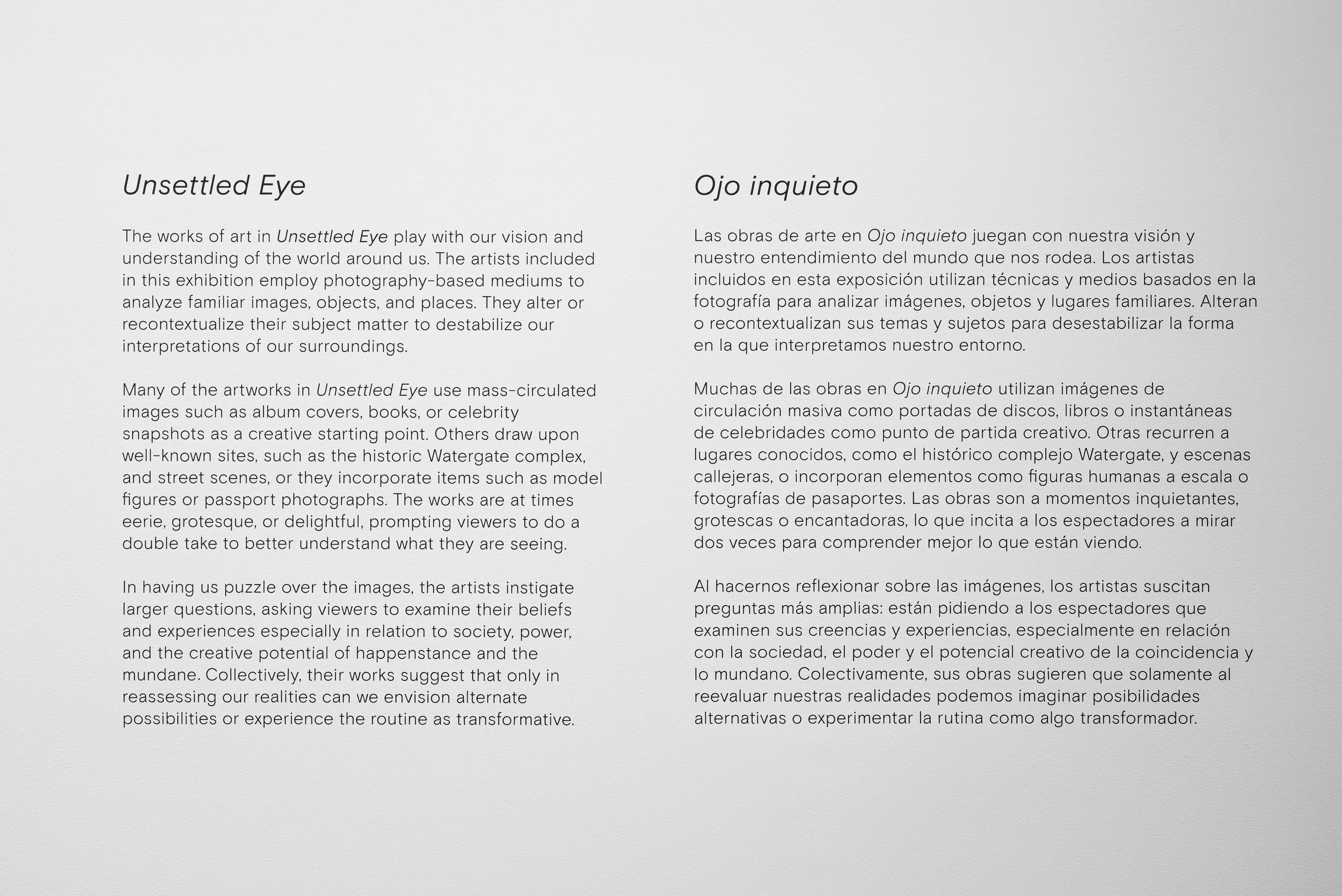
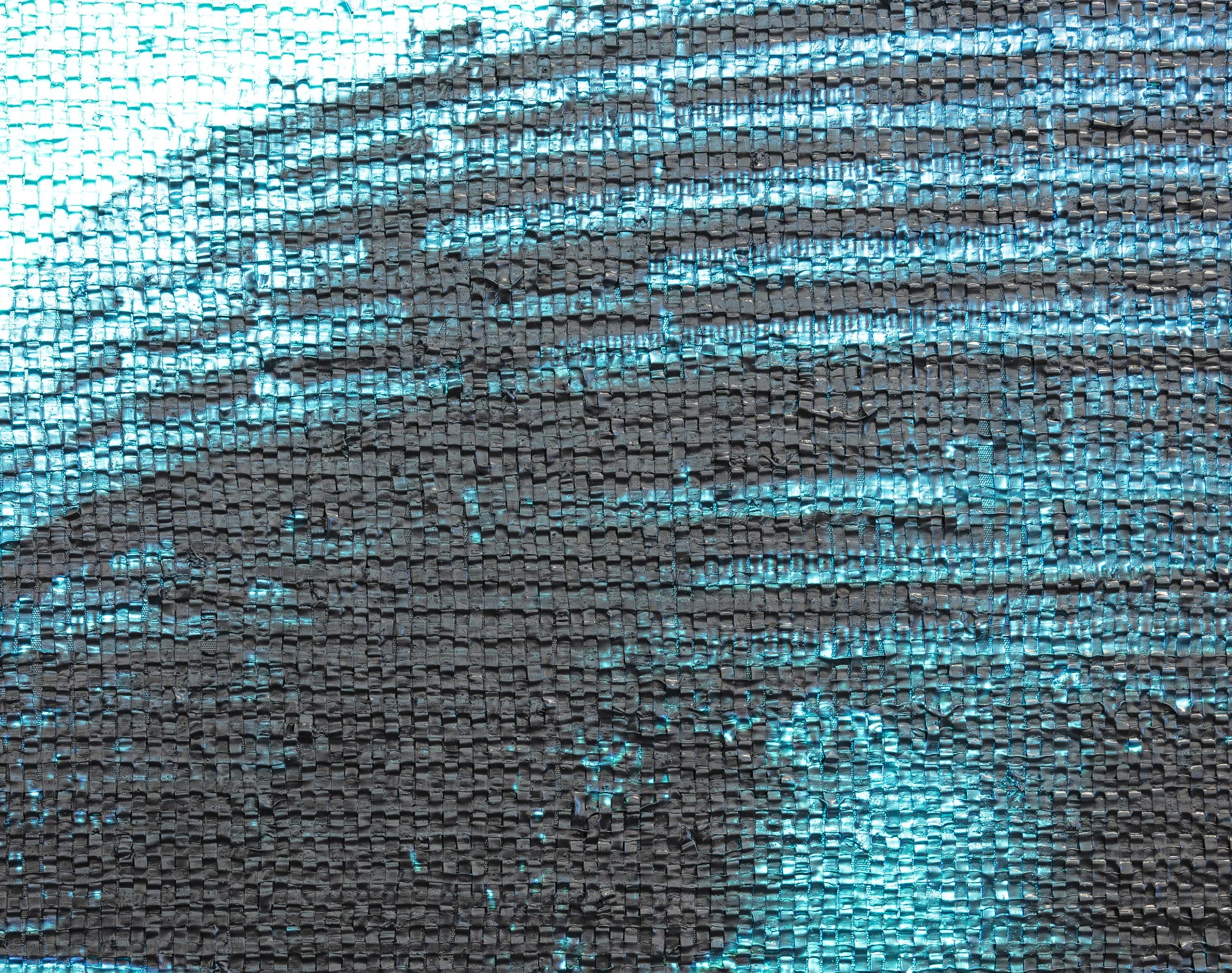
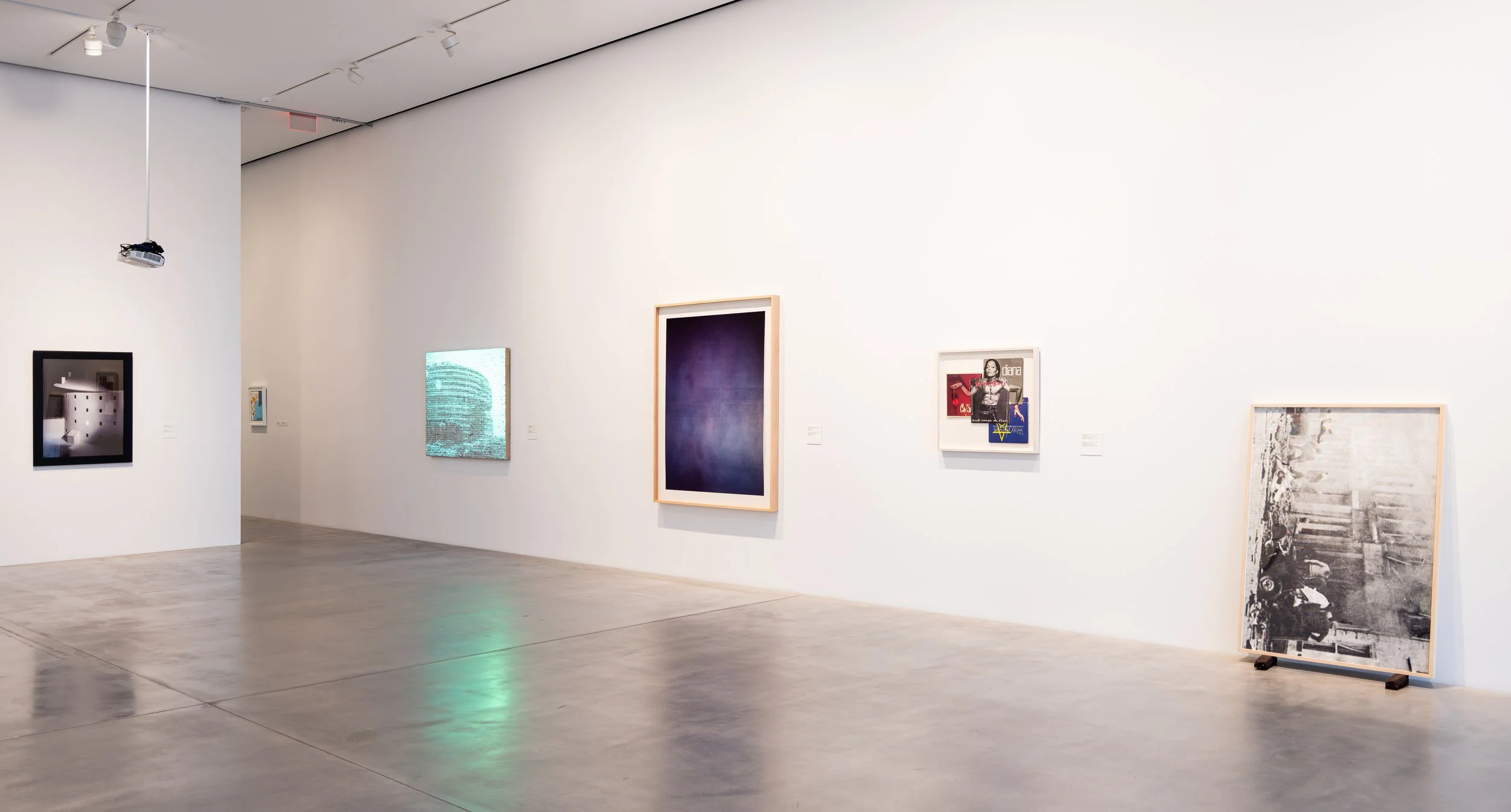
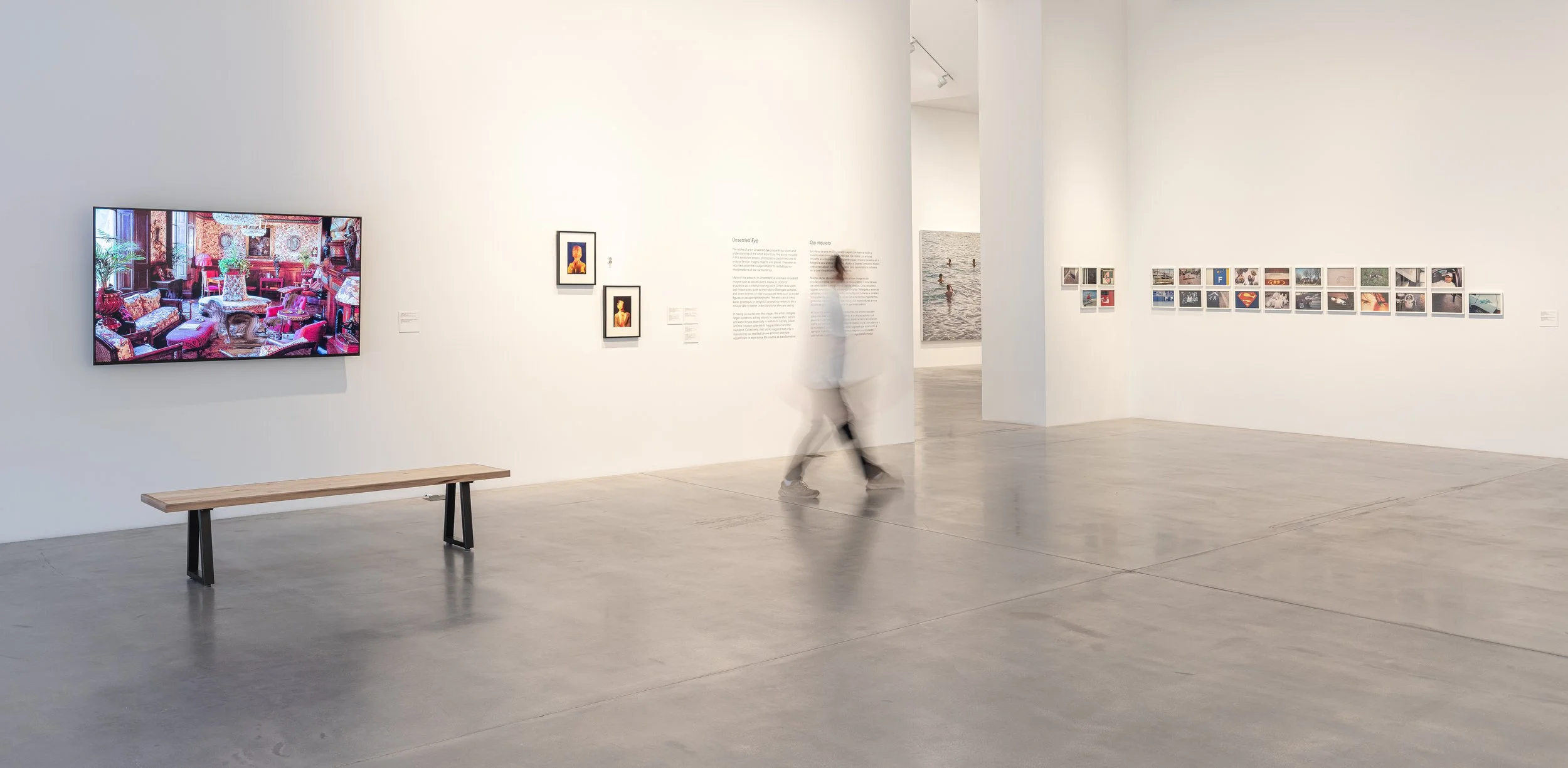
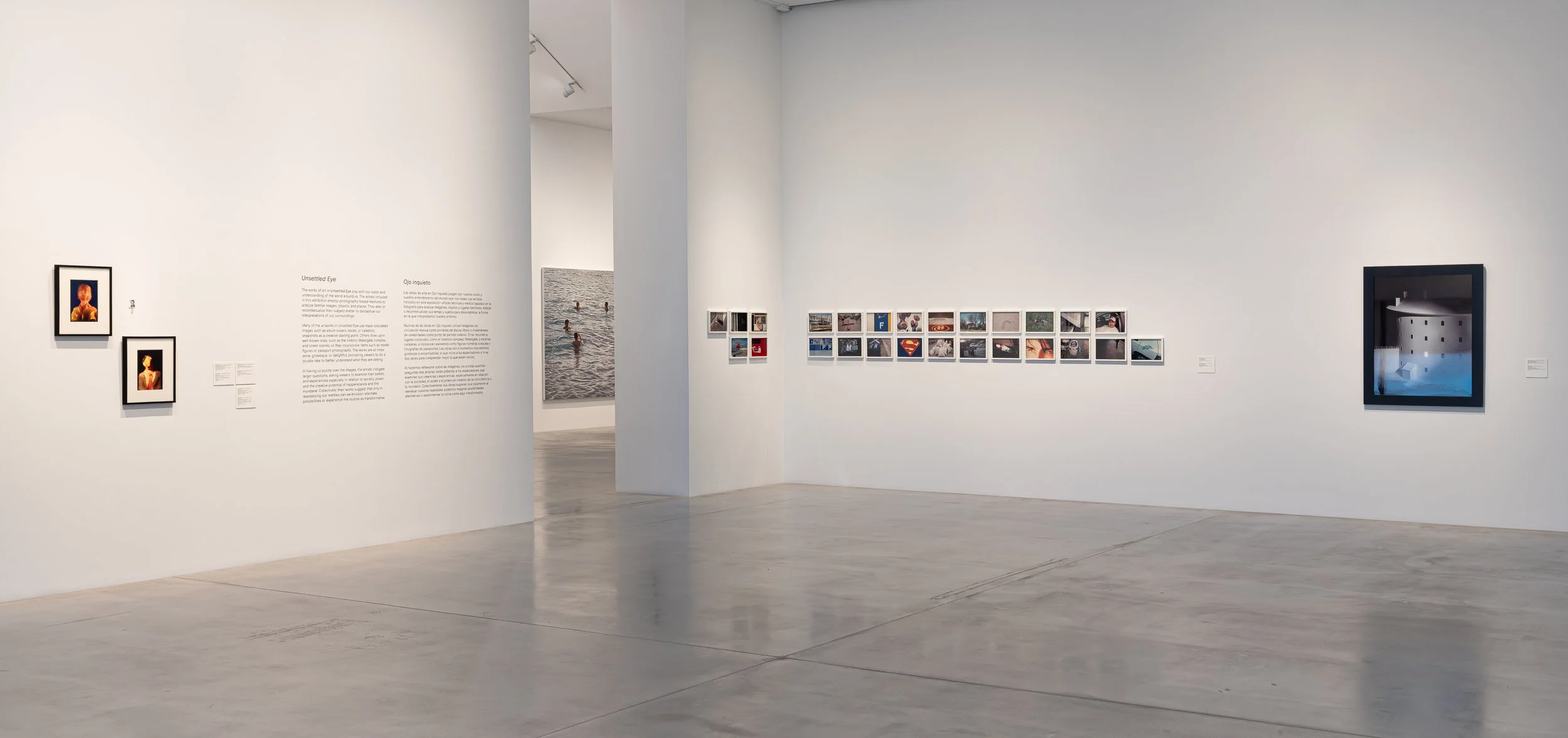
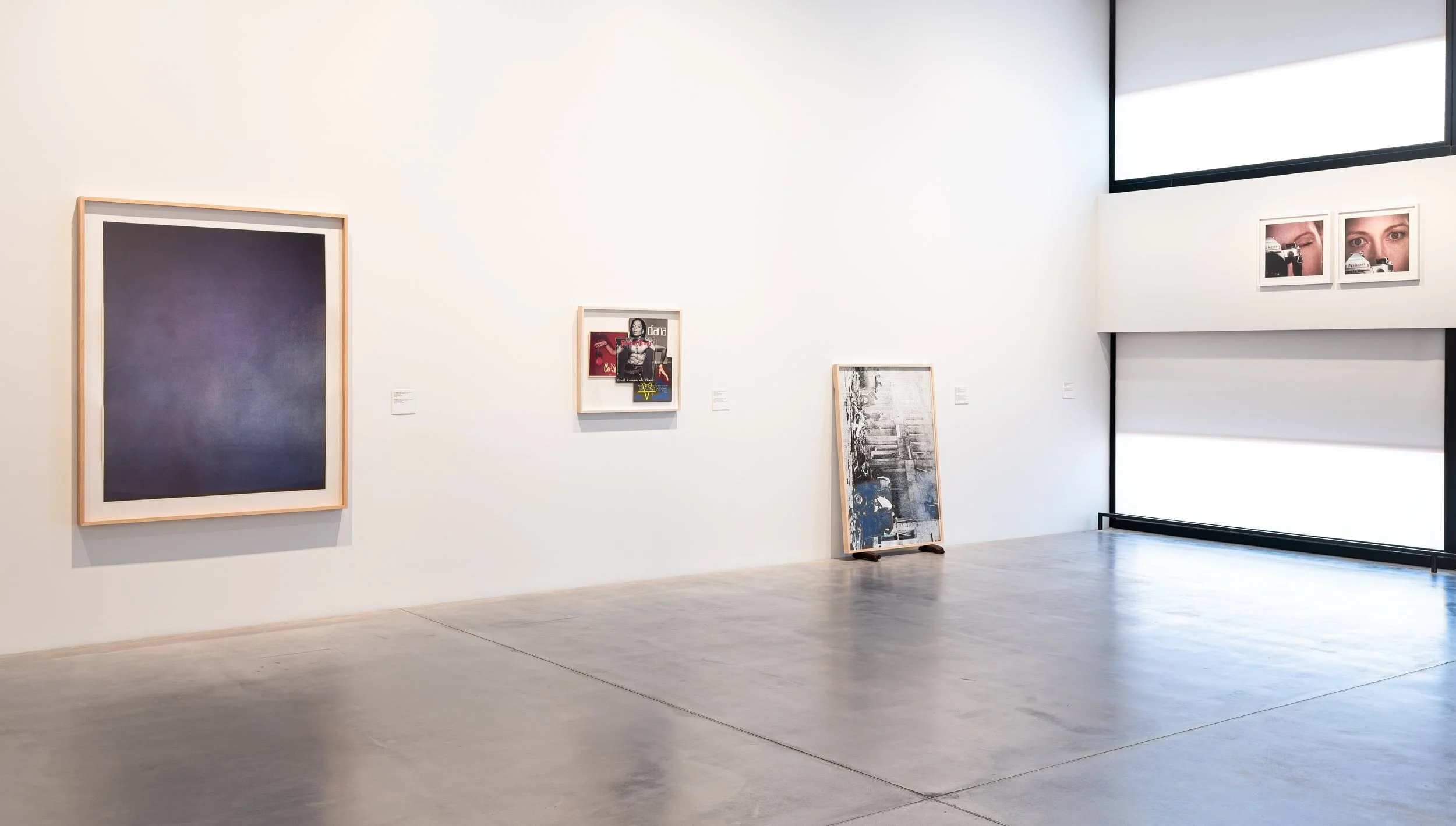
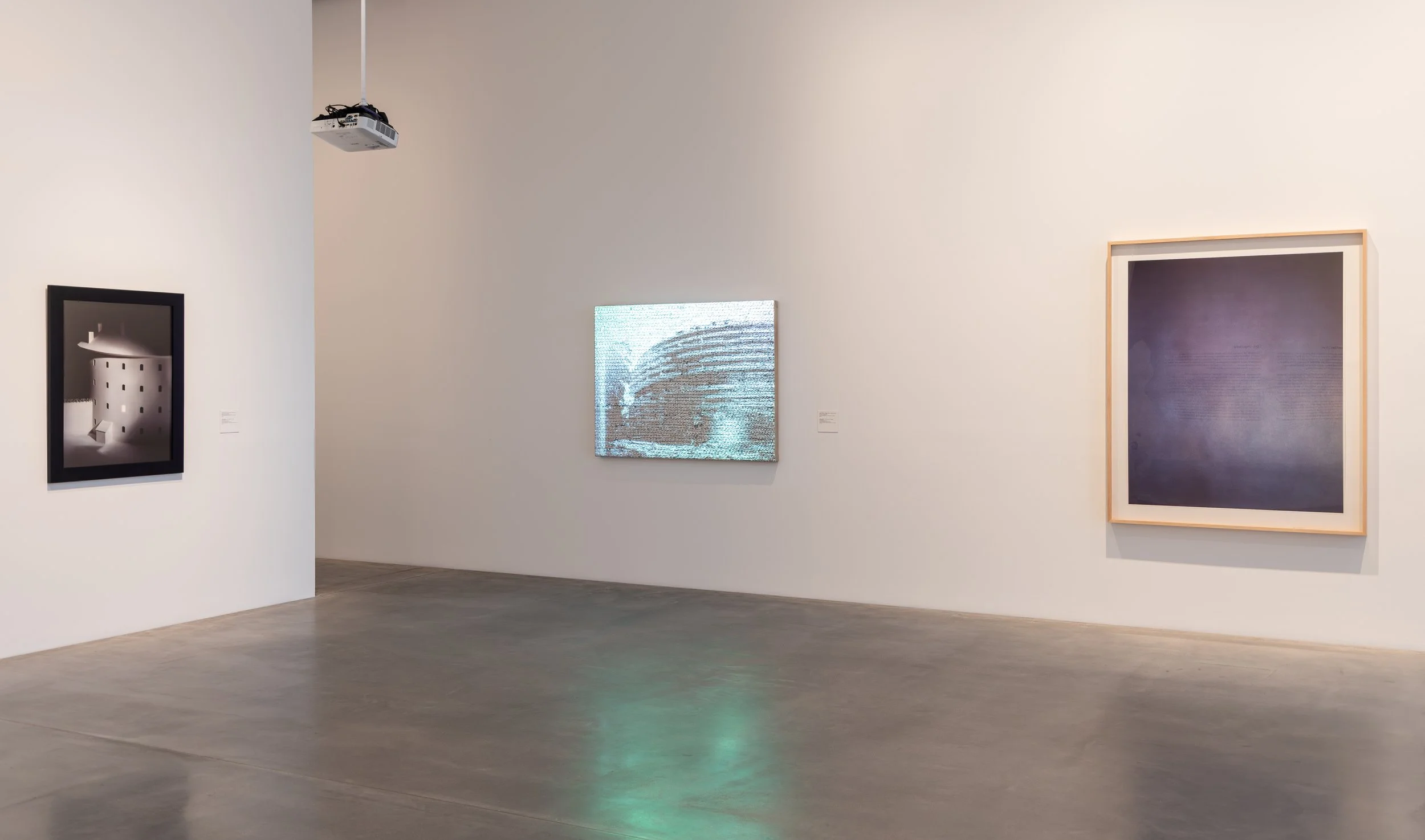
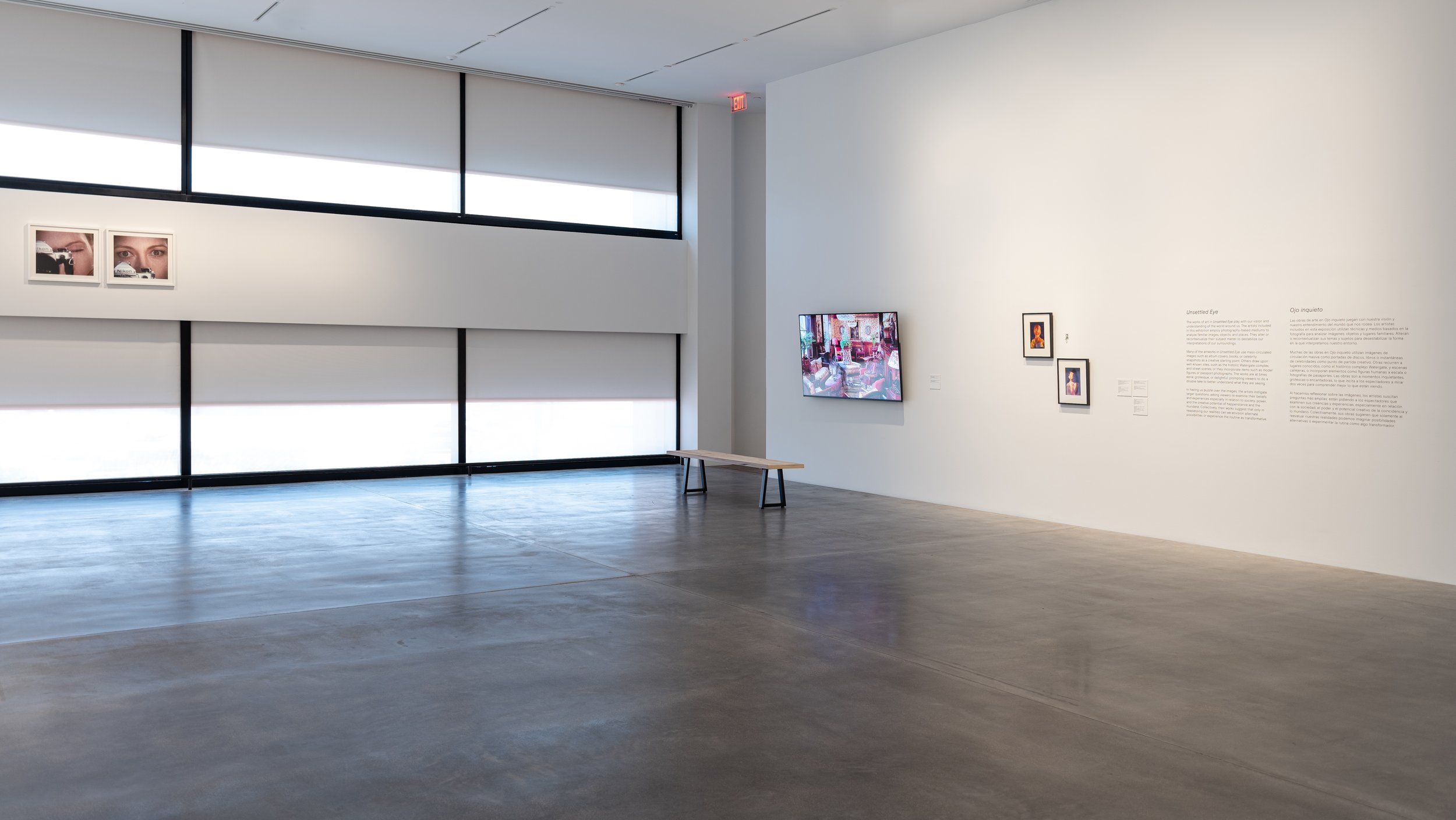
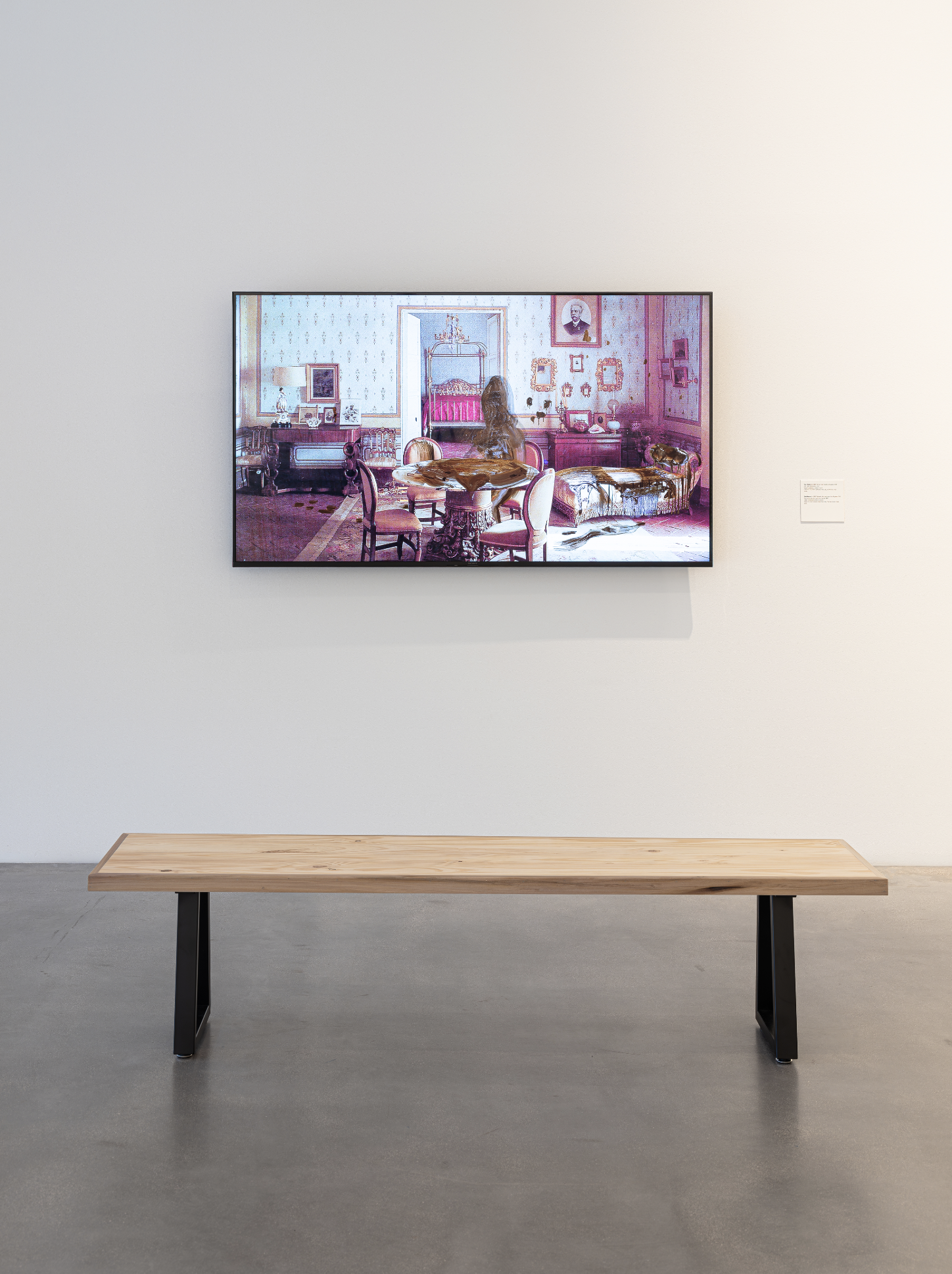
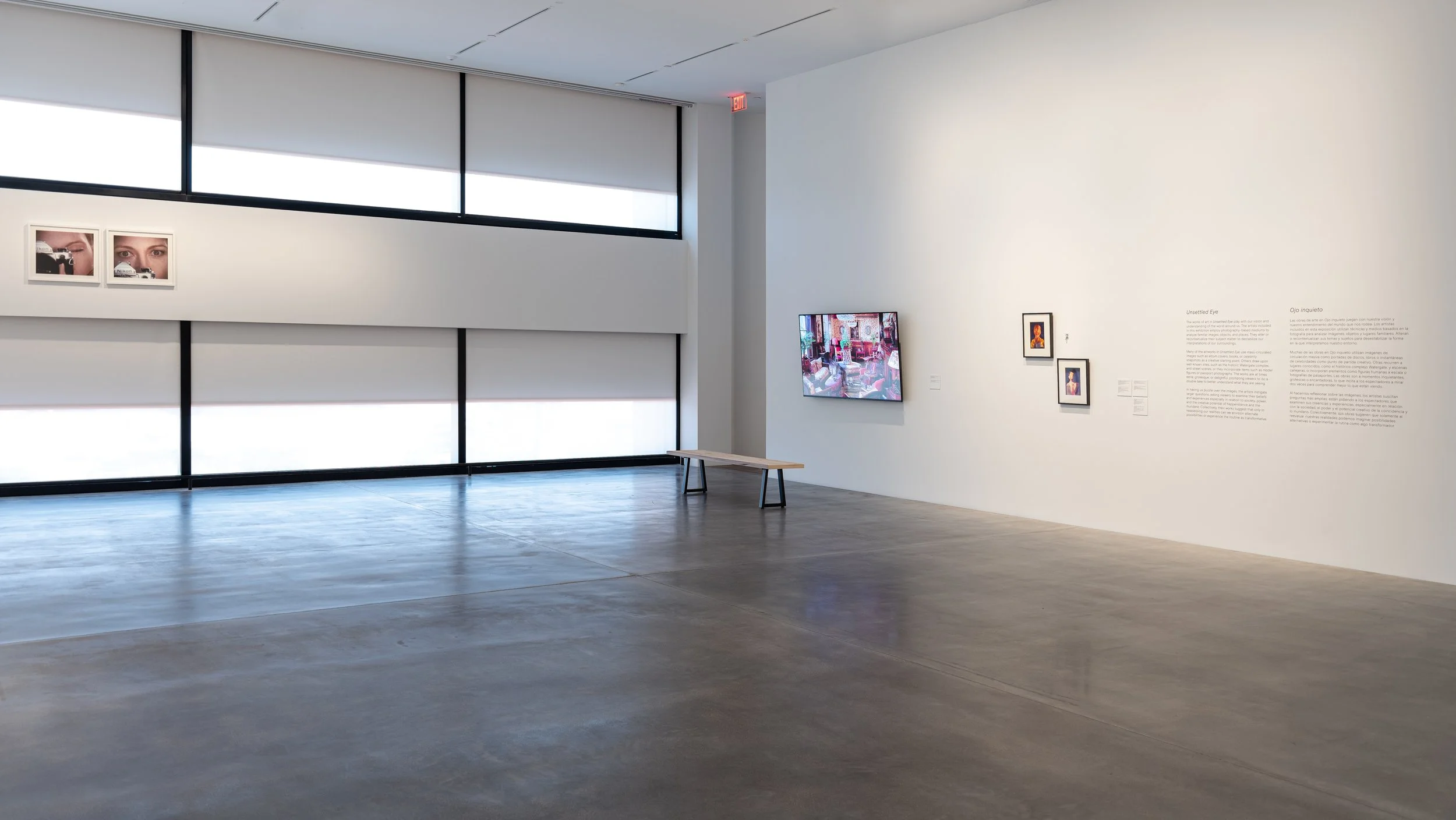
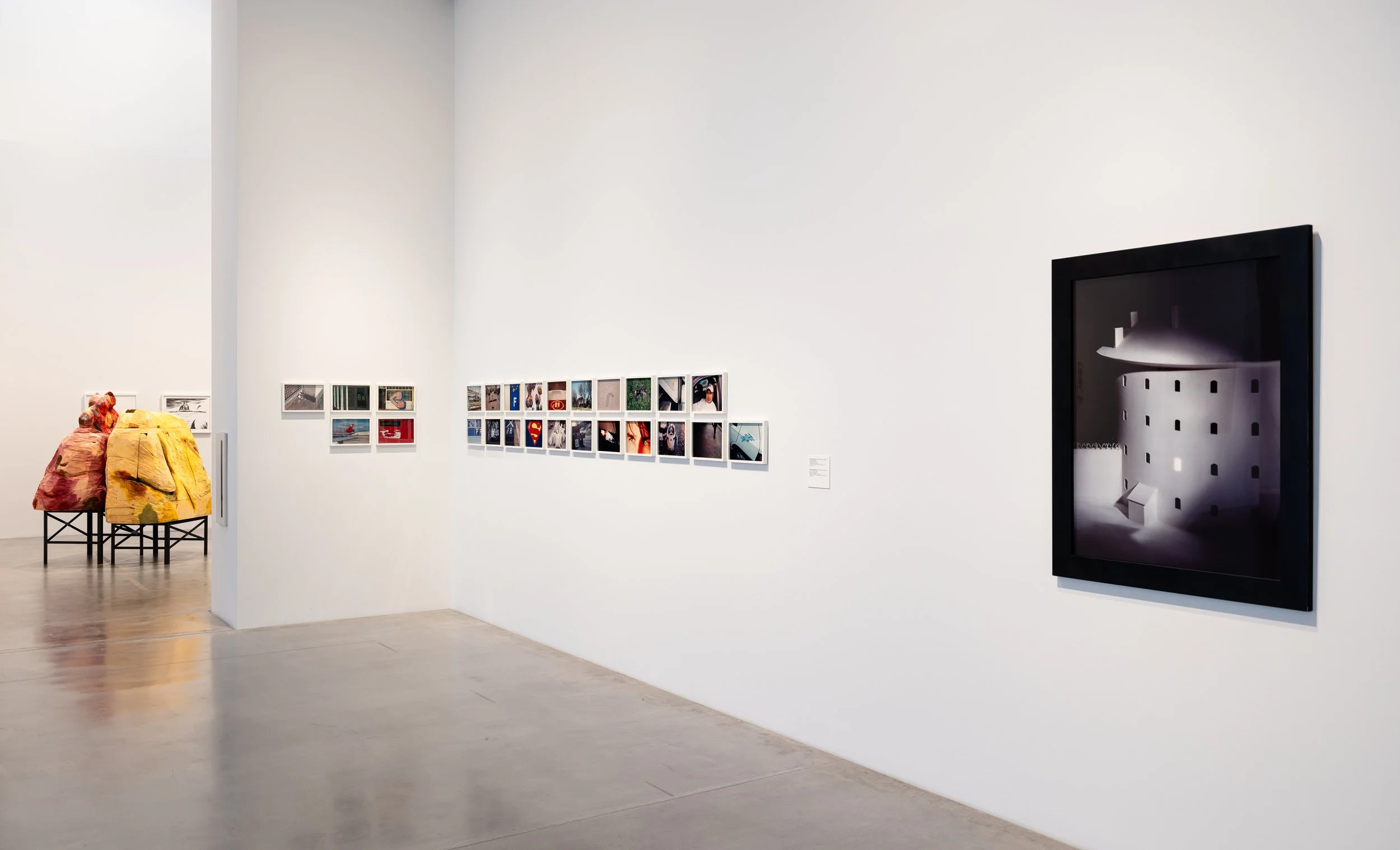
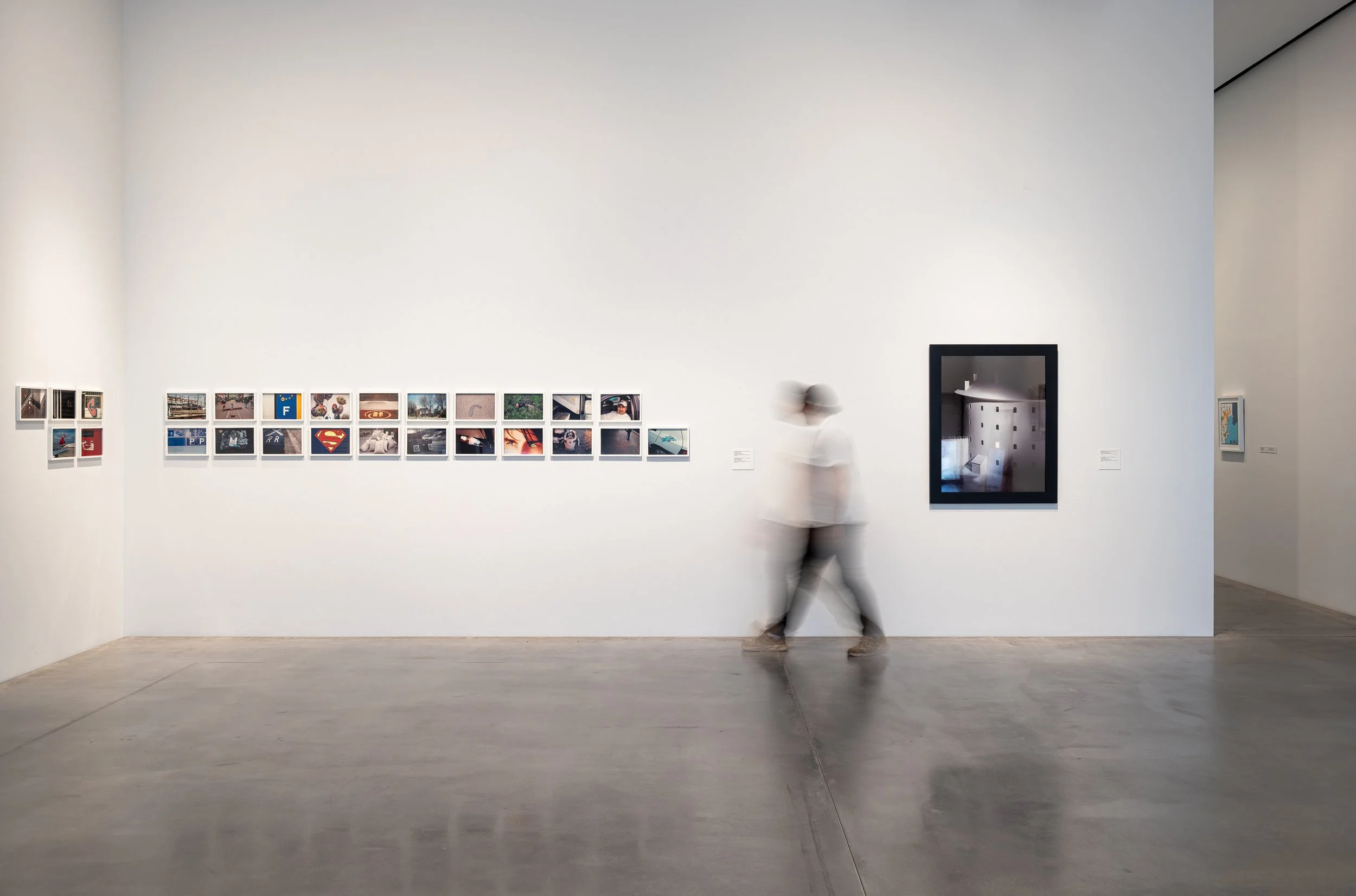
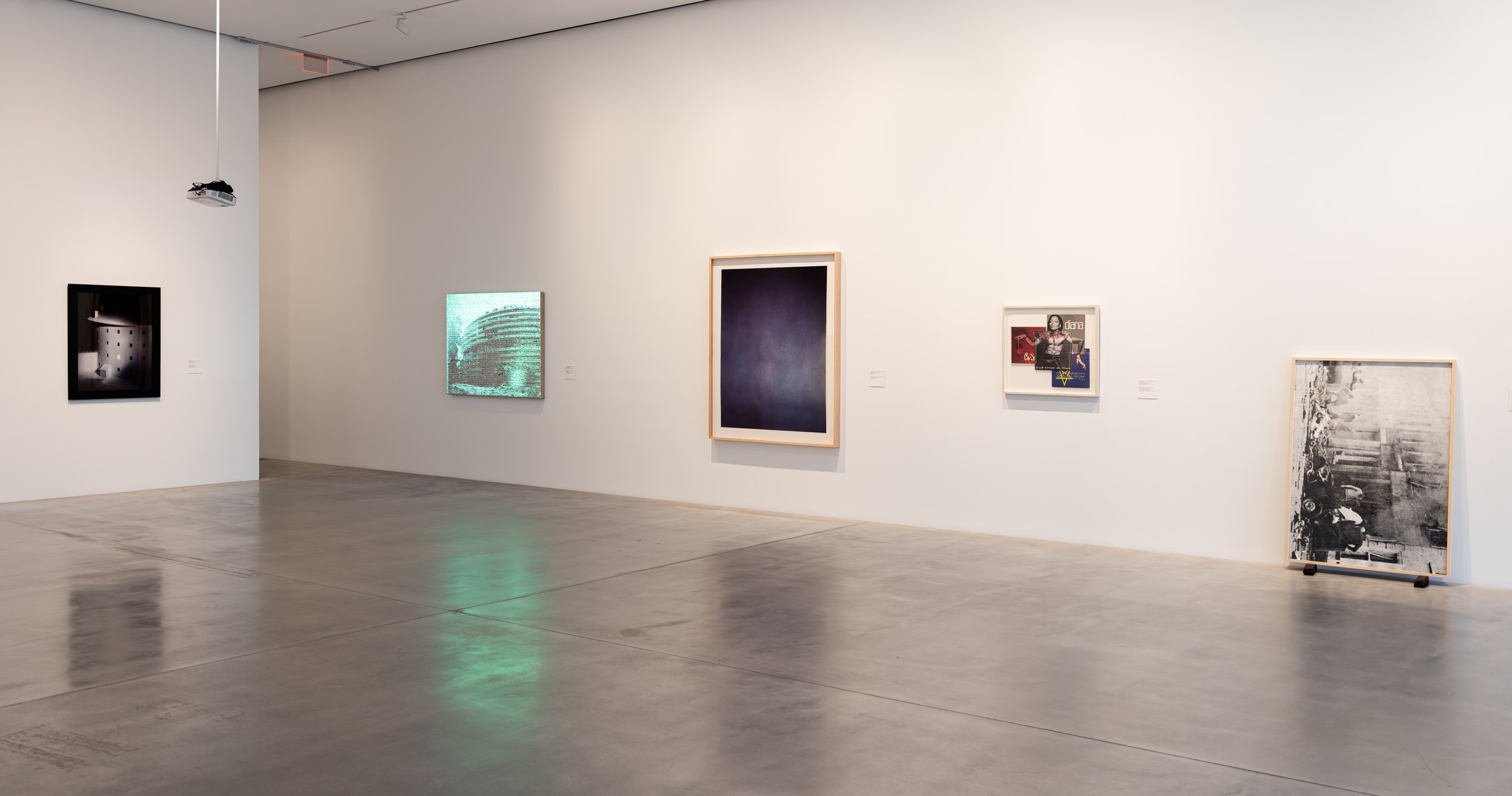
Ruby City operated by the Linda Pace Foundation, will present the exhibition Unsettled Eye beginning June 1, 2024, through May 11, 2025. The exhibition is comprised of photo-based works from several artists in the Linda Pace Foundation Collection, many of which are new acquisitions and have never been on view. The show will be installed in the newly transformed Gallery 3 which has, since the building’s inception, functioned as a black box theater.
The artists in Unsettled Eye use photography-based mediums to analyze familiar images, objects, and places. In their hands, however, these subjects are altered or recontextualized in subtle ways to destabilize our interpretations of our surroundings. The resulting works are at times eerie, grotesque, or delightful, prompting viewers to do a double take to better understand what they are seeing and its significance. These startling artistic examples instigate larger questions, asking viewers to examine more fully what they experience or believe. By offering keen and insightful commentary on society, power, and the creative potential of happenstance, the artists seem to suggest that only in reassessing our realities can we envision alternate possibilities or experience the routine as transformative.
Several of the works in the exhibition are new acquisitions the Foundation purchased or received as a gift. Tala Madani’s Shit Mom was purchased in 2023 while Paul Pfeiffer’s Four Horsemen of the Apocalypse and Laurie Simmons & Allan McCollum photographs from the series Actual Photos were gifted by Alice and Marvin Kosmin in 2023. Anne Collier’s Eyes of Laura Marsand Katrina Moorheads’ Woman Survives Fatal Bomb Blast Forty Years Before She Realizes She Has, were part of a transformative donation of prints to the Foundation gifted in 2014 by Janet Lennie Flohr and Hare & Hound Press but which have never been shown at Ruby City.
Artists included in the exhibition are among the most prominent contemporary artists whose works have been shown and collected at major museums worldwide. They include James Casebere, Anne Collier, Tala Madani, Christian Marclay, Donald Moffett, Jonathan Monk, Katrina Moorhead, Rivane Neuenschwander, Paul Pfeiffer and Laurie Simmons & Allan McCollum.
CELIA ÁLVAREZ MUÑOZ: LOS BRILLANTES
Studio at Ruby City
210-227-8400
150 Camp St.
San Antonio, Texas, 78283
Mar 28, 2024 – Jan 19, 2025
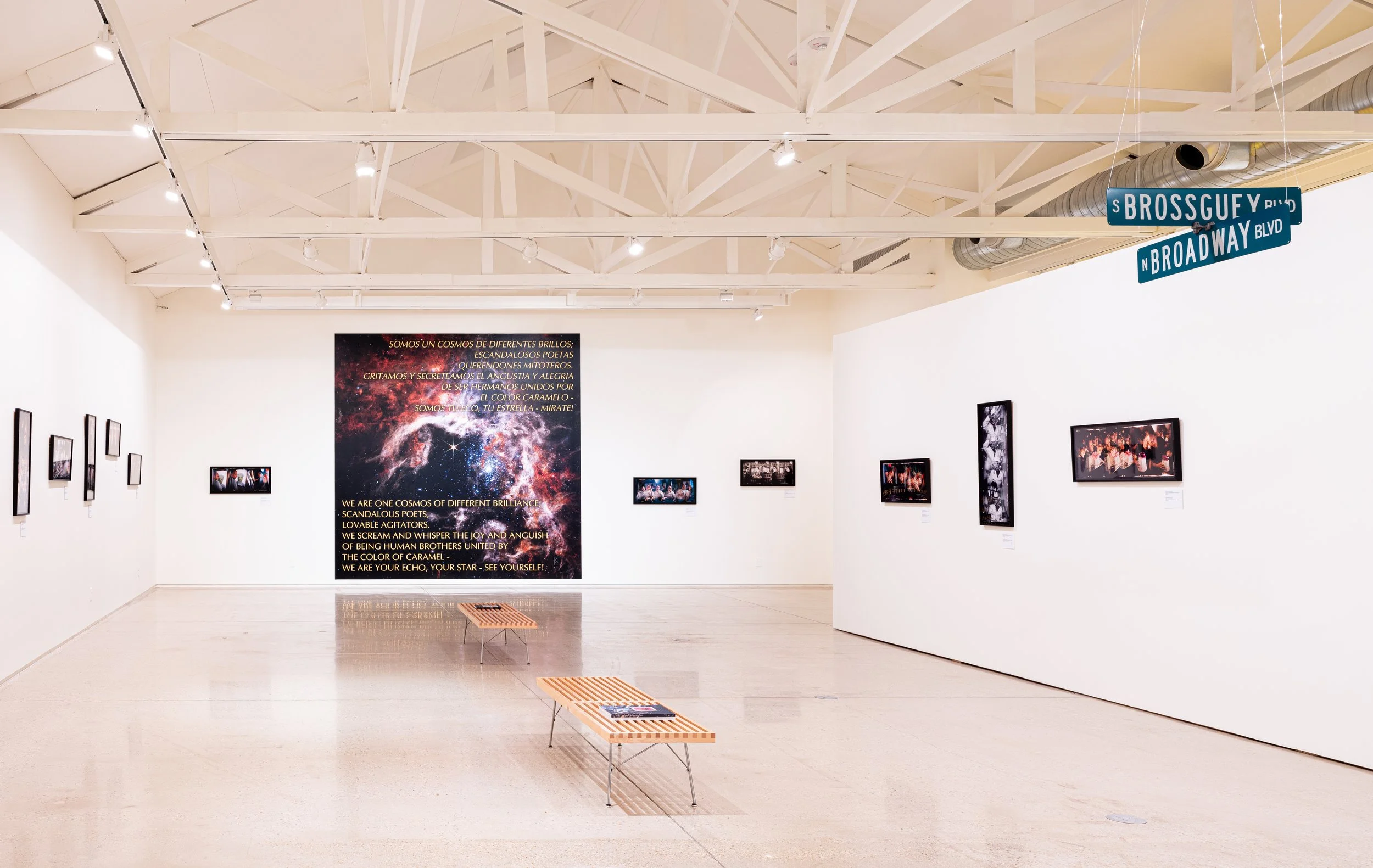
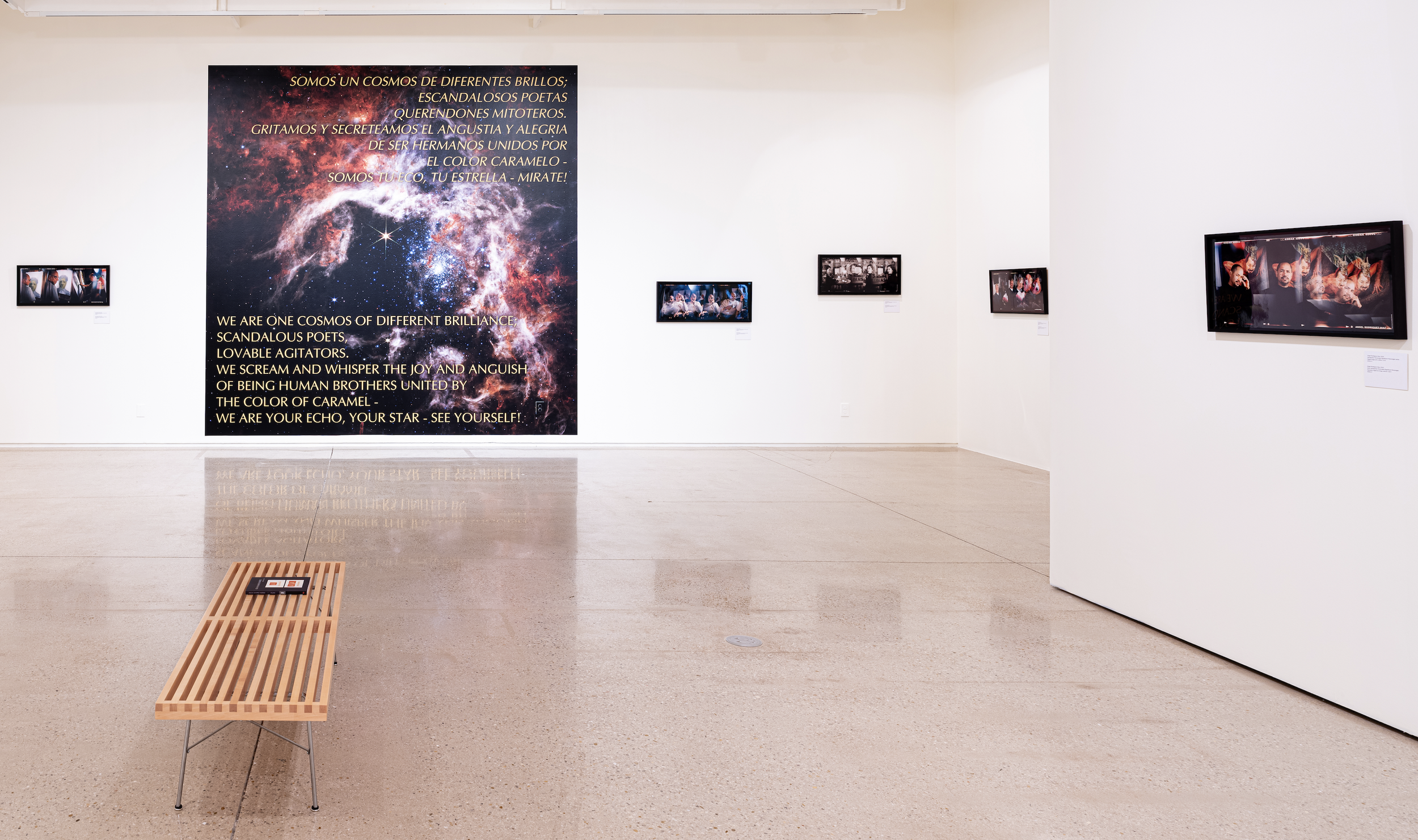
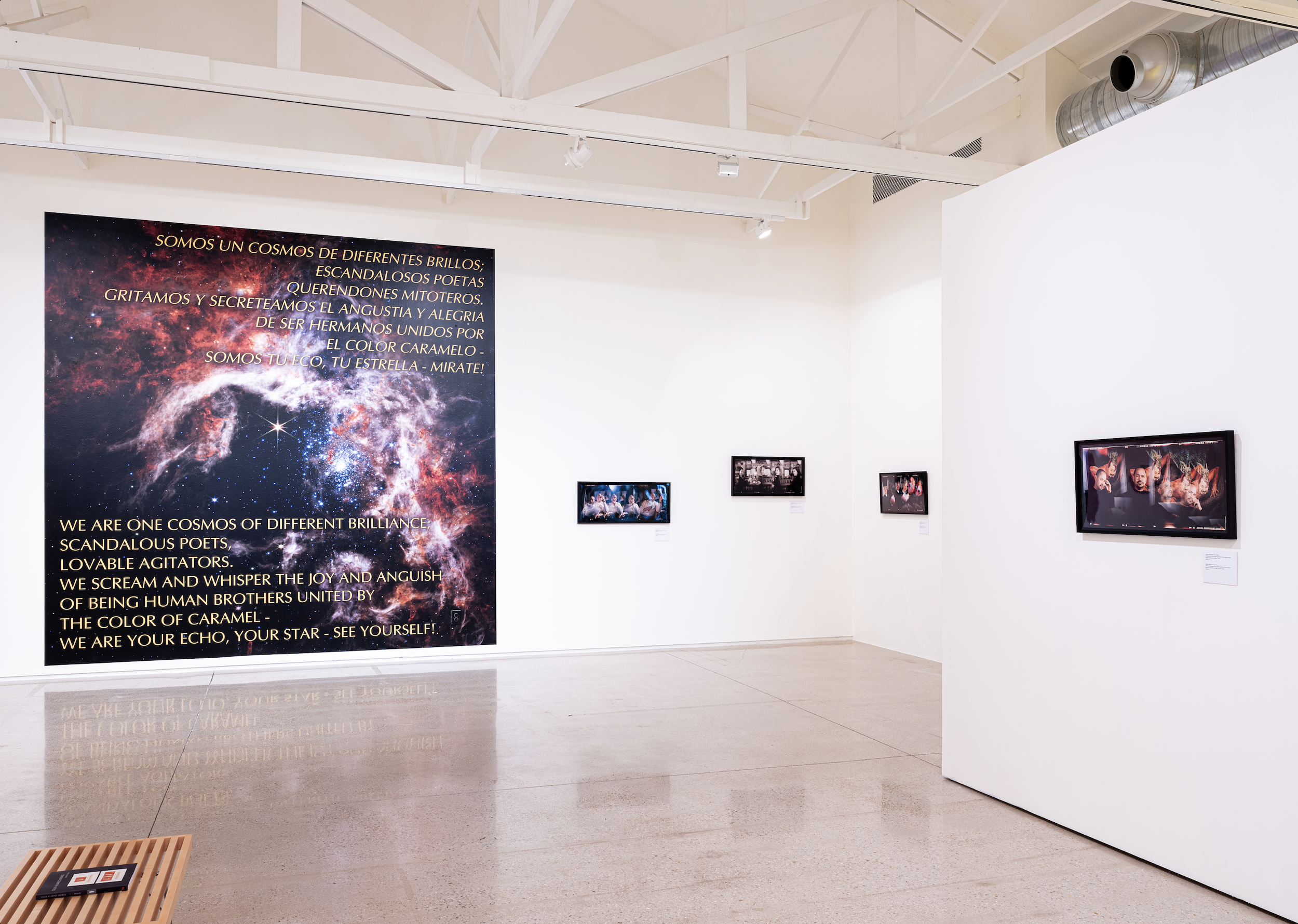
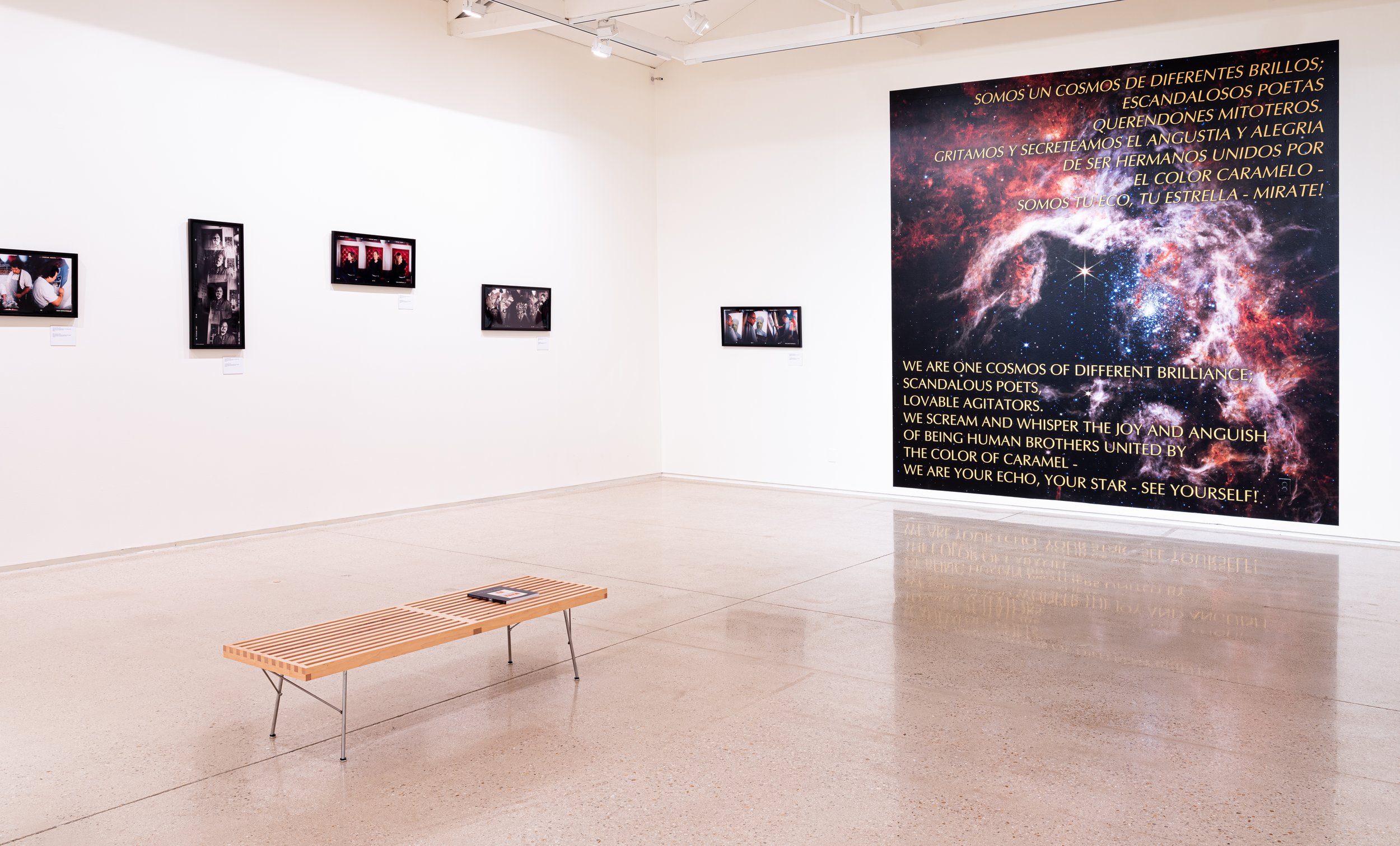
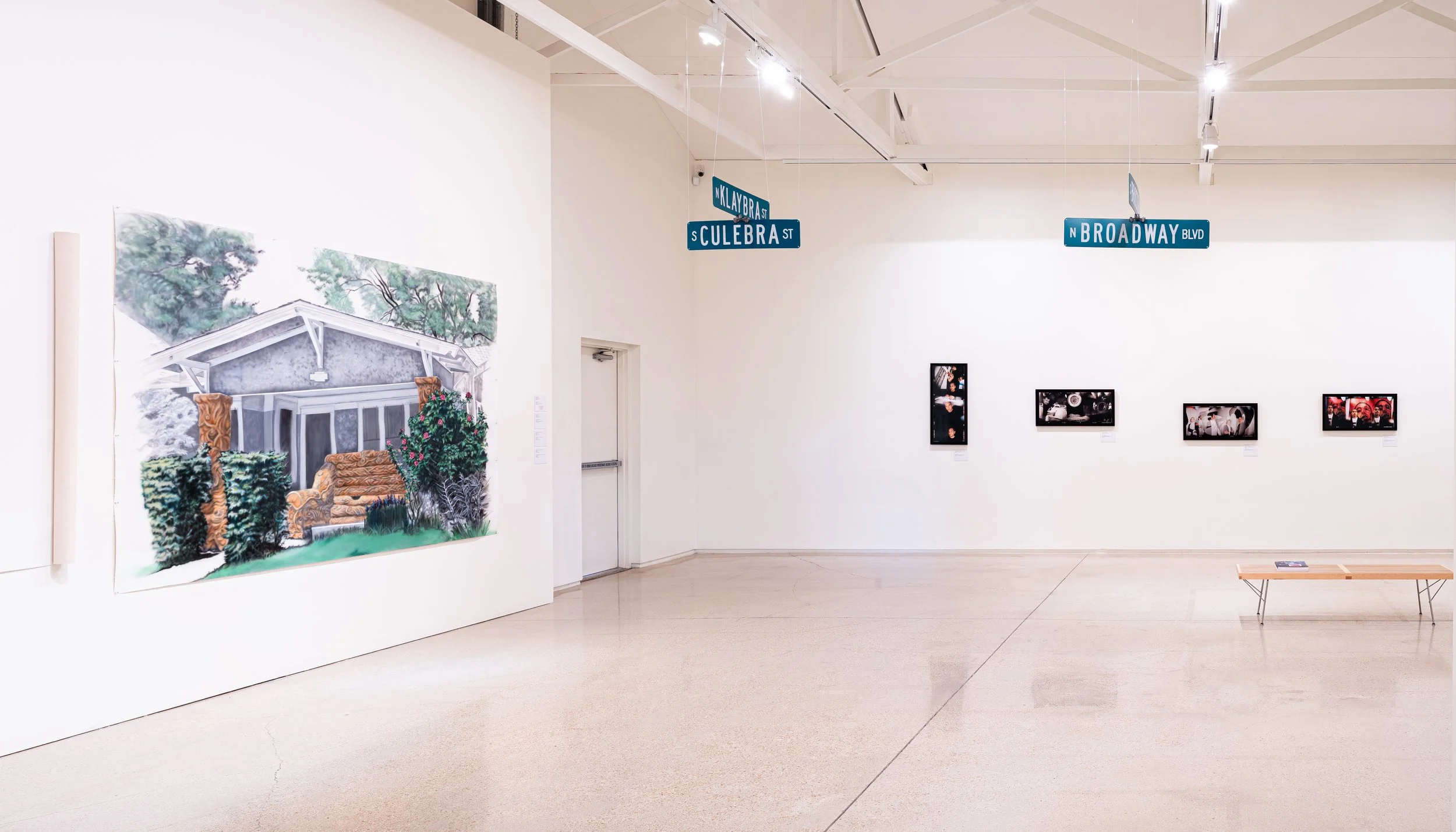
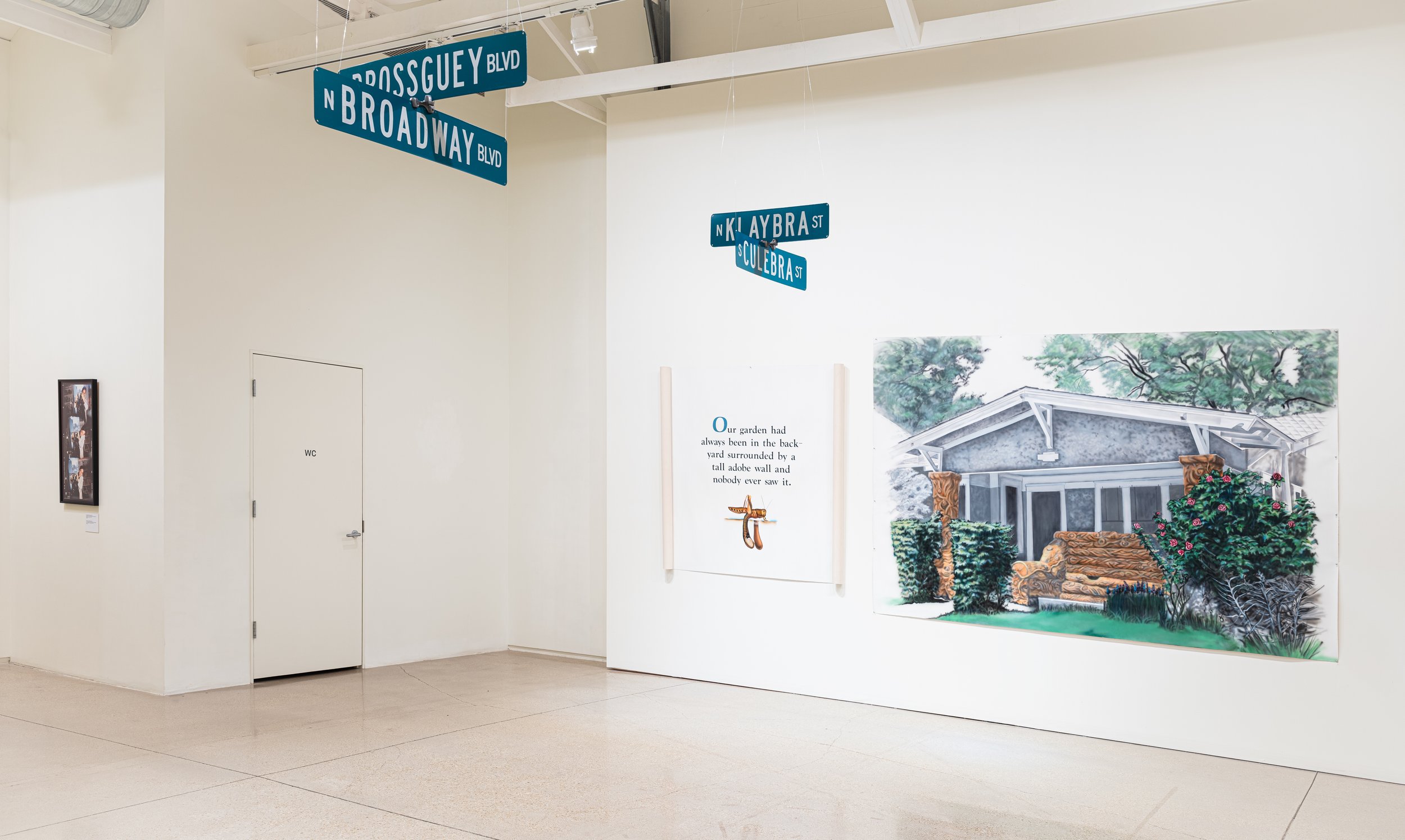
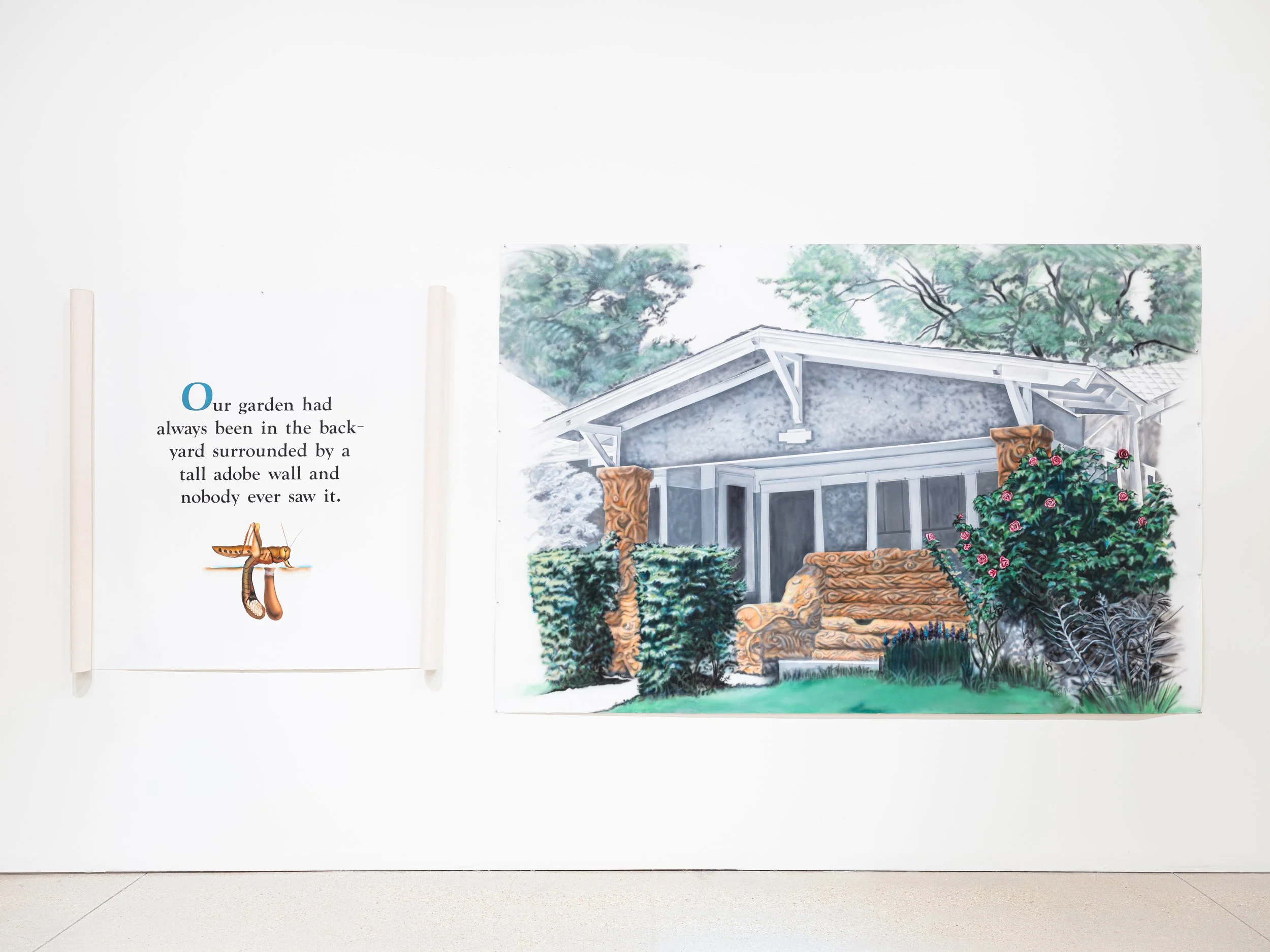
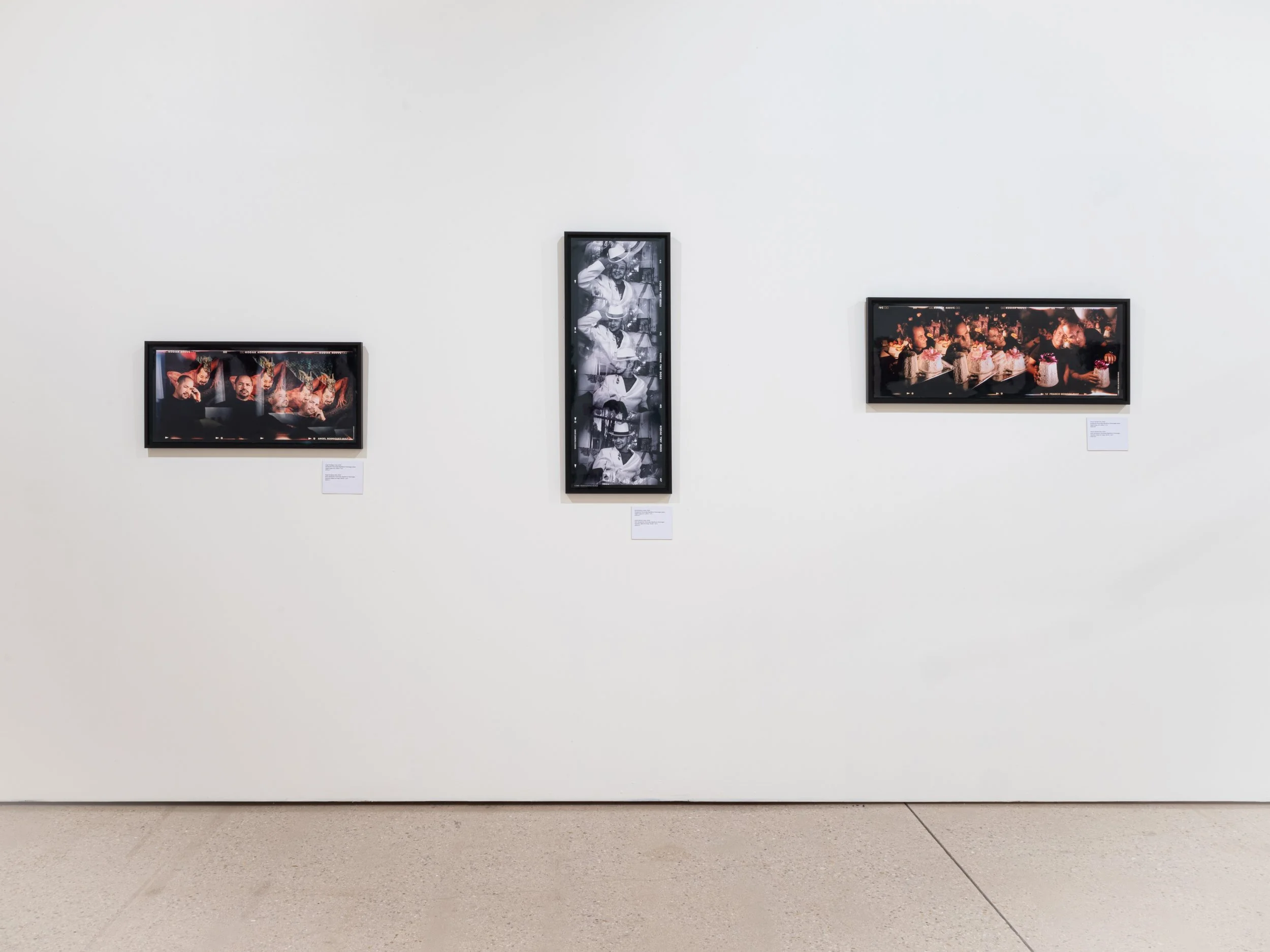
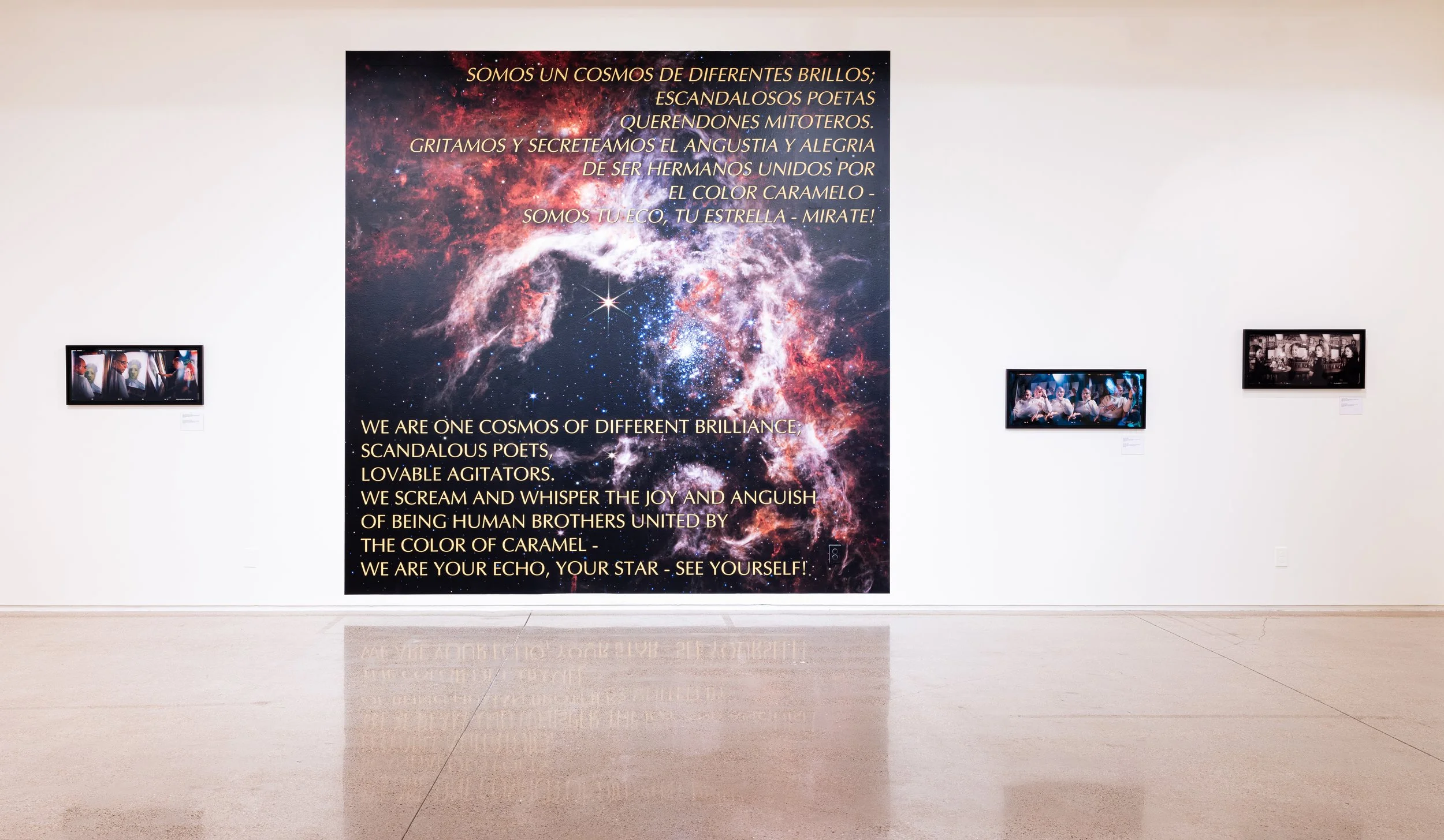
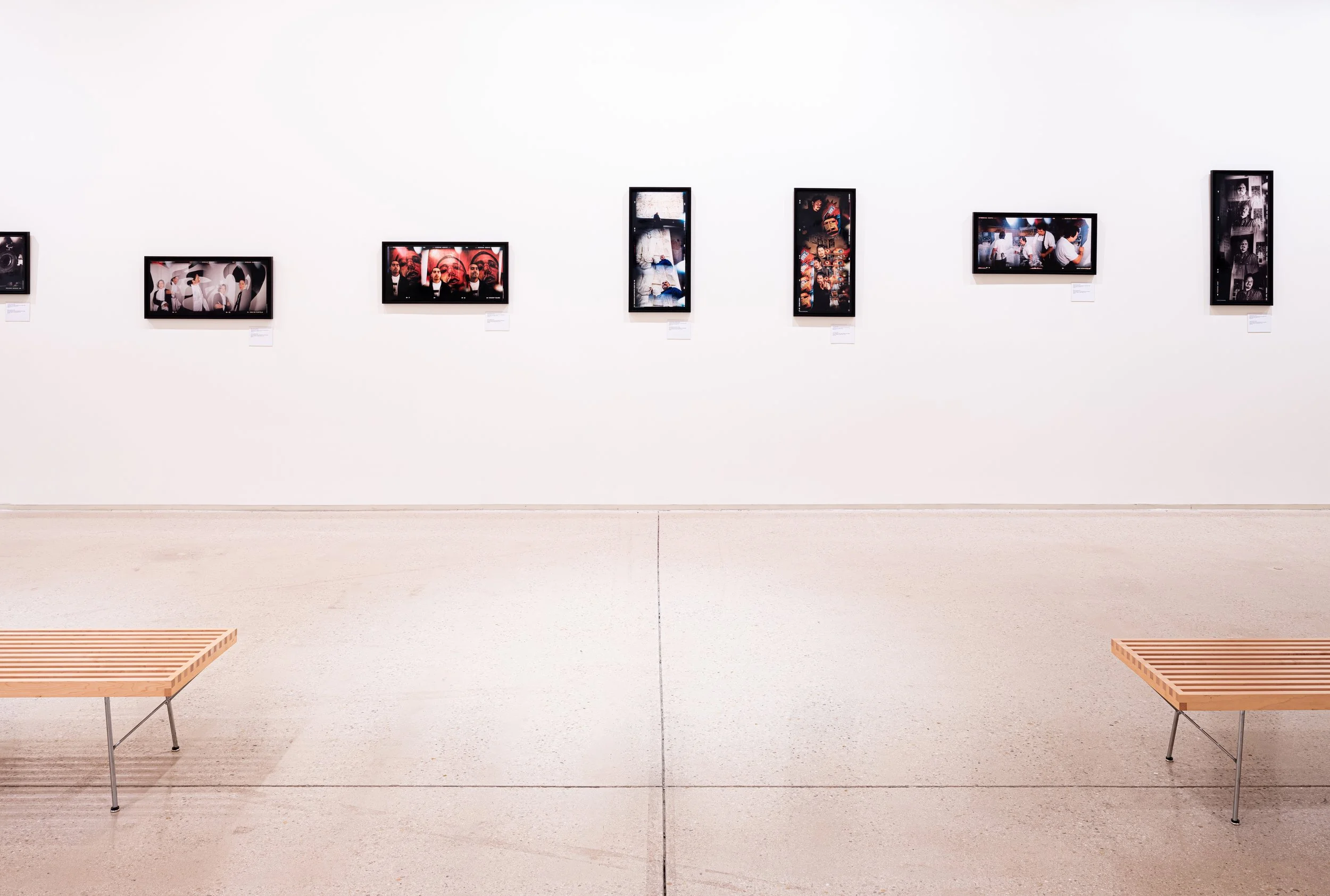
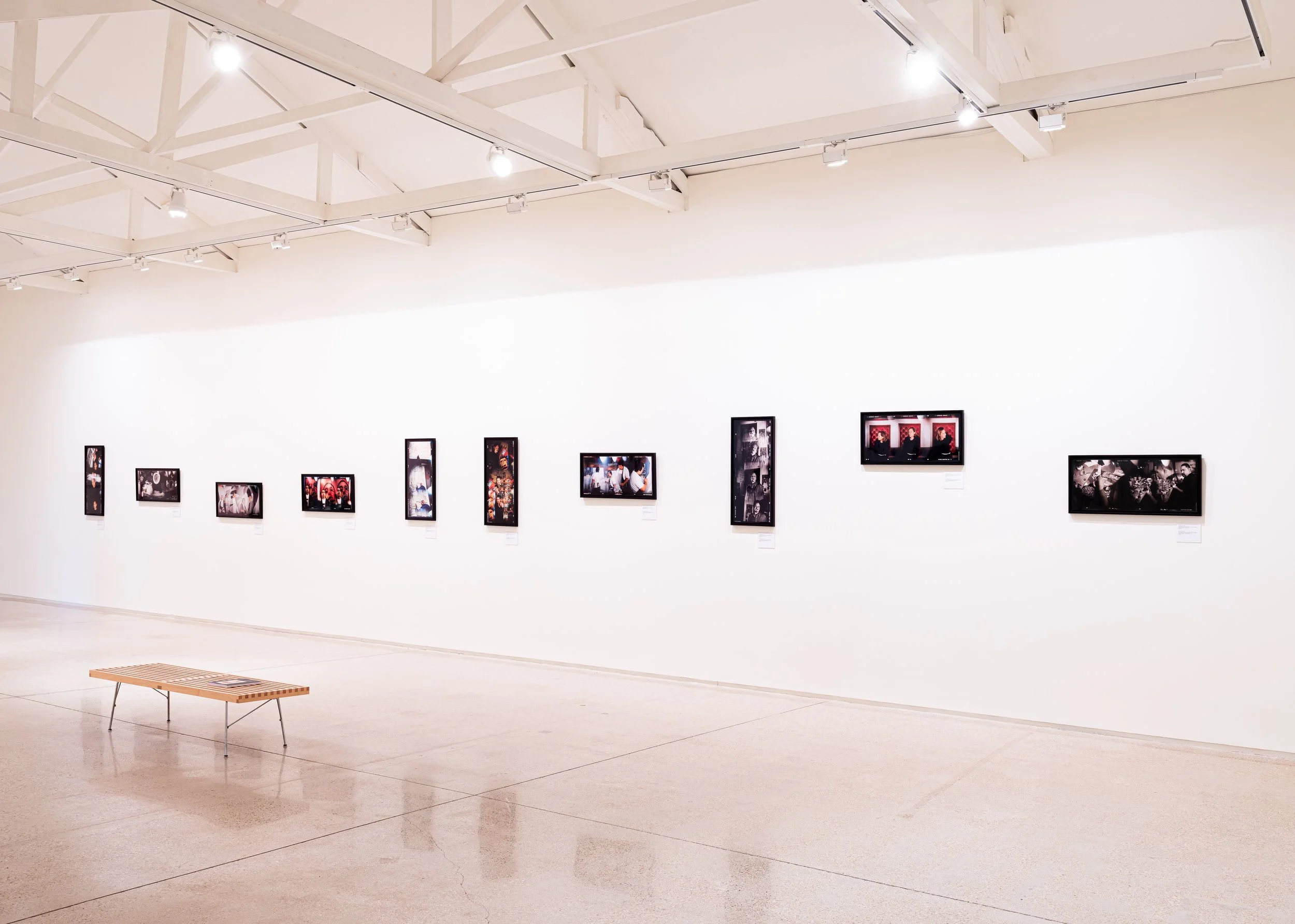
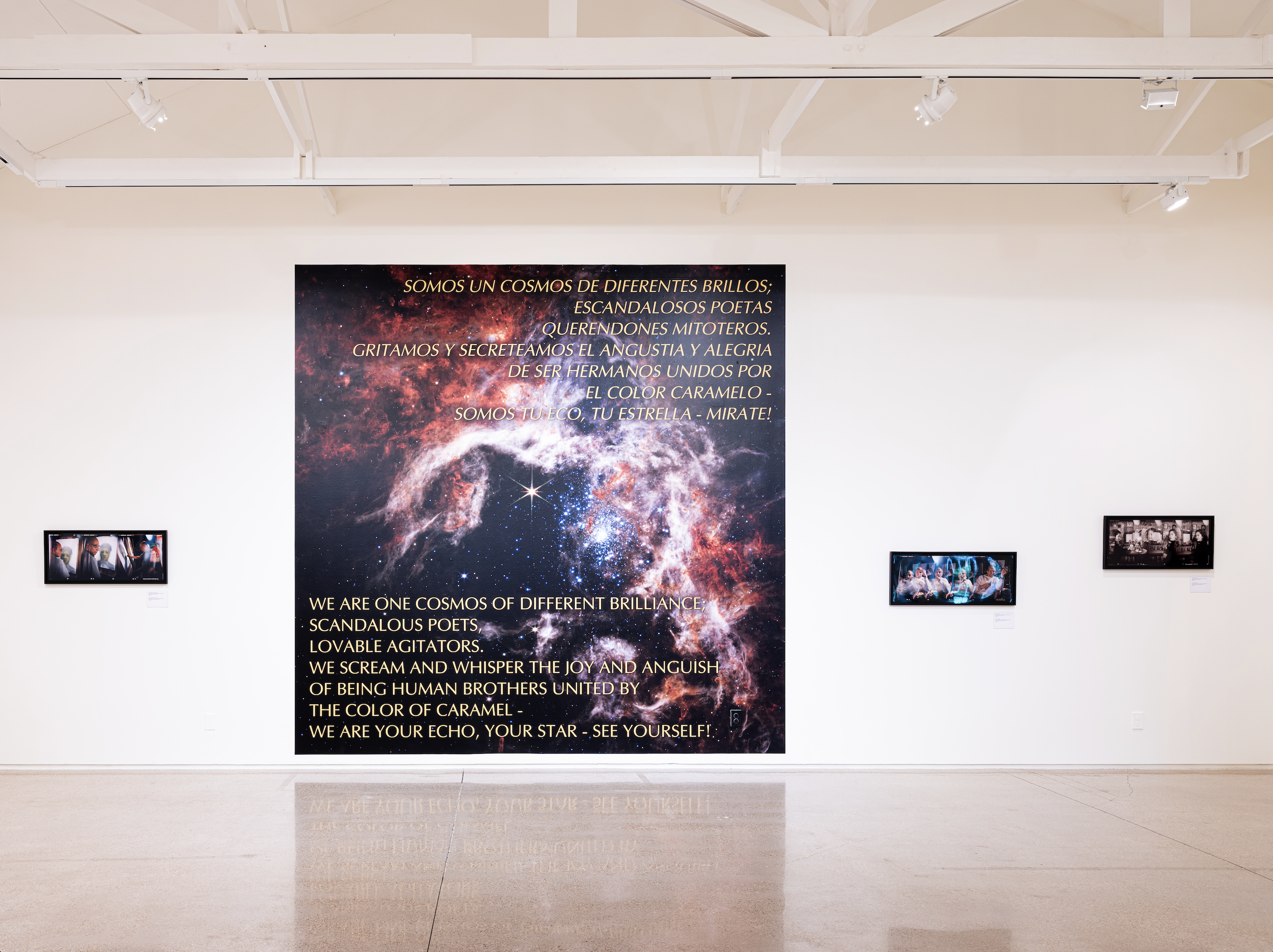
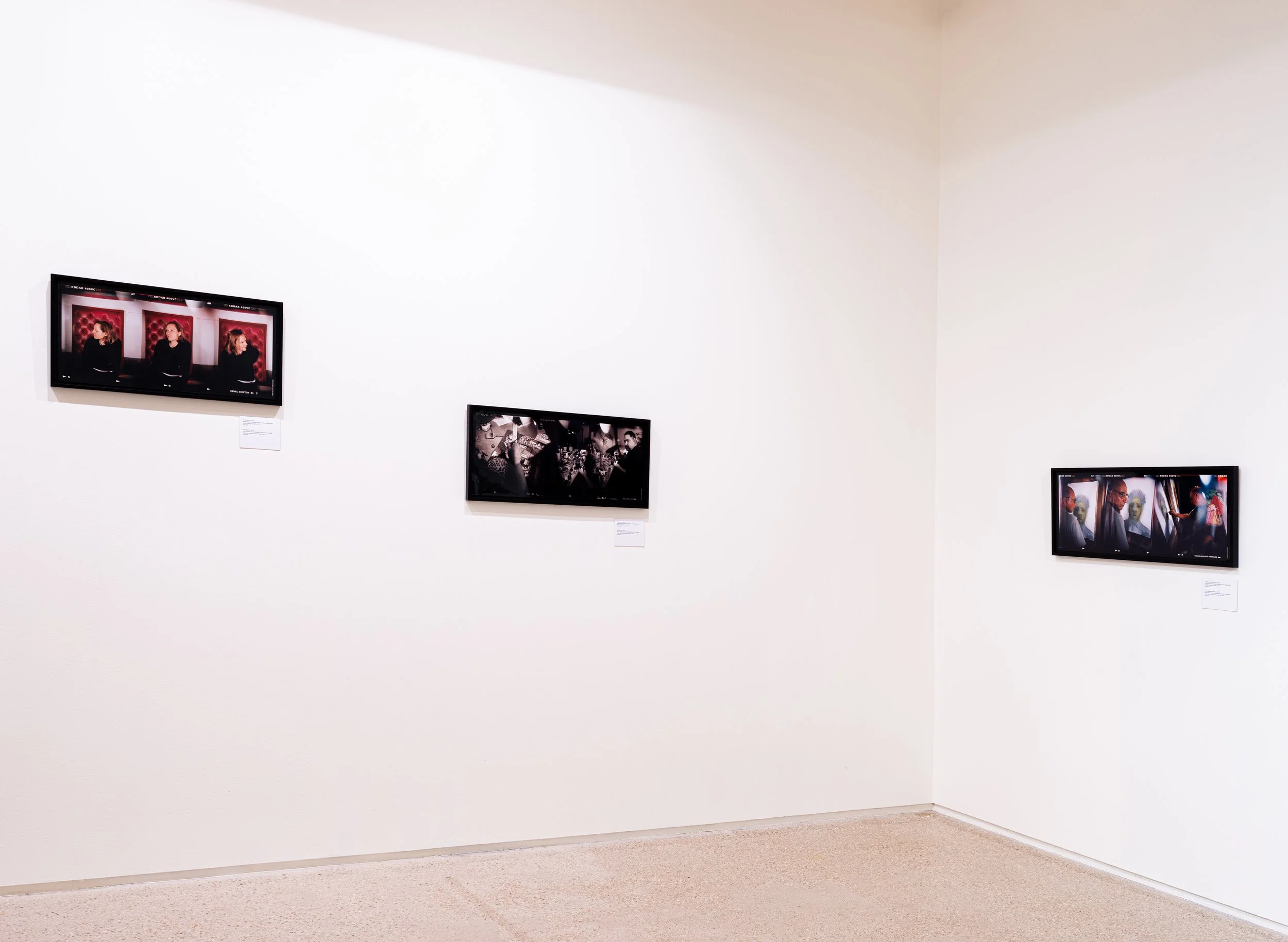
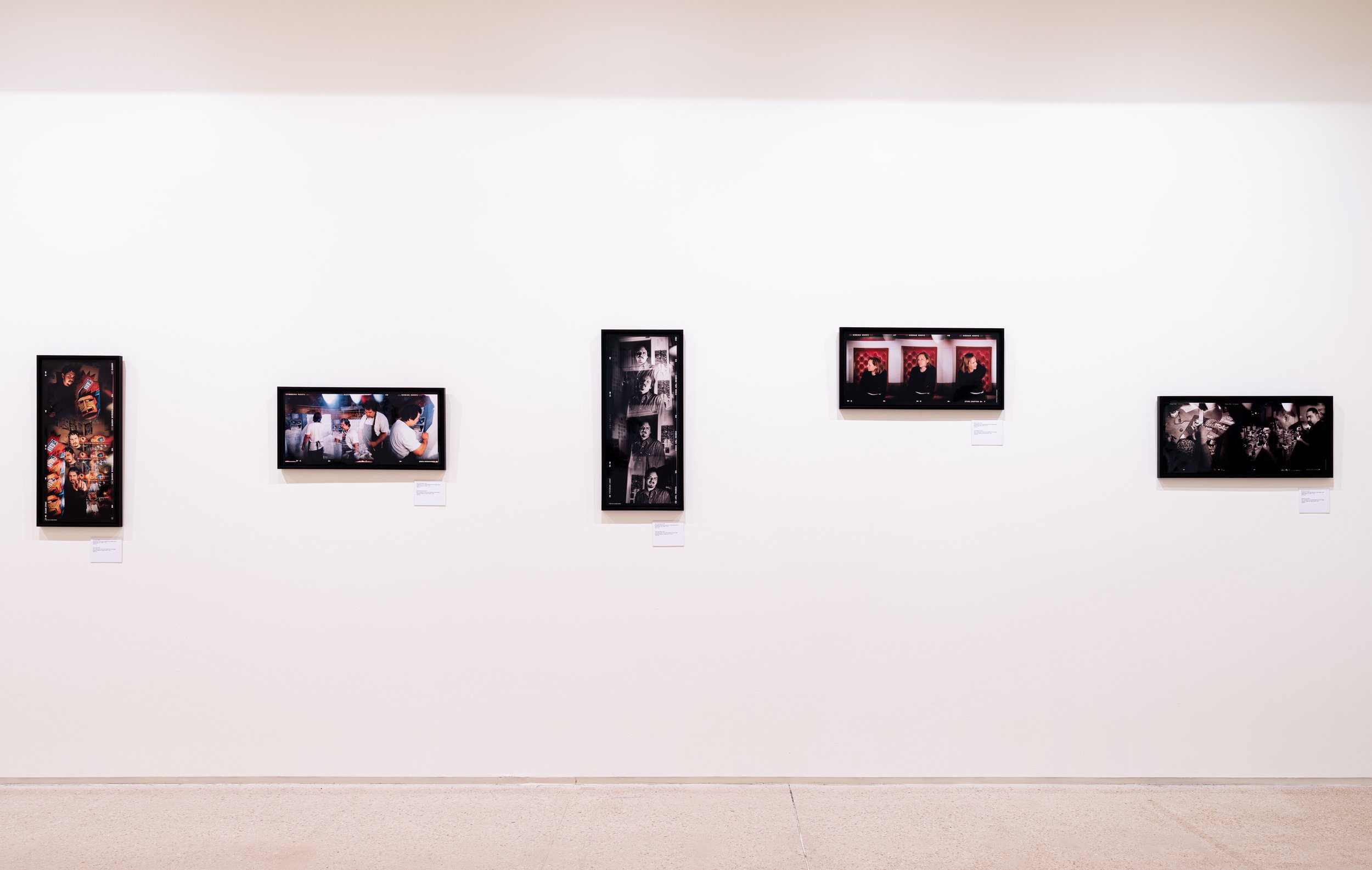
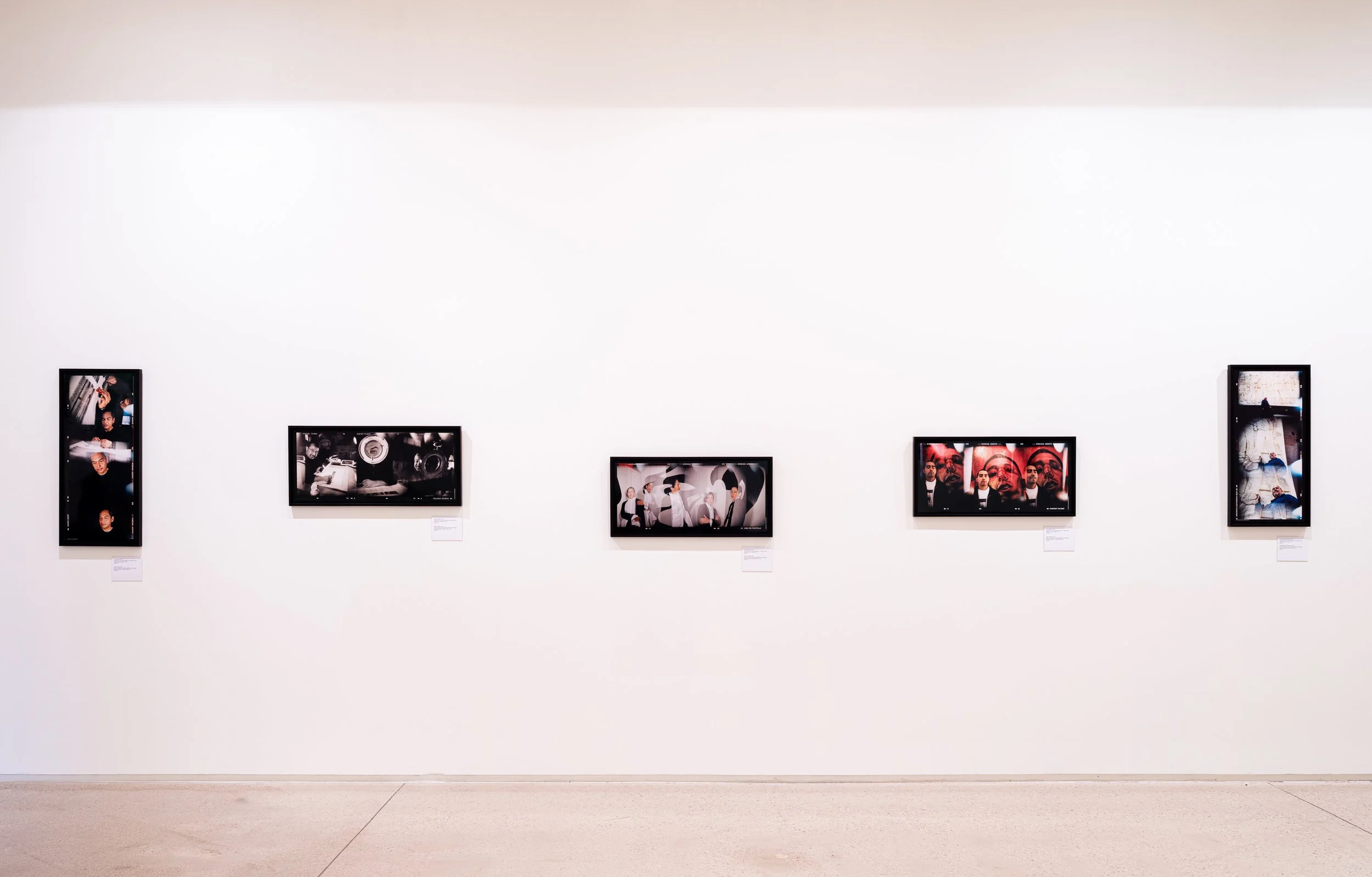
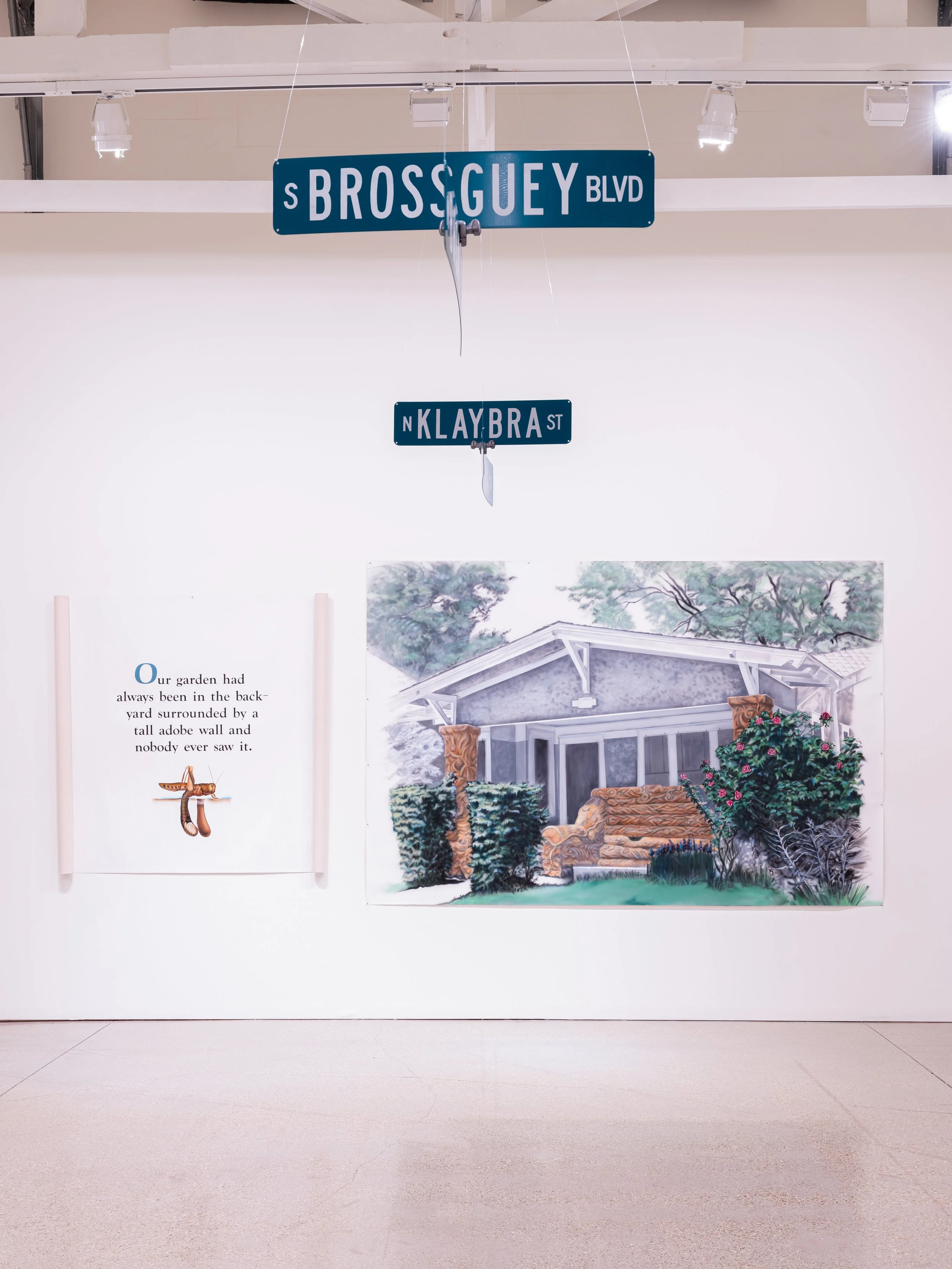
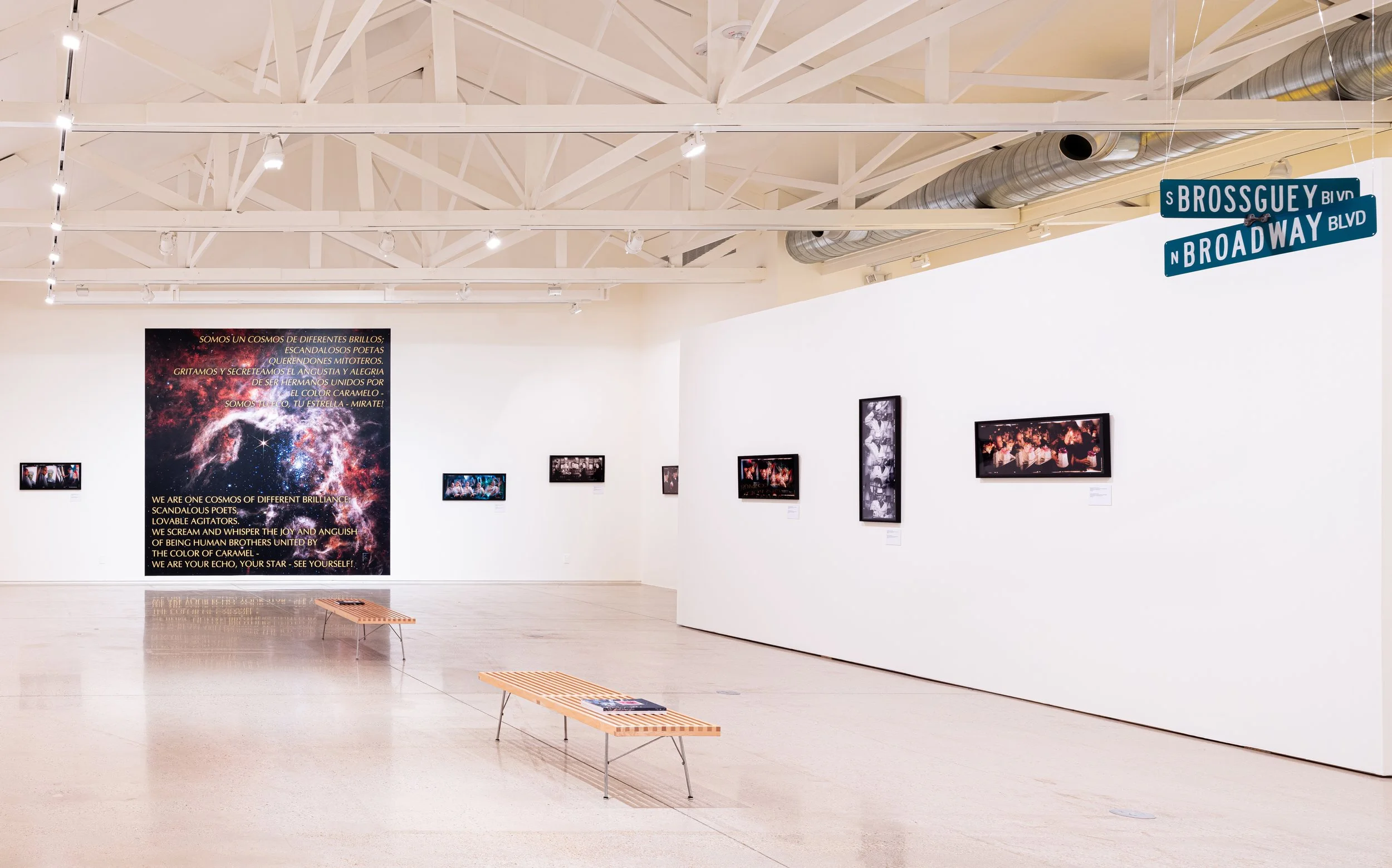
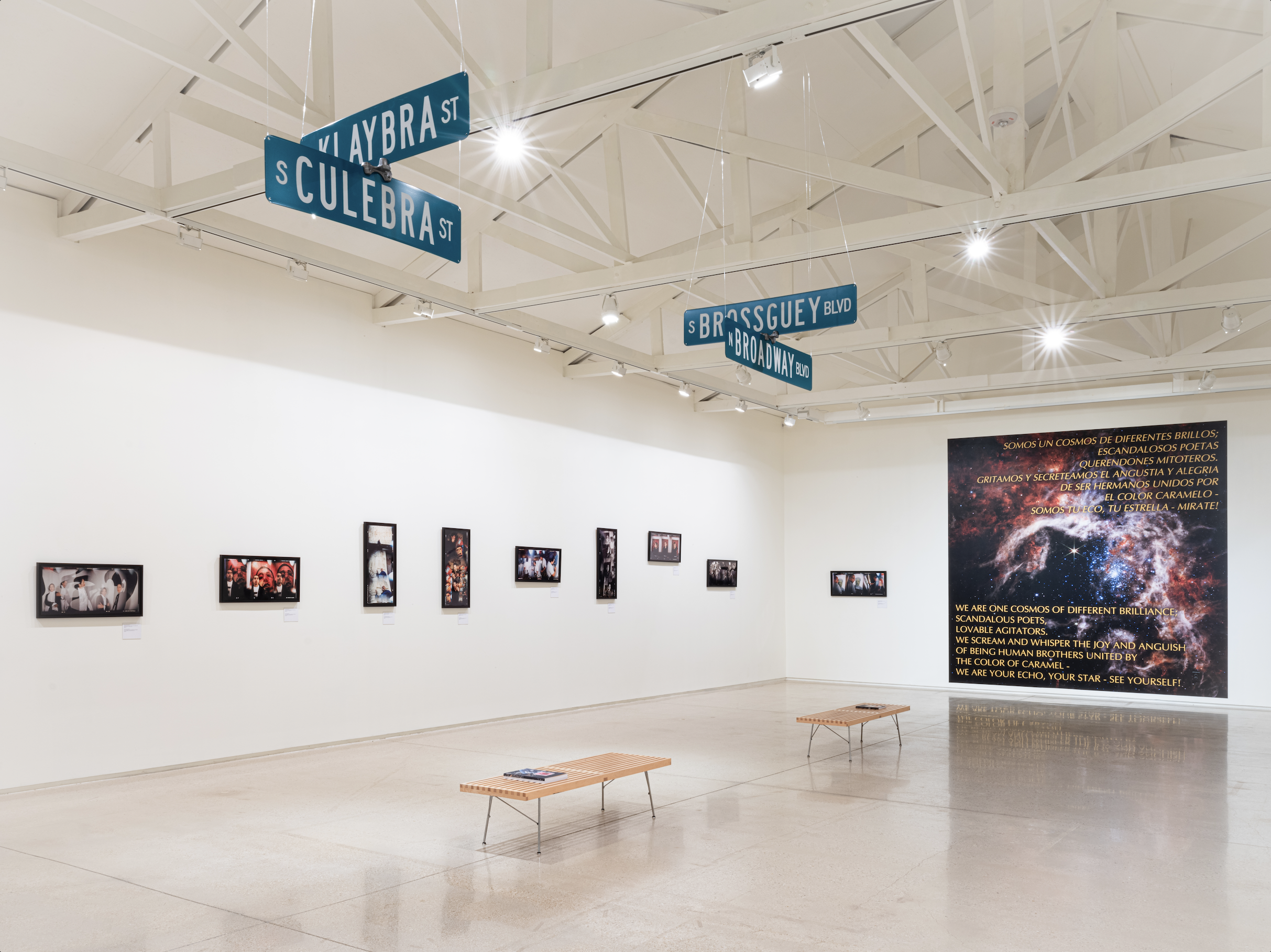
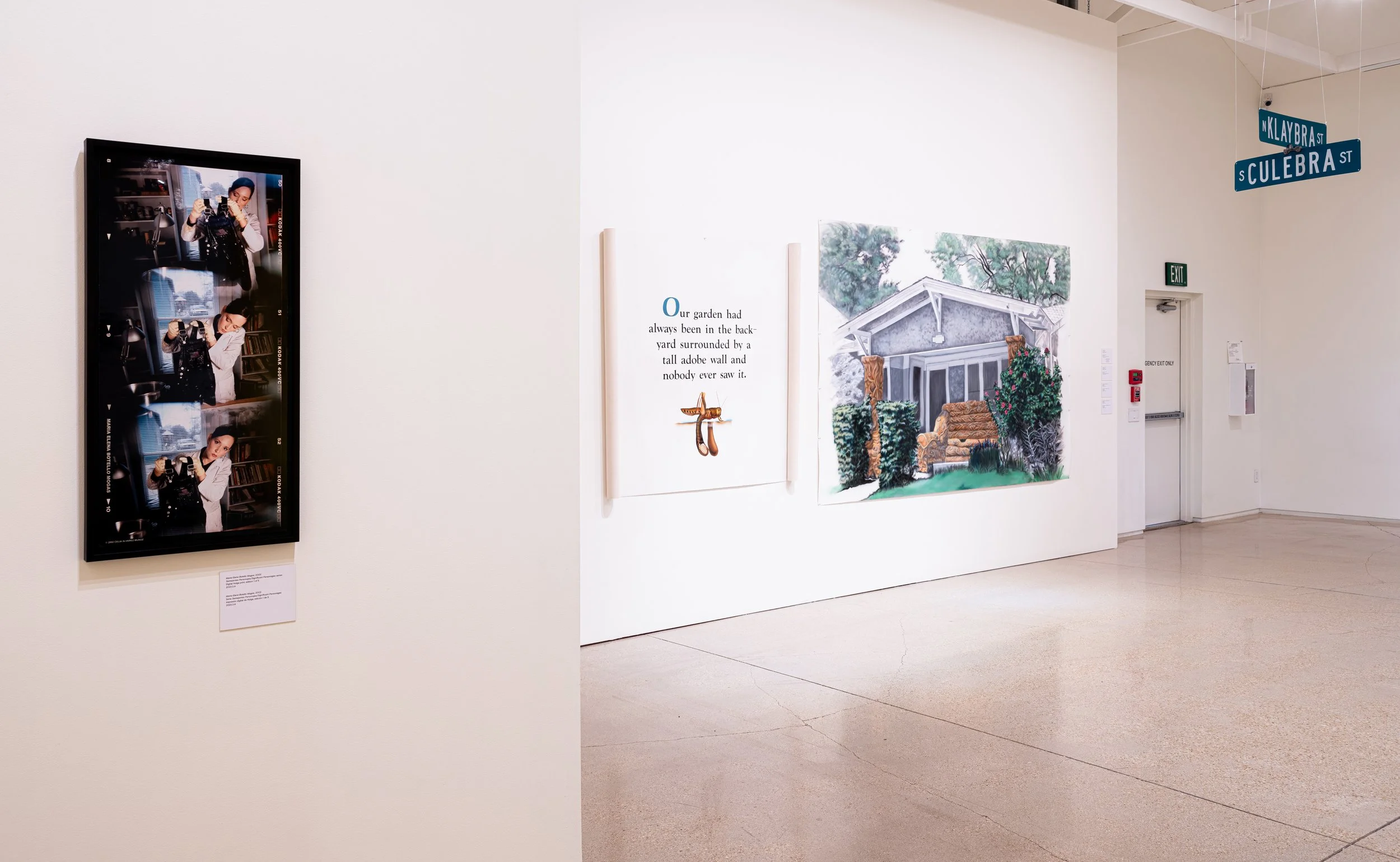
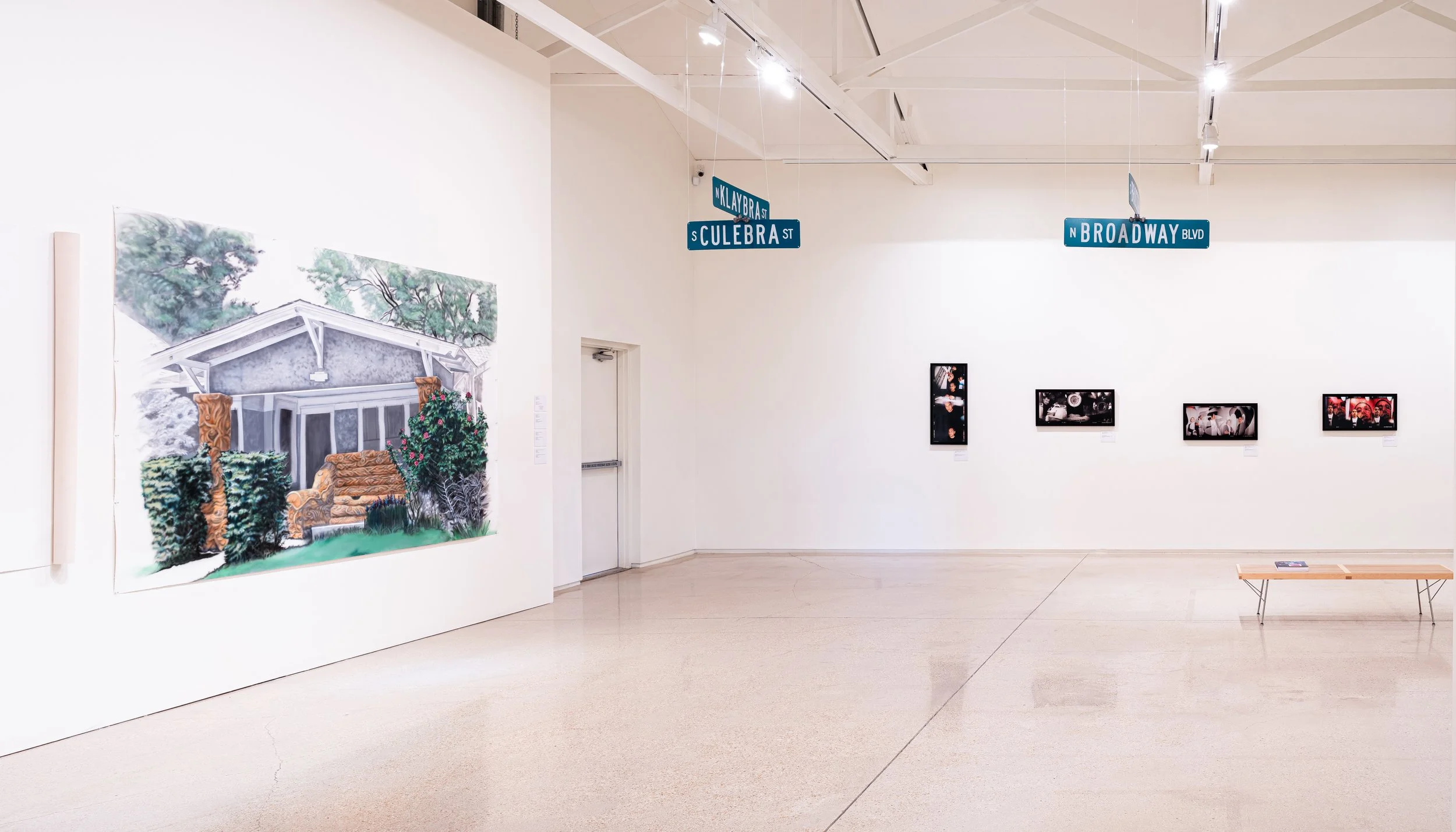
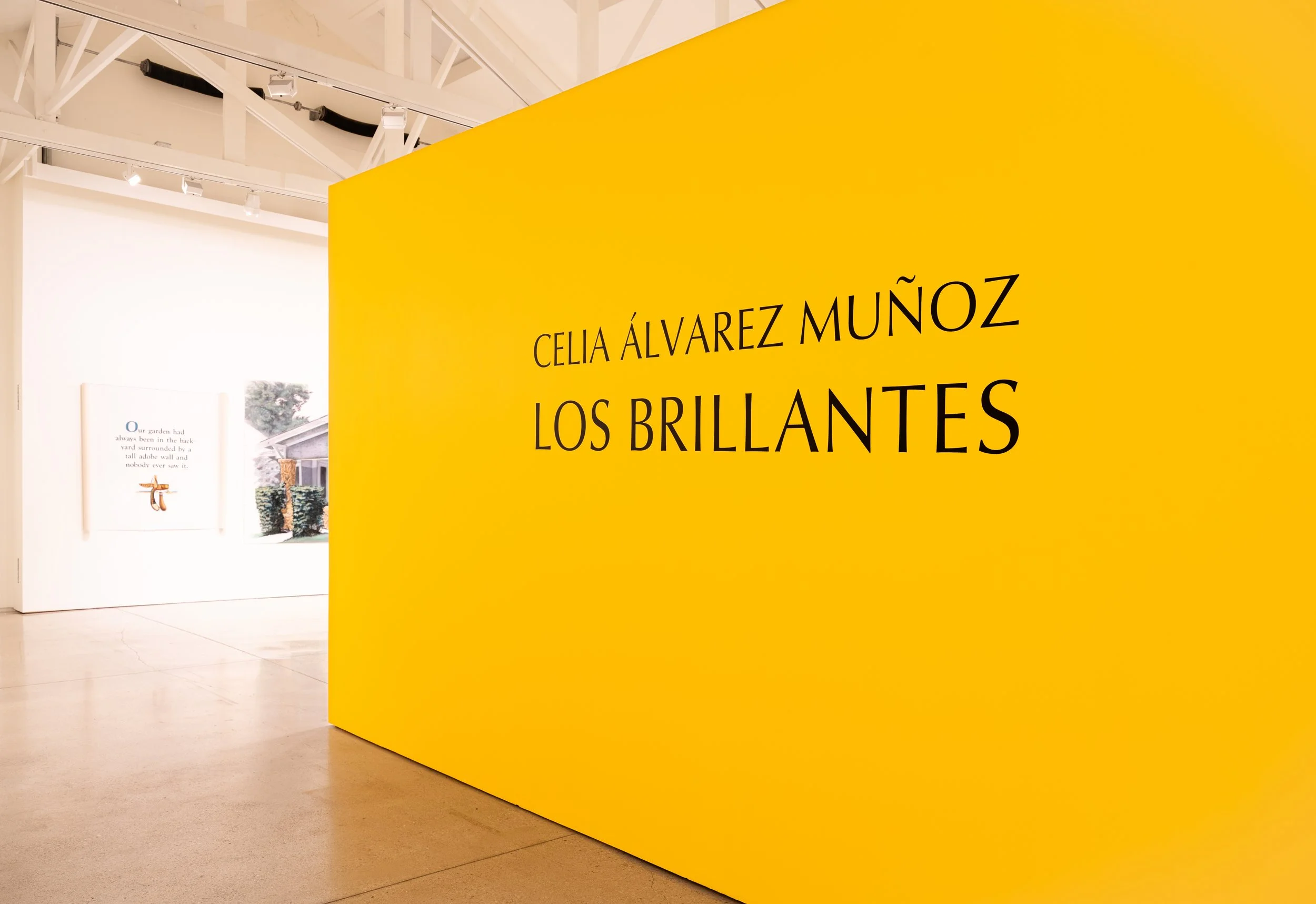
For 44 years Celia Álvarez Muñoz (b. 1937, El Paso, TX; lives Arlington, TX) has been making conceptually driven works of art. Incorporating a wide range of mediums including texts written by the artist, Munoz’s works reflect family stories and her bi-cultural background, having grown up on the Texas border. Additionally, she is known for collaborating with, and highlighting, the experiences and historical demographic dynamics of populations that have changed over time by natural resources or politics.
In her exhibition, Los Brillantes [The Brilliant Ones] at Studio at Ruby City, Muñoz combines two bodies of work from the past in an installation that scales between the specificity of the city of San Antonio and its Latinx artists to the infinitude of the cosmos. The exhibition comprises a suite of 18 photographic portraits of Latinx artists from San Antonio, part of her 2002 series, Semejantes Personajes/Significant Personages, recently acquired by Linda Pace Foundation, Ruby City. It is balanced by part of Postales (c. 1988), an installation of paintings and street signs that suggests local neighborhoods, grounding the pictured artists as ever youthful, determined and part of this city. Backdrop for these works is an image of space complemented by a newly revised poem written by the artist. Muñoz has a deep reverence for these artists (and this place) because she continually finds them symbiotically supportive and inspiring. “These artists are a strong, informed and politicized community,” as Muñoz often remarks. “They are important,” she declares, “stars in our arts’ universe, los brillantes.”
Bitter/Sweet Longing
Sala Diaz
210-275-4903
517 Stieren San Antonio, TX 78210
Feb 28, 2025 — Mar 31, 2025
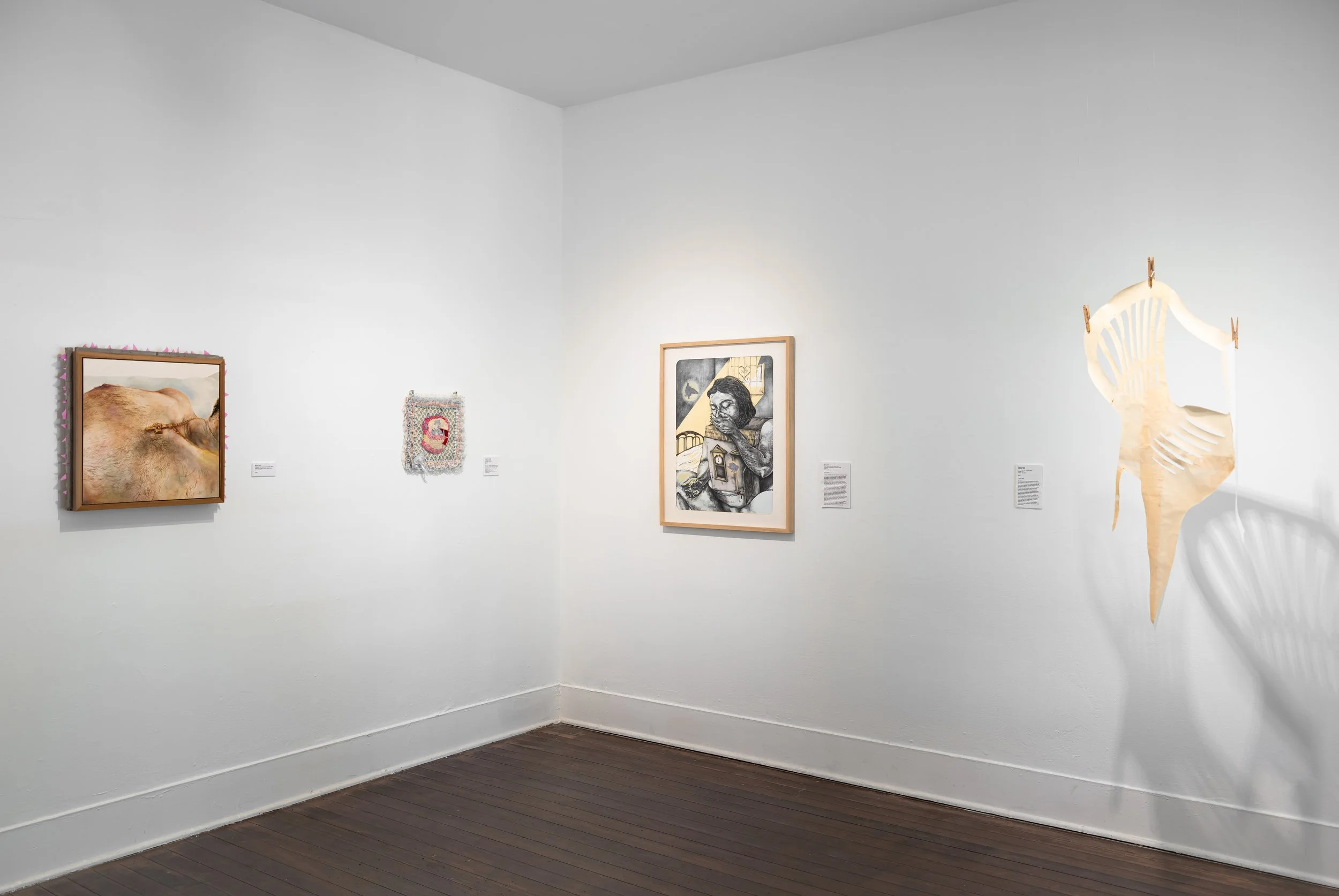
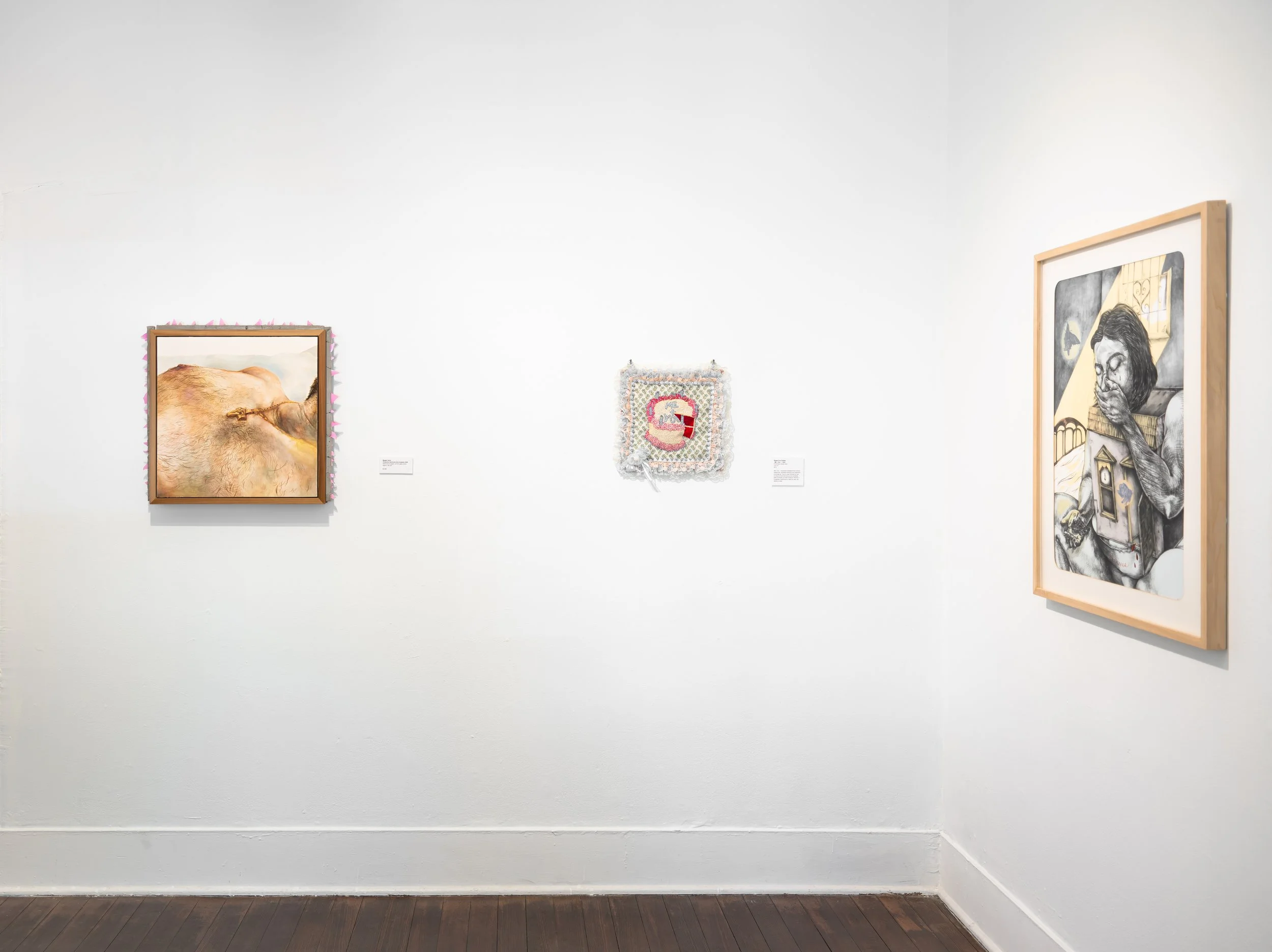
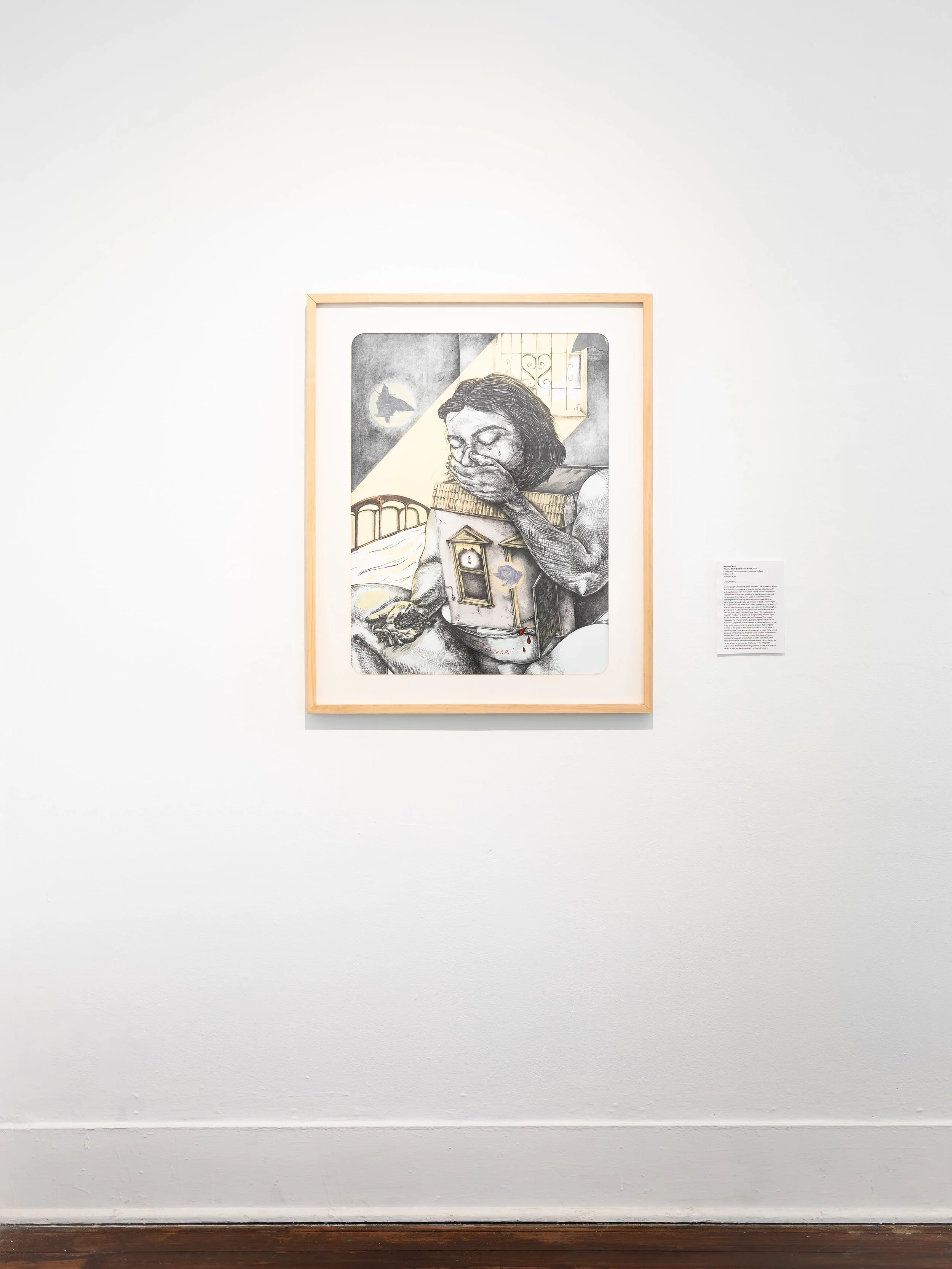

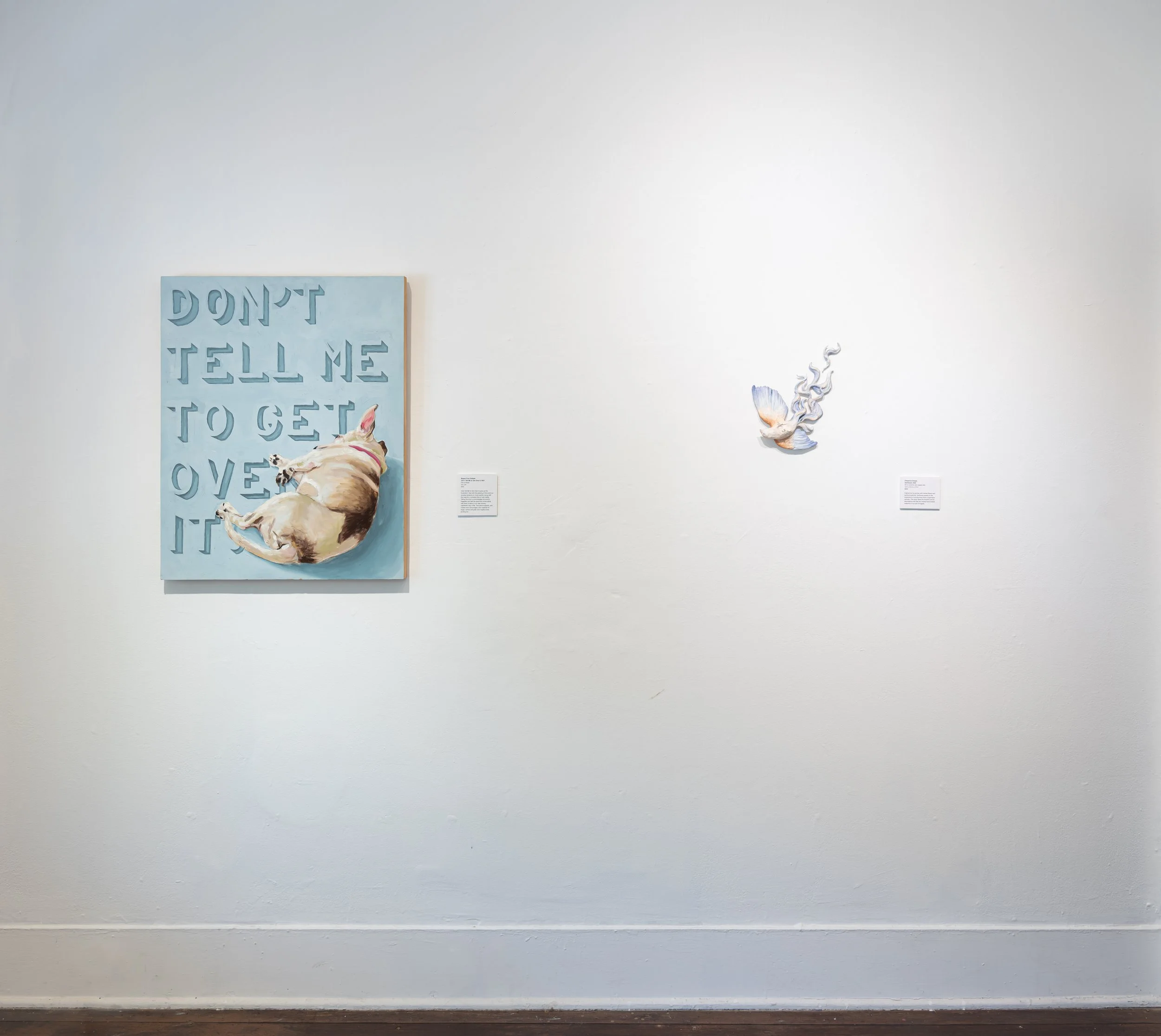
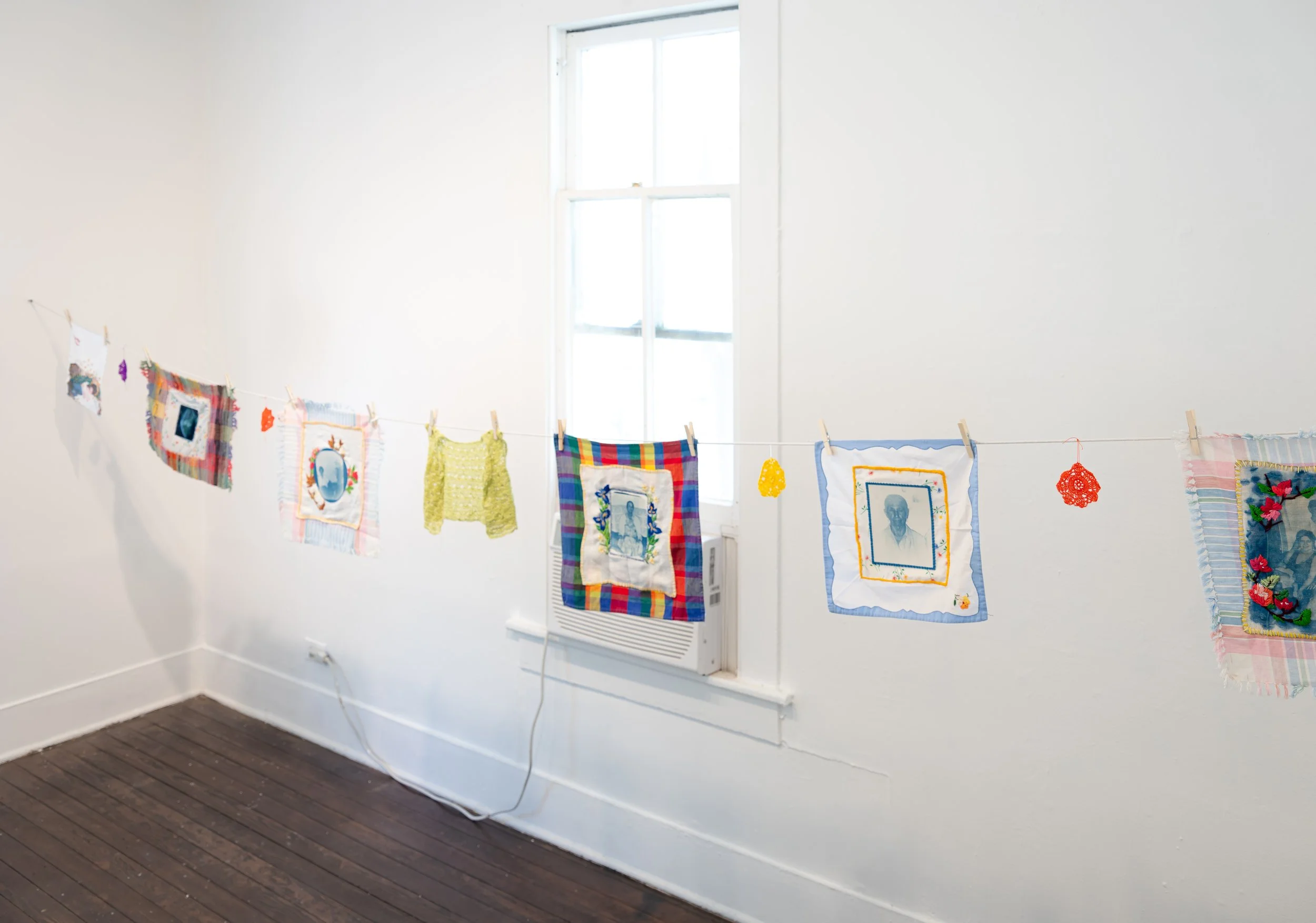
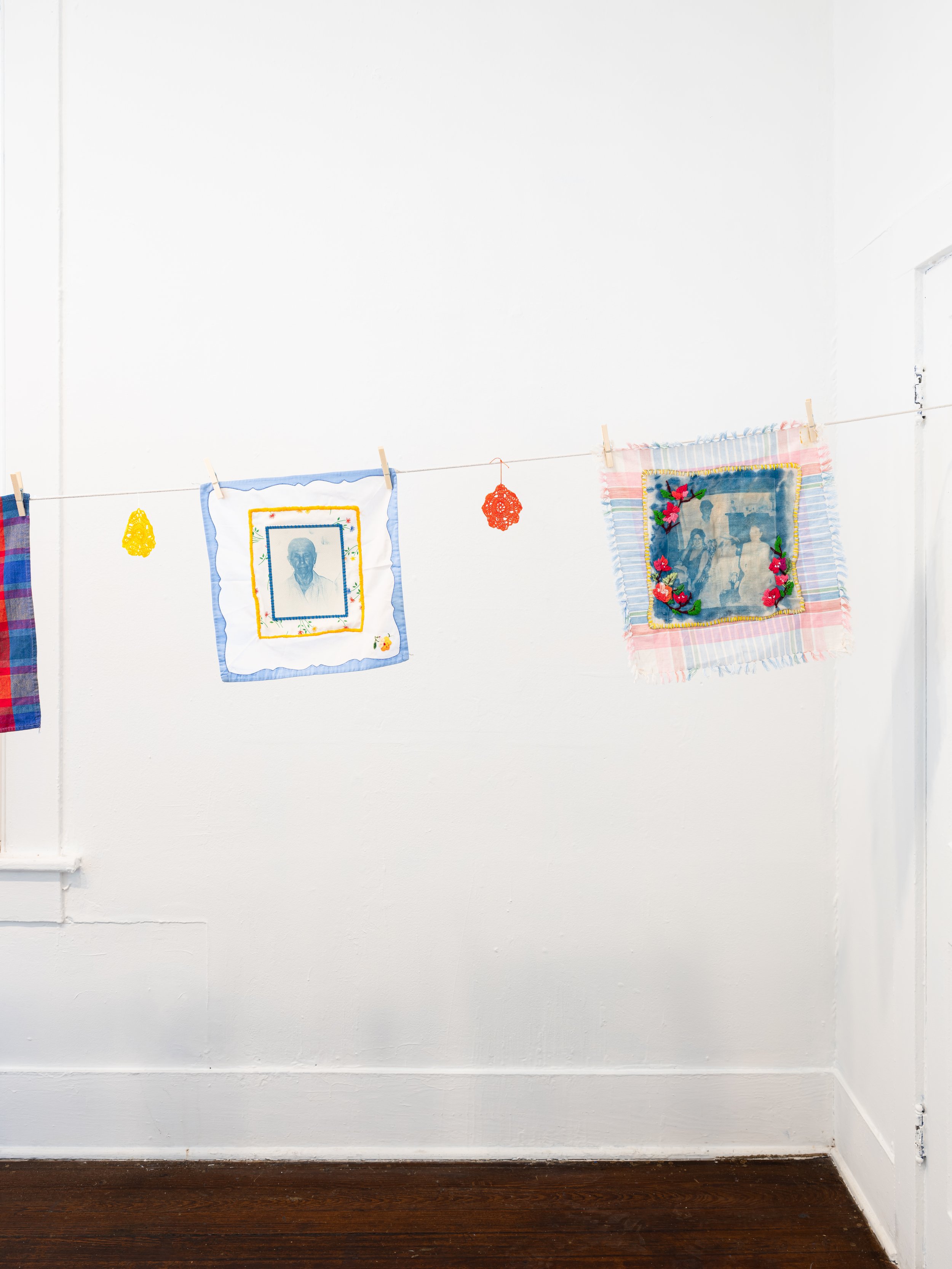
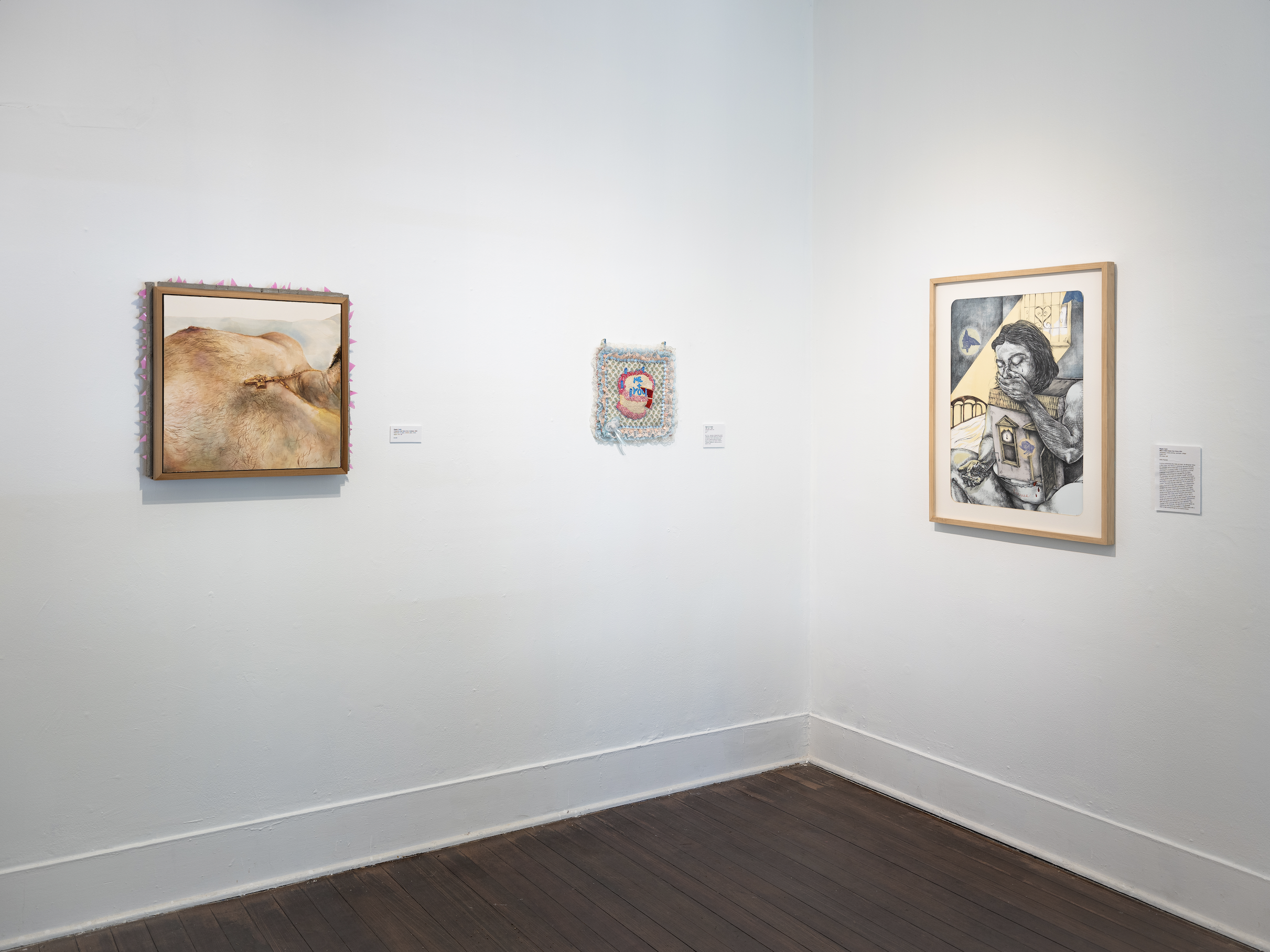
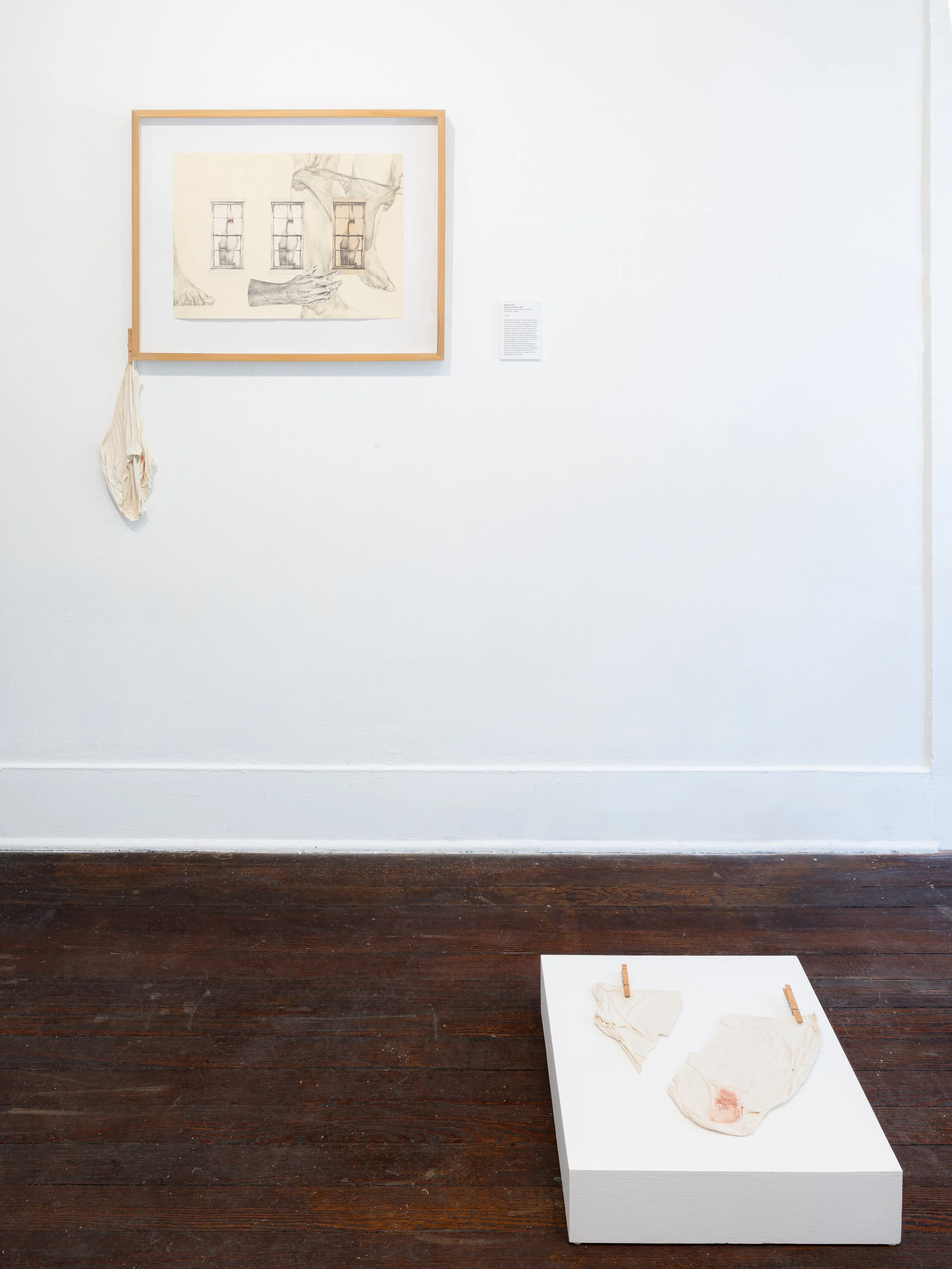
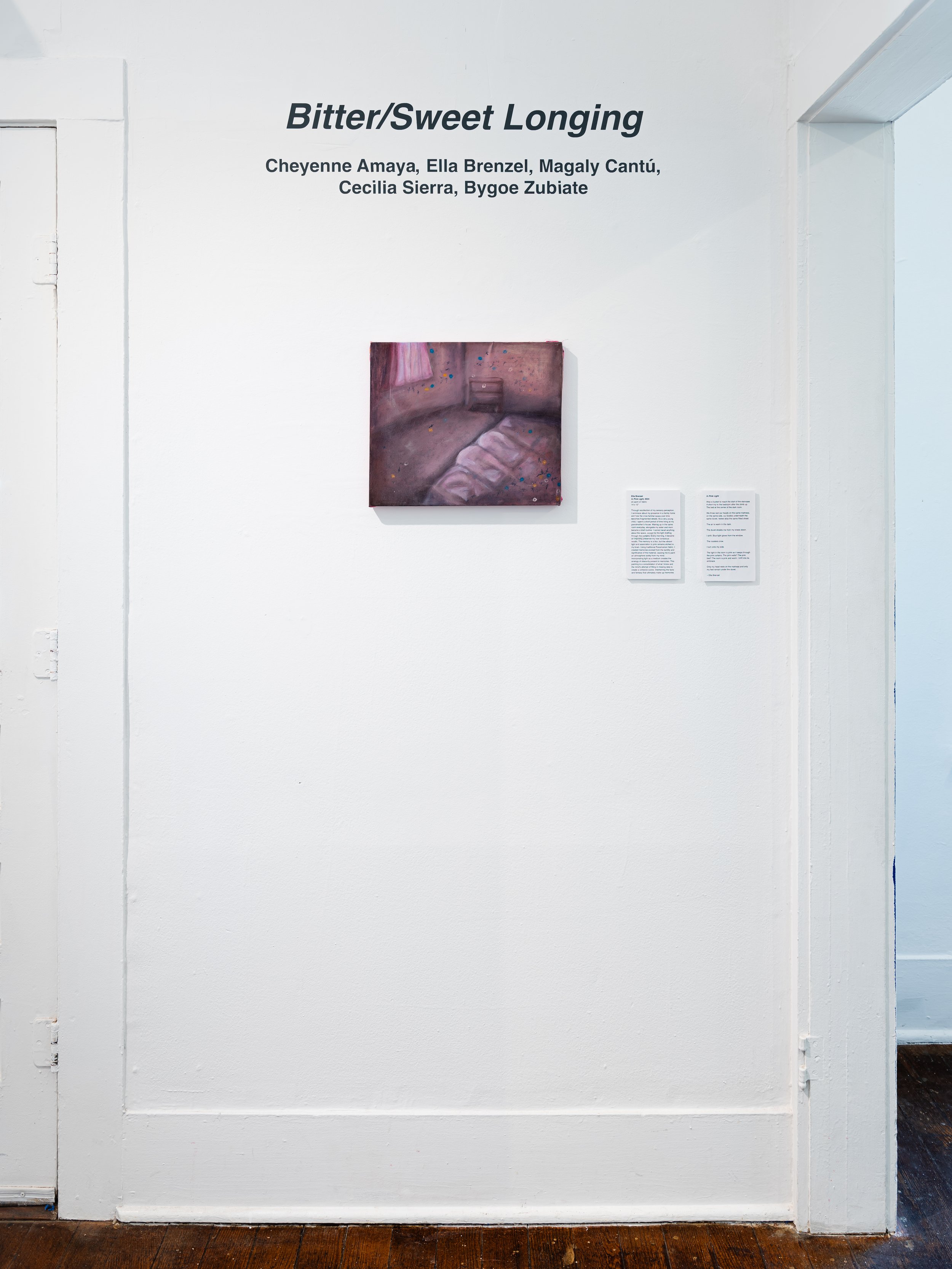
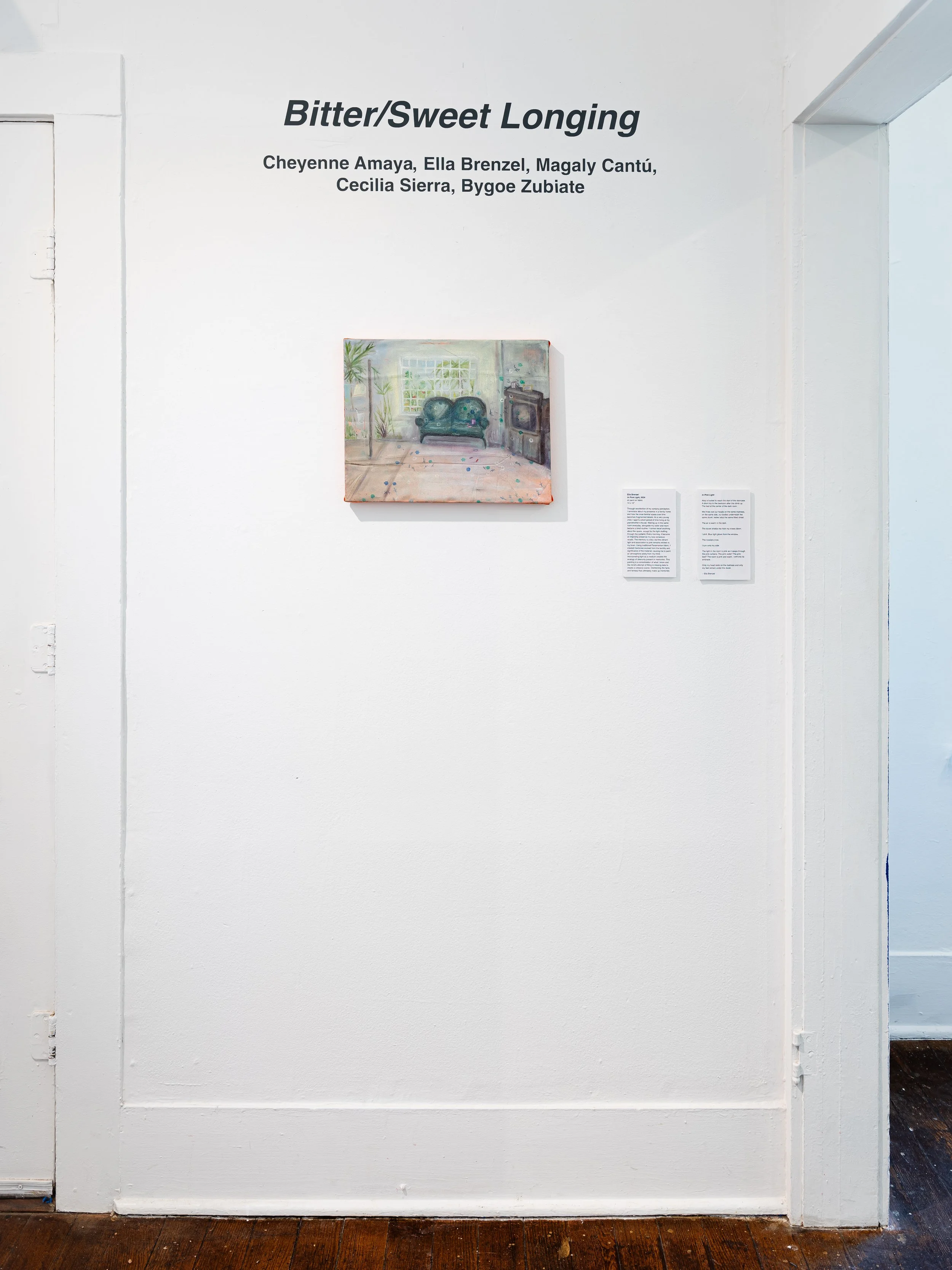

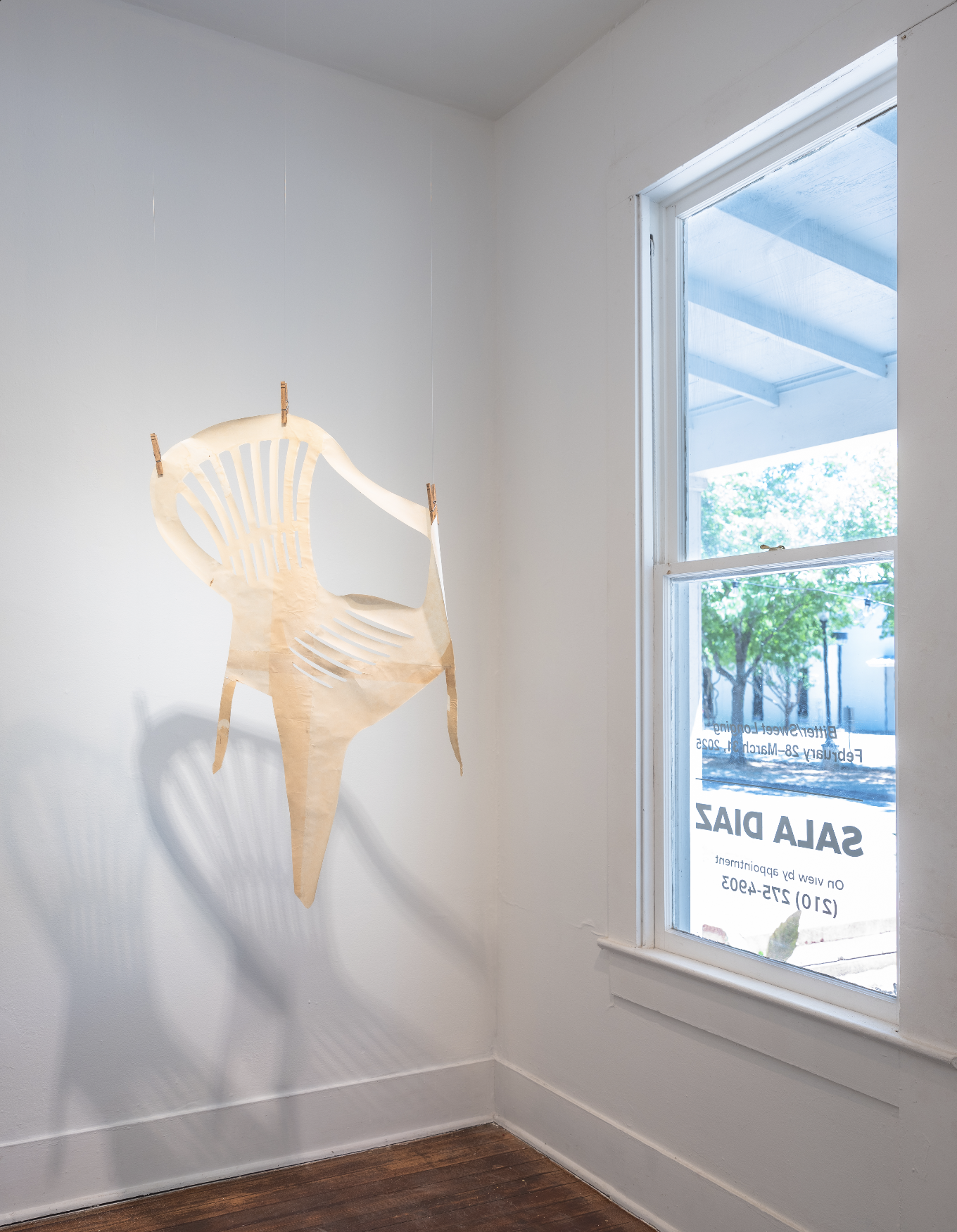
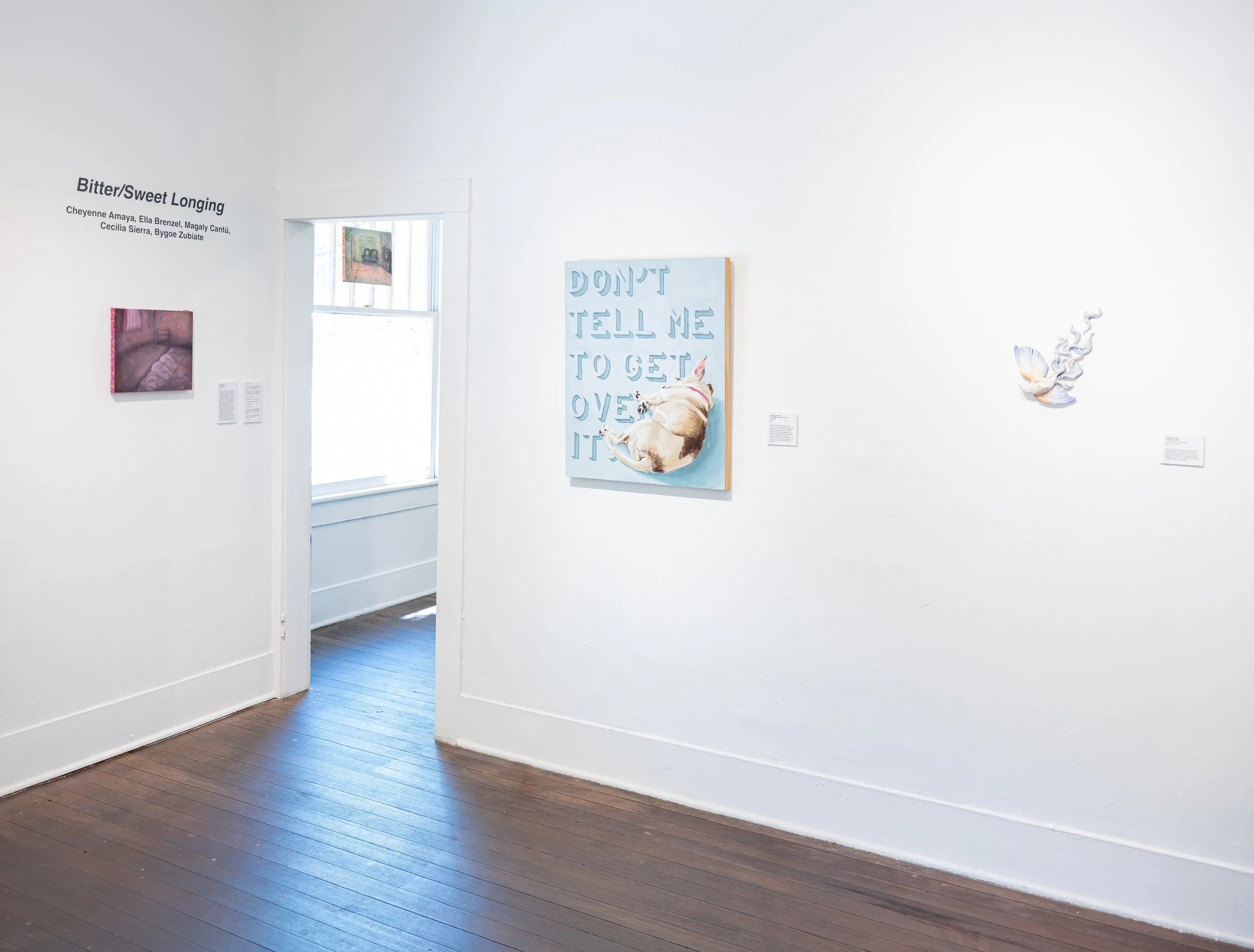
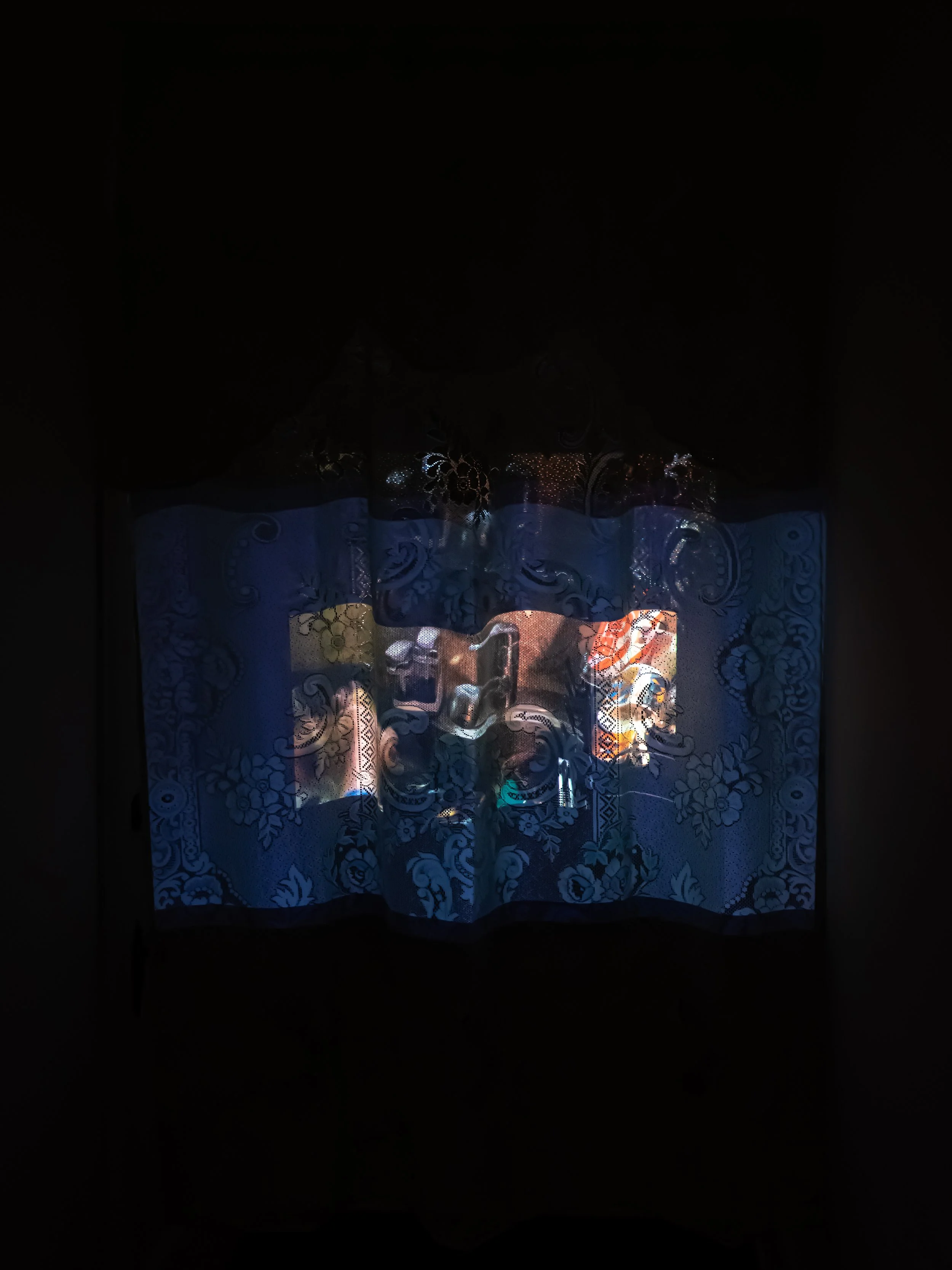
In this exhibition, the six young, emerging artists, Cheyenne Amaya, Cecilia Sierra, Bygoe Zubiae, Magaly Cantu, and Ella Brenzel are working across an array of mediums, favoring a material-based approach to their practice. Many of the exhibiting artists are exploring their own memories through form, material, or concept, often intermingling varied approaches. Ella Brenzel attempts to recapture hazy memories of her childhood through paintings on fabric, while Cecilia Sierra’s installation-based works are a method of capturing her own memories in addition to those of her maternal line. In contrast, artist Cheyenne Amaya creates ethereal creatures made of ceramic to capture and hold onto the fleeting highs and lows of her bipolar disorder.
Through these personal explorations of memory and time, the featured artists demonstrate that these investigates are a creative act, one that can transform individual experiences into shared understanding and help us find our bearings in an increasingly destabilized world.
WATER WAYS
Ruby City
210-227-8400
150 Camp St.
San Antonio, Texas, 78283
Sep 7, 2023 – Aug18, 2024
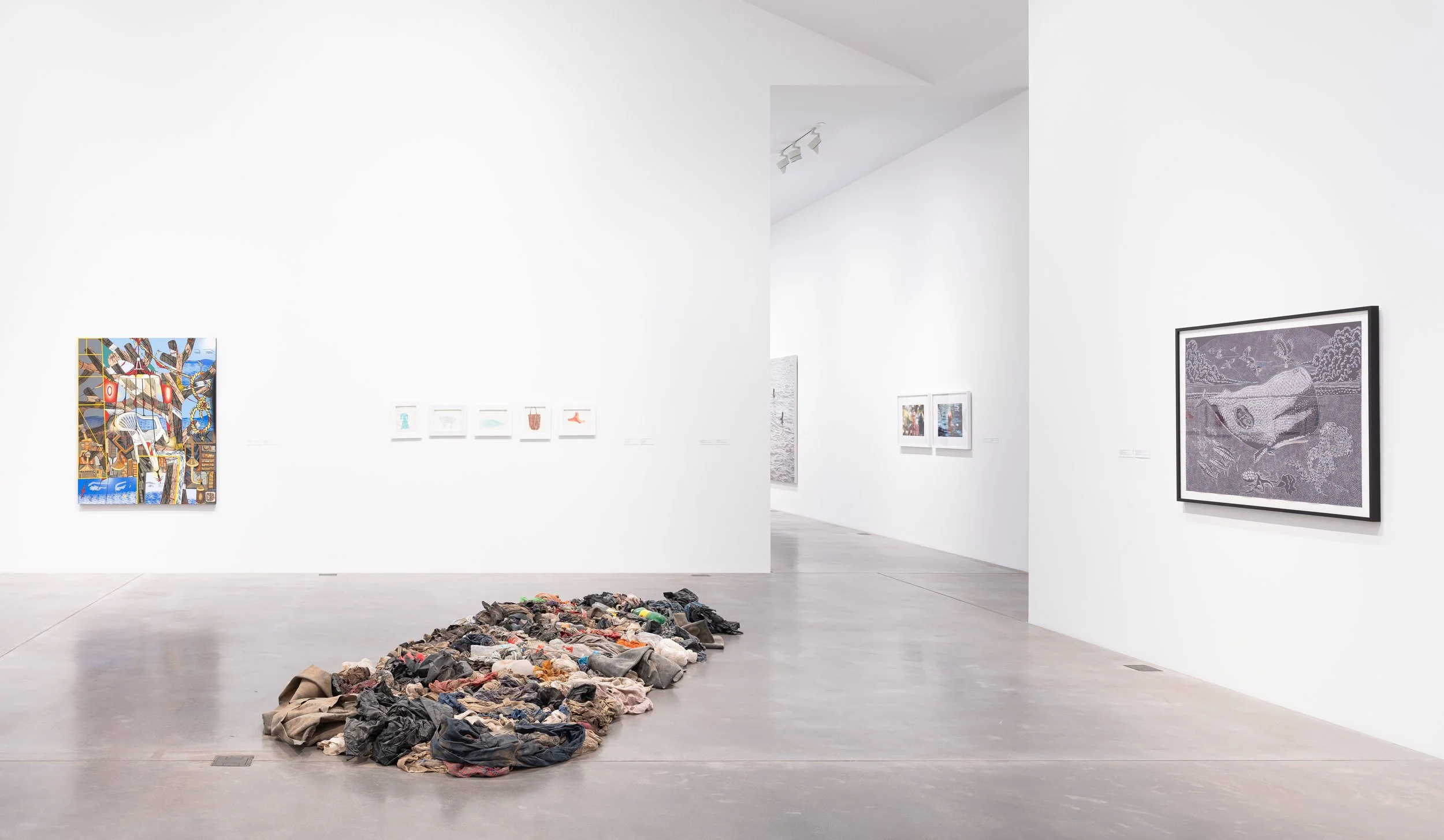
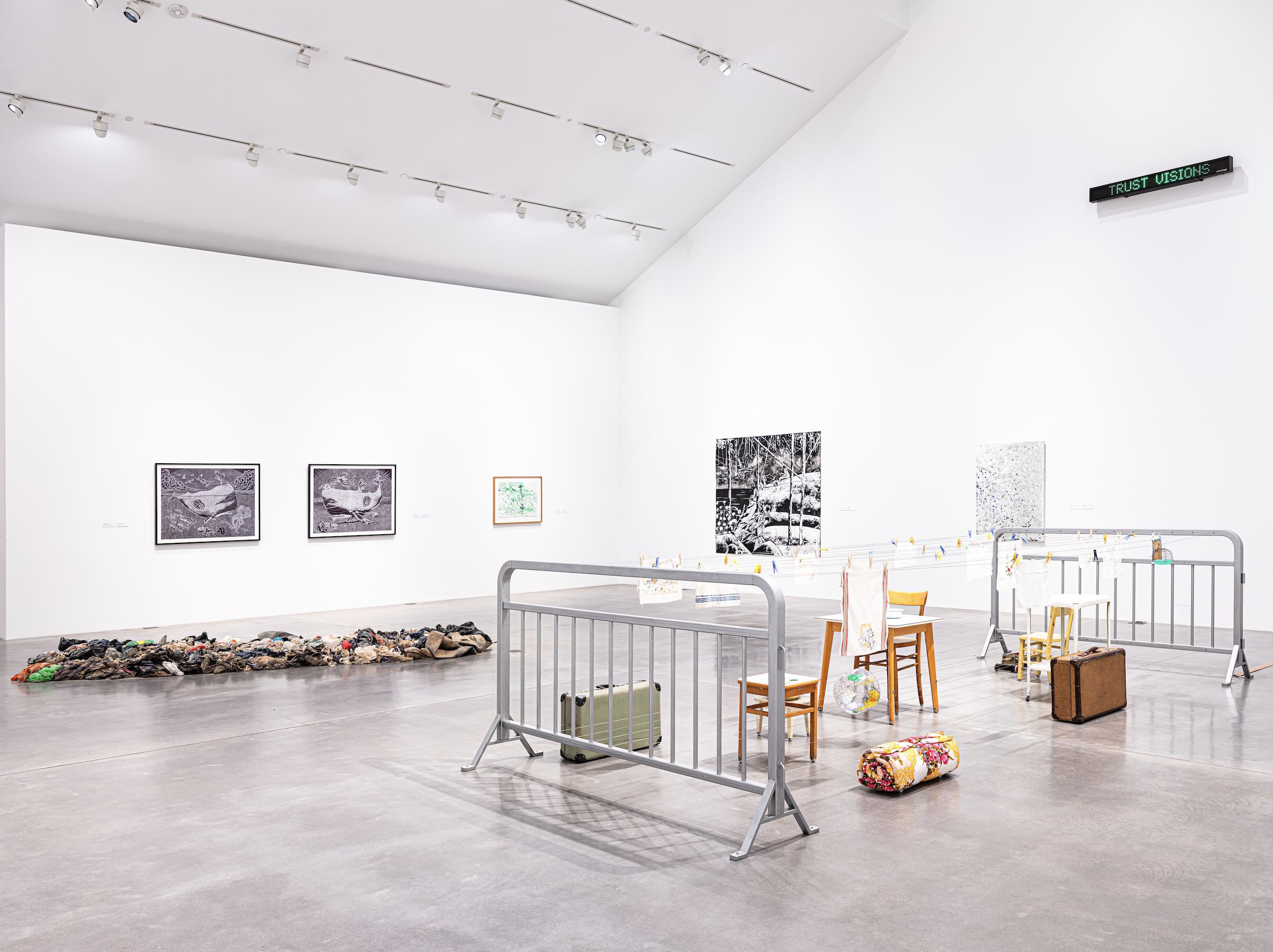
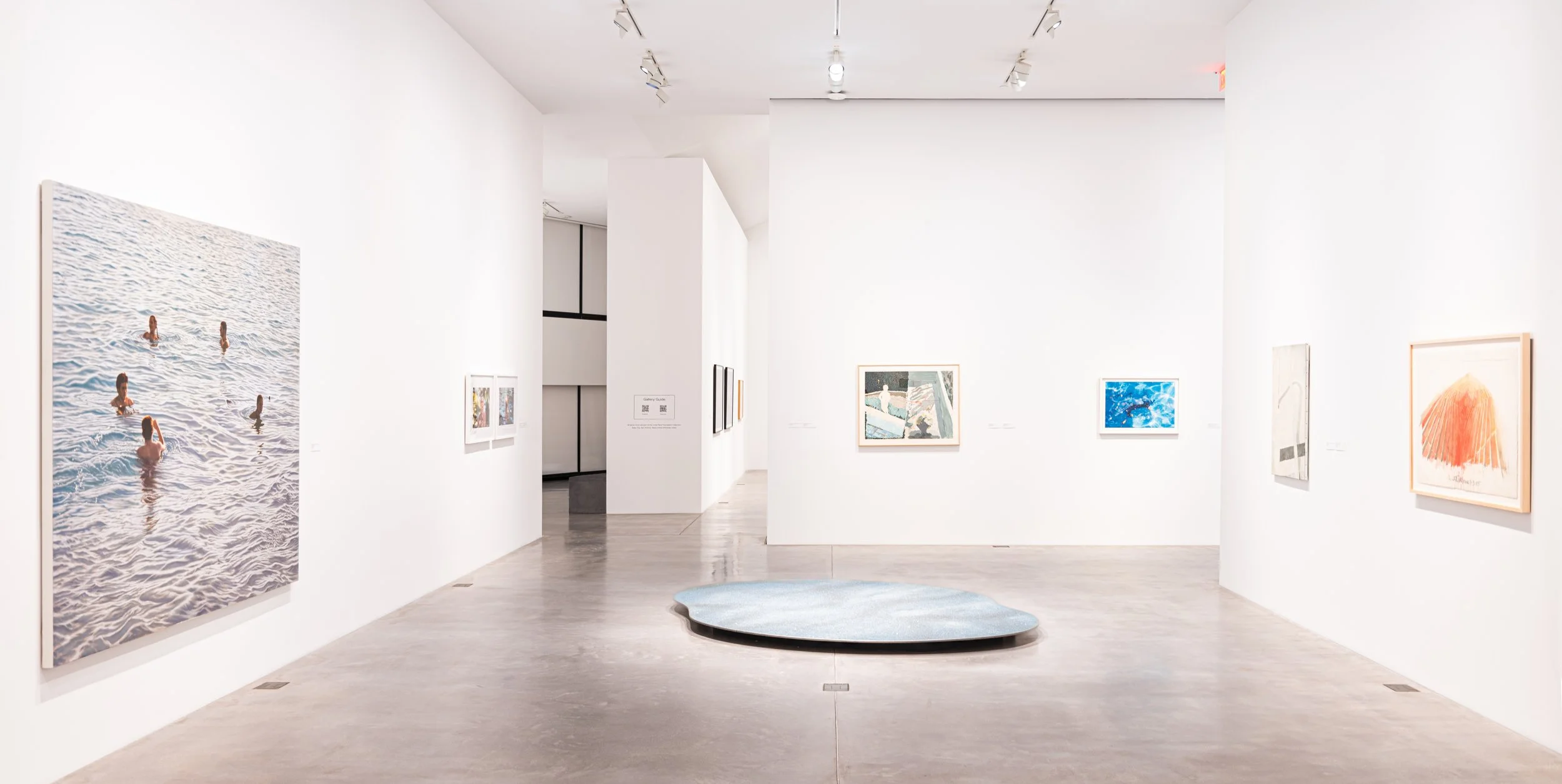
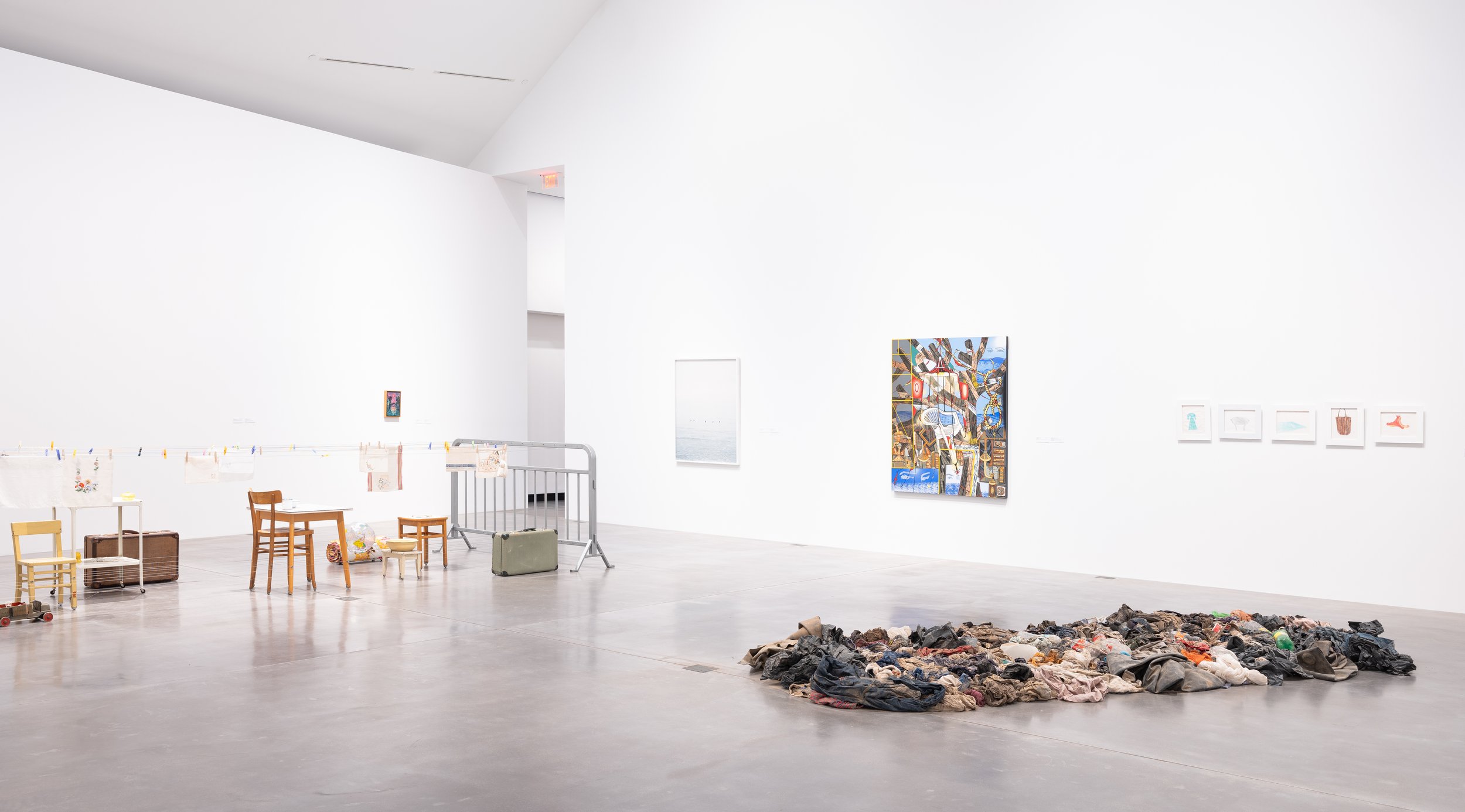
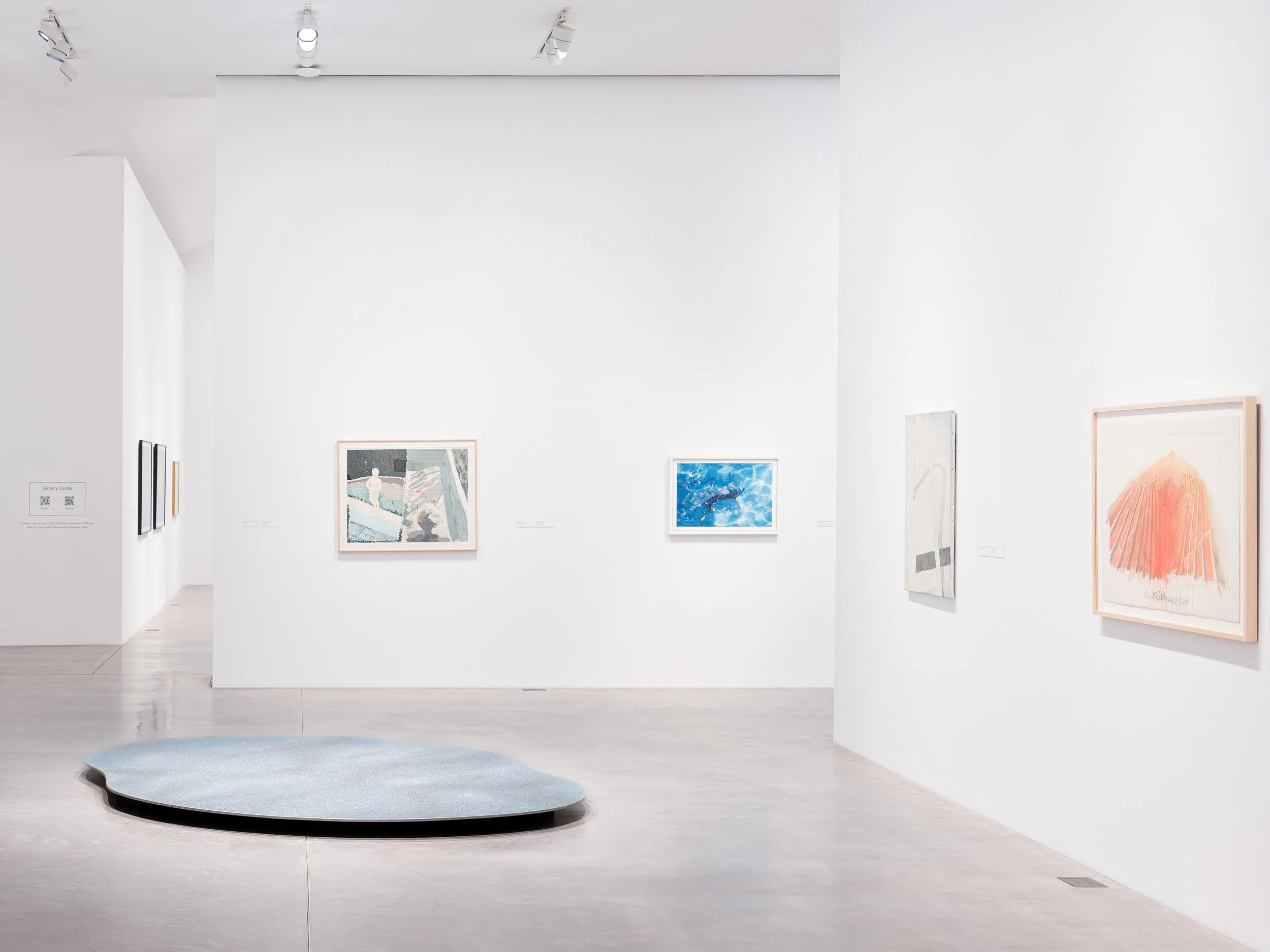
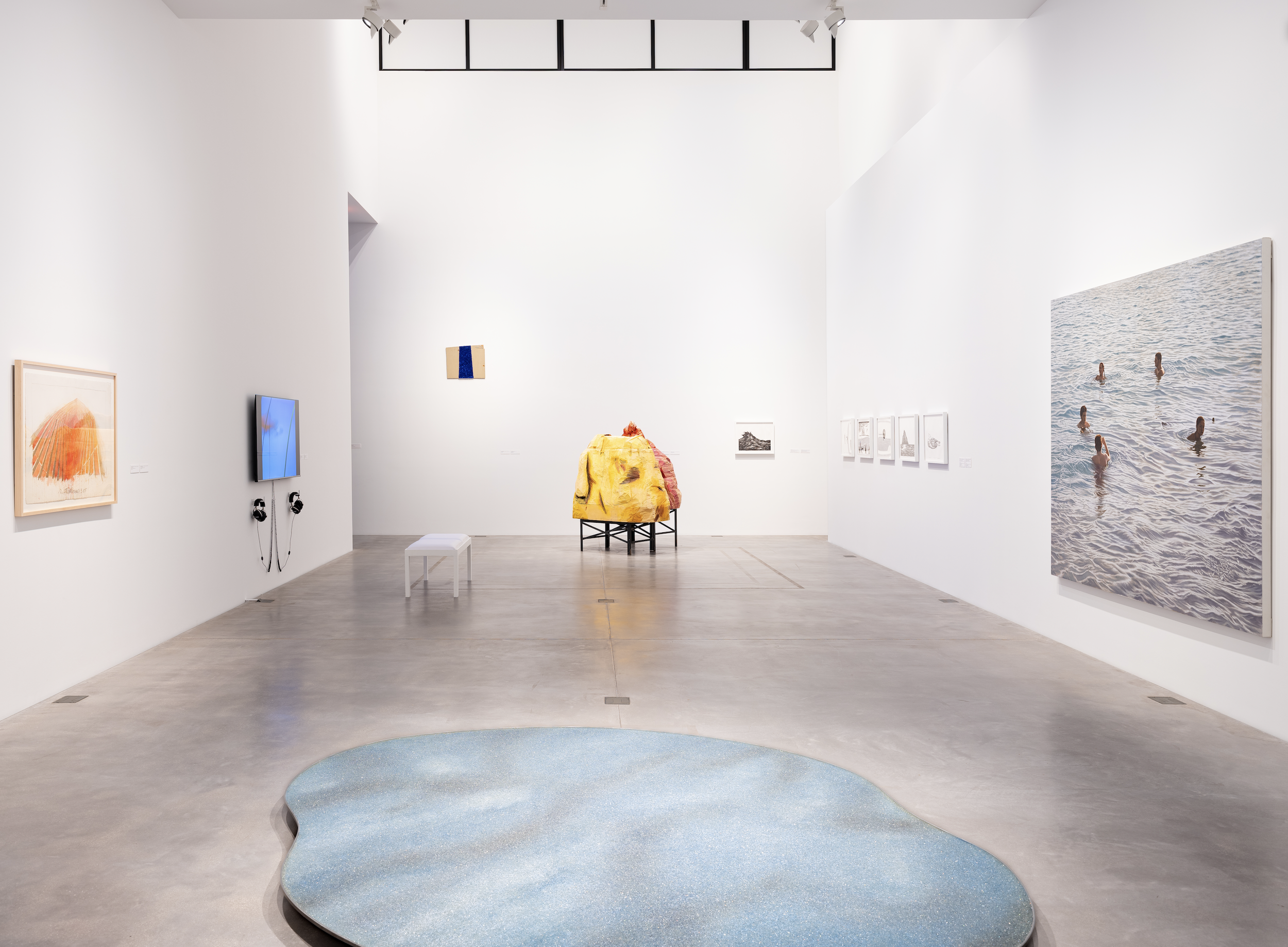
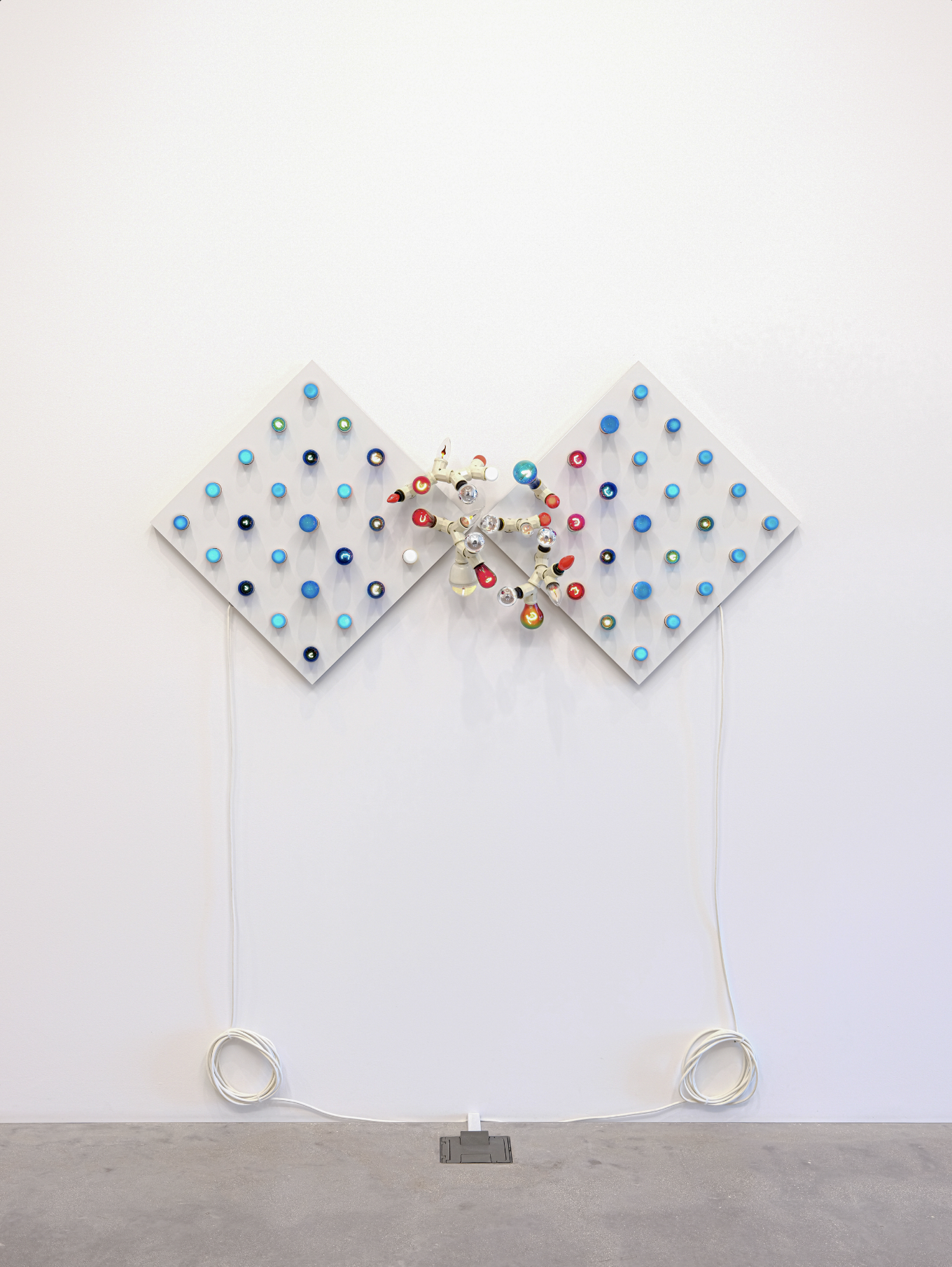
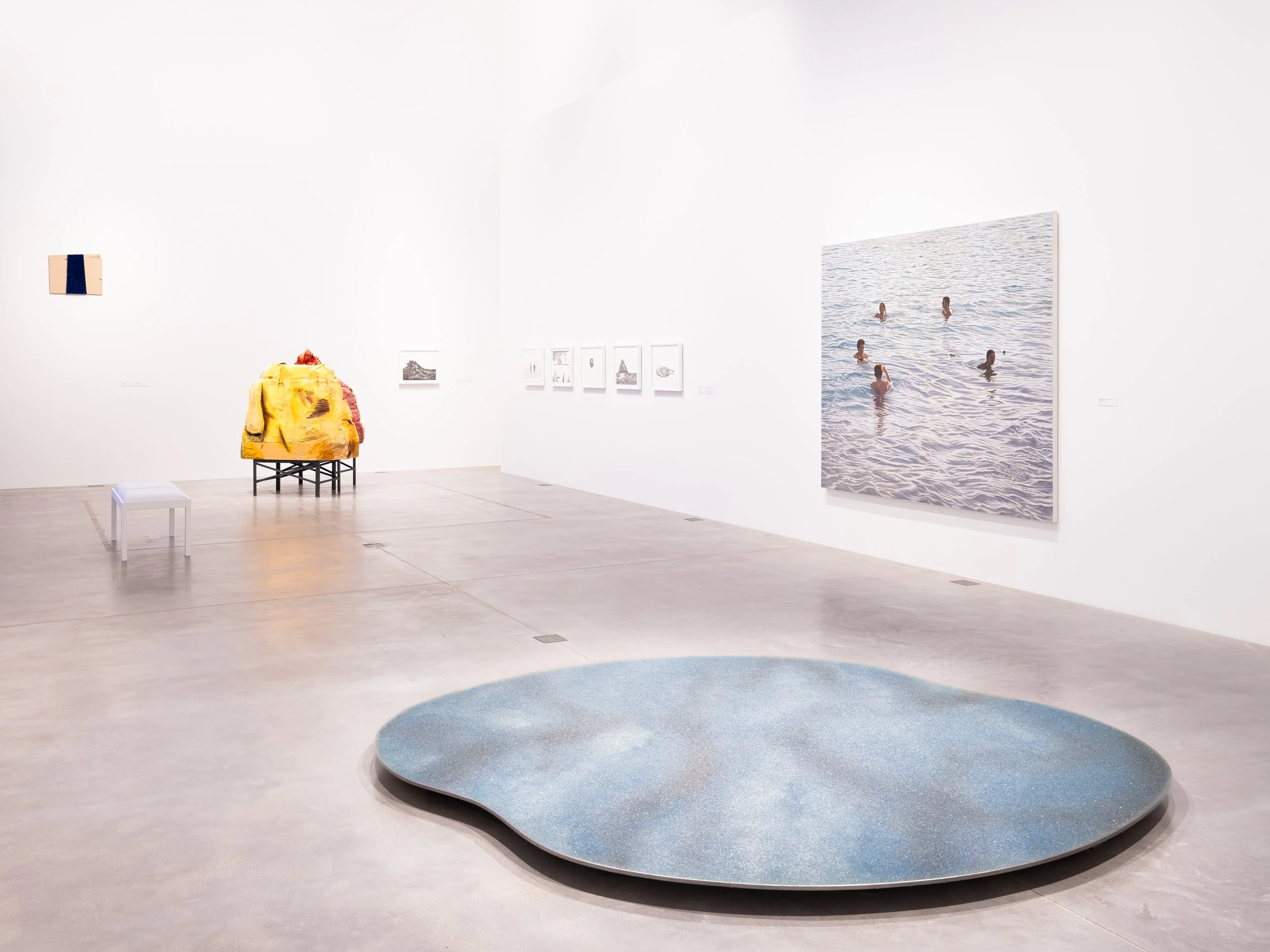
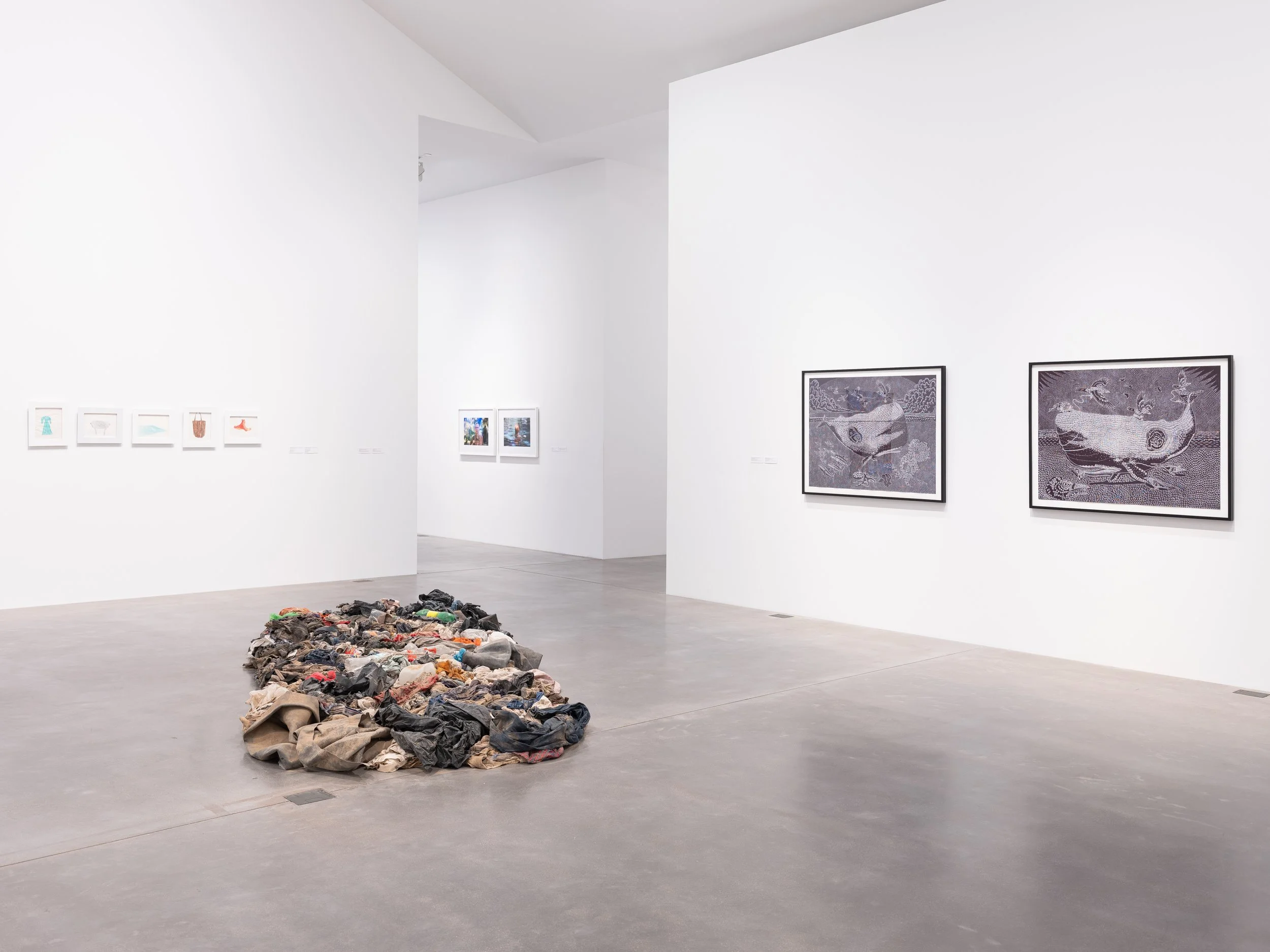
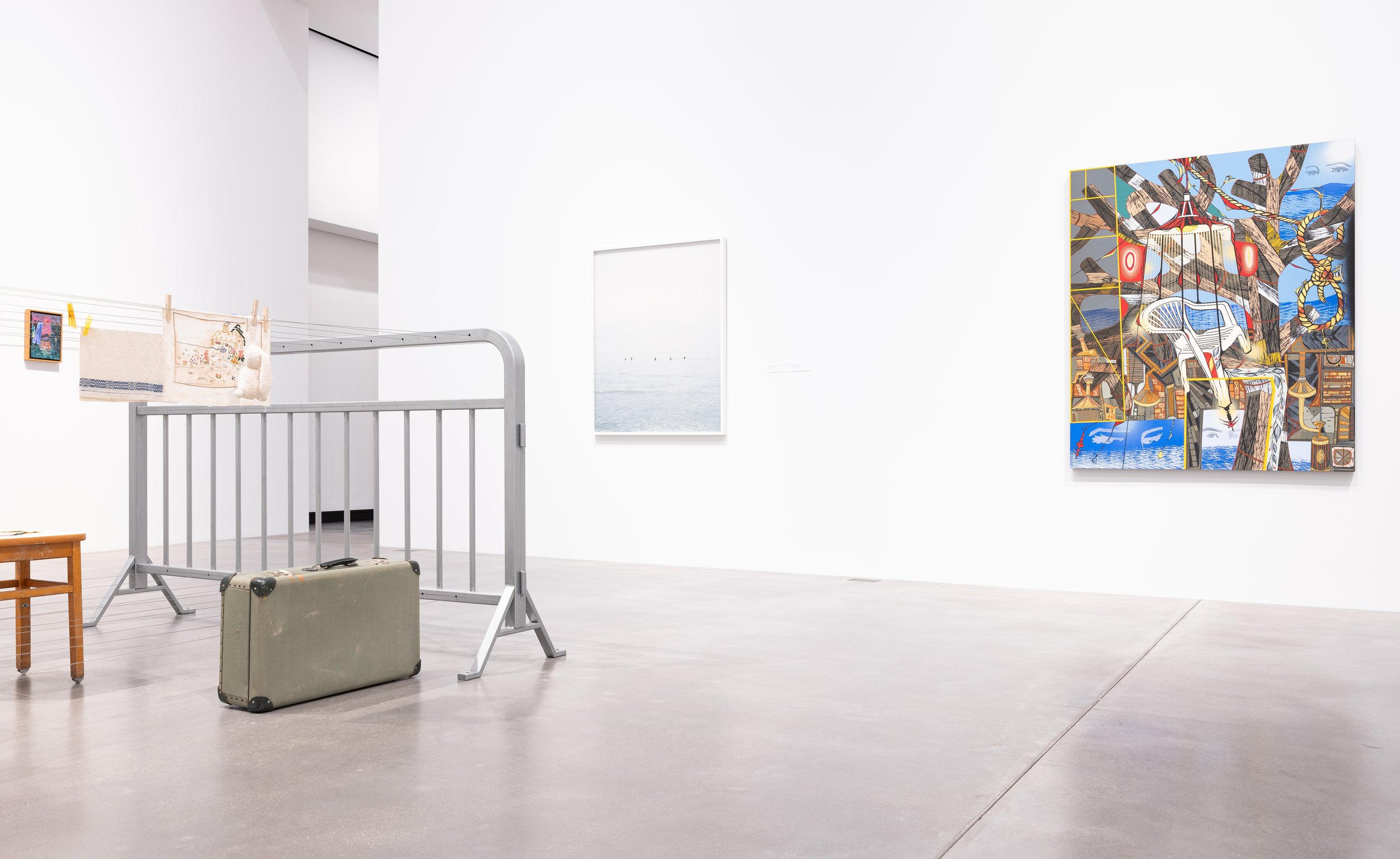
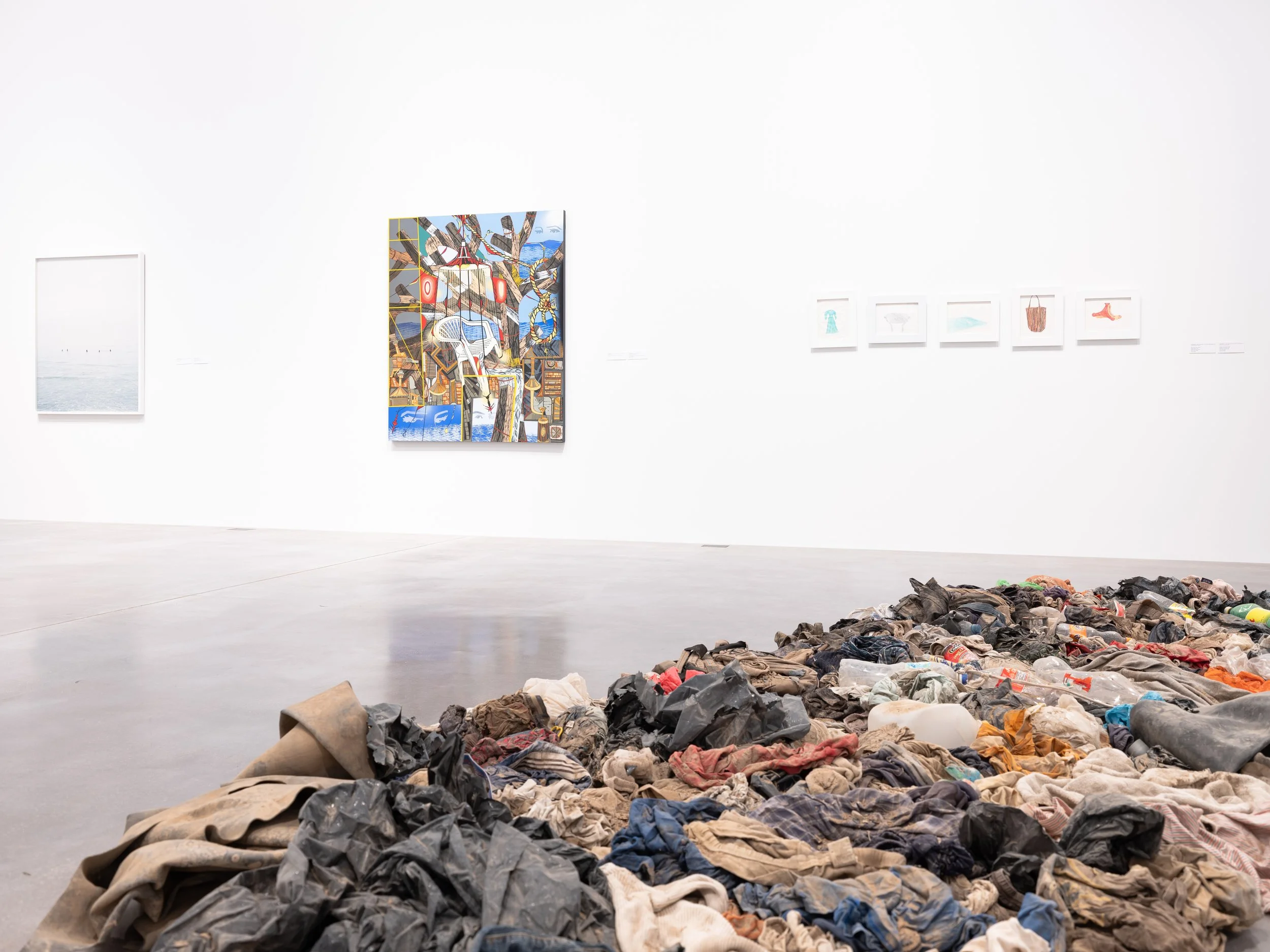
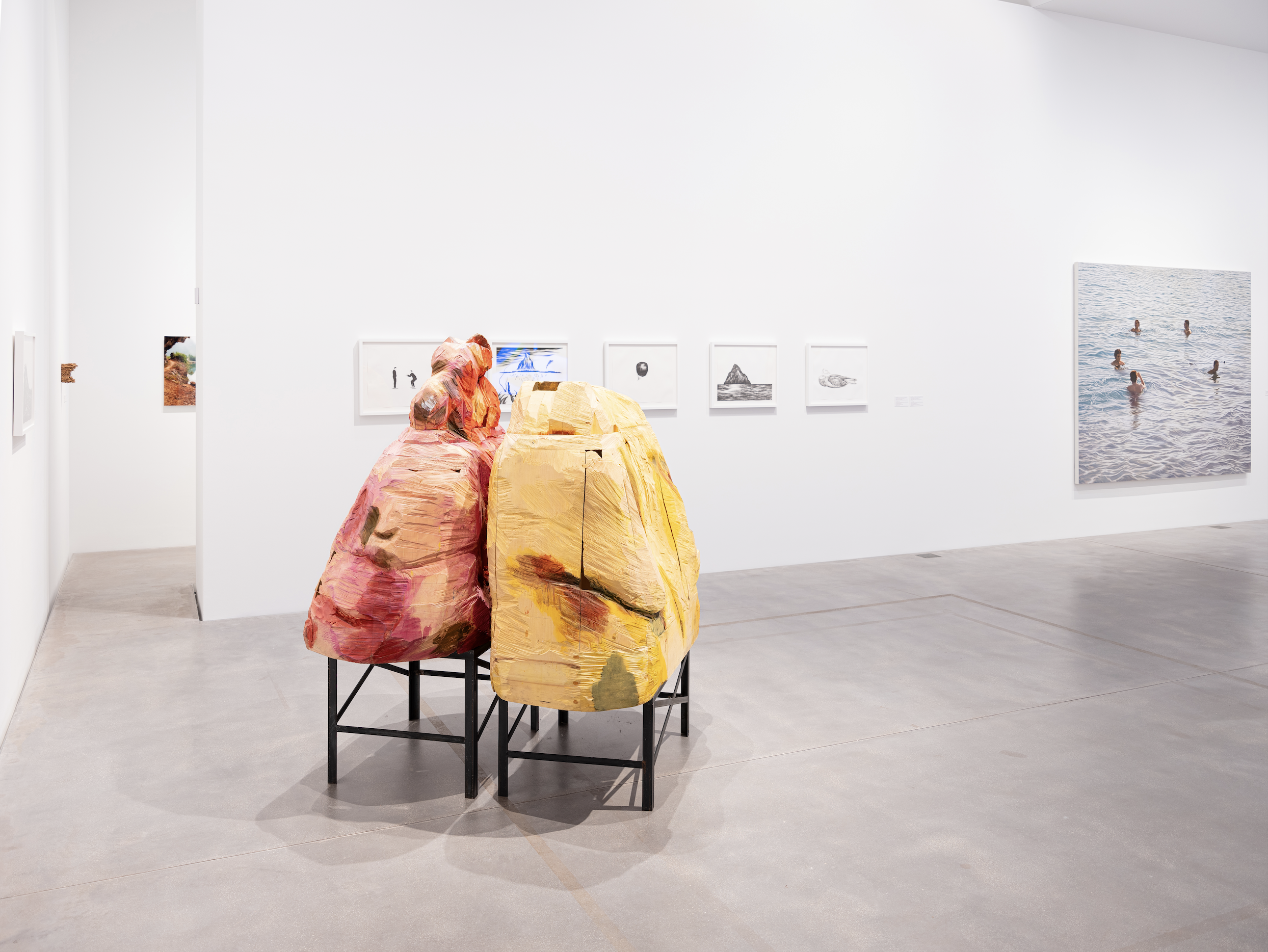
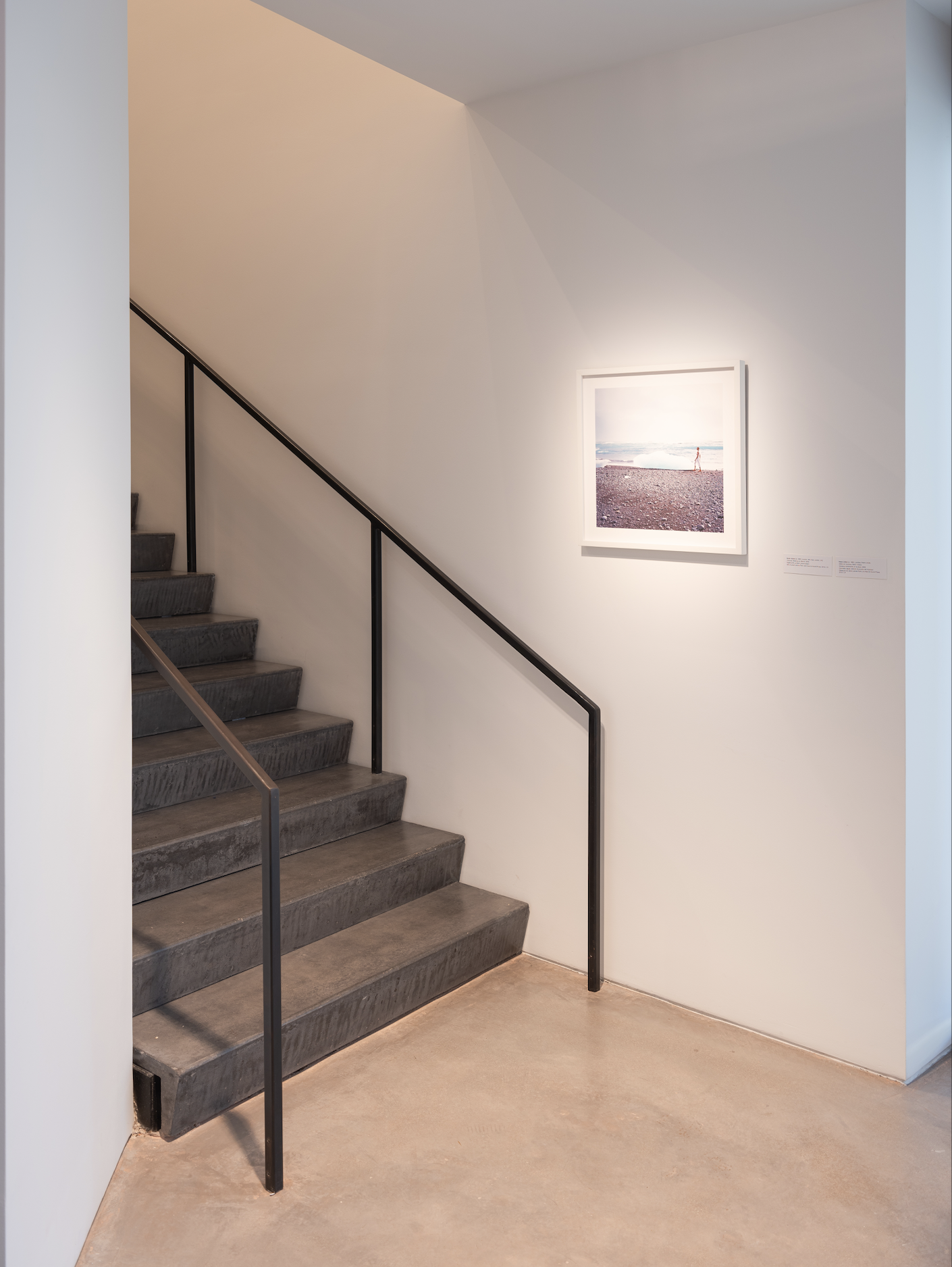
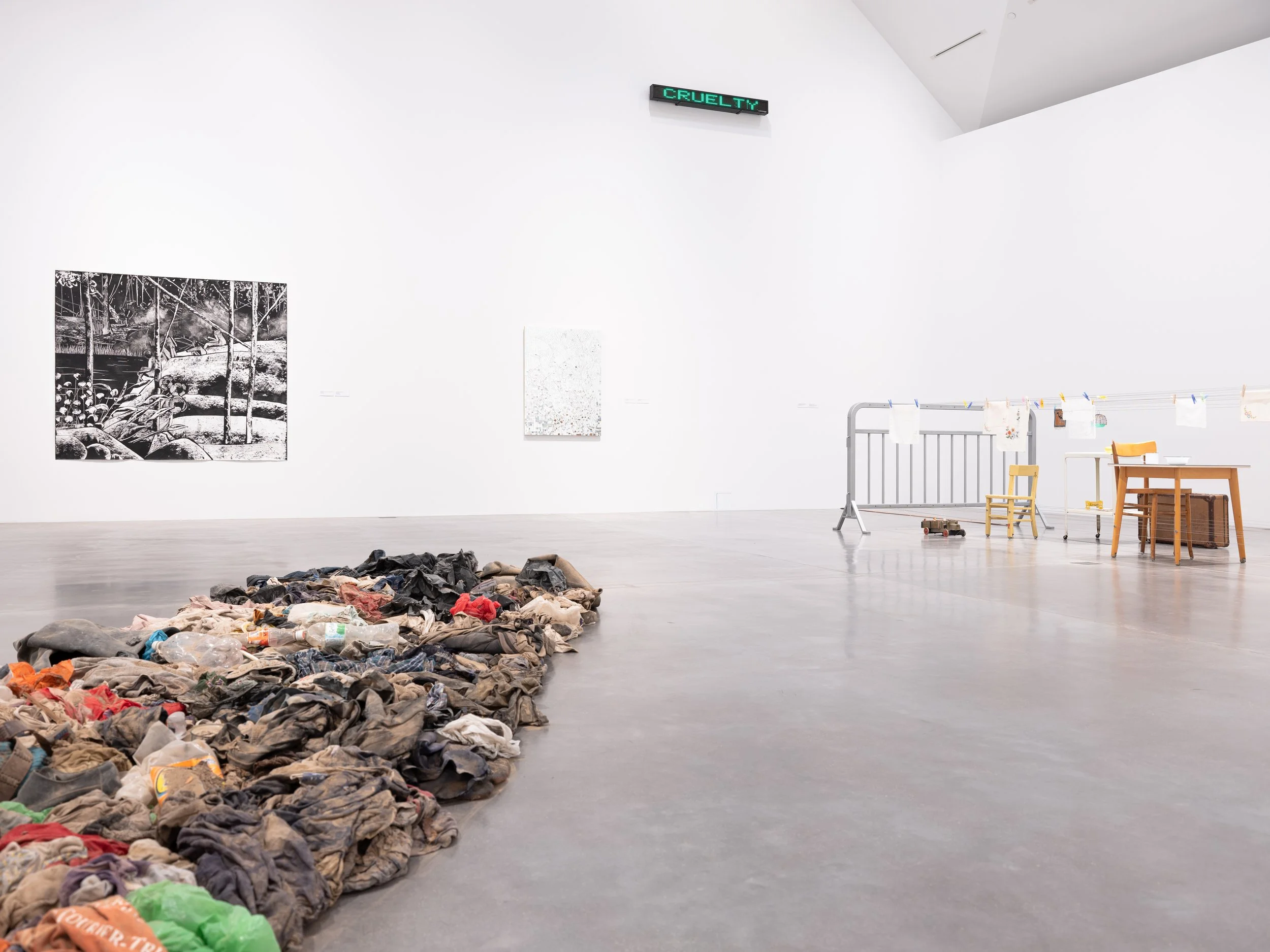
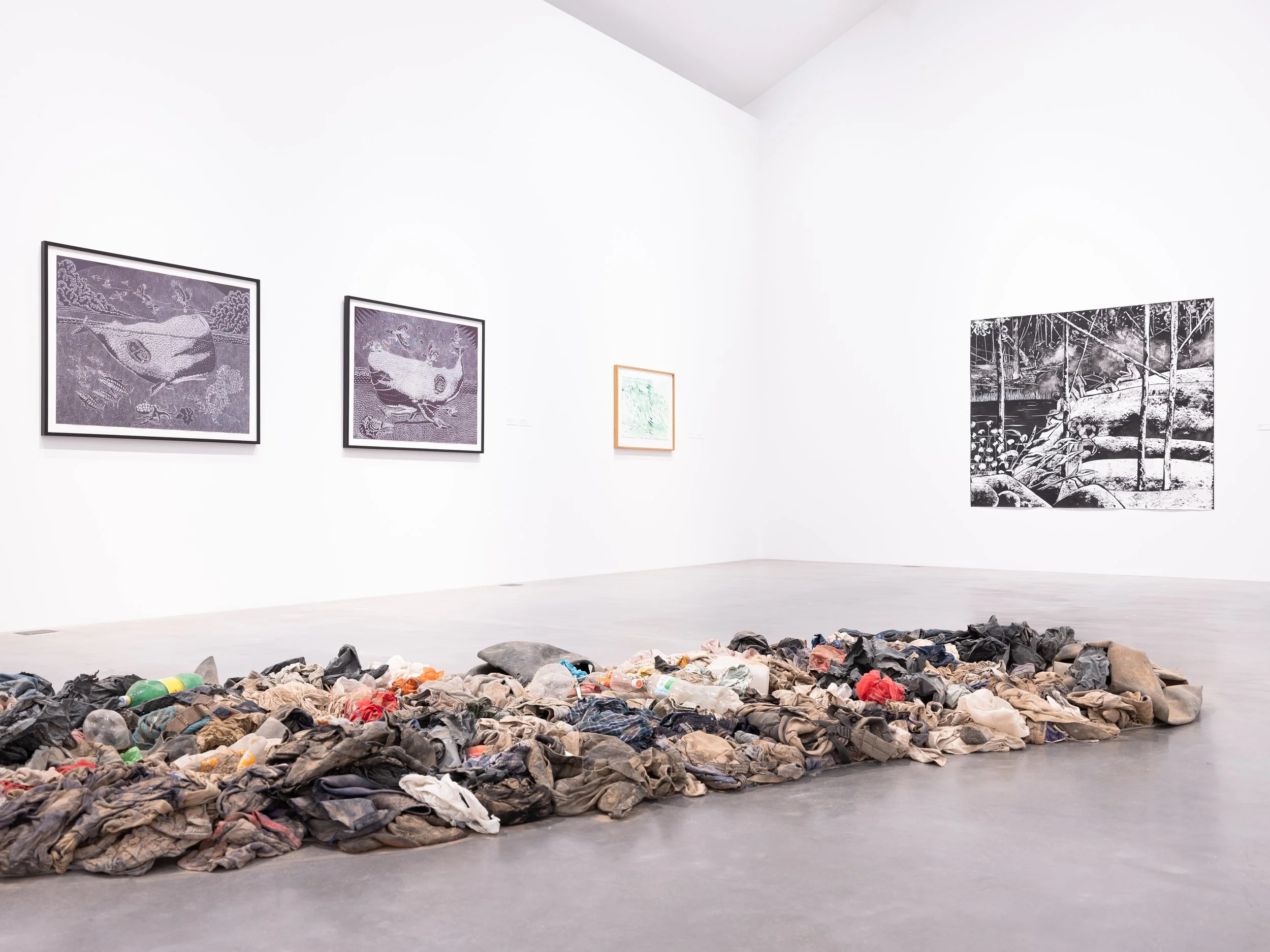
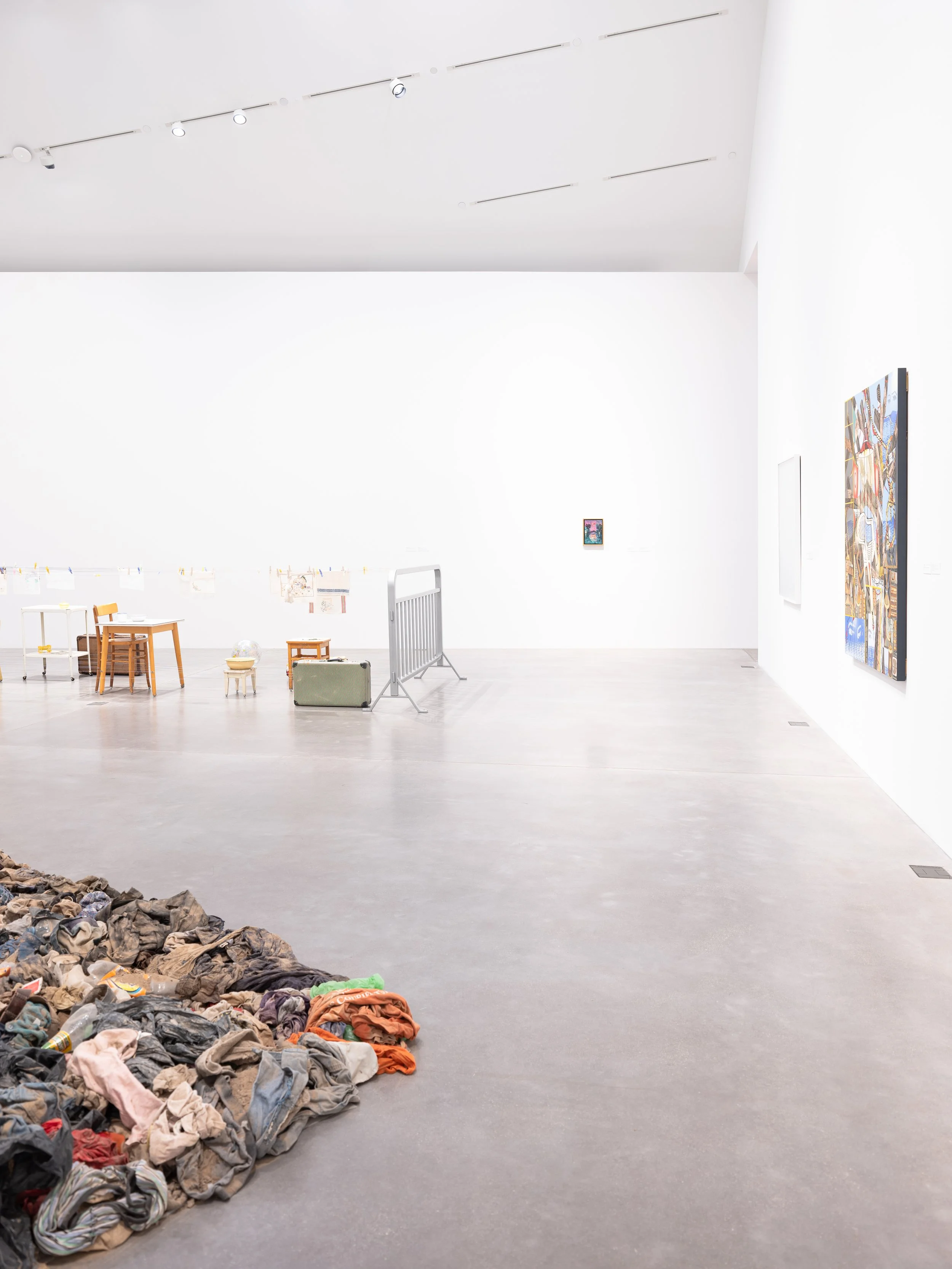
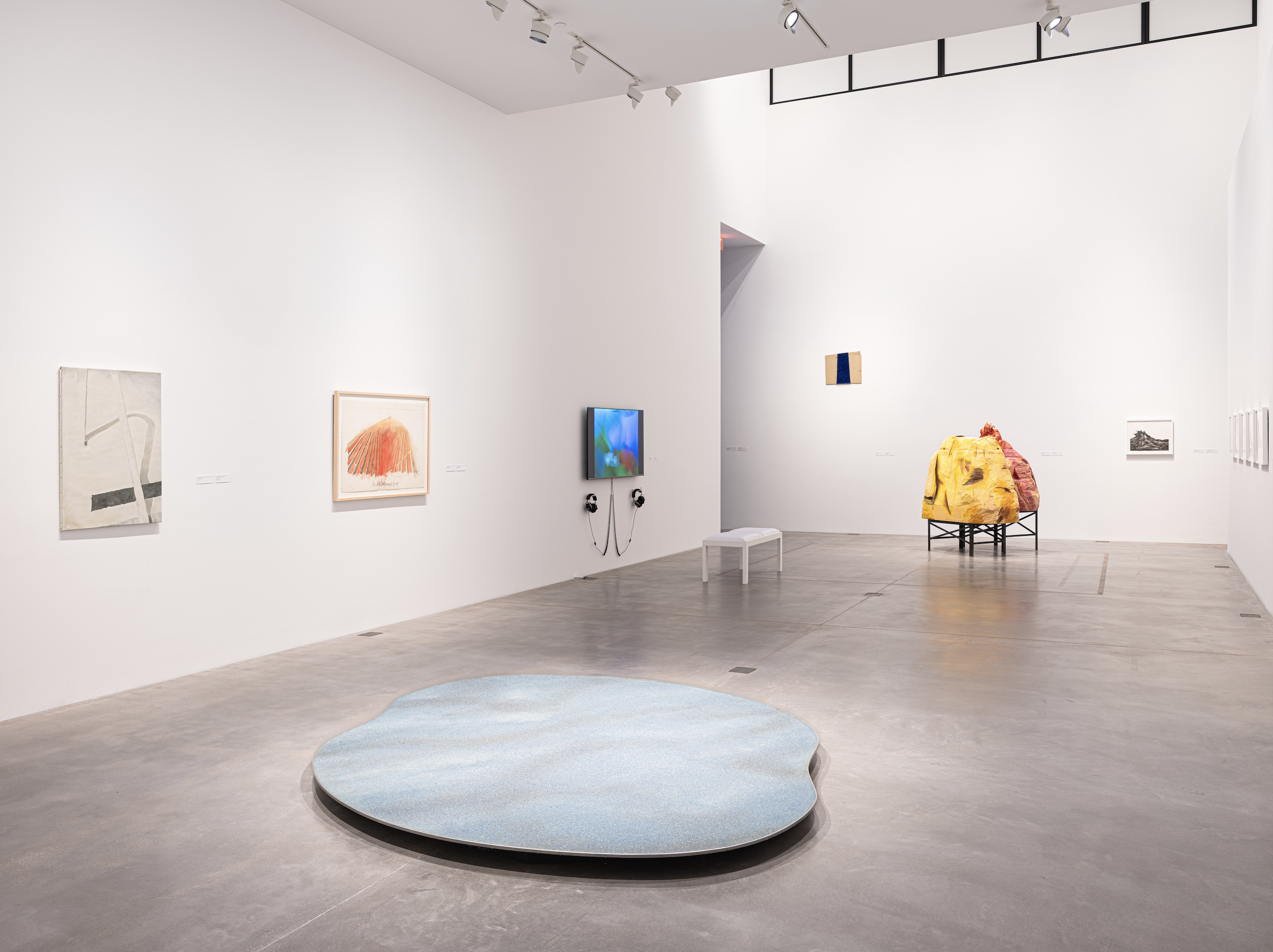
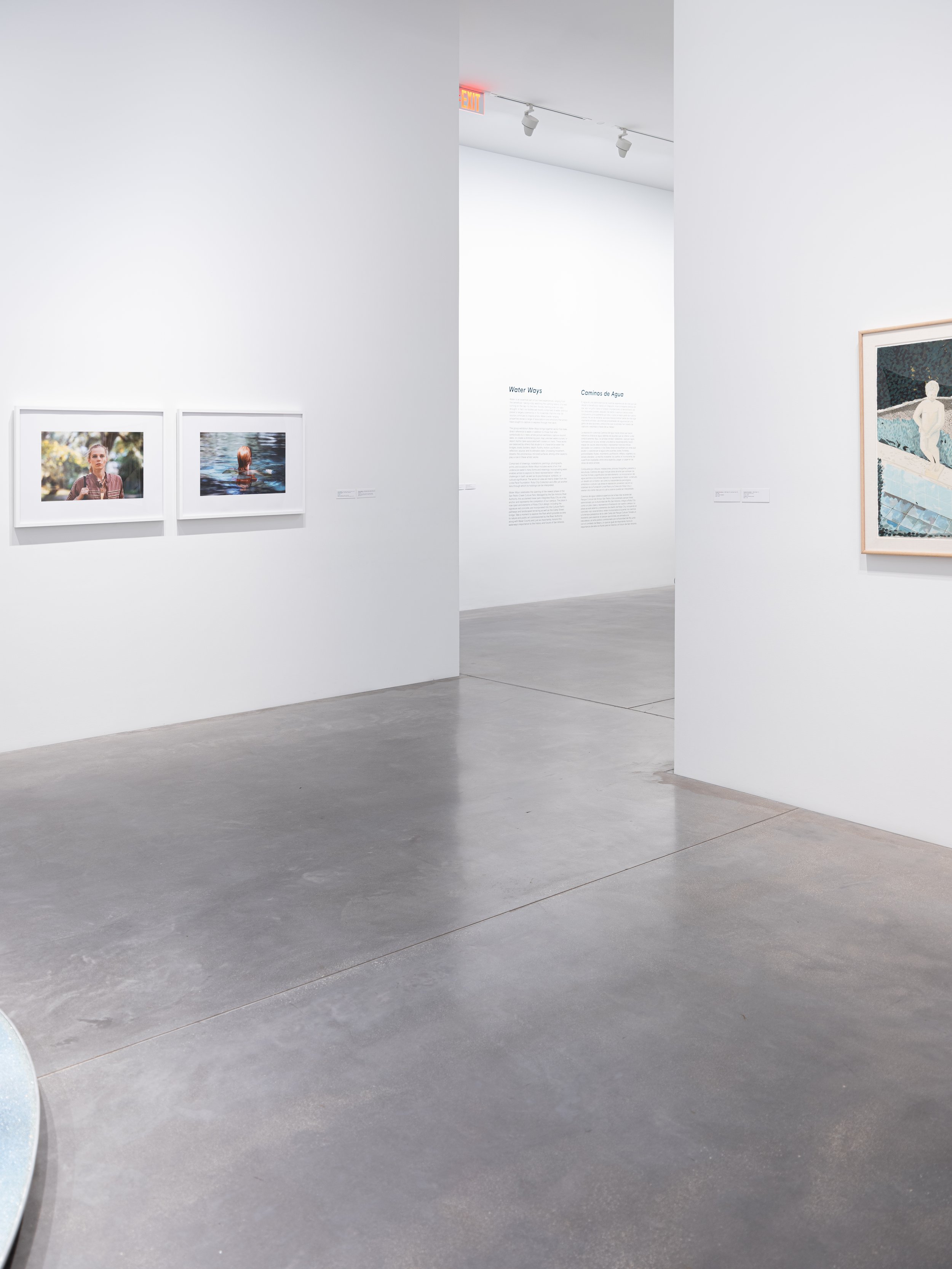

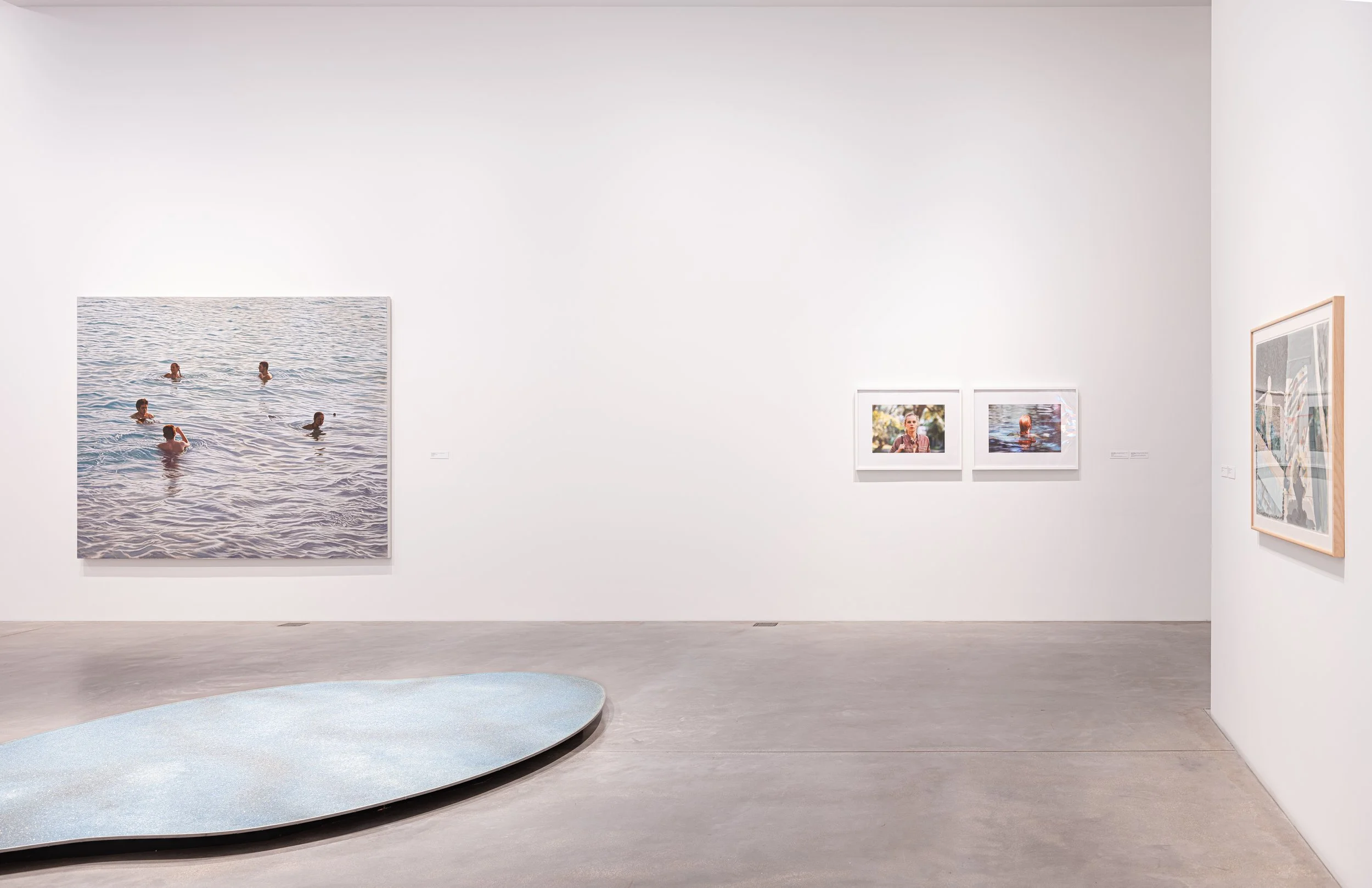
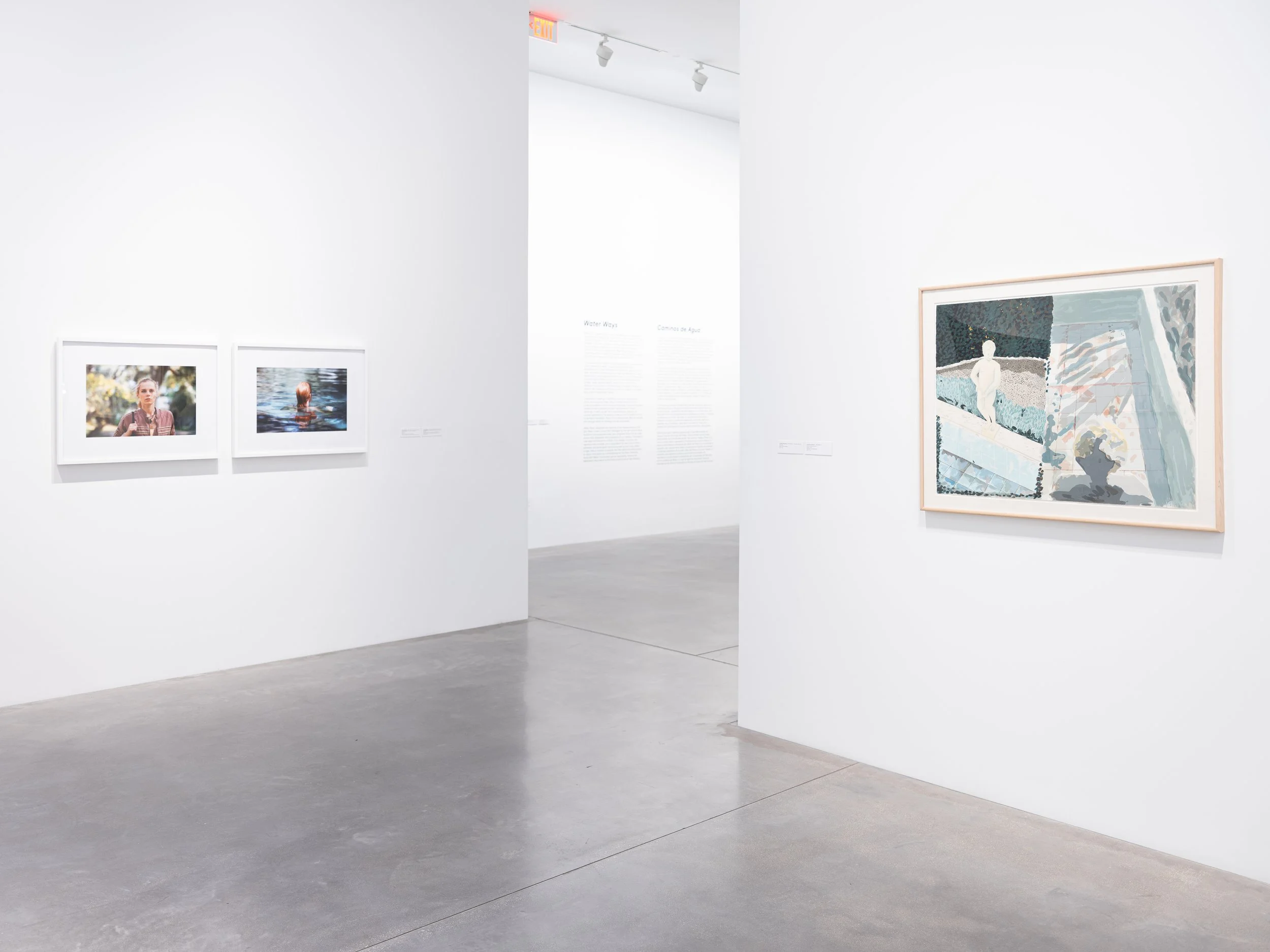
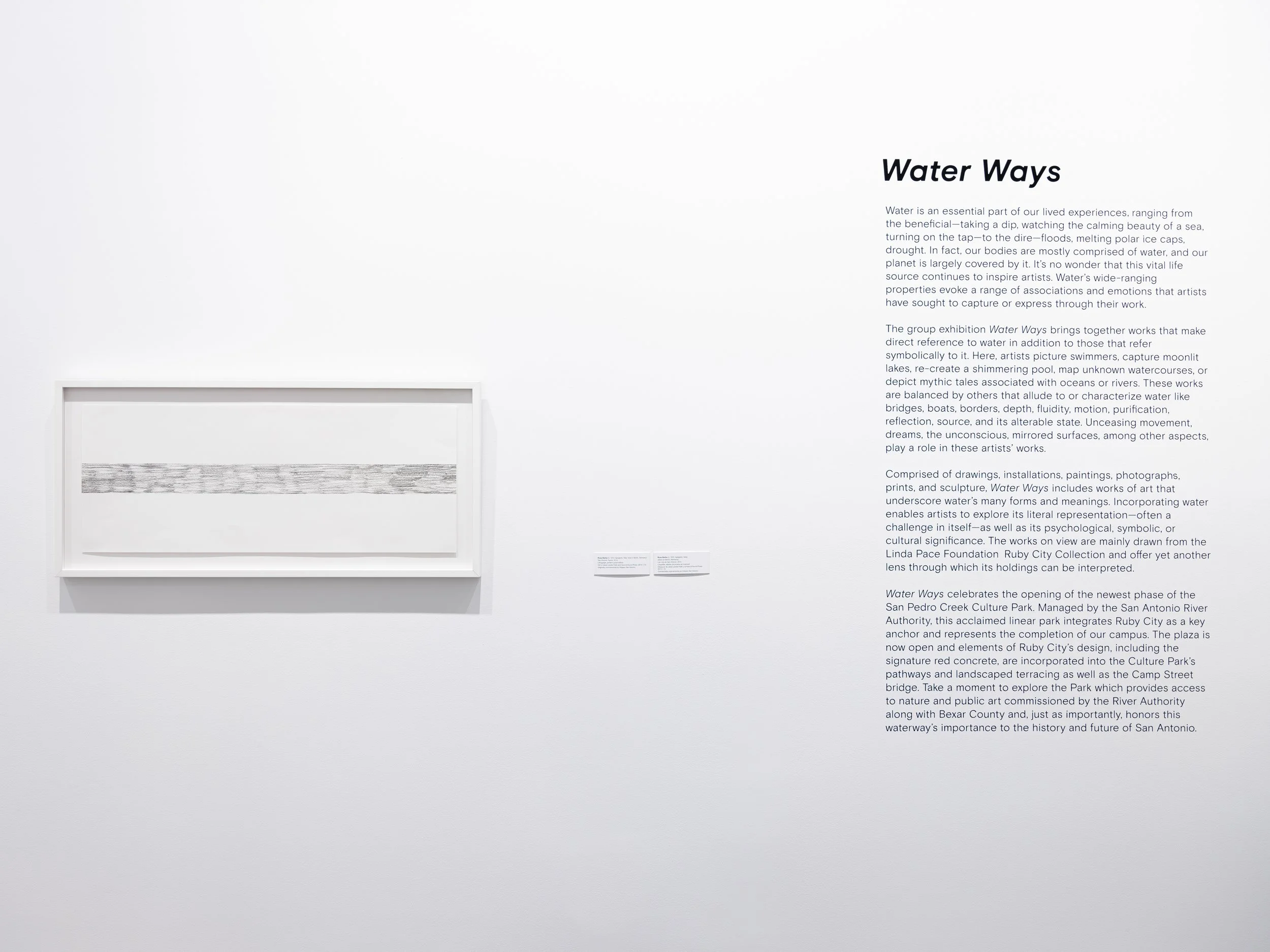
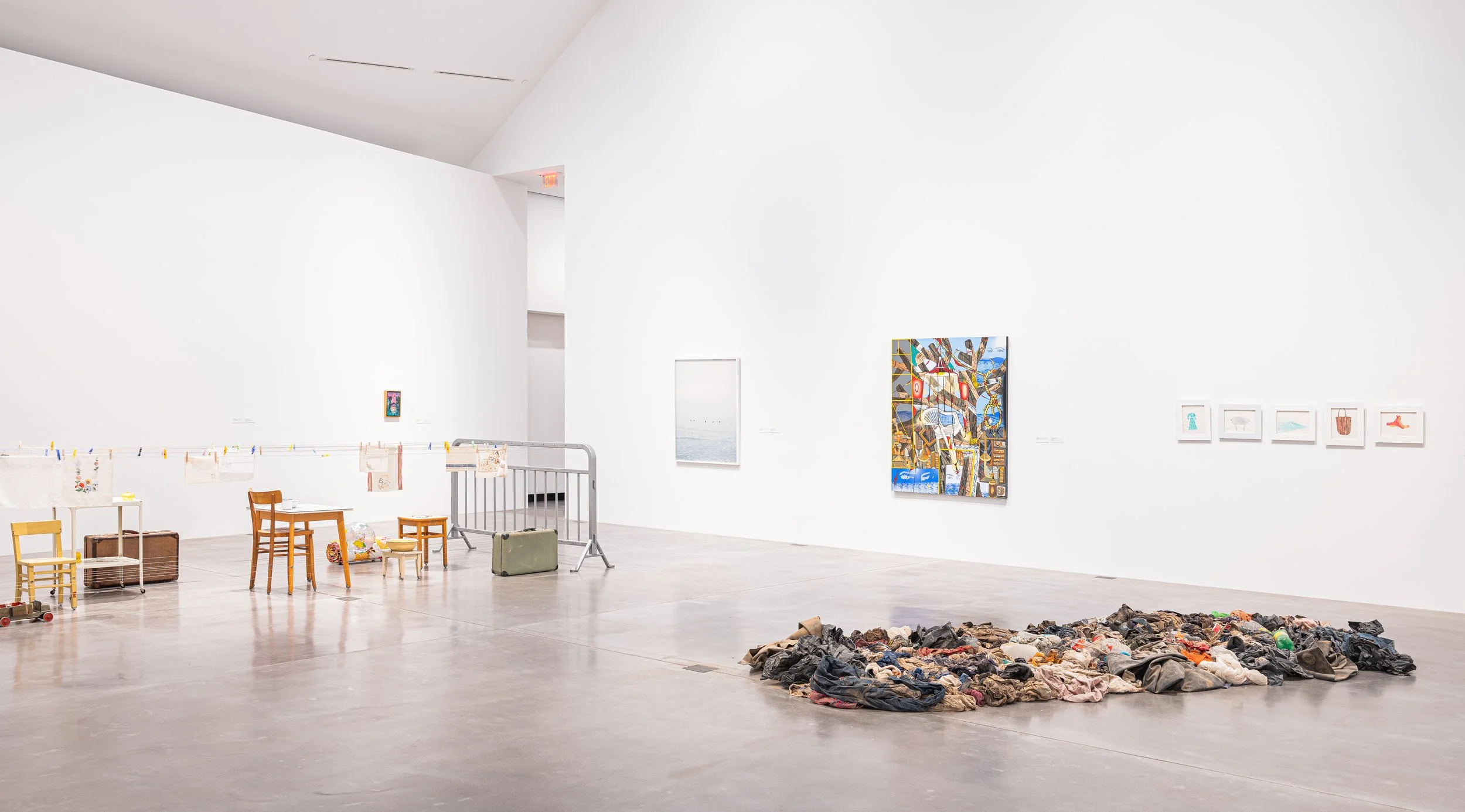
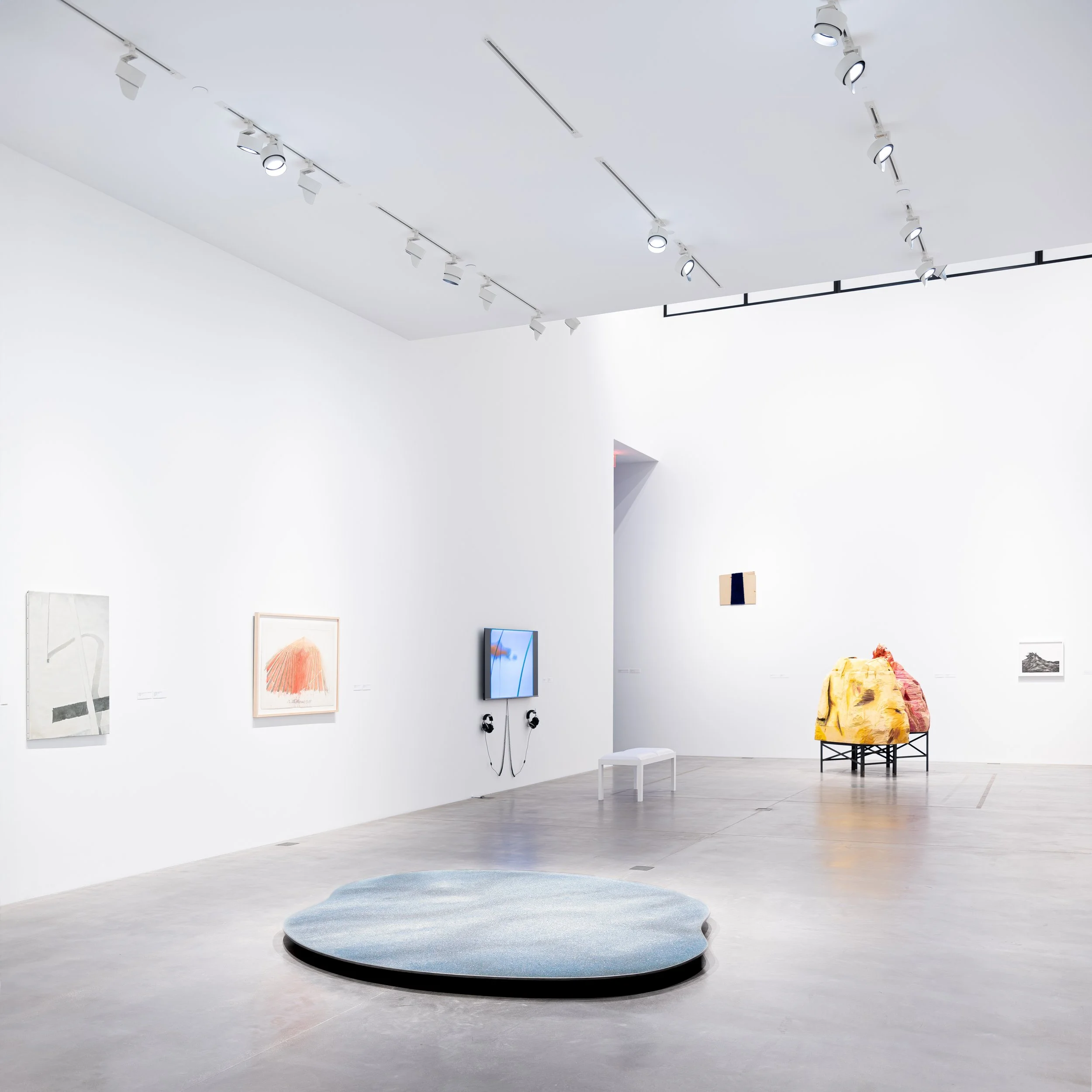
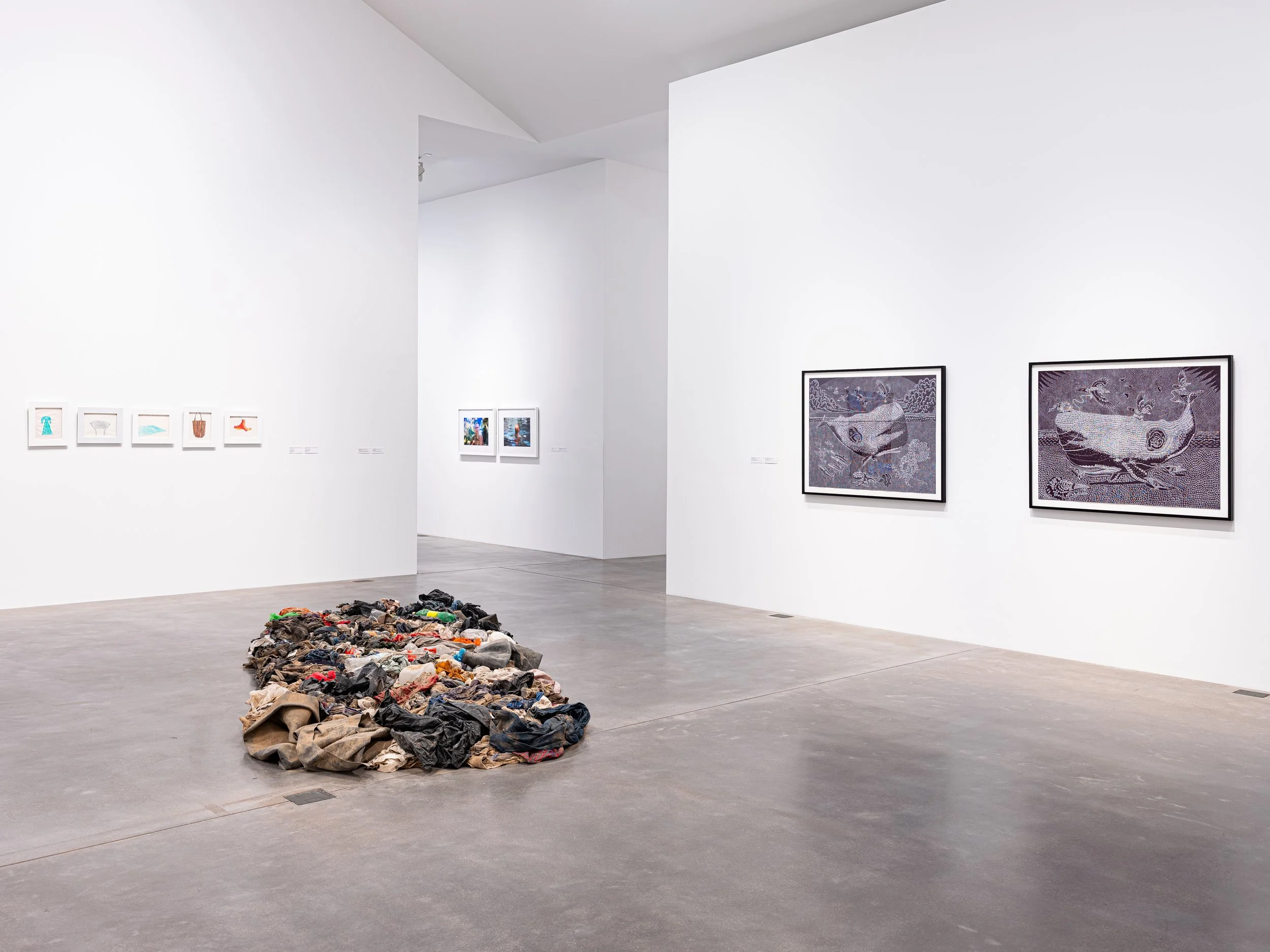
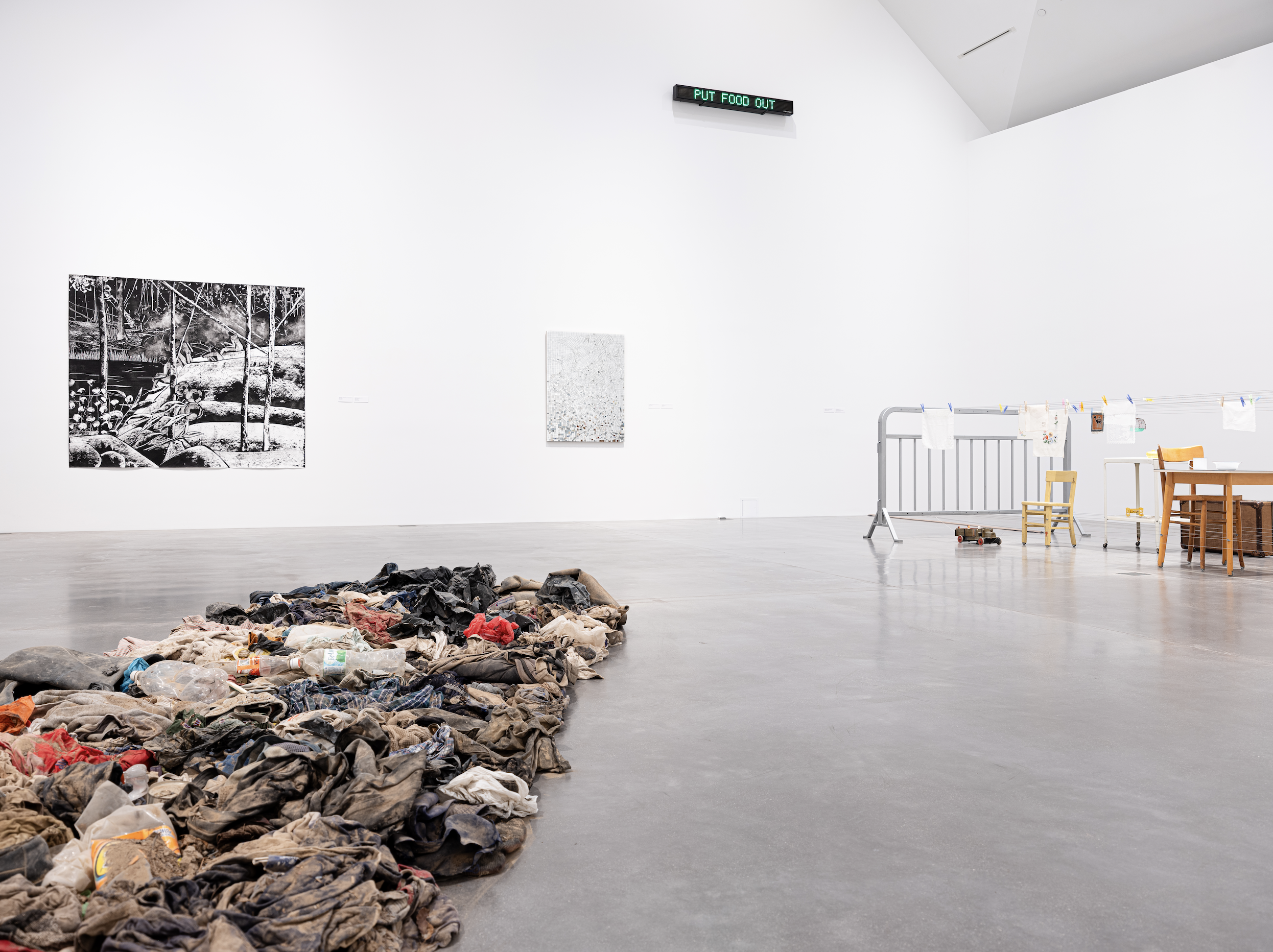
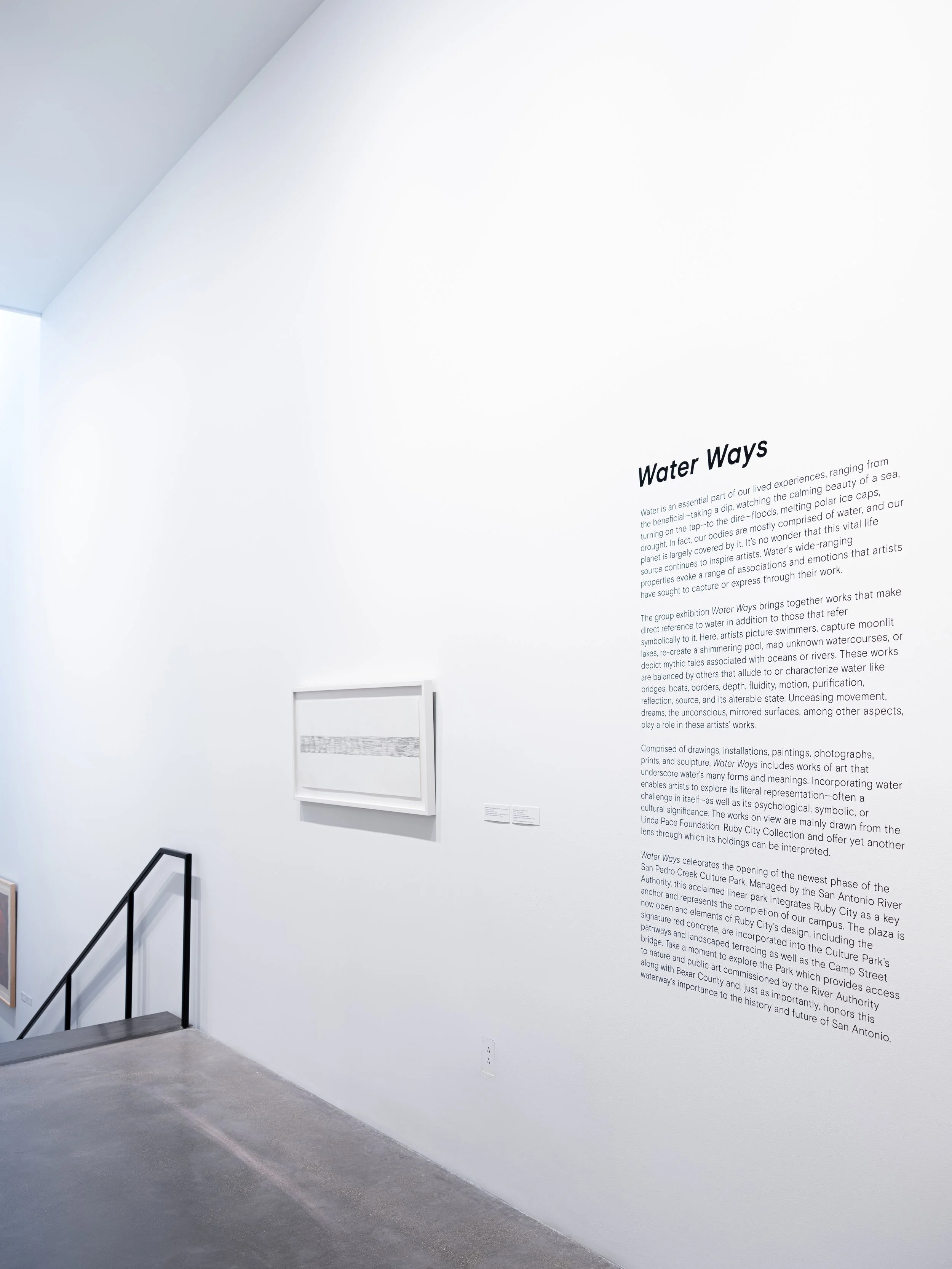
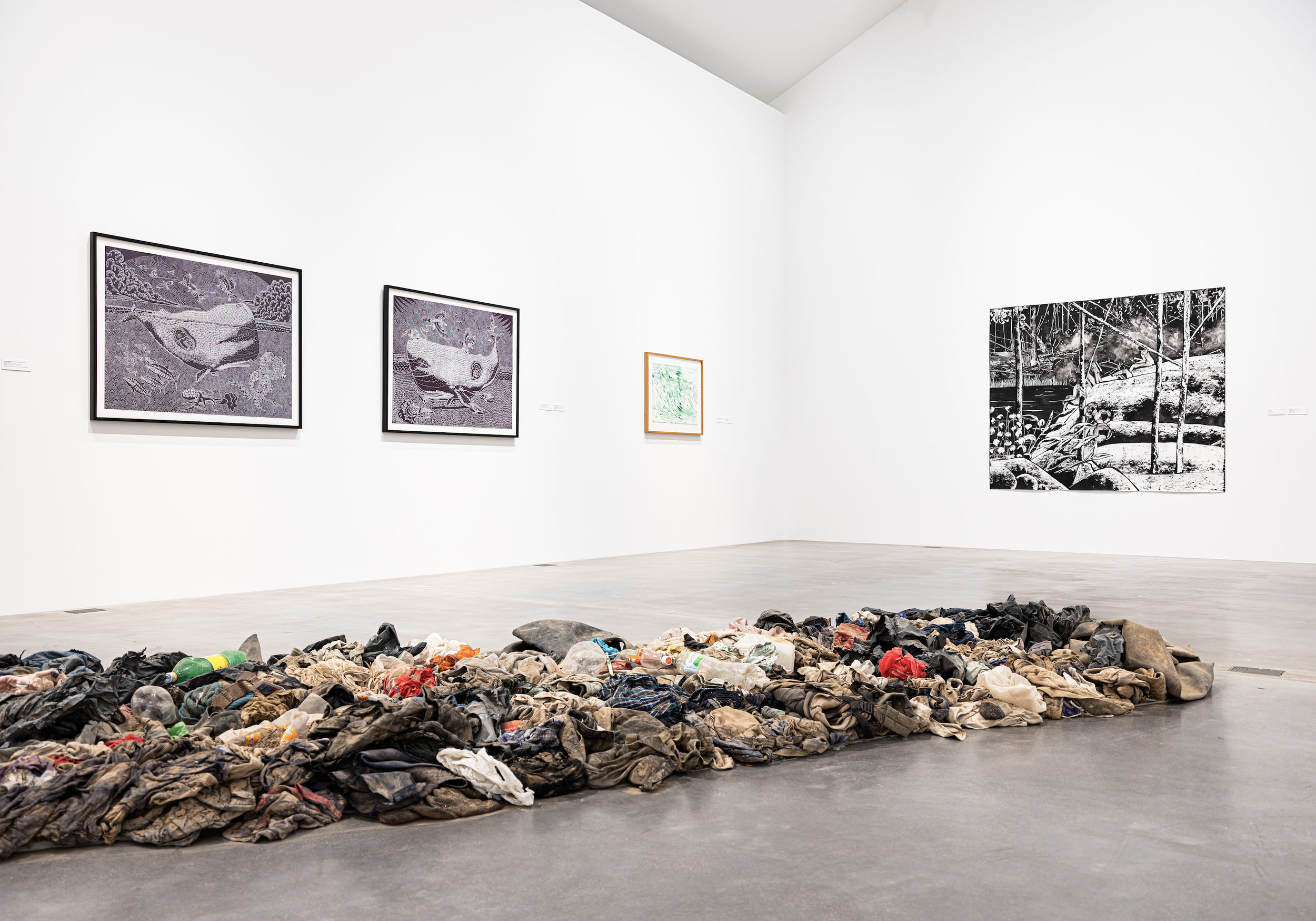
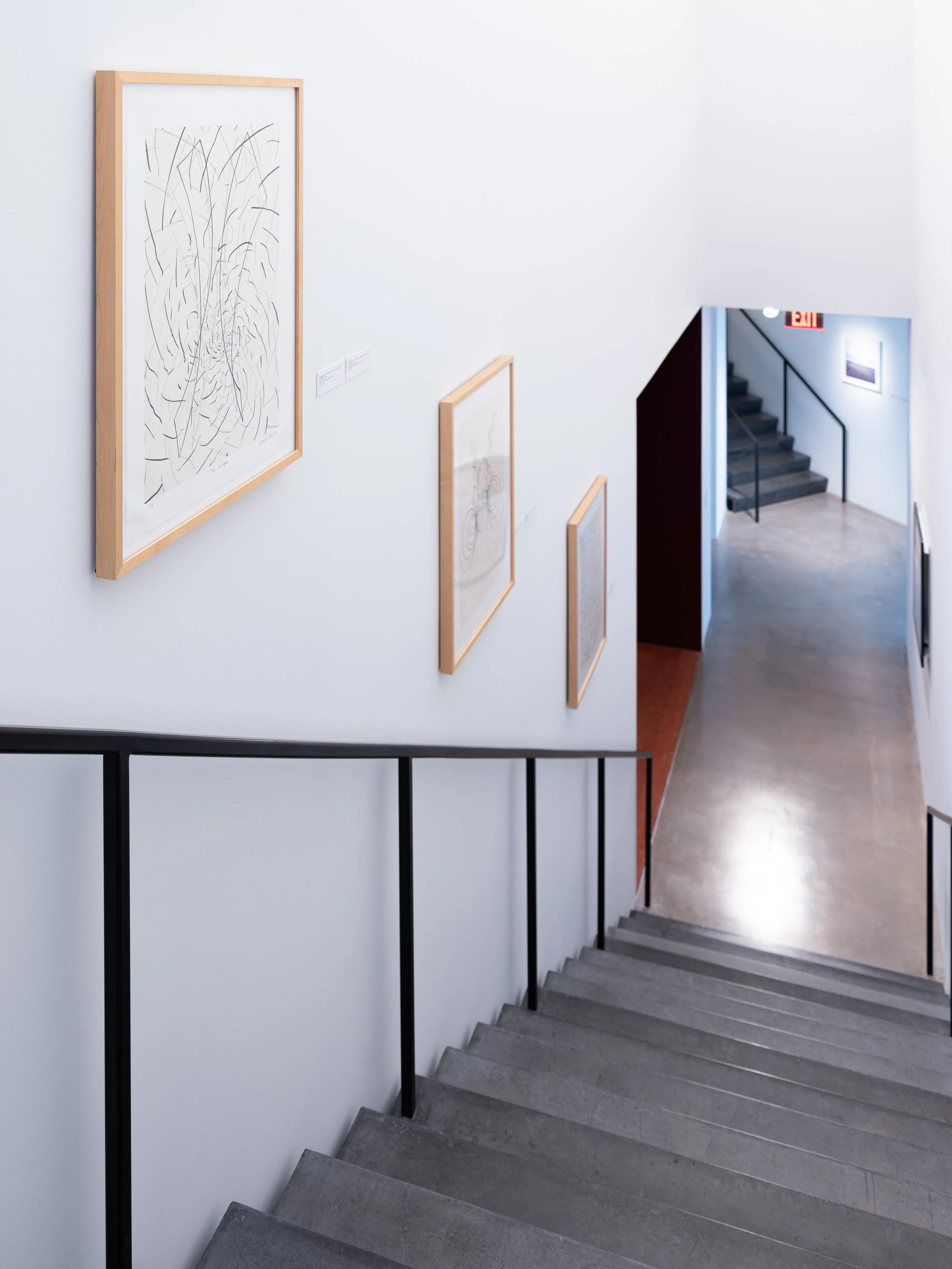
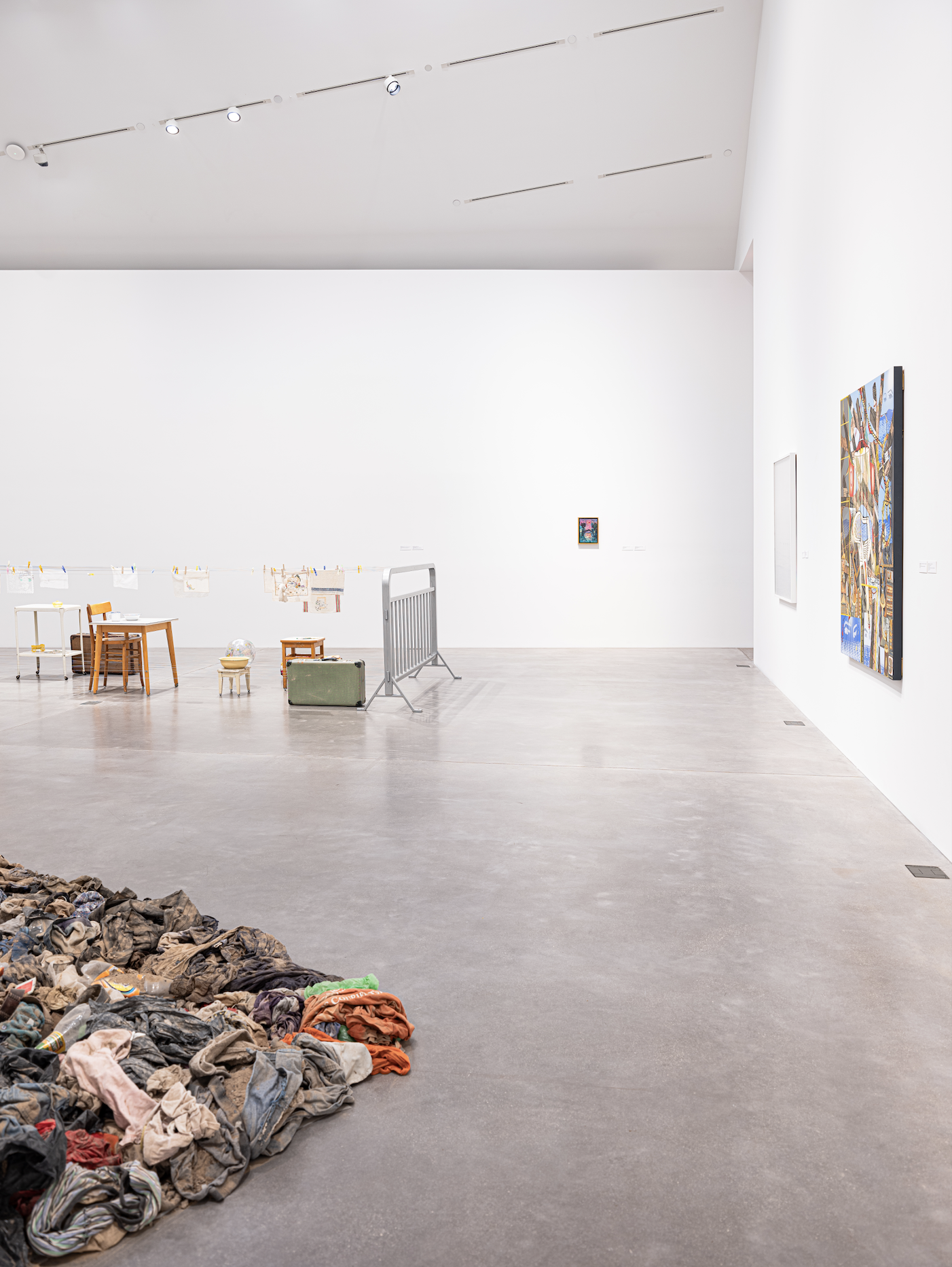
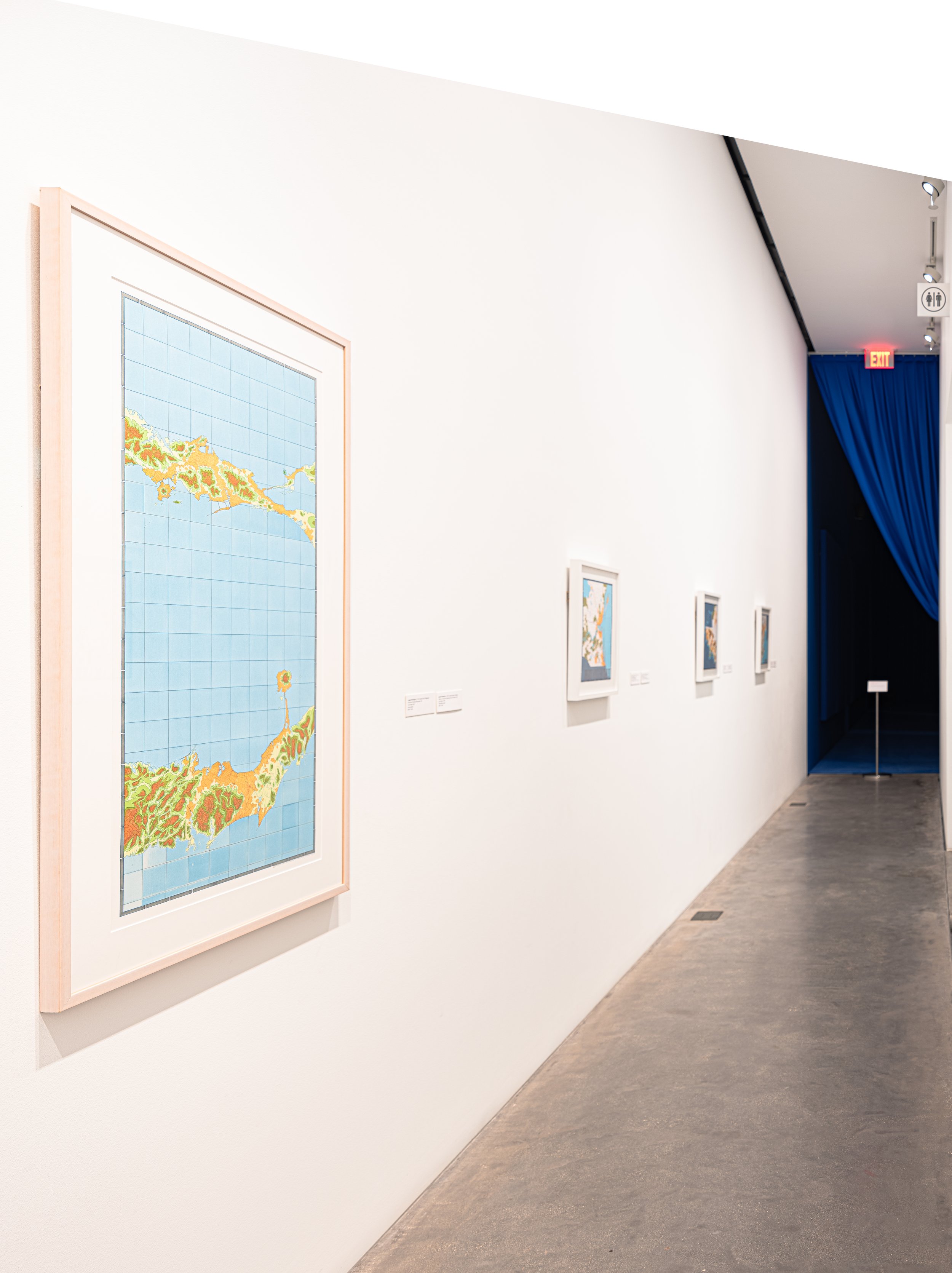
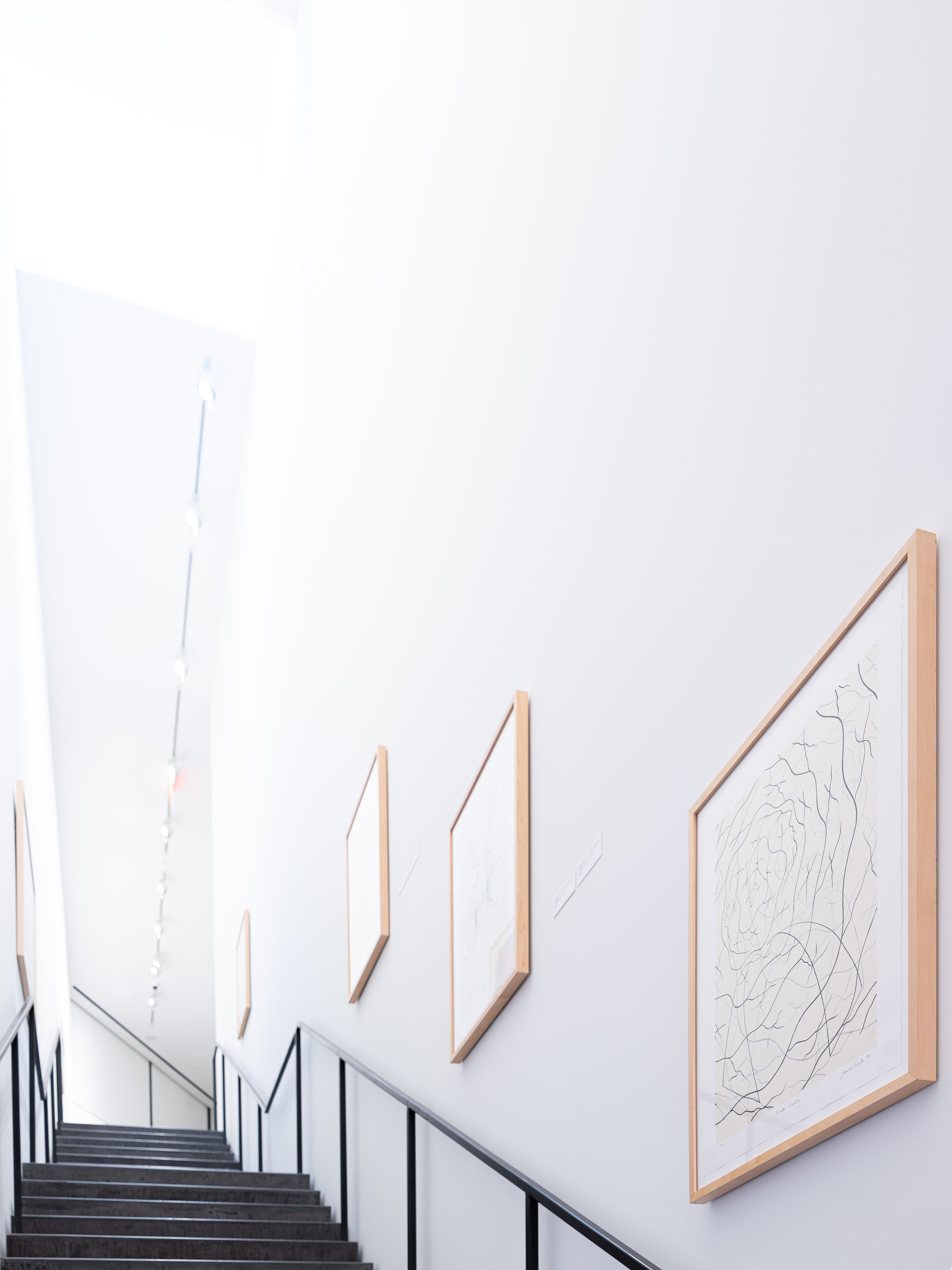
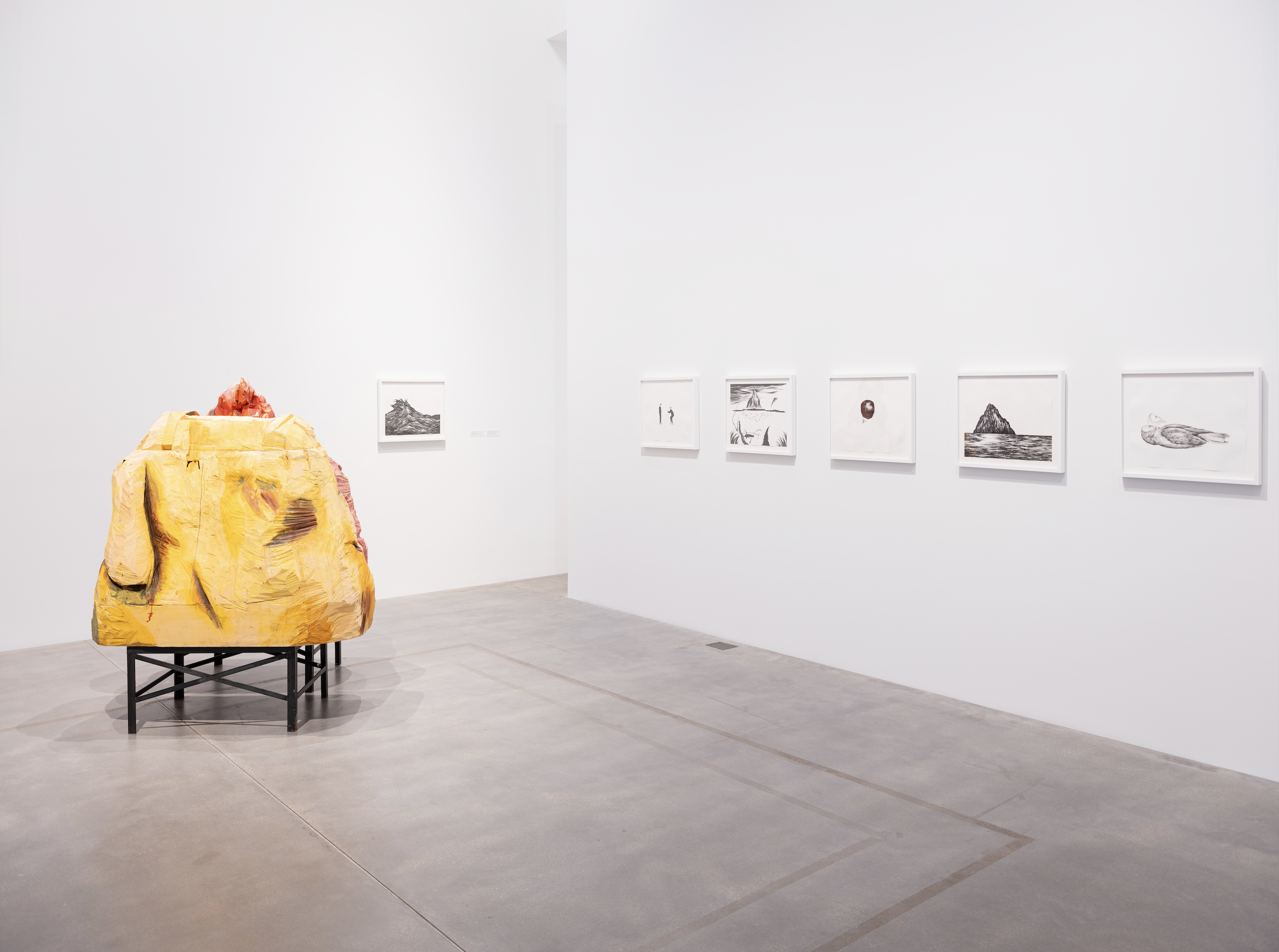
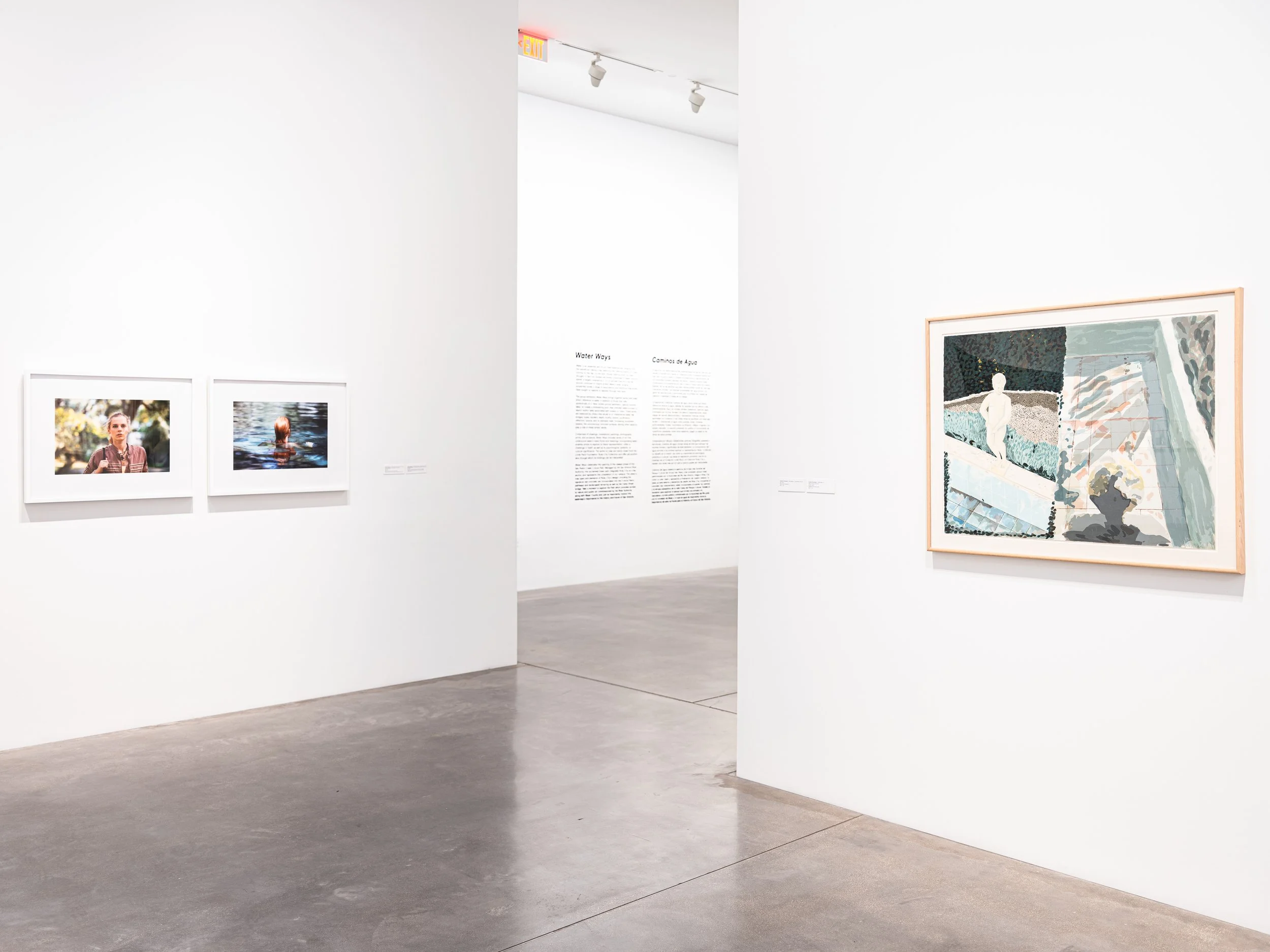
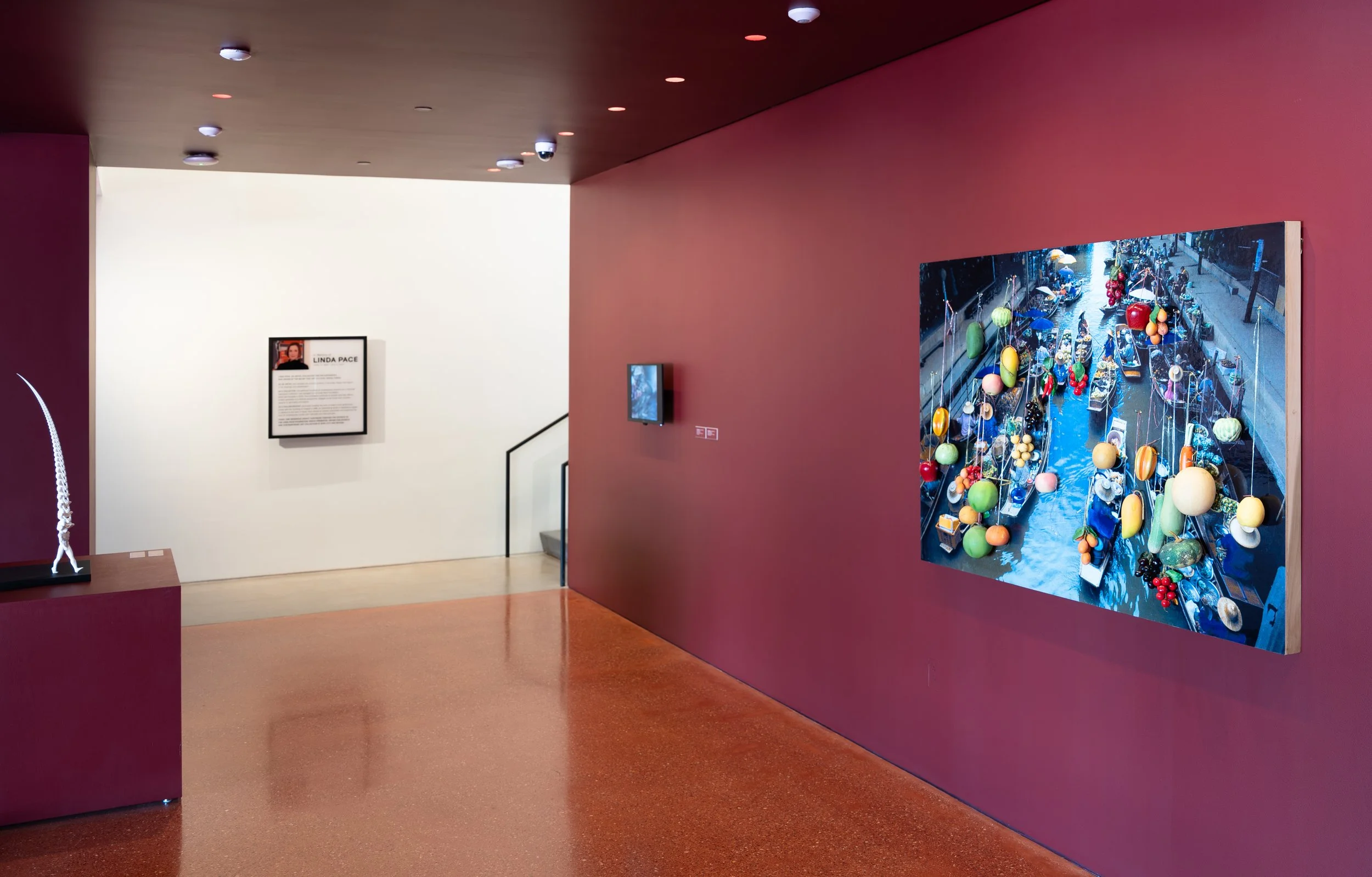
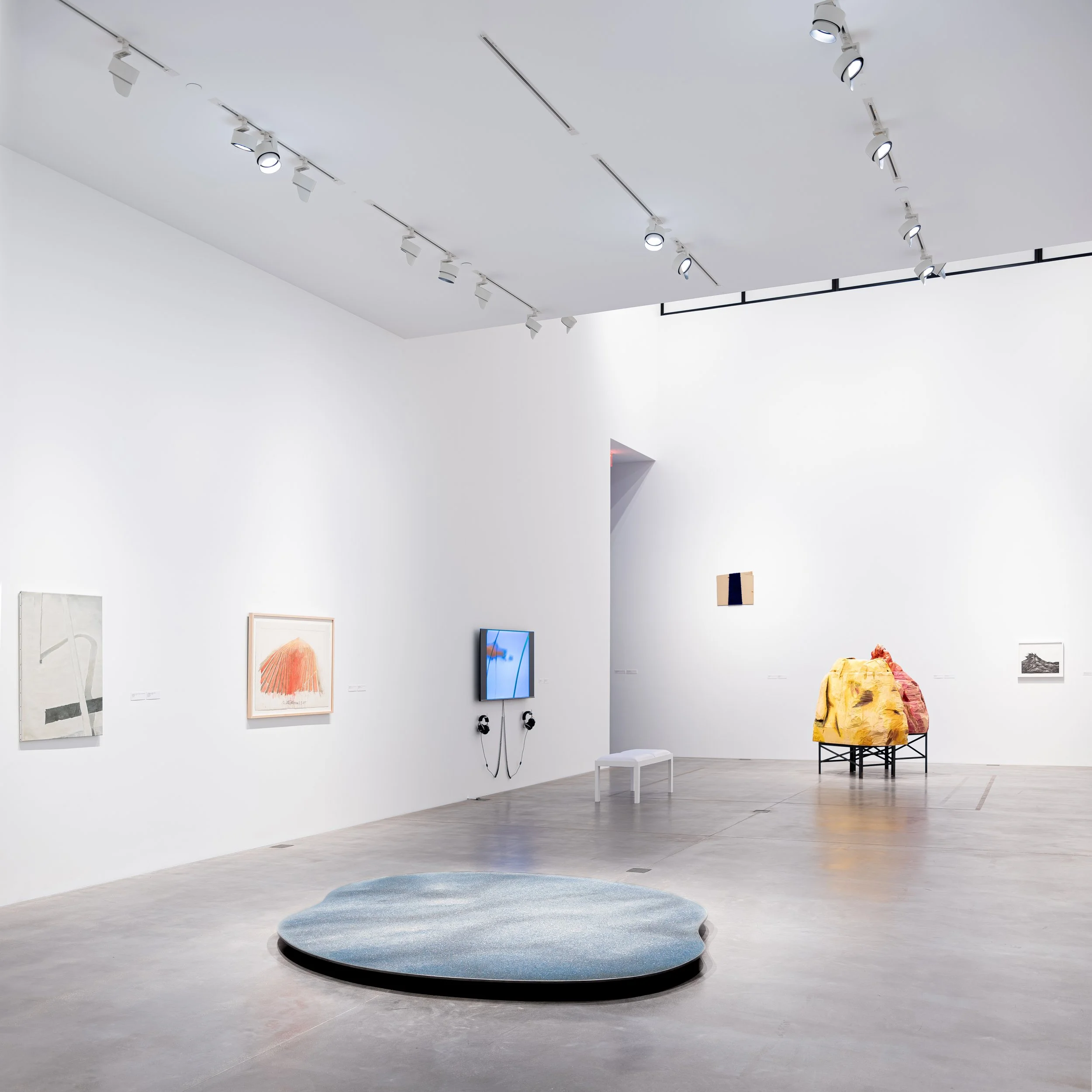
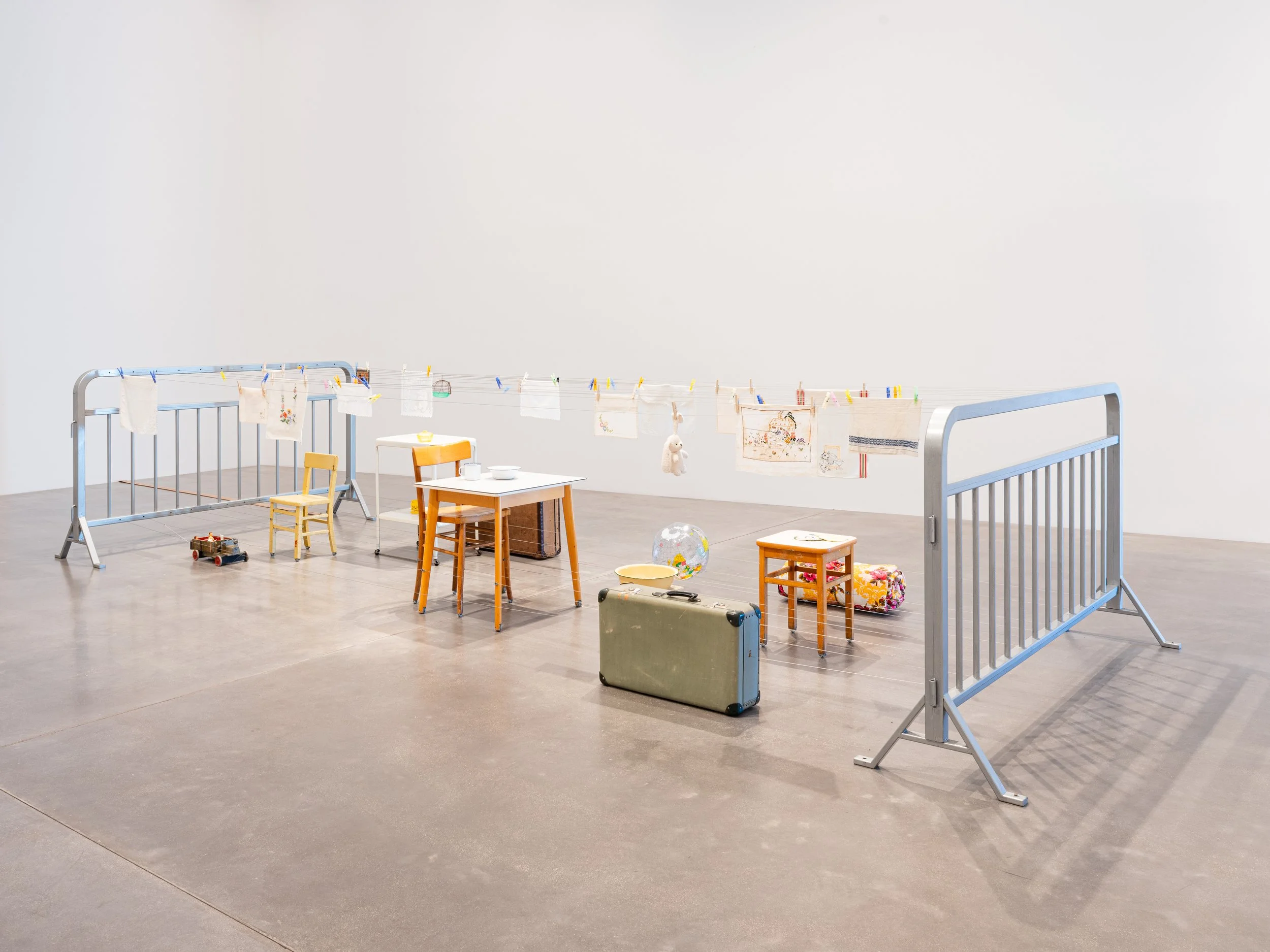
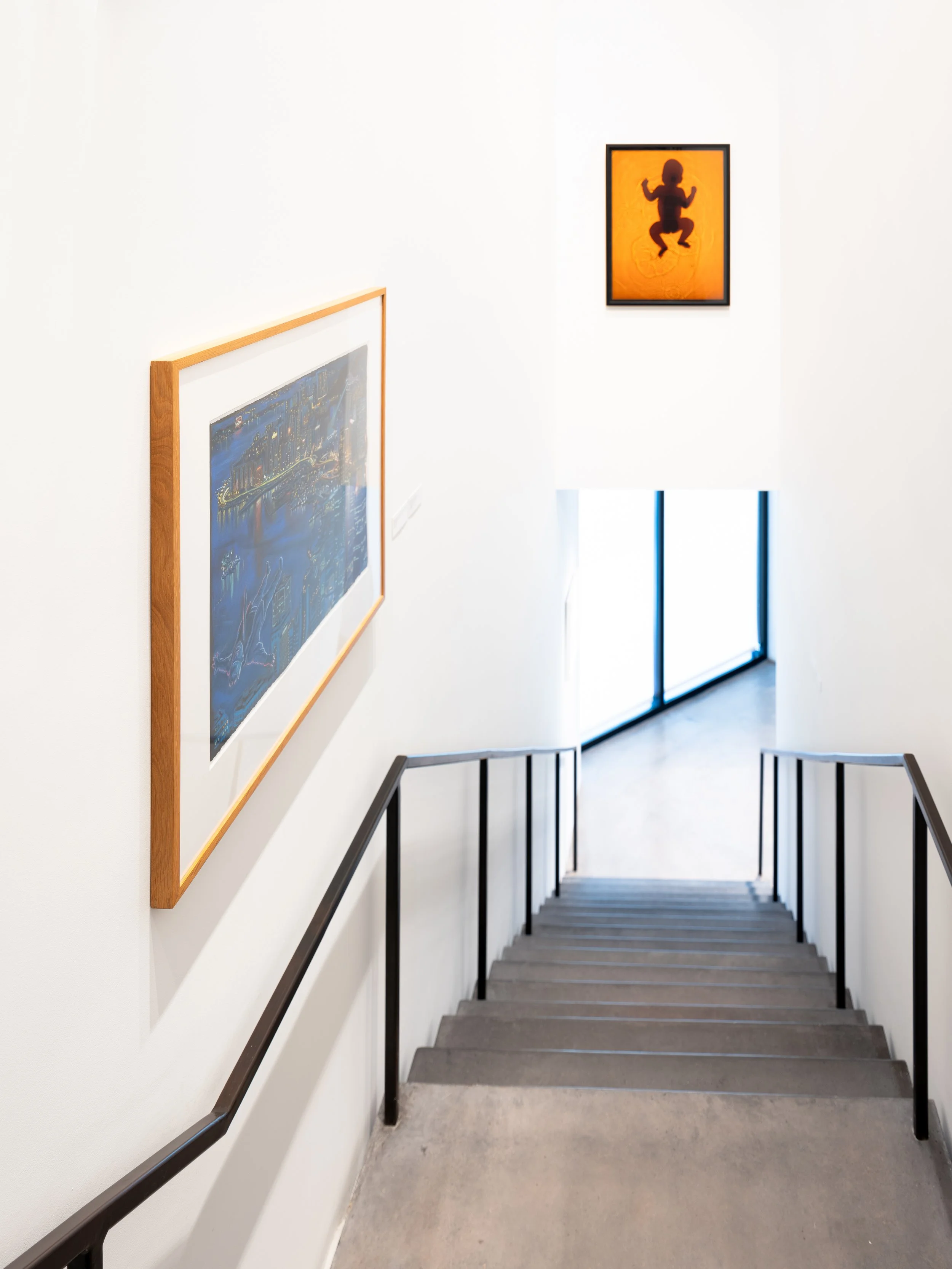
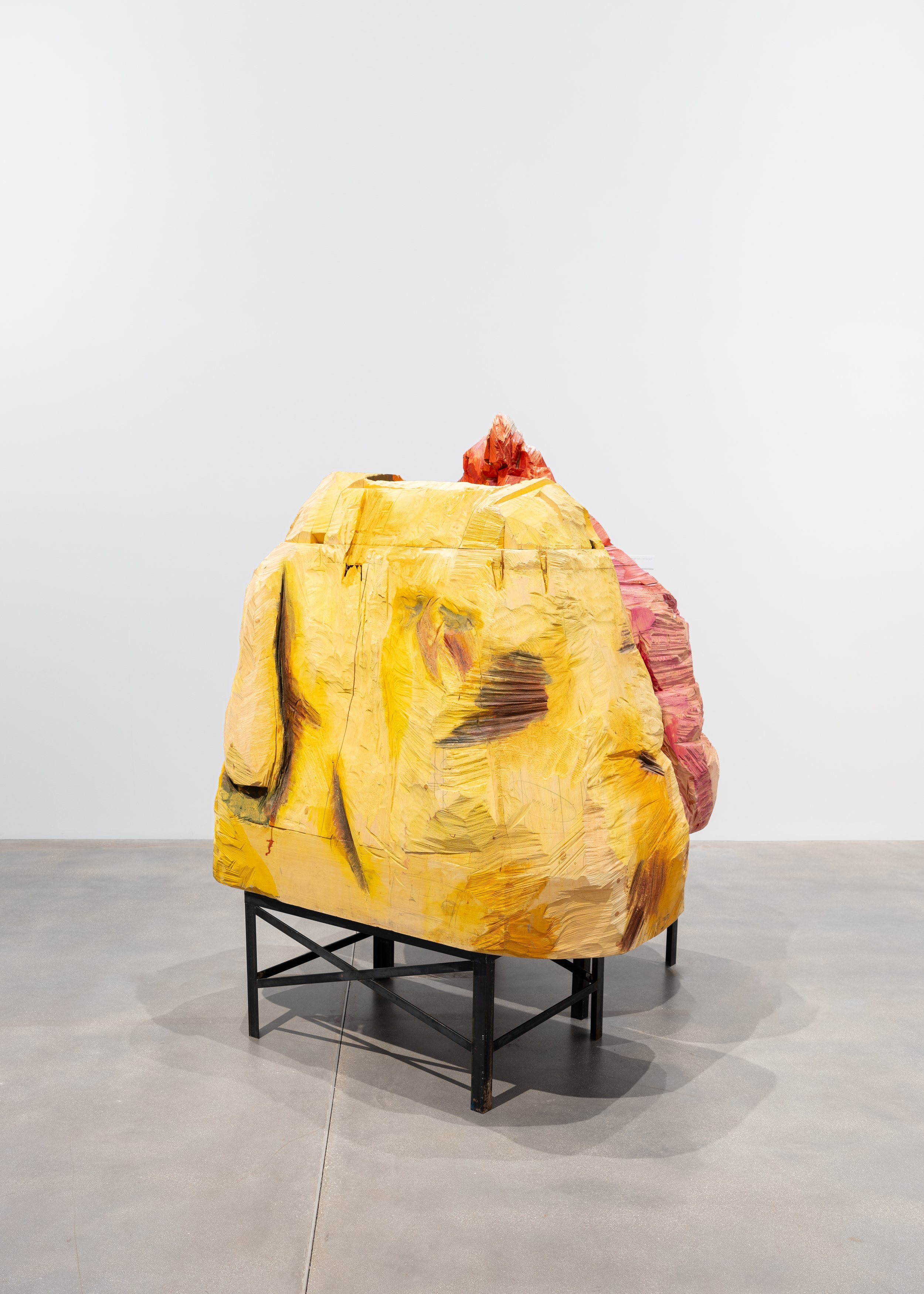
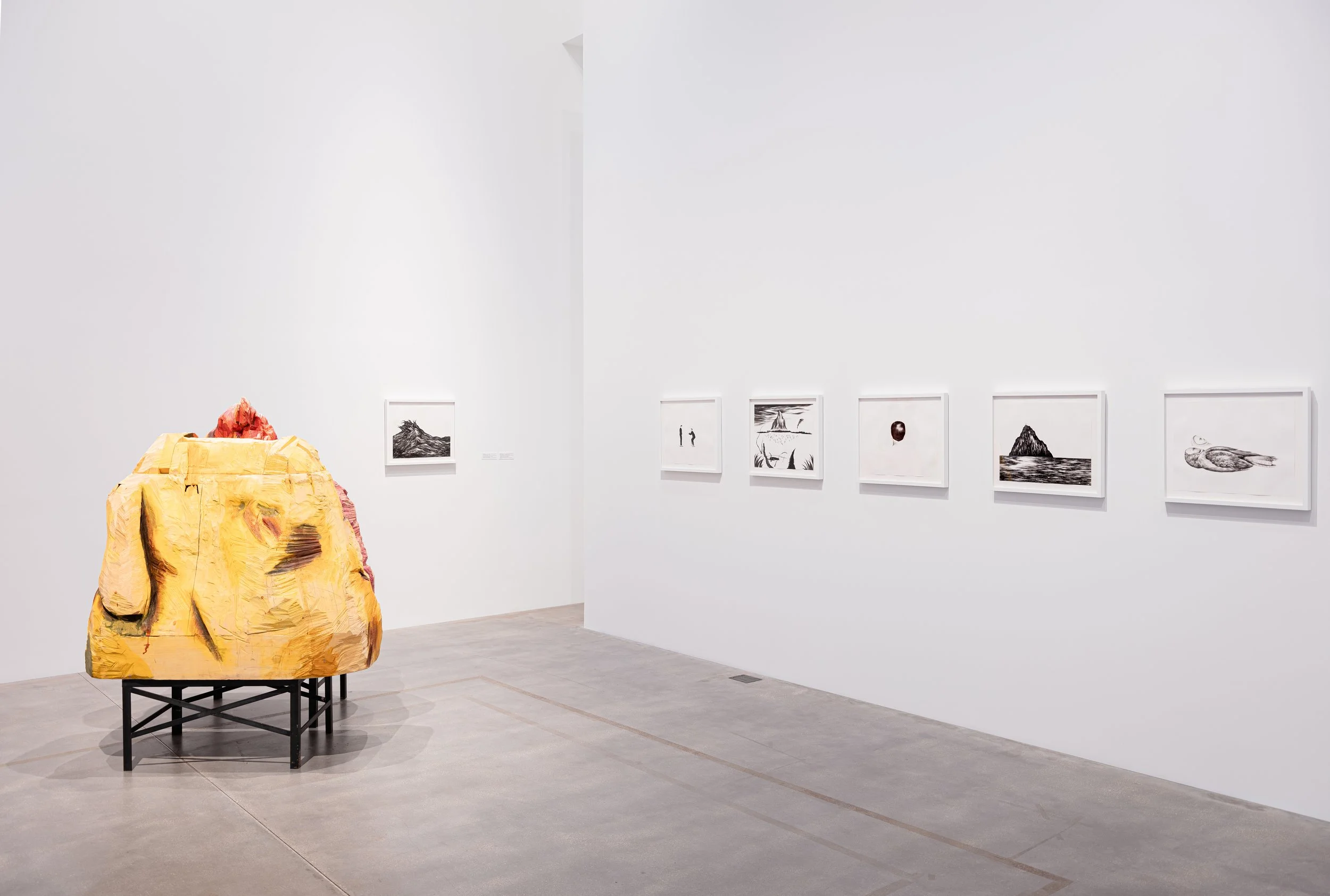
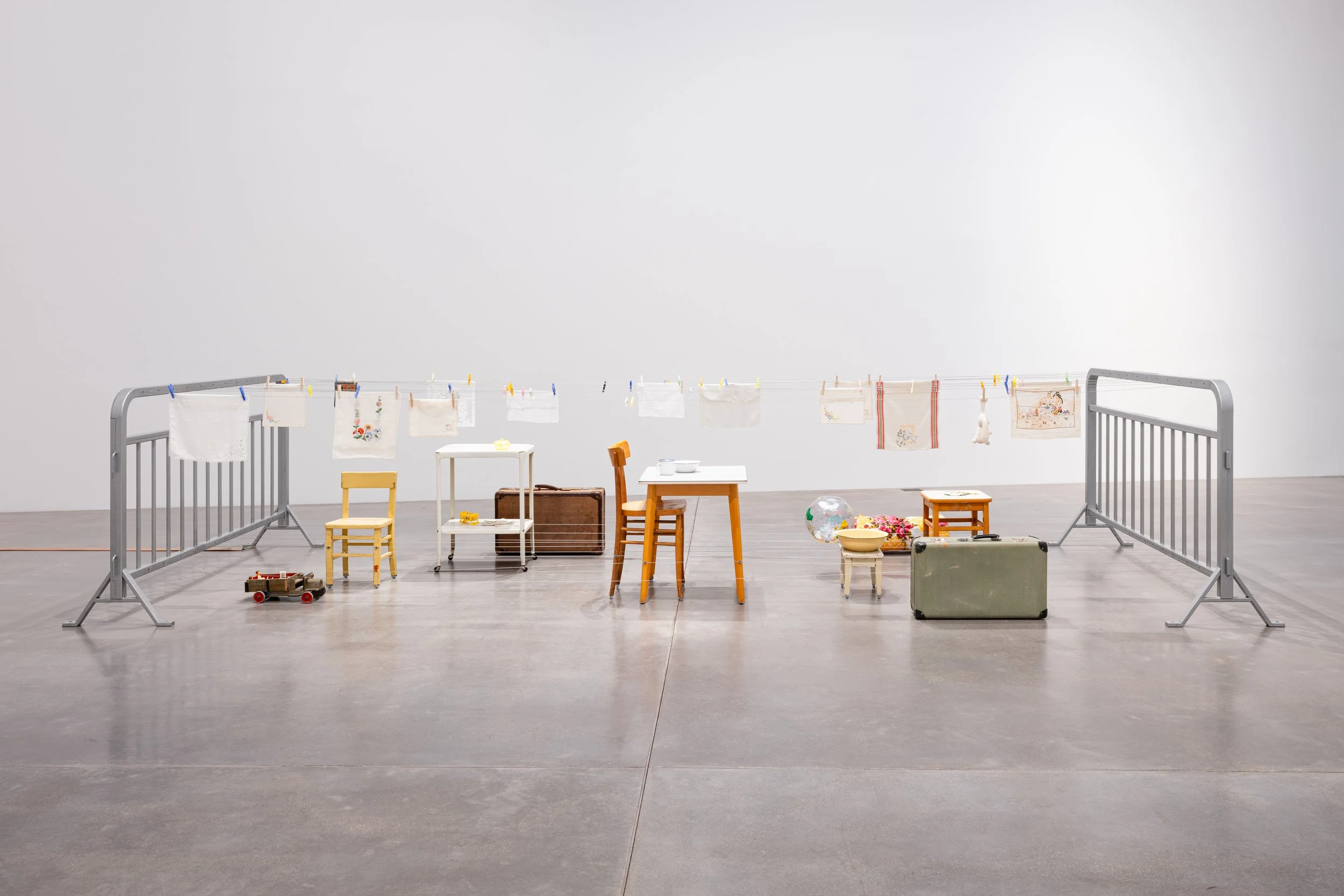
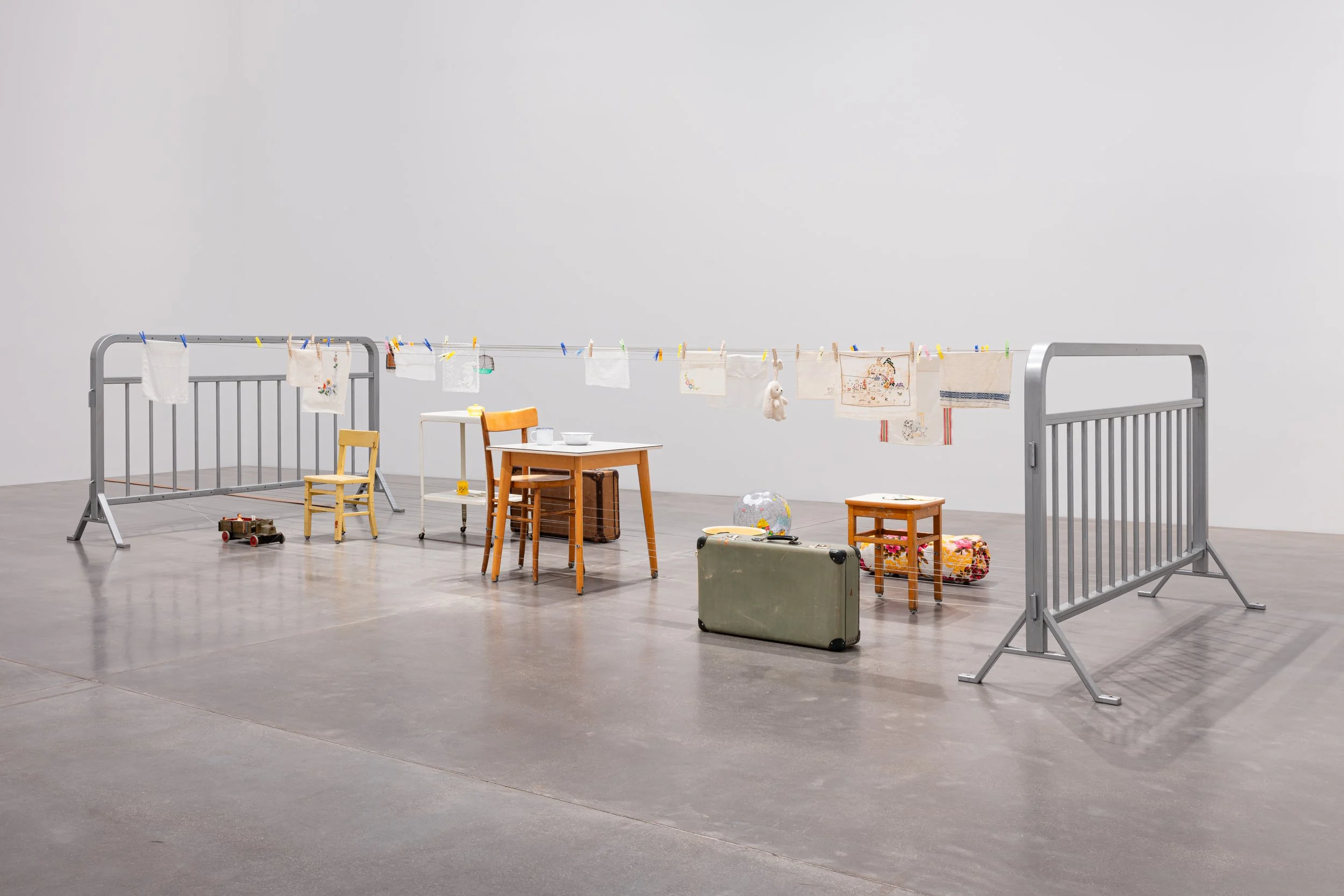
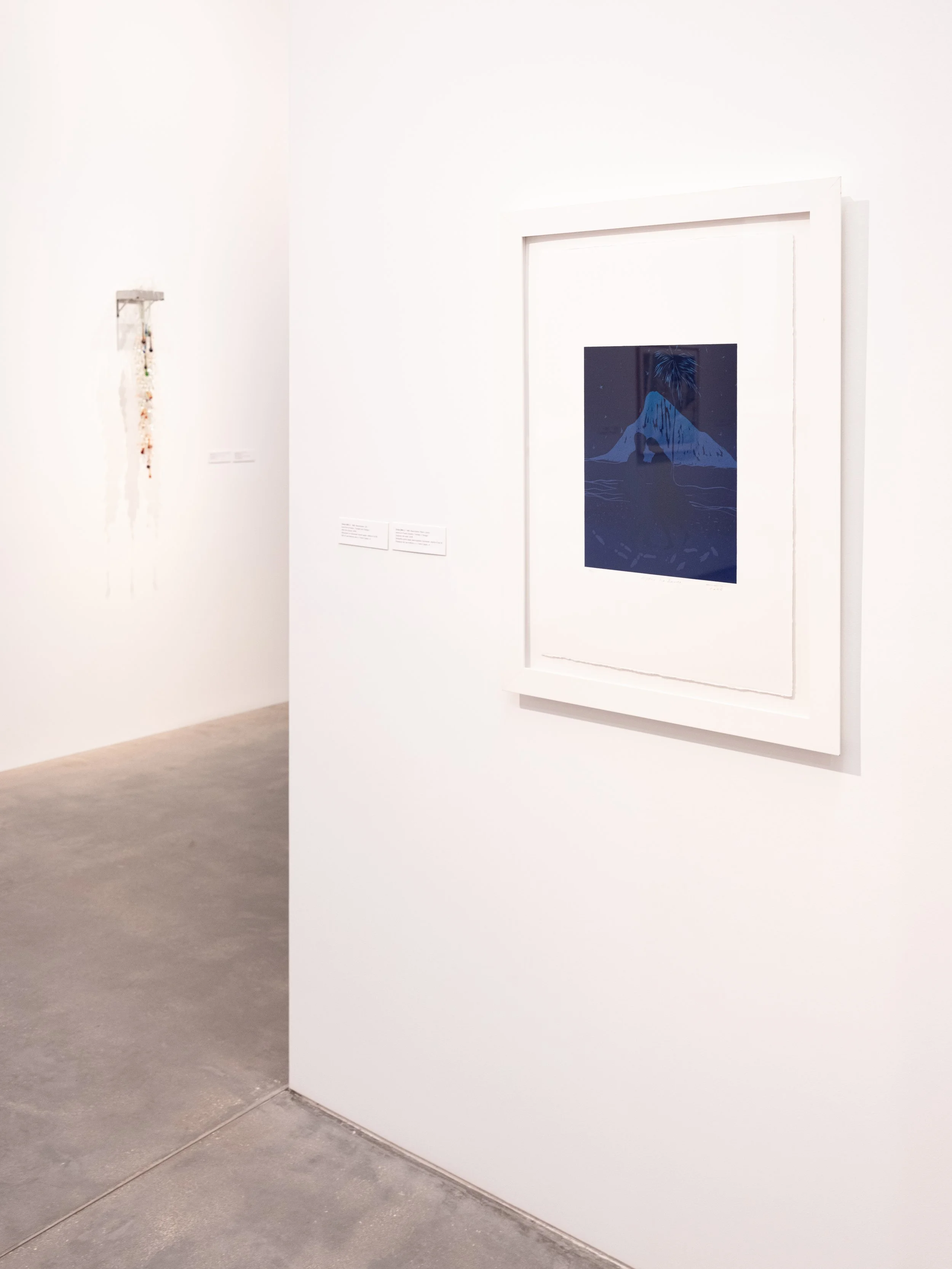
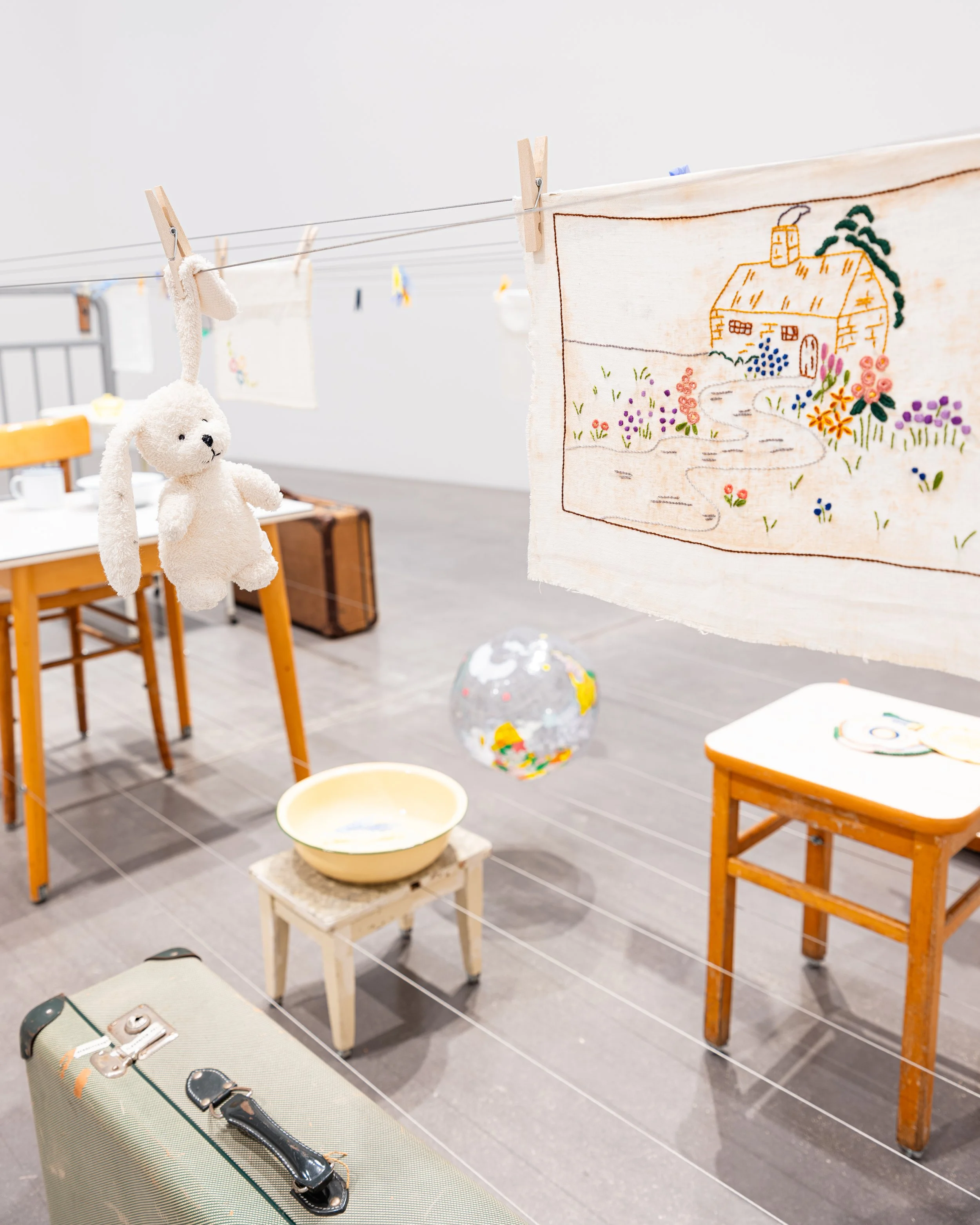
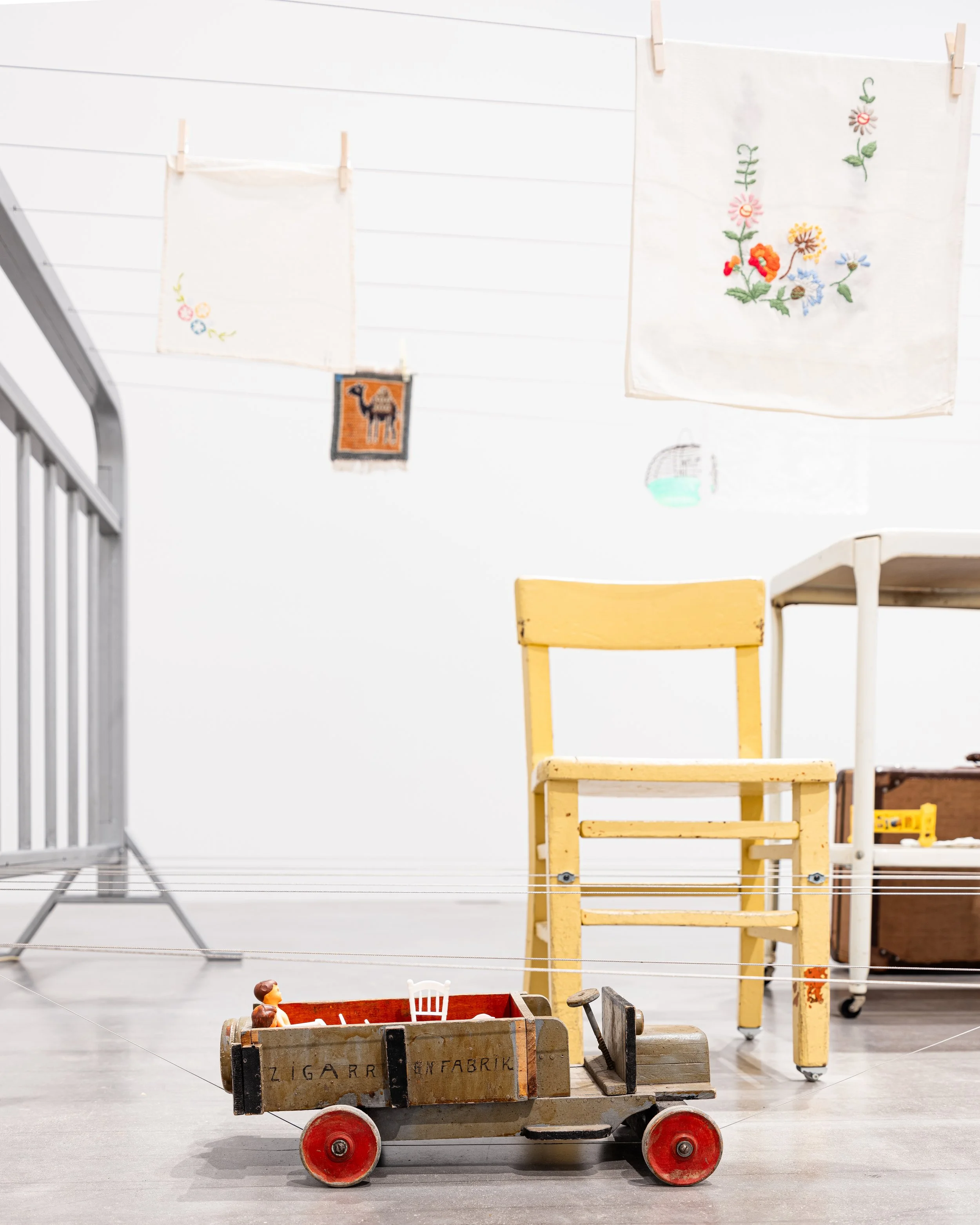
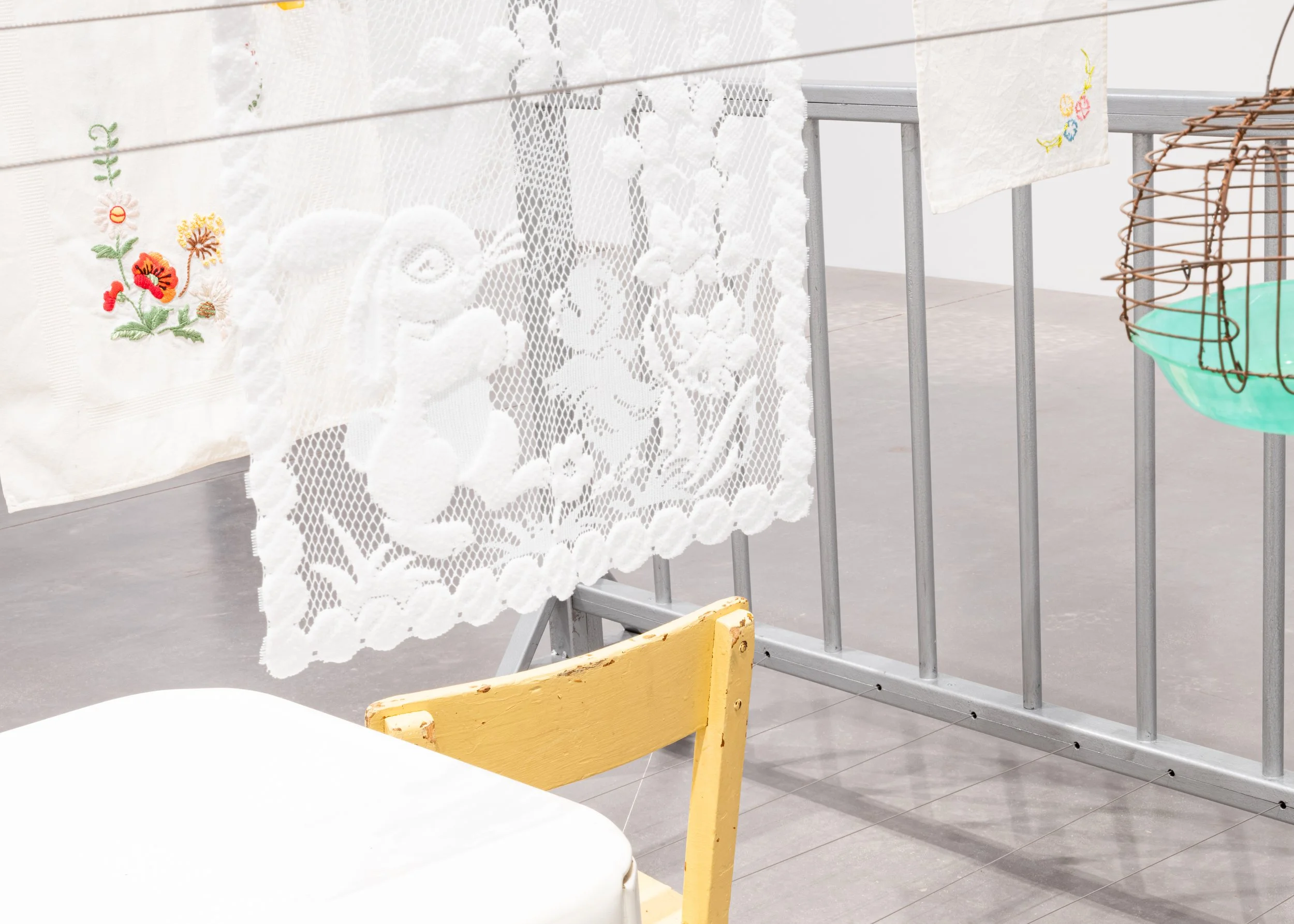
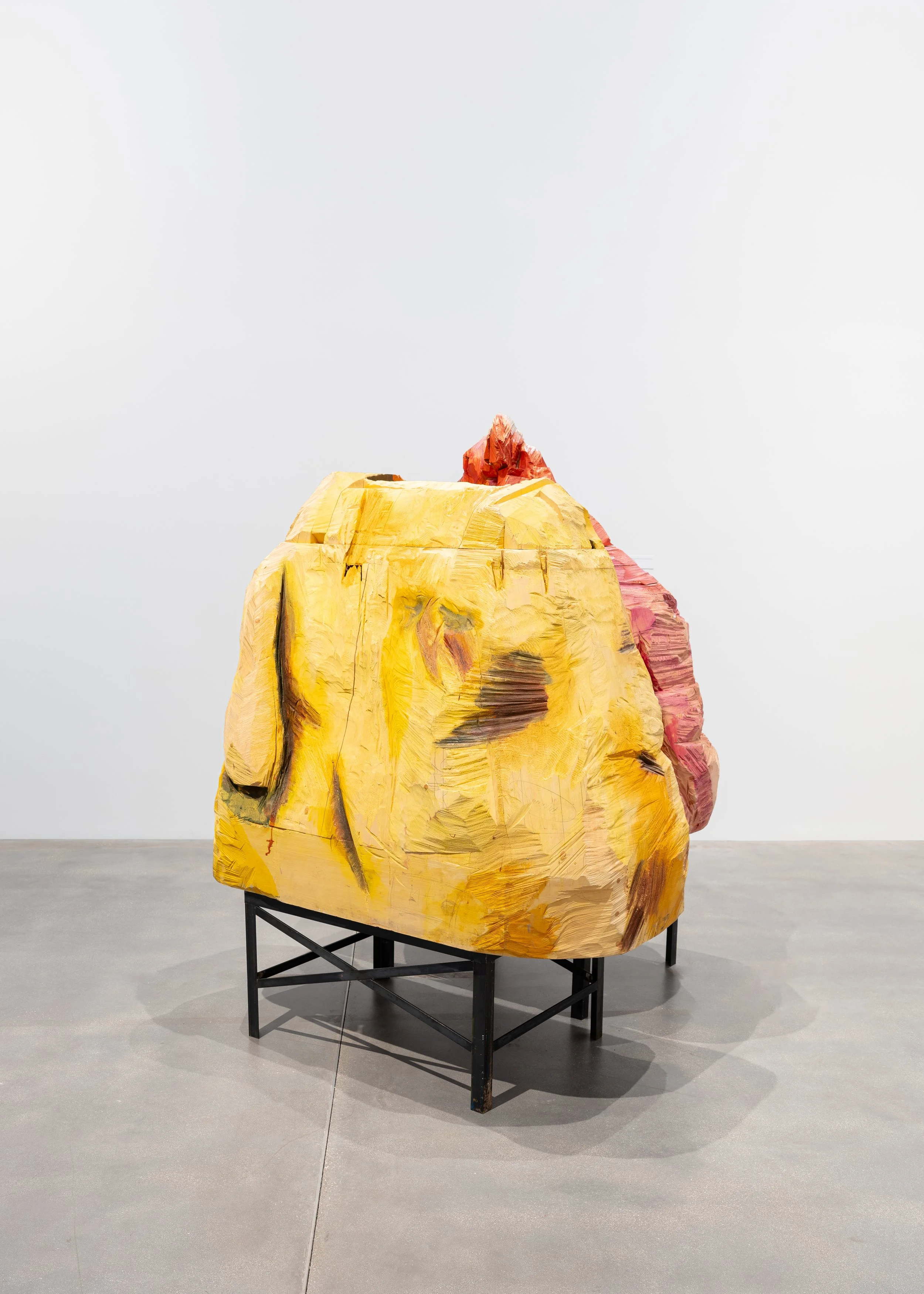
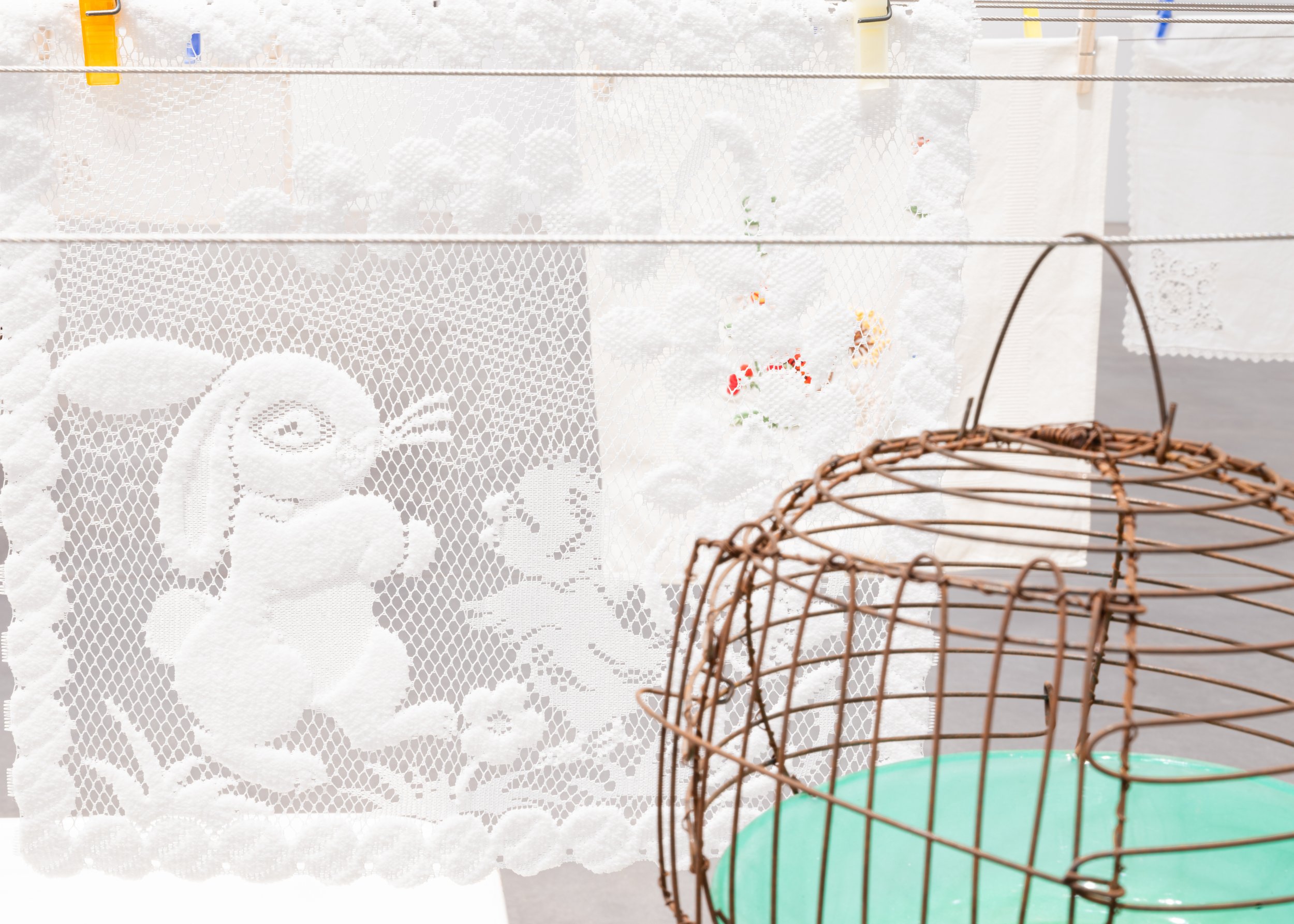
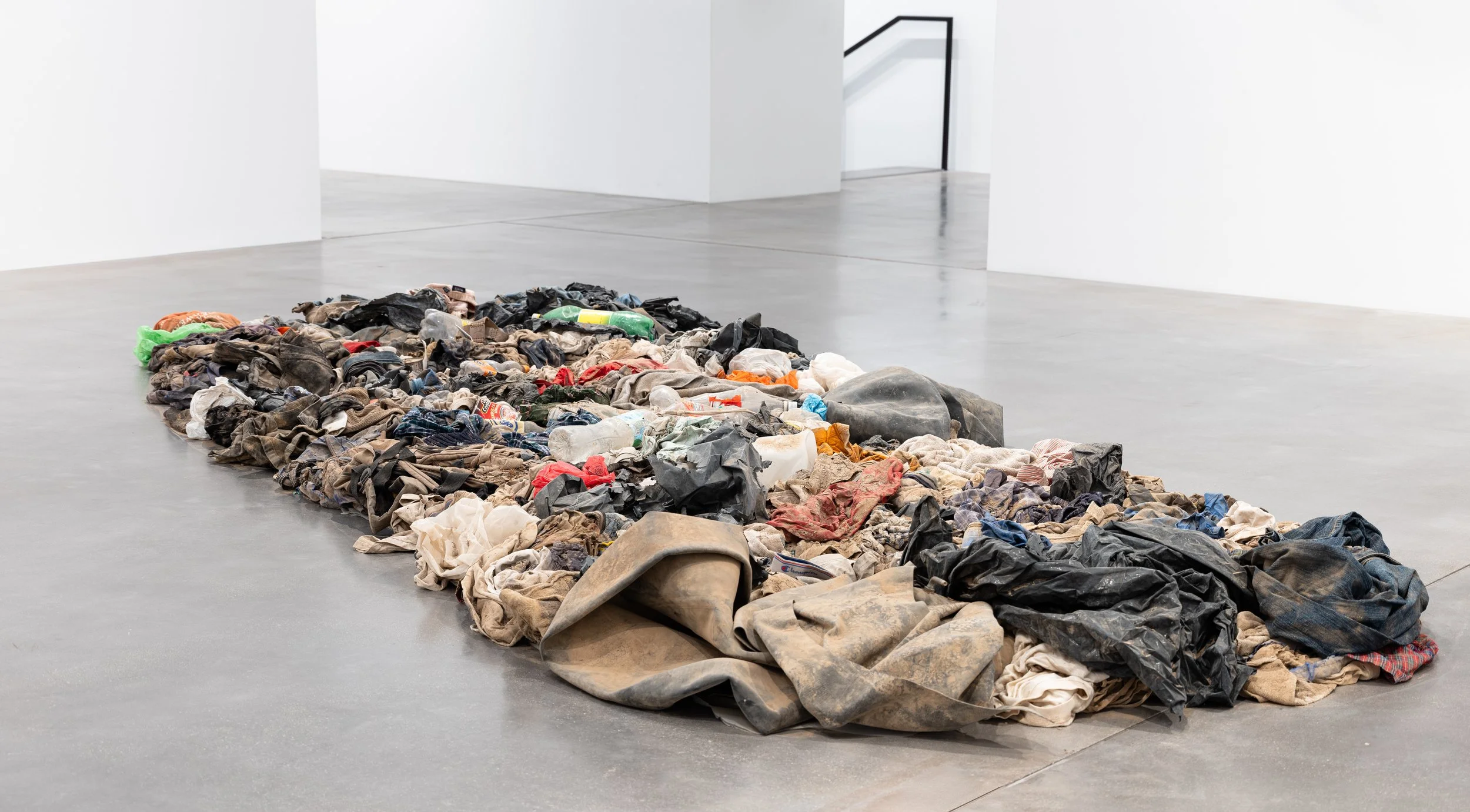
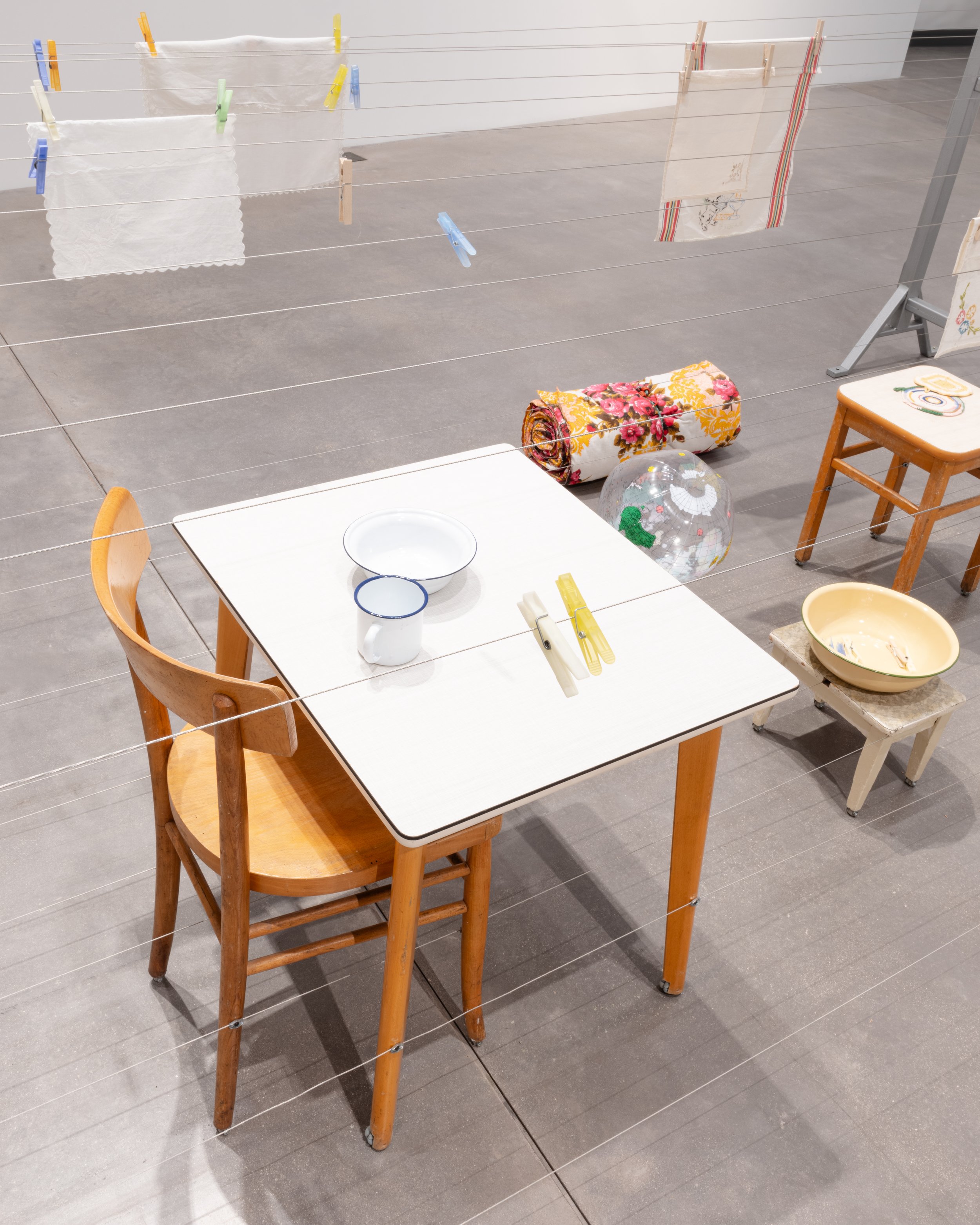
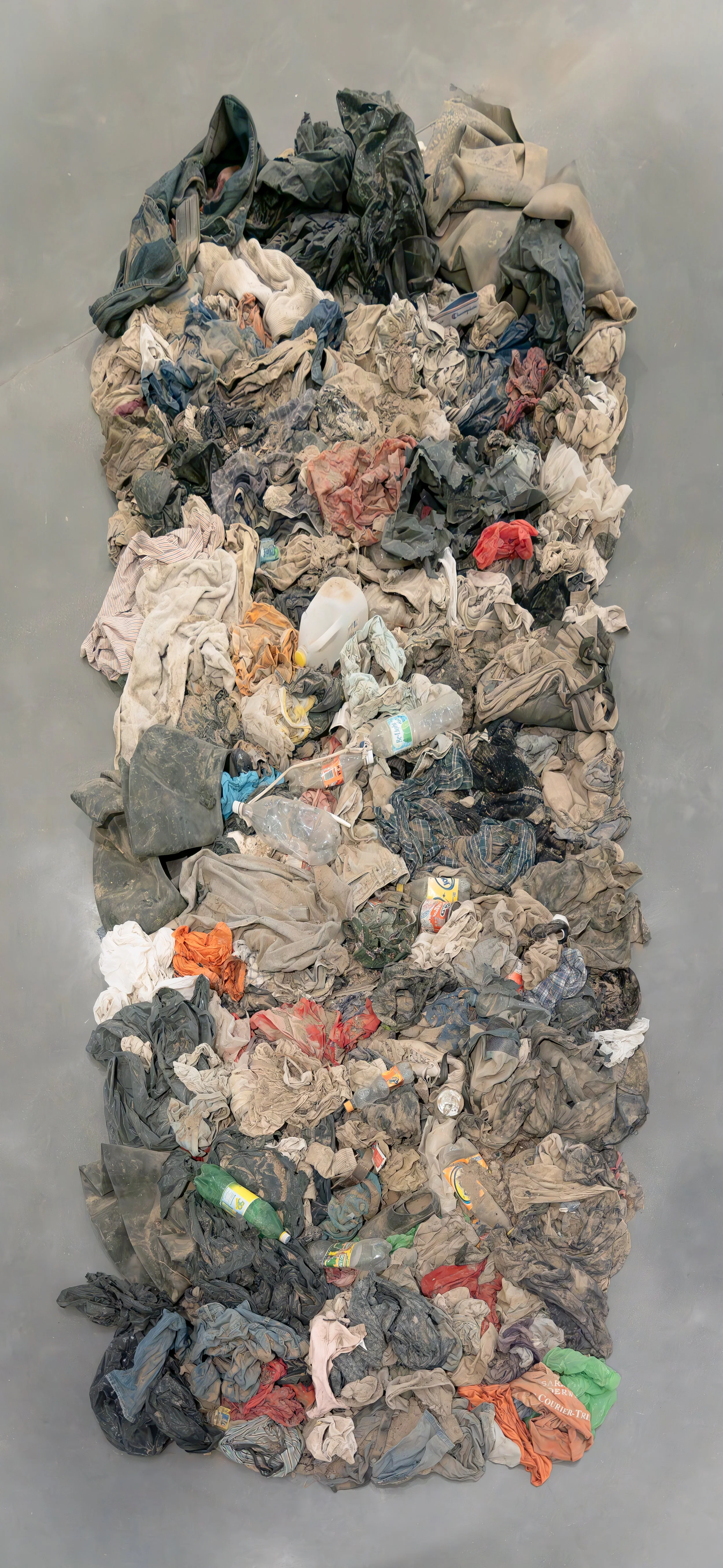
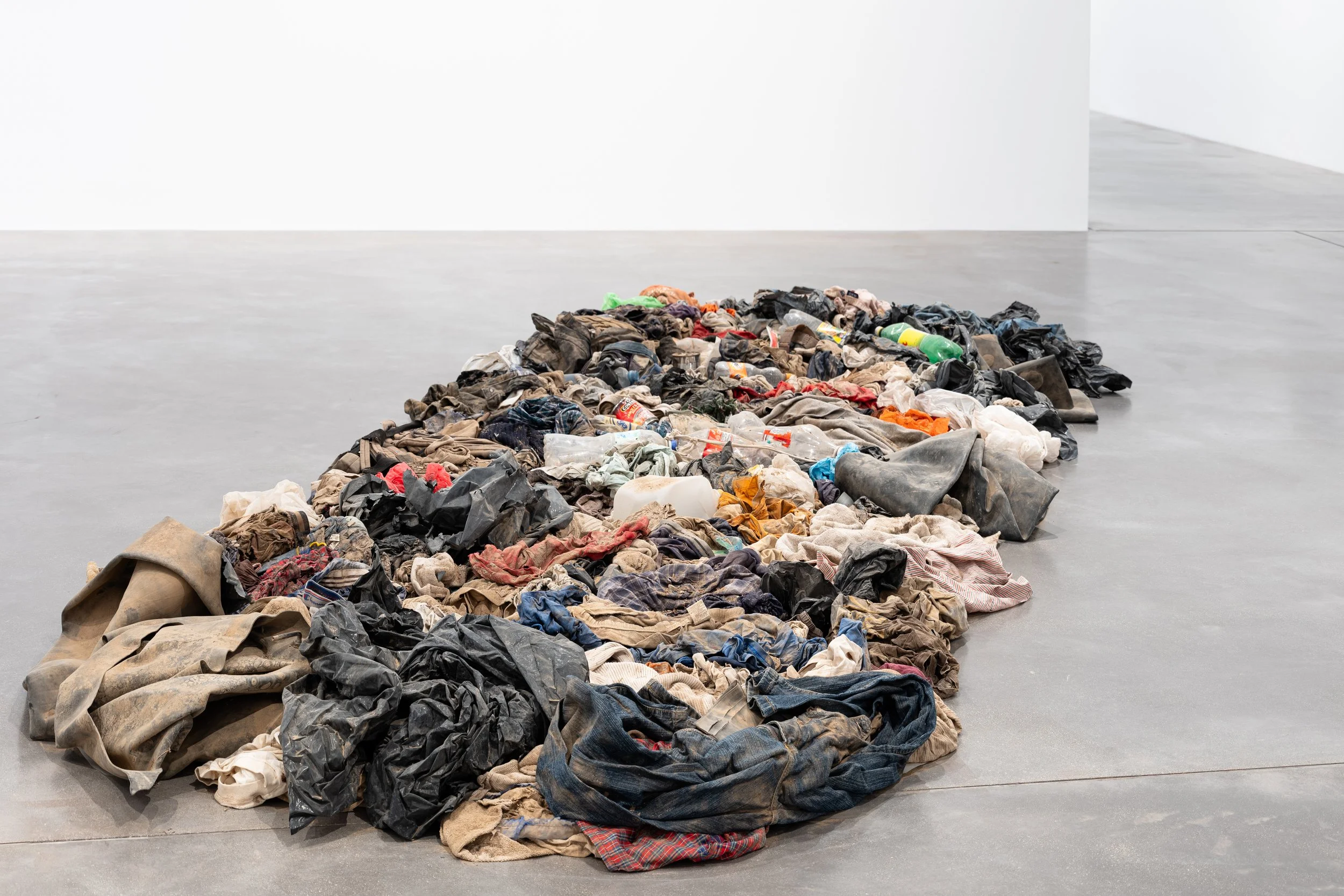
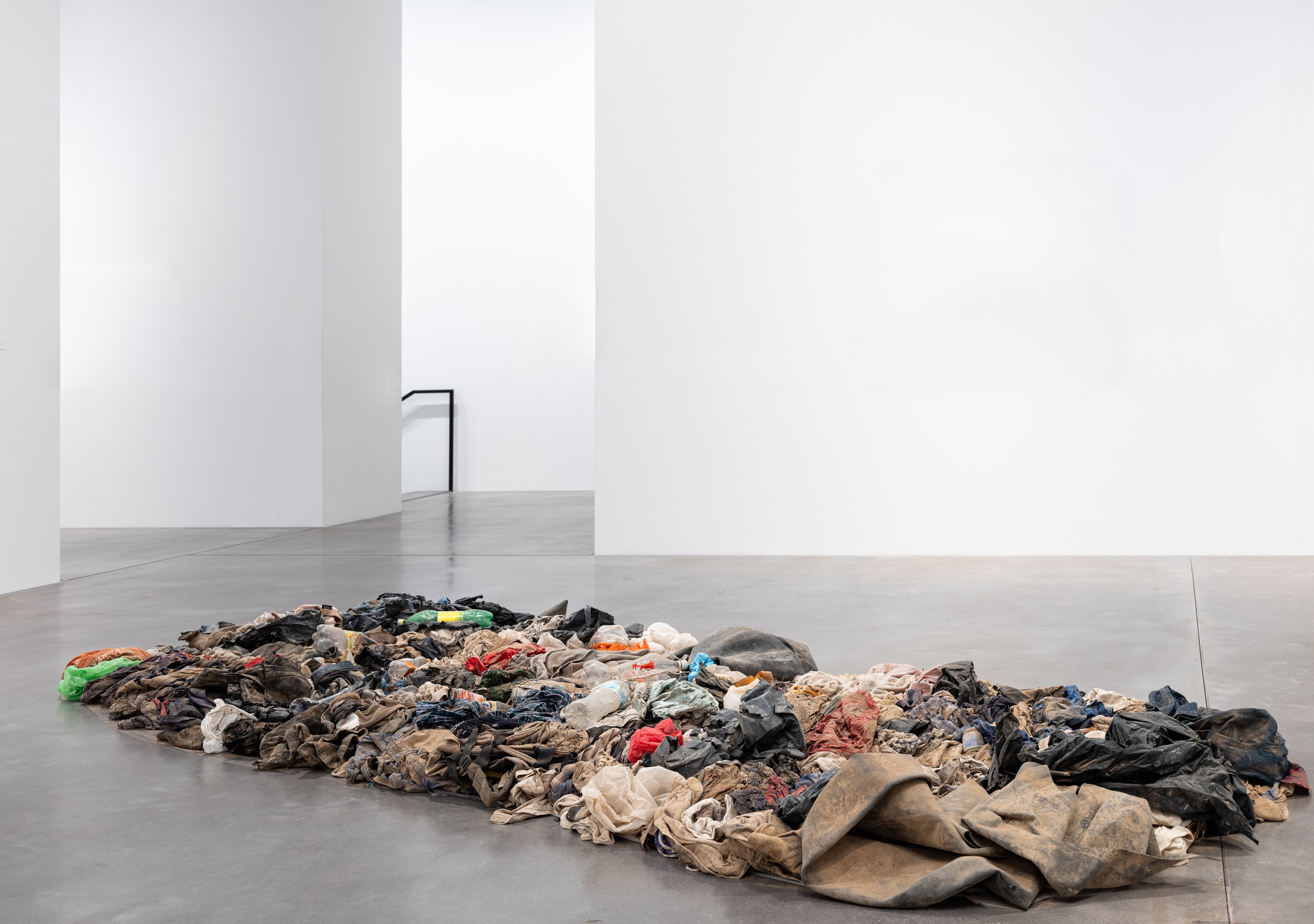
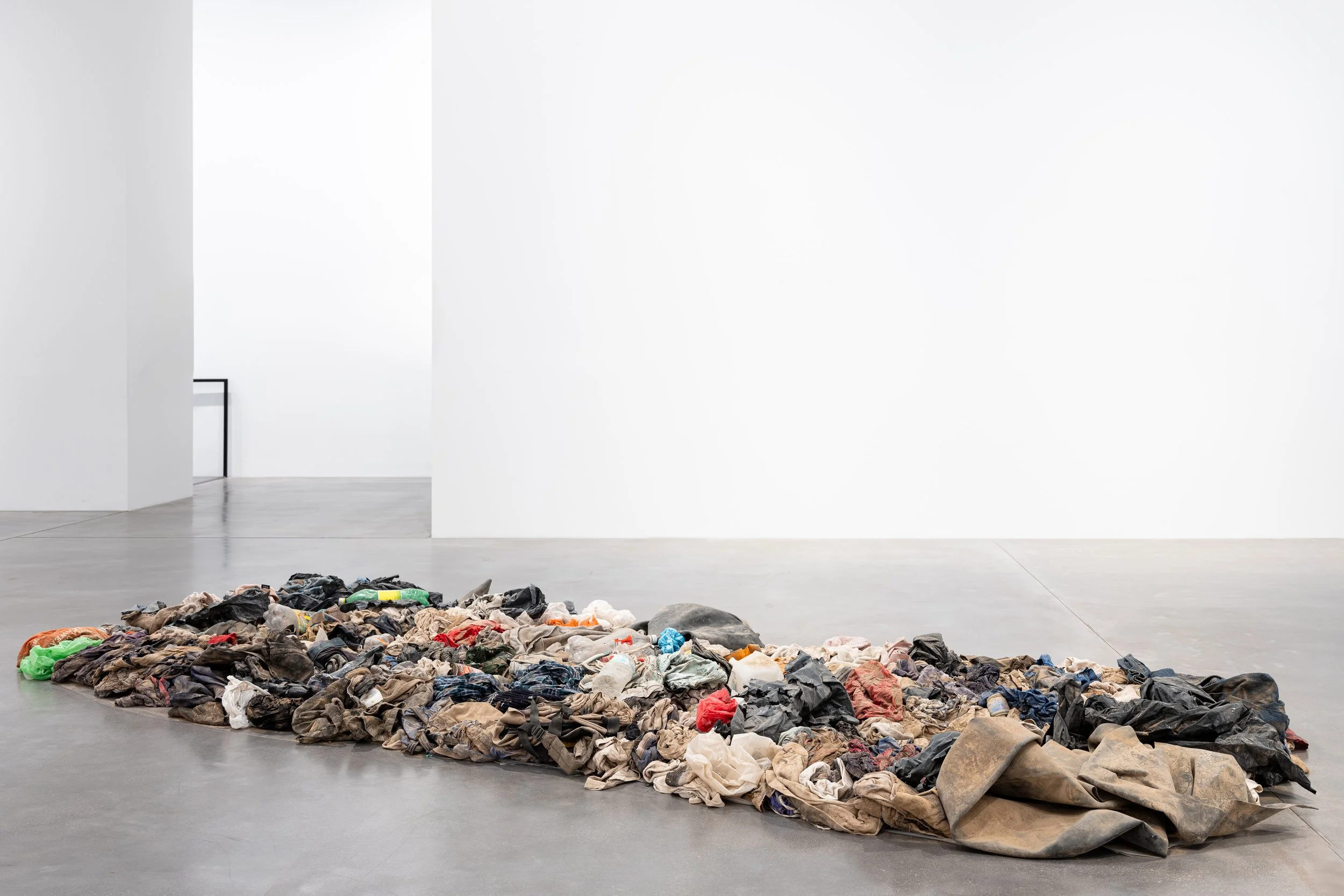
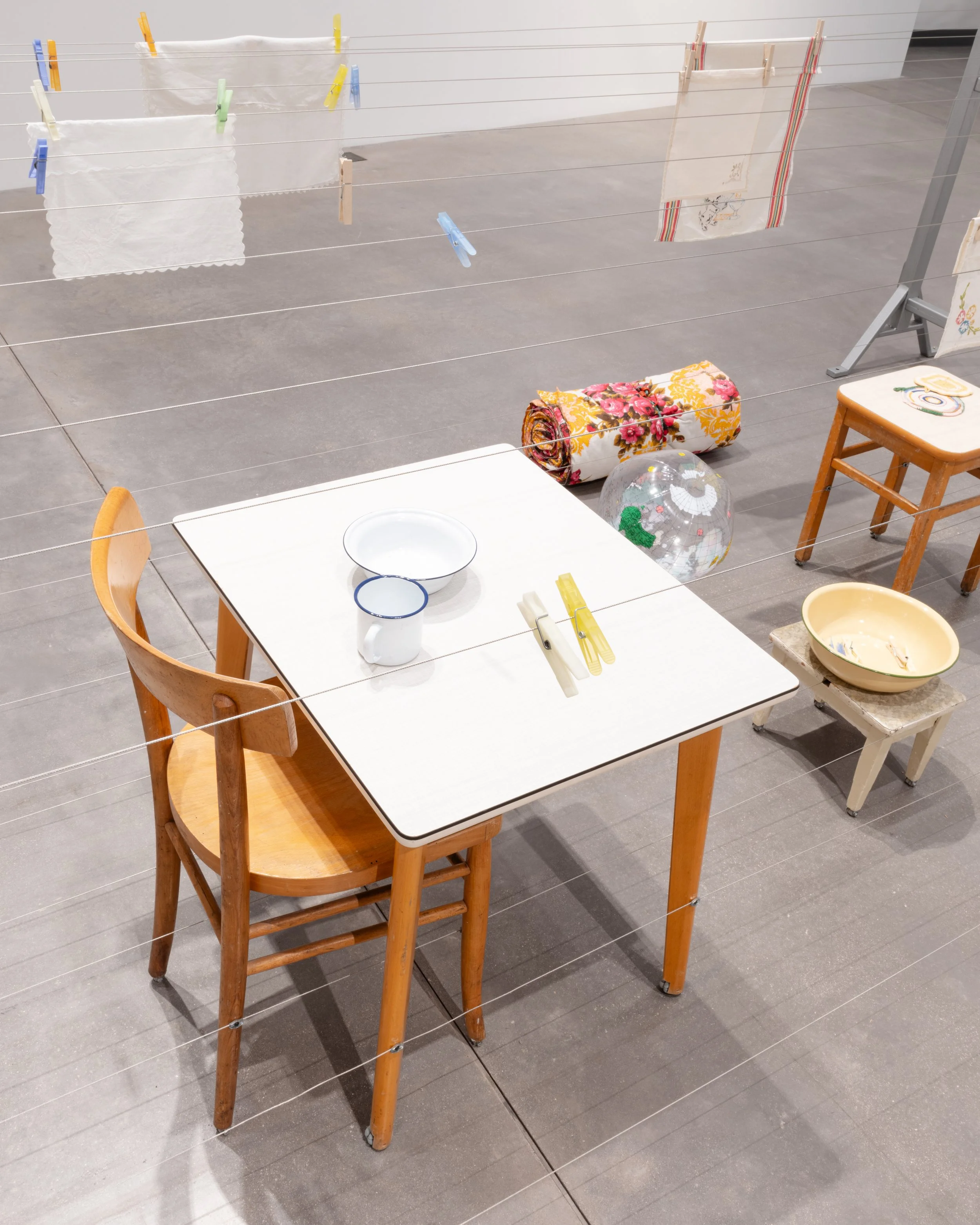
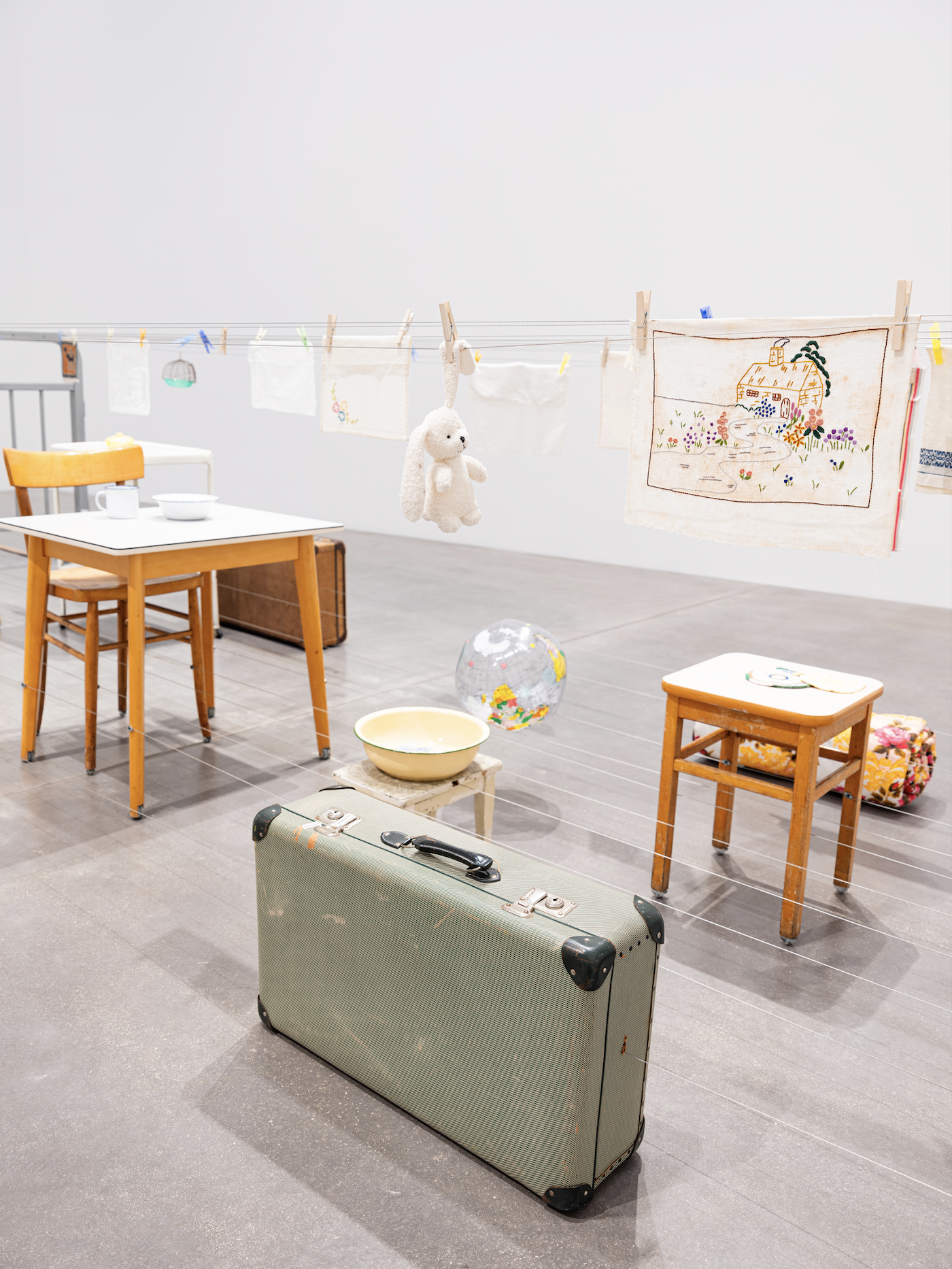
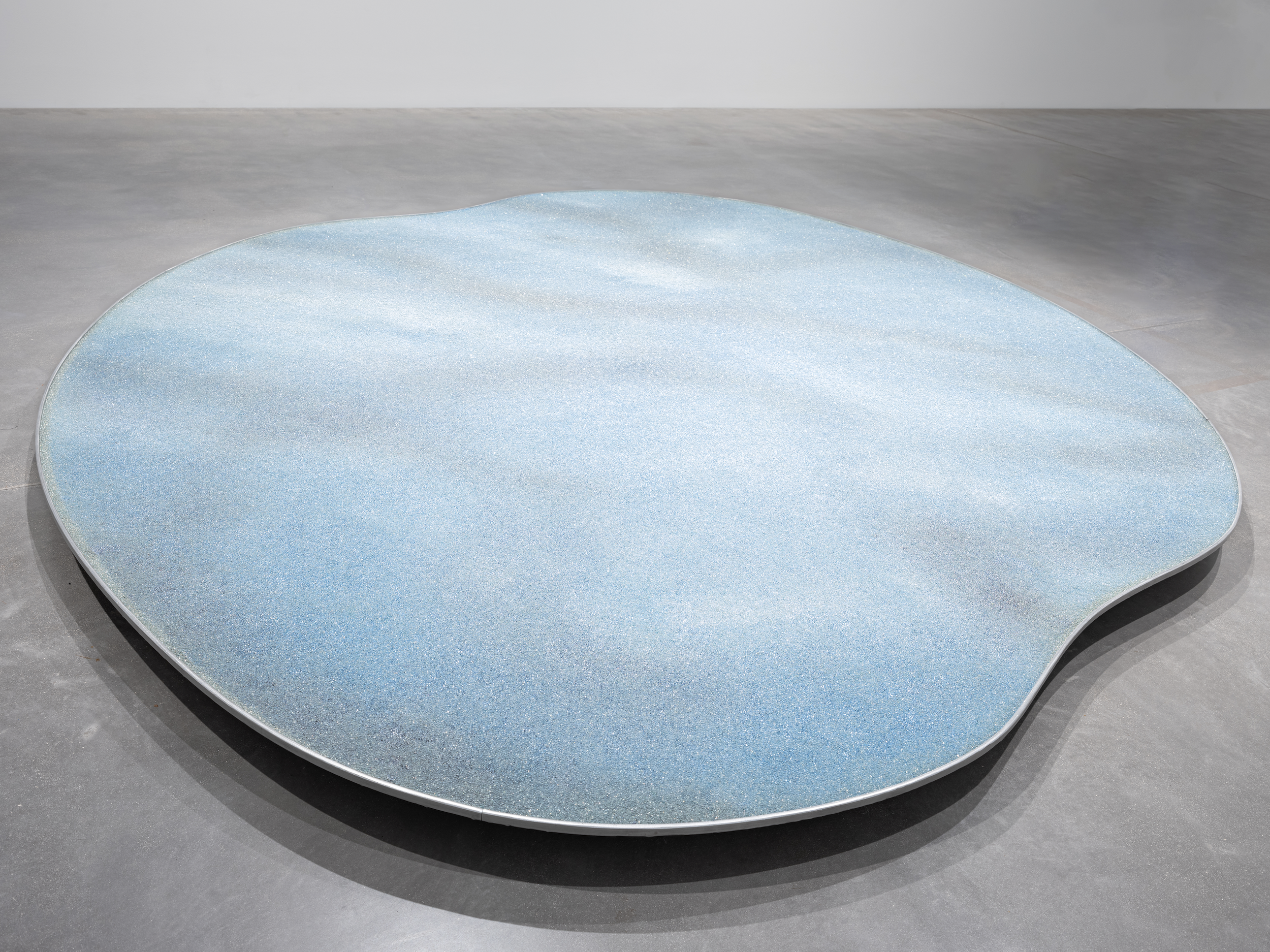
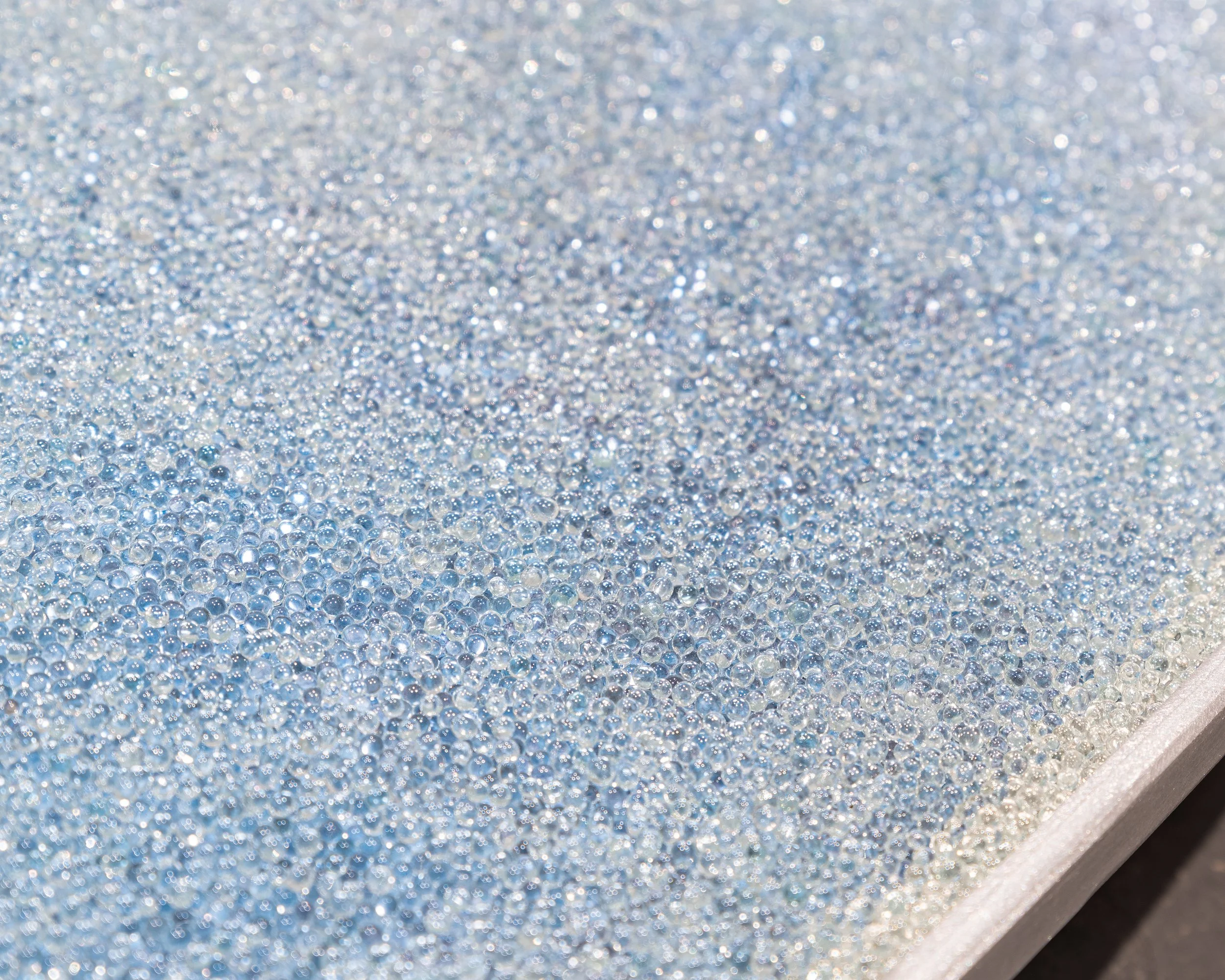

Water is an essential part of our lived experiences, ranging from the beneficial—taking a dip, watching the calming beauty of a sea, turning on the tap—to the dire—floods, melting polar ice caps, drought. In fact, our bodies are mostly comprised of and our planet is overwhelmingly covered by water. It’s no wonder then that this vital life source continues to be inspirational fodder for artists. Water’s fluidity, reflectivity, depth and ever-changing nature evoke a wide range of associations and emotions that artists have sought to capture or express through their work.
The group exhibition Water Ways brings together works that make direct reference to water and art that uses water metaphorically. Here, artists picture swimmers, capture moonlit lakes, re-create a pool of water, map seas or depict mythic tales rooted in oceans or rivers. These works are balanced by others that suggest the aquatic, like bridges, borders, depth, movement, reflection, source, transformation and the unconscious. Unceasing motion, dreams, psychological implications and mirrored surfaces, among other aspects, play a role in these artists’ works.
Comprised of drawings, installations, paintings, photographs, prints and sculpture, Water Ways includes over 50 works of art that underscore water’s many forms and associations. Serving as a powerful conduit, the theme of water enables artists to delve into its representation as well as its psychological, symbolic and cultural significance. The works on view are almost entirely drawn from the Linda Pace Foundation/Ruby City Collection and reveal yet another lens by which its holdings can be interpreted.
Water Ways celebrates the opening of the newest phase of the San Pedro Creek Culture Park, which integrates Ruby City as a key anchor of this acclaimed linear park managed by the San Antonio River Authority. This marks the completion of the Ruby City campus, with the plaza now open and its design incorporated into the Culture Park’s Camp Street bridge, pathways and landscaped terracing. Take a moment to explore the Park which provides access to nature and public art commissioned by the River Authority along with Bexar County and, just as importantly, honors this waterway’s importance to the history and future of San Antonio.
Artists in the exhibition include:
Carlos Almaraz, Jesse Amado, Ricky Armendariz, Rosa Barba, Jennifer Bartlett, Louisa Chase, Anne Chu, Joey Fauerso, Teresita Fernández, Adam Fuss, Mona Hatoum, Jim Hodges, Jenny Holzer, Teresa Hubbard and Alexander Birchler, Isaac Julien, Surasi Kusolwong, Donald Moffett, Rivane Neuenschwander, Robyn O’Neil, Chris Ofili, Catherine Opie, Sherry Owens, Linda Pace, Raymond Pettibon, Lari Pittman, Lordy Rodriguez, Peter Rostovsky, Luz María Sánchez, Penelope Speier, Robert Stackhouse, Do-Ho Suh, James Surls, Luc Tuymans and Robert Yarber, among others.